
- Acquista crypto
- Mercato
- Futures
- Spot
- Copy trading
 WE-Launch
RedStone "False Advertising"? Anger Erupts as Only 4,000 out of 230,000 Community Members Receive Airdrop

Original Title: "Only 4000 Qualified Addresses, Has RedStone's Airdrop Angered the Masses?"
Original Author: Alex Liu, Foresight News
On the evening of March 5th, RedStone initiated its airdrop query. Since its pre-market listing on Binance on February 28th, RED has hit Binance's latest circuit breaker for 3 consecutive days, breaking above $1.40 after the price limit was removed, and is now trading at $0.87 with a market cap of $34 million and a fully diluted market cap of $860 million.
As the latest Launchpad project on Binance, RedStone saw significant participation in its airdrop event, garnering attention in the community. Known for its low-cost reputation as a price oracle provider, the project has not experienced any major pricing errors since its launch and has received support from notable investment firms such as Coinbase Ventures and Blockchain Capital. However, this shining star's reputation took a nosedive in the community after the launch of the airdrop query page last night, with some netizens even labeling it a "scam project." But why?
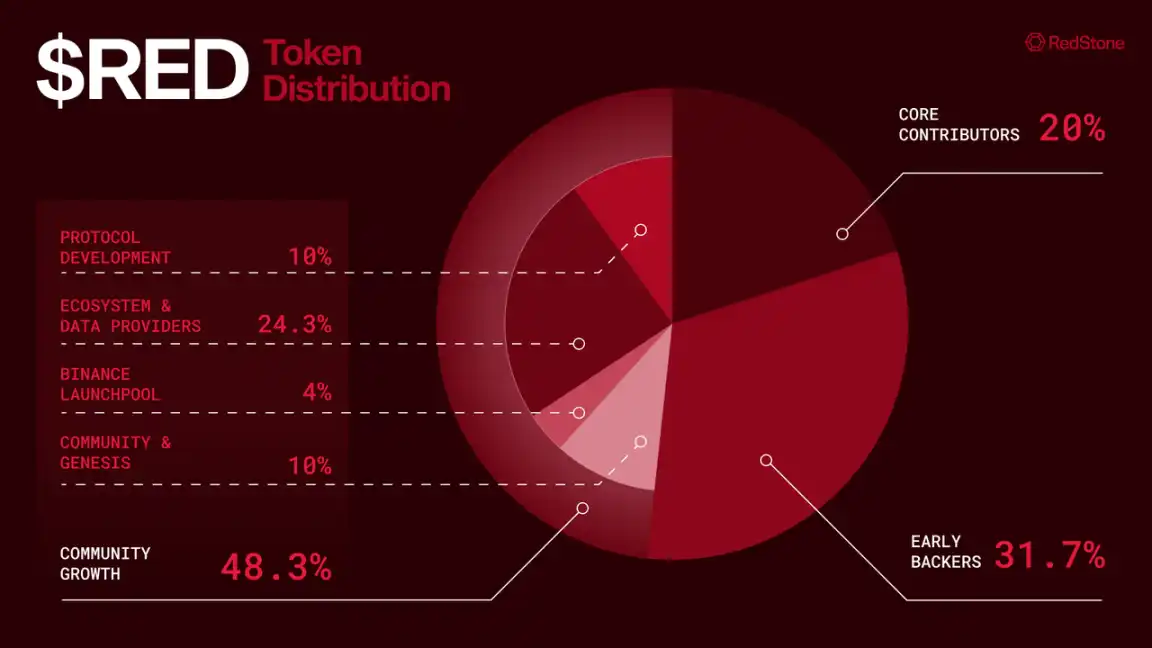
Looking at its tokenomics, a 10% community airdrop allocation is not considered low and does not seem to be the root of the issue. On social media platforms, community members have provided feedback that they participated in multi-year tasks (such as mining activities in Seasons 1-3, over a hundred tasks on Zealy, Lunar New Year events, etc.) but still did not receive the airdrop. In RedStone's official statement, the author found the answer.
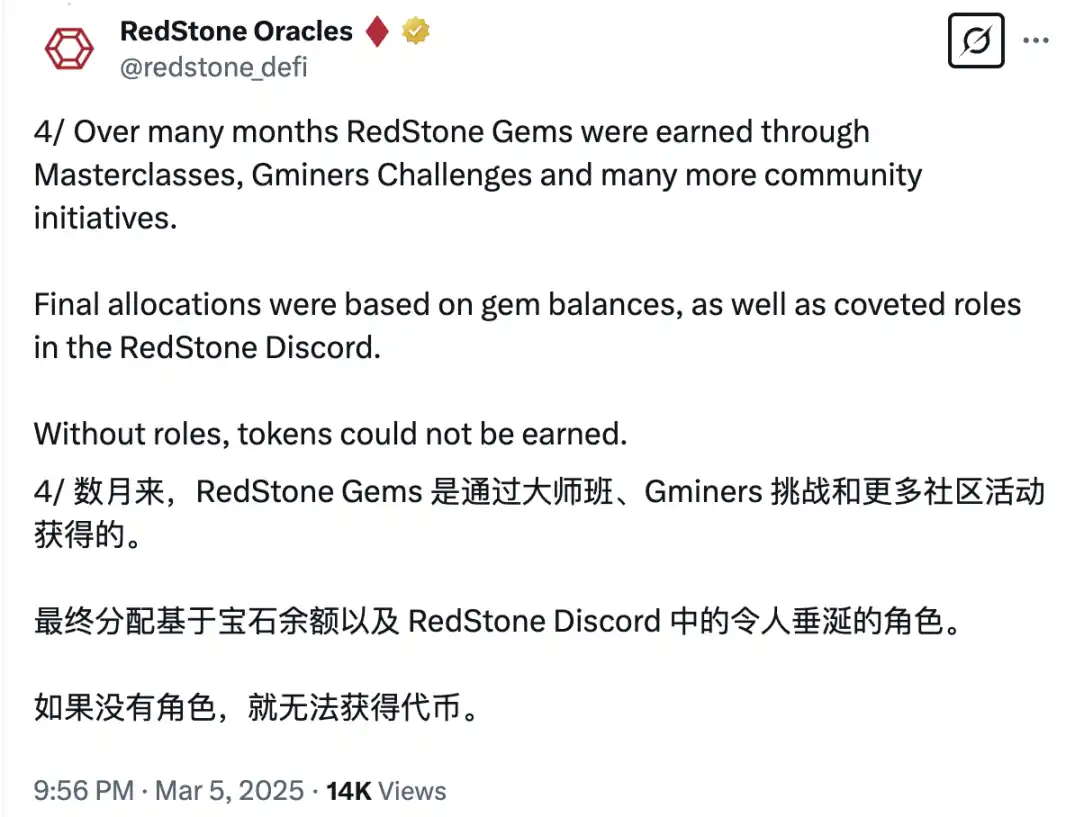
Only those with specific roles in the RedStone Discord are eligible to receive tokens! Qualified roles include Vein Master, Deep Miner, Professor, IRL (participated in offline events), etc., and the proportion of RedStone Discord's nearly 230,000 community members with any of these roles is less than 2%!
Merely offering a small amount of tokens may not have angered community users to this extent (RedStone DC has now activated "slow mode" due to excessive criticism), but the actual reward mechanism being inconsistent with the project's promotion has led many users to feel that their efforts were in vain, which is likely the crux of the issue.
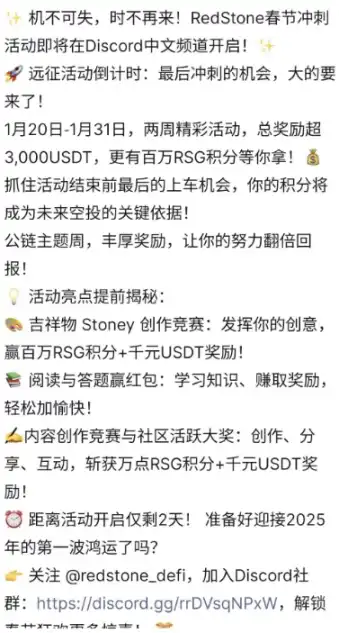
In past promotions, the project team exclaimed, "Your points will be the key basis for future airdrops!" However, in reality, the top 10 holders in the RSG Points ranking, including the 5th and 7th places, were disqualified from receiving RED tokens because they did not have a Discord role. Out of more than 170,000 people on the leaderboard, only 2296 addresses were eligible. With around 200,000 members in the entire community, only about four thousand people ultimately met the airdrop criteria, with many users receiving only a few hundred tokens. The distribution logic appeared to be very "selective" compared to other mainstream projects in the market.
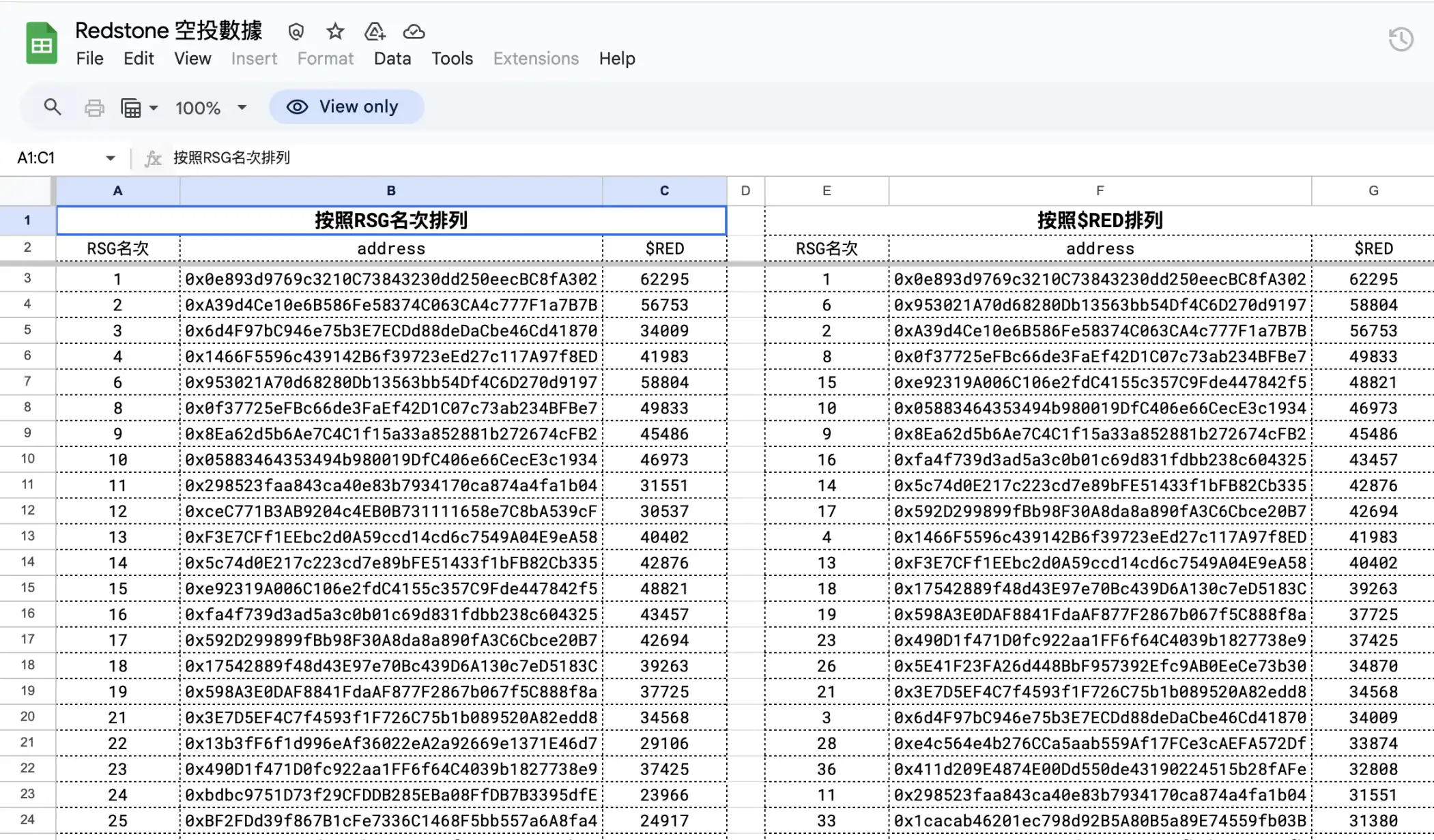
Data Source: @OshinoAJ_eth
So what truly sparked the anger of community members is that RedStone's event design was full of intense "PUA" style marketing: by continuously releasing tasks to attract user participation, it created an illusion of "as long as you are diligent enough, you can receive rewards." In reality, there were invisible barriers in the threshold setting, causing many ordinary users who invested a significant amount of time and resources to be excluded at the last moment.
This goes against industry norms. Other airdrop projects in the industry usually focus more on the broad participation of users in the distribution mechanism. In dYdX's airdrop event, tens of thousands of participating and eligible users generally receive a certain amount of governance tokens; and in projects like Optimism, their airdrop rules are clear, fair, and transparent, aiming to encompass a larger number of ecosystem users.
In contrast, RedStone's "special role" threshold appears too narrow, making it difficult to incentivize long-term community activity and trust.
Conclusion
The project team may have attempted to achieve a more sophisticated incentive mechanism in airdrop distribution, ensuring that core users receive a higher percentage of rewards. However, this approach undoubtedly overlooks the contributions and expectations of the broader participants.
In the long run, airdrops are not only a means to attract users as a promotional tool but also a crucial indicator of project governance transparency and ecosystem health. The current controversy undoubtedly sounds an alarm for the entire industry: only by establishing a fair, open, and reasonable incentive distribution mechanism can users truly feel the value of participation and thus drive the continuous prosperity of the entire ecosystem.
Potrebbe interessarti anche

NOTTE DELLE BALene: AI Trading, Crypto Community & Crypto Market Insights
Il 12 dicembre 2025, WEEX ha ospitato WEEXPERIENCE Whales Night, un incontro della comunità offline progettato per riunire i membri della comunità locale di criptovalute. L'evento ha combinato condivisione di contenuti, giochi interattivi e presentazioni di progetti per creare un'esperienza offline rilassata ma coinvolgente.
Rischio di trading AI in criptovaluta: Perché migliori strategie di trading di criptovalute possono creare perdite maggiori?
Il rischio non risiede più principalmente in un cattivo processo decisionale o in errori emotivi. Vive sempre più nella struttura del mercato, nei percorsi di esecuzione e nel comportamento collettivo. Capire questo cambiamento conta più che trovare la prossima strategia “migliore”.
Gli agenti AI stanno sostituendo la ricerca sulle criptovalute? Come l'IA autonoma sta rimodellando il trading di criptovalute
L'IA sta passando dall'assistenza ai trader all'automazione dell'intero processo di ricerca-esecuzione nei mercati crypto. L'edge si è spostato dall'intuito umano alle pipeline di dati, alla velocità e ai sistemi AI pronti per l'esecuzione, rendendo i ritardi nell'integrazione dell'IA uno svantaggio competitivo.

AI Trading Bots e Copy Trading: Come le strategie sincronizzate rimodellano la volatilità del mercato delle criptovalute
I trader di criptovalute al dettaglio affrontano da tempo le stesse sfide: cattiva gestione del rischio, ingressi tardivi, decisioni emotive ed esecuzione incoerente. Gli strumenti di trading AI promettevano una soluzione. Oggi, i sistemi di copy trading e i breakout bot basati sull'IA aiutano i trader a dimensionare le posizioni, impostare stop e agire più velocemente che mai. Al di là di velocità e precisione, questi strumenti stanno tranquillamente rimodellando i mercati: i trader non solo fanno trading in modo più intelligente, ma si muovono in sincronia, creando una nuova dinamica che amplifica sia il rischio che le opportunità.
AI Trading in Crypto Spiegato: Come il trading autonomo sta rimodellando i mercati e gli scambi di criptovalute
AI Trading sta rapidamente trasformando il panorama crypto. Le strategie tradizionali faticano a tenere il passo con la volatilità ininterrotta delle criptovalute e la complessa struttura del mercato, mentre l'IA può elaborare dati massicci, generare strategie adattive, gestire il rischio ed eseguire scambi in autonomia. Questo articolo guida gli utenti WEEX attraverso cos'è AI Trading, perché le criptovalute ne accelerano l'adozione, come il settore si sta evolvendo verso agenti autonomi e perché WEEX sta costruendo l'ecosistema di trading AI di nuova generazione.
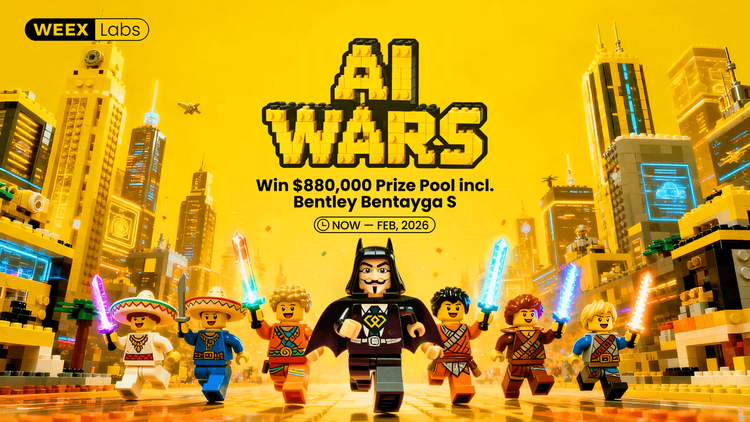
Chiama a partecipare a AI Wars: WEEX Alpha Awakens — Concorso globale di trading AI con un montepremi di 880.000 dollari
Ora, stiamo chiedendo ai trader AI di tutto il mondo di unirsi a AI Wars: WEEX Alpha Awakens, una competizione globale di trading AI con 880.000 dollari di montepremi.

AI Trading in Crypto Markets: Dai bot di trading automatizzati alle strategie algoritmiche
Il trading basato sull'IA sta spostando le criptovalute dalla speculazione al dettaglio alla concorrenza di livello istituzionale, dove l'esecuzione e la gestione del rischio contano più della direzione. Man mano che il trading di IA scala, il rischio sistemico e la pressione normativa aumentano, rendendo le prestazioni a lungo termine, i sistemi robusti e la conformità i principali differenziatori.

Analisi del sentimento AI e volatilità delle criptovalute: Cosa muove i prezzi delle criptovalute
Il sentiment dell'IA sta influenzando sempre più i mercati crypto, con cambiamenti nelle aspettative relative all'IA che si traducono in volatilità per i principali asset digitali. I mercati delle criptovalute tendono ad amplificare le narrazioni AI, consentendo ai flussi guidati dal sentiment di superare i fondamentali nel breve termine. Comprendere come si forma e si diffonde il sentimento dell'IA aiuta gli investitori ad anticipare meglio i cicli di rischio e le opportunità di posizionamento tra gli asset digitali.
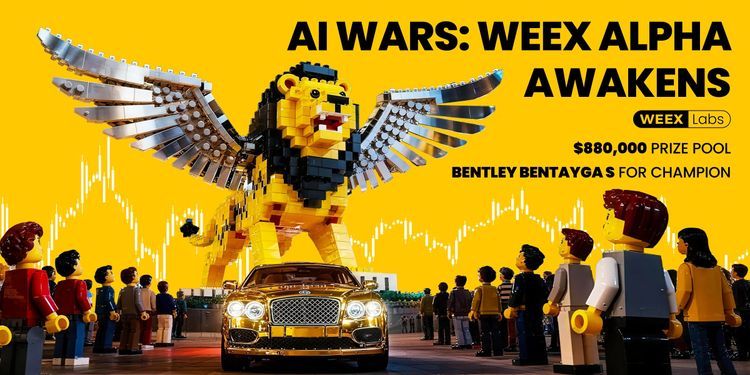
AI Wars: Guida per i partecipanti
In questa sfida finale, i migliori sviluppatori, quant e trader di tutto il mondo daranno sfogo ai loro algoritmi in battaglie sul mercato reale, competendo per uno dei montepremi più ricchi nella storia del trading di criptovalute basato sull'intelligenza artificiale: 880.000 dollari, compresa una Bentley Bentayga S per il campione. Questa guida ti accompagnerà attraverso tutte le fasi necessarie, dalla registrazione all'inizio ufficiale della competizione.

Settimana delle banche centrali e volatilità del mercato delle criptovalute: Come le decisioni sui tassi di interesse modellano le condizioni di trading su WEEX
Le decisioni sui tassi di interesse delle principali banche centrali come la Federal Reserve sono eventi macroeconomici significativi che hanno un impatto sui mercati finanziari globali, influenzando direttamente le aspettative di liquidità del mercato e la propensione al rischio. Mentre il mercato delle criptovalute continua a svilupparsi e la sua struttura di trading e i partecipanti maturano, il mercato delle criptovalute viene gradualmente incorporato nel sistema di prezzi macroeconomici.

Test API WEEX: Guida ufficiale per AI Trading Hackathon e Crypto Trading APIs
WEEX API Testing è progettato per garantire che ogni partecipante possa trasformare la logica di trading in esecuzione reale. Tutte le interazioni API avvengono sul sistema di trading live di WEEX, consentendo ai partecipanti di lavorare in condizioni di mercato autentiche piuttosto che simulazioni. Con un requisito di ingresso basso, l'attività è accessibile sia agli sviluppatori esperti che ai principianti motivati, pur convalidando le competenze tecniche essenziali.
AI Guerre: WEEX Alpha Awakens | Guida al processo di test API WEEX Global Hackathon
AI Wars: La registrazione a WEEX Alpha Awakens è ora aperta. e questa guida illustra come accedere al test API e completare con successo il processo.
Cos'è il risveglio alfa WEEX e come partecipare? Una guida completa
Per accelerare le scoperte all'incrocio tra AI e crypto, WEEX sta lanciando il primo AI Trading Hackathon globale al mondo - AI Wars: Alpha Awakens.
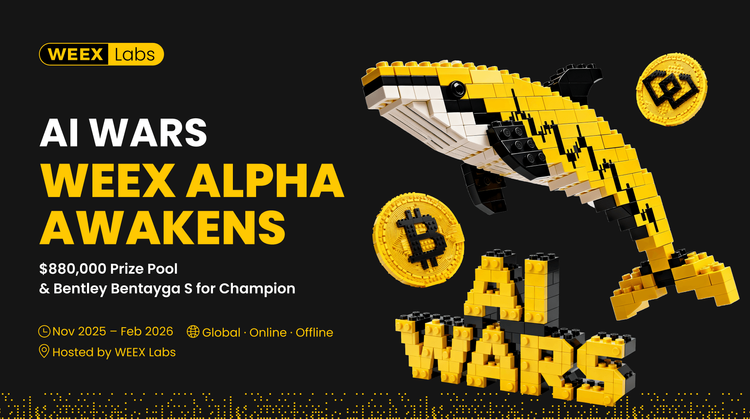
Unisciti a AI Wars: WEEX Alpha Awakens!Bando globale per le Alfa di trading AI
AI Wars: WEEX Alpha Awakens è un hackathon globale di trading di AI a Dubai, che chiama team di quant, trader algoritmici e sviluppatori di AI a scatenare le loro strategie di trading di criptovalute AI nei mercati live per una quota di un montepremi di 880.000 dollari.
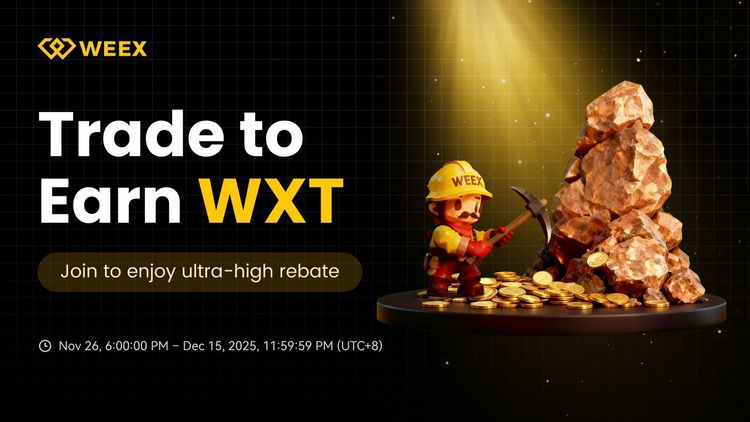
WEEX svela il trade per guadagnare: Fino al 30% di sconto istantaneo + $ 2 milioni di riacquisto WXT
WEEX è lieta di annunciare il lancio del nostro programma Trade to Earn, che ti garantisce automaticamente sconti fino al 30% sulle commissioni di trading. Tutte le ricompense vengono accreditate direttamente sul tuo conto spot in $WXT, supportate dal nostro piano di buyback WXT da $2.000.000 che alimenta il valore del token a lungo termine.

Nuovo: Prezzo di Liquidazione Stimato sui Grafici Candlestick App
WEEX ha introdotto un nuovo Prezzo di Liquidazione Stimato (Est. Liq. Price) funzione sul grafico a candela per aiutare i trader a gestire meglio il rischio e identificare intervalli sicuri per le loro posizioni.
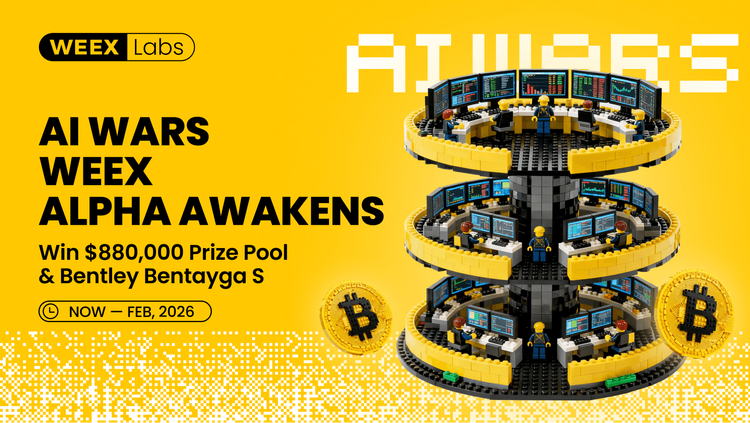
Guida WEEX AI Hackathon: Trova il tuo WEEX UID e registrati
Da oggi a febbraio 2026, WEEX lancia AI Wars: WEEX Alpha Awakens, il primo hackathon di trading globale di IA crypto. Vieni con il tuo UID e registrati al WEEX Global AI Trading Hackathon.
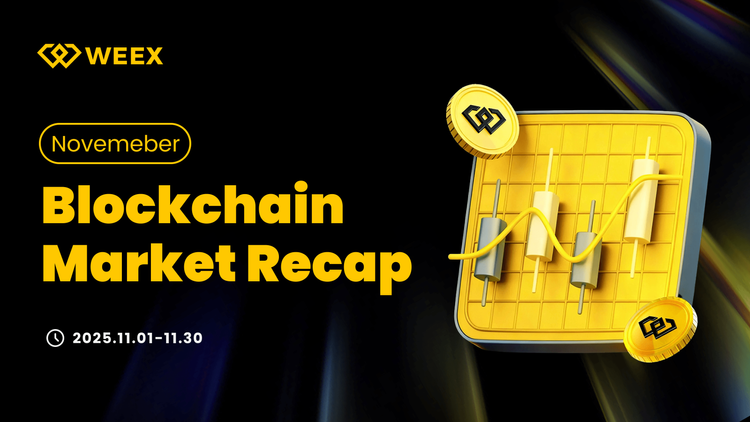
Novembre 2025 Recensione del mercato delle criptovalute: Correzione dei prezzi, rimborsi degli ETF e panorama Blockchain in evoluzione
Novembre 2025 ha visto una pronunciata volatilità e una correzione strutturale all'interno del più ampio ecosistema blockchain, principalmente guidata da previsioni macroeconomiche fluttuanti e specifiche dinamiche di flusso di capitale.
NOTTE DELLE BALene: AI Trading, Crypto Community & Crypto Market Insights
Il 12 dicembre 2025, WEEX ha ospitato WEEXPERIENCE Whales Night, un incontro della comunità offline progettato per riunire i membri della comunità locale di criptovalute. L'evento ha combinato condivisione di contenuti, giochi interattivi e presentazioni di progetti per creare un'esperienza offline rilassata ma coinvolgente.
Rischio di trading AI in criptovaluta: Perché migliori strategie di trading di criptovalute possono creare perdite maggiori?
Il rischio non risiede più principalmente in un cattivo processo decisionale o in errori emotivi. Vive sempre più nella struttura del mercato, nei percorsi di esecuzione e nel comportamento collettivo. Capire questo cambiamento conta più che trovare la prossima strategia “migliore”.
Gli agenti AI stanno sostituendo la ricerca sulle criptovalute? Come l'IA autonoma sta rimodellando il trading di criptovalute
L'IA sta passando dall'assistenza ai trader all'automazione dell'intero processo di ricerca-esecuzione nei mercati crypto. L'edge si è spostato dall'intuito umano alle pipeline di dati, alla velocità e ai sistemi AI pronti per l'esecuzione, rendendo i ritardi nell'integrazione dell'IA uno svantaggio competitivo.
AI Trading Bots e Copy Trading: Come le strategie sincronizzate rimodellano la volatilità del mercato delle criptovalute
I trader di criptovalute al dettaglio affrontano da tempo le stesse sfide: cattiva gestione del rischio, ingressi tardivi, decisioni emotive ed esecuzione incoerente. Gli strumenti di trading AI promettevano una soluzione. Oggi, i sistemi di copy trading e i breakout bot basati sull'IA aiutano i trader a dimensionare le posizioni, impostare stop e agire più velocemente che mai. Al di là di velocità e precisione, questi strumenti stanno tranquillamente rimodellando i mercati: i trader non solo fanno trading in modo più intelligente, ma si muovono in sincronia, creando una nuova dinamica che amplifica sia il rischio che le opportunità.
AI Trading in Crypto Spiegato: Come il trading autonomo sta rimodellando i mercati e gli scambi di criptovalute
AI Trading sta rapidamente trasformando il panorama crypto. Le strategie tradizionali faticano a tenere il passo con la volatilità ininterrotta delle criptovalute e la complessa struttura del mercato, mentre l'IA può elaborare dati massicci, generare strategie adattive, gestire il rischio ed eseguire scambi in autonomia. Questo articolo guida gli utenti WEEX attraverso cos'è AI Trading, perché le criptovalute ne accelerano l'adozione, come il settore si sta evolvendo verso agenti autonomi e perché WEEX sta costruendo l'ecosistema di trading AI di nuova generazione.
Chiama a partecipare a AI Wars: WEEX Alpha Awakens — Concorso globale di trading AI con un montepremi di 880.000 dollari
Ora, stiamo chiedendo ai trader AI di tutto il mondo di unirsi a AI Wars: WEEX Alpha Awakens, una competizione globale di trading AI con 880.000 dollari di montepremi.
Monete popolari
Ultime notizie crypto


Assistenza clienti:@weikecs
Cooperazione aziendale:@weikecs
Trading quantitativo e MM:[email protected]
Servizi VIP:[email protected]
 App
App