
- Acquista crypto
- Mercato
- Futures
- Spot
- Copy trading
 WE-Launch
Solana's "Troubles at Home and Threats from Afar": BSC Faces External Criticism, Pump.fun and Raydium Engage in Internal "Food Fight"

Original Title: "When BSC Declares War on Solana, Pump.fun and Raydium Have Begun a Civil War"
Original Source: DeepTech TechFlow

"What tweet did CZ post today?"
If you are asking this question, then obviously BSC has been one of the few recent hotspots on-chain.
With CZ and the top female influencer becoming increasingly active on Twitter, the play of attracting attention and creating memes has gradually emerged; at the same time, leveraging the strong secondary traffic capability of the Binance APP, directly integrating Binance Alpha into the app has also brought more heat to meme trading.
In the overall downtrend of the market, BSC has a taste of coming from behind, and what it is seizing is clearly the on-chain heat that Solana had before.
Traffic and fee income are the anxiety and desire of every chain.
Under business anxiety, there will inevitably be competition between different chains, but in fact, different protocols on the same chain are also competing.
For example, Pump.fun and Raydium each launched a "copycat" of each other.
Pump.fun Does AMM
More than 20 days ago, Pump.fun started doing what Raydium does, launching its own AMM pool, attempting to divert the liquidity revenue originally belonging to Raydium.
(See "Pump.fun Doing Its Own AMM Pool? The Heart of Snatching Raydium's Profit is Exposed")
Since users' trades are first matched within Pump.fun's internal pool, relying on the platform's liquidity to complete the transactions; when the internal pool is filled, the trades are routed to the external pool, which actually relies on Raydium's liquidity pool.
In this mode, Pump.fun has always been Raydium's "liquidity provider," but is also therefore subject to Raydium's rules. Whenever a trade flows to the external pool, Pump.fun needs to pay a portion of the transaction fee, and this part of the profit ultimately flows to Raydium's liquidity providers (LPs), with each transaction on Raydium currently charging a 0.25% fee.
The motivation behind this is quite simple: In plain terms, it's because Pump.fun as a traffic entry point didn't fully capitalize on the benefits brought by the traffic.
At that time, we mentioned that in an unfavorable overall environment, not only were the "leeks" engaging in PvP, but projects were also seizing the opportunity to compete against each other.
Raydium Launching a Launchpad
And today, Raydium's counterattack strategy has also come to light.
According to Blockworks' report, Raydium is launching a token launchpad called LaunchLab, similar to a direct fork of pump.fun.
Although Raydium's official announcement did not directly mention this new change, where there's smoke, there's fire. This seems to imply that the tacit cooperation between Raydium and Pump.fun is gradually being broken.
As observers, this perception is quite obvious --- if you've encroached on my territory, then I can also encroach on yours.
Raydium's motivation is also very simple: as a liquidity pool backend, why not take a step forward and capture the frontend traffic as well?
But the prerequisite for encroachment is to have strength.
For token launchpads like Pump.fun, replicating a similar yet relatively simple product, strength might not necessarily come from technology but rather from funding.
The report further indicates that Raydium still has around $168 million on its balance sheet, giving it the greatest confidence to clone Pump.fun, i.e., to invest people and money.
Furthermore, Blockworks' interview with an anonymous Raydium core contributor indirectly confirms this:
"The protocol started developing LaunchLab several months ago but put the project on hold because it 'didn't want to make the team feel like Raydium was competing with them directly.' Generosity seems to have dried up since the AMM plans for pump.fun emerged."
In other words, while Pump.fun was working on its AMM, Raydium was already considering launching a launchpad.
This feels more like an unintentional competition, and a conscious effort to take the business further.
The project team is obviously more aware than the casual users that transactions are the soul of the crypto business, and it is easier to benefit from various aspects around transactions.
Of course, it would be best to have the ability to take a bite out of the entire process, from the front end to the back end.
Civil War Moat
The essence of the AMM pool is an open-source design, and launching a meme coin is not difficult either; since there are no development barriers on either side, Pump.fun and Raydium could have been doing their own businesses;
The only question is, where are the moats on both sides, and how can they win?
Pump.fun's moat is obviously the traffic advantage brought by user habits. As a Meme coin launch platform, Pump.fun has firmly grasped the attention of some users through its unique community culture and user stickiness.
Once this user habit is formed, it is difficult to easily transfer to another platform. More importantly, Pump.fun's user ecosystem itself has a traffic entry attribute, providing it with sustained growth momentum.
On the other hand, Raydium's moat is built on the transaction demand of its liquidity pools. As one of the most important DeFi infrastructures on Solana, Raydium's ecosystem control comes not only from its deep liquidity pools but also from its transaction network position across the entire Solana chain.
In other words, Raydium's advantage is not just technical but the entire ecosystem's reliance on it.
However, the strength of moats is not a static existence.
In the current environment, Pump.fun and Raydium's moats face different challenges:
Whether Pump.fun's traffic can continue to grow depends on its ability to continuously launch new features and gameplay to attract users. Meanwhile, Raydium needs to maintain its lead in liquidity competition and further consolidate its ecosystem position through financial and technological investments.
Liquidity Depletion: How Many Will Engage in This Civil War?
While the two protocols are busy competing with each other, a bigger question arises:
How many users will actually participate in this civil war? Is there really enough market space and user base to support it?
From the current market environment, it can be seen that the overall cryptocurrency industry is in a downturn, with liquidity and user activity decreasing significantly compared to before. In this context, whether it's Pump.fun or Raydium, they are actually competing for a shrinking piece of the pie.
Without new liquidity injection or more "sheep" entering the scene, this competition is actually not very meaningful.
Whether it's BSC, Solana, or other blockchains, the inter-chain and intra-chain competition is intensifying. Behind this competition is a reflection of the industry's overall desire for traffic and fee income. However, if the overall environment of the entire cryptocurrency industry does not improve, this competition may ultimately be short-lived.
For the entire industry, the real breakthrough lies not in civil wars or inter-chain wars, but in how to enhance the industry's overall attractiveness. Whether through innovative product forms, reducing user thresholds, or through more extensive education and promotion, attracting new liquidity is the key to solving the problem.
Potrebbe interessarti anche

NOTTE DELLE BALene: AI Trading, Crypto Community & Crypto Market Insights
Il 12 dicembre 2025, WEEX ha ospitato WEEXPERIENCE Whales Night, un incontro della comunità offline progettato per riunire i membri della comunità locale di criptovalute. L'evento ha combinato condivisione di contenuti, giochi interattivi e presentazioni di progetti per creare un'esperienza offline rilassata ma coinvolgente.
Rischio di trading AI in criptovaluta: Perché migliori strategie di trading di criptovalute possono creare perdite maggiori?
Il rischio non risiede più principalmente in un cattivo processo decisionale o in errori emotivi. Vive sempre più nella struttura del mercato, nei percorsi di esecuzione e nel comportamento collettivo. Capire questo cambiamento conta più che trovare la prossima strategia “migliore”.
Gli agenti AI stanno sostituendo la ricerca sulle criptovalute? Come l'IA autonoma sta rimodellando il trading di criptovalute
L'IA sta passando dall'assistenza ai trader all'automazione dell'intero processo di ricerca-esecuzione nei mercati crypto. L'edge si è spostato dall'intuito umano alle pipeline di dati, alla velocità e ai sistemi AI pronti per l'esecuzione, rendendo i ritardi nell'integrazione dell'IA uno svantaggio competitivo.

AI Trading Bots e Copy Trading: Come le strategie sincronizzate rimodellano la volatilità del mercato delle criptovalute
I trader di criptovalute al dettaglio affrontano da tempo le stesse sfide: cattiva gestione del rischio, ingressi tardivi, decisioni emotive ed esecuzione incoerente. Gli strumenti di trading AI promettevano una soluzione. Oggi, i sistemi di copy trading e i breakout bot basati sull'IA aiutano i trader a dimensionare le posizioni, impostare stop e agire più velocemente che mai. Al di là di velocità e precisione, questi strumenti stanno tranquillamente rimodellando i mercati: i trader non solo fanno trading in modo più intelligente, ma si muovono in sincronia, creando una nuova dinamica che amplifica sia il rischio che le opportunità.
AI Trading in Crypto Spiegato: Come il trading autonomo sta rimodellando i mercati e gli scambi di criptovalute
AI Trading sta rapidamente trasformando il panorama crypto. Le strategie tradizionali faticano a tenere il passo con la volatilità ininterrotta delle criptovalute e la complessa struttura del mercato, mentre l'IA può elaborare dati massicci, generare strategie adattive, gestire il rischio ed eseguire scambi in autonomia. Questo articolo guida gli utenti WEEX attraverso cos'è AI Trading, perché le criptovalute ne accelerano l'adozione, come il settore si sta evolvendo verso agenti autonomi e perché WEEX sta costruendo l'ecosistema di trading AI di nuova generazione.
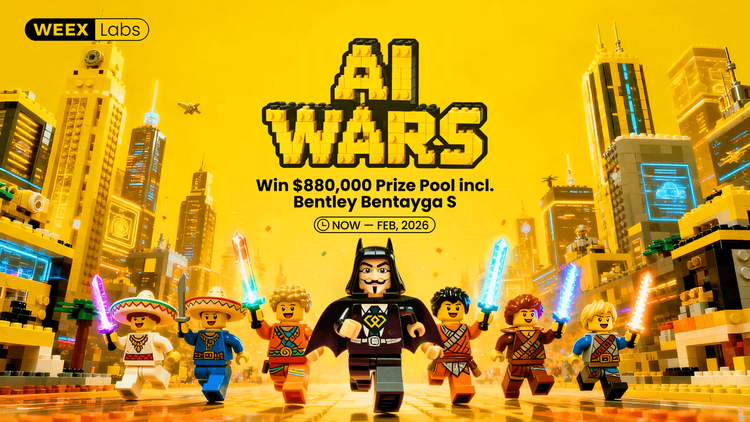
Chiama a partecipare a AI Wars: WEEX Alpha Awakens — Concorso globale di trading AI con un montepremi di 880.000 dollari
Ora, stiamo chiedendo ai trader AI di tutto il mondo di unirsi a AI Wars: WEEX Alpha Awakens, una competizione globale di trading AI con 880.000 dollari di montepremi.
AI Trading in Crypto Markets: Dai bot di trading automatizzati alle strategie algoritmiche
Il trading basato sull'IA sta spostando le criptovalute dalla speculazione al dettaglio alla concorrenza di livello istituzionale, dove l'esecuzione e la gestione del rischio contano più della direzione. Man mano che il trading di IA scala, il rischio sistemico e la pressione normativa aumentano, rendendo le prestazioni a lungo termine, i sistemi robusti e la conformità i principali differenziatori.

Analisi del sentimento AI e volatilità delle criptovalute: Cosa muove i prezzi delle criptovalute
Il sentiment dell'IA sta influenzando sempre più i mercati crypto, con cambiamenti nelle aspettative relative all'IA che si traducono in volatilità per i principali asset digitali. I mercati delle criptovalute tendono ad amplificare le narrazioni AI, consentendo ai flussi guidati dal sentiment di superare i fondamentali nel breve termine. Comprendere come si forma e si diffonde il sentimento dell'IA aiuta gli investitori ad anticipare meglio i cicli di rischio e le opportunità di posizionamento tra gli asset digitali.
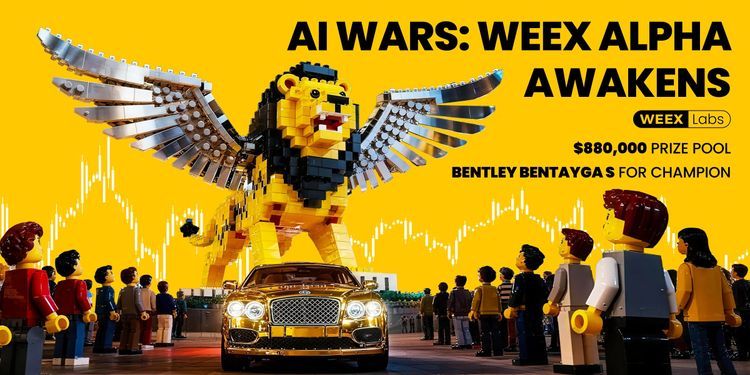
AI Wars: Guida per i partecipanti
In questa sfida finale, i migliori sviluppatori, quant e trader di tutto il mondo daranno sfogo ai loro algoritmi in battaglie sul mercato reale, competendo per uno dei montepremi più ricchi nella storia del trading di criptovalute basato sull'intelligenza artificiale: 880.000 dollari, compresa una Bentley Bentayga S per il campione. Questa guida ti accompagnerà attraverso tutte le fasi necessarie, dalla registrazione all'inizio ufficiale della competizione.

Settimana delle banche centrali e volatilità del mercato delle criptovalute: Come le decisioni sui tassi di interesse modellano le condizioni di trading su WEEX
Le decisioni sui tassi di interesse delle principali banche centrali come la Federal Reserve sono eventi macroeconomici significativi che hanno un impatto sui mercati finanziari globali, influenzando direttamente le aspettative di liquidità del mercato e la propensione al rischio. Mentre il mercato delle criptovalute continua a svilupparsi e la sua struttura di trading e i partecipanti maturano, il mercato delle criptovalute viene gradualmente incorporato nel sistema di prezzi macroeconomici.
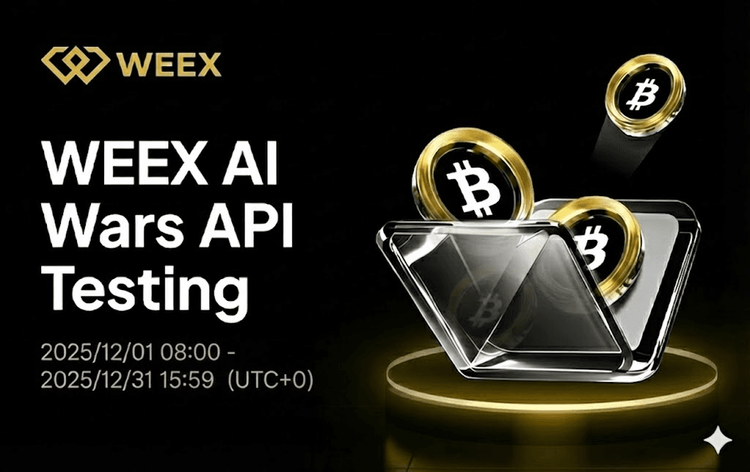
Test API WEEX: Guida ufficiale per AI Trading Hackathon e Crypto Trading APIs
WEEX API Testing è progettato per garantire che ogni partecipante possa trasformare la logica di trading in esecuzione reale. Tutte le interazioni API avvengono sul sistema di trading live di WEEX, consentendo ai partecipanti di lavorare in condizioni di mercato autentiche piuttosto che simulazioni. Con un requisito di ingresso basso, l'attività è accessibile sia agli sviluppatori esperti che ai principianti motivati, pur convalidando le competenze tecniche essenziali.
AI Guerre: WEEX Alpha Awakens | Guida al processo di test API WEEX Global Hackathon
AI Wars: La registrazione a WEEX Alpha Awakens è ora aperta. e questa guida illustra come accedere al test API e completare con successo il processo.
Cos'è il risveglio alfa WEEX e come partecipare? Una guida completa
Per accelerare le scoperte all'incrocio tra AI e crypto, WEEX sta lanciando il primo AI Trading Hackathon globale al mondo - AI Wars: Alpha Awakens.
Unisciti a AI Wars: WEEX Alpha Awakens!Bando globale per le Alfa di trading AI
AI Wars: WEEX Alpha Awakens è un hackathon globale di trading di AI a Dubai, che chiama team di quant, trader algoritmici e sviluppatori di AI a scatenare le loro strategie di trading di criptovalute AI nei mercati live per una quota di un montepremi di 880.000 dollari.
WEEX svela il trade per guadagnare: Fino al 30% di sconto istantaneo + $ 2 milioni di riacquisto WXT
WEEX è lieta di annunciare il lancio del nostro programma Trade to Earn, che ti garantisce automaticamente sconti fino al 30% sulle commissioni di trading. Tutte le ricompense vengono accreditate direttamente sul tuo conto spot in $WXT, supportate dal nostro piano di buyback WXT da $2.000.000 che alimenta il valore del token a lungo termine.

Nuovo: Prezzo di Liquidazione Stimato sui Grafici Candlestick App
WEEX ha introdotto un nuovo Prezzo di Liquidazione Stimato (Est. Liq. Price) funzione sul grafico a candela per aiutare i trader a gestire meglio il rischio e identificare intervalli sicuri per le loro posizioni.
Guida WEEX AI Hackathon: Trova il tuo WEEX UID e registrati
Da oggi a febbraio 2026, WEEX lancia AI Wars: WEEX Alpha Awakens, il primo hackathon di trading globale di IA crypto. Vieni con il tuo UID e registrati al WEEX Global AI Trading Hackathon.
Novembre 2025 Recensione del mercato delle criptovalute: Correzione dei prezzi, rimborsi degli ETF e panorama Blockchain in evoluzione
Novembre 2025 ha visto una pronunciata volatilità e una correzione strutturale all'interno del più ampio ecosistema blockchain, principalmente guidata da previsioni macroeconomiche fluttuanti e specifiche dinamiche di flusso di capitale.
NOTTE DELLE BALene: AI Trading, Crypto Community & Crypto Market Insights
Il 12 dicembre 2025, WEEX ha ospitato WEEXPERIENCE Whales Night, un incontro della comunità offline progettato per riunire i membri della comunità locale di criptovalute. L'evento ha combinato condivisione di contenuti, giochi interattivi e presentazioni di progetti per creare un'esperienza offline rilassata ma coinvolgente.
Rischio di trading AI in criptovaluta: Perché migliori strategie di trading di criptovalute possono creare perdite maggiori?
Il rischio non risiede più principalmente in un cattivo processo decisionale o in errori emotivi. Vive sempre più nella struttura del mercato, nei percorsi di esecuzione e nel comportamento collettivo. Capire questo cambiamento conta più che trovare la prossima strategia “migliore”.
Gli agenti AI stanno sostituendo la ricerca sulle criptovalute? Come l'IA autonoma sta rimodellando il trading di criptovalute
L'IA sta passando dall'assistenza ai trader all'automazione dell'intero processo di ricerca-esecuzione nei mercati crypto. L'edge si è spostato dall'intuito umano alle pipeline di dati, alla velocità e ai sistemi AI pronti per l'esecuzione, rendendo i ritardi nell'integrazione dell'IA uno svantaggio competitivo.
AI Trading Bots e Copy Trading: Come le strategie sincronizzate rimodellano la volatilità del mercato delle criptovalute
I trader di criptovalute al dettaglio affrontano da tempo le stesse sfide: cattiva gestione del rischio, ingressi tardivi, decisioni emotive ed esecuzione incoerente. Gli strumenti di trading AI promettevano una soluzione. Oggi, i sistemi di copy trading e i breakout bot basati sull'IA aiutano i trader a dimensionare le posizioni, impostare stop e agire più velocemente che mai. Al di là di velocità e precisione, questi strumenti stanno tranquillamente rimodellando i mercati: i trader non solo fanno trading in modo più intelligente, ma si muovono in sincronia, creando una nuova dinamica che amplifica sia il rischio che le opportunità.
AI Trading in Crypto Spiegato: Come il trading autonomo sta rimodellando i mercati e gli scambi di criptovalute
AI Trading sta rapidamente trasformando il panorama crypto. Le strategie tradizionali faticano a tenere il passo con la volatilità ininterrotta delle criptovalute e la complessa struttura del mercato, mentre l'IA può elaborare dati massicci, generare strategie adattive, gestire il rischio ed eseguire scambi in autonomia. Questo articolo guida gli utenti WEEX attraverso cos'è AI Trading, perché le criptovalute ne accelerano l'adozione, come il settore si sta evolvendo verso agenti autonomi e perché WEEX sta costruendo l'ecosistema di trading AI di nuova generazione.
Chiama a partecipare a AI Wars: WEEX Alpha Awakens — Concorso globale di trading AI con un montepremi di 880.000 dollari
Ora, stiamo chiedendo ai trader AI di tutto il mondo di unirsi a AI Wars: WEEX Alpha Awakens, una competizione globale di trading AI con 880.000 dollari di montepremi.
Monete popolari
Ultime notizie crypto


Assistenza clienti:@weikecs
Cooperazione aziendale:@weikecs
Trading quantitativo e MM:[email protected]
Servizi VIP:[email protected]
 App
App