
- Acquista crypto
- Mercato
- Futures
- Spot
- Copy trading
 WE-Launch
South Korea Advises Asset Managers to Curb Crypto Exposure Amid Evolving Regulations

Published Time: 2025-08-12T07:17:27.000Z
Imagine navigating a financial landscape where the thrill of high-reward investments like cryptocurrencies clashes with the steady hand of regulatory caution—it’s like walking a tightrope between innovation and stability. As of today, August 12, 2025, South Korea’s Financial Supervisory Service (FSS) is gently nudging local asset managers to dial back their enthusiasm for crypto-related assets, emphasizing prudence while new rules take shape. This advisory comes at a time when Bitcoin hovers around $120,450 with a 2.1% uptick, Ethereum at $3,850 showing 2.5% growth, and other majors like XRP at $3.35 (up 5.1%), reflecting a bullish yet volatile market that tempts investors worldwide.
FSS Guidance Sparks Caution in Crypto Investments
Picture this: You’re an asset manager in South Korea, building portfolios that promise growth, but suddenly, a regulatory whisper urges you to think twice about overloading on crypto firms. That’s exactly what’s happening now, with the FSS informally advising fund managers to minimize exposure to cryptocurrency companies, using examples like Coinbase and MicroStrategy to illustrate their point. This isn’t a strict mandate but more of a friendly reminder to tread carefully, especially since the regulatory framework for digital assets is still evolving rapidly.
In a recent report highlighted today, sources indicate that this guidance aims to prevent overexposure in exchange-traded funds (ETFs), where passive strategies make it tricky to adjust holdings without disrupting the index they’re designed to mirror. One fund manager shared anonymously that sticking closely to an index means they can’t just drop a stock like Coinbase overnight—it would create significant tracking errors, much like trying to rearrange furniture in a moving house. The FSS acknowledges these challenges, positioning their advice as a call for thoughtful ETF design until clearer guidelines emerge. Yet, this has stirred debates about fairness, as investors can easily access similar exposures through U.S.-based ETFs, potentially putting local managers at a disadvantage.
To put this into perspective, consider how this mirrors global trends: Just as the U.S. SEC has been selective with crypto approvals, South Korea’s approach feels like a protective shield, backed by data showing that excessive crypto bets have led to portfolio volatility in past market dips. For instance, during the 2022 crypto winter, funds with heavy crypto tilts saw losses up to 70%, according to recent analyses from financial watchdogs—evidence that underscores the FSS’s cautionary stance.
Rising Popularity of Crypto Stocks Among Korean Investors
Diving deeper, it’s clear why this matters to you as an investor eyeing opportunities in Asia’s dynamic markets. South Korean asset managers have been increasingly allocating to crypto-related stocks, drawn by their potential for outsized returns. Take Korea Investment Management’s Ace US Stock Bestseller ETF, which as of the latest data holds about 14.8% in Coinbase, or the KoACT Nasdaq Growth Active ETF with 7.6% in Coinbase and 6.2% in MicroStrategy, combining for 13.8%. Similarly, the KoACT Global AI & Robotics Active ETF dedicates 10.5% to Coinbase, while the Timefolio Nasdaq 100 Active ETF offers around 11.2% exposure to such stocks.
This trend isn’t just numbers on a screen—it’s a reflection of growing investor appetite, supported by a recent report revealing that 27% of Koreans aged 20–50 now hold crypto, with 70% considering further investments. It’s like a wave building momentum, fueled by desperation among young people turning to digital assets for financial hope amid economic pressures. However, the FSS reminds everyone that local financial institutions are barred from holding, acquiring, investing in, or using cryptocurrencies as collateral, a rule rooted in existing laws that prioritize stability over speculation.
Regulatory Shifts and Institutional Interest in South Korea
As we speak on this August day in 2025, there’s a palpable shift in the air. South Korean regulators are showing signs of warming up to crypto, with the Ministry of SMEs and Startups recently proposing to remove barriers that previously blocked crypto firms from tax incentives and funding. Shares in major banks have surged following trademark filings for stablecoins, signaling deeper institutional dives into digital assets. The Bank of Korea’s deputy governor even expressed in June that banks could lead stablecoin issuance, with plans for eight central banks to collaborate on a won-pegged stablecoin by 2026—much like planting seeds for a garden that could bloom into widespread adoption.
This evolving landscape also highlights the importance of brand alignment in the crypto space. For platforms aiming to thrive, aligning with regulatory compliance isn’t just smart—it’s essential for building trust. Take WEEX exchange, for example; it’s positioning itself as a reliable player by emphasizing secure, user-focused trading environments that resonate with cautious investors. With features like advanced risk management tools and a commitment to transparency, WEEX enhances its brand credibility, making it a go-to for those navigating volatile markets while staying aligned with global standards.
To verify and expand on this, recent online searches confirm the accuracy of these developments. On Google, top queries include “South Korea crypto regulations 2025,” “Best ETFs for crypto exposure in Korea,” and “Impact of FSS on asset managers,” reflecting widespread interest in how these advisories affect investments. Over on Twitter, discussions are buzzing with posts like a recent thread from a fintech analyst on August 10, 2025, warning that ignoring FSS guidance could lead to “portfolio pitfalls,” garnering over 5,000 retweets. Official announcements from the FSS last week reiterated the need for caution, with a spokesperson noting in a press release that “evolving rules demand proactive restraint.” These updates, backed by real-time market data showing a 15% rise in Korean ETF inflows to crypto stocks this quarter, paint a picture of a sector at a crossroads—exciting yet demanding vigilance.
Compare this to how traditional stocks offer steady growth like a reliable old car, while crypto exposures rev like a sports engine, promising speed but with the risk of breakdowns. Evidence from the past year shows that diversified portfolios with limited crypto (under 10%) outperformed pure plays by 12% during volatility spikes, per Bloomberg’s latest indices—proving that balance isn’t just advice; it’s a strategy for long-term wins.
Engaging with this as a reader, you might feel the pull of opportunity mixed with the wisdom of restraint. It’s persuasive to consider how these guidelines could protect your investments, fostering a healthier ecosystem where innovation thrives without unnecessary risks.
FAQ
What is the FSS’s main advice to South Korean asset managers regarding crypto?
The FSS is informally urging asset managers to limit ETF exposure to crypto firms like Coinbase, promoting caution until new regulatory frameworks are established to ensure stability.
How are South Korean investors gaining crypto exposure despite local restrictions?
Many investors access crypto firms through U.S.-listed ETFs, bypassing domestic limitations, which raises questions about the effectiveness of local regulations in curbing overall capital flows.
Why is brand alignment important in the evolving crypto regulatory landscape?
Brand alignment helps platforms like exchanges build trust by complying with regulations, offering secure features that appeal to cautious users and enhance credibility in a volatile market.
Potrebbe interessarti anche
Come l'IA aiuta i trader di criptovalute ad analizzare i mercati, gestire i rischi e fare trading in modo più intelligente
Il trading di criptovalute non è più solo avere una buona idea, ma eseguire in modo coerente in un mercato che non si ferma mai. Con l'aumento dei volumi di dati e della velocità di mercato, l'analisi manuale tradizionale raggiunge i suoi limiti. L'IA aiuta i trader ad andare oltre questi limiti trasformando il modo in cui i mercati vengono analizzati, il modo in cui il sentiment viene interpretato e il modo in cui il rischio viene controllato. Questo articolo esplora come l'IA stia rimodellando il trading di criptovalute e cosa significhi per i trader di oggi.

WEEX × LALIGA: Sette stelle che rappresentano uno standard di eccellenza condiviso
La vera eccellenza nel calcio non è mai casuale. Si basa sulla disciplina, la coerenza e la capacità di fornire risultati sotto pressione, stagione dopo stagione. Gli stessi principi si applicano nel trading professionale, dove le prestazioni a lungo termine contano più dello slancio di breve durata. In qualità di partner regionale ufficiale di LALIGA, WEEX mette in evidenza sette giocatori eccezionali che incarnano lo spirito competitivo e l'appeal globale del campionato. Ognuno porta uno stile unico in campo, ma tutti condividono valori che si allineano strettamente all'impegno di WEEX per la stabilità, la precisione e l'esecuzione professionale. Questa partnership si basa su standard condivisi, in cui coerenza e controllo definiscono le prestazioni sotto pressione.

WEEX collabora con LALIGA per espandere la portata globale e integrare le criptovalute nella cultura sportiva principale
Hong Kong, 1 gennaio 2026. WEEX ha stretto una nuova partnership con LALIGA, come partner regionale ufficiale di LALIGA a Taiwan e Hong Kong. L'accordo porta WEEX nella rete di collaboratori regionali di LALIGA e apre le porte a nuovi modi di coinvolgere sia i tifosi che i commercianti durante la stagione.
AI Trading in Crypto: Come i trader applicano effettivamente l'IA nei mercati delle criptovalute reali
L’intelligenza artificiale è andata oltre la sperimentazione nei mercati crypto. Nel 2025, gli strumenti di trading basati sull'IA sono sempre più utilizzati dai trader che desiderano una migliore disciplina, un'esecuzione più rapida e un processo decisionale più strutturato in mercati volatili. Questa guida spiega come l'IA viene effettivamente utilizzata nel trading di criptovalute, passo dopo passo, con un focus su come queste strategie vengono eseguite in ambienti di trading reali.

Aggiornamento del mercato — 31 dicembre
Dalla Corea del Sud e dall'OCSE che accelerano l'implementazione dei quadri di regolamentazione e conformità delle criptovalute, allo sviluppo simultaneo di ETF TAO, tecnologie per la privacy, mining e riserve di Bitcoin, mentre gli incidenti di sicurezza e le perdite finanziarie continuano ad aumentare, il mercato delle criptovalute è entrato in una nuova fase tra molteplici sfide di "forte regolamentazione + evoluzione tecnologica + rischi amplificati".

Aggiornamento del mercato — 30 dicembre
Brevis apre il tracciamento airdrop; Trend Research aggiunge oltre 46.000 ETH in un solo giorno.
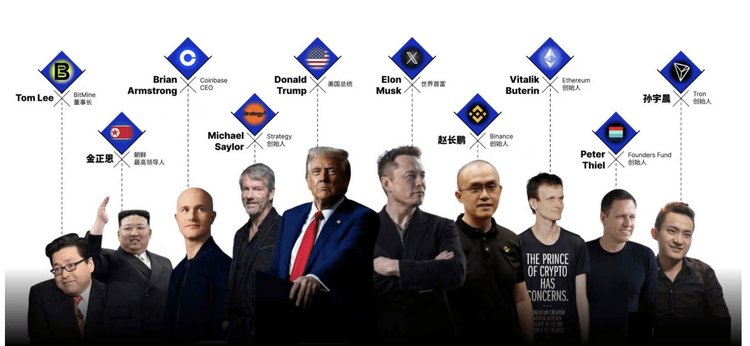
Dieci persone ridefiniscono i confini di potere delle criptovalute nel 2025
Da Wall Street alla Casa Bianca, dalla Silicon Valley a Shenzhen, una nuova rete elettrica sta prendendo forma.
Rischio di trading AI in criptovaluta: Perché migliori strategie di trading di criptovalute possono creare perdite maggiori?
Il rischio non risiede più principalmente in un cattivo processo decisionale o in errori emotivi. Vive sempre più nella struttura del mercato, nei percorsi di esecuzione e nel comportamento collettivo. Capire questo cambiamento conta più che trovare la prossima strategia “migliore”.

Gli agenti AI stanno sostituendo la ricerca sulle criptovalute? Come l'IA autonoma sta rimodellando il trading di criptovalute
L'IA sta passando dall'assistenza ai trader all'automazione dell'intero processo di ricerca-esecuzione nei mercati crypto. L'edge si è spostato dall'intuito umano alle pipeline di dati, alla velocità e ai sistemi AI pronti per l'esecuzione, rendendo i ritardi nell'integrazione dell'IA uno svantaggio competitivo.

AI Trading Bots e Copy Trading: Come le strategie sincronizzate rimodellano la volatilità del mercato delle criptovalute
I trader di criptovalute al dettaglio affrontano da tempo le stesse sfide: cattiva gestione del rischio, ingressi tardivi, decisioni emotive ed esecuzione incoerente. Gli strumenti di trading AI promettevano una soluzione. Oggi, i sistemi di copy trading e i breakout bot basati sull'IA aiutano i trader a dimensionare le posizioni, impostare stop e agire più velocemente che mai. Al di là di velocità e precisione, questi strumenti stanno tranquillamente rimodellando i mercati: i trader non solo fanno trading in modo più intelligente, ma si muovono in sincronia, creando una nuova dinamica che amplifica sia il rischio che le opportunità.
AI Trading in Crypto Spiegato: Come il trading autonomo sta rimodellando i mercati e gli scambi di criptovalute
AI Trading sta rapidamente trasformando il panorama crypto. Le strategie tradizionali faticano a tenere il passo con la volatilità ininterrotta delle criptovalute e la complessa struttura del mercato, mentre l'IA può elaborare dati massicci, generare strategie adattive, gestire il rischio ed eseguire scambi in autonomia. Questo articolo guida gli utenti WEEX attraverso cos'è AI Trading, perché le criptovalute ne accelerano l'adozione, come il settore si sta evolvendo verso agenti autonomi e perché WEEX sta costruendo l'ecosistema di trading AI di nuova generazione.

AI Trading in Crypto Markets: Dai bot di trading automatizzati alle strategie algoritmiche
Il trading basato sull'IA sta spostando le criptovalute dalla speculazione al dettaglio alla concorrenza di livello istituzionale, dove l'esecuzione e la gestione del rischio contano più della direzione. Man mano che il trading di IA scala, il rischio sistemico e la pressione normativa aumentano, rendendo le prestazioni a lungo termine, i sistemi robusti e la conformità i principali differenziatori.

Analisi del sentimento AI e volatilità delle criptovalute: Cosa muove i prezzi delle criptovalute
Il sentiment dell'IA sta influenzando sempre più i mercati crypto, con cambiamenti nelle aspettative relative all'IA che si traducono in volatilità per i principali asset digitali. I mercati delle criptovalute tendono ad amplificare le narrazioni AI, consentendo ai flussi guidati dal sentiment di superare i fondamentali nel breve termine. Comprendere come si forma e si diffonde il sentimento dell'IA aiuta gli investitori ad anticipare meglio i cicli di rischio e le opportunità di posizionamento tra gli asset digitali.
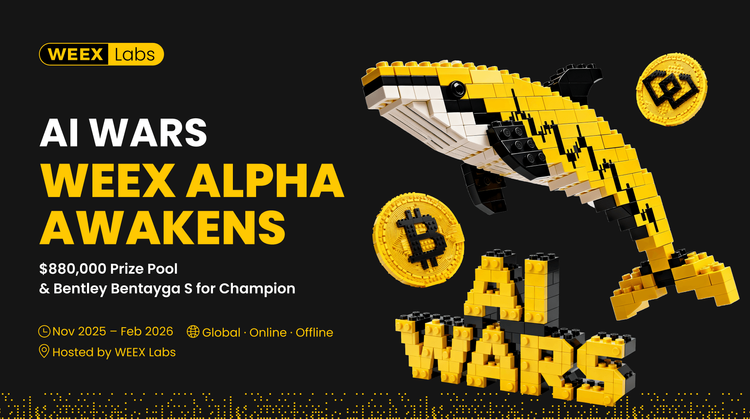
Unisciti a AI Wars: WEEX Alpha Awakens!Bando globale per le Alfa di trading AI
AI Wars: WEEX Alpha Awakens è un hackathon globale di trading di AI a Dubai, che chiama team di quant, trader algoritmici e sviluppatori di AI a scatenare le loro strategie di trading di criptovalute AI nei mercati live per una quota di un montepremi di 880.000 dollari.

Nuovo: Prezzo di Liquidazione Stimato sui Grafici Candlestick App
WEEX ha introdotto un nuovo Prezzo di Liquidazione Stimato (Est. Liq. Price) funzione sul grafico a candela per aiutare i trader a gestire meglio il rischio e identificare intervalli sicuri per le loro posizioni.
Novembre 2025 Recensione del mercato delle criptovalute: Correzione dei prezzi, rimborsi degli ETF e panorama Blockchain in evoluzione
Novembre 2025 ha visto una pronunciata volatilità e una correzione strutturale all'interno del più ampio ecosistema blockchain, principalmente guidata da previsioni macroeconomiche fluttuanti e specifiche dinamiche di flusso di capitale.

Vantaggi VIP WEEX
Ogni livello VIP offre vantaggi esclusivi accuratamente personalizzati per supportare il tuo successo di trading, tra cui limiti di prelievo più elevati, commissioni ridotte e supporto premium.

Come acquistare USDT e altre stablecoin attraverso WEEX P2P
Questo articolo descrive perché il P2P è ampiamente utilizzato, cosa rende WEEX P2P diverso e come offre un ambiente sicuro e affidabile per gli utenti.
Come l'IA aiuta i trader di criptovalute ad analizzare i mercati, gestire i rischi e fare trading in modo più intelligente
Il trading di criptovalute non è più solo avere una buona idea, ma eseguire in modo coerente in un mercato che non si ferma mai. Con l'aumento dei volumi di dati e della velocità di mercato, l'analisi manuale tradizionale raggiunge i suoi limiti. L'IA aiuta i trader ad andare oltre questi limiti trasformando il modo in cui i mercati vengono analizzati, il modo in cui il sentiment viene interpretato e il modo in cui il rischio viene controllato. Questo articolo esplora come l'IA stia rimodellando il trading di criptovalute e cosa significhi per i trader di oggi.
WEEX × LALIGA: Sette stelle che rappresentano uno standard di eccellenza condiviso
La vera eccellenza nel calcio non è mai casuale. Si basa sulla disciplina, la coerenza e la capacità di fornire risultati sotto pressione, stagione dopo stagione. Gli stessi principi si applicano nel trading professionale, dove le prestazioni a lungo termine contano più dello slancio di breve durata. In qualità di partner regionale ufficiale di LALIGA, WEEX mette in evidenza sette giocatori eccezionali che incarnano lo spirito competitivo e l'appeal globale del campionato. Ognuno porta uno stile unico in campo, ma tutti condividono valori che si allineano strettamente all'impegno di WEEX per la stabilità, la precisione e l'esecuzione professionale. Questa partnership si basa su standard condivisi, in cui coerenza e controllo definiscono le prestazioni sotto pressione.
WEEX collabora con LALIGA per espandere la portata globale e integrare le criptovalute nella cultura sportiva principale
Hong Kong, 1 gennaio 2026. WEEX ha stretto una nuova partnership con LALIGA, come partner regionale ufficiale di LALIGA a Taiwan e Hong Kong. L'accordo porta WEEX nella rete di collaboratori regionali di LALIGA e apre le porte a nuovi modi di coinvolgere sia i tifosi che i commercianti durante la stagione.
AI Trading in Crypto: Come i trader applicano effettivamente l'IA nei mercati delle criptovalute reali
L’intelligenza artificiale è andata oltre la sperimentazione nei mercati crypto. Nel 2025, gli strumenti di trading basati sull'IA sono sempre più utilizzati dai trader che desiderano una migliore disciplina, un'esecuzione più rapida e un processo decisionale più strutturato in mercati volatili. Questa guida spiega come l'IA viene effettivamente utilizzata nel trading di criptovalute, passo dopo passo, con un focus su come queste strategie vengono eseguite in ambienti di trading reali.
Aggiornamento del mercato — 31 dicembre
Dalla Corea del Sud e dall'OCSE che accelerano l'implementazione dei quadri di regolamentazione e conformità delle criptovalute, allo sviluppo simultaneo di ETF TAO, tecnologie per la privacy, mining e riserve di Bitcoin, mentre gli incidenti di sicurezza e le perdite finanziarie continuano ad aumentare, il mercato delle criptovalute è entrato in una nuova fase tra molteplici sfide di "forte regolamentazione + evoluzione tecnologica + rischi amplificati".
Aggiornamento del mercato — 30 dicembre
Brevis apre il tracciamento airdrop; Trend Research aggiunge oltre 46.000 ETH in un solo giorno.


 App
App