
- Acquista crypto
- Mercato
- Futures
- Spot
- Copy trading
 Guadagna
- Altro
Top 10 Fastest-Growing Blockchains in 2025 Ranked by Active Users Growth

Imagine stepping into a digital world where speed, accessibility, and innovation collide, much like how smartphones revolutionized communication overnight. That’s the blockchain landscape in 2025, where networks aren’t just surviving—they’re thriving on genuine user engagement. Forget the hype of yesteryears; this year, it’s all about real people interacting daily, driving ecosystems forward. As of September 11, 2025, we’re diving into the top performers, ranked by their surging active users—those unique wallet addresses buzzing with transactions. These chains, from powerhouse layer-1 foundations to nimble layer-2 enhancers, are reshaping finance, gaming, and beyond. Let’s explore what makes them tick, backed by the freshest data showing their explosive growth.
Understanding Blockchain Growth Drivers in 2025
Picture blockchain as the backbone of a vast digital city, where active users are the residents bringing life to its streets. In 2025, growth isn’t fueled by empty promises but by tangible upgrades and everyday utility. Think of it like upgrading from a clunky old car to a sleek electric model—sudden efficiency draws crowds. Key metrics like monthly active addresses reveal the true story, highlighting how decentralized finance (DeFi), non-fungible tokens (NFTs), and stablecoin usage are pulling in millions. Partnerships with big players and inflows from Bitcoin ETFs are supercharging this, with institutional money pouring in at record levels. Yet, challenges loom, like inflated stats from bots, scalability hurdles, regulatory clouds, and fierce rivalry between layer-1 and layer-2 networks. Despite these, the industry’s pulse is stronger than ever, with user numbers climbing as technology evolves.
Criteria for Ranking Fastest-Growing Blockchains
To rank these blockchain stars, we’re zeroing in on active user growth, that vital sign of real adoption. Each network gets a spotlight on whether it’s a sturdy layer-1 (the base infrastructure with its own consensus) or a speedy layer-2 (scaling sidekick to giants like Ethereum). We factor in metrics like fully diluted valuation (FDV)—that big-picture value if all tokens were out there—and 30-day trading volumes. It’s like comparing marathon runners: who has the endurance, the speed bursts, and the crowd support? Drivers include tech innovations and partnerships, while challenges like centralization or outages keep things real. Active users? That’s any unique wallet firing off a transaction, a direct measure of engagement.
Spotlight on the Top 10 Fastest-Growing Blockchains by Active Users
Diving deeper, these blockchains stand out not just for numbers but for how they’re weaving into daily life, much like how social media became indispensable.
1. Solana: Leading with Speed and Reliability
Solana, a lightning-fast layer-1 blockchain powered by its proof-of-history consensus, is tailored for scalable apps and markets. As of now, it boasts 58 million monthly active users, an FDV of $108.5 billion, and $290 billion in 30-day token trading volume. Its rise? A boom in DeFi, NFTs, and memecoin trading, plus the Firedancer client enhancing stability and drawing institutions. Compare it to a high-speed train zipping past slower commuter rails—Solana processes thousands of transactions per second. But it faces hiccups like past downtimes and debates over centralization, battling efficient layer-2 rivals. Fun fact: Its proof-of-history tech enables that blistering pace, fueling everything from finance to fun tokens.
2. Near Protocol: Innovating with AI and Efficiency
Near Protocol, another layer-1 using thresholded proof-of-stake, shines in scalability and AI tools for apps. It now has 52 million monthly active addresses, an FDV of $3.2 billion, and $8 million in recent trading volume. Growth comes from AI agents, ultra-low fees, carbon-neutral ops, and ties like EigenLayer for quick finality, expanding into DeFi and gaming. It’s like a smart home system that anticipates your needs—efficient and forward-thinking. Challenges include rivals’ speed edges, price swings, and sharding risks. Notably, its eco-friendly stance holds strong amid competition.
3. BNB Chain: Powering DeFi with Speed Upgrades
Backed by robust infrastructure, BNB Chain is a layer-1 supporting DeFi, NFTs, and Ethereum-compatible apps. It reports 47 million monthly active addresses, a staggering $122 billion FDV, and $57 billion in trading volume over 30 days. Drivers? Slashed block times to 0.75 seconds and AI for data control. Yet, centralization worries and regulatory eyes pose tests, much like a popular app facing privacy scrutiny.
4. Base: Affordable Scaling for Everyday Users
Built by a major exchange, Base is an Ethereum layer-2 with optimistic rollups, emphasizing cheap DeFi and apps. Now at 22 million monthly active addresses, with $3 billion FDV and ultra-low $0.01 fees, it leverages a massive user base for easy entry, stablecoin boosts, and consumer partnerships. It’s akin to a budget airline making travel accessible—democratizing blockchain. Congestion and Ethereum reliance are hurdles, plus regulatory compliance in its young ecosystem.
Amid this vibrant growth, platforms like WEEX exchange are aligning perfectly with these trends, offering seamless trading for tokens from these top blockchains. With its user-friendly interface, low fees, and strong security features, WEEX enhances credibility by providing reliable access to emerging ecosystems, making it easier for newcomers to dive in and capitalize on the momentum without unnecessary hurdles.
5. Tron: Championing Low-Cost Transactions
Tron, a high-throughput layer-1 for content sharing and Telegram ties, focuses on affordable stablecoin moves. It has 14.8 million monthly active addresses, $34 billion FDV, and $52.5 billion in trading. Near-zero fees, AI integrations, and partnerships like Rumble Cloud drive it, but regulations and centralization risks linger, like shadows on a sunny path.
6. Bitcoin: The Timeless Store of Value
Bitcoin, the pioneer with proof-of-work, remains a digital gold standard. With 11 million monthly active addresses, $2.35 trillion FDV, and $1.35 trillion in trading, ETF inflows—hitting $28 billion from big investors by Q4 2024—and halving-reduced supply fuel it. High energy use and volatility from global events challenge it, yet its resilience is unmatched, like an ancient oak in a storm.
7. Aptos: Scalable Innovation from Experts
Crafted by former Meta talents, Aptos is a layer-1 using Move for secure, scalable DeFi apps. At 10.5 million monthly active addresses, $5.5 billion FDV, and $13.5 billion trading, its 19,200 TPS peak and Tether USDt launch push growth. It needs wider reach against established players, much like a new athlete challenging veterans.
8. Ethereum: The Smart Contract Giant
Ethereum, the proof-of-stake leader for DeFi and NFTs, has 9.8 million monthly active addresses, $525 billion FDV, and $1.15 trillion trading. The Pectra upgrade improves UX, with ETFs and staking drawing institutions. Fees and scalability issues persist, plus regulatory pressures, but its ecosystem is a bustling metropolis.
9. Polygon: Multichain Scaling Powerhouse
Polygon provides Ethereum scaling with proof-of-stake, backing DeFi and enterprise. Now with 7.5 million monthly active addresses, $2.7 billion FDV, and $4.5 billion trading, Heimdall v2 boosts links, plus Fortune 500 ties. MiCA regulations and layer-2 competition test it. Interestingly, that upgrade cements its hub status in web3.
10. Arbitrum One: Efficient Ethereum Enhancer
Arbitrum One, a layer-2 with optimistic rollups, offers quick, cheap trades on Ethereum’s security. It has 4.2 million monthly active addresses, $5.2 billion FDV, and $14.5 billion trading. Robinhood integrations and Stylus for fee cuts drive it, though Ethereum dependence and rivalry from Optimism are factors.
Emerging Trends Shaping Blockchain Adoption
The 2025 blockchain surge feels like a wave building to a crest, with stablecoins like USDT and USDC ramping up volumes for liquidity. Layer-2s like Arbitrum and Base slash costs to pennies, making apps everyday tools. DeFi and NFTs draw crowds—think GMX on Arbitrum or Polygon’s $230 million Q1 NFT volume. Mainstream blends, like Base’s exchange ties, open doors to millions. Institutions add legitimacy, with 2024’s $36.4 billion Bitcoin ETF haul and corporate pacts, such as Starbucks’ traceability via blockchain.
Recent buzz amplifies this: Google’s top searches include “How does Solana’s speed compare to Ethereum?” and “Best blockchains for DeFi in 2025,” reflecting curiosity about practical use. On Twitter, discussions rage around #SolanaOutage fixes and #BitcoinETF impacts, with a September 10 post from a prominent analyst noting Solana’s user spike post-Firedancer update. Official announcements, like Ethereum’s Pectra rollout confirmation on September 8, underscore ongoing evolution.
Navigating User Growth, Hurdles, and Future Paths
This user boom in 2025 underscores blockchain’s expanding footprint, with chains like Solana and Arbitrum leading through affordability and integration. But watch for bot-inflated stats, decentralization trade-offs, regulatory risks, and layer rivalries. Innovations like better detection, compliant scaling, and AI features are paving the way, ensuring these networks not only grow but endure, much like how the internet matured from novelty to necessity.
FAQ: Common Questions on Fastest-Growing Blockchains in 2025
What makes active users a key metric for blockchain growth?
Active users, tracked via unique wallet transactions, show real engagement beyond hype. It’s evidence of practical use in DeFi or NFTs, with data like Solana’s 58 million proving sustained interest.
How do layer-1 and layer-2 blockchains differ in driving growth?
Layer-1s like Ethereum build the core foundation, while layer-2s like Base enhance speed and cut costs, making them more user-friendly—think base as the engine and add-ons as turbo boosts.
What challenges could slow down these fastest-growing blockchains?
Issues like network outages, regulatory scrutiny, and competition from rivals can hinder progress, but ongoing upgrades, as seen in recent Ethereum announcements, help mitigate these risks.
Potrebbe interessarti anche

Perché i token AI stanno crescendo più velocemente del più ampio mercato delle criptovalute
I token AI stanno superando le prestazioni - e non in silenzio. Bitcoin si muove. Ethereum tiene il passo. Eppure alcuni dei guadagni relativi più forti provengono dai token etichettati AI, non dalle major, non dai meme. A prima vista, questo sembra intuitivo. L'IA è vera tecnologia. Sta plasmando industrie ben oltre le crypto. Ma i mercati raramente si muovono sulla sola intuizione – soprattutto non così velocemente. Quando i prezzi accelerano prima dell'adozione, la domanda più utile non è "L'IA è importante?". È quale versione della storia dell’IA il mercato sta comprando – proprio ora.

Aggiornamento del mercato — 7 gennaio
Bitmine ha messo in palio altri 28.000 Ethereum, per un valore di circa 91,16 milioni di dollari.

Aggiornamento del mercato — 31 dicembre
Dalla Corea del Sud e dall'OCSE che accelerano l'implementazione dei quadri di regolamentazione e conformità delle criptovalute, allo sviluppo simultaneo di ETF TAO, tecnologie per la privacy, mining e riserve di Bitcoin, mentre gli incidenti di sicurezza e le perdite finanziarie continuano ad aumentare, il mercato delle criptovalute è entrato in una nuova fase tra molteplici sfide di "forte regolamentazione + evoluzione tecnologica + rischi amplificati".

Aggiornamento del mercato — 30 dicembre
Brevis apre il tracciamento airdrop; Trend Research aggiunge oltre 46.000 ETH in un solo giorno.
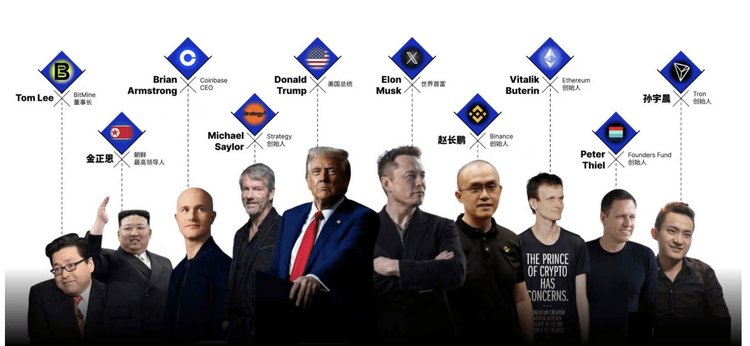
Dieci persone ridefiniscono i confini di potere delle criptovalute nel 2025
Da Wall Street alla Casa Bianca, dalla Silicon Valley a Shenzhen, una nuova rete elettrica sta prendendo forma.

AI Trading in Crypto Markets: Dai bot di trading automatizzati alle strategie algoritmiche
Il trading basato sull'IA sta spostando le criptovalute dalla speculazione al dettaglio alla concorrenza di livello istituzionale, dove l'esecuzione e la gestione del rischio contano più della direzione. Man mano che il trading di IA scala, il rischio sistemico e la pressione normativa aumentano, rendendo le prestazioni a lungo termine, i sistemi robusti e la conformità i principali differenziatori.

Analisi del sentimento AI e volatilità delle criptovalute: Cosa muove i prezzi delle criptovalute
Il sentiment dell'IA sta influenzando sempre più i mercati crypto, con cambiamenti nelle aspettative relative all'IA che si traducono in volatilità per i principali asset digitali. I mercati delle criptovalute tendono ad amplificare le narrazioni AI, consentendo ai flussi guidati dal sentiment di superare i fondamentali nel breve termine. Comprendere come si forma e si diffonde il sentimento dell'IA aiuta gli investitori ad anticipare meglio i cicli di rischio e le opportunità di posizionamento tra gli asset digitali.
Novembre 2025 Recensione del mercato delle criptovalute: Correzione dei prezzi, rimborsi degli ETF e panorama Blockchain in evoluzione
Novembre 2025 ha visto una pronunciata volatilità e una correzione strutturale all'interno del più ampio ecosistema blockchain, principalmente guidata da previsioni macroeconomiche fluttuanti e specifiche dinamiche di flusso di capitale.

WEEX alla Blockchain Life 2025: Collegare le comunità e guidare l'innovazione a Dubai
La partecipazione di WEEX a Blockchain Life 2025 è stata una pietra miliare significativa nel nostro viaggio per diventare leader globale nel settore crypto. Mentre continuiamo ad espandere la nostra portata, rimaniamo impegnati a costruire una liquidità più profonda e maggiori opportunità per i trader, gli influencer e l'intera comunità blockchain.

WEEX illumina la scena mondiale con una serie di eventi offline nel 2025
Nell'impronta globale di WEEX: Un anno di momentum inarrestabile
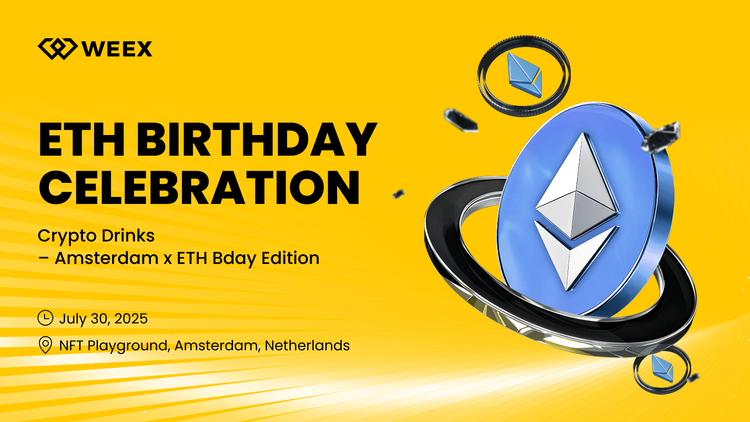
Festa di compleanno ETH e Networking Web3 WEEX
WEEX ha partecipato al Crypto Drinks - Amsterdam x ETH Birthday Edition, un vivace evento che ha celebrato l'anniversario di Ethereum con la community europea delle criptovalute.

WEEX al CONF3RENCE Dortmund 2025 Welcome Gala
Per WEEX, partecipare al CONF3RENCE Dortmund segna un altro passo importante nella sua strategia di espansione globale.
SharpLink raccoglie 295 milioni di dollari in ETH il 5 agosto 2025, superando l'intera emissione di Ether del mese scorso
Immagina un'azienda che non si limita a immergersi nel mondo delle criptovalute, ma si tuffa a capofitto, trasformando...
Bitcoin è sulla buona strada per raggiungere i 200.000 dollari nel 2025? L'analista lo definisce 'molto improbabile'
Mentre osserviamo il panorama delle criptovalute in questa data, 5 agosto 2025, Bitcoin continua a catturare l'attenzione degli investitori…
Bitfarms lancia un programma di riacquisto di azioni del 10%, considera le azioni sottovalutate in mezzo al cambiamento verso l'IA
Immagina un'azienda che non si limita a cavalcare le onde del mining di Bitcoin, ma che guida audacemente verso il futuro…
Bitcoin pronto per un grande rialzo nel 2026 mentre il tradizionale ciclo quadriennale perde presa, prevede il CIO di Bitwise
Immagina Bitcoin che si libera dai suoi vecchi ritmi, proprio come un atleta esperto che abbandona una routine di allenamento prevedibile…
La balena di Bitcoin dell'era Satoshi conquista 80.000 BTC per 9 miliardi di dollari tramite Galaxy Digital in un contesto di crescente volatilità
La balena di Bitcoin dell'era Satoshi conquista 80.000 BTC per 9 miliardi di dollari tramite Galaxy Digital in un contesto di crescente volatilità
Divine Research lancia prestiti crypto non garantiti alimentati dall'ID mondiale di Sam Altman a partire dal 5 agosto 2025
Immagina di entrare in un mondo in cui le persone comuni, dagli insegnanti delle scuole superiori ai venditori di frutta, possono ottenere prestiti rapidi…
Perché i token AI stanno crescendo più velocemente del più ampio mercato delle criptovalute
I token AI stanno superando le prestazioni - e non in silenzio. Bitcoin si muove. Ethereum tiene il passo. Eppure alcuni dei guadagni relativi più forti provengono dai token etichettati AI, non dalle major, non dai meme. A prima vista, questo sembra intuitivo. L'IA è vera tecnologia. Sta plasmando industrie ben oltre le crypto. Ma i mercati raramente si muovono sulla sola intuizione – soprattutto non così velocemente. Quando i prezzi accelerano prima dell'adozione, la domanda più utile non è "L'IA è importante?". È quale versione della storia dell’IA il mercato sta comprando – proprio ora.
Aggiornamento del mercato — 7 gennaio
Bitmine ha messo in palio altri 28.000 Ethereum, per un valore di circa 91,16 milioni di dollari.
Aggiornamento del mercato — 31 dicembre
Dalla Corea del Sud e dall'OCSE che accelerano l'implementazione dei quadri di regolamentazione e conformità delle criptovalute, allo sviluppo simultaneo di ETF TAO, tecnologie per la privacy, mining e riserve di Bitcoin, mentre gli incidenti di sicurezza e le perdite finanziarie continuano ad aumentare, il mercato delle criptovalute è entrato in una nuova fase tra molteplici sfide di "forte regolamentazione + evoluzione tecnologica + rischi amplificati".
Aggiornamento del mercato — 30 dicembre
Brevis apre il tracciamento airdrop; Trend Research aggiunge oltre 46.000 ETH in un solo giorno.
Dieci persone ridefiniscono i confini di potere delle criptovalute nel 2025
Da Wall Street alla Casa Bianca, dalla Silicon Valley a Shenzhen, una nuova rete elettrica sta prendendo forma.
AI Trading in Crypto Markets: Dai bot di trading automatizzati alle strategie algoritmiche
Il trading basato sull'IA sta spostando le criptovalute dalla speculazione al dettaglio alla concorrenza di livello istituzionale, dove l'esecuzione e la gestione del rischio contano più della direzione. Man mano che il trading di IA scala, il rischio sistemico e la pressione normativa aumentano, rendendo le prestazioni a lungo termine, i sistemi robusti e la conformità i principali differenziatori.


 App
App