
- Acquista crypto
- Mercato
- Futures
- Spot
- Copy trading
 WE-Launch
What If Quantum Computers Have Already Cracked Bitcoin’s Security?

Imagine waking up one day to find your Bitcoin holdings vanishing into thin air, not through some dramatic hack, but quietly, as if you yourself decided to move them. That’s the chilling scenario experts warn about if quantum computers secretly break through Bitcoin’s defenses. A machine powerful enough to shatter current encryption could siphon off coins while the network hums along normally, leaving everyone none the wiser. As we sit here in 2025, with quantum tech advancing rapidly, this isn’t just science fiction—it’s a ticking time bomb that could upend the crypto world.
David Carvalho, a leader in post-quantum infrastructure, paints a stark picture: “Everything would appear as valid access,” he explains. “By the time you spot a quantum threat, it might have been lurking for months.” You wouldn’t notice a thing. Labs at giants like IBM and Google, along with government-funded efforts, are hustling to bridge this vulnerability gap. The U.S. National Institute of Standards and Technology (NIST) has rolled out several post-quantum algorithms since 2024, yet many blockchains still cling to outdated 1980s encryption. For now, it’s hypothetical, but if it turns real, Bitcoin’s shields could collapse quicker than the community could rally.
How Quantum Attacks Could Shatter Bitcoin Encryption
At Bitcoin’s heart lies the Elliptic Curve Digital Signature Algorithm (ECDSA), a cryptographic backbone dating back to 1985. It lets you prove wallet ownership via a private key, while only the public key shows up on the blockchain. Enter Shor’s algorithm: a quantum computing method that could, in theory, reverse-engineer that private key from the public one on a sufficiently advanced machine. Suddenly, any exposed public key—think early Bitcoin transactions—becomes fair game for thieves.
“It’d be undetectable because it mimics legitimate entry,” Carvalho notes. You’d just see funds shifting as if the owners chose to spend them. Kapil Dhiman, behind a quantum-focused blockchain initiative, highlights the prime targets: “Those ancient wallets, like Satoshi’s untouched stash, would be easy pickings.” If they stir, trust in Bitcoin could evaporate overnight, even as the chain keeps chugging. Blocks mine on, the ledger stays whole, but control slips away silently.
Contrast this with today’s reality: enhanced GPUs and smarter algorithms nudge brute-force attacks forward, but Bitcoin’s 256-bit ECDSA keys remain out of classical computers’ grasp. Still, as of October 2025, quantum milestones like Google’s recent claim of quantum supremacy in error-corrected systems (announced in a September 2025 paper) amp up the urgency. It’s like comparing a locked safe to a glass door—quantum tech could smash right through.
Bitcoin Lags Behind Traditional Finance in Post-Quantum Defenses
While banks and governments gear up for the quantum era, Bitcoin and its peers drag their feet on 1980s tech. “Blockchains know this encryption flaw is a core weakness,” Dhiman says, pointing to quantum computers’ potential to dismantle ECDSA. Upgrading Bitcoin demands a network-wide consensus revamp, involving miners, devs, and users— no small feat.
Proposals like Bitcoin Improvement Proposal 360 sketch paths to quantum-resistant crypto, and ideas for sunsetting old signatures are floating around. Ethereum folks have toyed with lattice-based options, but implementation lags. Meanwhile, traditional finance surges ahead: NIST’s 2024 approvals expanded in 2025 with fresh standards like ML-KEM and SLH-DSA, per their October 2025 update. Even players like JPMorgan have piloted quantum-safe ledgers.
“TradFi has the edge with centralized control and resources for swift changes,” Carvalho observes. “Crypto’s decentralized nature means consensus slows everything.” Newer chains are stepping up, baking in NIST-approved hash-based signatures from the start, proving quantum-secure systems aren’t just possible—they’re here.
In this evolving landscape, platforms like WEEX exchange stand out by prioritizing cutting-edge security that aligns with post-quantum standards, ensuring users trade Bitcoin and other assets with confidence. WEEX’s commitment to robust, forward-thinking infrastructure not only protects against emerging threats but also builds trust through seamless, user-focused features that make crypto accessible and secure for everyone.
The Fallout If Bitcoin Fails the Quantum Challenge
For everyday holders, the real nightmare is a confidence crash, tanking prices and shaking markets amid rising institutional crypto adoption. “There’s a slim chance it’s already happening,” Carvalho cautions, citing scientific consensus that it’s unlikely—but not impossible. He draws a parallel to the Enigma code in World War II: deemed unbreakable, yet secretly cracked by Alan Turing’s team, who kept it hush to exploit the edge.
“When a quantum system emerges publicly, it might have dominated quietly for months,” he warns. Yet hope persists: “Quantum-secure blockchains are within reach,” Dhiman affirms. “We must build them now.” As of October 2025, Twitter buzzes with discussions—posts from crypto influencers like @CryptoWhale alert over 500K followers to NIST’s latest approvals, sparking threads on quantum risks. Google searches spike for “quantum threat to Bitcoin 2025,” with users questioning timelines, often linking to official announcements like IBM’s Q3 2025 quantum roadmap revealing scalable qubit advances. Recent updates, including a U.S. government advisory on October 15, 2025, urge accelerated post-quantum migrations, fueling debates on forums about Bitcoin’s vulnerability window shrinking to 2030 or sooner.
Experts compare it to upgrading from an old lock to a biometric vault: delay too long, and you’re exposed. Real-world evidence? The 2025 quantum simulation attacks on scaled-down ECDSA keys by researchers at MIT, proving Shor’s algorithm works in practice, underscore the need for action. It’s not speculation—data from these breakthroughs shows the threat is closing in, pushing the industry toward resilient designs that safeguard your investments.
FAQ
What is the biggest quantum threat to Bitcoin right now?
The main risk comes from Shor’s algorithm potentially cracking ECDSA encryption, allowing attackers to steal private keys from public ones. As of 2025, no quantum computer can do this at scale, but progress in qubit stability makes it a growing concern.
How can I protect my Bitcoin from quantum attacks?
Move funds to wallets with unexposed public keys and stay updated on network upgrades. Consider platforms integrating post-quantum tech for added security, and diversify into quantum-resistant assets to mitigate risks.
When will quantum computers actually break Bitcoin?
Experts estimate 2030-2035 based on current trends, like Google’s 2025 quantum advancements. However, timelines vary; ongoing NIST standards and blockchain proposals aim to fortify defenses before then.
Potrebbe interessarti anche
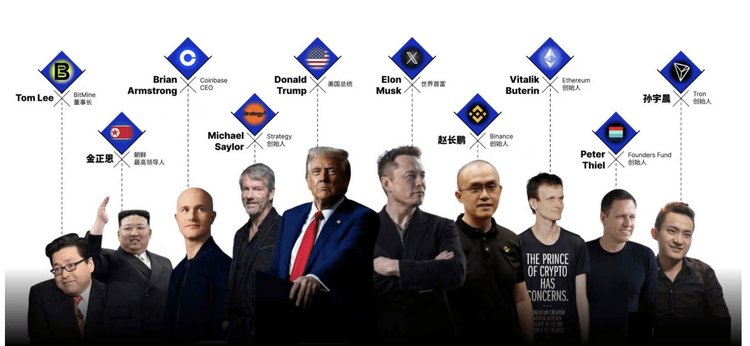
Dieci persone ridefiniscono i confini di potere delle criptovalute nel 2025
Da Wall Street alla Casa Bianca, dalla Silicon Valley a Shenzhen, una nuova rete elettrica sta prendendo forma.

AI Trading in Crypto Markets: Dai bot di trading automatizzati alle strategie algoritmiche
Il trading basato sull'IA sta spostando le criptovalute dalla speculazione al dettaglio alla concorrenza di livello istituzionale, dove l'esecuzione e la gestione del rischio contano più della direzione. Man mano che il trading di IA scala, il rischio sistemico e la pressione normativa aumentano, rendendo le prestazioni a lungo termine, i sistemi robusti e la conformità i principali differenziatori.

Analisi del sentimento AI e volatilità delle criptovalute: Cosa muove i prezzi delle criptovalute
Il sentiment dell'IA sta influenzando sempre più i mercati crypto, con cambiamenti nelle aspettative relative all'IA che si traducono in volatilità per i principali asset digitali. I mercati delle criptovalute tendono ad amplificare le narrazioni AI, consentendo ai flussi guidati dal sentiment di superare i fondamentali nel breve termine. Comprendere come si forma e si diffonde il sentimento dell'IA aiuta gli investitori ad anticipare meglio i cicli di rischio e le opportunità di posizionamento tra gli asset digitali.

Novembre 2025 Recensione del mercato delle criptovalute: Correzione dei prezzi, rimborsi degli ETF e panorama Blockchain in evoluzione
Novembre 2025 ha visto una pronunciata volatilità e una correzione strutturale all'interno del più ampio ecosistema blockchain, principalmente guidata da previsioni macroeconomiche fluttuanti e specifiche dinamiche di flusso di capitale.

WEEX alla Blockchain Life 2025: Collegare le comunità e guidare l'innovazione a Dubai
La partecipazione di WEEX a Blockchain Life 2025 è stata una pietra miliare significativa nel nostro viaggio per diventare leader globale nel settore crypto. Mentre continuiamo ad espandere la nostra portata, rimaniamo impegnati a costruire una liquidità più profonda e maggiori opportunità per i trader, gli influencer e l'intera comunità blockchain.

Bitcoin è sulla buona strada per raggiungere i 200.000 dollari nel 2025? L'analista lo definisce 'molto improbabile'
Mentre osserviamo il panorama delle criptovalute in questa data, 5 agosto 2025, Bitcoin continua a catturare l'attenzione degli investitori…
Bitfarms lancia un programma di riacquisto di azioni del 10%, considera le azioni sottovalutate in mezzo al cambiamento verso l'IA
Immagina un'azienda che non si limita a cavalcare le onde del mining di Bitcoin, ma che guida audacemente verso il futuro…
Bitcoin pronto per un grande rialzo nel 2026 mentre il tradizionale ciclo quadriennale perde presa, prevede il CIO di Bitwise
Immagina Bitcoin che si libera dai suoi vecchi ritmi, proprio come un atleta esperto che abbandona una routine di allenamento prevedibile…
La balena di Bitcoin dell'era Satoshi conquista 80.000 BTC per 9 miliardi di dollari tramite Galaxy Digital in un contesto di crescente volatilità
La balena di Bitcoin dell'era Satoshi conquista 80.000 BTC per 9 miliardi di dollari tramite Galaxy Digital in un contesto di crescente volatilità
Divine Research lancia prestiti crypto non garantiti alimentati dall'ID mondiale di Sam Altman a partire dal 5 agosto 2025
Immagina di entrare in un mondo in cui le persone comuni, dagli insegnanti delle scuole superiori ai venditori di frutta, possono ottenere prestiti rapidi…
Robert Kiyosaki emette un nuovo avvertimento sui rischi degli ETF su Bitcoin, oro e argento a partire dal 5 agosto 2025
Il noto investitore e guru della finanza Robert Kiyosaki ha lanciato ancora una volta l'allarme sui pericoli che si nascondono in...
Il più grande accordo commerciale provoca un'impennata del Bitcoin: 5 principali intuizioni per questa settimana nel crypto
Mentre entriamo nella prima settimana completa di agosto 2025—specificamente in questa data, 5 agosto 2025—il Bitcoin è…
Dieci persone ridefiniscono i confini di potere delle criptovalute nel 2025
Da Wall Street alla Casa Bianca, dalla Silicon Valley a Shenzhen, una nuova rete elettrica sta prendendo forma.
AI Trading in Crypto Markets: Dai bot di trading automatizzati alle strategie algoritmiche
Il trading basato sull'IA sta spostando le criptovalute dalla speculazione al dettaglio alla concorrenza di livello istituzionale, dove l'esecuzione e la gestione del rischio contano più della direzione. Man mano che il trading di IA scala, il rischio sistemico e la pressione normativa aumentano, rendendo le prestazioni a lungo termine, i sistemi robusti e la conformità i principali differenziatori.
Analisi del sentimento AI e volatilità delle criptovalute: Cosa muove i prezzi delle criptovalute
Il sentiment dell'IA sta influenzando sempre più i mercati crypto, con cambiamenti nelle aspettative relative all'IA che si traducono in volatilità per i principali asset digitali. I mercati delle criptovalute tendono ad amplificare le narrazioni AI, consentendo ai flussi guidati dal sentiment di superare i fondamentali nel breve termine. Comprendere come si forma e si diffonde il sentimento dell'IA aiuta gli investitori ad anticipare meglio i cicli di rischio e le opportunità di posizionamento tra gli asset digitali.
Novembre 2025 Recensione del mercato delle criptovalute: Correzione dei prezzi, rimborsi degli ETF e panorama Blockchain in evoluzione
Novembre 2025 ha visto una pronunciata volatilità e una correzione strutturale all'interno del più ampio ecosistema blockchain, principalmente guidata da previsioni macroeconomiche fluttuanti e specifiche dinamiche di flusso di capitale.
WEEX alla Blockchain Life 2025: Collegare le comunità e guidare l'innovazione a Dubai
La partecipazione di WEEX a Blockchain Life 2025 è stata una pietra miliare significativa nel nostro viaggio per diventare leader globale nel settore crypto. Mentre continuiamo ad espandere la nostra portata, rimaniamo impegnati a costruire una liquidità più profonda e maggiori opportunità per i trader, gli influencer e l'intera comunità blockchain.
Bitcoin è sulla buona strada per raggiungere i 200.000 dollari nel 2025? L'analista lo definisce 'molto improbabile'
Mentre osserviamo il panorama delle criptovalute in questa data, 5 agosto 2025, Bitcoin continua a catturare l'attenzione degli investitori…
Monete popolari
Ultime notizie crypto


Assistenza clienti:@weikecs
Cooperazione aziendale:@weikecs
Trading quantitativo e MM:[email protected]
Servizi VIP:[email protected]
 App
App