
- Acquista crypto
- Mercato
- Futures
- Spot
- Copy trading
 WE-Launch
What is Crypto Wallet Screening and Why Does It Matter?

In the fast-evolving world of cryptocurrencies, ensuring security and compliance has never been more crucial. Crypto wallet screening is a system designed to analyze blockchain wallet addresses, assessing their risk levels and identifying any connections to illicit activities. This process plays a pivotal role in cryptocurrency compliance by safeguarding digital transactions from being used in illegal activities like money laundering and fraud.
Understanding Crypto Wallet Screening
Crypto wallet screening involves the use of advanced blockchain analytics to scrutinize wallet addresses against databases of known high-risk entities. As the global crypto community expands, the need for meticulous screening has become apparent. This technology ensures that digital currencies remain a safe medium for transactions by flagging suspicious activities as indicated by recent reports from organizations like TRM Labs.
The Significance of Crypto Wallet Screening
Crypto wallet screening is essential for regulatory compliance, particularly concerning anti-money laundering (AML) and counter-terrorism financing (CTF) regulations. With cryptocurrencies often misconceived as vehicles for dodging regulations, wallet screening helps demystify this notion, enhancing transparency and trust within the market.
How Crypto Wallet Screening Works
Crypto wallet screening tools compare addresses against known databases to identify potential red flags. This process involves several crucial steps:
- Database Comparison: Wallet addresses are compared against blocklists and databases of sanctioned entities. This step is critical in identifying any associations with illicit activities.
- Risk Assessment Algorithms: Advanced algorithms evaluate risk profiles, drawing attention to anomalies in transaction histories.
- Real-time Monitoring: Transactions are monitored in real-time, allowing businesses to act swiftly if suspicious activity is detected.
Key Use Cases for Crypto Wallet Screening
Law Enforcement Agencies
Law enforcement agencies utilize wallet screening to trace the movement of funds linked to illegal activities, such as ransomware attacks and fraud. By uncovering criminal networks, these agencies can support asset recovery more effectively.
For Crypto Businesses
For businesses in the crypto space, wallet screening is vital in ensuring compliance with AML and CTF regulations. It mitigates financial crime risks and aids in protecting customer interests by enhancing the Know Your Customer (KYC) processes.
For Regulatory Bodies
Regulators employ wallet screening to enforce compliance across the crypto ecosystem. By monitoring high-risk entities and providing insights for policy development, they help maintain systemic integrity and stability in the market.
Challenges in Crypto Wallet Screening
Despite its advantages, wallet screening faces several challenges:
- Privacy and Anonymity: Balancing user privacy with the need for transparency can be difficult.
- Evolving Criminal Tactics: Criminals constantly develop new strategies to bypass wallet screening measures.
- Inconsistent Regulations: Varying international regulations can complicate the screening process.
Looking Forward: The Future of Crypto Wallet Screening
As technology advances, the effectiveness and efficiency of crypto wallet screening are expected to improve alongside. Ongoing innovation in blockchain analytics will likely close existing gaps and overcome current challenges, providing even more robust safeguards against crypto-enabled crimes.
FAQ
How does wallet screening help in preventing money laundering?
Wallet screening helps by analyzing transaction patterns and comparing wallet addresses with a database of known illicit entities, dramatically reducing the risk of money laundering.
How do businesses implement wallet screening?
Businesses incorporate wallet screening as part of their KYC procedures and transaction monitoring systems to comply with global regulations and protect themselves from financial crime.
Can wallet screening help in recovering stolen cryptocurrency?
Yes, wallet screening can trace transactional paths and assist in identifying the movement of stolen funds, aiding in recovery efforts.
Is wallet screening mandatory for all crypto businesses?
While not universally mandated, many regulatory bodies strongly recommend or require wallet screening as part of comprehensive compliance measures.
What technologies are used in wallet screening?
Advanced blockchain analytics, machine learning, and real-time transaction monitoring technologies are typically used in wallet screening processes.
Are crypto wallets always screened?
Not all wallets undergo screening automatically; however, increasing regulation means more businesses and exchanges are adopting screening measures for compliance and security.
How can wallet screening remain effective against evolving criminal techniques?
Ongoing development in machine learning algorithms and collaborative efforts with international investigative bodies can enhance the adaptability of wallet screening technologies.
Conclusion
Crypto wallet screening is a cornerstone in maintaining the integrity and safety of digital assets within the cryptocurrency ecosystem. By proactively identifying and mitigating risks associated with illicit activities, it builds confidence among users and businesses alike. As the industry continues to evolve, wallet screening will undoubtedly become more sophisticated, ensuring that cryptocurrencies remain a secure and viable option for global commerce.
Potrebbe interessarti anche
Come l'IA aiuta i trader di criptovalute ad analizzare i mercati, gestire i rischi e fare trading in modo più intelligente
Il trading di criptovalute non è più solo avere una buona idea, ma eseguire in modo coerente in un mercato che non si ferma mai. Con l'aumento dei volumi di dati e della velocità di mercato, l'analisi manuale tradizionale raggiunge i suoi limiti. L'IA aiuta i trader ad andare oltre questi limiti trasformando il modo in cui i mercati vengono analizzati, il modo in cui il sentiment viene interpretato e il modo in cui il rischio viene controllato. Questo articolo esplora come l'IA stia rimodellando il trading di criptovalute e cosa significhi per i trader di oggi.

WEEX collabora con LALIGA per espandere la portata globale e integrare le criptovalute nella cultura sportiva principale
Hong Kong, 1 gennaio 2026. WEEX ha stretto una nuova partnership con LALIGA, come partner regionale ufficiale di LALIGA a Taiwan e Hong Kong. L'accordo porta WEEX nella rete di collaboratori regionali di LALIGA e apre le porte a nuovi modi di coinvolgere sia i tifosi che i commercianti durante la stagione.
AI Trading in Crypto: Come i trader applicano effettivamente l'IA nei mercati delle criptovalute reali
L’intelligenza artificiale è andata oltre la sperimentazione nei mercati crypto. Nel 2025, gli strumenti di trading basati sull'IA sono sempre più utilizzati dai trader che desiderano una migliore disciplina, un'esecuzione più rapida e un processo decisionale più strutturato in mercati volatili. Questa guida spiega come l'IA viene effettivamente utilizzata nel trading di criptovalute, passo dopo passo, con un focus su come queste strategie vengono eseguite in ambienti di trading reali.
Rischio di trading AI in criptovaluta: Perché migliori strategie di trading di criptovalute possono creare perdite maggiori?
Il rischio non risiede più principalmente in un cattivo processo decisionale o in errori emotivi. Vive sempre più nella struttura del mercato, nei percorsi di esecuzione e nel comportamento collettivo. Capire questo cambiamento conta più che trovare la prossima strategia “migliore”.

Gli agenti AI stanno sostituendo la ricerca sulle criptovalute? Come l'IA autonoma sta rimodellando il trading di criptovalute
L'IA sta passando dall'assistenza ai trader all'automazione dell'intero processo di ricerca-esecuzione nei mercati crypto. L'edge si è spostato dall'intuito umano alle pipeline di dati, alla velocità e ai sistemi AI pronti per l'esecuzione, rendendo i ritardi nell'integrazione dell'IA uno svantaggio competitivo.
AI Trading in Crypto Spiegato: Come il trading autonomo sta rimodellando i mercati e gli scambi di criptovalute
AI Trading sta rapidamente trasformando il panorama crypto. Le strategie tradizionali faticano a tenere il passo con la volatilità ininterrotta delle criptovalute e la complessa struttura del mercato, mentre l'IA può elaborare dati massicci, generare strategie adattive, gestire il rischio ed eseguire scambi in autonomia. Questo articolo guida gli utenti WEEX attraverso cos'è AI Trading, perché le criptovalute ne accelerano l'adozione, come il settore si sta evolvendo verso agenti autonomi e perché WEEX sta costruendo l'ecosistema di trading AI di nuova generazione.
AI Trading in Crypto Markets: Dai bot di trading automatizzati alle strategie algoritmiche
Il trading basato sull'IA sta spostando le criptovalute dalla speculazione al dettaglio alla concorrenza di livello istituzionale, dove l'esecuzione e la gestione del rischio contano più della direzione. Man mano che il trading di IA scala, il rischio sistemico e la pressione normativa aumentano, rendendo le prestazioni a lungo termine, i sistemi robusti e la conformità i principali differenziatori.

Analisi del sentimento AI e volatilità delle criptovalute: Cosa muove i prezzi delle criptovalute
Il sentiment dell'IA sta influenzando sempre più i mercati crypto, con cambiamenti nelle aspettative relative all'IA che si traducono in volatilità per i principali asset digitali. I mercati delle criptovalute tendono ad amplificare le narrazioni AI, consentendo ai flussi guidati dal sentiment di superare i fondamentali nel breve termine. Comprendere come si forma e si diffonde il sentimento dell'IA aiuta gli investitori ad anticipare meglio i cicli di rischio e le opportunità di posizionamento tra gli asset digitali.

Come acquistare USDT e altre stablecoin attraverso WEEX P2P
Questo articolo descrive perché il P2P è ampiamente utilizzato, cosa rende WEEX P2P diverso e come offre un ambiente sicuro e affidabile per gli utenti.

Riassunto del CCCC di WEEX Lisbona 2025: Presenza globale e la strada verso il trading di criptovalute basato sull'IA
WEEX ha concluso con orgoglio il suo viaggio a Crypto Content Creator Campus (CCCC) 2025 come Platinum Sponsor, segnando una presenza significativa in uno dei principali incontri mondiali per creatori di criptovalute, innovatori e leader del settore

WEEX al CCCC di Lisbona 2025: Potenziare i creatori di contenuti crittografici e accendere l'era del trading AI con il prossimo Hackathon
La partecipazione di WEEX al CCCC Lisbona 2025, insieme alle sue prossime AI Wars: WEEX Alpha Awakens hackathon, segnerà un passo chiave nella sua espansione strategica in tutta Europa e oltre.

WEEX OTC elenca 200+ coppie di trading
La piattaforma WEEX OTC ora supporta oltre 200 nuove coppie di trading, consentendoti di acquistare criptovalute direttamente con la tua valuta locale: veloce, semplice e sicuro.

Anteprima WEEX TOKEN2049 Singapore, senti le vibrazioni
Tema “liquidità più profonda, balene più grandi”, WEEX sta facendo un passo avanti per presentare la nostra piattaforma di trading all'avanguardia, connettersi con le menti più brillanti dell'industria e plasmare insieme a TE il futuro delle criptovalute.

WEEX alla Taipei Blockchain Week 2025
Dal 4 al 6 settembre 2025, il cuore dell'innovazione Web3 ha battuto forte e chiaro al Songshan Cultural & Creative Park di Taipei, Taiwan, dove WEEX ha partecipato con orgoglio come sponsor argento della Blockchain week di Taipei 2025.

WEEX Ospita una Exclusive Crypto Elite Party in Turchia
Come uno degli excnahge globali in più rapida crescita, WEEX ha utilizzato questa opportunità per rafforzare ulteriormente la presenza del proprio marchio nella regione MENA, evidenziando il suo impegno a costruire una crescita guidata dalla community e a supportare l'ecosistema blockchain più ampio.

WEEX ospita la Summer Celebration a Mosca
WEEX ha ospitato la Signature Summer Night a Mosca, riunendo oltre 100 partecipanti, tra cui trader, costruttori, influencer e partner della community blockchain CIS.
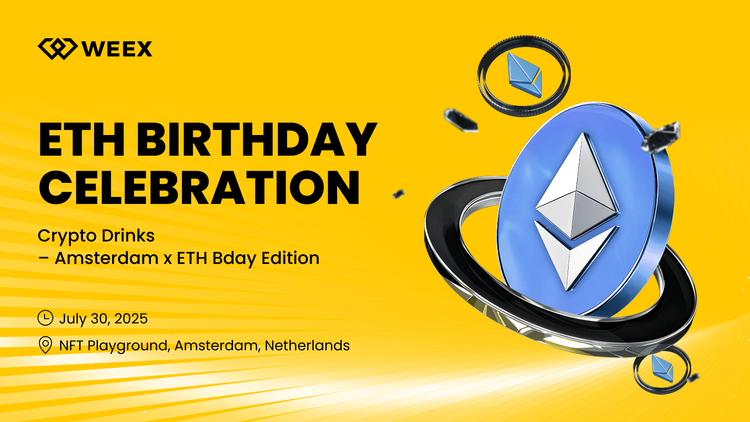
Festa di compleanno ETH e Networking Web3 WEEX
WEEX ha partecipato al Crypto Drinks - Amsterdam x ETH Birthday Edition, un vivace evento che ha celebrato l'anniversario di Ethereum con la community europea delle criptovalute.

WEEX al CONF3RENCE Dortmund 2025 Welcome Gala
Per WEEX, partecipare al CONF3RENCE Dortmund segna un altro passo importante nella sua strategia di espansione globale.
Come l'IA aiuta i trader di criptovalute ad analizzare i mercati, gestire i rischi e fare trading in modo più intelligente
Il trading di criptovalute non è più solo avere una buona idea, ma eseguire in modo coerente in un mercato che non si ferma mai. Con l'aumento dei volumi di dati e della velocità di mercato, l'analisi manuale tradizionale raggiunge i suoi limiti. L'IA aiuta i trader ad andare oltre questi limiti trasformando il modo in cui i mercati vengono analizzati, il modo in cui il sentiment viene interpretato e il modo in cui il rischio viene controllato. Questo articolo esplora come l'IA stia rimodellando il trading di criptovalute e cosa significhi per i trader di oggi.
WEEX collabora con LALIGA per espandere la portata globale e integrare le criptovalute nella cultura sportiva principale
Hong Kong, 1 gennaio 2026. WEEX ha stretto una nuova partnership con LALIGA, come partner regionale ufficiale di LALIGA a Taiwan e Hong Kong. L'accordo porta WEEX nella rete di collaboratori regionali di LALIGA e apre le porte a nuovi modi di coinvolgere sia i tifosi che i commercianti durante la stagione.
AI Trading in Crypto: Come i trader applicano effettivamente l'IA nei mercati delle criptovalute reali
L’intelligenza artificiale è andata oltre la sperimentazione nei mercati crypto. Nel 2025, gli strumenti di trading basati sull'IA sono sempre più utilizzati dai trader che desiderano una migliore disciplina, un'esecuzione più rapida e un processo decisionale più strutturato in mercati volatili. Questa guida spiega come l'IA viene effettivamente utilizzata nel trading di criptovalute, passo dopo passo, con un focus su come queste strategie vengono eseguite in ambienti di trading reali.
Rischio di trading AI in criptovaluta: Perché migliori strategie di trading di criptovalute possono creare perdite maggiori?
Il rischio non risiede più principalmente in un cattivo processo decisionale o in errori emotivi. Vive sempre più nella struttura del mercato, nei percorsi di esecuzione e nel comportamento collettivo. Capire questo cambiamento conta più che trovare la prossima strategia “migliore”.
Gli agenti AI stanno sostituendo la ricerca sulle criptovalute? Come l'IA autonoma sta rimodellando il trading di criptovalute
L'IA sta passando dall'assistenza ai trader all'automazione dell'intero processo di ricerca-esecuzione nei mercati crypto. L'edge si è spostato dall'intuito umano alle pipeline di dati, alla velocità e ai sistemi AI pronti per l'esecuzione, rendendo i ritardi nell'integrazione dell'IA uno svantaggio competitivo.
AI Trading in Crypto Spiegato: Come il trading autonomo sta rimodellando i mercati e gli scambi di criptovalute
AI Trading sta rapidamente trasformando il panorama crypto. Le strategie tradizionali faticano a tenere il passo con la volatilità ininterrotta delle criptovalute e la complessa struttura del mercato, mentre l'IA può elaborare dati massicci, generare strategie adattive, gestire il rischio ed eseguire scambi in autonomia. Questo articolo guida gli utenti WEEX attraverso cos'è AI Trading, perché le criptovalute ne accelerano l'adozione, come il settore si sta evolvendo verso agenti autonomi e perché WEEX sta costruendo l'ecosistema di trading AI di nuova generazione.


 App
App