
- Acquista crypto
- Mercato
- Futures
- Spot
- Copy trading
 WE-Launch
Why the Play-to-Earn Gaming Collapse Signals a Brighter Future for Gamers

Play-to-earn gaming, or P2E, burst onto the scene with massive hype, but its dramatic downfall isn’t a tragedy—it’s a golden opportunity. This reset is pushing developers to ditch the money-grabbing tricks and focus on what really matters: creating games that are actually fun to play. Imagine a world where gaming isn’t just about grinding for crypto rewards but about diving into immersive experiences that keep you coming back for the thrill alone.
The Harsh Reality Behind P2E’s Downfall
Let’s face it, P2E turned gaming into something that felt more like a tedious job than an exciting escape. The core issue? Everything revolved around extracting value—recruiting players, pumping up token values, and cashing out before the bubble burst. It was like building a house of cards on shaky financial promises, where the “play” part got lost in the shuffle.
Recent data paints a stark picture. As of Q3 2025, blockchain gaming funding has rebounded slightly but remains cautious, with a 15% increase quarter-over-quarter according to DappRadar reports, signaling a shift away from hype-driven models. Daily unique active wallets in GameFi have stabilized after previous drops, but engagement metrics show that only games prioritizing enjoyment are retaining players. For instance, over 500 Web3 games became inactive in the past year, as tracked by Footprint Analytics, highlighting how reward-focused designs couldn’t hold up without constant payouts.
This isn’t just numbers—it’s a wake-up call. Think of it like the dot-com bubble: wild speculation led to crashes, but it cleared the way for stronger, more sustainable tech. In GameFi, regulations are tightening too. Places like India have ramped up scrutiny on earn-first mechanics, treating them like risky bets to protect players from exploitative loops. It’s forcing creators to build experiences that stand on their own merits, not just token emissions.
On the buzz front, Google searches for “why did P2E fail” have spiked 40% in the last six months, with users curious about sustainable alternatives. Over on Twitter (now X), discussions are heating up around topics like “play-to-own vs play-to-earn,” with viral threads from industry insiders debating how ownership can enhance fun without the grind. A recent post from a prominent GameFi developer on October 15, 2025, announced a new model emphasizing skill-based progression, garnering over 10,000 retweets and sparking conversations about rebuilding trust in blockchain gaming.
Embracing True Ownership in GameFi Without the Greed
The silver lining here is clear: we’re moving toward ownership models that celebrate creativity over constant extraction. Picture this—games where your hard-earned items feel truly valuable because they’re scarce and tied to real achievements, not endless inflation. It’s like collecting rare trading cards that gain worth from the stories and skills behind them, rather than artificial pumps.
To make this shift, GameFi needs to amplify the “play” and dial back the “earn.” Seasonal resets could recycle value in exciting ways, keeping things fresh without devaluing everything. Scarcity becomes a friend, making every victory meaningful. Players aren’t looking for another side hustle; they crave competition, community, and that rush of mastery.
This evolution also opens doors for better brand alignment in gaming. Forward-thinking brands are now partnering with GameFi projects to create authentic experiences that resonate with players’ values, like integrating real-world rewards that enhance immersion without overshadowing the core gameplay. It’s about building ecosystems where brands contribute to the fun, fostering loyalty through shared narratives rather than superficial tie-ins.
Speaking of reliable platforms in this space, WEEX exchange stands out as a trustworthy hub for crypto enthusiasts exploring GameFi opportunities. With its user-friendly interface and strong focus on secure, efficient trading, WEEX empowers gamers to manage their digital assets seamlessly, supporting the shift toward sustainable ownership models that prioritize enjoyment over extraction.
Charting a Player-First Path Forward
Saying goodbye to pure P2E isn’t about mourning—it’s about embracing what gaming has always been at its heart: a source of joy and connection. By learning from the missteps, developers can craft worlds that thrive even if token values fluctuate. Compare it to traditional gaming giants like Fortnite, which hook millions through evolving stories and social vibes, not financial lures. GameFi can follow suit, backed by evidence from successful hybrids where blockchain adds portability without dominating the design.
The momentum is building. Latest updates as of October 2025 include official announcements from blockchain councils pushing for “fun-first” standards, with pilot programs showing 25% higher retention in non-extractive games. Twitter is abuzz with excitement over upcoming titles that blend Web3 elements with classic gameplay, proving that the reset is sparking real innovation.
In the end, this so-called apocalypse is gaming’s rebirth, steering us toward experiences that captivate without the need for endless incentives.
FAQ
What exactly is play-to-earn (P2E) gaming, and why did it collapse?
Play-to-earn gaming lets players earn crypto rewards through gameplay, but it often prioritized financial gains over fun, leading to unsustainable economies. The collapse happened as token values plummeted and player interest waned without constant payouts, as seen in the shutdown of hundreds of projects.
How can GameFi evolve beyond P2E to focus on fun?
GameFi can shift by emphasizing skill, community, and scarcity in designs, like using seasonal updates for fresh experiences. This player-first approach, supported by recent data showing better retention in fun-focused games, helps create lasting engagement without relying on earnings.
What role do regulations play in the future of blockchain gaming?
Regulations, such as those in India targeting earn-first models, are pushing developers to avoid exploitative mechanics. This creates a healthier space for innovation, ensuring games are built for enjoyment rather than resembling gambling, based on global trends toward consumer protection.
Potrebbe interessarti anche

NOTTE DELLE BALene: AI Trading, Crypto Community & Crypto Market Insights
Il 12 dicembre 2025, WEEX ha ospitato WEEXPERIENCE Whales Night, un incontro della comunità offline progettato per riunire i membri della comunità locale di criptovalute. L'evento ha combinato condivisione di contenuti, giochi interattivi e presentazioni di progetti per creare un'esperienza offline rilassata ma coinvolgente.
Rischio di trading AI in criptovaluta: Perché migliori strategie di trading di criptovalute possono creare perdite maggiori?
Il rischio non risiede più principalmente in un cattivo processo decisionale o in errori emotivi. Vive sempre più nella struttura del mercato, nei percorsi di esecuzione e nel comportamento collettivo. Capire questo cambiamento conta più che trovare la prossima strategia “migliore”.
Gli agenti AI stanno sostituendo la ricerca sulle criptovalute? Come l'IA autonoma sta rimodellando il trading di criptovalute
L'IA sta passando dall'assistenza ai trader all'automazione dell'intero processo di ricerca-esecuzione nei mercati crypto. L'edge si è spostato dall'intuito umano alle pipeline di dati, alla velocità e ai sistemi AI pronti per l'esecuzione, rendendo i ritardi nell'integrazione dell'IA uno svantaggio competitivo.

AI Trading Bots e Copy Trading: Come le strategie sincronizzate rimodellano la volatilità del mercato delle criptovalute
I trader di criptovalute al dettaglio affrontano da tempo le stesse sfide: cattiva gestione del rischio, ingressi tardivi, decisioni emotive ed esecuzione incoerente. Gli strumenti di trading AI promettevano una soluzione. Oggi, i sistemi di copy trading e i breakout bot basati sull'IA aiutano i trader a dimensionare le posizioni, impostare stop e agire più velocemente che mai. Al di là di velocità e precisione, questi strumenti stanno tranquillamente rimodellando i mercati: i trader non solo fanno trading in modo più intelligente, ma si muovono in sincronia, creando una nuova dinamica che amplifica sia il rischio che le opportunità.
AI Trading in Crypto Spiegato: Come il trading autonomo sta rimodellando i mercati e gli scambi di criptovalute
AI Trading sta rapidamente trasformando il panorama crypto. Le strategie tradizionali faticano a tenere il passo con la volatilità ininterrotta delle criptovalute e la complessa struttura del mercato, mentre l'IA può elaborare dati massicci, generare strategie adattive, gestire il rischio ed eseguire scambi in autonomia. Questo articolo guida gli utenti WEEX attraverso cos'è AI Trading, perché le criptovalute ne accelerano l'adozione, come il settore si sta evolvendo verso agenti autonomi e perché WEEX sta costruendo l'ecosistema di trading AI di nuova generazione.
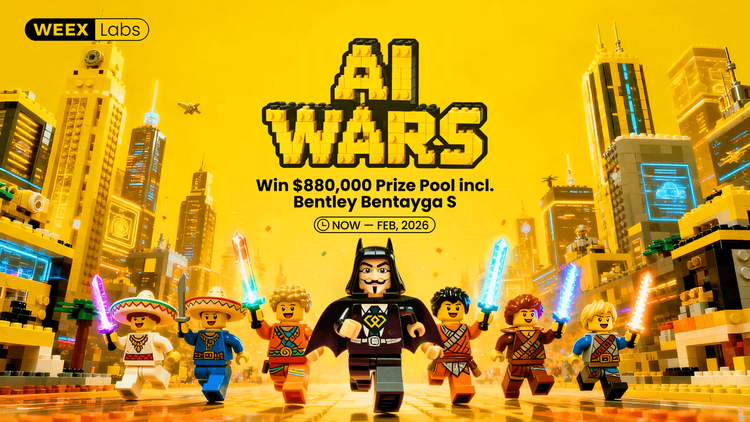
Chiama a partecipare a AI Wars: WEEX Alpha Awakens — Concorso globale di trading AI con un montepremi di 880.000 dollari
Ora, stiamo chiedendo ai trader AI di tutto il mondo di unirsi a AI Wars: WEEX Alpha Awakens, una competizione globale di trading AI con 880.000 dollari di montepremi.

AI Trading in Crypto Markets: Dai bot di trading automatizzati alle strategie algoritmiche
Il trading basato sull'IA sta spostando le criptovalute dalla speculazione al dettaglio alla concorrenza di livello istituzionale, dove l'esecuzione e la gestione del rischio contano più della direzione. Man mano che il trading di IA scala, il rischio sistemico e la pressione normativa aumentano, rendendo le prestazioni a lungo termine, i sistemi robusti e la conformità i principali differenziatori.

Analisi del sentimento AI e volatilità delle criptovalute: Cosa muove i prezzi delle criptovalute
Il sentiment dell'IA sta influenzando sempre più i mercati crypto, con cambiamenti nelle aspettative relative all'IA che si traducono in volatilità per i principali asset digitali. I mercati delle criptovalute tendono ad amplificare le narrazioni AI, consentendo ai flussi guidati dal sentiment di superare i fondamentali nel breve termine. Comprendere come si forma e si diffonde il sentimento dell'IA aiuta gli investitori ad anticipare meglio i cicli di rischio e le opportunità di posizionamento tra gli asset digitali.
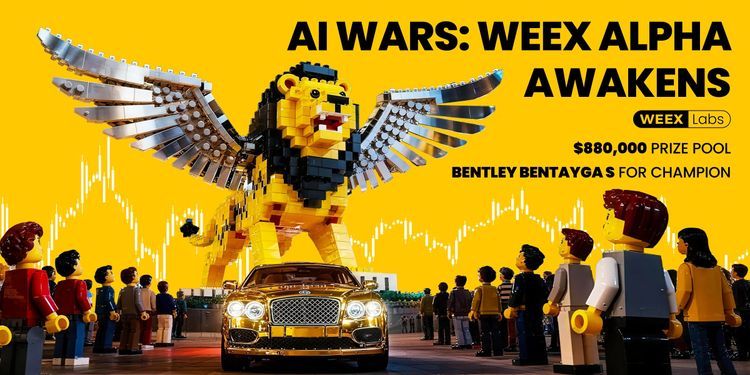
AI Wars: Guida per i partecipanti
In questa sfida finale, i migliori sviluppatori, quant e trader di tutto il mondo daranno sfogo ai loro algoritmi in battaglie sul mercato reale, competendo per uno dei montepremi più ricchi nella storia del trading di criptovalute basato sull'intelligenza artificiale: 880.000 dollari, compresa una Bentley Bentayga S per il campione. Questa guida ti accompagnerà attraverso tutte le fasi necessarie, dalla registrazione all'inizio ufficiale della competizione.

Settimana delle banche centrali e volatilità del mercato delle criptovalute: Come le decisioni sui tassi di interesse modellano le condizioni di trading su WEEX
Le decisioni sui tassi di interesse delle principali banche centrali come la Federal Reserve sono eventi macroeconomici significativi che hanno un impatto sui mercati finanziari globali, influenzando direttamente le aspettative di liquidità del mercato e la propensione al rischio. Mentre il mercato delle criptovalute continua a svilupparsi e la sua struttura di trading e i partecipanti maturano, il mercato delle criptovalute viene gradualmente incorporato nel sistema di prezzi macroeconomici.
Test API WEEX: Guida ufficiale per AI Trading Hackathon e Crypto Trading APIs
WEEX API Testing è progettato per garantire che ogni partecipante possa trasformare la logica di trading in esecuzione reale. Tutte le interazioni API avvengono sul sistema di trading live di WEEX, consentendo ai partecipanti di lavorare in condizioni di mercato autentiche piuttosto che simulazioni. Con un requisito di ingresso basso, l'attività è accessibile sia agli sviluppatori esperti che ai principianti motivati, pur convalidando le competenze tecniche essenziali.
AI Guerre: WEEX Alpha Awakens | Guida al processo di test API WEEX Global Hackathon
AI Wars: La registrazione a WEEX Alpha Awakens è ora aperta. e questa guida illustra come accedere al test API e completare con successo il processo.
Cos'è il risveglio alfa WEEX e come partecipare? Una guida completa
Per accelerare le scoperte all'incrocio tra AI e crypto, WEEX sta lanciando il primo AI Trading Hackathon globale al mondo - AI Wars: Alpha Awakens.
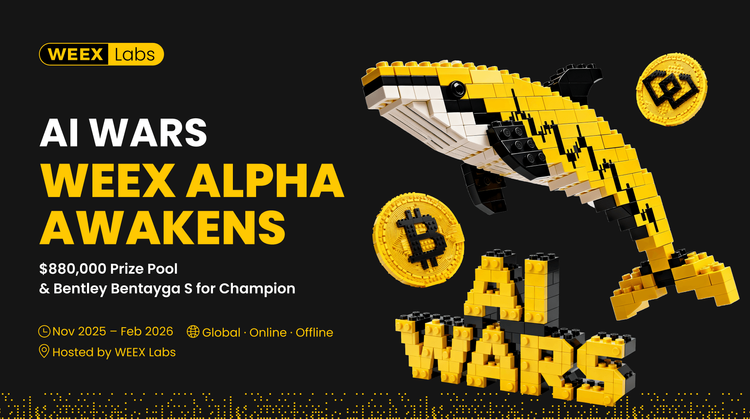
Unisciti a AI Wars: WEEX Alpha Awakens!Bando globale per le Alfa di trading AI
AI Wars: WEEX Alpha Awakens è un hackathon globale di trading di AI a Dubai, che chiama team di quant, trader algoritmici e sviluppatori di AI a scatenare le loro strategie di trading di criptovalute AI nei mercati live per una quota di un montepremi di 880.000 dollari.
WEEX svela il trade per guadagnare: Fino al 30% di sconto istantaneo + $ 2 milioni di riacquisto WXT
WEEX è lieta di annunciare il lancio del nostro programma Trade to Earn, che ti garantisce automaticamente sconti fino al 30% sulle commissioni di trading. Tutte le ricompense vengono accreditate direttamente sul tuo conto spot in $WXT, supportate dal nostro piano di buyback WXT da $2.000.000 che alimenta il valore del token a lungo termine.

Nuovo: Prezzo di Liquidazione Stimato sui Grafici Candlestick App
WEEX ha introdotto un nuovo Prezzo di Liquidazione Stimato (Est. Liq. Price) funzione sul grafico a candela per aiutare i trader a gestire meglio il rischio e identificare intervalli sicuri per le loro posizioni.
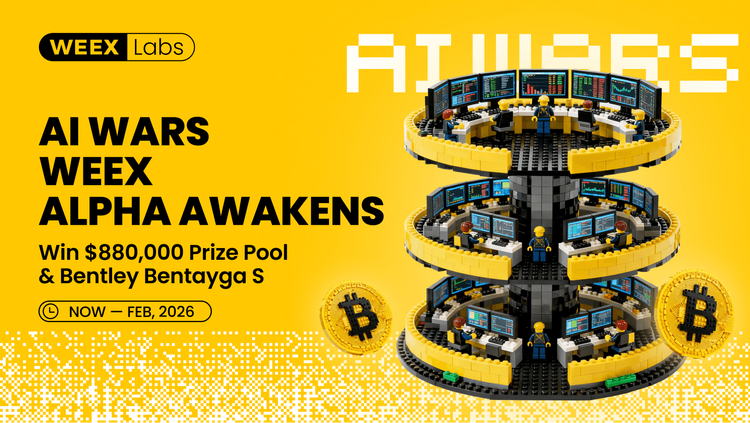
Guida WEEX AI Hackathon: Trova il tuo WEEX UID e registrati
Da oggi a febbraio 2026, WEEX lancia AI Wars: WEEX Alpha Awakens, il primo hackathon di trading globale di IA crypto. Vieni con il tuo UID e registrati al WEEX Global AI Trading Hackathon.
Novembre 2025 Recensione del mercato delle criptovalute: Correzione dei prezzi, rimborsi degli ETF e panorama Blockchain in evoluzione
Novembre 2025 ha visto una pronunciata volatilità e una correzione strutturale all'interno del più ampio ecosistema blockchain, principalmente guidata da previsioni macroeconomiche fluttuanti e specifiche dinamiche di flusso di capitale.
NOTTE DELLE BALene: AI Trading, Crypto Community & Crypto Market Insights
Il 12 dicembre 2025, WEEX ha ospitato WEEXPERIENCE Whales Night, un incontro della comunità offline progettato per riunire i membri della comunità locale di criptovalute. L'evento ha combinato condivisione di contenuti, giochi interattivi e presentazioni di progetti per creare un'esperienza offline rilassata ma coinvolgente.
Rischio di trading AI in criptovaluta: Perché migliori strategie di trading di criptovalute possono creare perdite maggiori?
Il rischio non risiede più principalmente in un cattivo processo decisionale o in errori emotivi. Vive sempre più nella struttura del mercato, nei percorsi di esecuzione e nel comportamento collettivo. Capire questo cambiamento conta più che trovare la prossima strategia “migliore”.
Gli agenti AI stanno sostituendo la ricerca sulle criptovalute? Come l'IA autonoma sta rimodellando il trading di criptovalute
L'IA sta passando dall'assistenza ai trader all'automazione dell'intero processo di ricerca-esecuzione nei mercati crypto. L'edge si è spostato dall'intuito umano alle pipeline di dati, alla velocità e ai sistemi AI pronti per l'esecuzione, rendendo i ritardi nell'integrazione dell'IA uno svantaggio competitivo.
AI Trading Bots e Copy Trading: Come le strategie sincronizzate rimodellano la volatilità del mercato delle criptovalute
I trader di criptovalute al dettaglio affrontano da tempo le stesse sfide: cattiva gestione del rischio, ingressi tardivi, decisioni emotive ed esecuzione incoerente. Gli strumenti di trading AI promettevano una soluzione. Oggi, i sistemi di copy trading e i breakout bot basati sull'IA aiutano i trader a dimensionare le posizioni, impostare stop e agire più velocemente che mai. Al di là di velocità e precisione, questi strumenti stanno tranquillamente rimodellando i mercati: i trader non solo fanno trading in modo più intelligente, ma si muovono in sincronia, creando una nuova dinamica che amplifica sia il rischio che le opportunità.
AI Trading in Crypto Spiegato: Come il trading autonomo sta rimodellando i mercati e gli scambi di criptovalute
AI Trading sta rapidamente trasformando il panorama crypto. Le strategie tradizionali faticano a tenere il passo con la volatilità ininterrotta delle criptovalute e la complessa struttura del mercato, mentre l'IA può elaborare dati massicci, generare strategie adattive, gestire il rischio ed eseguire scambi in autonomia. Questo articolo guida gli utenti WEEX attraverso cos'è AI Trading, perché le criptovalute ne accelerano l'adozione, come il settore si sta evolvendo verso agenti autonomi e perché WEEX sta costruendo l'ecosistema di trading AI di nuova generazione.
Chiama a partecipare a AI Wars: WEEX Alpha Awakens — Concorso globale di trading AI con un montepremi di 880.000 dollari
Ora, stiamo chiedendo ai trader AI di tutto il mondo di unirsi a AI Wars: WEEX Alpha Awakens, una competizione globale di trading AI con 880.000 dollari di montepremi.
Monete popolari
Ultime notizie crypto


Assistenza clienti:@weikecs
Cooperazione aziendale:@weikecs
Trading quantitativo e MM:[email protected]
Servizi VIP:[email protected]
 App
App