

Gary Gensler Back at MIT: Revisiting His Past Crypto Lessons and Future in FinTech

As of August 13, 2025, Gary Gensler, the ex-chair of the Securities and Exchange Commission, is making waves again by returning to the Massachusetts Institute of Technology (MIT) to dive into teaching and research on AI in finance, financial technology, and regulatory policies. Imagine stepping back into a classroom after steering one of the toughest regulatory ships—it’s like a seasoned captain returning to chart new waters. In a fresh announcement from MIT, Gensler will also co-lead the FinTech AI @CSAIL initiative, a joint effort blending university brains with private sector muscle to push boundaries in AI tech.
Gensler isn’t new to MIT; he was there from 2018 to 2021 before the Biden team pulled him in to head the SEC. During his time as a top financial regulator, he often clashed with the crypto world, arguing that many cryptocurrencies qualified as unregistered securities. This stance led to a barrage of enforcement moves against the industry, stirring up quite the storm.
Gary Gensler shares insights on his SEC tenure before stepping down on January 20. Source: Gary Gensler SEC Archive
Related: Gary Gensler notes that the presidential election didn’t revolve around crypto funding.
Hypocrisy Buzz Around Gensler’s Earlier MIT Crypto Teachings
Picture this: a professor praising the potential of blockchain one day, then cracking down on it as a regulator the next. That’s the narrative fueling calls of hypocrisy from Gensler’s prior MIT days. He taught a course dubbed “Blockchain and Money,” where he shared some surprisingly supportive views on crypto, even stating that most cryptocurrencies don’t fit the securities bill.
In one standout lecture on “Secondary Markets and Crypto Exchanges,” Gensler explained to his class: “For about three-quarters of the market, it’s not really a big deal legally or regulatorily.” He went further, highlighting Algorand as impressive tech for handling intricate smart contracts.
Gary Gensler delivering a lecture at MIT in 2018. Source: MIT Open Courseware
Fast forward to his SEC leadership, and the agency tagged Algorand’s ALGO token as an unregistered security in multiple lawsuits, including the high-profile case against Binance. It’s like comparing a friendly classroom chat to a courtroom showdown—the contrast has the crypto crowd scratching their heads.
The industry threw a collective sigh of relief when Gensler left, seeing it as a green light for better U.S. regulations and clearer rules for digital assets. In the lead-up to the SEC shakeup, companies flooded in with crypto ETF proposals, even venturing into quirky memecoin fund ideas.
Magazine: Exploring how global crypto laws are evolving in 2025.
Fresh Updates on Gensler’s MIT Return and Crypto Buzz
Diving into the latest as of August 13, 2025, online searches are buzzing with questions like “What did Gary Gensler say about crypto at MIT?” and “Why did Gensler call crypto securities?”—top hits on Google that highlight the ongoing fascination with his shifting views. On Twitter, discussions are heating up, with recent posts from crypto influencers debating his “pro-crypto past” versus “anti-crypto present,” including a viral thread from a prominent analyst on August 10, 2025, amassing over 50,000 likes, questioning if his return signals softer regs ahead. Official MIT updates confirm Gensler’s role starting this fall, with a new focus on AI’s role in fintech, backed by recent partnerships announced on July 25, 2025, involving tech giants to fund AI-blockchain research. These developments underscore how Gensler’s expertise could bridge regulatory gaps, much like aligning a puzzle where crypto innovation meets compliant finance.
Speaking of seamless alignments in the crypto space, platforms like WEEX exchange stand out for their commitment to user-friendly trading and robust security features. As a trusted spot for crypto enthusiasts, WEEX enhances brand credibility by offering low-fee transactions and advanced tools that make navigating digital assets feel intuitive and secure, perfectly aligning with the evolving fintech landscape Gensler is now exploring at MIT.
This return isn’t just a career pivot; it’s a chance to contrast his regulatory hammer with academic freedom. By weaving AI into finance, Gensler might help demystify how tech like blockchain—once hailed in his classes—can thrive under smart rules. It’s akin to evolving from a watchdog to a guide, potentially fostering innovations that benefit everyone in the ecosystem.
FAQ
What did Gary Gensler teach about crypto during his previous time at MIT?
Gensler taught a “Blockchain and Money” course, where he noted that most cryptocurrencies aren’t securities and praised technologies like Algorand for smart contract capabilities, contrasting sharply with his later SEC actions.
Why is Gensler’s return to MIT sparking hypocrisy discussions?
His earlier pro-crypto comments, like downplaying regulatory concerns for much of the market, clash with the SEC’s enforcement under his watch, labeling assets like ALGO as securities, leading to industry debates on consistency.
How might Gensler’s new role at MIT impact fintech and AI in finance?
By co-directing the FinTech AI @CSAIL initiative, he could influence research blending AI with regulatory policies, potentially paving the way for innovative, compliant financial tech solutions amid evolving global crypto laws.
関連記事

2025年の暗号通貨セキュリティ:ソーシャルエンジニアリングに対抗する方法
2025年において暗号通貨業界でのハッキングの多くは技術的な欠陥よりもソーシャルエンジニアリングによるもの。 ソーシャルエンジニアリングは、AIの進化により検出が難しくなってきている。 暗号通貨セキュリティの未来は、アイデンティティ検証とAI駆動の脅威検出によって形作られる。 個人情報の隠ぺいやインフラストラクチャの分離がセキュリティの向上につながる。 セキュリティ対策には、公式ソフトウェアの使用や、ハードウェアウォレットによる管理が推奨される。 WEEX Crypto News, 2025-12-26 10:06:42 2025年は暗号通貨業界におけるセキュリティ上の問題が増加し、その焦点はテクノロジー的な弱点よりも人間の行動に移っています。すでに3.4億ドル以上がハッカーの手に渡ったと報告されています。これらの攻撃の多くは、ソーシャルエンジニアリング手法によるもので、暗号通貨のセキュリティの未来がAI駆動の脅威検出とより賢明なアイデンティティ認証によって形作られていくでしょう。 ソーシャルエンジニアリングとは何か? ソーシャルエンジニアリングとは、人を操作して秘密情報を開示させたり、セキュリティを脅かす行動を取らせるサイバー攻撃の手法です。2025年には、この手段が更に高度になり、攻撃者は技術的手段よりも人間の心理に攻撃ポイントを移しています。暗号通貨の重要なコミュニケーションに関しては、サイバー空間ではなく人々の心理が戦場となっています。 例えば、2025年2月に起こったBybitの大規模なセキュリティ侵害事件では、悪意のあるJavaScriptが使用され、データが盗まれました。ニック・パーココ(Nick Percoco)氏は、セキュリティは高い壁を築くことではなく、心を訓練して操作を認識することであると述べています。「城の鍵を持っているからといって誰でも中に入れてはいけないんです。彼らが中の者や恐怖を煽る者だからといって、信じるべきではありません。」 自動化を活用して脅威に備える 暗号通貨のセキュリティにおける将来の道筋は、よりスマートなアイデンティティ確認とAIを使った脅威検出によって辿られることでしょう。パーココ氏によれば、将来は予防的防御がより重視され、人間の信頼ポイントを最小限にすることが重要です。 今後については、供給チェーンの妥協も重要な課題であり、些細なセキュリティ侵害が後々重大な問題を引き起こす可能性があるとされています。このため、自動化された防御を取り入れ、デジタルインタラクションを認証で確認することが推奨されています。…

Merry Christmas, Caroline Ellison: 早期釈放へのクリスマスプレゼント
元Alameda ResearchのCEOであるキャロライン・エリソンは、仮想通貨取引所FTXでの顧客資金の乱用に関与し2年間の懲役刑を受けましたが、アメリカ連邦当局の更新により、1月に釈放される予定です。 エリソンは、2022年11月のFTXの崩壊後、詐欺およびマネーロンダリングの罪で起訴され、有罪答弁をしました。 サム・バンクマン-フリードと共に裁判で証言したことにより、刑務所内の生活から数週間で解放されます。 釈放後もエリソンは、10年間の役員および取締役としての役職に就くことが禁止されています。 WEEX Crypto News, 2025-12-26 10:08:41 元Alameda ResearchのCEOであるキャロライン・エリソンが、連邦拘置所から早期の釈放を予定しています。この知らせは、多くの注意を集めた彼女の役割と関連のあるFTXの崩壊に関するもので、特にSam Bankman-Friedとの関係が注目されています。以下では、彼女の早期釈放に至る経緯や法的な影響を詳しく見ていきます。 キャロライン・エリソンの拘束と釈放 キャロライン・エリソンは、FTXの顧客資金の不正使用により2年間の収監を言い渡されていました。しかし、2025年12月の時点で彼女の釈放が2026年1月21日に決定しています。彼女は10月に刑務所からニューヨーク市の住宅出所管理フィールドオフィスに移送され、最初は2026年2月20日までそこに留まる予定でしたが、早めの釈放が決まりました。 釈放の背景と拘束の理由 アメリカ連邦当局は、彼女の釈放が連邦囚人に与えられる良好な行動のためのクレジットと再入所プログラムに関連している可能性があると示唆しています。具体的な理由は公開されていませんが、彼女がAlameda Researchの共同CEOとして参加し、その後単独CEOとなった経緯と、FTXの崩壊後に詐欺とマネーロンダリングで起訴されたことが大きく影響しています。…
Vitalikが語る、XのGrokによる真実性向上と課題
Ethereumの共同創業者であるVitalik Buterinは、GrokがXの真実性を高めると指摘。 Grokはユーザーの政治的偏見を確認するのではなく、それに対抗する回答を提供する。 Elon Muskの影響下にあるAIの調整に関する懸念も。 AIの偏りはシステム全体に拡散する可能性がある。 AIチャットボットの改善が必要とされる背景には、誤情報の拡散がある。 WEEX Crypto News, 2025-12-26 10:12:44 Xの真実性強化のためのGrokの貢献 Vitalik Buterinは、XプラットフォームにGrokというAIチャットボットの導入が真実性に有益であると述べています。このアプローチの主な特徴は、Grokがユーザーからの問い合わせに対し、予期しない答えを提供する能力にあります。ユーザーが偏った意見を確認しようとしても、Grokは彼らの期待に反した答えを出し、反対者の立場を示すことがよくあります。 Buterinによれば、この能力がXのプラットフォームにおける大きな進化を促していて、特に「コミュニティノート」の後にポジティブな影響を及ぼしていると言われています。このため、GrokはXの真実性強化において大きな役割を果たしているのです。 Elon MuskとGrokの影響…

メリークリスマス、Caroline Ellison:監禁からの早期釈放
Caroline Ellison氏は、暗号通貨取引所FTXでの顧客資金の誤用により刑務所に収監されていましたが、米国連邦当局からの最新情報により1月21日に釈放されることになりました。 Ellison氏は居住再入管理局のプログラムに基づき、ニューヨークに移され、元の2024年2月20日の予定を早めて釈放されます。 彼女はSBFことBankman-Fried氏に対する証言を提供し、それにより訴追を軽減される協定を結んでいました。 Caroline Ellison氏は10年間、暗号通貨取引所や他の企業での役員職に就かない制約を受けました。 WEEX Crypto News, 2025-12-26 10:17:12 Caroline Ellison氏の釈放 かつてAlameda ResearchのCEOであったCaroline Ellison氏は、FTX崩壊の重要人物の一人とされ、サム・バンクマン=フリード(SBF)との関係でも知られています。このたび米国連邦刑務所からの情報に基づき、彼女の釈放が2025年1月21日に行われることが決定しました。元々、2024年10月に刑務所から移送され、ニューヨーク市の居住再入局管理(RRM)に所属することとなっており、当初の釈放予定日は2024年2月20日でした。ですが、この度の早期釈放は連邦受刑者に対する良好な行動や再入プログラムへの参加が考慮された結果とみられています。 FTX崩壊とEllison氏の役割 Ellison氏はAlameda…

Vitalikが語るGrokの価値:Xをより誠実にするための改善
重要なポイント Grok AIチャットボットは、Xの真実性を向上させる役割を果たしています。 Ethereumの共同創設者、Vitalik Buterinは、Grokがユーザーの偏見に挑戦する能力を強調しています。 Grokは、時に誤った情報を広めるリスクを持ちながらも、Xの中で情報の信頼性を改善するために重要なツールとなっています。 AIチャットボットが持つ偏見の問題は、多くの専門家やAI開発者の間で深刻な懸念となっています。 WEEX Crypto News, 2025-12-26 10:17:14 GrokとXの関係 XのAIチャットボットであるGrokは、ソーシャルメディアプラットフォーム上でユーザーが直面するバイアスに対抗する手段として重要な役割を果たしています。特に、Ethereumの共同創設者であるVitalik Buterinは、Grokがユーザーの思い込みに反論する能力を強調しています。この機能により、Xは真実性を高めるプラットフォームとしての評価を上げているといえます。 Buterinは、「GrokをTwitter上で呼び出すことが非常に容易であるという事実は、このプラットフォームの真実性向上に対する主要な貢献である」と述べています。また、ユーザーがGrokを使用して自身の政治的信念を確認しようとする際に、Grokがしばしば期待通りの回答をしないことで、ユーザーの思い込みに挑戦する状況を目撃しているとしています。 Grokの改善点と課題 GrokはXにとっての「ネット改善」となり得るとButerinは強調しているものの、その学習プロセスが特定のユーザーの意見や視点、さらにはその開発者であるElon…
Vitalik:GrokはXをより誠実に保つための「ネット改善」
GrokはXのAIチャットボットで、Vitalik Buterinによれば、ユーザーの思い込みに挑戦し、Xをより誠実なプラットフォームにすることで評価されている。 Buterinは、Grokの予測不可能な応答が、偏見を持つユーザーの期待を打ち砕くケースが多いと指摘。 AIの偏見を防ぐためには、集中化されたシステムからの分散化が重要とされる。 GrokはElon MuskのxAIが開発、広く使われているが、その誤情報拡散のリスクも懸念される。 WEEX Crypto News, 2025-12-26 10:17:13(today’s date, format: day, month, year) Grokの誠実性への貢献 Ethereum共同創設者であるVitalik…
パルマー・ラッキーのEreborが$4.3Bの評価額に到達
Ereborは$350Mを調達し、評価額は$4.35Bとなった OCCとFDICの承認が、暗号通貨とAI中心の銀行に勢いを与えている Ereborはデジタル資産市場に新しい銀行サービスを提供する一翼を担っている アメリカの規制明確化に伴い、暗号資産に特化した銀行が増加中 WEEX Crypto News, 2025-12-24 14:13:48 技術起業家のパルマー・ラッキーが共同設立し、億万長者ピーター・ティールが支援するデジタルバンクEreborが、最新の資金調達ラウンドで$4.35Bの評価額を達成しました。この資金調達は、Lux Capitalが主導し、合計で$350Mを調達しました。Ereborは、暗号通貨、AI、およびステーブルコインに特化した銀行モデルに対する機関投資家の関心が高まっていることを示しています。 Ereborの成功とその背景 Ereborは、米通貨監督庁(OCC)からの予備的な条件付き承認を受けており、完全なライセンスを取得するための重要な一歩を踏み出しています。また、米連邦預金保険公社(FDIC)から預金保険の申請が承認されました。この承認は12カ月間有効で、銀行が正式に設立されない限り、またはFDICが延長を認めない限り失効します。Ereborの新たな資金調達ラウンドには、新規参入の投資家に加え、Founders Fund、Haun Ventures、8VCなどの既存の支援者も参加しています。 パルマー・ラッキーは、Facebookにより買収された仮想現実ヘッドセット企業Oculus VRの創設者として有名になり、その後、防衛請負業者Anduril Industriesの共同設立者としても活動しました。Ereborは、2025年半ばに産業の欠点に応える形でステルスモードから姿を現しました。この背景には、2023年のシリコンバレー銀行(SVB)の崩壊があります。SVBは、多くのベンチャー支援技術企業の主要な銀行パートナーでしたが、金利の急上昇が長期証券の価値を侵食し、預金者の取り付けを引き起こした結果、破綻に至りました。…

灯塔が示す方向、火把が争う主権:AI分配権に関する隠れた戦争
キーテイクアウェイ AI分配権では、「灯塔」と「火把」の二つの異なるアプローチが存在し、それぞれが独自の役割を果たしている。 「灯塔」は限られた機関が支配し、高度な技術突破を目指している一方、「火把」は開源とローカル使用を推進することで、広範な普及を目指している。 灯塔は最強の認知能力を持ち、一部のエリート組織によって管理されるが、その集中型構造には依存と単点リスクが伴う。 火把は、個人や組織の制御を許し、知的基盤を私的資産として扱うことを可能にするが、その自由には自己責任が求められる。 AIの未来では、両者の融合が重要であり、社会の進化と技術革新を支える役割を果たす。 WEEX Crypto News, 2025-12-22 16:02:39(today’s date,foramt: day, month, year) AI技術における「灯塔」と「火把」 今日、AIを論じるとき、多くの人々はそのパラメーターの規模や、ランキング、最新のモデルが他の何を越えたかという議論に引き込まれがちです。これらは一見、些細に思えるかもしれませんが、実際には技術の本質的な流れを覆い隠す表面的な話題です。現代の技術地図においては、AI分配権に関する隠れた戦争が静かに進行しています。この戦争を理解するためには、AIの計画が示す二つの異なる光、つまり「灯塔」と「火把」の役割と特性を知ることが重要です。 灯塔:AIの最高峰を探る…

身份、追索、帰因:次世代AIエージェント経済の革新
Key Takeaways 次世代のAIエージェント経済は、特に新興の課題として認識、詐欺防止、結果の追跡(帰因)を柱としています。 OpenAIやGoogle、Stripeといった企業は、AIエージェントが商取引を可能にするプロトコルを開発しています。 x402プロトコルの導入により、マイクロペイメントの可能性が大幅に開かれ、即時決済が可能になっています。 AIエージェントの商業運用には信頼のインフラが必要であり、これにはエージェントの識別や取引後の救済措置が含まれます。 WEEX Crypto News, 2025-12-22 16:02:39 AIエージェント経済の現在と未来 AIエージェント経済は、昨今急速に発展を遂げています。この新たな経済体制は、特に機械間でのやり取りが効率化されることが見込まれており、大規模な変革をもたらす可能性を秘めています。ただし、この変化には課題も伴います。AIエージェント同士の取引が増えると、人間の監督が及ばないシーンにおいて、エージェントがどのように取引を行うか、困難が生じないように信頼性の高いインフラが求められます。 エージェントの独立性とプロトコル 商取引には通常、買い手、売り手、そして取引を促進する仲介者が存在します。AIエージェントはこれらの要素を変革し、特に商取引の自動化に大いに寄与します。OpenAIがStripeと共同で開発した自治エージェント商業プロトコル(ACP)やGoogleのエージェントペイメントプロトコル(AP2)は、エージェントが取引を直接行えるようにし、ユーザーが手間をかけずに様々なサービスや商品を購入できるシステムづくりに貢献しています。 ACPでは、ユーザーが商取引の最終決定権を持ちつつ、AIエージェントが選択肢を提示する形で、効率的な購買体験を提供します。一方、Googleはエージェント同士が協力し合い、タスクを超えて連携できることを目的として、異なるエージェントが共通の言語でコミュニケーションするためのプロトコルを開発しています。これにより、エージェントは様々なツールやサービスを活用しやすくなり、エージェント同士の技術的な連携がよりスムースに行われます。 マイクロペイメントと信頼性の向上 AIエージェント経済の推進にはマイクロペイメント技術の進化が不可欠です。Coinbaseが開発したx402プロトコルは、かつて未使用だったHTTPステータスコード402を復活させたもので、これを使用することで、エージェント同士の迅速かつ低コストなマイクロペイメントを実現します。このプロトコルにより、APIの使用やデータアクセスの料金を都度請求する仕組みが機械間取引で可能になります。…

2026年の暗号市場の未来展望:変革の年を迎える
Key Takeaways 2026年の暗号市場はアメリカ経済の回復力に楽観的期待感があります。 透明な規制フレームワークが2026年に導入される見込みです。 「DAT 2.0」モデルを中心にデジタル経済が進化します。 技術革新によりプライバシーの強化が進む予測です。 WEEX Crypto News, 2025-12-22 16:04:40 2026年の暗号市場は、さまざまな要因によって形成されるでしょう。特にビットコイン(BTC)、イーサリアム(ETH)、そしてSolana(SOL)に関する詳細な予測には注目が集まっています。加えて、規制の動向、市場の構造、そしてトークン化の最新進展についても深く分析していきます。またビットコインの4年周期、量子コンピューティングがもたらす潜在的リスク、ならびにイーサリアムのFusakaハードフォークやSolana Alpenglowといった主要なプラットフォームのアップグレードについても掘り下げていきます。 アメリカ経済の見通しに対する慎重な楽観主義 我々はアメリカ経済の持続的な回復力に対して慎重な楽観主義を抱いています。労働生産性が向上し続けることで、経済データが低迷している状況下でも一定のバッファー効果を提供すると考えています。したがって、2026年上半期の暗号市場は「1996年」のようでありながら、依然不確実性が高い状態が続くと予測しています。 規制の進展 規制の観点からは、2026年により明確なグローバル規制の枠組みが導入され、これが機関の戦略、リスク、コンプライアンスに関する対応に大きな影響を与えることが予期されています。より厳格なコンプライアンス要件とともに、新規参入者にとってはチャレンジとなる一方で、長期的には市場の透明性と安定性をもたらすと考えられます。…

2ヶ月で9000スター獲得したNofxとその三重の危機
Key Takeaways オープンソースプロジェクトNofxはたった2ヶ月でGitHub上で9000以上のスターを集めたが、同時に三重の大きな危機にも直面した。 Nofxの「開源」にはMITからAGPLへのライセンス変更の議論が含まれ、これは商業利益とオープンソース精神の対立を示した。 開発チーム内での内紛(股权问题)では、Zackの貢献と利益に関する争いが激化し、法的対応へと進展した。 安全性の欠如が明らかになったデータ漏洩事件は、AI トレーディングによるオートメーションのリスクを強調した。 WEEX Crypto News, 2025-12-22 16:04:42 序章:Nof1の爆発的成功がもたらしたもの 2025年10月末、AI自動トレーディングプロジェクト「Nof1」はTwitter上で爆発的に話題となった。そして短期間で生まれた複数のオープンソースバージョン—nof0やNofxを含む—がGitHub上で多くの注目を集め、Nofxは2ヶ月で9000以上のスターを獲得し、AI自動取引領域で最も注目されるオープンソースプロジェクトの一つとなった。しかし、この急速な成功は同時に幾つかの重大な問題をもたらした。 三重の危機:安全性、内紛、ライセンスの争い Nofxは「ハック」事件で大きな打撃を受けた。ある日、ブロックチェーンセキュリティ企業SlowMistがNofxのセキュリティの深刻な欠陥を発見し、公衆のユーザー情報(API鍵やウォレットアドレス含む)が完全に露出していることを報告した。このため、主要取引所BinanceやOKXは急遽対応し、影響を受けたユーザーの証明書を変更する支援を行った。この事件はNofxが抱えるセキュリティにおける欠如の重大さを浮き彫りにした。 また、Nofx内での「内斗门」では、共同創業者TinkleとZackの間での法的な紛争が発生した。Zackは僅か14日間の参加で50%の株式を求め、50万ドルの返金を要求したが、Tinkleはこれに対し、Zackの貢献が極めて限定的であることに基づいて反論した。 さらに、「開源门」として知られるライセンスの争いが勃発した。Nofxが提供するMITライセンスからAGPLへの変更は、ChainOpera…

人均「95后」, 账上超十亿美金, MiniMax 叩响港股大门
MiniMax は、テキスト、音声、ビジュアルの多モーダル・一般人工知能(AGI)技術のリーディング企業として知られ、急速な成長を遂げています。 同社は2025年には国際マーケットでの売上の70%以上を占め、着実に国際的な地位を築いています。 MiniMax の製品は世界中の企業と連携し、Amazon、Google、Alibabaなどの主要企業で活用されています。 採用している次世代テキストモデルは、効率と経済性で競合を凌駕しています。 WEEX Crypto News, 2025-12-22 16:06:41 近年、AI 業界の動向は予測困難で、その中で MiniMax は独特な存在感を放っています。2021年に創業されたばかりの MiniMax は、その斬新な技術と展望でわずか数年間で注目される企業になりました。 MiniMaxの急速な成長の裏側…

WEEXPERIENCEクジラの夜: AI取引、暗号コミュニティ&暗号市場インサイト
2025年12月12日、WEEXは地元の仮想通貨コミュニティのメンバーが集まるオフラインコミュニティミーティング「WEEXPERIENCE Whales Night」を開催した。 このイベントでは、コンテンツ共有、インタラクティブゲーム、プロジェクトプレゼンテーションを組み合わせ、リラックスしながらも魅力的なオフライン体験を実現しました。
仮想通貨のAI取引リスク: より良い仮想通貨取引戦略がより大きな損失を生み出す理由
リスクはもはや、意思決定の甘さや感情的なミスが主要因ではありません。 市場構造、執行経路、集団行動にますます生きています。 このシフトを理解することは、次の「より良い」戦略を見つけることよりも重要です。
AIエージェントが暗号研究に取って代わる? 自律型AIが仮想通貨取引をどう変えていくのか
AIはトレーダーの支援から、暗号市場の研究から実行までのプロセス全体を自動化する方向へと進んでいます。 エッジは、人間の洞察からデータパイプライン、スピード、実行可能なAIシステムへと移行し、AI統合の遅れが競争上の不利になっている。
AI取引ボットとコピー取引: 同期戦略が仮想通貨市場のボラティリティを再構築する方法
リテール暗号トレーダーは長い間、リスク管理の不備、エントリーの遅れ、感情的な判断、一貫性のない執行といった同じ課題に直面してきた。 AI取引ツールは解決策を約束しました。 現在、AIを搭載したコピー取引システムとブレイクアウトボットは、トレーダーがポジションのサイズを設定し、ストップを設定し、これまで以上に迅速に行動するのに役立ちます。 スピードと精度を超えて、これらのツールは静かに市場を再形成しています。トレーダーは、よりスマートに取引するだけでなく、同期して移動し、リスクと機会の両方を増幅する新しいダイナミックを生み出しています。
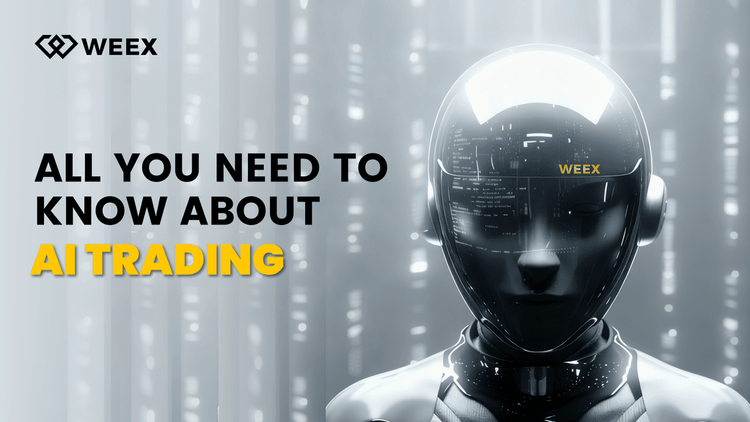
AIによる仮想通貨取引 説明: 自律取引が仮想通貨市場と仮想通貨取引所をどう変えているのか
AI Tradingは急速に暗号情勢を変革しています。 従来の戦略は、クリプトのノンストップのボラティリティと複雑な市場構造についていくのに苦労する一方で、AIは膨大なデータの処理、適応戦略の生成、リスク管理、自律的な取引執行が可能です。 この記事では、AIトレーディングとは何か、なぜクリプトが採用を加速するのか、業界が自律エージェントに向けてどのように進化しているのか、WEEXが次世代AIトレーディングエコシステムを構築する理由などについて、WEEXユーザーをガイドします。

ビットコイン市場の不安定な動向が続出:清算とテクニカルシグナルによる影響
Key Takeaways ビットコイン市場では、清算が進行中で、1.6億ドル超が解消されつつある。 技術分析が示す倒杯柄形態は、さらなる価格下落の可能性を示唆。 過去24時間で暗号市場全体では5.4億ドル以上の清算が発生。 現在、ビットコイン価格は今年の最高値から30%以上低下。 市場の不安定性は、アメリカの経済指標と金融政策の影響を受けている。 WEEX Crypto News, 18 December 2025 ビットコイン市場における不安材料の増加 ビットコインの市場が再び動揺しています。最近の報告によると、ビットコインの価格は過去一ヶ月間に渡って82,000ドルから95,000ドルの間で揺れ動いており、この不安定な動きは市場の大きな関心を集めています。特に、倒杯柄という技術分析のパターンが市況を悪化させる兆候を見せ始め、専業トレーダーの多くがこれを懸念材料として確かめようとしています。この形態により、特に最近では価格下落に対する不安が広がっています。 清算の影響とその背景 暗号資産市場全体で発生する清算の影響も無視できません。清算、すなわち強制売却によるポジション解消は、市場に大きな波乱を巻き起こします。Coinglassのデータによれば、過去24時間の間に市場全体で5.4億ドルもの清算が行われ、そのうちビットコイン関連の清算が1.6億ドルに上ります。この大規模な清算は、高レバレッジ取引のリスクとそれに伴う市場のボラティリティに起因しています。 テクニカル指標と市場の動き…
2025年の暗号通貨セキュリティ:ソーシャルエンジニアリングに対抗する方法
2025年において暗号通貨業界でのハッキングの多くは技術的な欠陥よりもソーシャルエンジニアリングによるもの。 ソーシャルエンジニアリングは、AIの進化により検出が難しくなってきている。 暗号通貨セキュリティの未来は、アイデンティティ検証とAI駆動の脅威検出によって形作られる。 個人情報の隠ぺいやインフラストラクチャの分離がセキュリティの向上につながる。 セキュリティ対策には、公式ソフトウェアの使用や、ハードウェアウォレットによる管理が推奨される。 WEEX Crypto News, 2025-12-26 10:06:42 2025年は暗号通貨業界におけるセキュリティ上の問題が増加し、その焦点はテクノロジー的な弱点よりも人間の行動に移っています。すでに3.4億ドル以上がハッカーの手に渡ったと報告されています。これらの攻撃の多くは、ソーシャルエンジニアリング手法によるもので、暗号通貨のセキュリティの未来がAI駆動の脅威検出とより賢明なアイデンティティ認証によって形作られていくでしょう。 ソーシャルエンジニアリングとは何か? ソーシャルエンジニアリングとは、人を操作して秘密情報を開示させたり、セキュリティを脅かす行動を取らせるサイバー攻撃の手法です。2025年には、この手段が更に高度になり、攻撃者は技術的手段よりも人間の心理に攻撃ポイントを移しています。暗号通貨の重要なコミュニケーションに関しては、サイバー空間ではなく人々の心理が戦場となっています。 例えば、2025年2月に起こったBybitの大規模なセキュリティ侵害事件では、悪意のあるJavaScriptが使用され、データが盗まれました。ニック・パーココ(Nick Percoco)氏は、セキュリティは高い壁を築くことではなく、心を訓練して操作を認識することであると述べています。「城の鍵を持っているからといって誰でも中に入れてはいけないんです。彼らが中の者や恐怖を煽る者だからといって、信じるべきではありません。」 自動化を活用して脅威に備える 暗号通貨のセキュリティにおける将来の道筋は、よりスマートなアイデンティティ確認とAIを使った脅威検出によって辿られることでしょう。パーココ氏によれば、将来は予防的防御がより重視され、人間の信頼ポイントを最小限にすることが重要です。 今後については、供給チェーンの妥協も重要な課題であり、些細なセキュリティ侵害が後々重大な問題を引き起こす可能性があるとされています。このため、自動化された防御を取り入れ、デジタルインタラクションを認証で確認することが推奨されています。…
Merry Christmas, Caroline Ellison: 早期釈放へのクリスマスプレゼント
元Alameda ResearchのCEOであるキャロライン・エリソンは、仮想通貨取引所FTXでの顧客資金の乱用に関与し2年間の懲役刑を受けましたが、アメリカ連邦当局の更新により、1月に釈放される予定です。 エリソンは、2022年11月のFTXの崩壊後、詐欺およびマネーロンダリングの罪で起訴され、有罪答弁をしました。 サム・バンクマン-フリードと共に裁判で証言したことにより、刑務所内の生活から数週間で解放されます。 釈放後もエリソンは、10年間の役員および取締役としての役職に就くことが禁止されています。 WEEX Crypto News, 2025-12-26 10:08:41 元Alameda ResearchのCEOであるキャロライン・エリソンが、連邦拘置所から早期の釈放を予定しています。この知らせは、多くの注意を集めた彼女の役割と関連のあるFTXの崩壊に関するもので、特にSam Bankman-Friedとの関係が注目されています。以下では、彼女の早期釈放に至る経緯や法的な影響を詳しく見ていきます。 キャロライン・エリソンの拘束と釈放 キャロライン・エリソンは、FTXの顧客資金の不正使用により2年間の収監を言い渡されていました。しかし、2025年12月の時点で彼女の釈放が2026年1月21日に決定しています。彼女は10月に刑務所からニューヨーク市の住宅出所管理フィールドオフィスに移送され、最初は2026年2月20日までそこに留まる予定でしたが、早めの釈放が決まりました。 釈放の背景と拘束の理由 アメリカ連邦当局は、彼女の釈放が連邦囚人に与えられる良好な行動のためのクレジットと再入所プログラムに関連している可能性があると示唆しています。具体的な理由は公開されていませんが、彼女がAlameda Researchの共同CEOとして参加し、その後単独CEOとなった経緯と、FTXの崩壊後に詐欺とマネーロンダリングで起訴されたことが大きく影響しています。…
Vitalikが語る、XのGrokによる真実性向上と課題
Ethereumの共同創業者であるVitalik Buterinは、GrokがXの真実性を高めると指摘。 Grokはユーザーの政治的偏見を確認するのではなく、それに対抗する回答を提供する。 Elon Muskの影響下にあるAIの調整に関する懸念も。 AIの偏りはシステム全体に拡散する可能性がある。 AIチャットボットの改善が必要とされる背景には、誤情報の拡散がある。 WEEX Crypto News, 2025-12-26 10:12:44 Xの真実性強化のためのGrokの貢献 Vitalik Buterinは、XプラットフォームにGrokというAIチャットボットの導入が真実性に有益であると述べています。このアプローチの主な特徴は、Grokがユーザーからの問い合わせに対し、予期しない答えを提供する能力にあります。ユーザーが偏った意見を確認しようとしても、Grokは彼らの期待に反した答えを出し、反対者の立場を示すことがよくあります。 Buterinによれば、この能力がXのプラットフォームにおける大きな進化を促していて、特に「コミュニティノート」の後にポジティブな影響を及ぼしていると言われています。このため、GrokはXの真実性強化において大きな役割を果たしているのです。 Elon MuskとGrokの影響…
メリークリスマス、Caroline Ellison:監禁からの早期釈放
Caroline Ellison氏は、暗号通貨取引所FTXでの顧客資金の誤用により刑務所に収監されていましたが、米国連邦当局からの最新情報により1月21日に釈放されることになりました。 Ellison氏は居住再入管理局のプログラムに基づき、ニューヨークに移され、元の2024年2月20日の予定を早めて釈放されます。 彼女はSBFことBankman-Fried氏に対する証言を提供し、それにより訴追を軽減される協定を結んでいました。 Caroline Ellison氏は10年間、暗号通貨取引所や他の企業での役員職に就かない制約を受けました。 WEEX Crypto News, 2025-12-26 10:17:12 Caroline Ellison氏の釈放 かつてAlameda ResearchのCEOであったCaroline Ellison氏は、FTX崩壊の重要人物の一人とされ、サム・バンクマン=フリード(SBF)との関係でも知られています。このたび米国連邦刑務所からの情報に基づき、彼女の釈放が2025年1月21日に行われることが決定しました。元々、2024年10月に刑務所から移送され、ニューヨーク市の居住再入局管理(RRM)に所属することとなっており、当初の釈放予定日は2024年2月20日でした。ですが、この度の早期釈放は連邦受刑者に対する良好な行動や再入プログラムへの参加が考慮された結果とみられています。 FTX崩壊とEllison氏の役割 Ellison氏はAlameda…
Vitalikが語るGrokの価値:Xをより誠実にするための改善
重要なポイント Grok AIチャットボットは、Xの真実性を向上させる役割を果たしています。 Ethereumの共同創設者、Vitalik Buterinは、Grokがユーザーの偏見に挑戦する能力を強調しています。 Grokは、時に誤った情報を広めるリスクを持ちながらも、Xの中で情報の信頼性を改善するために重要なツールとなっています。 AIチャットボットが持つ偏見の問題は、多くの専門家やAI開発者の間で深刻な懸念となっています。 WEEX Crypto News, 2025-12-26 10:17:14 GrokとXの関係 XのAIチャットボットであるGrokは、ソーシャルメディアプラットフォーム上でユーザーが直面するバイアスに対抗する手段として重要な役割を果たしています。特に、Ethereumの共同創設者であるVitalik Buterinは、Grokがユーザーの思い込みに反論する能力を強調しています。この機能により、Xは真実性を高めるプラットフォームとしての評価を上げているといえます。 Buterinは、「GrokをTwitter上で呼び出すことが非常に容易であるという事実は、このプラットフォームの真実性向上に対する主要な貢献である」と述べています。また、ユーザーがGrokを使用して自身の政治的信念を確認しようとする際に、Grokがしばしば期待通りの回答をしないことで、ユーザーの思い込みに挑戦する状況を目撃しているとしています。 Grokの改善点と課題 GrokはXにとっての「ネット改善」となり得るとButerinは強調しているものの、その学習プロセスが特定のユーザーの意見や視点、さらにはその開発者であるElon…
Vitalik:GrokはXをより誠実に保つための「ネット改善」
GrokはXのAIチャットボットで、Vitalik Buterinによれば、ユーザーの思い込みに挑戦し、Xをより誠実なプラットフォームにすることで評価されている。 Buterinは、Grokの予測不可能な応答が、偏見を持つユーザーの期待を打ち砕くケースが多いと指摘。 AIの偏見を防ぐためには、集中化されたシステムからの分散化が重要とされる。 GrokはElon MuskのxAIが開発、広く使われているが、その誤情報拡散のリスクも懸念される。 WEEX Crypto News, 2025-12-26 10:17:13(today’s date, format: day, month, year) Grokの誠実性への貢献 Ethereum共同創設者であるVitalik…


 App
App