

Japan Pioneered Stablecoin Regulations — Why Is the US Surging Ahead in Adoption?

Imagine two global giants racing to shape the future of digital money: Japan, the careful architect building a sturdy foundation, and the US, the bold innovator opening floodgates for growth. Japan rolled out the world’s first comprehensive stablecoin framework back in 2023, yet it’s the US that’s capturing headlines with faster adoption. As Takashi Tezuka from Startale Group puts it, “Japan prioritizes systemic stability over rapid innovation, while the US is making a bold move to open up the market.” This contrast highlights how regulatory clarity alone doesn’t guarantee real-world success, even as the global stablecoin market hits $185 billion as of August 2025.
While the US’s GENIUS Act is hailed as a game-changer sparking widespread stablecoin use, Japan’s earlier changes reveal the other side of the coin—clear rules don’t always lead to instant practical applications. Japan established the first all-encompassing stablecoin system in 2023, but uptake has remained subdued. There are approved issuers in theory, but a bustling yen-based stablecoin ecosystem hasn’t taken off yet.
In a recent discussion, Takashi Tezuka, who leads operations at Web3 infrastructure firm Startale Group in Japan, explained that the difference in stablecoin adoption between the US and Japan stems from fundamentally different regulatory philosophies. “The GENIUS Act arrived with a blend of relief and intrigue,” Tezuka shared, “as the US has now aligned with what Japan achieved two years prior by creating a solid legal structure for stablecoins.”
Japan’s 2023 update to the Payment Services Act restricts stablecoin issuance to licensed banks, trust banks, and registered money transfer providers only. On the flip side, the US’s GENIUS Act casts a wider net, allowing not just banks but also federally approved non-bank entities to issue stablecoins if they adhere to reserve requirements and compliance rules. This difference boils down to core values: Japan focuses on safeguarding the financial system over quick innovation, whereas the US is positioning itself for a major market expansion, according to Tezuka.
That said, the disparity might not endure. Japan’s strategy of prioritizing infrastructure echoes trends across the industry, where international players are constructing systems for programmable, high-level capital markets. With its deliberate, foundation-focused approach, Japan is well-placed to thrive as regulations evolve worldwide.
Japan’s First Yen-Pegged Stablecoin Poised for Launch in 2025
After two years of regulatory preparation, Japan is on track to greenlight its inaugural yen-backed stablecoin this year, paving the way for blockchain-driven remittances and payments using the nation’s currency. The debut stablecoin is expected from local fintech player JPYC, which is in the process of registering as a money transfer operator. It will be fully backed 1:1 by bank deposits and Japanese government bonds.
Meanwhile, Tokyo’s Monex Group is exploring its own yen-tied stablecoin. Similar to JPYC’s offering, it would be secured entirely by government bonds and other highly liquid assets, targeting applications like business settlements and international transfers. Monex stands out here— as a publicly listed firm with arms like TradeStation and Coincheck, reaching millions of users—it could inject significant scale and trust into Japan’s emerging stablecoin scene.
If these projects come to fruition, they’ll signal the yen’s entry into the $185 billion global stablecoin arena as of August 2025, which is still heavily led by US dollar-pegged tokens like Tether’s USDT and Circle’s USDC.
Momentum Builds for Stablecoin Use in Japan
Startale Group, led by Tezuka, has been a key advocate for boosting stablecoin adoption in Japan. This effort recently led to a collaboration with financial powerhouse SBI, which has also teamed up with USDC creator Circle and payments innovator Ripple. Through this partnership, SBI and Startale are developing a platform for tokenized stocks and other real-world assets.
“The aim is to empower both institutional and everyday investors with seamless tools for trading tokenized assets, such as US and Japanese stocks, offering round-the-clock access, lightning-fast cross-border settlements, and the ability to own fractions for broader reach,” Tezuka explained.
Looking beyond tokenization, Startale is working to enhance corporate stablecoin applications by increasing liquidity. “We’re heading toward programmable treasuries, where stablecoins pair with tokenized assets for things like automated foreign exchange hedging, triggered payments, and instant capital management,” Tezuka added.
This push aligns perfectly with broader brand strategies in the crypto space, where platforms like WEEX exchange are stepping up as reliable gateways for stablecoin trading. WEEX stands out for its user-friendly interface and robust security features, making it easier for traders to access yen-pegged and other stablecoins while ensuring seamless integration with global markets. By focusing on innovation and compliance, WEEX enhances its credibility as a go-to exchange for those diving into the evolving world of digital assets.
Recent buzz on Twitter highlights growing excitement around Japan’s stablecoin moves, with users discussing how these developments could rival US dominance—posts from influencers like @CryptoJapanWatch note that “Japan’s yen stablecoin launch could shift remittance dynamics globally #StablecoinJapan.” Google searches spike for queries like “How do Japan’s stablecoin rules differ from the US?” and “Best platforms for yen stablecoins,” reflecting reader curiosity. As of August 2025, official announcements from Japan’s Financial Services Agency confirm ongoing reviews, with experts predicting a surge in adoption if cross-border integrations succeed.
Think of it like building a bridge: Japan laid the blueprints meticulously, ensuring every beam is secure, while the US is inviting more builders to speed up construction. This analogy underscores Japan’s strength in reliability—backed by real-world examples like Monex’s millions of users—versus the US’s edge in accessibility, supported by data showing US stablecoin transaction volumes outpacing Japan’s by 40% in recent quarters, per industry reports. Yet, as global players align on infrastructure, Japan’s approach could prove the wiser long-term bet, fostering sustainable growth without the risks of hasty expansion.
FAQ
What makes Japan’s stablecoin regulations different from the US approach?
Japan’s rules, introduced in 2023, limit issuance to licensed banks and similar entities to ensure stability, while the US GENIUS Act allows broader participation from non-banks, promoting faster innovation and market growth.
Why hasn’t stablecoin adoption taken off in Japan despite early regulations?
Adoption has been slow due to Japan’s focus on systemic safety over quick rollout, leading to fewer issuers and limited real-world use cases compared to the US, where broader access has spurred activity.
How could Japan’s yen stablecoin impact the global market?
It could diversify the $185 billion stablecoin landscape, currently dominated by USD tokens, by enabling efficient yen-based remittances and payments, potentially attracting international users and boosting Japan’s role in digital finance.
関連記事

UNI Burn Arbitrage OpportunityとOndoのトークン化株式の流動性論争: 海外クリプトコミュニティでの今日の話題
UNIのトークンバーナビトラージの機会が注目され、利益を得ることが可能となった。 Ondo Financeのトークン化された株式の流動性に関する議論が活発化しており、オフチェーン市場メーカーの役割が指摘されている。 ソラナの注文流とMEV構造に関する議論が加熱し、エコシステムの成熟が進む。 イーサリアムは機関投資家の関与とAIの利用が進行中、Perp DEX分野では競争が激化している。 WEEX Crypto News, 2025-12-30 07:09:36 仮想通貨市場はここ最近、マクロサイクルの議論から特定のプロトコル競争へと複雑に進化しています。2026年に向けた市場予測に関する議論は特に活発で、規制の遵守、機関投資家の参加、価値捕捉の重要性が強調されています。また、ソラナやイーサリアム、Perp DEXの競争環境の変化がエコシステムの発展にも影響を与えています。 マクロ的観点から見た2026年の市場予測 2025年が終わりに近づく中、暗号通貨コミュニティでは2026年の市場予測に関する激しい議論が交わされています。著名な人物たちはそれぞれの視点を共有し、マクロトレンド、DeFi、ステーブルコイン、規制、そしてAIに焦点を当てています。 Haseeb氏は、2026年にBTCが15万ドルを超えると予測しつつ、BTCの支配力は低下するとしています。しかし、この意見に対して@MemeIndexerは強く反対しており、流動性の細分化、TradFiのスプレッドの低さ、DeFiの決済スピードの遅さがその実現を妨げると指摘しています。 一方、@Moshaikhは、現在の暗号市場で最も過小評価されている資産は「ラボ」(製品とインフラのチーム)であるとし、金融機関によって買収されると予測しています。その結果、暗号企業がフィンテックユーザーを捕捉し、S&P 500のフィンテック企業がオンチェーントラックを通じて勝利するか、さもなくば周縁化されると指摘しています。…

不安定なStablecoins:市場の懸念と未来
Key Takeaways Circleは、初のStablecoin発行者として金融レポートの公開を通じて市場に衝撃を与えています。 CFTCはStablecoinsをTokenized Collateralとして認める提案をしています。 Luna事件以来、Stablecoin Yield Vaultsから毎週1億ドルの最大流出が発生しています。 Stablecoinエコシステムには3つの柱があり、2,500億ドル規模の新しいフロンティアとして成長しています。 Stablecoinの台頭により、銀行の伝統的な役割が脅かされています。 WEEX Crypto News, 2025-12-30 07:15:09(today’s date,foramt: day, month,…

イーサリアム大口投資家、50,623 ETHを売却– 1500万ドル以上の利益を獲得
Key Takeaways イーサリアム大口投資家が50,623 ETHを売却し、約1.48億ドルのUSDC/USDTを獲得 平均売却価格は2,921ドルで、総利益は1500万ドル以上 過去にも35,621 ETHを売却し、1.04億ドルの利益を得ている 最近の追加売却では10,002 ETHにより2,938万ドルを取得 WEEX Crypto News, 29 December 2025 イーサリアム大口投資家によるETH大量売却 深潮 TechFlowの報道によると、2025年12月29日に、イーサリアムの大口投資家がETHの大量売却を行い、市場に大きな影響を与えました。この投資家は、合計で50,623枚のETHを売却し、約1.48億ドル(USDC/USDTベース)を獲得しました。平均売却価格は2,921ドルであり、全体で1500万ドルを超える利益を上げています。こうした規模の取引は、暗号通貨市場において注目を集め、市場動向に直接の影響を与えることが多いです。…

OVERTAKE(TAKE)が急騰:エコシステムの新機能と市場の反応
Key Takeaways TAKEは、24時間で36.26%上昇し、0.44ドルに達しました。 市場の活発度が向上し、取引量は991万ドルに達しました。 Stakehouseプラットフォームのテスト版がローンチされ、TAKEのエコシステムが強化されました。 エコシステムのインセンティブ制度が整備され、ユーザーの参加意欲を高めています。 WEEX Crypto News, 29 December 2025 OVERTAKE(TAKE)の最新動向 TAKE(オーバーテイク)は、過去24時間で目覚ましい上昇を見せ、現在0.44ドルで取引されています。この24時間の間に、TAKEの価格は36.26%上昇し、最高で0.44ドル、最低で0.31ドルに達しました。この急騰は、市場の流動性に対する強い需要を反映しており、取引量は991万ドルに達しています。これらの上昇は市場の活発度を示し、市場参加者に大きな注目を集めています。 Stakehouseプラットフォームのテスト版ローンチ TAKEのエコシステムを促進する大きな要因の一つは、Stakehouseプラットフォームのテスト版のローンチです。このプラットフォームは、Overtake Labsの核心的な寄稿者によって構築され、ユーザーに統一されたステーキング、取引、推奨の体験を提供します。この新機能の導入は、TAKEエコシステムの機能性をさらに強化し、代替え不可能なインフラストラクチャの整備に寄与しています。 エコシステムのインセンティブ制度の強化…

CoinbaseがClear Streetで2026年のフィンテックトップ3の一つに選出
Key Takeaways: Coinbase(COIN)はClear Streetのアナリスト、Owen Lauによって2026年のフィンテックトップ3に選ばれた。 Lauは、Coinbaseが規制の明確化とブロックチェーン採用から最も利益を得る位置にあると考えている。 同社はUSDCの収益やAIツール、トークン化への注力が、株価の上昇要因として期待されている。 2026年は「転換の年」とされ、Coinbaseの安定した業績基盤が強みとなる見込み。 WEEX Crypto News, 2025-12-29 06:04:29 Coinbaseは、Clear StreetのアナリストであるOwen Lauによって2026年のフィンテックトップ3にランクインしました。Coinbaseは、特にブロックチェーンベースの金融基盤へと移行する動きの中で、その中心的な役割を果たすと評価されています。この評価は、同社のトークン化、人工知能(AI)ツール、そしてステーブルコインからの収益が重要な要素として挙げられているからです。 ブロックチェーンと規制の明確化による利益 Lauによれば、Coinbaseはブロックチェーンの採用と規制の明確化から最も利益を得られる位置にあります。同社は、多様な収益源を持ち、非常に安定した業績基盤を築いています。特に注目すべきは、彼らのステーブルコイン活動における収益の増加で、この点が投資家にとってレジリエンスと成長の指標となっています。…

Circleのプラットフォームがゴールド、シルバーのトークン化スワップを提供するとする偽情報を会社が指摘
CircleMetalsと称するプラットフォームがUSDCとの間でトークン化された金(GLDC)、銀(SILC)トークンのスワップを提供すると主張する発表がなされた。 この発表はCircleのブランドを使用し、経営陣の発言を引用していたが、後に会社によって偽物と確認された。 この偽プラットフォームは依然としてオンラインで活動しており、詐欺の可能性が高いとされ、報酬を約束するものの実在する証拠はない。 こうした偽情報は、クリスマスイブの日に広まり、多くの企業が休業中であったため、対応の遅れを誘発したと考えられる。 WEEX Crypto News, 2025-12-29 06:06:08 Circleの偽プラットフォーム発表における真実 2025年12月24日、クリスマスイブの日に公開されたプレスリリースにて、Circleが新しいプラットフォームCircleMetalsを立ち上げ、トークン化された金と銀の取引を提供しているとする主張がなされました。しかし、この発表は偽情報であり、Circle社がそれを確認しました。実際、同社の広報担当がCoindeskに、こうしたプラットフォームの存在を否定するコメントを行いました。 Circleの影響力を利用した「偽プラットフォーム」 また、この発表はクリスマスイブという一部の企業が活動していない日を狙って行われ、応答に時間がかかるであろうという状況を利用されたと推測されます。Circleのブランドを不正に用い、経営陣の発言を捏造することで、信用性を偽装した形が明確に見受けられました。 これにより、一部のユーザーには、CircleMetalsという名のもとで24時間365日のUSDCとトークン化された金(GLDC)及び銀(SILC)のスワップを矛盾して提供するプラットフォームが存在しているという誤解が生じました。 詐欺の可能性とユーザーの注意喚起 偽プラットフォームには、ユーザーにウォレットを接続することを促すリンクが含まれており、これはセキュリティの観点から望ましくない行為です。未認証のウェブサイトにウォレットを接続することにより、悪意ある者がウォレットから資金を抜き取る危険性があるからです。プレスリリース内で報じられた報酬は「1.25% のCIRMトークン」というものでしたが、このCIRMトークンについて、主要なデータアグリゲーターにもリストされていないため、その存在はかなり疑わしく、存在証拠がないままです。 ChainWireの対応とその責任…
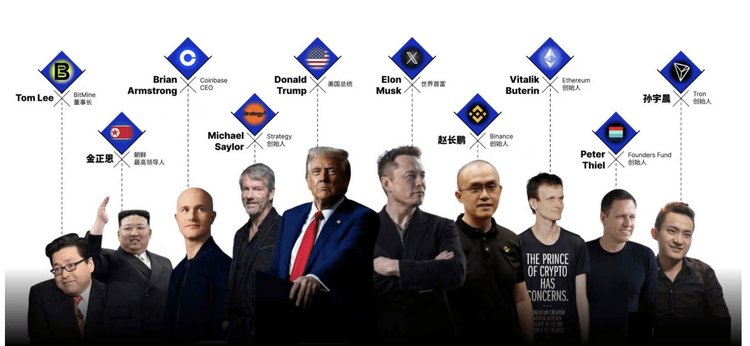
2025年に暗号のパワーバウンダリーを再定義する10人
ウォール街からホワイトハウス、シリコンバレーから深センまで、新しい電力ネットワークが形づくられつつあります。

AmplifyのStablecoinとTokenizationのETFが取引開始
Key Takeaways AmplifyはStablecoinとTokenizationに焦点を当てた2つのExchange-Traded Fund (ETF)を米国のNYSE Arcaでローンチ。 StablecoinとTokenizationは、今年の仮想通貨市場で特に注目されているテーマです。 米国と欧州での規制の進展が、Stablecoinをデジタル金融の基盤として位置づける役割を果たしている。 AmplifyのStablecoin ETFは、VisaやCircleなど大手企業を含む、Stablecoin関連の企業株を追跡。 TokenizationのETFは、BlackRockやJPMorganなどの企業も対象にしている。 WEEX Crypto News, 2025-12-24 15:47:19 AmplifyのStablecoinとTokenizationのETFが取引開始 デジタル資産マネージャーのAmplifyが注目の新しいExchange-Traded…

JPMorgan’s Crypto Trading Initiative for Institutional Clients
Key Takeaways JPMorgan Chase is considering launching crypto trading services for institutional clients, marking a significant shift in…

トランプ家関連USD1 Stablecoin、Binanceのプロモーションで時価総額が1億5000万ドル増加
Trump familyの関連するUSD1 stablecoinは、時価総額が1億5000万ドル増加し、Binanceが最大20%の利回りを提供するインセンティブプログラムを発表した。 このプログラムにより、USD1の時価総額は27.4億ドルから28.9億ドルに増加した。 Binanceは、USD1のフレキシブルプロダクトの預金額が5万ドルを超えると、年間パーセント利回(APR)を提供することを発表した。 USD1は世界の7番目に大きなStablecoinとなり、PayPal USDに次ぐ地位を持っている。 WEEX Crypto News, 2025-12-24 14:15:49 トランプ家が関与するUSD1 Stablecoinの注目が集まる中、Binanceが大胆なインセンティブプログラムを発表し、市場に波紋を広げました。USD1は、Binanceの新しいプログラムの発表を受け、時価総額が27.4億ドルから28.9億ドルに増加しました。このプログラムは、5万ドル以上の預金に対して最大20%の年間パーセント利回(APR)を提供するものです。この動きは、仮想通貨市場における新たなトレンドや投資家の興味をひきつける要因となっています。 Trump家とUSD1 Stablecoinの関係 USD1は、アメリカ前大統領ドナルド・トランプ家と関連があるとされる仮想通貨で、トランプ家の他の暗号通貨事業と共に成長を続けています。2025年上半期にはおよそ8億200万ドルの収入を生成したと報じられており、彼らの暗号通貨への関与は注目を集めています。 このStablecoinは特にBinanceのエコシステム内で重要な役割を担っています。Binanceは、USD1の採用を促進するために取引手数料無料の取引ペアを追加し、Binance…

ステーブルコインの支払い使用状況:Ethereumネットワークを通じた実証分析
Key Takeaways Ethereumネットワークは、全世界のステーブルコイン供給量の約52%を担っています。 ステーブルコインの支払いは、特にUSDTとUSDCが市場の88%を占めています。 P2P(個人対個人)取引は、全体の取引量の約24%を占める一方で、コーポレート取引はいくつかの大口機関に集中しています。 1000の主要なウォレットが、ステーブルコイン取引の85%を占めており、仮想通貨の取引が集中化していることを示しています。 WEEX Crypto News, 2025-12-22 16:04:43(today’s date,foramt: day, month, year) ステーブルコインの背景と採用の拡大 過去数年間で、ステーブルコインの採用率が著しく増加しています。特にEthereumネットワーク上で多くの取引が行われており、ステーブルコイン自体の供給量は2000億ドルに達しています。これは、各種ステーブルコインが安定した価値を提供することで、多くのユーザーに受け入れられるようになった結果です。このような背景には、通常の法定通貨と仮想通貨の間での円滑な取引を可能にする必要性があります。 しかし、ステーブルコインの普及に伴い、その使用の実態、特に支払い使用に関する不透明さも増加しています。ブロックチェーンの透明性により全ての取引が追跡可能ではあるが、その匿名性と目的の不明確さが、このフィールドでの分析を難しくしています。…

AI戦争への参加を呼びかけ: WEEX Alphaが覚醒 - 賞金88万ドルでAI取引のグローバル競争へ
今、世界中のAIトレーダーにAI戦争への参加を呼びかけています: WEEX Alpha Awakens、賞金総額88万ドルでAI取引のグローバルコンペティション。

アーサー・ヘイズ、中央集権型取引所から3242万ドルのUSDCを受領
Key Takeaways アーサー・ヘイズは、最近の2日間で合計3242万ドルのUSDCを多くのプラットフォームから受け取った。 USDCの移動は、Binance、Galaxy Digital、Wintermuteなどを含む複数の日本の取引所から行われた。 ヘイズはBitMEXを共同設立し、その後、Maelstromを立ち上げるなどクリプト業界で影響力を持つ。 彼は暗号資産の次のステージがAIインフラストラクチャとプライバシー技術によって形作られると考えている。 WEEX Crypto News, 17 December 2025 2025年12月17日、アーサー・ヘイズは、過去2日間でBinance、Galaxy Digital、Wintermuteを含む複数のプラットフォームから合計3242万ドルのUSDCを自身のアドレスに受け取った。この動きは、彼の財務管理や投資戦略において何を意図しているのかを考察する契機となる。ヘイズは、暗号通貨の世界で著名な人物であり、特にBitMEXの共同設立者として知られている。 アーサー・ヘイズの背景 ヘイズは2014年にBitMEXを設立し、そこから彼の名声は拡大した。彼はクリプトの未来に対して積極的なビジョンを持っており、新たなプロジェクトであるMaelstromを通じて次世代のブロックチェーンインフラへの投資を見据えている。2022年には、アメリカの銀行秘密法違反で有罪を認め、執行猶予付きの判決を受けたが、彼の業界内での影響力は衰えていない。 USDC受領の背景と目的…
日本の新たなCrypto税制で小売投資家の「眠れる巨人」が目覚めるか
主なポイント 日本政府がデジタル資産に対して20%の税率を導入する計画を発表し、これにより小売投資家の市場参入が促進される可能性がある。 現在の最大55%からの税率引き下げは、伝統的な金融商品に近い形でCryptoに対する課税を行うことを目指している。 規制の安定化に伴い、日本のCryptoエコシステムは成長を見せており、特に金融機関による安定通貨の提供が進展。 企業がこの新たな流れを捉え、急速に動いている背景には、低い取引量と限られたグローバル企業数の課題がある。 WEEX Crypto News, 2025-12-15 09:47:08 日本の税制改革がCrypto市場に与える影響 日本の議会では、新しいデジタル資産の税制について大きな議論が巻き起こっています。金融庁(FSA)が提案したこの改革案は、税率を現在の最大55%からより適度な20%に引き下げることを目指しており、これによりCryptoが小売投資家にとってより魅力的になるとの期待が広がっています。この改革は、Cryptoを取り巻く既存の規制変遷を経て、国全体の成長戦略においてデジタル資産が重要な役割を担うという認識に基づいています。 新たな税制によって多くの小売投資家が市場への参入を果たすと業界の観測者たちは述べます。2000年代中頃までに、日本のデジタル資産は法的および金融的な認識が不十分でしたが、2016年5月、FSAはPayment Services Act(PSA)に基づいた規制体制を確立し、翌2017年には更なる改正が加えられ、取引所に関する基準、マネーロンダリング防止、顧客確認、登録の要件が整備されました。これらのベースがあることが市場の成長を下支えします。 小売投資家の増加と新たな機会 デジタル資産に対する税制の変化は、伝統的な金融商品と同様の形での課税が可能になり、より多くの小売投資家がCrypto市場に参加するとされた。スターテールのCEO、Watanabe氏は「日本にとって非常に大切な日だ。この税制改正が承認されれば、より多くのETFや税率の引き下げが現実となり、間違いなく多くの日本人がCryptoに参加するだろう」とコメントしました。 この税制改革の背景には、Haseeb…

What Happened in Crypto Today: Latest Trends and Events Impacting Bitcoin Price and Regulation
Key Takeaways The UK plans to extend finance laws to encompass cryptocurrency by 2027. Willy Woo suggests Bitcoin…

CFTCのデジタル資産パイロット:ビットコイン、Ether、およびUSDCを担保として
Key Takeaways CFTCは、ビットコイン、Ether、およびUSDCを米国のデリバティブ市場での担保として使用することを許可するパイロットプログラムを開始しました。 このプログラムは、承認された先物コミッション商社(FCM)を対象とし、厳格な保管、報告、および監視要件を含みます。 GENIUS法の施行に伴い、トークン化資産に関する最新のガイダンスが発行され、古い制限が撤廃されました。 この動きは、CFTCがトークン化された担保の使用に関する明確なルールを提供するための広範な取り組みの一環です。 WEEX Crypto News, 2025-12-09 09:30:40 イントロダクション 2025年12月8日、CFTC(Commodity Futures Trading Commission)は、アメリカ合衆国のデリバティブ市場において、特定のデジタル資産、つまりBitcoin(ビットコイン)、Ether(イーサリアム)、USDCなどのトークン化された資産を担保として使用することを許可する革新的なプログラムを発表しました。このプログラムは、現役議長カロライン・ファムによって導入され、業界における規制のクリアなガードレールを提供することを目的としており、全く新しい段階へと進化する可能性を秘めています。 パイロットプログラムの概要 このパイロットプログラムは、ビットコイン、ETH、およびUSDCを含む特定のデジタル資産を担保として利用する機会を提供しますが、これは単に技術的な試験としての意味だけではありません。プログラムは法律の枠組みを整備し、金融機関がトークン化された担保を効率的かつ安全に使用できるようにすることを目指しています。…
フランスの巨大銀行BPCE、アプリ内での暗号取引を導入へ
Key Takeaways BPCEはフランスの銀行業界で先駆けて暗号取引を提供し、数百万の小売顧客にアクセスを広げます。 顧客は銀行アプリ内でBitcoin、Ether、Solana、USDCを直接取引できるようになります。 サービス開始は段階的に拡大し、2026年までに全12万人の顧客ベースに提供されます。 アプリ内の暗号口座は月額2.99ユーロの料金と取引ごとに1.5%の手数料が課されます。 フランスでは暗号資産を「生産性のない資産」として課税する法案が審議されています。 WEEX Crypto News, 2025-12-09 09:11:05(today’s date,foramt: day, month, year) BPCEの新たな暗号取引サービス フランスの銀行業界で歴史と影響力を誇るBPCEが、暗号資産の取り扱いを開始することでこれまでにない一歩を踏み出します。同行は、数百万の顧客がBitcoin…
Circleのアブダビライセンス取得とUAEの暗号資産推進戦略
Key Takeaways Circleはアブダビで金融サービスプロバイダーとしてのライセンスを取得し、安定したトークンの発行を通じてUAEへの参入を強化している。 アブダビは多くの暗号資産関連企業にライセンスを発行しており、金融自由地区としての地位を強化している。 UAE政府は2025年の新しい法令で、分散型金融(DeFi)と関連サービスを規制の枠組みに追加している。 港区デジタル資産オアシスなどUAE内の経済特区は、分散型自治組織(DAO)の法律枠組みを整える動きがある。 WEEX Crypto News, 2025-12-09 09:13:09 CircleのUAE進出と安定したトークン市場の動向 最近、Circleはアブダビでの金融サービスプロバイダーとしてのライセンスを取得しました。これにより、Circleはアブダビ国際金融センター(IFC)での運営が可能となり、大きな一歩を踏み出しました。この動きは、UAEが暗号資産と安定したトークン市場において世界的な中心地へと進化していることを示しています。 Circle Internet Groupは、このライセンスに加え、Saeeda Jaffar氏をCircle Middle…
UNI Burn Arbitrage OpportunityとOndoのトークン化株式の流動性論争: 海外クリプトコミュニティでの今日の話題
UNIのトークンバーナビトラージの機会が注目され、利益を得ることが可能となった。 Ondo Financeのトークン化された株式の流動性に関する議論が活発化しており、オフチェーン市場メーカーの役割が指摘されている。 ソラナの注文流とMEV構造に関する議論が加熱し、エコシステムの成熟が進む。 イーサリアムは機関投資家の関与とAIの利用が進行中、Perp DEX分野では競争が激化している。 WEEX Crypto News, 2025-12-30 07:09:36 仮想通貨市場はここ最近、マクロサイクルの議論から特定のプロトコル競争へと複雑に進化しています。2026年に向けた市場予測に関する議論は特に活発で、規制の遵守、機関投資家の参加、価値捕捉の重要性が強調されています。また、ソラナやイーサリアム、Perp DEXの競争環境の変化がエコシステムの発展にも影響を与えています。 マクロ的観点から見た2026年の市場予測 2025年が終わりに近づく中、暗号通貨コミュニティでは2026年の市場予測に関する激しい議論が交わされています。著名な人物たちはそれぞれの視点を共有し、マクロトレンド、DeFi、ステーブルコイン、規制、そしてAIに焦点を当てています。 Haseeb氏は、2026年にBTCが15万ドルを超えると予測しつつ、BTCの支配力は低下するとしています。しかし、この意見に対して@MemeIndexerは強く反対しており、流動性の細分化、TradFiのスプレッドの低さ、DeFiの決済スピードの遅さがその実現を妨げると指摘しています。 一方、@Moshaikhは、現在の暗号市場で最も過小評価されている資産は「ラボ」(製品とインフラのチーム)であるとし、金融機関によって買収されると予測しています。その結果、暗号企業がフィンテックユーザーを捕捉し、S&P 500のフィンテック企業がオンチェーントラックを通じて勝利するか、さもなくば周縁化されると指摘しています。…
不安定なStablecoins:市場の懸念と未来
Key Takeaways Circleは、初のStablecoin発行者として金融レポートの公開を通じて市場に衝撃を与えています。 CFTCはStablecoinsをTokenized Collateralとして認める提案をしています。 Luna事件以来、Stablecoin Yield Vaultsから毎週1億ドルの最大流出が発生しています。 Stablecoinエコシステムには3つの柱があり、2,500億ドル規模の新しいフロンティアとして成長しています。 Stablecoinの台頭により、銀行の伝統的な役割が脅かされています。 WEEX Crypto News, 2025-12-30 07:15:09(today’s date,foramt: day, month,…
イーサリアム大口投資家、50,623 ETHを売却– 1500万ドル以上の利益を獲得
Key Takeaways イーサリアム大口投資家が50,623 ETHを売却し、約1.48億ドルのUSDC/USDTを獲得 平均売却価格は2,921ドルで、総利益は1500万ドル以上 過去にも35,621 ETHを売却し、1.04億ドルの利益を得ている 最近の追加売却では10,002 ETHにより2,938万ドルを取得 WEEX Crypto News, 29 December 2025 イーサリアム大口投資家によるETH大量売却 深潮 TechFlowの報道によると、2025年12月29日に、イーサリアムの大口投資家がETHの大量売却を行い、市場に大きな影響を与えました。この投資家は、合計で50,623枚のETHを売却し、約1.48億ドル(USDC/USDTベース)を獲得しました。平均売却価格は2,921ドルであり、全体で1500万ドルを超える利益を上げています。こうした規模の取引は、暗号通貨市場において注目を集め、市場動向に直接の影響を与えることが多いです。…
OVERTAKE(TAKE)が急騰:エコシステムの新機能と市場の反応
Key Takeaways TAKEは、24時間で36.26%上昇し、0.44ドルに達しました。 市場の活発度が向上し、取引量は991万ドルに達しました。 Stakehouseプラットフォームのテスト版がローンチされ、TAKEのエコシステムが強化されました。 エコシステムのインセンティブ制度が整備され、ユーザーの参加意欲を高めています。 WEEX Crypto News, 29 December 2025 OVERTAKE(TAKE)の最新動向 TAKE(オーバーテイク)は、過去24時間で目覚ましい上昇を見せ、現在0.44ドルで取引されています。この24時間の間に、TAKEの価格は36.26%上昇し、最高で0.44ドル、最低で0.31ドルに達しました。この急騰は、市場の流動性に対する強い需要を反映しており、取引量は991万ドルに達しています。これらの上昇は市場の活発度を示し、市場参加者に大きな注目を集めています。 Stakehouseプラットフォームのテスト版ローンチ TAKEのエコシステムを促進する大きな要因の一つは、Stakehouseプラットフォームのテスト版のローンチです。このプラットフォームは、Overtake Labsの核心的な寄稿者によって構築され、ユーザーに統一されたステーキング、取引、推奨の体験を提供します。この新機能の導入は、TAKEエコシステムの機能性をさらに強化し、代替え不可能なインフラストラクチャの整備に寄与しています。 エコシステムのインセンティブ制度の強化…
CoinbaseがClear Streetで2026年のフィンテックトップ3の一つに選出
Key Takeaways: Coinbase(COIN)はClear Streetのアナリスト、Owen Lauによって2026年のフィンテックトップ3に選ばれた。 Lauは、Coinbaseが規制の明確化とブロックチェーン採用から最も利益を得る位置にあると考えている。 同社はUSDCの収益やAIツール、トークン化への注力が、株価の上昇要因として期待されている。 2026年は「転換の年」とされ、Coinbaseの安定した業績基盤が強みとなる見込み。 WEEX Crypto News, 2025-12-29 06:04:29 Coinbaseは、Clear StreetのアナリストであるOwen Lauによって2026年のフィンテックトップ3にランクインしました。Coinbaseは、特にブロックチェーンベースの金融基盤へと移行する動きの中で、その中心的な役割を果たすと評価されています。この評価は、同社のトークン化、人工知能(AI)ツール、そしてステーブルコインからの収益が重要な要素として挙げられているからです。 ブロックチェーンと規制の明確化による利益 Lauによれば、Coinbaseはブロックチェーンの採用と規制の明確化から最も利益を得られる位置にあります。同社は、多様な収益源を持ち、非常に安定した業績基盤を築いています。特に注目すべきは、彼らのステーブルコイン活動における収益の増加で、この点が投資家にとってレジリエンスと成長の指標となっています。…
Circleのプラットフォームがゴールド、シルバーのトークン化スワップを提供するとする偽情報を会社が指摘
CircleMetalsと称するプラットフォームがUSDCとの間でトークン化された金(GLDC)、銀(SILC)トークンのスワップを提供すると主張する発表がなされた。 この発表はCircleのブランドを使用し、経営陣の発言を引用していたが、後に会社によって偽物と確認された。 この偽プラットフォームは依然としてオンラインで活動しており、詐欺の可能性が高いとされ、報酬を約束するものの実在する証拠はない。 こうした偽情報は、クリスマスイブの日に広まり、多くの企業が休業中であったため、対応の遅れを誘発したと考えられる。 WEEX Crypto News, 2025-12-29 06:06:08 Circleの偽プラットフォーム発表における真実 2025年12月24日、クリスマスイブの日に公開されたプレスリリースにて、Circleが新しいプラットフォームCircleMetalsを立ち上げ、トークン化された金と銀の取引を提供しているとする主張がなされました。しかし、この発表は偽情報であり、Circle社がそれを確認しました。実際、同社の広報担当がCoindeskに、こうしたプラットフォームの存在を否定するコメントを行いました。 Circleの影響力を利用した「偽プラットフォーム」 また、この発表はクリスマスイブという一部の企業が活動していない日を狙って行われ、応答に時間がかかるであろうという状況を利用されたと推測されます。Circleのブランドを不正に用い、経営陣の発言を捏造することで、信用性を偽装した形が明確に見受けられました。 これにより、一部のユーザーには、CircleMetalsという名のもとで24時間365日のUSDCとトークン化された金(GLDC)及び銀(SILC)のスワップを矛盾して提供するプラットフォームが存在しているという誤解が生じました。 詐欺の可能性とユーザーの注意喚起 偽プラットフォームには、ユーザーにウォレットを接続することを促すリンクが含まれており、これはセキュリティの観点から望ましくない行為です。未認証のウェブサイトにウォレットを接続することにより、悪意ある者がウォレットから資金を抜き取る危険性があるからです。プレスリリース内で報じられた報酬は「1.25% のCIRMトークン」というものでしたが、このCIRMトークンについて、主要なデータアグリゲーターにもリストされていないため、その存在はかなり疑わしく、存在証拠がないままです。 ChainWireの対応とその責任…


 App
App