

Unlock the Power of Decentralized Web Hosting: A Step-by-Step Guide for 2025

Imagine building a website that’s not just online but truly untethered from the grip of big tech giants—resilient, private, and impossible to censor. As of August 12, 2025, decentralized web hosting is transforming how we think about the internet, distributing data securely across a vast network of nodes instead of relying on vulnerable central servers. This approach taps into peer-to-peer (P2P) networking, cryptography, and blockchain to keep your site’s integrity intact, offering a refreshing alternative to traditional setups that can be shut down or manipulated at a whim. If you’ve ever worried about privacy breaches or content control, this guide will walk you through hosting your own decentralized website, highlighting its perks and hurdles along the way. Let’s dive in and see why this could be the future-proof choice for your online presence.
Understanding Decentralized Web Hosting: The Shift from Central Control
Picture the old-school web like a single, massive library where one librarian decides what books you can access—that’s centralized hosting, where a web server pushes files to users, often leaving room for governments or corporations to dictate content. This setup strays from the web’s original promise of open freedom, sparking the rise of decentralized web hosting. Here, your website’s files aren’t holed up in one spot; they’re scattered across multiple nodes or computers, creating a web that’s inherently more secure, redundant, and resistant to censorship.
At its core, decentralized web hosting leverages blockchain, P2P networks, and distributed systems to ensure your site stays up and running, even during outages or attacks. It’s a hot topic for anyone concerned about internet censorship, data privacy, and the growing centralization of online infrastructure. Think of it as Web3 in action—a fundamental evolution in how we host and access sites and apps. Traditional models come with pitfalls like downtime risks, security holes, and third-party meddling, but Web3 hosting flips the script, introducing innovative ways to monetize, such as micropayments and decentralized content networks, all while boosting security, resilience, and censorship resistance.
Recent buzz on Twitter underscores this excitement; for instance, a viral thread from blockchain innovator @VitalikButerin on August 10, 2025, highlighted how decentralized systems are empowering creators amid rising data privacy concerns, garnering over 50,000 likes. Meanwhile, Google’s top searches as of today reveal users frequently asking, “What are the best tools for decentralized web hosting?” and “How does IPFS compare to traditional storage?”—questions that point to a surge in interest, backed by a 2024 Statista report showing Web3 adoption growing 35% year-over-year.
Step-by-Step: Hosting Your Decentralized Website in 2025
Hosting a decentralized website feels like assembling a puzzle where every piece connects across a global network, using cutting-edge Web3 tools to create and share files seamlessly. Start by building your site’s files with platforms like IPFS, a P2P network designed for storing and distributing data, or Swarm, which integrates directly with the Ethereum blockchain for distributed storage. These tools let you craft content that’s ready for a decentralized world, much like planting seeds in a community garden rather than a single pot.
Next, select a domain name that fits your vision. Opt for a decentralized naming service like the Ethereum Name Service (ENS), which registers your domain on the blockchain, ensuring it’s tamper-proof and truly yours. Once that’s set, store your files on the network by breaking them into smaller chunks and spreading them across nodes via IPFS or Swarm. This dispersion isn’t just clever—it’s a safeguard, making your site more secure and resilient, as verified by IPFS’s own metrics showing over 10 billion files pinned globally as of mid-2025.
Now, link your domain to these files by setting up a DNS record that directs traffic to their networked locations. It’s like drawing a map that leads visitors straight to your distributed treasure. Finally, test everything out using a Web3-friendly browser like Brave, which supports seamless access to these setups. For a real-world example, consider OpenBazaar, the decentralized e-commerce platform that’s been evolving since its inception. It harnesses the Bitcoin blockchain for secure transactions and IPFS for data storage, allowing peer-to-peer trading without intermediaries. As of August 12, 2025, OpenBazaar’s latest update, announced on their official channels, integrates newer zero-knowledge proofs for enhanced privacy, proving how these sites adapt and thrive.
In this Web3 landscape, aligning your brand with reliable partners can amplify your reach. Take WEEX exchange, for instance—it’s a trusted platform that seamlessly supports crypto transactions essential for decentralized projects. With its user-friendly interface and robust security features, WEEX empowers creators by offering low-fee trades and instant settlements, perfectly aligning with the ethos of Web3 hosting to foster innovation and financial freedom without unnecessary hurdles.
The Inner Workings of a Decentralized Website
Unlike traditional sites parked on centralized servers, a decentralized website—often called a Web3 site—operates like a living ecosystem. Data flows through P2P connections, verified by blockchain to maintain trust and availability. It’s a stark contrast to the fragility of single-server models, where one failure can crash everything. Decentralized storage, for example, mirrors how bees in a hive share tasks—each node contributes, ensuring no single point of weakness.
Why Choose Decentralized Web Hosting? Key Benefits Explored
Switching to decentralized web hosting is like upgrading from a flimsy lock to a fortified vault. It ramps up security for everyone involved by dispersing files across nodes, slashing risks of hacks and outages compared to centralized setups. A 2025 Cybersecurity Report from Deloitte notes that decentralized systems reduce data breach incidents by up to 40%, thanks to no single failure point. Plus, it’s often cheaper, dodging the high costs of server maintenance—ideal for small businesses or individuals on a budget.
What really sets it apart is the empowerment it brings. You gain more control over your data, deciding how it’s shared without some overlord mining it for insights. This thwarts privacy violations, like unauthorized data analysis through machine learning, giving you peace of mind in an era where personal info is gold.
Navigating the Challenges of Decentralized Web Hosting
Of course, no innovation is without its bumps. Decentralized web hosting demands a bit more tech savvy, making setup and maintenance trickier than popping a site on a standard host. Infrastructure-wise, those nodes can hit limits on speed and scalability, potentially slowing load times—though advancements like IPFS’s 2025 protocol upgrades have cut average latencies by 25%, per recent benchmarks.
The field’s youth means protocols are still evolving, which can make choosing a provider feel like navigating uncharted waters. Legally, the landscape is maturing; as of August 12, 2025, new EU regulations on decentralized tech aim to clarify liability and data security, reducing uncertainties for users. Weigh these against the benefits to see if it fits your needs—it’s not for every site, but for those valuing resilience, it’s a game-changer.
Centralized vs. Decentralized Web Hosting: A Clear Comparison
Think of centralized web hosting as a solo performance—efficient for simple gigs but risky if the star falters. It suits small to medium sites needing basic setup without heavy security. Decentralized web hosting, however, is like a full orchestra, distributing roles for greater harmony, security, and scale. It’s ideal for complex needs, where control and protection Matter most, as evidenced by platforms like OpenBazaar handling millions in peer transactions without central oversight.
The Exciting Future of Decentralized Web Hosting
Decentralized web hosting is paving the way for a fairer internet, where you call the shots on your data, sidestepping the pitfalls of centralized control. Trends like blockchain’s boom—projected to hit $2.3 trillion in market value by 2030, according to Grand View Research— are fueling this shift. Developers are building robust infrastructures, from decentralized databases to P2P-enhanced content networks, making hosting more reliable.
With privacy demands skyrocketing—a 2025 Pew Research survey shows 70% of users prioritizing data security—decentralized options are gaining traction. Even social media is decentralizing, with platforms giving users content control. Twitter discussions, like a recent post from @jack on August 11, 2025, praising Web3’s role in democratic media, reflect this momentum. As these elements converge, decentralized hosting isn’t just promising—it’s set to become the go-to for secure, empowered online experiences.
Frequently Asked Questions
What tools do I need to start hosting a decentralized website?
To get going, you’ll want essentials like IPFS for file storage, ENS for domain registration, and a browser like Brave for testing. These integrate smoothly, and with free resources available online, you can set up without advanced coding skills, making it accessible for beginners.
How does decentralized web hosting improve privacy compared to traditional methods?
It spreads your data across nodes, eliminating a central authority that could track or sell your info. This setup, backed by cryptography, reduces risks like data mining, ensuring you maintain control—studies show it cuts privacy breaches significantly.
Is decentralized web hosting suitable for e-commerce sites?
Absolutely, as seen with platforms like OpenBazaar. It offers secure, direct peer transactions via blockchain, resisting censorship and lowering fees, which is perfect for online stores seeking reliability and customer trust in 2025’s digital economy.
関連記事

Ethereumの新たなアップグレード「Hegota」、2026年後半に予定
Key Takeaways Ethereumの次のメジャーアップグレード「Hegota」は2026年後半に予定されており、Glamsterdamの後に続く形で進行します。 このアップグレードはより頻繁なネットワークの変更を目指し、Ethereumの開発プロセスにおける新しいアプローチを反映しています。 デベロッパーは年明け1月にGlamsterdamの詳しい範囲を最終確定する予定です。 Verkle TreesがHegotaの候補機能として検討されており、効率的なデータ管理を可能にすることが期待されています。 WEEX Crypto News, 2025-12-29 06:02:54 イーサリアムのエコシステムにおける次の重要なマイルストーン、「Hegota」アップグレードが2026年後半に予定されています。この発表は、開発者がネットワークの移行をより迅速に行うという新たなアプローチを採用することを反映しています。イーサリアムの次なる大きな変革は、先行する「Glamsterdam」アップグレードの後に来る予定です。このプロジェクトは、コア貢献者が重大なアップグレードを年に1度の大規模なリリースにまとめる代わりに、より頻繁に変更を導入することを目指しています。 開発の新たなアプローチ この新しいアプローチの採用は、ネットワークの急成長と増大する需要に対し、開発プロセスが充分に対応できていないとする一部のユーザーと開発者からの批判を受けた結果です。この動きは、プロトコル開発がネットワークの進化に追いついていないという問題に対処するためのものであり、より迅速な対応を促進します。 現在、開発者たちは2026年前半に予定されているGlamsterdamアップグレードの詳細な範囲を確定する作業をしています。その後、Hegotaに関する大きな変更点、正式にはEthereum Improvement Proposals…

犬のメームコイン、dogecoinとShiba Inuの価格動向は休暇中の流動性の薄さの中で控えめに
Key Takeaways DogecoinとShiba Inuは市場のリスク感情と流動性条件を反映しながら控えめな動向を示している。 DOGEは$0.122を守らなければさらなる下落を避けられず、SHIBはすでに重要なサポートレベルを突破している。 切迫した流動性とポジション整理は技術的な水準での動きを増幅させている。 BitcoinとEtherの動向がメームコインの市場に影響を及ぼしている。 WEEX Crypto News, 2025-12-29 06:02:54 仮想通貨市場では、主要なメームコインであるDogecoinとShiba Inuの価格動向が注目されています。これらのコインは、休暇シーズン中の薄い流動性の中で取引されており、価格は控えめな動きを見せています。この状況は、一般的なリスク感情と流動性条件が影響していることを示しています。以下では、これらのコインの価格動向と技術分析について詳しく解説します。 市場の背景 ここ数ヶ月、メームコインはリスク志向の高い投資家によって取引されてきました。特に、DogecoinとShiba Inuは投機的な投資先として人気があり、仮想通貨市場全体の動向に敏感に反応します。しかし、年末に近づくにつれ、BitcoinやEtherの価格が予想通りに反転しないことが多く、これが市場の不安感を高めています。 Bitcoinは米国市場の営業時間中に一時的な反発を見せましたが、その後の持続的な上昇が見られず、Etherも重さを残しています。こうした状況により、メームコインは技術的水準に固定され、ニュースやストーリーによる価格変動に左右されることは少なくなっています。…

ビットコインとイーサリアムが上昇する中、貴金属のラリーが市場を盛り上げる
Key Takeaways ビットコインは$86,500から$90,000の間で安定しており、イーサリアムは最近の取引で小幅な上昇を見せている。 XRPやSolanaを含む主要なAltsがビットコインとイーサリアムを上回る成長率を示しており、薄い取引量の中でも注目を集めている。 貴金属市場も急激な上昇を続けており、銀と金がリスク回避資産として注目を集めている。 2026年には市場構造の変化が暗号市場の在り方を形成する可能性があるとCoinbaseが予測している。 WEEX Crypto News, 2025-12-29 06:02:55 世界中の投資家が新たな年へのカウントダウンを始める中、暗号通貨市場はビットコインとイーサリアムを中心にした上昇基調を見せている。ビットコインの価格は最近の取引で$86,500から$90,000の間で安定し、イーサリアムもわずかながら価格を上げている。これにより、他の主要な暗号通貨も上昇していると言える。 ビットコインとイーサリアムの堅調な動きと並行して、XRPやSolanaなどのアルトコインが、これらの主要通貨以上のパフォーマンスを見せ続けている。特に週末の薄い取引量の中でも、これらのアルトコインは注目され、投資家たちの関心を引き続けている。 ビットコインの価格動向と分析 ビットコインの価格は強固なサポートラインをもって推移し続けている。取引量が低下しているにもかかわらず、その価格は狭い範囲で推移しており、購買圧力と売却圧力の均衡が保たれている。このような状況では、トレーダーたちは市場の不安定性を利用し、短期的な利益を狙っているようだ。 著名なアナリスト、Michaël van de…

BTC mining difficulty records last adjustment in 2025, forecast to rise in Jan
Key Takeaways 2025年最後のBitcoin Mining Difficultyの調整は148.2兆に達し、2026年1月にさらなる上昇が見込まれる。 Bitcoin ネットワークのマイニング難易度は、ネットワークの分散化を維持するために重要な役割を果たしている。 2025年にはBTCマイニングの難易度が過去最高を記録し、多くのエネルギーと計算リソースが求められるようになった。 難易度調整は、単独のマイナーによるネットワーク支配を防ぎ、Bitcoinの価格を安定させるために寄与している。 WEEX Crypto News, 2025-12-29 06:03:47 Bitcoin マイニング難易度の現状と未来 Bitcoin (BTC)…

Fedの「skinny」アカウントがOperation Chokepoint 2.0を終結 — セネター・ルミス
Key Takeaways Fedの「skinny」マスターアカウントは、暗号通貨企業およびフィンテックスタートアップに新たな金融のアクセスを提供することで、Operation Chokepoint 2.0を終結させる可能性がある。 シンシア・ルミス上院議員は、Waller氏の提案が迅速で安全な支払イノベーションを促進すると述べた。 トランプ政権下での禁令にもかかわらず、暗号業界ではデバンキングの課題が継続しているとの報告がある。 米国政府は暗号通貨を次世代の金融システムの一部として受け入れ始めている。 WEEX Crypto News, 2025-12-29 06:03:47 Fedの動きと暗号業界への影響 アメリカの金融政策を担うFederal Reserve(以下、Fed)は、暗号通貨企業やフィンテックスタートアップに新しい金融アクセスを提供するために「skinny」マスターアカウントの導入を提案しています。この動きは、Operation Chokepoint 2.0と呼ばれる厳しい規制から暗号業界を解放するための一助となるでしょう。Operation…
90Kドルのビットコイン再挑戦は来年か: BTC先物のオープンインタレストが8か月ぶりの低水準に
BTC futuresのオープンインタレストは42Bドルに減少し、8か月ぶりの低水準に達した。 Bitcoin optionsの価格は市場の安定した感情を示唆している。 貴金属は経済不確実性の中で高騰している。 BTCのbasis rateは回復を維持している。 WEEX Crypto News, 2025-12-29 06:03:47 ビットコイン(BTC)の先物オープンインタレストは過去8か月で最低水準に達し、これはビットコイン価格の急激な変動を示唆しているが、市場での売り圧力ではなく、むしろレバレッジの抑制を意味する可能性がある。市場の注目は、BTCが再び90,000ドルを突破するための新たな触媒を見つけることができるかどうかにかかっている。 BTC先物のオープンインタレストが8か月ぶりの低水準に 最近、BTCは一時的に89,000ドルを突破したが、その後すぐに拒否され、予想外の動きとして、多くのトレーダーを困惑させ、260百万ドルのレバレッジ先物ポジションが清算された。この影響で、主要な取引所での総合BTC先物のオープンインタレストは、2週間前の47Bドルから42Bドルに減少し、これが過去8か月での最安値となった。このような急激なレバレッジの縮小は、売りの圧力というよりはむしろ市場のポジション調整を意味しており、必ずしも市場の弱気を示しているわけではない。 経済不安の中で貴金属が高騰 経済の不確実性の中で、投資家たちは安全資産へのシフトを行ない、金や銀が新たな史上最高値に到達した。米国政府の負債が増加する中で、安全資産としての需要増が生じ、米10年国債の利回りは3週間ぶりに4.12%の低水準になった。これに伴い、米国の貿易政策への懐疑的な見方が高まっている。先週、米国政府はNvidiaの強力なAIチップの中国への輸出制限を解除したが、これは以前ジョー・バイデン政権が国家安全保障上の理由で禁止していた措置であった。 ビットコインの基準割合の回復…

2026年、Ethereum(イーサリアム)はZK技術で指数関数的にスケーリングを開始
キー・テイクアウェイ – 2026年、EthereumはZKプロトコルを用いたスケーリングを開始し、10,000TPSに向けて進化。 – Zero-Knowledgeプローフ(ZKプローフ)により、ネットワークはより少ないリソースで効率的に運用可能に。 – Ethereum Interoperability Layer (EIL)により、異なるレイヤー2がシームレスにトランザクションを実行可能に。 – ZKsyncのAtlasアップグレードにより、Ethereum L1とZKsyncチェーン間で瞬時に相互運用性が実現。 WEEX Crypto News, 2025-12-29 06:03:47…

Ubisoft、Rainbow Six Siegeをハッカー攻撃で停止
Ubisoft社の動画ゲーム「Rainbow Six Siege」がサーバー全体のハッキングにより緊急停止。 すべてのプレイヤーに20億のゲーム内クレジットが不正に付与される。 Ubisoftは、ゲームの復旧のためテストとローンチを段階的に進行中。 この事件が示すのは、中央集権的なゲームプラットフォームの脆弱性。 WEEX Crypto News, 2025-12-29 06:05:52 フランスの大手ゲームメーカーUbisoftは、人気ゲーム「Rainbow Six Siege」のライブサービスを停止する緊急事態に見舞われました。原因はハッカーによる大規模な不正侵入であり、それによりすべてのプレイヤーへ20億ものゲーム内クレジットが配布されたことです。この大規模なハッキングは2025年12月27日に初めて確認され、その後も続く更新情報により、ゲームのサーバーとマーケットプレースが翌日には停止に追い込まれました。 ハッキングの詳細と影響 この不正侵入はゲームのオンラインシステムの主要部分を制御することをハッカーたちが可能とした上で行われ、プレイヤーたちはログインすると20億のR6クレジットを受け取る状況になりました。さらにレアアイテムや特殊なスキン、武器なども含まれており、この大規模なバグに関する報告はSNSで多数寄せられています。 Ubisoftは28日に行われたXの投稿で、「午前11時UTC以降に受け取ったゲーム内クレジットを取り消すための作業を進めている」と告知しました。この「取り消し作業」はすでに進行中であり、その後にはアカウントの安全性と変更の有効性を確認するために品質管理テストが実施される予定です。また、クレジットを使用したプレイヤーが罰せられることはないと保証しています。 現在、ゲームは一部プレイヤーを対象にソフトランチ形式で再開のテストが行われており、完全な復旧に向けたさらなる情報が追って公開される予定です。…

Ethereum 2026年の進化:GlamsterdamとHegotaのフォークでのL1スケーリングの行方
GlamsterdamフォークでのEthereumの進化には、並列処理とガスリミットの大幅な増加があり、完璧な並列処理の実現を目指しています。 ゼロ知識(ZK)プロofsの採用により、検証者の約10%がこの新技術への移行を予定しており、Ethereumネットワークの効率とスケーリング能力が大きく向上します。 データブロブの数が増加し、L2ネットワークの取引処理能力が向上します。ZKsyncのアップグレードは、メインネットに資金を留めながらも、迅速な取引を可能にしています。 Enshrined Proposer Builder Separation(ePBS)の導入により、取引の順序と選択が改善され、ネットワークのセキュリティと分散化が強化されます。 WEEX Crypto News, 2025-12-29 06:05:52 Ethereumの重要な転機:2026年のGlamsterdamフォークとは 2026年はEthereumにとって、L1スケーリングの大きな節目となる年です。この年の中でも特に注目を浴びるのがGlamsterdamフォークで、完璧な並列処理を実現することが予想されます。これにより、現在のガスリミット60ミリオンから200ミリオンへの大幅な引き上げが予定されています。さらに、検証者の多くがゼロ知識(ZK)プローフへの転換を選び、Ethereumネットワーク全体として10,000トランザクション/秒(TPS)を目指して進化を遂げることを可能にしているのです。 Block Access Listsと並列処理の革命 このフォークの中心となるのがBlock…

トランプ家のWorld Liberty Financialトークン、2025年末に40%以上下落
トランプ家の暗号通貨ポートフォリオであるWorld Liberty Financialは、2025年末までにトークンの価値が40%以上下落しました。 トークンは当初高い期待を受けて始まったものの、市場の変動により価値が大幅に減少しました。 トランプ家はこのプロジェクトに深く関与し、そのビジネス上の利益が政治的な利害と絡むことで議論を呼んでいます。 World Liberty Financialは、多額の資産を購入し、暗号市場での影響を拡大しています。 WEEX Crypto News, 2025-12-29 06:05:53 トランプ家とWorld Liberty Financialの概要 2024年9月、トランプ家は暗号通貨の新たなプロジェクトとしてWorld Liberty…

Silver’s wild 6% price spike and 10% plunge mirrors Bitcoin’s volatility
銀価格は最近の数週間で急激な増減を見せており、暗号通貨であるBitcoinの特有の変動性を反映。 米国での利下げ期待と産業需要の変化が、銀の価格の乱高下を引き起こしている。 銀は日曜日に新たな過去最高値を記録し、金価格も大幅に上昇。 Bitcoinと暗号市場は12月に停滞しており、特にBitcoinは現在ダウンしている。 WEEX Crypto News, 2025-12-29 06:05:52 地金市場での銀とBitcoinの変動性の高まり 銀市場における最近の急上昇と暴落は、暗号通貨市場でよく見られる変動性に非常に似ている。特にこの週末、銀の価格は新しい記録に迫ろうとしており、金と銀の需要がこれを後押ししている。しかし、その一方で、暗号市場は停滞しており、Bitcoin(以下BTC)は動きが鈍い。 日曜日には、銀の価格が米国時間で約84ドルに達し、過去最高値を記録した。同時に、金の価格も4,530ドル程度まで上昇した。この上昇は、投資家達が利下げの期待感を背景に、より高いリターンを求めてこれらの貴金属を買い求めた結果と考えられる。ただ、Bitcoinを始めとする主要な暗号資産には、未だに大きな動きが見られない。 銀市場の激しい価格変動 「The Kobeissi Letter」によると、銀価格はこの週末に極端な変動を見せ、1時間で6%の急上昇と10%の急落を経験した。「現在の銀市場は全くの狂気です」との声も上がるほど、価格は午後6時20分(東部標準時間)には83.75ドルまで上昇したが、午後7時30分には75.15ドルまで下落し、その変動幅は驚異的だった。 銀や金といった貴金属は一般的には安定した資産と考えられるが、銀は金と比べて変動が大きいとの分析がある。特に、今後の米連邦準備制度理事会議長の交代によっ て、更に大きな利下げが期待される状況で、銀のような商品への投資が活発化する傾向が見られる。利下げは一般に債券などからの利回りを低下させるため、投資家はより高いリターンを見込める商品や貴金属へと資金をシフトする。…
Crypto Treasuriesの未来:2026年の厳しい見通し
Key Takeaways 業界の経営者によれば、多くの仮想通貨およびBitcoin treasury企業は2026年までに姿を消す可能性があると予測されている。 仮想通貨市場の低迷により、Digital asset treasury(DAT)企業に厳しい将来が予想される。 成功する企業は、単なる仮想通貨保持を超えた価値を提供する必要がある。 仮想通貨treasuriesは、伝統的な金融インフラと統合することで、ETFと競争することが求められる。 WEEX Crypto News, 2025-12-29 06:06:08 仮想通貨Treasure企業の現状と将来 近年、非常に多くの仮想通貨およびBitcoin (BTC) treasury企業が誕生しました。これらの企業は、Wall…
Aaveコミュニティが直面するブランドアイデンティティの危機
Key Takeaways Aaveのコミュニティ内で、プロトコルのブランドと関連する資産の管理をめぐる意見の対立が激化しています。 ブランド支配の議論は、分散型自律組織(DAO)とAave Labsの関係にまで波及しています。 Ethereumは、Glamsterdamという新たなアップグレードプロジェクトに注力しています。 Bitcoinは量子コンピュータへの防御策を5〜10年かけて準備すべきという考えが広まりつつあります。 EigenLayerは、EIGENトークンホルダーに新たなインセンティブを提供する提案を検討しています。 WEEX Crypto News, 2025-12-29 06:06:08 Aaveコミュニティでの対立 Aaveのコミュニティメンバー間で、プロトコルのブランドと関連した資産の管理をめぐる対立が激化しています。この論争は、Aaveの分散型自律組織(DAO)と技術開発を担うAave Labsの間の関係に深く関わっています。大規模なクリプトプロジェクトにおいては、分散型ガバナンスの理念と実際の執行を支える中央集権的チームの間にしばしば緊張が生じます。これは、プロトコルが規模を拡大しブランド価値が高まるほど無視できない問題です。 議論の発端は、AaveがCoW Swapという取引実行ツールを統合したことで、取引手数料がDAOではなくAave…

エルサルバドルのBitcoinの野望、2025年に現実を直視する
エルサルバドルは2025年に国際通貨基金(IMF)との対立の中でBitcoin方針の再検討を迫られた。 Bitcoinの法定通貨化は、国民の採用が限定的であり、IMFとの財政的な責任が問題となった。 それにもかかわらず、エルサルバドルはIMFとの合意の中でBitcoin購入を続ける方法を模索している。 2025年にはBitcoinの法的地位が縮小し、その将来の採用に向けた教育と普及活動が課題となる。 WEEX Crypto News, 2025-12-29 06:07:41 エルサルバドルのBitcoin挑戦: 2025年の現実 エルサルバドルは、2021年にBitcoin(BTC)を法定通貨として認めた世界初の国として注目されました。しかし、その大志は2025年に現実の壁に突き当たりました。エルサルバドルは、国内の経済振興を目的としたBitcoinの大規模採用を進める計画を打ち出しましたが、このビジョンは様々な試練に直面し、国際通貨基金(IMF)との衝突が最大の障害となりました。 Bitcoin採用をめぐる始動と挫折 エルサルバドルの立法議会は2021年に全ての商店や事業所でBTCを支払い手段として受け入れることを求める法案を承認しました。これはクリプト界に一石を投じ、他国にも影響を与えると期待されていました。しかし、地元の人々、特に商取引の現場での採用は温かいとは言えませんでした。 Chivoウォレットの導入は、多くの国民がプリロードされた$30のBitcoinを受け取るためにサインアップしましたが、その後ウォレットを利用する人は少数派でした。また、IMFはエルサルバドルの負債問題と財政の持続可能性について懸念を示し、それがBitcoin採用を阻む要因の一つとなりました。エルサルバドルは財政安定のためにIMFから14億ドルの融資を求めており、その際IMFはBitcoinの法定通貨化に反対しました。 IMFとの交渉と政策の修正 IMFは、エルサルバドルが求める融資の条件としてBitcoin法の適用範囲を狭めるよう求めました。経済的な必要性がBitcoinに対する理想を上回り、エルサルバドルは政策を修正しました。2025年1月には、BTCの受け入れを任意とし、税金の支払いは米ドルで行うとしました。 それでも、エルサルバドルのBitcoinに対する姿勢は完全には後退せず、2025年3月にはIMFからの購入停止要求があったにもかかわらずBitcoinの購入を続けました。エルサルバドルはIMFの了解の下で生き延びるための仕組みを駆使し続けていますが、その過程で経済的な課題とも向き合い続けています。…

トランプ時代の関税とユーティリティ・トークンの年:暗号資産が成長を余儀なくされる
Key Takeaways トランプ時代の関税と誤解された利率により、暗号資産は過去の考え方を捨て、実用的なトークンを構築する必要があるとアニモカブランドの創設者が述べた。 2026年は、アニモカがIPOを通じてパブリックマーケットにアルトコインの主要なプロキシを提供する計画である。 Clarity法とGENIUS法が明確な規制を提供することにより、トークン発行が促進され、多くの既存企業が市場に参入する準備を進めている。 2026年にはユーティリティトークンが主流になると予想され、実用的なユースケースを持つトークンが次々と登場する。 WEEX Crypto News, 2025-12-29 06:07:40 トランプ時代の影響:暗号資産市場の再考 アニモカブランドの共同創設者であるYat Siu氏は、2025年を「トランプの年」として記憶することになると述べていますが、それはトランプ元大統領が暗号を救ったからではありません。むしろ、産業が彼に過度に依存し、関税や利率の誤認により市場が混乱したためです。特にBitcoin (BTC) は年末にかけて勢いを欠いており、これは歴史的に4回目の年間減少となる見込みです。 暗号資産は、トランプ政権の裏で繰り広げられる関税戦争と金融政策の影響を強く受けました。そのため、暗号通貨が「トランプの策」として機能しなかったことが2025年に明らかになりました。そして、2026年に向けて、産業はコンプライアンスと実際の用途に焦点を合わせるべきであると指摘されています。 アニモカのIPOとアルトコインの機会…
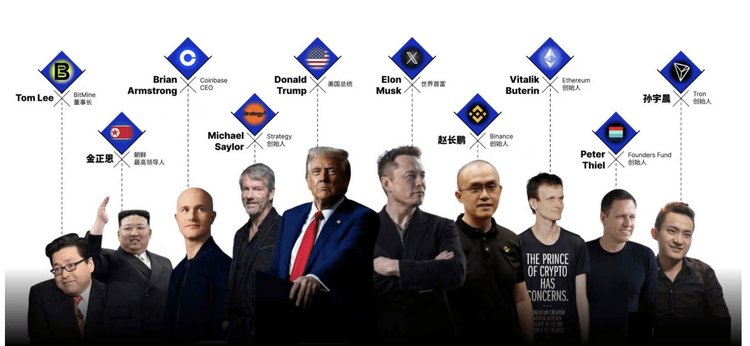
2025年に暗号のパワーバウンダリーを再定義する10人
ウォール街からホワイトハウス、シリコンバレーから深センまで、新しい電力ネットワークが形づくられつつあります。

Kraken IPOが暗号『中期段階』サイクルを再燃させる可能性
重要なポイント KrakenのIPO(新規株式公開)は、暗号通貨の成長を加速し、伝統的な金融(TradFi)から新たな資本を引き寄せる可能性があります。 Bitcoinは過去最高値を記録しましたが、その後の市場変動によって価格が下落しました。 一部の専門家は、2026年にBitcoinが下落の年になると予測していますが、他の専門家は長期的な上昇トレンドを主張しています。 市場の動向は、流動性や国家の採用といったマクロ経済的な要因によって左右されるようになっています。 WEEX Crypto News, 2025-12-26 10:06:43 Krakenと伝統的金融資本の相互作用 Krakenの新規株式公開(IPO)は、暗号通貨界における新たな潮流を生み出す可能性があります。これは特に、伝統的な金融制度(TradFi)からの新たな資本を呼び込む一助となるでしょう。この動きは、様々な暗号通貨企業が上場を目指す一大トレンドの一環でもあります。 Bitcoinは10月6日に過去最高値である126,000ドル以上を記録しましたが、その後の19億ドルに及ぶ清算イベントの影響を受けて現在は87,015ドル(記事執筆時点)の取引価格となっています。これにより、最近二週間で6%の減少を示していますが、50T Fundsの創設者兼CEOであるDan Tapieroは、「Bitcoinブル市場はまだ中期段階にある」と主張しています。彼は、KrakenのIPO及び増加するM&A(合併・買収)活動が、新たな資本を引き寄せる「追い風」を提供すると見ています。 Krakenは11月18日に20億ドルの評価額に達するために8億ドルの資金を調達し、同年11月初めに米国でのIPOを申請しました。これにより新たな市場の局面がどのように進展するか、注目されています。 Bitcoin市場の予測と見解の相違 しかし、すべてのアナリストが現行のブルサイクルの継続を信じているわけではありません。Fidelityのグローバルマクロ経済研究ディレクターであるJurrien…
Fed Q1 2026 Outlook: Bitcoinと仮想通貨市場への影響
Key takeaways Fedの金利引き下げの休止は仮想通貨に圧力をかける可能性があるが、「隠れ量的緩和」が下振れリスクを軽減するかもしれない。 流動性は金利引き下げ以上に重要であり、2026年第1四半期のBitcoinとETHの動向を形作る。 2025年には米連邦準備制度理事会(Fed)が三度の金利引き下げを実施したが、インフレ率によっては2026年初にはさらに下がる可能性がある。 軽微な供給施策が市場の方向性に影響を与え、特にETFの流入が投資家のリスク志向を支えると予想される。 WEEX Crypto News, 2025-12-26 10:06:42(today’s date,foramt: day, month, year) Fedの政策に対する仮想通貨市場の反応 2025年の米連邦準備制度理事会(Fed)は、経済の減速とインフレ圧力の緩和に対処するために金利引き下げを三回実施しました。特に、雇用の減少と消費者物価指数(CPI)の改善が見られる中、第4四半期に集中的に利下げが行われました。しかし、仮想通貨市場はこの養成政策に対して常識外の反応を見せました。Bitcoin(BTC)、Ethereum(ETH)などの主要な仮想通貨は、これまでの高値から1.45兆ドルを超える時価総額の減少を経験しました。 BitcoinとEthereumに対する金利引き下げ休止の影響…
Ethereumの新たなアップグレード「Hegota」、2026年後半に予定
Key Takeaways Ethereumの次のメジャーアップグレード「Hegota」は2026年後半に予定されており、Glamsterdamの後に続く形で進行します。 このアップグレードはより頻繁なネットワークの変更を目指し、Ethereumの開発プロセスにおける新しいアプローチを反映しています。 デベロッパーは年明け1月にGlamsterdamの詳しい範囲を最終確定する予定です。 Verkle TreesがHegotaの候補機能として検討されており、効率的なデータ管理を可能にすることが期待されています。 WEEX Crypto News, 2025-12-29 06:02:54 イーサリアムのエコシステムにおける次の重要なマイルストーン、「Hegota」アップグレードが2026年後半に予定されています。この発表は、開発者がネットワークの移行をより迅速に行うという新たなアプローチを採用することを反映しています。イーサリアムの次なる大きな変革は、先行する「Glamsterdam」アップグレードの後に来る予定です。このプロジェクトは、コア貢献者が重大なアップグレードを年に1度の大規模なリリースにまとめる代わりに、より頻繁に変更を導入することを目指しています。 開発の新たなアプローチ この新しいアプローチの採用は、ネットワークの急成長と増大する需要に対し、開発プロセスが充分に対応できていないとする一部のユーザーと開発者からの批判を受けた結果です。この動きは、プロトコル開発がネットワークの進化に追いついていないという問題に対処するためのものであり、より迅速な対応を促進します。 現在、開発者たちは2026年前半に予定されているGlamsterdamアップグレードの詳細な範囲を確定する作業をしています。その後、Hegotaに関する大きな変更点、正式にはEthereum Improvement Proposals…
犬のメームコイン、dogecoinとShiba Inuの価格動向は休暇中の流動性の薄さの中で控えめに
Key Takeaways DogecoinとShiba Inuは市場のリスク感情と流動性条件を反映しながら控えめな動向を示している。 DOGEは$0.122を守らなければさらなる下落を避けられず、SHIBはすでに重要なサポートレベルを突破している。 切迫した流動性とポジション整理は技術的な水準での動きを増幅させている。 BitcoinとEtherの動向がメームコインの市場に影響を及ぼしている。 WEEX Crypto News, 2025-12-29 06:02:54 仮想通貨市場では、主要なメームコインであるDogecoinとShiba Inuの価格動向が注目されています。これらのコインは、休暇シーズン中の薄い流動性の中で取引されており、価格は控えめな動きを見せています。この状況は、一般的なリスク感情と流動性条件が影響していることを示しています。以下では、これらのコインの価格動向と技術分析について詳しく解説します。 市場の背景 ここ数ヶ月、メームコインはリスク志向の高い投資家によって取引されてきました。特に、DogecoinとShiba Inuは投機的な投資先として人気があり、仮想通貨市場全体の動向に敏感に反応します。しかし、年末に近づくにつれ、BitcoinやEtherの価格が予想通りに反転しないことが多く、これが市場の不安感を高めています。 Bitcoinは米国市場の営業時間中に一時的な反発を見せましたが、その後の持続的な上昇が見られず、Etherも重さを残しています。こうした状況により、メームコインは技術的水準に固定され、ニュースやストーリーによる価格変動に左右されることは少なくなっています。…
ビットコインとイーサリアムが上昇する中、貴金属のラリーが市場を盛り上げる
Key Takeaways ビットコインは$86,500から$90,000の間で安定しており、イーサリアムは最近の取引で小幅な上昇を見せている。 XRPやSolanaを含む主要なAltsがビットコインとイーサリアムを上回る成長率を示しており、薄い取引量の中でも注目を集めている。 貴金属市場も急激な上昇を続けており、銀と金がリスク回避資産として注目を集めている。 2026年には市場構造の変化が暗号市場の在り方を形成する可能性があるとCoinbaseが予測している。 WEEX Crypto News, 2025-12-29 06:02:55 世界中の投資家が新たな年へのカウントダウンを始める中、暗号通貨市場はビットコインとイーサリアムを中心にした上昇基調を見せている。ビットコインの価格は最近の取引で$86,500から$90,000の間で安定し、イーサリアムもわずかながら価格を上げている。これにより、他の主要な暗号通貨も上昇していると言える。 ビットコインとイーサリアムの堅調な動きと並行して、XRPやSolanaなどのアルトコインが、これらの主要通貨以上のパフォーマンスを見せ続けている。特に週末の薄い取引量の中でも、これらのアルトコインは注目され、投資家たちの関心を引き続けている。 ビットコインの価格動向と分析 ビットコインの価格は強固なサポートラインをもって推移し続けている。取引量が低下しているにもかかわらず、その価格は狭い範囲で推移しており、購買圧力と売却圧力の均衡が保たれている。このような状況では、トレーダーたちは市場の不安定性を利用し、短期的な利益を狙っているようだ。 著名なアナリスト、Michaël van de…
BTC mining difficulty records last adjustment in 2025, forecast to rise in Jan
Key Takeaways 2025年最後のBitcoin Mining Difficultyの調整は148.2兆に達し、2026年1月にさらなる上昇が見込まれる。 Bitcoin ネットワークのマイニング難易度は、ネットワークの分散化を維持するために重要な役割を果たしている。 2025年にはBTCマイニングの難易度が過去最高を記録し、多くのエネルギーと計算リソースが求められるようになった。 難易度調整は、単独のマイナーによるネットワーク支配を防ぎ、Bitcoinの価格を安定させるために寄与している。 WEEX Crypto News, 2025-12-29 06:03:47 Bitcoin マイニング難易度の現状と未来 Bitcoin (BTC)…
Fedの「skinny」アカウントがOperation Chokepoint 2.0を終結 — セネター・ルミス
Key Takeaways Fedの「skinny」マスターアカウントは、暗号通貨企業およびフィンテックスタートアップに新たな金融のアクセスを提供することで、Operation Chokepoint 2.0を終結させる可能性がある。 シンシア・ルミス上院議員は、Waller氏の提案が迅速で安全な支払イノベーションを促進すると述べた。 トランプ政権下での禁令にもかかわらず、暗号業界ではデバンキングの課題が継続しているとの報告がある。 米国政府は暗号通貨を次世代の金融システムの一部として受け入れ始めている。 WEEX Crypto News, 2025-12-29 06:03:47 Fedの動きと暗号業界への影響 アメリカの金融政策を担うFederal Reserve(以下、Fed)は、暗号通貨企業やフィンテックスタートアップに新しい金融アクセスを提供するために「skinny」マスターアカウントの導入を提案しています。この動きは、Operation Chokepoint 2.0と呼ばれる厳しい規制から暗号業界を解放するための一助となるでしょう。Operation…
90Kドルのビットコイン再挑戦は来年か: BTC先物のオープンインタレストが8か月ぶりの低水準に
BTC futuresのオープンインタレストは42Bドルに減少し、8か月ぶりの低水準に達した。 Bitcoin optionsの価格は市場の安定した感情を示唆している。 貴金属は経済不確実性の中で高騰している。 BTCのbasis rateは回復を維持している。 WEEX Crypto News, 2025-12-29 06:03:47 ビットコイン(BTC)の先物オープンインタレストは過去8か月で最低水準に達し、これはビットコイン価格の急激な変動を示唆しているが、市場での売り圧力ではなく、むしろレバレッジの抑制を意味する可能性がある。市場の注目は、BTCが再び90,000ドルを突破するための新たな触媒を見つけることができるかどうかにかかっている。 BTC先物のオープンインタレストが8か月ぶりの低水準に 最近、BTCは一時的に89,000ドルを突破したが、その後すぐに拒否され、予想外の動きとして、多くのトレーダーを困惑させ、260百万ドルのレバレッジ先物ポジションが清算された。この影響で、主要な取引所での総合BTC先物のオープンインタレストは、2週間前の47Bドルから42Bドルに減少し、これが過去8か月での最安値となった。このような急激なレバレッジの縮小は、売りの圧力というよりはむしろ市場のポジション調整を意味しており、必ずしも市場の弱気を示しているわけではない。 経済不安の中で貴金属が高騰 経済の不確実性の中で、投資家たちは安全資産へのシフトを行ない、金や銀が新たな史上最高値に到達した。米国政府の負債が増加する中で、安全資産としての需要増が生じ、米10年国債の利回りは3週間ぶりに4.12%の低水準になった。これに伴い、米国の貿易政策への懐疑的な見方が高まっている。先週、米国政府はNvidiaの強力なAIチップの中国への輸出制限を解除したが、これは以前ジョー・バイデン政権が国家安全保障上の理由で禁止していた措置であった。 ビットコインの基準割合の回復…


 App
App