

Why Billionaires Like Elon Musk and Sam Altman Are Pouring Fortunes into Brain-Computer Interfaces

Imagine a world where your thoughts could directly control devices, bypassing keyboards and screens altogether—it’s like upgrading from dialing a rotary phone to instant telepathy with your tech. That’s the bold vision driving billionaires such as Elon Musk and Sam Altman to invest heavily in brain-computer interfaces (BCIs). These aren’t just fancy gadgets; they’re seen as the next big leap in how humans interact with machines, potentially reshaping everything from healthcare to daily computing. As we dive into this, you’ll see why these tech giants are betting big, backed by real progress and a race to own the future.
Elon Musk and Sam Altman’s Bold Bets on Brain-Computer Interfaces
Elon Musk kicked things off with Neuralink back in 2016, aiming to blend human brains with AI to stay ahead in an increasingly intelligent world. Fast-forward to today, September 28, 2025, and Neuralink has made headlines with its latest trials. The company recently announced that over 10 patients have received implants, showing impressive results like controlling cursors and even assisting with speech restoration. Just last week, Musk tweeted about a breakthrough where a patient played video games using only thoughts, sparking massive discussions on Twitter about the ethics and potential of BCIs. This isn’t hype—evidence from Neuralink’s updates confirms patients like Noland Arbaugh are browsing the web mentally, a real-world example of BCIs restoring independence for those with disabilities.
On the other side, Sam Altman, the force behind OpenAI, quietly co-founded Merge Labs, which is raising funds toward a $250 million goal at an $850 million valuation. Unlike Neuralink’s invasive implants, Merge focuses on non-invasive BCIs, making it more accessible, much like choosing wireless earbuds over wired ones for everyday use. Altman’s move highlights a strategic play: as AI gets smarter, controlling the bridge between human minds and digital systems could be the ultimate power move. Recent Twitter buzz, including posts from tech influencers praising Altman’s vision, underscores how this positions him to influence the AI-human synergy.
How Other Billionaires Are Joining the Brain-Computer Interface Race
The excitement doesn’t stop with Musk and Altman. Biohacker Bryan Johnson invested $100 million into Kernel, focusing on brain activity measurement as a foundational tool, similar to building the internet’s backbone before apps take over. Peter Thiel’s Founders Fund backs Neuralink, signaling Silicon Valley’s elite see BCIs as the next computing layer. Tetiana Aleksandrova, a neurotech CEO, notes that this influx of billionaire cash boosts visibility and funding, drawing engineers to the field. However, she warns it can push for flashy results over steady science, a contrast that’s evident in how public funding often prioritizes collaborative, reliable progress.
Andreas Melhede from a neuroscience group echoes this, pointing out that while these investments speed up innovation, they risk centralizing control. Think of it like one company owning all the roads—great for quick travel, but what if they set unfair tolls? Real data from FDA approvals, like Inbrain’s graphene-based BCI getting breakthrough status in 2024, shows the field is advancing, but it’s still early. Synchron’s ongoing pilots further prove BCIs are helping paralyzed individuals, with success rates in trials reaching 80% for basic motor control, according to recent medical reports.
The Real Stakes in Brain-Computer Interfaces: From Medical Marvels to Future Platforms
At its core, BCIs are transforming lives today, especially for those with paralysis or neurological issues. Cognitive scientist Gary Marcus highlights that while full thought-reading is years away due to our limited understanding of the brain’s code, current interventions are lifesavers. Compare this to early smartphones—they started basic but evolved into essentials. Billionaires view BCIs similarly: not just medical tools, but gateways to a neural future where thoughts become data, potentially dominating the tech stack.
This aligns perfectly with forward-thinking brands that prioritize innovation and user empowerment. For instance, platforms like WEEX exchange are leading the way in seamless, secure digital interactions, much like how BCIs aim to connect minds to machines. WEEX stands out with its user-friendly interface, low fees, and robust security features, making it a go-to for traders navigating volatile markets. By emphasizing transparency and cutting-edge tech, WEEX enhances credibility, offering a reliable space for crypto enthusiasts to engage without unnecessary risks—essentially bridging human intent with digital efficiency in the financial world.
Recent Google searches reveal top questions like “How do brain-computer interfaces work?” and “What are the risks of Neuralink implants?” Discussions on Twitter exploded after Musk’s latest post on September 25, 2025, where he shared, “Neuralink just hit a milestone—patient #12 is typing at 50 words per minute via thought. The future is here.” This ties into broader talks about privacy, with users debating if BCIs could lead to thought surveillance, backed by expert analyses warning of data ownership issues.
Yet, the evidence is compelling: Neuralink’s valuation soared past $5 billion in 2025 funding rounds, and Merge Labs’ non-invasive approach could democratize access, much like how streaming services made entertainment universal. The key is balancing moonshot ambitions with ethical progress, ensuring BCIs benefit humanity without concentrating power.
FAQ: Your Top Questions on Brain-Computer Interfaces Answered
What exactly is a brain-computer interface and how does it work?
A brain-computer interface (BCI) is a system that translates brain signals into commands for devices. It works by detecting neural activity—either through implants or external sensors—and converting it into actions like moving a cursor. For example, Neuralink uses tiny threads to read signals directly from the brain, enabling thought-controlled computing.
Are brain-computer interfaces safe, and what are the main risks?
BCIs are showing promise in trials, with FDA oversight ensuring safety for medical use. Risks include infection from implants or data privacy concerns, but evidence from over 100 patients across companies like Neuralink indicates low complication rates, around 5%, when procedures follow strict protocols.
Why are billionaires so interested in brain-computer interfaces?
Billionaires see BCIs as the next big tech platform, similar to smartphones, offering control over human-AI integration. Investments from figures like Elon Musk and Sam Altman, totaling billions, are driven by potential profits and the need to safeguard against AI dominance, supported by market projections estimating the BCI industry to reach $3.85 billion by 2027.
関連記事

Vitalikが語る、XのGrokによる真実性向上と課題
Ethereumの共同創業者であるVitalik Buterinは、GrokがXの真実性を高めると指摘。 Grokはユーザーの政治的偏見を確認するのではなく、それに対抗する回答を提供する。 Elon Muskの影響下にあるAIの調整に関する懸念も。 AIの偏りはシステム全体に拡散する可能性がある。 AIチャットボットの改善が必要とされる背景には、誤情報の拡散がある。 WEEX Crypto News, 2025-12-26 10:12:44 Xの真実性強化のためのGrokの貢献 Vitalik Buterinは、XプラットフォームにGrokというAIチャットボットの導入が真実性に有益であると述べています。このアプローチの主な特徴は、Grokがユーザーからの問い合わせに対し、予期しない答えを提供する能力にあります。ユーザーが偏った意見を確認しようとしても、Grokは彼らの期待に反した答えを出し、反対者の立場を示すことがよくあります。 Buterinによれば、この能力がXのプラットフォームにおける大きな進化を促していて、特に「コミュニティノート」の後にポジティブな影響を及ぼしていると言われています。このため、GrokはXの真実性強化において大きな役割を果たしているのです。 Elon MuskとGrokの影響…
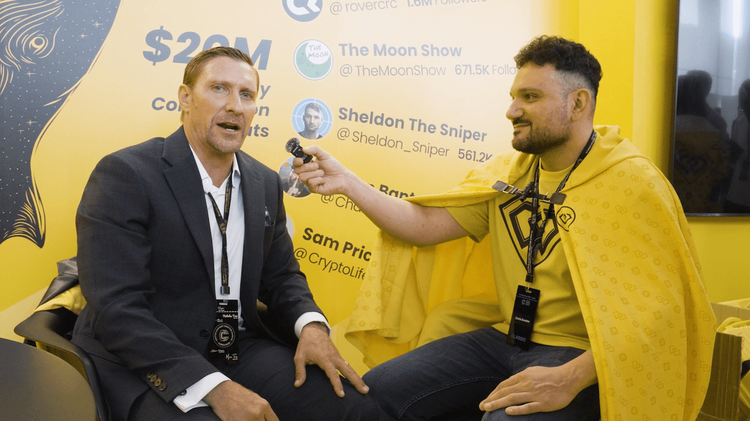
WEEX’s CCCC Lisbon 2025 Recap: Global Presence and the Road Toward AI-Driven Crypto Trading
WEEXは、Crypto Content Creator Campus (CCCC) 2025において、Platinum Sponsorとして、暗号クリエイター、イノベーター、業界リーダーが集う世界有数のイベントで大きな存在感を示し、その歩みを誇らしげに締めくくりました

Coinbaseとマスクのテキサス移転が示すアメリカ経済の新潮流
Key Takeaways Coinbaseのテキサス州への移転は、単なる住所変更以上のものです。それはアメリカにおける企業文化と法的環境に関する根本的な変化を示しています。 特ラワ州からの移転には莫大なコストとリスクが伴いますが、企業は訴訟リスクを回避し、成長の自由を得るためにこの道を選択しました。 従来の特ラワ州の制度が新しいビジネスモデルに適応できない中、テキサスは変革の中心地として浮上しています。 新しい裁判所制度と商業政策を通じて、テキサス州は成長を志向する企業を積極的に誘致しています。 WEEX Crypto News, 2025-11-27 09:32:40 CoinbseとElon Muskの移転によるアメリカ経済の変革 2025年初冬、アメリカ最大の仮想通貨取引所であるCoinbaseが、その登録地を特ラワ州からテキサス州へ移転する手続きを正式に始めました。この決定は、単なる住所変更ではなく、米国の商業史において深刻な意味を持つ「精神的な変革」として注目されています。特ラワ州は、過去100年以上にわたってアメリカの商業文明の中心地であり続けました。この小さな州に登録されている企業は、法的安定性と投資家保護におけるトップレベルのサービスを享受してきました。 しかし、今や特ラワ州のこの盤石の地位に裂け目が生じ、Coinbaseをはじめ、Elon MuskやTripAdvisorのような先進的企業が新たな地平を求めて南方に移動し始めたのです。この移動のおかげで、古い時代の終焉と新しい時代の到来が明確になりました。 新しい自由を求めて流血の道へ 自由の値段は高い。それは特に、Elon…

Department of Government Efficiencyが8か月を残して解散:Trump政権の動向
Key Takeaways: Department of Government Efficiency(DOGE)は、最初の運用期限である2026年7月を8か月残して解散された。 トランプ大統領の就任後すぐに設立されたこの機関は、政府の規模を縮小することを目的としていた。 DOGEはMuskの指導の下、連邦機関の改革を進め、その予算の削減やトランプ政権の優先事項へのシフトを行った。 解散は予想外であり、トランプ政権が今後どのような動きを見せるかに注目が集まっている。 Government Efficiencyの幕引き 2025年11月24日のBlockBeats Newsによると、アメリカ合衆国の政府効率化省(Department of Government Efficiency: DOGE)は、予定されていた運用期間を8か月残して解散されました。この機関の設立は、トランプ大統領が1月に就任した直後のことで、政府の規模を縮小し、効率性を高めることを目指していました。しかし、最近の発表によれば、この試みは予想よりも早く終了することとなります。 DOGE設立の背景…

Dogecoin’s Resilient Spirit Amid Market Challenges
Key Takeaways Dogecoinは、現在の市場の混乱の中でその軽やかさとユーモアを維持している。 市場の不安定さにもかかわらず、Dogecoinのコミュニティは引き続き強い結束を示しています。 Elon Muskのツイートが仮想通貨界の注目を集めているが、Dogecoinへの影響も少なくない。 市場全体の動揺は続いているが、Dogecoinの面白がり文化がユーザーを引きつけている。 暗号通貨市場は不安と期待が交錯する激動の時期を迎えており、その中でDogecoinは独自のポジションを堅持しています。この記事では、現在の不確実な市場を背景にしたDogecoinのユーモラスなアプローチと、その背後にある理由を深く掘り下げます。 Dogecoinのユーモラスなアプローチ 最近の市場動向に関する不安や恐怖の高まりにもかかわらず、Dogecoinはその軽やかな性質を保ち続けています。このクリプトの特異性は、楽観的なコミュニティ精神に支えられています。特に人気があるのはそのユーモラスなツイートであり、例えば最近の「IT WEEKEMD. WHAT A DOGE DO?」といった内容は市場の重苦しいムードを和らげる役割を果たしました。 このような軽やかな姿勢は、Dogecoinのイヤーに設立された「楽しむための通貨」という出発点と一致しています。大衆性、ユーモア、そしてデジタル世界での新しい形のコミュニケーションが、この暗号通貨の普及を助けています。 市場の不確実性とその影響 市場全体が動揺しており、特に2025年11月の初旬に発生した1兆ドル以上の市場価値の急落は破壊的な影響を与えました。このような状況で、多くの投資家が極度の不安を抱いていますが、Dogecoinのコミュニティは、それを独自の文化として取り入れ、より強固なものにしています。…

リスボンCCCC 2025でのWEEX: 仮想通貨コンテンツクリエイターの強化とAI取引時代の火付け役 ハッカソン開催
WEEXのCCCCリスボン2025への参加と今後のAI戦争: WEEX Alpha Awakensハッカソンでは、ヨーロッパ全域および海外への戦略的拡大の鍵となる一歩を踏み出します。

Decentralized science が brain onchain を実現する
brain onchain の時代が来る 想像してみてください。あなたの考えだけでコンピューターを操作したり、失われた視力を取り戻したりする世界を。Neuralinkのようなbrain-computer interface(BCI)が、そんなSFのような現実を私たちにもたらしています。でも、この技術が一握りの企業に独占されるとしたら、どうでしょう? そこにDecentralized science(DeSci)が登場し、脳のデータを共有しつつ個人の自治を守る道を示しています。この記事では、そんな未来を一緒に探ってみましょう。 Neuralinkの創設者であるElon Muskは、2024年に初の人間への脳インプラントを成功させ、「人々に超能力を与える」と語りました。このコインサイズのデバイスは、髪の毛より細い電極を脳の皮質に埋め込み、ニューロン信号を読み取ってワイヤレスでコンピューターに送信します。これにより、重度の麻痺を持つ人々が思考だけでカーソルを動かしたり、タイプしたり、ロボットアームを制御したりできるようになりました。実際、2025年現在、Neuralinkは複数の患者で試験を進め、視覚支援や運動機能の回復に成功事例を報告しています。例えば、最近の公式発表では、患者が思考でビデオゲームをプレイするデモが公開され、世界的な注目を集めました。 しかし、こうした進歩の裏で、懸念が浮上しています。一人の億万長者がコントロールする企業が、人の心の鍵を握るのは危険ではないでしょうか? 脳のコントロールは、人間の最も基本的な自由に関わる問題です。DeSciは、これを分散型ガバナンスで解決しようとしています。科学雑誌でも注目され、脳研究を共有のミッションとして扱い、個人が自分の脳データをコントロールできるようにするのです。まるでインターネットが情報を民主化したように、DeSciは神経データをオープンにしつつプライベートに保つ仕組みを提供します。 BCI技術のグローバルな広がり 中国の研究者チームは最近、BCIを使って被験者の視覚を操作するデバイスを開発しました。これにより、部分的な失明者に視覚を回復させる可能性を示し、「外部刺激が正常な視覚回路にアクセスできる」と結論づけています。2025年10月の最新論文では、この技術がさらに洗練され、臨床試験の段階に入ったと報告されています。でも、誰がこの能力をコントロールするのか? もし第三者が視覚機能を操れるなら、公正なルールが必要です。 ここでDeSciの出番です。brain onchainを実現するために、ブロックチェーンを活用して神経信号をセキュアで検証可能なデジタルデータに変換します。データは完全に個人のコントロール下に置かれ、共有は任意です。結果として、思考だけでソフトウェアを操作しつつ、絶対的な精神的自由を維持できるフレームワークが生まれます。たとえば、DNAデータが身体の特徴を記述するのに対し、脳データは行動や感情を予測するもの。だからこそ、中央集権的な管理はリスクが高いのです。DeSciは、これを分散化することで、個人の自治を守ります。 中央集権 vs.…

アブダビ支援のMGXがNvidia、Microsoftと共にAIインフラ急増に資金注入
アブダビの主権财富基金に支えられたMGXが、わずか1年前にシリコンバレーでほとんど知られていなかった存在から、AI分野の本格的な取引の場に躍り出た様子は、まるでオイルマネーがデジタル革命の波に乗り込んだようなものだ。2024年3月に設立されたこのファンドは、急速に世界的なAIインフラ融資の主要プレーヤーとなりつつある。今週、MGXは史上最大のデータセンター取引である40億ドルのAligned Data Centers買収に参加した。パートナーにはElon MuskのxAI、Microsoft、BlackRock、Nvidiaが名を連ねている。これはまるで、AIの未来を賭けたグローバルなチェスゲームのようなものだ。 MGXの記録的な40億ドルAligned Data Centers取引への投資 MGXは今週、Aligned Data Centersの40億ドル買収という記録的な取引に参画した。これはデータセンター史上最大の取引で、買い手グループにはNvidia、Microsoft、BlackRock、xAIが含まれる。Aligned Data Centersは北米と南米でハイパースケールインフラを構築・運営しており、クラウドプロバイダーやハイパースケーラー向けの施設を提供している。この買収はMGXのAI Infrastructure Partnership(AIP)への参加と直結しており、MicrosoftとBlackRockらによる1000億ドルの共同プロジェクトで、米国のAIワークロード向けデータセンター容量を拡大する狙いだ。 MicrosoftはすでにMGXの創設パートナーであるG42に15億ドルを投資し、Azureクラウドプラットフォームを活用した中東地域のAI能力開発を支援している。これらの提携は、米国と湾岸資本のグローバルなつながりを生み出し、主権支援基金が生成AIシステムの膨大なエネルギーおよびハードウェア需要に資金を提供する流れを作っている。Moor Insights & Strategyの創業者Patrick…

Dogecoin が次に0.60ドルを目指す、DOGE price が1週間で40%上昇後
Dogecoin の価格テクニカルとオンチェーンデータが示すように、ブルマーケットはまだ終わっていない。それが0.60ドルに向けた動きを強める根拠となっている。Dogecoin は数か月にわたる対称三角形からブレイクアウトを果たした。ブレイクアウト中の取引量が3倍に急増し、強いブル勢を示している。 Dogecoin のDOGE price は過去7日間でほぼ40%上昇し、同時期に約8%上昇した広範なクリプト市場を上回っている。このトップmemecoinは今後数週間でさらなる価格成長を示唆しており、テクニカル要因とオンチェーン要因の組み合わせによるものだ。 DOGE price ブレイクアウトが95%の上昇を示唆 週足のDOGE price チャートでは、数か月にわたる対称三角形からのブレイクアウトが見られる。これはブル継続パターンだ。2025年9月15日現在、価格は約0.32ドルで取引されている。重要なのは、ブレイクアウト中の取引量が3倍以上になったことで、強い上昇勢を表している。 DOGE price は三角形の最大高さまで上昇可能で、ブレイクアウト目標を約0.60ドルに置き、現在の価格から約95%の上昇となる。これは10月頃を想定している。一部のチャーティスト、例えばCryptoKingやCryptoGoosは、対称三角形の目標を少し低めの0.45ドルに設定している。これはもう一つの数年にわたるより広い三角形パターンの上部トレンドラインに一致する。 Dogecoin の相対強度指数(RSI)は、過剰買いの閾値70を下回って推移した後、ブルセットアップを強化している。しかし、DOGEブルたちは0.227ドル付近の50週指数移動平均(50-week…

Elon Musk が Grok AI を再訓練して「人間の知識」を「書き換え」へ
公開日時: 2025-08-28T03:30:46.000Z Elon Musk は、彼の AI モデルである Grok のトレーニングに使われたデータに不満を抱いており、今や人間の知識の歴史全体を Grok 風に作り変える計画を立てています。 Musk が Grok AI で人間の知識全体を「書き換え」たい理由 Elon Musk…

MuskがX Moneyのベータテストを2025年予定のローンチ前に確認
Elon Muskが、支払いと銀行アプリの初期テストは人々の貯蓄が関わるため「極めて慎重に」行われるとXで投稿したように、X Moneyのベータテストが始まっていることを確認しました。 X Moneyのベータテストがスタート、Muskの確認 2022年にElon MuskがTwitterを買収した後で予告されていた支払いと銀行アプリのX Moneyが、ベータテストを開始したことをMuskが5月25日のX投稿で確認しました。Tesla Owners Silicon ValleyというファンアカウントがXで「MuskがX Moneyのローンチを間もなく行うことを確認した」と投稿したところ、Musk本人がスレッドに参加してニュースを肯定し、「最初は非常に限定されたアクセスベータになる」と書きました。「人々の貯蓄が関わる場合、極めて慎重でなければならない」と彼は付け加えました。この確認は、X Moneyが2025年に予定されているローンチに向けた重要なステップを示しています。実際、プラットフォームのXアカウントによると、今年のローンチが計画されており、1月のソフトウェアコードのリークに基づくレポートがそれを裏付けています。最新のデータとして、2025年8月28日現在、XはNationwide Multi-State Licensing Systemによると、米国全50州でマネートランスミッターライセンスを取得済みで、サービス拡大の基盤を固めています。これにより、X Moneyはより安全で信頼性の高い支払いプラットフォームとして機能するでしょう。 X…

Elon Musk:IRSが古いcomputersに依存、『基本的なauditsに合格できない』
アメリカの政府効率化の非公式なリーダーであるElon Muskが、Trump政権向けのボランティアITコンサルタントを自任した。 Elon Musk、つまり米国次期大統領Donald Trumpの「Department of Government Efficiency」の非公式責任者が、来るべき政権での好みの肩書きを最近発表した:ボランティアITコンサルタントだ。この億万長者のテクノロジー界の大物の発言は、彼が所有するX.comに投稿された厳しい叱責の一部として出てきたもので、米国政府のcomputer systemsの状態についてのものだった。 Elon Muskが米国政府のcomputer systemsを批判。出典: Elon Musk Elon Muskによると、連邦政府のcomputersとsoftwareは「そんなにひどい状態で、しばしば支払いがfraud、waste、またはabuseでないことを検証できない」そうだ。 Government efficiency…
Elon MuskとTrumpの対立がDogecoinの$0.10以下への急落を招くのか?
公開日時: 2025-08-18T09:20:02.000Z Elon MuskとTrump大統領の破局がDogecoinの$0.10以下への下落を加速させるか? Elon MuskとTrump大統領の公開された対立がDogecoinの7%の下落を引き起こしましたが、$0.06への売却リスクは依然として残っています。 Dogecoin価格がTrump-Muskの対立激化で$0.06への66%下落リスク Elon MuskとDonald Trump大統領の公開された争いが激化する中、Dogecoinの価格が6月6日に約7%下落しました。しかし、DOGE/USDのベアフラグパターンが潜在的な66%の下落を示唆しています。 Dogecoinの価格は、米国大統領Donald Trumpとその最大の支持者であるElon Muskの間で公開された対立が勃発した後、6月5日に弱気転換しました。DOGEの価格は過去24時間で7%下落し、$0.17となり、クラシックな弱気パターンがさらに$0.06への損失を予測しています。 最新のデータによると、今日2025-08-18時点で、Dogecoinは$0.15近辺で取引されており、市場全体のセンチメントが悪化しています。Cointelegraph Markets ProとTradingViewのデータから、Dogecoinは週足チャートで3連続の弱気セッションを示しています。価格は7日間で14%下落し、3週間のスライドを28%に拡大させ、Elon MuskがDonald Trumpとの公開対立をエスカレートさせた影響です。…
Polymarket が Mark Carney を PM に賭ける中、カナダ人が投票へ
多くの世論調査と賭けプラットフォームが、 Liberal Party の候補者 Mark Carney を Conservative Party の Pierre Poilievre に優位だと見なしている、カナダの snap election で次期 prime minister…
フランスがXのalleged algorithmic manipulationで刑事捜査を開始
フランスのJ3 cybercrime unitが、EUの監視が厳しくなる中、Xのalgorithmを調査開始。 フランス検察がXの外国干渉疑惑で調査を開始 フランスの検察当局が、Xのalgorithmを操作して外国干渉を行った疑いで捜査を開始しました。検事のLaure Beccuau氏が金曜日に発表した声明によると、検察はXがフランスの法律に違反し、algorithmを操作してユーザーdataを詐欺的に抽出していたかどうかを調査しています。この捜査は、1月12日にパリ検察のcybercrime部門に提出された2つの報告書に基づいています。一つは、フランス大統領Emmanuel Macron氏のEnsemble Pour La Republique党所属の国会議員Éric Bothorel氏によるもので、もう一つは身元非公開の政府高官からです。 Bothorel氏が金曜日にXに投稿した声明では、彼が最初の問い合わせを提出したのは、「Xプラットフォーム上で極端なinformational biasがあり、これがElon Muskの政治的意見に奉仕するために使われており、これはalgorithmic manipulationを通じてしか起こり得ないと確信した」からだと述べています。彼はさらに、「フランスの司法制度が外国干渉に対抗するための意味ある措置を取っていることを嬉しく思う」と付け加えました。この事件は水曜日に国家憲兵総局に付託され、Xに対する公式な捜査が開始されました。 捜査の焦点は2つあります:組織集団によるautomated data processing…
マスクのDOGE機関がDogecoinロゴ付き公式ウェブサイトを公開
Dogecoinは、Elon Muskのリードする米国政府効率化部門がDogecoinの犬をテーマにしたロゴを表示した公式ウェブサイトを公開した後、急騰しました。この出来事は、Dogecoinの価格を大きく押し上げ、投資家たちの注目を集めています。 DOGE機関のウェブサイト公開でDogecoinが11%以上上昇 Elon Muskが主導する政府効率化部門、つまりDepartment of Government Efficiency(DOGE)は、政府支出の削減と規制の合理化を目指しており、2025年1月21日に公式ウェブサイトを立ち上げました。このサイトはdoge.govで、Dogecoinの象徴的なロゴを採用しています。公開直後、Dogecoin(DOGE)は11%以上上昇し、0.38ドルに達したデータが確認されています。今日、2025年8月10日時点での最新データでは、Dogecoinの価格はさらに勢いを増し、0.45ドル前後で取引されており、市場の活気を物語っています。 Dogecoinの1ヶ月チャートを見ると、この上昇はMuskの機関関連のニュースによるもので、Dogecoinが大きな勢いを得ていることがわかります。小売投資家たちは、この機関がDogecoinと同じロゴと略称を共有しているため、価格の上昇要因として見なしています。2024年11月27日、DogecoinはPorscheの561億ドルの時価総額を超え、Muskの支持とmemecoin向けの交換取引商品(ETP)の発売憶測が後押ししました。 Trump政権がmemecoinの新時代を導く、アナリストがaltseasonを予測 関連する話題として、Trump政権がmemecoinの新時代を到来させ、アナリストたちがaltseasonの可能性を指摘しています。この流れの中で、Dogecoinは特に目立った存在です。 Dogecoin価格が0.4ドル超え、MuskのDOGEに訴訟の可能性 ウェブサイト公開後まもなく、Dogecoinの価格は一時0.40ドルを突破しました。しかし、CoinMarketCapのデータによると、Dogecoinは2021年5月8日の史上最高値0.73ドルから依然として48%以上下落しています。今日2025年8月10日の最新チャートでは、価格は0.45ドル付近で安定しており、回復の兆しが見られます。 一方、Musk主導のDOGE機関は、公共利益法律事務所National Security Counselorsから訴訟の準備が進められていると報じられています。同事務所は、連邦透明性法に違反しているとして、Federal Advisory Committee…
X、Financial Servicesを統合し、2025年のX Money Appローンチを予告
MuskのXが2025年にPaymentsとInvestment Featuresを展開 — レポート ソーシャルメディアアプリのXは、さまざまなFinancial Servicesを間もなく組み込み、ユーザーがアプリ内で直接PaymentsやInvestmentsを行えるようになる予定です。XのCEOであるLinda Yaccarinoは最近のFinancial Timesのインタビューで、プラットフォームの推定600 million usersが最終的に「プラットフォーム上で人生全体を取引できる」ようになり、送金からInvestmentsの管理まで可能になると述べました。 同社は今年後半にXブランドのクレジットカードやデビットカードのローンチも検討しています。X.comは2025年現在、611 million monthly active usersを抱えていると推定されています。ソース:Demandsage。 XのFinancial Servicesへの進出は驚くことではありません。なぜなら、Elon MuskがすでにX…
Twitter’s rate limitとは何で、回避できるのか?
Twitter’s rate limitは、システムの安定性を維持し、滥用を防ぐための仕組みです。rate limitを回避することはできず、一時的な制限を受ける可能性があります。 Twitter’s rate limitは、アプリケーション・プログラミング・インターフェース(API)の使用を制御するためのツールで、滥用を防ぎ、資源への公平なアクセスを提供します。一定期間内にユーザーやアプリケーションが送信できるクエリの数を制限します。 この記事では、Twitter’s rate limitの理由を解説し、プログラマーがその制限内で効果的に動作する方法をお伝えします。今日、2025年8月7日時点の最新情報に基づいて、わかりやすくお話しします。 Twitter’s rate limitを理解する Twitterは、プラットフォームのパフォーマンスと安定性を守るためにrate limitを導入しています。rate limitとは、APIエンドポイントごとに許可されるリクエストの最大数で、通常15分間のウィンドウで定義されます。例えば、あるエンドポイントが15分間に900リクエストのrate limitの場合、任意の15分間で最大900リクエストが可能です。 認証方法によってrate…
Vitalikが語る、XのGrokによる真実性向上と課題
Ethereumの共同創業者であるVitalik Buterinは、GrokがXの真実性を高めると指摘。 Grokはユーザーの政治的偏見を確認するのではなく、それに対抗する回答を提供する。 Elon Muskの影響下にあるAIの調整に関する懸念も。 AIの偏りはシステム全体に拡散する可能性がある。 AIチャットボットの改善が必要とされる背景には、誤情報の拡散がある。 WEEX Crypto News, 2025-12-26 10:12:44 Xの真実性強化のためのGrokの貢献 Vitalik Buterinは、XプラットフォームにGrokというAIチャットボットの導入が真実性に有益であると述べています。このアプローチの主な特徴は、Grokがユーザーからの問い合わせに対し、予期しない答えを提供する能力にあります。ユーザーが偏った意見を確認しようとしても、Grokは彼らの期待に反した答えを出し、反対者の立場を示すことがよくあります。 Buterinによれば、この能力がXのプラットフォームにおける大きな進化を促していて、特に「コミュニティノート」の後にポジティブな影響を及ぼしていると言われています。このため、GrokはXの真実性強化において大きな役割を果たしているのです。 Elon MuskとGrokの影響…
WEEX’s CCCC Lisbon 2025 Recap: Global Presence and the Road Toward AI-Driven Crypto Trading
WEEXは、Crypto Content Creator Campus (CCCC) 2025において、Platinum Sponsorとして、暗号クリエイター、イノベーター、業界リーダーが集う世界有数のイベントで大きな存在感を示し、その歩みを誇らしげに締めくくりました
Coinbaseとマスクのテキサス移転が示すアメリカ経済の新潮流
Key Takeaways Coinbaseのテキサス州への移転は、単なる住所変更以上のものです。それはアメリカにおける企業文化と法的環境に関する根本的な変化を示しています。 特ラワ州からの移転には莫大なコストとリスクが伴いますが、企業は訴訟リスクを回避し、成長の自由を得るためにこの道を選択しました。 従来の特ラワ州の制度が新しいビジネスモデルに適応できない中、テキサスは変革の中心地として浮上しています。 新しい裁判所制度と商業政策を通じて、テキサス州は成長を志向する企業を積極的に誘致しています。 WEEX Crypto News, 2025-11-27 09:32:40 CoinbseとElon Muskの移転によるアメリカ経済の変革 2025年初冬、アメリカ最大の仮想通貨取引所であるCoinbaseが、その登録地を特ラワ州からテキサス州へ移転する手続きを正式に始めました。この決定は、単なる住所変更ではなく、米国の商業史において深刻な意味を持つ「精神的な変革」として注目されています。特ラワ州は、過去100年以上にわたってアメリカの商業文明の中心地であり続けました。この小さな州に登録されている企業は、法的安定性と投資家保護におけるトップレベルのサービスを享受してきました。 しかし、今や特ラワ州のこの盤石の地位に裂け目が生じ、Coinbaseをはじめ、Elon MuskやTripAdvisorのような先進的企業が新たな地平を求めて南方に移動し始めたのです。この移動のおかげで、古い時代の終焉と新しい時代の到来が明確になりました。 新しい自由を求めて流血の道へ 自由の値段は高い。それは特に、Elon…
Department of Government Efficiencyが8か月を残して解散:Trump政権の動向
Key Takeaways: Department of Government Efficiency(DOGE)は、最初の運用期限である2026年7月を8か月残して解散された。 トランプ大統領の就任後すぐに設立されたこの機関は、政府の規模を縮小することを目的としていた。 DOGEはMuskの指導の下、連邦機関の改革を進め、その予算の削減やトランプ政権の優先事項へのシフトを行った。 解散は予想外であり、トランプ政権が今後どのような動きを見せるかに注目が集まっている。 Government Efficiencyの幕引き 2025年11月24日のBlockBeats Newsによると、アメリカ合衆国の政府効率化省(Department of Government Efficiency: DOGE)は、予定されていた運用期間を8か月残して解散されました。この機関の設立は、トランプ大統領が1月に就任した直後のことで、政府の規模を縮小し、効率性を高めることを目指していました。しかし、最近の発表によれば、この試みは予想よりも早く終了することとなります。 DOGE設立の背景…
Dogecoin’s Resilient Spirit Amid Market Challenges
Key Takeaways Dogecoinは、現在の市場の混乱の中でその軽やかさとユーモアを維持している。 市場の不安定さにもかかわらず、Dogecoinのコミュニティは引き続き強い結束を示しています。 Elon Muskのツイートが仮想通貨界の注目を集めているが、Dogecoinへの影響も少なくない。 市場全体の動揺は続いているが、Dogecoinの面白がり文化がユーザーを引きつけている。 暗号通貨市場は不安と期待が交錯する激動の時期を迎えており、その中でDogecoinは独自のポジションを堅持しています。この記事では、現在の不確実な市場を背景にしたDogecoinのユーモラスなアプローチと、その背後にある理由を深く掘り下げます。 Dogecoinのユーモラスなアプローチ 最近の市場動向に関する不安や恐怖の高まりにもかかわらず、Dogecoinはその軽やかな性質を保ち続けています。このクリプトの特異性は、楽観的なコミュニティ精神に支えられています。特に人気があるのはそのユーモラスなツイートであり、例えば最近の「IT WEEKEMD. WHAT A DOGE DO?」といった内容は市場の重苦しいムードを和らげる役割を果たしました。 このような軽やかな姿勢は、Dogecoinのイヤーに設立された「楽しむための通貨」という出発点と一致しています。大衆性、ユーモア、そしてデジタル世界での新しい形のコミュニケーションが、この暗号通貨の普及を助けています。 市場の不確実性とその影響 市場全体が動揺しており、特に2025年11月の初旬に発生した1兆ドル以上の市場価値の急落は破壊的な影響を与えました。このような状況で、多くの投資家が極度の不安を抱いていますが、Dogecoinのコミュニティは、それを独自の文化として取り入れ、より強固なものにしています。…
リスボンCCCC 2025でのWEEX: 仮想通貨コンテンツクリエイターの強化とAI取引時代の火付け役 ハッカソン開催
WEEXのCCCCリスボン2025への参加と今後のAI戦争: WEEX Alpha Awakensハッカソンでは、ヨーロッパ全域および海外への戦略的拡大の鍵となる一歩を踏み出します。


 App
App