
- Buy Crypto
- Markets
- Futures
- Spot
- Copy Trade
 WE-Launch
Master Crypto Futures: Last Price vs. Mark Price

A Beginner's Guide to Crypto Derivatives
Crypto futures rely on specific price reference mechanisms that are essential to how these instruments operate. Here’s what every trader should know:
There are two main types of reference prices you’ll encounter: the Last Price and the Mark Price.
Some trading platforms allow users to choose a reference price to serve as the trigger condition for their Take-Profit and Stop-Loss (TP/SL) orders.
The goal of this mechanism is to help protect traders from significant price differences across platforms, enabling more confident and consistent trading on a single exchange.
Reference prices—especially Mark Price—play a critical role in determining the value of open positions and triggering liquidations. It’s important to understand how they work in order to manage risk effectively.
If you are new to futures contracts, avoid trading them until you fully comprehend their mechanics. A single error while using leverage can lead to the loss of your entire capital.
Last Price vs Mark Price
As highlighted earlier, several reference prices play a pivotal role in the execution and management of futures contracts:
The Last Price refers to the most recent transaction price of the instrument you are trading on that specific platform.
The Mark Price reflects an estimate of the asset’s fair value at a given moment. It is a theoretical value, calculated using methodology that may vary across platforms. Most importantly, it is used to determine margin requirements, trigger liquidations, and evaluate all open positions.
Explanation of Last Price
The Last Price (or Last Traded Price) refers to the most recent transaction price of a trading instrument on the platform where you are executing your trade.
Although it represents the latest market price, the Last Price can vary across different exchanges for the same asset. Since it is theoretically possible for a large trader to manipulate the price on a single platform, the Last Price is not used to determine liquidations. That role is reserved for Mark Price (explained separately).
The Last Price is primarily used to calculate realized profit and loss.
For example, you are trading BTC derivatives on a crypto exchange, and the most recent trade occurred at $100,000. In this case, the Last Price is $100,000. This value reflects the latest trading activity for this specific futures contract on that platform.
If you were trading the same futures product on a different exchange, the Last Price would be based on the most recent trade executed there.
Many crypto traders choose to use the Last Price as the trigger condition for their orders. This approach allows orders and technical analysis to align directly with the price chart of the platform being used.
Additionally, using the Last Price helps ensure that when the market reaches a trader’s desired entry or exit level, the order is executed—regardless of temporary price differences that may exist between exchanges at that moment.
Explanation of Mark Price
The Mark Price is designed to estimate the fair and objective value of a futures contract by aggregating and weighting data from multiple external sources.
The exact formula for calculating the Mark Price varies by platform, but it commonly incorporates elements such as the Index Price (a composite of spot market prices) and the Basis (the difference between futures and spot prices).
As a result, the Mark Price is not a directly traded price—it; it is a theoretical value. Unrealized profit and loss in futures trading are calculated based on the difference between the Mark Price and a trader’s entry price.
For example, suppose you are trading BTC derivatives, and the price of Bitcoin begins to decline rapidly. During this move, you may observe a temporary discrepancy between the Last Price on your platform and the Mark Price. This divergence often occurs during periods of high volatility due to differences in liquidity, trading behavior, and data aggregation across markets.
If the Last Price on your exchange briefly dips below the Mark Price, the effect on your position will depend on which reference price you have selected to trigger orders such as stop-loss or take-profit.
The calculation methodology of the Mark Price makes it more resilient to short-term market manipulation and extreme volatility caused by large orders or illiquid markets.
Because the Mark Price is used to determine liquidations and margin requirements, its multi-source design helps protect traders from artificial price spikes or crashes limited to a single platform.
When to Use the Last Price or Mark Price?
The choice of which price reference to use for triggering orders requires careful consideration and depends on your trading strategy, platform conditions, and risk tolerance.
On most large, liquid centralized exchanges, discrepancies between the Last Price and Mark Price are often small and temporary. However, in certain market environments—such as periods of low liquidity or high volatility—the selection of reference price becomes particularly important. Traders should assess which metric aligns best with their execution and risk management needs.
Using the Last Price may result in executions closer to the visible market price, which is beneficial in liquid markets. For example, a take-profit order set at $100 for Solana (SOL) using the Last Price will typically trigger around that level on your exchange. In contrast, using the Mark Price might lead to slightly different execution values, since it represents a composite fair value estimate rather than the most recent trade. However, the Mark Price can offer meaningful protection on platforms with weaker liquidity or during anomalous price movements, as it relies on aggregated external data rather than a single exchange’s last traded price.
A key risk of using the Last Price for stop-loss orders is the potential mismatch with the Mark Price, which is typically used for liquidation. If the Mark Price reaches your liquidation level before the Last Price triggers your stop, you may be liquidated prematurely—especially if your stop-loss is set very close to your liquidation threshold. Therefore, your decision should account for the liquidity of the contract, the typical magnitude of price deviations, the methodology behind the Mark Price, and the overall stability of the reference prices throughout market cycles.
Conclusion
Understanding the distinct roles of the Last Price and Mark Price is essential for anyone trading crypto futures. Traders should evaluate the liquidity and typical price behavior of the contracts they trade to decide whether the Last Price or Mark Price is more suitable as a trigger for orders. A thorough grasp of these pricing mechanisms can help avoid unexpected liquidations, improve risk management, and protect trading capital.
Further Reading
You may also like
Elon Musk Calls Bitcoin “True Currency”: What It Means for BTC Markets
Elon Musk has once again stirred the crypto conversation, this time by calling energy the true currency.
The Tesla and SpaceX CEO shared this perspective on the social platform X while engaging in a discussion about money, energy, and artificial intelligence.
Although Musk did not explicitly mention Bitcoin in his statement, the cryptocurrency community was quick to draw a direct connection. Bitcoin has long been framed by its proponents as a form of "stored energy"—a digital asset whose security and issuance are fundamentally backed by real-world electricity and computational power.
As market participants closely monitor Musk’s public remarks, his latest comments have reignited a deeper debate about the nature of value itself, and what role Bitcoin might ultimately play in the future monetary system.
Why Elon Musk Calls Energy as True Currency?Musk’s perspective is grounded in principles of physics and resource economics. Energy is the fundamental input that powers all economic activity—from industrial production to data computation. In this framework, traditional currencies are seen merely as accounting tools to facilitate the transfer and measurement of energy over time and space.
Musk has been openly critical of fiat currency systems, highlighting their susceptibility to manipulation and unlimited issuance. Energy, on the other hand, cannot be created from nothing; its production requires tangible infrastructure, raw materials, and continuous input, imposing natural constraints that stand in contrast to the elasticity of government-issued money.
Proponents of Bitcoin argue that this energy-centric worldview aligns seamlessly with Bitcoin’s design. The mining process deliberately ties the creation of new bitcoins and the security of the network to substantial electricity consumption, thereby anchoring its economic cost in physical reality.
This conceptual link explains why Musk’s statements—even when not naming Bitcoin directly—often trigger speculation and discussion within crypto markets.
How Bitcoin Fits the Energy Narrative?Bitcoin is frequently described as monetized energy. The network’s transaction ledger is secured through a competitive mining process where participants expend electricity to solve cryptographic puzzles. As the price of Bitcoin rises, mining becomes more profitable, attracting greater computational power and further increasing energy consumption—which in turn enhances the network’s security.
Why Supporters Call Bitcoin Conserved Energy?This idea gained significant attention after earlier remarks from Musk describing Bitcoin as “based on energy” and contrasting it with fiat currencies that can be “printed at will.” Core arguments supporting this view include:
Bitcoin’s supply is algorithmically capped at 21 million coins.Mining difficulty automatically adjusts based on the total computational power dedicated to the network.The security of the blockchain scales directly with the amount of real-world energy utilized.Some investors interpret this as a more transparent and constrained monetary system. Critics, however, raise concerns about environmental sustainability and the long-term viability of an energy-intensive consensus mechanism. Regardless of stance, Musk’s commentary consistently brings this tension back into public discourse.
Market Reactions and Investor SentimentWhile Musk’s direct influence on crypto prices has moderated since the peak of the 2020–2021 market cycle, his statements continue to shape trader sentiment and media narratives. Bitcoin’s market movements often correlate as strongly with shifts in conceptual narrative—especially those tied to technology, energy, and macroeconomics—as with specific regulatory or institutional developments.
Why Markets Still Listen to Musk?Musk remains a uniquely influential figure at the intersection of technology, energy, and futurism. His companies, Tesla and SpaceX, are deeply engaged in energy innovation and large-scale infrastructure. Meanwhile, the explosive growth of artificial intelligence is dramatically increasing global electricity demand—a trend that indirectly highlights the themes of energy scarcity and allocation that underpin Bitcoin’s value proposition.
Some analysts believe this broader context reinforces Bitcoin’s long-term narrative as a scarce digital commodity backed by real-world resource expenditure. Musk’s recent allusion to AI as a potential “infinite money glitch” further fuels theoretical discussions about value in a digitized, energy-aware economy.
That said, Musk’s relationship with Bitcoin has been notably nuanced. After a period of overt support, his stance has become more measured, and he continues to express personal favor toward Dogecoin. This ambiguity leads markets to interpret rather than blindly follow his comments, adding a layer of narrative volatility without consistent directional pressure.
ConclusionElon Musk’s characterization of energy as the true currency may read as philosophical, but it resonates deeply with one of Bitcoin’s core value narratives. By framing monetary value in terms of fundamental physical resources, Musk indirectly reinforces the idea that Bitcoin represents a credible alternative to traditional fiat systems—not through direct endorsement, but through conceptual alignment.
For observers and participants in the crypto space, this underscores how Bitcoin’s market valuation is often propelled by ideological and narrative currents as much as by technical or on-chain metrics. As the digital asset landscape continues to mature, engaging with these foundational ideas remains essential for understanding Bitcoin’s potential role in a reimagined global economy.
Ready to trade Bitcoin?Join WEEX now—enjoy zero trading fees, smooth execution, and instant access. Sign up today and start trading in minutes.
Further ReadingHow to Trade Bitcoin Futures on WEEX?What Is Bitcoin and How Does It Work?If You Invested $1,000 in Bitcoin 10 years ago, Here’s How Much You’d Have NowBitcoin at $126,000: What's Next?Disclaimer: The opinions expressed in this article are for informational purposes only. This article does not constitute an endorsement of any of the products and services discussed or investment, financial, or trading advice. Qualified professionals should be consulted prior to making financial decisions.

Is Gold Still a Good Investment in 2026? Everything You Need to Know
As 2026 approaches, concerns about economic stability, inflation, and market volatility have moved back to the forefront of investor conversations. This naturally leads many to ask: is gold still a good investment? In times of uncertainty, gold traditionally reemerges as a favored store of value and a hedge against instability.
While today's portfolios incorporate a broader spectrum of assets, gold still holds a meaningful place. Rather than being seen as outdated, it is increasingly reevaluated as a component of a diversified investment strategy—especially now that digital platforms offer more flexible and accessible ways to invest in it. This evolution directly addresses the modern investor's question: is gold still a good investment today?
Is Gold Still a Good Investment in 2026?Gold has maintained its value across centuries not because it generates yield, but because it preserves purchasing power during times of economic stress. When confidence in fiat currencies or financial systems falters, gold often experiences renewed demand.
This dynamic remains pertinent in 2026, as the global economy confronts slower growth, lingering inflationary pressures, and ongoing geopolitical tensions. For those pondering is gold still a good investment, this enduring relevance is a key consideration.
Unlike equities, gold is not tied to corporate profits or consumer demand. Its price is shaped by supply limitations, central bank activity, and shifts in investor sentiment. This quality makes it particularly attractive when traditional assets undergo periods of heightened volatility. Though gold prices can fluctuate, their long-term function has been to mitigate overall portfolio risk rather than to maximize returns.
Another enduring appeal of gold is its historically low correlation with stocks. During equity market downturns, gold often moves independently, helping to smooth out portfolio performance. This doesn’t mean gold always rises when stocks fall, but it has consistently provided stability when confidence erodes elsewhere in the market. This characteristic is a central part of the argument for why gold is still a good investment today as a diversifier.
Looking ahead to 2026, gold is likely to continue serving as a strategic allocation—not a speculative trade. Investors focused on resilience rather than rapid growth frequently turn to gold in uncertain climates. As part of a broader strategy, it can effectively complement equities and other asset classes rather than replace them.
Gold Outlook and Risk ConsiderationsWhile gold offers stability, it is not without risks. Its price can stagnate during periods of robust economic growth or rising real interest rates. Investors should also note that gold does not generate income, making opportunity cost a key consideration—especially when other assets are delivering strong returns. A balanced assessment of whether gold is still a good investment must account for these trade-offs.
Central bank policy significantly influences gold pricing. Shifts in interest rates, currency strength, and reserve management can all affect demand. Should inflation persist or confidence in fiat currencies weaken, gold may see increased interest. Conversely, if economic conditions improve and yields climb, gold could face downward pressure.
Accessibility is another factor to consider. Physical gold involves storage, insurance, and liquidity considerations, which can deter smaller investors. This has traditionally limited gold exposure to those able to manage these logistical challenges.
Despite these limitations, gold’s role as a defensive asset endures. For investors focused on capital preservation rather than aggressive growth, gold continues to offer a measure of security. The key is to balance gold exposure with other assets capable of performing under different market conditions.
This is where modern financial instruments and digital assets come into play—offering alternative pathways to gain gold exposure without traditional barriers, making the practical case for gold as a good investment today stronger than ever.
How to Gain Exposure to Gold Within a Diversified PortfolioToday’s investors can access gold through various channels beyond physical bullion, which simplifies the process of adding it to a portfolio:
Gold ETFs and ETCs: Exchange-traded products offer liquid, secure exposure without the need for physical storage.Tokenized Gold: Digital tokens backed by physical gold allow for fractional ownership and easier transferability, often on blockchain-based platforms.Gold Mining Stocks and Mutual Funds: These provide indirect exposure, though they carry additional sector-specific and operational risks.Digital Asset Platforms: Some integrated trading environments allow users to include gold-related assets alongside cryptocurrencies and other instruments, supporting a more holistic portfolio approach.By thoughtfully blending gold with equities, bonds, cryptocurrencies, and other alternative assets, investors can build resilient, adaptable portfolios suited to evolving economic conditions.
ConclusionIs gold still a good investment? The evidence suggests it remains a relevant and prudent choice in 2026, particularly for investors seeking stability amid economic uncertainty. While it may not deliver high growth, its ability to preserve value and reduce portfolio risk continues to attract those with a long-term perspective. Therefore, for many, the answer to is gold still a good investment today is a conditional yes—as a strategic diversifier.
Modern investment vehicles—including tokenized gold and digitally-native platforms—now make gaining exposure easier, more efficient, and more flexible. In an era of rapid financial innovation, combining gold with other asset classes allows investors to navigate changing markets with greater confidence and adaptability, reaffirming its role in a contemporary portfolio.
Further ReadingWhich Crypto Will Go 1000x in 2026?How to Invest in Gold: The Complete Beginner’s GuideIs Crypto Casino Safe? Everything You Need to KnowDisclaimer: The opinions expressed in this article are for informational purposes only. This article does not constitute an endorsement of any of the products and services discussed or investment, financial, or trading advice. Qualified professionals should be consulted prior to making financial decisions.
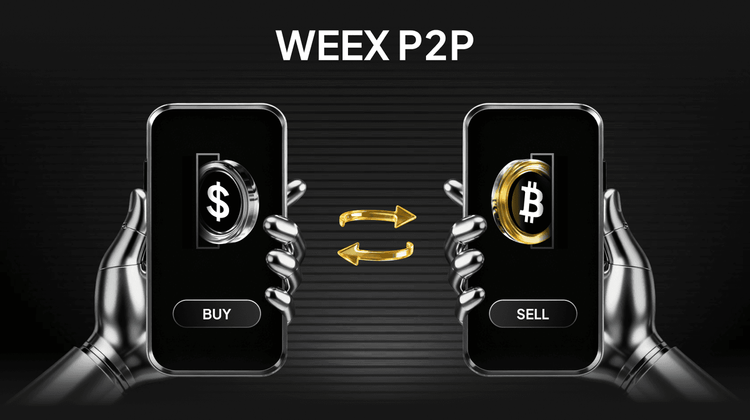
Buy USDT with UPI on WEEX P2P – 0 Fee & 24/7 INR Ads
UPI is recognized across India as a leading solution for fast and seamless cryptocurrency purchases using INR. With WEEX P2P, users can buy crypto directly through UPI with zero fees, access 24/7 verified merchants, and enjoy ultra-fast release times.
Compared with Binance, Bybit, and local OTC platforms, WEEX consistently offers better INR exchange rates, safer escrow protection, and more available ads for UPI users.
With more users in India turning to crypto, having easy and safe access to digital assets has become increasingly important. With WEEX P2P, users can buy USDT, BTC, or ETH via UPI with instant processing, 0% buyer fees, and professional merchant support.
What is P2P Trading?
Peer-to-Peer (P2P) trading allows users to buy and sell crypto directly with other users, while the platform acts as a secure intermediary.
On WEEX P2P:
Crypto is held in escrowSellers release assets only after payment is confirmedTrades are processed quickly and safelyThis ensures zero counterparty risk and allows users to pay via local banking methods for a seamless experience.
Why WEEX P2P is the Best Choice for UPI Users
WEEX P2P offers key advantages to users purchasing crypto with INR via UPI:
0% buyer fees:Save 2–8% compared to competing platforms and maximize the value of every tradeFast release times :Funds are typically released within 1–3 minutes, ensuring a smooth and efficient buying experienceOfficial escrow protection:Platform-managed escrow guarantees 100% transaction safetyFlexible trade sizes:Supports everything from small purchases to large-volume transactionsBest INR exchange rates for UPI users: Enjoy highly competitive pricing tailored for UPI paymentsThousands of merchants online 24/7: Deep liquidity and constant availability at any time of dayMore UPI ads than any competitor: Greater choice, faster matching, and higher deal completion ratesWhether you’re buying 1,000 INR or 1,000,000 INR, WEEX ensures fast, safe, and cost-efficient crypto purchases.
How to Buy USDT with UPI on WEEX P2P
Buying crypto with UPI on WEEX is simple and fast. Follow these steps:
Register on WEEX and complete basic KYC verification Create your WEEX account and finish the basic identity verification process, which typically takes less than one minute to complete.Navigate to Buy Crypto → P2P Trading From the main menu, enter the P2P trading section and select INR as your preferred fiat currency.Apply the “UPI” filter Enable the UPI payment filter to view only those merchant advertisements that support UPI bank transfers.Select the most suitable merchant Review and compare available merchants based on key indicators, including:Exchange priceOrder completion rateTotal trading volumeReal-time online statusEnter the amount you wish to purchase Input your desired crypto amount, and the system will automatically calculate and display the exact payable amount in INR.Complete the payment via UPI Transfer the displayed amount using UPI, following the bank details provided by the selected merchant.Confirm payment and notify the seller Click “Transferred, Notify Seller” after completing the transfer. The seller will then verify your payment and promptly release the cryptocurrency to your WEEX account.Your USDT will arrive instantly in your WEEX wallet — safe, fast, and with zero fees.
Frequently Asked Questions (FAQ)
Q1: Are there any fees when paying with UPI? A: 0% fee for buyers. Only sellers pay a small fee.
Q2: How fast will I receive USDT? A: Usually 1–5 minutes after marking payment as sent.
Q3: Is buying with UPI safe on WEEX? A: Yes. All trades use official escrow.
Q4: Do I need full KYC? A: Basic KYC is required for P2P trading.
Ready to Buy USDT with UPI?
Start buying crypto in under 3 minutes — fast, safe, and 0% fee for buyers!
Start Buying USDT on WEEX P2P with UPI Now!
Buy USDT with Digital eRupee on WEEX P2P – 0 Fee & 24/7 INR Merchants
Across India, Digital eRupee stands out as a top choice for quick and smooth cryptocurrency purchases with INR. With WEEX P2P, users can buy crypto directly through Digital eRupee with zero fees, access 24/7 verified merchants, and enjoy ultra-fast release times.
Compared with Binance, Bybit, and local OTC platforms, WEEX consistently offers better INR exchange rates, safer escrow protection, and more available ads for Digital eRupee users.
With the rising number of crypto users in India, the need for convenient and safe access to digital assets has never been greater. With WEEX P2P, users can buy USDT, BTC, or ETH via Digital eRupee with instant processing, 0% buyer fees, and professional merchant support.
What is P2P Trading?
Peer-to-Peer (P2P) trading allows users to buy and sell crypto directly with other users, while the platform acts as a secure intermediary.
On WEEX P2P:
Crypto is held in escrowSellers release assets only after payment is confirmedTrades are processed quickly and safelyThis ensures zero counterparty risk and allows users to pay via local banking methods for a seamless experience.
Why WEEX P2P is the Best Choice for Digital eRupee Users
WEEX P2P offers key advantages to users purchasing crypto with INR via Digital eRupee:
0% buyer fees:Save 2–8% compared to competing platforms and maximize the value of every tradeFast release times :Funds are typically released within 1–3 minutes, ensuring a smooth and efficient buying experienceOfficial escrow protection:Platform-managed escrow guarantees 100% transaction safetyFlexible trade sizes:Supports everything from small purchases to large-volume transactionsBest INR exchange rates for Digital eRupee users: Enjoy highly competitive pricing tailored for Digital eRupee paymentsThousands of merchants online 24/7: Deep liquidity and constant availability at any time of dayMore Digital eRupee ads than any competitor: Greater choice, faster matching, and higher deal completion ratesWhether you’re buying 1,000 INR or 1,000,000 INR, WEEX ensures fast, safe, and cost-efficient crypto purchases.
How to Buy USDT with Digital eRupee on WEEX P2P
Buying crypto with Digital eRupee on WEEX is simple and fast. Follow these steps:
Register on WEEX and complete basic KYC verification Create your WEEX account and finish the basic identity verification process, which typically takes less than one minute to complete.Navigate to Buy Crypto → P2P Trading From the main menu, enter the P2P trading section and select INR as your preferred fiat currency.Apply the “Digital eRupee” filter Enable the Digital eRupee payment filter to view only those merchant advertisements that support Digital eRupee bank transfers.Select the most suitable merchant Review and compare available merchants based on key indicators, including:Exchange priceOrder completion rateTotal trading volumeReal-time online statusEnter the amount you wish to purchase Input your desired crypto amount, and the system will automatically calculate and display the exact payable amount in INR.Complete the payment via Digital eRupee Transfer the displayed amount using Digital eRupee, following the bank details provided by the selected merchant.Confirm payment and notify the seller Click “Transferred, Notify Seller” after completing the transfer. The seller will then verify your payment and promptly release the cryptocurrency to your WEEX account.Your USDT will arrive instantly in your WEEX wallet — safe, fast, and with zero fees.
Frequently Asked Questions (FAQ)
Q1: Are there any fees when paying with Digital eRupee? A: 0% fee for buyers. Only sellers pay a small fee.
Q2: How fast will I receive USDT? A: Usually 1–5 minutes after marking payment as sent.
Q3: Is buying with Digital eRupee safe on WEEX? A: Yes. All trades use official escrow.
Q4: Do I need full KYC? A: Basic KYC is required for P2P trading.
Ready to Buy USDT with Digital eRupee?
Start buying crypto in under 3 minutes — fast, safe, and 0% fee for buyers!
Start Buying USDT on WEEX P2P with Digital eRupee Now!
Buy USDT with Google Pay (GPay) on WEEX P2P – 0 Fee & Ultra-Fast INR Trades
Google Pay (GPay) is widely recognized in India as a leading and reliable solution for fast, seamless cryptocurrency purchases using INR. With WEEX P2P, users can buy crypto directly through Google Pay (GPay) with zero fees, access 24/7 verified merchants, and enjoy ultra-fast release times.
Compared with Binance, Bybit, and local OTC platforms, WEEX consistently offers better INR exchange rates, safer escrow protection, and more available ads for Google Pay (GPay) users.
As crypto adoption continues to grow in India, easy and secure access to digital assets is becoming increasingly essential. With WEEX P2P, users can buy USDT, BTC, or ETH via Google Pay (GPay) with instant processing, 0% buyer fees, and professional merchant support.
What is P2P Trading?
Peer-to-Peer (P2P) trading allows users to buy and sell crypto directly with other users, while the platform acts as a secure intermediary.
On WEEX P2P:
Crypto is held in escrowSellers release assets only after payment is confirmedTrades are processed quickly and safelyThis ensures zero counterparty risk and allows users to pay via local banking methods for a seamless experience.
Why WEEX P2P is the Best Choice for Google Pay (GPay) Users
WEEX P2P offers key advantages to users purchasing crypto with INR via Google Pay (GPay):
0% buyer fees:Save 2–8% compared to competing platforms and maximize the value of every tradeFast release times :Funds are typically released within 1–3 minutes, ensuring a smooth and efficient buying experienceOfficial escrow protection:Platform-managed escrow guarantees 100% transaction safetyFlexible trade sizes:Supports everything from small purchases to large-volume transactionsBest INR exchange rates for Google Pay (GPay) users: Enjoy highly competitive pricing tailored for Google Pay (GPay) paymentsThousands of merchants online 24/7: Deep liquidity and constant availability at any time of dayMore Google Pay (GPay) ads than any competitor: Greater choice, faster matching, and higher deal completion ratesWhether you’re buying 1,000 INR or 1,000,000 INR, WEEX ensures fast, safe, and cost-efficient crypto purchases.
How to Buy USDT with Google Pay (GPay) on WEEX P2P
Buying crypto with Google Pay (GPay) on WEEX is simple and fast. Follow these steps:
Register on WEEX and complete basic KYC verification Create your WEEX account and finish the basic identity verification process, which typically takes less than one minute to complete.Navigate to Buy Crypto → P2P Trading From the main menu, enter the P2P trading section and select INR as your preferred fiat currency.Apply the “Google Pay (GPay)” filter Enable the Google Pay (GPay) payment filter to view only those merchant advertisements that support Google Pay (GPay) bank transfers.Select the most suitable merchant Review and compare available merchants based on key indicators, including:Exchange priceOrder completion rateTotal trading volumeReal-time online statusEnter the amount you wish to purchase Input your desired crypto amount, and the system will automatically calculate and display the exact payable amount in INR.Complete the payment via Google Pay (GPay) Transfer the displayed amount using Google Pay (GPay), following the bank details provided by the selected merchant.Confirm payment and notify the seller Click “Transferred, Notify Seller” after completing the transfer. The seller will then verify your payment and promptly release the cryptocurrency to your WEEX account.Your USDT will arrive instantly in your WEEX wallet — safe, fast, and with zero fees.
Frequently Asked Questions (FAQ)
Q1: Are there any fees when paying with Google Pay (GPay)? A: 0% fee for buyers. Only sellers pay a small fee.
Q2: How fast will I receive USDT? A: Usually 1–5 minutes after marking payment as sent.
Q3: Is buying with Google Pay (GPay) safe on WEEX? A: Yes. All trades use official escrow.
Q4: Do I need full KYC? A: Basic KYC is required for P2P trading.
Ready to Buy USDT with Google Pay (GPay)?
Start buying crypto in under 3 minutes — fast, safe, and 0% fee for buyers!
Start Buying USDT on WEEX P2P with Google Pay (GPay) Now!
Buy USDT with Easypaisa on WEEX P2P – 0 Fee & 24/7 PKR Ads
Easypaisa is a well-known and reliable platform in Pakistan for fast crypto purchases using PKR. With WEEX P2P, users can buy crypto directly through Easypaisa with zero fees, access 24/7 verified merchants, and enjoy ultra-fast release times.
Compared with Binance, Bybit, and local OTC platforms, WEEX consistently offers better PKR exchange rates, safer escrow protection, and more available ads for Easypaisa users.
As more users in Pakistan embrace crypto, secure and user-friendly access to digital assets is becoming a key need. With WEEX P2P, users can buy USDT, BTC, or ETH via Easypaisa with instant processing, 0% buyer fees, and professional merchant support.
What is P2P Trading?
Peer-to-Peer (P2P) trading allows users to buy and sell crypto directly with other users, while the platform acts as a secure intermediary.
On WEEX P2P:
Crypto is held in escrowSellers release assets only after payment is confirmedTrades are processed quickly and safelyThis ensures zero counterparty risk and allows users to pay via local banking methods for a seamless experience.
Why WEEX P2P is the Best Choice for Easypaisa Users
WEEX P2P offers key advantages to users purchasing crypto with PKR via Easypaisa:
0% buyer fees:Save 2–8% compared to competing platforms and maximize the value of every tradeFast release times :Funds are typically released within 1–3 minutes, ensuring a smooth and efficient buying experienceOfficial escrow protection:Platform-managed escrow guarantees 100% transaction safetyFlexible trade sizes:Supports everything from small purchases to large-volume transactionsBest PKR exchange rates for Easypaisa users: Enjoy highly competitive pricing tailored for Easypaisa paymentsThousands of merchants online 24/7: Deep liquidity and constant availability at any time of dayMore Easypaisa ads than any competitor: Greater choice, faster matching, and higher deal completion ratesWhether you’re buying 1,000 PKR or 1,000,000 PKR, WEEX ensures fast, safe, and cost-efficient crypto purchases.
How to Buy USDT with Easypaisa on WEEX P2P
Buying crypto with Easypaisa on WEEX is simple and fast. Follow these steps:
Register on WEEX and complete basic KYC verification Create your WEEX account and finish the basic identity verification process, which typically takes less than one minute to complete.Navigate to Buy Crypto → P2P Trading From the main menu, enter the P2P trading section and select PKR as your preferred fiat currency.Apply the “Easypaisa” filter Enable the Easypaisa payment filter to view only those merchant advertisements that support Easypaisa bank transfers.Select the most suitable merchant Review and compare available merchants based on key indicators, including:Exchange priceOrder completion rateTotal trading volumeReal-time online statusEnter the amount you wish to purchase Input your desired crypto amount, and the system will automatically calculate and display the exact payable amount in PKR.Complete the payment via Easypaisa Transfer the displayed amount using Easypaisa, following the bank details provided by the selected merchant.Confirm payment and notify the seller Click “Transferred, Notify Seller” after completing the transfer. The seller will then verify your payment and promptly release the cryptocurrency to your WEEX account.Your USDT will arrive instantly in your WEEX wallet — safe, fast, and with zero fees.
Frequently Asked Questions (FAQ)
Q1: Are there any fees when paying with Easypaisa? A: 0% fee for buyers. Only sellers pay a small fee.
Q2: How fast will I receive USDT? A: Usually 1–5 minutes after marking payment as sent.
Q3: Is buying with Easypaisa safe on WEEX? A: Yes. All trades use official escrow.
Q4: Do I need full KYC? A: Basic KYC is required for P2P trading.
Ready to Buy USDT with Easypaisa?
Start buying crypto in under 3 minutes — fast, safe, and 0% fee for buyers!
Start Buying USDT on WEEX P2P with Easypaisa Now!

What is Purple Wojak (PURK)? A New Meme Coin with Stable Potential
Purple Wojak (PURK) is a Solana-based meme coin centered on the Purple Wojak character, emphasizing emotional connection and cultural identity over aggressive hype. The project prioritizes calm confidence and steady community growth, distinguishing itself through a focus on narrative resonance rather than speculative frenzy. Its roadmap outlines a gradual, community-driven development path aligned with sustainable engagement.
PURK emerged as a distinctive voice in the often-chaotic Solana meme coin ecosystem, positioning itself as an alternative grounded in emotional continuity and composed participation. Unlike many tokens that amplify volatility and urgency, PURK centers its identity around steadiness and relatability—a narrative that resonates particularly with participants familiar with the emotional cycles of crypto markets.
The concept reflects a response to the high-intensity trading culture, offering a symbol of resilience and quieter confidence. This focus on sentiment over sensationalism has allowed PURK to cultivate a community drawn to consistency and shared identity rather than transient hype.
How PURK Was Created?PURK originated from the idea of embedding calm and reflection into meme coin culture. The name plays on the notion of taking a moment to “perk up” with composure amid market noise. The development team observed how established meme archetypes evolve through subtle reinvention and timing, leading them to introduce the Purple Wojak—a familiar symbol reinterpreted through a lens of resilience and individuality.
Rather than pursuing viral novelty, the creators focused on emotional authenticity, designing PURK to reflect a mindset of patience and stability. This intentional approach to branding and community tone set it apart during its launch phase, attracting holders who identified with its underlying sentiment.
What's Behind Purple Wojak (PURK)?The Wojak character has long served as a vessel for expressing collective emotion in online spaces. PURK reimagines this figure in purple—a color associated with creativity, introspection, and resilience. The Purple Wojak symbolizes maintaining steadiness in volatile conditions, embodying a stance of quiet confidence rather than reactive emotion.
This symbolic layer adds depth to PURK’s identity, allowing it to function not just as a tradable asset but as a cultural marker for a particular mindset. For many in its community, holding PURK represents alignment with values of composure and endurance, enriching engagement beyond mere price speculation.
Why Purple Wojak (PURK) Is Built on Solana?PURK leverages the Solana blockchain for its speed, low transaction costs, and vibrant retail-friendly ecosystem. Solana has become a hub for meme coin experimentation, offering the technical infrastructure and community dynamics that support cultural tokens like PURK.
By building on Solana, PURK ensures accessibility for a broad range of users, facilitates frequent social and transactional interaction, and taps into an existing network of developers, creators, and traders who value fast, low-friction engagement.
Purple Wojak (PURK) as a Meme CoinAs a meme coin, PURK does not rely on complex utility or technical claims. Its value is derived primarily from cultural resonance, community identity, and narrative cohesion. It operates within the established meme coin tradition while consciously adopting a more reflective and sustained tone.
This differentiation in messaging—emphasizing stability over urgency—has allowed PURK to carve out a distinct niche, appealing to participants looking for emotional alignment as much as financial opportunity.
Purple Wojak (PURK) RoadmapPURK’s early-stage roadmap focuses on solidifying its cultural presence and strengthening community foundations. Initial phases prioritize branding consistency, visual identity expansion, and organic growth across social platforms. The token’s launch via platforms like Pump.fun provided early visibility within the Solana ecosystem.
Subsequent stages aim to deepen Purple Wojak’s recognition as a cultural symbol through coordinated community initiatives, collaborative projects, and thoughtful ecosystem integrations. The roadmap reflects a commitment to gradual, organic growth rather than artificial spikes in attention.
Community participation is central to this strategy. Daily engagement, user-generated content, and shared storytelling help foster a sense of ownership and continuity—key factors in sustaining relevance beyond the initial launch period for meme-driven projects.
ConclusionPURK represents an attempt to infuse meme coin culture with emotional nuance and a focus on steady presence. Through the Purple Wojak, it offers a symbol of composure and resilience in a space often dominated by noise and impulsivity. While still in its early stages, PURK’s emphasis on community identity, consistent narrative, and calm confidence positions it as a culturally distinct project within the Solana meme ecosystem—one that values enduring connection as much as market participation.
Ready to trade cryptocurrencies?Join WEEX now—enjoy zero trading fees, smooth execution, and instant access. Sign up today and start trading in minutes.
Further ReadingWhat is WOJAK and Why WOJAK Is Trending Again?Why POPCAT Crashes? A Complete ExplanationWhat Is MANYU? ManyuShiba Meme Coin ExplainedDisclaimer: The opinions expressed in this article are for informational purposes only. This article does not constitute an endorsement of any of the products and services discussed or investment, financial, or trading advice. Qualified professionals should be consulted prior to making financial decisions.

Which Crypto Will Go 1000x in 2026?
Examining historical 1000x gainers reveals patterns centered on timing, narrative, and network effects rather than predictable fundamentals. Such extraordinary returns typically emerge from assets that started with low valuations, aligned with powerful cultural or technological shifts, and captured momentum at the right phase of a broader market cycle.
Bitcoin (BTC): Initially valued at pennies, Bitcoin introduced decentralized digital scarcity and established a new asset class. Its growth beyond 1000x was fueled by growing institutional trust, global adoption, and its evolution into a macroeconomic reserve asset over multiple cycles.Ethereum (ETH): Launched as a smart contract platform, Ethereum unlocked decentralized applications, DeFi, and NFTs. Early participants realized exponential gains as its ecosystem became the foundation for Web3 innovation.Dogecoin (DOGE): Originally created as a humorous experiment, Dogecoin leveraged community-driven virality and celebrity endorsement to achieve parabolic returns, demonstrating the power of meme culture in financial markets.Shiba Inu (SHIB): Starting with a micro-cap valuation, SHIB capitalized on meme coin mania and retail frenzy, delivering gains measured in tens of thousands of percent through exchange listings and expanding ecosystem narratives.Pepe (PEPE): A 2023 entrant with no functional utility, PEPE illustrated how internet-native memes can rapidly translate into speculative financial assets, briefly generating multi-billion-dollar valuations purely through social momentum.These cases underscore that 1000x outcomes are less about guarantees and more about early exposure, compelling storytelling, and favorable market psychology.
Top Cryptos With 1000x Potential in 2026Identifying tokens with 1000x potential requires a focus on the high-risk, high-reward segment of the market. The following assets represent speculative narratives that could attract extreme capital flows during aggressive bull phases. All projections are illustrative and assume optimal market conditions.
Bitcoin Hyper (HYPER): Positions as a Bitcoin Layer-2 solution aiming to extend functionality beyond store of value. Benefits from strong Bitcoin-centric narratives during BTC-led market cycles.Dogecoin (DOGE): As one of the most recognized cryptocurrencies globally, DOGE retains potential for resurgence driven by community loyalty, social media trends, and celebrity influence.Pepe (PEPE): A pure meme asset relying entirely on cultural virality and speculative momentum, historically capable of rapid multi-billion dollar valuation spikes.Shiba Inu (SHIB): Evolved from a meme token into an ecosystem with its own Layer-2 network, combining community scale with ongoing development to sustain speculative interest.These tokens are characterized by high volatility, narrative dependency, and sensitivity to broader market sentiment. Position sizing and exit planning are critical when engaging with such assets.
High-Growth Cryptos That Could Still Deliver Significant ReturnsNot all opportunities require extreme risk. Many investors achieve substantial returns through established projects with clearer fundamentals, growing adoption, and ecosystem maturity. While unlikely to deliver 1000x from current valuations, these assets can still produce strong performance in favorable market conditions.
Maverick Protocol (MAV): A decentralized exchange emphasizing capital efficiency for liquidity providers. Positioned to benefit from renewed DeFi activity and trading volume expansion in bull markets.Sui (SUI): A high-throughput Layer-1 blockchain focused on consumer applications like gaming and payments. Gains traction through developer adoption and scalability narratives.Aptos (APT): A scalable Layer-1 with institutional backing, increasingly associated with real-world asset tokenization and enterprise use cases.These projects represent a more balanced risk-return profile, appealing to investors seeking exposure to crypto growth with relatively stronger fundamental grounding.
Can These Cryptos Make You a Millionaire?The possibility exists, but it is contingent on specific and often unforgiving conditions. True millionaire-making outcomes typically require:
Exceptionally early entry before broad recognitionFavorable macro and market cycle timingDisciplined position management and profit-takingMost successful crypto wealth stories involve a portfolio approach, where one or two high-conviction winners offset other positions. Equally important is the discipline to secure gains—many paper millionaires fail to realize profits by holding through volatile downturns.
While the assets discussed could theoretically generate life-changing returns, achieving such results depends far more on strategy, risk management, and emotional control than on merely selecting the "right" token.
Conclusion: Which Crypto Will Give 1000x in 2026?There is no definitive answer, as 1000x returns are inherently unpredictable and historically rare. They tend to emerge from narratives that resonate deeply during specific market phases, often beginning as overlooked or dismissed ideas.
Investors should balance ambition with pragmatism: high-risk meme and narrative-driven tokens offer theoretical upside but come with extreme volatility and failure rates. More established projects provide growth potential with comparatively lower risk.
Ultimately, the search for exponential returns is less about prediction and more about preparation—staying informed, managing exposure, maintaining discipline, and recognizing that in crypto, timing and psychology often outweigh fundamentals in the short to medium term.
Further ReadingWhat Is Dogecoin and How Does It Work?What Is Ethereum and How Does It Work?What Is Shiba Inu and How Does It Work?Disclaimer: The opinions expressed in this article are for informational purposes only. This article does not constitute an endorsement of any of the products and services discussed or investment, financial, or trading advice. Qualified professionals should be consulted prior to making financial decisions.
How to Keep Your Crypto Safe? Everything You Need to Know
One of the defining attributes of cryptocurrency, compared to traditional fiat currencies such as the U.S. dollar, is the direct ownership and control it grants individuals over their digital assets.
Rather than depending on banks or financial institutions to hold and transfer value, cryptocurrency is inherently designed to be accessed solely by the holder of the associated digital wallet. This architecture makes it resistant to censorship, seizure, or freezing by centralized authorities—provided it is stored with appropriate security measures.
However, this self-custody model also imposes the full responsibility of security on the individual. In an industry where theft, fraud, and accidental loss are not uncommon, safeguarding crypto assets demands knowledge and vigilance. While acquiring cryptocurrency has become increasingly accessible, knowing how to store it securely remains a challenging task, especially for those less familiar with technology.
How to Store Crypto Safely?Since cryptocurrencies exist purely in digital form, there are no physical tokens to place in safes or vaults. Instead, access to your crypto is managed through digital wallets—software applications or dedicated hardware devices that securely store the cryptographic keys needed to control your funds.
A deeper understanding of wallet types and their security trade-offs is essential for anyone entering the crypto space.
How Crypto Wallets WorkTo grasp how cryptocurrency security functions, it helps to understand the role of cryptographic keys generated with each wallet.
When a wallet is created, two mathematically linked keys are produced:
A public key, which is hashed to create a public wallet address—similar to a public email address used to receive funds.A private key, which acts like a master password to authorize transactions and should never be shared.If the public key is comparable to a home address, the private key is the key to the front door. Losing the private key means permanent loss of access to the associated funds.
Most wallets also generate a seed phrase—a series of words that serves as a backup to restore a wallet on a new device. Like a private key, this seed phrase must be stored securely offline; if exposed, anyone can gain control of the wallet and its contents.
How to Keep Your Crypto Safe?1. Keep Private Keys and Seed Phrases OfflineNever store digital copies of private keys or seed phrases on devices connected to the internet. Write them down on paper or use specialized metal backup plates, and store them in a secure, fire-resistant location.
2. Limit Exposure on Exchanges and DeFi ProtocolsWhile trading platforms and decentralized finance protocols enable active participation, they also concentrate risk. Avoid keeping all your assets on any single platform or protocol. Use them primarily for active trading or yield farming, and transfer unused funds back to a secure personal wallet.
3. Enable Two-Factor Authentication (2FA)Strengthen account security by enabling 2FA using an authenticator app. Avoid SMS-based 2FA when possible, as it is more susceptible to SIM-swapping attacks.
4. Maintain Privacy About HoldingsPublicly disclosing crypto holdings can make you a target for phishing, social engineering, or physical threats. Practice discretion in both online and offline discussions about your assets.
Types of Crypto WalletsHot WalletsThese wallets remain connected to the internet, offering convenience for frequent transactions. Examples include browser-based wallets like MetaMask and mobile apps like Trust Wallet. While user-friendly, hot wallets are inherently more exposed to online threats such as malware, phishing, and hacking.
Cold WalletsPhysical devices that remain offline except when initiating transactions. Examples include Ledger and Trezor hardware wallets. Because they are disconnected from the internet, cold wallets offer significantly stronger protection against remote attacks. They are recommended for storing significant amounts of crypto long-term.
As a rule, purchase hardware wallets only from official sources to avoid tampered or compromised devices.
Read More: What is a Crypto Hardware Wallet?
Common Cryptocurrency Security ThreatsCrypto’s unregulated and high-value nature attracts a range of fraudulent schemes. Awareness of common scams is a critical defense mechanism.
1. Fake Giveaway ScamsOften impersonating celebrities or influencers on social media, these scams promise to multiply any crypto sent to a specified address. In reality, funds sent are stolen, and any “success stories” posted are typically fabricated.
2. Phishing AttacksAfter data breaches, affected users may receive emails or messages that appear to come from legitimate platforms, urging them to re-enter login details or private keys. These often contain malicious links designed to steal credentials or install wallet-draining malware.
3. Ponzi and High-Yield SchemesFraudulent platforms promise unsustainable returns with little risk or transparency. They may appear professional but often lack verifiable teams, clear revenue models, or consistent withdrawal functionality. Historical examples like BitConnect highlight the importance of thorough due diligence before investing.
A basic security checklist can help:
Verify the team and company background.Look for clear explanations of how returns are generated.Test withdrawal functionality with small amounts.Be skeptical of guarantees of high returns with no risk.Getting Started Securely with WEEXEntering the cryptocurrency space requires a balanced approach: embracing the freedom of self-custody while adopting disciplined security habits. Start by selecting a reputable wallet, practicing secure key management, and educating yourself on common threats. Over time, these practices become second nature, enabling you to navigate the digital asset ecosystem with greater confidence and safety.
If you're ready to explore cryptocurrency with security and ease, choose WEEX—a platform built with institutional-grade safeguards, 24/7 multilingual support, and seamless trading execution. Sign up today and experience a secure, reliable gateway to crypto trading.
Further ReadingWhat Are Airdrop Scams and How to Avoid Them?What Are Crypto Signals and How to Use them?What are Pyramid and Ponzi Schemes?Disclaimer: The opinions expressed in this article are for informational purposes only. This article does not constitute an endorsement of any of the products and services discussed or investment, financial, or trading advice. Qualified professionals should be consulted prior to making financial decisions.

What is RSI Divergence and How It Works?
RSI divergence occurs when an asset's price moves in one direction while its Relative Strength Index (RSI) moves in the opposite direction. This discrepancy between price action and underlying momentum often indicates potential trend weakening or a forthcoming reversal.
Traders use RSI divergence as an early signal that a prevailing trend may be losing strength, which can help identify potential market tops or bottoms. The concept is applicable across various timeframes and can assist in decisions to enter, exit, or adjust positions.
What is the RSI and How Is It Calculated?The Relative Strength Index (RSI) is a momentum oscillator that quantifies the magnitude and speed of price changes over a defined period—typically 14 periods. The index oscillates between 0 and 100.
In essence, RSI compares the average gains and losses over the selected period. A higher RSI (closer to 100) indicates stronger buying momentum, while a lower RSI (closer to 0) reflects stronger selling pressure. Levels above 70 are generally considered overbought, and levels below 30 are viewed as oversold—conditions that may precede price reversals.
Most modern trading platforms calculate RSI automatically, allowing traders to focus on interpretation rather than computation. Due to its clarity and adaptability, RSI is widely used across equities, forex, and cryptocurrency markets.
How to Define RSI Divergence?Divergence is identified when the price forms a new high or low that is not confirmed by a corresponding new extreme in the RSI.
Bullish Divergence: Price records a lower low, while RSI forms a higher low.Bearish Divergence: Price makes a higher high, while RSI makes a lower high.These patterns suggest underlying momentum is weakening, even if price action appears strong. Divergences do not guarantee reversals but increase the probability of a shift when observed within a broader technical context. Traders often use historical backtesting to assess the reliability of divergence signals in different market environments.
Types of RSI DivergenceRegular Bullish Divergence Occurs during a downtrend: price makes lower lows, but RSI forms higher lows. This signals decreasing selling pressure and may precede a bounce or trend reversal upward.Regular Bearish Divergence Appears in an uptrend: price reaches higher highs, while RSI makes lower highs. This indicates fading bullish momentum and can be used to prepare for short entries or exit long positions.Hidden Bullish Divergence Observed in an uptrend: price forms a higher low, but RSI prints a lower low. This suggests the underlying uptrend remains intact and a pullback may be ending.Hidden Bearish Divergence Seen in a downtrend: price makes a lower high, while RSI creates a higher high. This reinforces the ongoing downtrend and can be used to add or maintain short positions during retracements.Recognizing these variations helps traders align decisions with the prevailing market structure.
How to Spot RSI Divergence?Apply a 14-period RSI to your price chart.Identify significant highs and lows in both price and RSI.Draw trendlines connecting these extremes in each window.Look for opposing slopes between the price and RSI trendlines—this confirms divergence.Use breaks of key support/resistance or trendline violations as additional confirmation before acting on the signal.When Does RSI Divergence Work Best?RSI divergence tends to be more reliable on higher timeframes—such as daily or weekly charts—and after a sustained directional move. It is less effective during parabolic or extremely strong trends, where momentum and price may remain disconnected for extended periods.
Context is critical. Combining divergence with other confirming factors—such as key support/resistance levels, volume patterns, or candlestick formations—increases the robustness of the signal.
Common RSI Divergence PitfallsDivergence signals possible weakening, not certain reversal. Strong trends may consolidate before resuming.Signals can be invalidated if price continues to make new extremes despite RSI divergence.Lower timeframe divergences carry less weight and often indicate only short-term corrections within a larger trend.Overreliance on divergence without confluence from other indicators increases risk.General RSI Trading GuidelinesUse RSI alongside other technical tools to build a multi-factor view of market conditions.Analyze multiple timeframes to gauge the strength and scope of a potential reversal.Always define invalidation levels and employ stop-loss orders to manage risk.Trade in probabilities, not certainties—no signal guarantees success.Exercise patience: wait for confluence rather than entering solely on divergence.Consider intermarket dynamics, especially in crypto—Bitcoin’s trend often influences altcoin behavior.Base divergence analysis on closing prices rather than intra-candle wicks for clearer signals.Trading Strategies Using RSI Divergence
Reversal Strategy (Regular Divergence)Entry: After confirmation, such as RSI crossing a key level or price breaking a trendline.Stop-loss: Placed beyond the recent swing high/low.Take-profit: Set near previous support or resistance.Trend Continuation Strategy (Hidden Divergence)Entry: On a pullback within a prevailing trend, supported by hidden divergence.Confirmation: RSI crossing back above/below 50, or price resuming its trend direction.Real-World Example: Bitcoin in Late 2022
In November 2022, Bitcoin established a significant market bottom near $15,500. Analysis of the weekly chart revealed a clear bullish divergence: price made a lower low while RSI formed a higher low. This was accompanied by a volume spike at the lows—a common capitulation signal—before the market reversed into a new uptrend.
ConclusionRSI divergence is a valuable technical tool for identifying potential trend reversals and continuations. Regular divergences often flag trend changes, while hidden divergences support staying with the existing trend. By integrating these patterns into a structured trading plan—supported by risk management and additional technical confirmation—traders can enhance decision timing and trade with greater discipline. Remember, divergence alone does not assure success, but it provides probabilistic signals that can improve overall trading effectiveness when used thoughtfully.
Further ReadingWhen the Market is Down, What Should We Do?What Are Crypto Signals and How to Use them?Crypto Trading vs.Traditional Investment, What's the Difference?Disclaimer: The opinions expressed in this article are for informational purposes only. This article does not constitute an endorsement of any of the products and services discussed or investment, financial, or trading advice. Qualified professionals should be consulted prior to making financial decisions.
Top 3 Best Crypto Earning Apps in 2025: Why WEEX Auto Earn Stands Out?
Imagine daily habits—like having coffee, walking, or gaming—now earning you crypto. A growing range of apps turns routines into effortless rewards, making portfolio growth accessible without trading knowledge.
Today, you can earn crypto by learning, staying active, shopping, or even sharing device resources, often starting for free. These approaches lower entry barriers and weave crypto naturally into everyday life.
Leading platforms such as WEEX, Bybit, and KuCoin now integrate staking, learn-and-earn programs, and liquidity incentives. These features let users grow assets through both market activity and structured rewards, creating a more holistic crypto journey. To help you start, here’s a curated list of the best crypto-earning apps for 2025.
WEEX - Best of AllWEEX Auto Earn excels in 2025 with its flexible and transparent approach, allowing users to earn rewards instantly with no lock-up periods or minimum deposits. It calculates interest hourly across Spot, Funding, and Futures accounts, with daily USDT payouts based on your lowest daily balance for predictable returns.
New users benefit from bonus APR by verifying within seven days, while smart features like auto-pausing when balances fall too low enhance user experience. With zero platform fees, WEEX Auto Earn offers a secure and seamless path to passive crypto earnings.
Core Features of WEEX Auto EarnFlexible Earnings: Once enabled, interest starts accruing automatically without additional operations.Stable Returns: The system takes a daily snapshot of your balance and calculates earnings based on tiered interest rates.Automatic Settlement: Interest is calculated daily and distributed to your funds account the following day.New User Rewards: Newly registered users who complete KYC verification can enjoy an exclusive APR for new users (within specified limits,see details below).Don't let your USDT sit idle any longer! Activate WEEX Auto Earn today and experience the power of daily compound growth—where every dollar works for you. Sign up and try WEEX Auto Earn now!
BybitWhile widely recognized as a leading crypto trading platform since 2018, Bybit serves a global community of over 50 million users with far more than just advanced trading tools. The exchange offers a diverse suite of earning features designed to help both passive investors and active traders grow their crypto portfolios effectively and conveniently.
Core Features:Bybit Savings: Provides flexible and fixed-term options with competitive, guaranteed APRs for low-risk yield.Crypto Liquidity Mining: Users can supply liquidity to AMM-based pools and earn yields, with optional leverage to increase potential returns.Dual Asset: A short-term trading tool that allows users to choose “Buy Low” or “Sell High” strategies to earn enhanced interest based on market outlook.Wealth Management: Access professionally managed crypto investment funds, allowing hands-off participation in curated trading strategies.Beyond its reputation as a high-performance exchange, Bybit stands out through these integrated earning solutions—making it a comprehensive platform for users seeking growth through savings, staking, liquidity provision, or managed investments.
KuCoinFounded in the Seychelles and operating globally, KuCoin serves over 37 million users across 200+ countries. Beyond its core exchange services, KuCoin offers a wide range of integrated features that enable users to earn, learn, and engage with crypto through accessible, education-driven, and reward-based experiences.
Core Features:
KuCoin Earn: Provides both flexible and fixed-term staking options, recognized by Investopedia and Forbes as a leading staking platform.Learn and Earn: Users earn Token Tickets by completing educational courses and quizzes, which can be redeemed for cryptocurrency.Mystery Box: Offers limited-edition NFT releases through brand collaborations on KuCoin's NFT marketplace.It’s important to note that many of these features require KYC verification, and access may be restricted in certain regions, including the United States and Canada. Users are encouraged to confirm eligibility before participating in any program.
Why WEEX Auto Earn Stands Out?In the crowded landscape of cryptocurrency platforms, users are often faced with a dizzying array of products promising yield and convenience. WEEX has carved out a distinct position by focusing on user-centric design, transparency, and seamless integration, particularly with its flagship “Auto Earn” feature.
What's Next for WEEX Auto Earn?WEEX is not static; its product roadmap demonstrates a clear commitment to growth and user satisfaction:
Multi-Currency Support (Phase II): Will expand beyond USDT to include mainstream assets like BTC, ETH, USDC, and WXT, providing diversified earning options.Enhanced Risk Control Logic: Optimization to reduce misidentification rates, making the product accessible to a wider range of users without compromising security.Web Version Launch: Expanding access from mobile-only to a web platform to improve user engagement, retention, and conversion.Global Expansion: Plans to open services to more countries and regions, allowing a global audience to access its yield products.Don't let your USDT sit idle any longer! Activate WEEX Auto Earn today and experience the power of daily compound growth—where every dollar works for you. Sign up and try WEEX Auto Earn now!
Further ReadingWhat is WEEX Auto Earn and How to Participate? A Complete GuideWhat's WEEX Auto Earn and How to Use It?Why Choose WEEX Auto Earn?Disclaimer: The opinions expressed in this article are for informational purposes only. This article does not constitute an endorsement of any of the products and services discussed or investment, financial, or trading advice. Qualified professionals should be consulted prior to making financial decisions.
FAQQ1: How does auto earn work?A: Auto Earn is an additional feature that enables you to earn crypto on every eligible asset in your account. Your assets will generate rewards through our Staking, Opt-In and USDG rewards programs, which compound over time
Q2: Is it good to invest in WEEX Auto Earn?A: While WEEX implements robust security measures, users should understand that keeping assets on any centralized platform carries inherent risks. WEEX Auto Earn is provided through the centralized exchange, meaning users trust WEEX to manage and secure their funds.
Q3: What are the risks of using WEEX Auto Earn?A: The interest rates displayed on WEEX Auto Earn are not guaranteed and can fluctuate according to several factors: Demand on EARN products (the more investors there are, the more the APR tends to drop). Variations in the crypto market and overall interest rates.
Q4: How profitable is WEEX Auto Earn?A: In early 2025, WEEX's flexible stablecoin products averaged 3.5% APR.

What is Amato (AMATO) Coin? Amato (AMATO) Price Analysis
Amato is a Solana-based digital asset that integrates meme culture, generative artificial intelligence, and community-governed intellectual property (IP) into a unified decentralized ecosystem. Moving beyond the transient hype of typical meme tokens, AMATO is structured as an open, participatory IP experiment. Through its platform, characters, narratives, and media can be co-created, evolved, and owned collectively rather than being controlled by a central entity. By merging accessible AI tools with meme-driven engagement, Amato seeks to democratize creative expression and transform users from passive consumers into active co-creators within a persistent on-chain universe.
Amato DetailsAMATO is built on the Solana blockchain, leveraging its high-speed, low-cost transaction environment to support interactive content creation and fluid asset transfer. Key technical specifications include:
Blockchain: SolanaToken Standard: SPLToken Symbol: AMATOTotal & Max Supply: 1,000,000,000 AMATOCirculating Supply: 1,000,000,000 AMATOContract Address: Trj7guTUcpDFqkycDzvMNjwRN1W4fYtsxSYbj3veBsPWith the total supply already in circulation, there is no future inflation from token issuance, focusing price dynamics entirely on ecosystem adoption and market sentiment.
What Is the Amato Character EconomyThe Amato Character Economy is a foundational model that allows digital characters and narratives to exist as composable, evolving on-chain assets. Unlike static NFTs, these characters can grow and change through community interaction, AI-assisted contributions, and cross-platform interoperability. This framework aims to address the common fragmentation seen in NFT projects, where assets are often siloed within single applications or collections. By making IP shareable and adaptable, Amato encourages sustained engagement, collective storytelling, and layered value creation among creators, collectors, and participants.
Smart Pocket and Verified Token Design
AMATO is implemented as a Verified Token under the Smart Pocket infrastructure, adhering to a standardized contract architecture for greater interoperability within the Solana ecosystem. Key attributes include:
Standardized contract suffix (SP) for easy identificationCompatibility with other Smart Pocket projectsShared liquidity and cross-IP event facilitationReduced technical fragmentation across decentralized applicationsThis design supports scalability and collaborative potential, allowing AMATO and related tokens to interact seamlessly within a broader network of on-chain IP projects.
Amato (AMATO) TokenomicsAmato (AMATO) operates under a fixed-supply economic model without built-in inflation, staking rewards, or scheduled token burns. All 1 billion tokens are in circulation, making price appreciation directly dependent on:
Ecosystem adoption and user activityNarrative strength and community participationSpeculative demand and trading interestWithout yield incentives, AMATO’s valuation is closely linked to perceived utility and the growth of its AI-driven content platform.
Amato (AMATO) PriceAMATO has exhibited significant volatility since its debut, reaching a new all-time high in December 2025 before undergoing a partial retracement. Recent data shows:
All-time high: ~$0.009413All-time low: ~$0.00320224-hour range: $0.006873 – $0.00941324-hour change: +19%+Trading volume remains moderate relative to market capitalization, which can amplify price swings due to limited liquidity depth.
Is Amato (AMATO) safe to invest in?Amato occupies a hybrid position between meme-driven assets and utility-focused platforms. It embraces the cultural and communal aspects of meme coins while introducing structured utility through:
AI-assisted content generation toolsA decentralized IP co-creation frameworkInteroperable character and narrative ecosystemsThis dual nature makes AMATO more complex to evaluate than conventional meme tokens, as its long-term value will depend on adoption of its creative platform rather than purely on social sentiment.
ConclusionAmato represents a novel attempt to converge meme culture, generative AI, and decentralized IP into a cohesive on-chain experience. Its Character Economy and Verified Token architecture distinguish it from most Solana-based meme projects and reflect a thoughtful approach to community-driven creativity.
However, as an early-stage initiative, AMATO’s price action has been largely speculative. Its long-term viability will hinge on whether the platform attracts meaningful content creation, sustains user participation, and demonstrates tangible utility within the broader digital content landscape. For now, AMATO is best approached as a high-risk, high-potential experiment in decentralized storytelling and collaborative value creation.
Ready to trade cryptocurrencies?Join WEEX now—enjoy zero trading fees, smooth execution, and instant access. Sign up today and start trading in minutes.
Further ReadingWhat Is Magma Finance (MAGMA) and How Does It Work?What Is Quant (QNT)?What Is Momentum (MMT)?Disclaimer: The opinions expressed in this article are for informational purposes only. This article does not constitute an endorsement of any of the products and services discussed or investment, financial, or trading advice. Qualified professionals should be consulted prior to making financial decisions.
FAQsQ1: What is Amato (AMATO)?A: Amato is a Solana-based cryptocurrency project that integrates generative AI tools, meme-driven community culture, and a decentralized intellectual property (IP) ecosystem into a unified platform for co-creation and storytelling.
Q2: What is Amato (AMATO) used for?A: AMATO tokens are designed to facilitate participation within the Amato ecosystem, including AI-assisted character and narrative development, content creation, governance participation, and potential future marketplace functions.
Q3: Is Amato (AMATO) a meme coin?A: Amato incorporates meme aesthetics and community dynamics but extends beyond pure meme tokens by incorporating structured utility such as AI-powered content generation and an interoperable, on-chain IP framework.
Q4: Why did Amato (AMATO) price rise quickly?A: The rapid price increase in December 2025 was primarily fueled by speculative interest, early visibility among AI-themed crypto assets on Solana, and heightened attention around projects that blend creativity with decentralized technology.
Q5: Is Amato (AMATO) safe to invest in?A: AMATO is considered a high-risk investment due to its early development stage, unproven adoption, experimental economic model, and reliance on speculative interest. It is suitable only for investors who are comfortable with significant volatility and potential loss of capital.
The Fed Cuts Rates Again: How This Macro Impact Crypto In 2026?
When the Federal Reserve lowers interest rates, several systemic shifts typically unfold: borrowing costs decrease, financial system liquidity expands, the U.S. dollar often softens, and investor capital tends to migrate toward higher-growth, higher-risk assets. Cryptocurrency markets frequently respond more swiftly to accommodative monetary policy than traditional equities do, positioning digital assets as early beneficiaries of a dovish pivot. While short-term volatility persists, the directional shift in Fed policy establishes an important macro backdrop for longer-term positioning in Bitcoin, Ethereum, and select altcoins.
The Fed Is Adding LiquidityThe Fed’s accompanying announcement to purchase $40 billion in Treasury bills over the next 30 days represents a deliberate injection of liquidity into the financial system. Such operations increase the supply of available capital, which historically flows into risk-on markets—including cryptocurrencies. This liquidity supports not only core assets like Bitcoin and Ethereum but also extends to large-cap altcoins and high-activity thematic sectors such as AI-driven tokens, layer‑2 scaling solutions, and real-world asset (RWA) protocols.
Why Crypto Has Not Surged Immediately?Despite the policy shift, cryptocurrency markets have not exhibited an immediate, broad-based rally. Several factors contribute to this delayed reaction:
Recent Market Stress: Significant liquidations and selloffs in prior sessions have left traders in a cautious, wait-and-see posture.Desire for Confirmation: Participants often await subsequent Fed communications, updated economic projections, and tangible evidence of sustained liquidity before committing capital decisively.Residual Macro Uncertainty: Commentary regarding labor market revisions and persistent inflation concerns continues to influence near-term sentiment.While the initial price response may be muted, a sustained shift toward easier monetary policy typically lays the groundwork for stronger performance in subsequent crypto market phases.
How This Macro Impact Crypto In 2026?Should the Fed maintain or extend its current dovish trajectory, several developments could unfold in cryptocurrency markets through 2026:
Gradual but steady capital inflows into Bitcoin and EthereumAccelerated recovery and rotation within altcoin sectorsRenewed interest in thematic narratives such as AI, layer‑2 scaling, and tokenized real-world assetsEnhanced trading opportunities amid structurally higher volatility environmentsMacro policy conditions often exert greater influence on crypto market cycles than individual news events, and a sustained move toward lower rates historically supports extended upward trends over time.
What Traders Should Consider?A practical monitoring framework in the current environment includes:
Bitcoin Dominance: BTC frequently leads during macro-driven inflection points.U.S. Dollar Index (DXY): A weakening dollar generally correlates with strength in Bitcoin and Ethereum.Sector Rotation: Tokens tied to AI, RWAs, and layer‑2 infrastructure often exhibit early momentum when liquidity conditions improve.Fed Communication: Forward guidance regarding the pace and extent of future rate cuts can trigger immediate market responses.ConclusionThe Federal Reserve’s latest 25‑basis‑point rate cut—the third of the year—coupled with its announced Treasury bill purchases, marks a clear transition toward more accommodative monetary policy. While cryptocurrency prices may not react instantaneously, these developments contribute to a macro foundation that has historically supported renewed market expansion. Traders who contextualize price action within this shifting liquidity and rate environment may be better positioned to navigate the evolving landscape through 2026.
Further ReadingGlobal Crypto Regulation 2025: Everything You Must KnowWhat Crypto Traders Do in a Bearish Market 2025?If You Invested $1,000 in Bitcoin 10 years ago, Here’s How Much You’d Have NowDisclaimer: The opinions expressed in this article are for informational purposes only. This article does not constitute an endorsement of any of the products and services discussed or investment, financial, or trading advice. Qualified professionals should be consulted prior to making financial decisions.

What is AgentLISA (LISA) and How Does It Work?
AgentLISA (LISA) represents a pioneering advancement in blockchain security as the world's first Agentic Security Operating System. Designed to address the growing complexities and risks associated with smart contract development, the platform employs a sophisticated multi-agent AI architecture that moves beyond conventional static analysis and signature-based detection.
Traditional auditing tools often focus on known vulnerability patterns or syntax-level issues, leaving critical business logic flaws undetected. In contrast, AgentLISA dynamically simulates contract interactions and real-world deployment scenarios, enabling it to uncover hidden risks that commonly evade manual reviews and standard scanning tools. By integrating security directly into the development lifecycle, it empowers teams to deploy more resilient smart contracts in minutes rather than weeks.
How AgentLISA (LISA) Works?At the operational core of AgentLISA is a coordinated network of specialized AI agents, each assigned to evaluate distinct aspects of a smart contract’s design and behavior. This collaborative framework allows for comprehensive examination across multiple layers, including:
Execution path analysis and state transition validationCross-protocol interaction modelingEdge case and failure-mode simulationRather than simply flagging code anomalies, the system emulates how contracts perform under realistic—and adversarial—conditions. Built upon peer-reviewed cryptographic and AI research, AgentLISA merges academic rigor with practical usability, offering developers a security tool that is both intellectually grounded and operationally effective.
Key Features of AgentLISA (LISA)High-Speed Smart Contract Auditing AgentLISA dramatically reduces audit timelines, completing in-depth logical reviews up to 99% faster than traditional manual processes. What once required weeks of expert analysis can now be accomplished within minutes.Multi-Chain & Multi-Language Support The platform is compatible with over 14 major blockchain ecosystems, including Ethereum, Polygon, BNB Chain, Base, Arbitrum, and Solana, supporting both Solidity and Rust-based smart contracts.Seamless Developer Integration Designed for workflow efficiency, AgentLISA integrates directly into widely used development environments such as VSCode, Cursor, GitHub, and CI/CD pipelines, allowing security validation without disrupting existing processes.Unified Reporting Interface Despite its multi-chain capability, AgentLISA delivers consolidated, intelligible security reports that clearly outline vulnerabilities, risk levels, and remediation guidance, enabling teams to prioritize and resolve issues efficiently.AgentLISA (LISA) TokenmicsThe LISA token is anticipated to function as a core utility and governance asset within the AgentLISA ecosystem. Key token metrics include:
Expected Launch: December 2025Total & Max Supply: 1,000,000,000 LISAInitial Circulating Supply: Approximately 216,220,000 LISASpecific utility mechanisms—such as access to premium audit features, staking for enhanced services, or participation in protocol governance—are expected to be detailed closer to the official launch.
ConclusionAgentLISA (LISA) stands at the intersection of artificial intelligence and blockchain security, offering a dynamic, AI-driven solution to one of Web3’s most persistent challenges: securing smart contracts against both known and unforeseen vulnerabilities. With its emphasis on logic-level analysis, rapid auditing, and developer-centric design, the platform is positioned to become a foundational security layer for the next generation of decentralized applications.
As blockchain ecosystems continue to scale and interact, tools like AgentLISA will play an increasingly vital role in ensuring the integrity, safety, and reliability of on-chain systems—enabling builders to innovate with greater confidence and reduced operational risk.
Further ReadingWhat Is APRO (AT) and How Does It Work?What Is Quant (QNT)?What Is Momentum (MMT)?Disclaimer: The opinions expressed in this article are for informational purposes only. This article does not constitute an endorsement of any of the products and services discussed or investment, financial, or trading advice. Qualified professionals should be consulted prior to making financial decisions.
FAQQ1: What is AgentLISA (LISA) used for?A: AgentLISA (LISA) is an AI-powered security operating system specialized in conducting deep, logic-level smart contract audits. It is engineered to identify complex vulnerabilities often overlooked by conventional auditing tools and static analyzers.
Q2: Is AgentLISA faster than manual audits?A: Yes. The platform is designed to reduce audit time by up to 99% compared to traditional manual security reviews, delivering comprehensive assessments in minutes rather than weeks, while also lowering associated costs.
Q3: Which blockchains does AgentLISA support?A: AgentLISA is compatible with more than 14 major blockchain networks, including Ethereum, Solana, Polygon, BNB Chain, Arbitrum, and Base, supporting both Solidity and Rust-based smart contracts.
Q4: Is AgentLISA suitable for small Web3 teams?A: Absolutely. With its emphasis on integration into common development workflows and scalable pricing, AgentLISA aims to make enterprise-grade smart contract security accessible and practical for teams of all sizes, from independent developers to growing startups.

IR Airdrop on WEEX Exchange: Join the 50,000 USDT New User Rewards Event
The IR airdrop on WEEX Exchange is now live, offering a total 50,000 USDT reward pool for new and existing users. Powered by Infrared Finance, the core infrastructure layer of Berachain’s Proof of Liquidity (PoL) ecosystem, this campaign allows users to earn USDT rewards through deposits, spot trading, futures trading, and referrals. By participating in the IR airdrop, users can unlock welcome bonuses, volume-based futures rewards, and a share of a dedicated prize pool. The WEEX IR airdrop is designed to reward active traders while introducing users to Infrared Finance’s liquid staking and PoL infrastructure. With limited participation slots and first-come, first-served rewards, this IR airdrop on WEEX Exchange is a timely opportunity to earn crypto rewards while engaging with one of Berachain’s most important infrastructure projects.
What Is Infrared Finance and Why IR MattersInfrared Finance is the foundational infrastructure layer for Berachain’s Proof of Liquidity (PoL) ecosystem. It provides essential services such as liquid staking, validator infrastructure, and automated PoL vaults, forming the backbone of Berachain’s yield generation and governance mechanisms.
By supporting efficient capital deployment and decentralized participation, Infrared Finance plays a critical role in powering Berachain’s on-chain economy. The IR token represents access and alignment with this infrastructure, making the IR airdrop on WEEX Exchange an attractive opportunity for users interested in next-generation DeFi systems.
Event 1: IR New User Deposit and Spot Trading TaskNew users can unlock their first reward by completing a simple onboarding task.
Task requirements:
Net deposit of at least 100 USDTMaintain the deposited balance until the event endsComplete your first spot trade in eligible tokensReward:
10 USDTLimited to the first 1,000 participants, first-come, first-servedThis task lowers the entry barrier for users joining the IR airdrop on WEEX Exchange, making it accessible even for beginners.
Event 2: Futures Trading Volume TaskParticipants who reach the required futures trading volume in any trading pair can earn a base reward plus an additional futures bonus.
Reward tiers≥ 500 USDT volume: 5 USDT≥ 5,000 USDT volume: 10 USDT≥ 10,000 USDT volume: 20 USDTRewards are limited to the first 1,000 eligible users, ensuring early participants gain priority in the WEEX IR airdrop.
Event 3: Trade Futures to Share the 20,000 USDT Prize PoolUsers who trade 20,000 USDT or more in futures during the event period will qualify to share a 20,000 USDT prize pool.
Rewards are distributed proportionally based on trading volume, meaning higher activity leads to greater rewards. This event incentivizes consistent futures participation while increasing overall liquidity on WEEX Exchange.
Event 4: Referral Rewards ProgramBoth new and existing users can earn additional rewards by inviting friends to join WEEX.
Referral rules:
Each invitee must complete Event 1 and Event 2Each valid referral earns 10 USDTMaximum referral reward per user: 1,000 USDTThe referral program expands the reach of the IR airdrop on WEEX Exchange while rewarding users who help grow the community.
Reward Eligibility and Participation RulesTo qualify for rewards, users must complete tasks in sequence:
Event 1: Deposit and spot tradeEvent 2: Futures trading volumeFailure to follow the sequence may result in reward ineligibility.
Conclusion and Call to ActionThe IR airdrop on WEEX Exchange combines onboarding rewards, futures incentives, and referral bonuses into a single 50,000 USDT campaign. By participating, users gain early exposure to Infrared Finance while earning tangible trading rewards.

FORM Airdrop: New User Welcome Reward – Share 50,000 USDT on WEEX
The FORM Airdrop Campaign is officially live on WEEX, offering a total prize pool of 50,000 USDT exclusively for new and active users. By completing simple deposit, trading, and referral tasks, participants can unlock guaranteed rewards and compete for additional bonuses.
Campaign PeriodStart Time: December 17, 2025, 18:00 (UTC+8)End Time: December 24, 2025, 18:00 (UTC+8)⚠️ Rewards are limited in quantity and distributed on a first-come, first-served basis.
What Is FORM (BinaryX)?BinaryX ($BNX) is the native platform token of the BinaryX ecosystem, which includes its DAO and a suite of Web3 gaming and financial products. Originally launched as a decentralized derivatives trading protocol, BinaryX has successfully transitioned into a GameFi platform, offering IGO services that bridge Web2 developers into the Web3 gaming economy.
Event 1: First Deposit & Spot Trading TaskNew users can earn an instant 10 USDT reward by completing the following steps:
Make a net deposit of at least 100 USDTHold the funds until the end of the campaignComplete your first spot trade in eligible tokens???? Reward: 10 USDT
???? Quota: First 1,000 eligible users only
Trade futures on any available pair to unlock base rewards plus bonus incentives.
Reward TiersFutures Trading VolumeReward≥ 500 USDT5 USDT≥ 5,000 USDT10 USDT≥ 10,000 USDT20 USDT???? Quota: First 1,000 qualified users
Futures Trading Competition: Share 20,000 USDTTrade ≥ 20,000 USDT in futures across any pairShare a 20,000 USDT prize poolRewards are distributed proportionally based on trading volumeReferral Program: Earn Up to 1,000 USDTBoth new and existing users can invite friends to participate during the campaign.
How It WorksInvite friends to sign up on WEEXEach invitee must complete Event 1 and Event 2Each valid referral earns you 10 USDT???? Maximum referral rewards per user: 1,000 USDT
Reward Eligibility RulesTo qualify for any rewards:
Event 1 must be completed firstEvent 2 must be completed afterwardRewards will only be issued to users who complete tasks in sequenceWhy Join the FORM Airdrop on WEEX?Guaranteed rewards for simple actionsMultiple earning opportunities: spot trading, futures trading, and referralsLimited-time event with a generous 50,000 USDT prize poolEarly exposure to a leading GameFi and Web3 infrastructure projectBuy USDT with Monobank on WEEX P2P – 0 Fee & 24/7 UAH Ads
Monobank is widely regarded as one of the fastest and most popular options for Ukrainian users to buy cryptocurrency with UAH. With WEEX P2P, users can buy crypto directly through Monobank with zero fees, access 24/7 verified merchants, and enjoy ultra-fast release times.
Compared with Binance, Bybit, and local OTC platforms, WEEX consistently offers better UAH exchange rates, safer escrow protection, and more available ads for Monobank users.
As more people in Ukraine embrace crypto, the need for convenient and secure access to digital assets has never been greater. With WEEX P2P, users can buy USDT, BTC, or ETH via Monobank with instant processing, 0% buyer fees, and professional merchant support.
What is P2P Trading?
Peer-to-Peer (P2P) trading allows users to buy and sell crypto directly with other users, while the platform acts as a secure intermediary.
On WEEX P2P:
Crypto is held in escrowSellers release assets only after payment is confirmedTrades are processed quickly and safelyThis ensures zero counterparty risk and allows users to pay via local banking methods for a seamless experience.
Why WEEX P2P is the Best Choice for Monobank Users
WEEX P2P offers key advantages to users purchasing crypto with UAH via Monobank:
0% buyer fees:Save 2–8% compared to competing platforms and maximize the value of every tradeFast release times :Funds are typically released within 1–3 minutes, ensuring a smooth and efficient buying experienceOfficial escrow protection:Platform-managed escrow guarantees 100% transaction safetyFlexible trade sizes:Supports everything from small purchases to large-volume transactionsBest UAH exchange rates for Monobank users: Enjoy highly competitive pricing tailored for Monobank paymentsThousands of merchants online 24/7: Deep liquidity and constant availability at any time of dayMore Monobank ads than any competitor: Greater choice, faster matching, and higher deal completion ratesWhether you’re buying 1,000 UAH or 1,000,000 UAH, WEEX ensures fast, safe, and cost-efficient crypto purchases.
How to Buy USDT with Monobank on WEEX P2P
Buying crypto with Monobank on WEEX is simple and fast. Follow these steps:
Register on WEEX and complete basic KYC verification Create your WEEX account and finish the basic identity verification process, which typically takes less than one minute to complete.Navigate to Buy Crypto → P2P Trading From the main menu, enter the P2P trading section and select UAH as your preferred fiat currency.Apply the “Monobank” filter Enable the Monobank payment filter to view only those merchant advertisements that support Monobank bank transfers.Select the most suitable merchant Review and compare available merchants based on key indicators, including:Exchange priceOrder completion rateTotal trading volumeReal-time online statusEnter the amount you wish to purchase Input your desired crypto amount, and the system will automatically calculate and display the exact payable amount in UAH.Complete the payment via Monobank Transfer the displayed amount using Monobank, following the bank details provided by the selected merchant.Confirm payment and notify the seller Click “Transferred, Notify Seller” after completing the transfer. The seller will then verify your payment and promptly release the cryptocurrency to your WEEX account.Your USDT will arrive instantly in your WEEX wallet — safe, fast, and with zero fees.
Frequently Asked Questions (FAQ)
Q1: Are there any fees when paying with Monobank? A: 0% fee for buyers. Only sellers pay a small fee.
Q2: How fast will I receive USDT? A: Usually 1–5 minutes after marking payment as sent.
Q3: Is buying with Monobank safe on WEEX? A: Yes. All trades use official escrow.
Q4: Do I need full KYC? A: Basic KYC is required for P2P trading.
Ready to Buy USDT with Monobank?
Start buying crypto in under 3 minutes — fast, safe, and 0% fee for buyers!
Start Buying USDT on WEEX P2P with Monobank Now!
Buy USDT with PUMB on WEEX P2P – 0 Fee & Fast UAH Trades
PUMB remains a leading and dependable option for buying cryptocurrency with UAH in Ukraine. With WEEX P2P, users can buy crypto directly through PUMB with zero fees, access 24/7 verified merchants, and enjoy ultra-fast release times.
Compared with Binance, Bybit, and local OTC platforms, WEEX consistently offers better UAH exchange rates, safer escrow protection, and more available ads for PUMB users.
With crypto adoption accelerating in Ukraine, seamless and trustworthy access to digital assets has never been more critical. With WEEX P2P, users can buy USDT, BTC, or ETH via PUMB with instant processing, 0% buyer fees, and professional merchant support.
What is P2P Trading?
Peer-to-Peer (P2P) trading allows users to buy and sell crypto directly with other users, while the platform acts as a secure intermediary.
On WEEX P2P:
Crypto is held in escrowSellers release assets only after payment is confirmedTrades are processed quickly and safelyThis ensures zero counterparty risk and allows users to pay via local banking methods for a seamless experience.
Why WEEX P2P is the Best Choice for PUMB Users in 2025
WEEX P2P offers key advantages to users purchasing crypto with UAH via PUMB:
0% buyer fees:Save 2–8% compared to competing platforms and maximize the value of every tradeFast release times :Funds are typically released within 1–3 minutes, ensuring a smooth and efficient buying experienceOfficial escrow protection:Platform-managed escrow guarantees 100% transaction safetyFlexible trade sizes:Supports everything from small purchases to large-volume transactionsBest UAH exchange rates for PUMB users: Enjoy highly competitive pricing tailored for PUMB paymentsThousands of merchants online 24/7: Deep liquidity and constant availability at any time of dayMore PUMB ads than any competitor: Greater choice, faster matching, and higher deal completion ratesWhether you’re buying 1,000 UAH or 1,000,000 UAH, WEEX ensures fast, safe, and cost-efficient crypto purchases.
How to Buy USDT with PUMB on WEEX P2P
Buying crypto with PUMB on WEEX is simple and fast. Follow these steps:
Register on WEEX and complete basic KYC verification Create your WEEX account and finish the basic identity verification process, which typically takes less than one minute to complete.Navigate to Buy Crypto → P2P Trading From the main menu, enter the P2P trading section and select UAH as your preferred fiat currency.Apply the “PUMB” filter Enable the PUMB payment filter to view only those merchant advertisements that support PUMB bank transfers.Select the most suitable merchant Review and compare available merchants based on key indicators, including:Exchange priceOrder completion rateTotal trading volumeReal-time online statusEnter the amount you wish to purchase Input your desired crypto amount, and the system will automatically calculate and display the exact payable amount in UAH.Complete the payment via PUMB Transfer the displayed amount using PUMB, following the bank details provided by the selected merchant.Confirm payment and notify the seller Click “Transferred, Notify Seller” after completing the transfer. The seller will then verify your payment and promptly release the cryptocurrency to your WEEX account.Your USDT will arrive instantly in your WEEX wallet — safe, fast, and with zero fees.
Frequently Asked Questions (FAQ)
Q1: Are there any fees when paying with PUMB? A: 0% fee for buyers. Only sellers pay a small fee.
Q2: How fast will I receive USDT? A: Usually 1–5 minutes after marking payment as sent.
Q3: Is buying with PUMB safe on WEEX? A: Yes. All trades use official escrow.
Q4: Do I need full KYC? A: Basic KYC is required for P2P trading.
Ready to Buy USDT with PUMB?
Start buying crypto in under 3 minutes — fast, safe, and 0% fee for buyers!
Start Buying USDT on WEEX P2P with PUMB Now!
Elon Musk Calls Bitcoin “True Currency”: What It Means for BTC Markets
Elon Musk has once again stirred the crypto conversation, this time by calling energy the true currency.
The Tesla and SpaceX CEO shared this perspective on the social platform X while engaging in a discussion about money, energy, and artificial intelligence.
Although Musk did not explicitly mention Bitcoin in his statement, the cryptocurrency community was quick to draw a direct connection. Bitcoin has long been framed by its proponents as a form of "stored energy"—a digital asset whose security and issuance are fundamentally backed by real-world electricity and computational power.
As market participants closely monitor Musk’s public remarks, his latest comments have reignited a deeper debate about the nature of value itself, and what role Bitcoin might ultimately play in the future monetary system.
Why Elon Musk Calls Energy as True Currency?Musk’s perspective is grounded in principles of physics and resource economics. Energy is the fundamental input that powers all economic activity—from industrial production to data computation. In this framework, traditional currencies are seen merely as accounting tools to facilitate the transfer and measurement of energy over time and space.
Musk has been openly critical of fiat currency systems, highlighting their susceptibility to manipulation and unlimited issuance. Energy, on the other hand, cannot be created from nothing; its production requires tangible infrastructure, raw materials, and continuous input, imposing natural constraints that stand in contrast to the elasticity of government-issued money.
Proponents of Bitcoin argue that this energy-centric worldview aligns seamlessly with Bitcoin’s design. The mining process deliberately ties the creation of new bitcoins and the security of the network to substantial electricity consumption, thereby anchoring its economic cost in physical reality.
This conceptual link explains why Musk’s statements—even when not naming Bitcoin directly—often trigger speculation and discussion within crypto markets.
How Bitcoin Fits the Energy Narrative?Bitcoin is frequently described as monetized energy. The network’s transaction ledger is secured through a competitive mining process where participants expend electricity to solve cryptographic puzzles. As the price of Bitcoin rises, mining becomes more profitable, attracting greater computational power and further increasing energy consumption—which in turn enhances the network’s security.
Why Supporters Call Bitcoin Conserved Energy?This idea gained significant attention after earlier remarks from Musk describing Bitcoin as “based on energy” and contrasting it with fiat currencies that can be “printed at will.” Core arguments supporting this view include:
Bitcoin’s supply is algorithmically capped at 21 million coins.Mining difficulty automatically adjusts based on the total computational power dedicated to the network.The security of the blockchain scales directly with the amount of real-world energy utilized.Some investors interpret this as a more transparent and constrained monetary system. Critics, however, raise concerns about environmental sustainability and the long-term viability of an energy-intensive consensus mechanism. Regardless of stance, Musk’s commentary consistently brings this tension back into public discourse.
Market Reactions and Investor SentimentWhile Musk’s direct influence on crypto prices has moderated since the peak of the 2020–2021 market cycle, his statements continue to shape trader sentiment and media narratives. Bitcoin’s market movements often correlate as strongly with shifts in conceptual narrative—especially those tied to technology, energy, and macroeconomics—as with specific regulatory or institutional developments.
Why Markets Still Listen to Musk?Musk remains a uniquely influential figure at the intersection of technology, energy, and futurism. His companies, Tesla and SpaceX, are deeply engaged in energy innovation and large-scale infrastructure. Meanwhile, the explosive growth of artificial intelligence is dramatically increasing global electricity demand—a trend that indirectly highlights the themes of energy scarcity and allocation that underpin Bitcoin’s value proposition.
Some analysts believe this broader context reinforces Bitcoin’s long-term narrative as a scarce digital commodity backed by real-world resource expenditure. Musk’s recent allusion to AI as a potential “infinite money glitch” further fuels theoretical discussions about value in a digitized, energy-aware economy.
That said, Musk’s relationship with Bitcoin has been notably nuanced. After a period of overt support, his stance has become more measured, and he continues to express personal favor toward Dogecoin. This ambiguity leads markets to interpret rather than blindly follow his comments, adding a layer of narrative volatility without consistent directional pressure.
ConclusionElon Musk’s characterization of energy as the true currency may read as philosophical, but it resonates deeply with one of Bitcoin’s core value narratives. By framing monetary value in terms of fundamental physical resources, Musk indirectly reinforces the idea that Bitcoin represents a credible alternative to traditional fiat systems—not through direct endorsement, but through conceptual alignment.
For observers and participants in the crypto space, this underscores how Bitcoin’s market valuation is often propelled by ideological and narrative currents as much as by technical or on-chain metrics. As the digital asset landscape continues to mature, engaging with these foundational ideas remains essential for understanding Bitcoin’s potential role in a reimagined global economy.
Ready to trade Bitcoin?Join WEEX now—enjoy zero trading fees, smooth execution, and instant access. Sign up today and start trading in minutes.
Further ReadingHow to Trade Bitcoin Futures on WEEX?What Is Bitcoin and How Does It Work?If You Invested $1,000 in Bitcoin 10 years ago, Here’s How Much You’d Have NowBitcoin at $126,000: What's Next?Disclaimer: The opinions expressed in this article are for informational purposes only. This article does not constitute an endorsement of any of the products and services discussed or investment, financial, or trading advice. Qualified professionals should be consulted prior to making financial decisions.
Is Gold Still a Good Investment in 2026? Everything You Need to Know
As 2026 approaches, concerns about economic stability, inflation, and market volatility have moved back to the forefront of investor conversations. This naturally leads many to ask: is gold still a good investment? In times of uncertainty, gold traditionally reemerges as a favored store of value and a hedge against instability.
While today's portfolios incorporate a broader spectrum of assets, gold still holds a meaningful place. Rather than being seen as outdated, it is increasingly reevaluated as a component of a diversified investment strategy—especially now that digital platforms offer more flexible and accessible ways to invest in it. This evolution directly addresses the modern investor's question: is gold still a good investment today?
Is Gold Still a Good Investment in 2026?Gold has maintained its value across centuries not because it generates yield, but because it preserves purchasing power during times of economic stress. When confidence in fiat currencies or financial systems falters, gold often experiences renewed demand.
This dynamic remains pertinent in 2026, as the global economy confronts slower growth, lingering inflationary pressures, and ongoing geopolitical tensions. For those pondering is gold still a good investment, this enduring relevance is a key consideration.
Unlike equities, gold is not tied to corporate profits or consumer demand. Its price is shaped by supply limitations, central bank activity, and shifts in investor sentiment. This quality makes it particularly attractive when traditional assets undergo periods of heightened volatility. Though gold prices can fluctuate, their long-term function has been to mitigate overall portfolio risk rather than to maximize returns.
Another enduring appeal of gold is its historically low correlation with stocks. During equity market downturns, gold often moves independently, helping to smooth out portfolio performance. This doesn’t mean gold always rises when stocks fall, but it has consistently provided stability when confidence erodes elsewhere in the market. This characteristic is a central part of the argument for why gold is still a good investment today as a diversifier.
Looking ahead to 2026, gold is likely to continue serving as a strategic allocation—not a speculative trade. Investors focused on resilience rather than rapid growth frequently turn to gold in uncertain climates. As part of a broader strategy, it can effectively complement equities and other asset classes rather than replace them.
Gold Outlook and Risk ConsiderationsWhile gold offers stability, it is not without risks. Its price can stagnate during periods of robust economic growth or rising real interest rates. Investors should also note that gold does not generate income, making opportunity cost a key consideration—especially when other assets are delivering strong returns. A balanced assessment of whether gold is still a good investment must account for these trade-offs.
Central bank policy significantly influences gold pricing. Shifts in interest rates, currency strength, and reserve management can all affect demand. Should inflation persist or confidence in fiat currencies weaken, gold may see increased interest. Conversely, if economic conditions improve and yields climb, gold could face downward pressure.
Accessibility is another factor to consider. Physical gold involves storage, insurance, and liquidity considerations, which can deter smaller investors. This has traditionally limited gold exposure to those able to manage these logistical challenges.
Despite these limitations, gold’s role as a defensive asset endures. For investors focused on capital preservation rather than aggressive growth, gold continues to offer a measure of security. The key is to balance gold exposure with other assets capable of performing under different market conditions.
This is where modern financial instruments and digital assets come into play—offering alternative pathways to gain gold exposure without traditional barriers, making the practical case for gold as a good investment today stronger than ever.
How to Gain Exposure to Gold Within a Diversified PortfolioToday’s investors can access gold through various channels beyond physical bullion, which simplifies the process of adding it to a portfolio:
Gold ETFs and ETCs: Exchange-traded products offer liquid, secure exposure without the need for physical storage.Tokenized Gold: Digital tokens backed by physical gold allow for fractional ownership and easier transferability, often on blockchain-based platforms.Gold Mining Stocks and Mutual Funds: These provide indirect exposure, though they carry additional sector-specific and operational risks.Digital Asset Platforms: Some integrated trading environments allow users to include gold-related assets alongside cryptocurrencies and other instruments, supporting a more holistic portfolio approach.By thoughtfully blending gold with equities, bonds, cryptocurrencies, and other alternative assets, investors can build resilient, adaptable portfolios suited to evolving economic conditions.
ConclusionIs gold still a good investment? The evidence suggests it remains a relevant and prudent choice in 2026, particularly for investors seeking stability amid economic uncertainty. While it may not deliver high growth, its ability to preserve value and reduce portfolio risk continues to attract those with a long-term perspective. Therefore, for many, the answer to is gold still a good investment today is a conditional yes—as a strategic diversifier.
Modern investment vehicles—including tokenized gold and digitally-native platforms—now make gaining exposure easier, more efficient, and more flexible. In an era of rapid financial innovation, combining gold with other asset classes allows investors to navigate changing markets with greater confidence and adaptability, reaffirming its role in a contemporary portfolio.
Further ReadingWhich Crypto Will Go 1000x in 2026?How to Invest in Gold: The Complete Beginner’s GuideIs Crypto Casino Safe? Everything You Need to KnowDisclaimer: The opinions expressed in this article are for informational purposes only. This article does not constitute an endorsement of any of the products and services discussed or investment, financial, or trading advice. Qualified professionals should be consulted prior to making financial decisions.
Buy USDT with UPI on WEEX P2P – 0 Fee & 24/7 INR Ads
UPI is recognized across India as a leading solution for fast and seamless cryptocurrency purchases using INR. With WEEX P2P, users can buy crypto directly through UPI with zero fees, access 24/7 verified merchants, and enjoy ultra-fast release times.
Compared with Binance, Bybit, and local OTC platforms, WEEX consistently offers better INR exchange rates, safer escrow protection, and more available ads for UPI users.
With more users in India turning to crypto, having easy and safe access to digital assets has become increasingly important. With WEEX P2P, users can buy USDT, BTC, or ETH via UPI with instant processing, 0% buyer fees, and professional merchant support.
What is P2P Trading?
Peer-to-Peer (P2P) trading allows users to buy and sell crypto directly with other users, while the platform acts as a secure intermediary.
On WEEX P2P:
Crypto is held in escrowSellers release assets only after payment is confirmedTrades are processed quickly and safelyThis ensures zero counterparty risk and allows users to pay via local banking methods for a seamless experience.
Why WEEX P2P is the Best Choice for UPI Users
WEEX P2P offers key advantages to users purchasing crypto with INR via UPI:
0% buyer fees:Save 2–8% compared to competing platforms and maximize the value of every tradeFast release times :Funds are typically released within 1–3 minutes, ensuring a smooth and efficient buying experienceOfficial escrow protection:Platform-managed escrow guarantees 100% transaction safetyFlexible trade sizes:Supports everything from small purchases to large-volume transactionsBest INR exchange rates for UPI users: Enjoy highly competitive pricing tailored for UPI paymentsThousands of merchants online 24/7: Deep liquidity and constant availability at any time of dayMore UPI ads than any competitor: Greater choice, faster matching, and higher deal completion ratesWhether you’re buying 1,000 INR or 1,000,000 INR, WEEX ensures fast, safe, and cost-efficient crypto purchases.
How to Buy USDT with UPI on WEEX P2P
Buying crypto with UPI on WEEX is simple and fast. Follow these steps:
Register on WEEX and complete basic KYC verification Create your WEEX account and finish the basic identity verification process, which typically takes less than one minute to complete.Navigate to Buy Crypto → P2P Trading From the main menu, enter the P2P trading section and select INR as your preferred fiat currency.Apply the “UPI” filter Enable the UPI payment filter to view only those merchant advertisements that support UPI bank transfers.Select the most suitable merchant Review and compare available merchants based on key indicators, including:Exchange priceOrder completion rateTotal trading volumeReal-time online statusEnter the amount you wish to purchase Input your desired crypto amount, and the system will automatically calculate and display the exact payable amount in INR.Complete the payment via UPI Transfer the displayed amount using UPI, following the bank details provided by the selected merchant.Confirm payment and notify the seller Click “Transferred, Notify Seller” after completing the transfer. The seller will then verify your payment and promptly release the cryptocurrency to your WEEX account.Your USDT will arrive instantly in your WEEX wallet — safe, fast, and with zero fees.
Frequently Asked Questions (FAQ)
Q1: Are there any fees when paying with UPI? A: 0% fee for buyers. Only sellers pay a small fee.
Q2: How fast will I receive USDT? A: Usually 1–5 minutes after marking payment as sent.
Q3: Is buying with UPI safe on WEEX? A: Yes. All trades use official escrow.
Q4: Do I need full KYC? A: Basic KYC is required for P2P trading.
Ready to Buy USDT with UPI?
Start buying crypto in under 3 minutes — fast, safe, and 0% fee for buyers!
Start Buying USDT on WEEX P2P with UPI Now!
Buy USDT with Digital eRupee on WEEX P2P – 0 Fee & 24/7 INR Merchants
Across India, Digital eRupee stands out as a top choice for quick and smooth cryptocurrency purchases with INR. With WEEX P2P, users can buy crypto directly through Digital eRupee with zero fees, access 24/7 verified merchants, and enjoy ultra-fast release times.
Compared with Binance, Bybit, and local OTC platforms, WEEX consistently offers better INR exchange rates, safer escrow protection, and more available ads for Digital eRupee users.
With the rising number of crypto users in India, the need for convenient and safe access to digital assets has never been greater. With WEEX P2P, users can buy USDT, BTC, or ETH via Digital eRupee with instant processing, 0% buyer fees, and professional merchant support.
What is P2P Trading?
Peer-to-Peer (P2P) trading allows users to buy and sell crypto directly with other users, while the platform acts as a secure intermediary.
On WEEX P2P:
Crypto is held in escrowSellers release assets only after payment is confirmedTrades are processed quickly and safelyThis ensures zero counterparty risk and allows users to pay via local banking methods for a seamless experience.
Why WEEX P2P is the Best Choice for Digital eRupee Users
WEEX P2P offers key advantages to users purchasing crypto with INR via Digital eRupee:
0% buyer fees:Save 2–8% compared to competing platforms and maximize the value of every tradeFast release times :Funds are typically released within 1–3 minutes, ensuring a smooth and efficient buying experienceOfficial escrow protection:Platform-managed escrow guarantees 100% transaction safetyFlexible trade sizes:Supports everything from small purchases to large-volume transactionsBest INR exchange rates for Digital eRupee users: Enjoy highly competitive pricing tailored for Digital eRupee paymentsThousands of merchants online 24/7: Deep liquidity and constant availability at any time of dayMore Digital eRupee ads than any competitor: Greater choice, faster matching, and higher deal completion ratesWhether you’re buying 1,000 INR or 1,000,000 INR, WEEX ensures fast, safe, and cost-efficient crypto purchases.
How to Buy USDT with Digital eRupee on WEEX P2P
Buying crypto with Digital eRupee on WEEX is simple and fast. Follow these steps:
Register on WEEX and complete basic KYC verification Create your WEEX account and finish the basic identity verification process, which typically takes less than one minute to complete.Navigate to Buy Crypto → P2P Trading From the main menu, enter the P2P trading section and select INR as your preferred fiat currency.Apply the “Digital eRupee” filter Enable the Digital eRupee payment filter to view only those merchant advertisements that support Digital eRupee bank transfers.Select the most suitable merchant Review and compare available merchants based on key indicators, including:Exchange priceOrder completion rateTotal trading volumeReal-time online statusEnter the amount you wish to purchase Input your desired crypto amount, and the system will automatically calculate and display the exact payable amount in INR.Complete the payment via Digital eRupee Transfer the displayed amount using Digital eRupee, following the bank details provided by the selected merchant.Confirm payment and notify the seller Click “Transferred, Notify Seller” after completing the transfer. The seller will then verify your payment and promptly release the cryptocurrency to your WEEX account.Your USDT will arrive instantly in your WEEX wallet — safe, fast, and with zero fees.
Frequently Asked Questions (FAQ)
Q1: Are there any fees when paying with Digital eRupee? A: 0% fee for buyers. Only sellers pay a small fee.
Q2: How fast will I receive USDT? A: Usually 1–5 minutes after marking payment as sent.
Q3: Is buying with Digital eRupee safe on WEEX? A: Yes. All trades use official escrow.
Q4: Do I need full KYC? A: Basic KYC is required for P2P trading.
Ready to Buy USDT with Digital eRupee?
Start buying crypto in under 3 minutes — fast, safe, and 0% fee for buyers!
Start Buying USDT on WEEX P2P with Digital eRupee Now!
Buy USDT with Google Pay (GPay) on WEEX P2P – 0 Fee & Ultra-Fast INR Trades
Google Pay (GPay) is widely recognized in India as a leading and reliable solution for fast, seamless cryptocurrency purchases using INR. With WEEX P2P, users can buy crypto directly through Google Pay (GPay) with zero fees, access 24/7 verified merchants, and enjoy ultra-fast release times.
Compared with Binance, Bybit, and local OTC platforms, WEEX consistently offers better INR exchange rates, safer escrow protection, and more available ads for Google Pay (GPay) users.
As crypto adoption continues to grow in India, easy and secure access to digital assets is becoming increasingly essential. With WEEX P2P, users can buy USDT, BTC, or ETH via Google Pay (GPay) with instant processing, 0% buyer fees, and professional merchant support.
What is P2P Trading?
Peer-to-Peer (P2P) trading allows users to buy and sell crypto directly with other users, while the platform acts as a secure intermediary.
On WEEX P2P:
Crypto is held in escrowSellers release assets only after payment is confirmedTrades are processed quickly and safelyThis ensures zero counterparty risk and allows users to pay via local banking methods for a seamless experience.
Why WEEX P2P is the Best Choice for Google Pay (GPay) Users
WEEX P2P offers key advantages to users purchasing crypto with INR via Google Pay (GPay):
0% buyer fees:Save 2–8% compared to competing platforms and maximize the value of every tradeFast release times :Funds are typically released within 1–3 minutes, ensuring a smooth and efficient buying experienceOfficial escrow protection:Platform-managed escrow guarantees 100% transaction safetyFlexible trade sizes:Supports everything from small purchases to large-volume transactionsBest INR exchange rates for Google Pay (GPay) users: Enjoy highly competitive pricing tailored for Google Pay (GPay) paymentsThousands of merchants online 24/7: Deep liquidity and constant availability at any time of dayMore Google Pay (GPay) ads than any competitor: Greater choice, faster matching, and higher deal completion ratesWhether you’re buying 1,000 INR or 1,000,000 INR, WEEX ensures fast, safe, and cost-efficient crypto purchases.
How to Buy USDT with Google Pay (GPay) on WEEX P2P
Buying crypto with Google Pay (GPay) on WEEX is simple and fast. Follow these steps:
Register on WEEX and complete basic KYC verification Create your WEEX account and finish the basic identity verification process, which typically takes less than one minute to complete.Navigate to Buy Crypto → P2P Trading From the main menu, enter the P2P trading section and select INR as your preferred fiat currency.Apply the “Google Pay (GPay)” filter Enable the Google Pay (GPay) payment filter to view only those merchant advertisements that support Google Pay (GPay) bank transfers.Select the most suitable merchant Review and compare available merchants based on key indicators, including:Exchange priceOrder completion rateTotal trading volumeReal-time online statusEnter the amount you wish to purchase Input your desired crypto amount, and the system will automatically calculate and display the exact payable amount in INR.Complete the payment via Google Pay (GPay) Transfer the displayed amount using Google Pay (GPay), following the bank details provided by the selected merchant.Confirm payment and notify the seller Click “Transferred, Notify Seller” after completing the transfer. The seller will then verify your payment and promptly release the cryptocurrency to your WEEX account.Your USDT will arrive instantly in your WEEX wallet — safe, fast, and with zero fees.
Frequently Asked Questions (FAQ)
Q1: Are there any fees when paying with Google Pay (GPay)? A: 0% fee for buyers. Only sellers pay a small fee.
Q2: How fast will I receive USDT? A: Usually 1–5 minutes after marking payment as sent.
Q3: Is buying with Google Pay (GPay) safe on WEEX? A: Yes. All trades use official escrow.
Q4: Do I need full KYC? A: Basic KYC is required for P2P trading.
Ready to Buy USDT with Google Pay (GPay)?
Start buying crypto in under 3 minutes — fast, safe, and 0% fee for buyers!
Start Buying USDT on WEEX P2P with Google Pay (GPay) Now!
Buy USDT with Easypaisa on WEEX P2P – 0 Fee & 24/7 PKR Ads
Easypaisa is a well-known and reliable platform in Pakistan for fast crypto purchases using PKR. With WEEX P2P, users can buy crypto directly through Easypaisa with zero fees, access 24/7 verified merchants, and enjoy ultra-fast release times.
Compared with Binance, Bybit, and local OTC platforms, WEEX consistently offers better PKR exchange rates, safer escrow protection, and more available ads for Easypaisa users.
As more users in Pakistan embrace crypto, secure and user-friendly access to digital assets is becoming a key need. With WEEX P2P, users can buy USDT, BTC, or ETH via Easypaisa with instant processing, 0% buyer fees, and professional merchant support.
What is P2P Trading?
Peer-to-Peer (P2P) trading allows users to buy and sell crypto directly with other users, while the platform acts as a secure intermediary.
On WEEX P2P:
Crypto is held in escrowSellers release assets only after payment is confirmedTrades are processed quickly and safelyThis ensures zero counterparty risk and allows users to pay via local banking methods for a seamless experience.
Why WEEX P2P is the Best Choice for Easypaisa Users
WEEX P2P offers key advantages to users purchasing crypto with PKR via Easypaisa:
0% buyer fees:Save 2–8% compared to competing platforms and maximize the value of every tradeFast release times :Funds are typically released within 1–3 minutes, ensuring a smooth and efficient buying experienceOfficial escrow protection:Platform-managed escrow guarantees 100% transaction safetyFlexible trade sizes:Supports everything from small purchases to large-volume transactionsBest PKR exchange rates for Easypaisa users: Enjoy highly competitive pricing tailored for Easypaisa paymentsThousands of merchants online 24/7: Deep liquidity and constant availability at any time of dayMore Easypaisa ads than any competitor: Greater choice, faster matching, and higher deal completion ratesWhether you’re buying 1,000 PKR or 1,000,000 PKR, WEEX ensures fast, safe, and cost-efficient crypto purchases.
How to Buy USDT with Easypaisa on WEEX P2P
Buying crypto with Easypaisa on WEEX is simple and fast. Follow these steps:
Register on WEEX and complete basic KYC verification Create your WEEX account and finish the basic identity verification process, which typically takes less than one minute to complete.Navigate to Buy Crypto → P2P Trading From the main menu, enter the P2P trading section and select PKR as your preferred fiat currency.Apply the “Easypaisa” filter Enable the Easypaisa payment filter to view only those merchant advertisements that support Easypaisa bank transfers.Select the most suitable merchant Review and compare available merchants based on key indicators, including:Exchange priceOrder completion rateTotal trading volumeReal-time online statusEnter the amount you wish to purchase Input your desired crypto amount, and the system will automatically calculate and display the exact payable amount in PKR.Complete the payment via Easypaisa Transfer the displayed amount using Easypaisa, following the bank details provided by the selected merchant.Confirm payment and notify the seller Click “Transferred, Notify Seller” after completing the transfer. The seller will then verify your payment and promptly release the cryptocurrency to your WEEX account.Your USDT will arrive instantly in your WEEX wallet — safe, fast, and with zero fees.
Frequently Asked Questions (FAQ)
Q1: Are there any fees when paying with Easypaisa? A: 0% fee for buyers. Only sellers pay a small fee.
Q2: How fast will I receive USDT? A: Usually 1–5 minutes after marking payment as sent.
Q3: Is buying with Easypaisa safe on WEEX? A: Yes. All trades use official escrow.
Q4: Do I need full KYC? A: Basic KYC is required for P2P trading.
Ready to Buy USDT with Easypaisa?
Start buying crypto in under 3 minutes — fast, safe, and 0% fee for buyers!
Start Buying USDT on WEEX P2P with Easypaisa Now!
Popular coins


Customer Support:@weikecs
Business Cooperation:@weikecs
Quant Trading & MM:[email protected]
VIP Services:[email protected]
 App
App