
 Buy Crypto
- Markets
 Futures
- Spot
- Copy Trade
- Earn
- More
Spain Crypto Tax 2025: A Complete Guide


The Spanish cryptocurrency landscape has evolved rapidly, and with stricter tax enforcement, increased EU data-sharing mandates, and enhanced domestic reporting rules coming into full effect in 2025, it has never been more important for crypto investors, traders, and businesses in Spain to understand their tax obligations. This exhaustive guide will walk you through everything you need to know about how crypto is taxed in Spain in 2025—including capital gains, income, DeFi, NFTs, wealth tax exposures, reporting processes, and essential compliance tips. Whether you are a new investor or a seasoned user, you’ll also learn about secure record keeping, key dates, and risk mitigation, with practical examples, up-to-date regulations, and expert strategies for tax optimization. Plus, discover how trusted exchanges like WEEX can help streamline your compliance with innovative tools and resources.
Do you pay cryptocurrency taxes in Spain?
If you reside in Spain or are a Spanish tax resident, you are explicitly obligated to pay taxes on your cryptocurrency holdings and activities. Spain classifies digital assets as capital assets and treats them much like stocks or real estate for the purposes of taxation. This means that virtually every way you interact with crypto—from trading and selling to earning and holding—has potential tax consequences.
Section Overview
- Investors: Obliged to declare gains from trading, swapping, or spending crypto.
- Miners: Income from mining is classified as business or professional earnings.
- Stakers: Staking rewards are taxed as investment income.
- Crypto held abroad: Subject to additional declarations if thresholds are exceeded.
- Wealth tax: Large crypto portfolios can trigger regional wealth tax requirements.
H3: Who is considered a tax resident in Spain?
Spanish residents are those who:
- Spend more than 183 days per year in Spain.
- Have Spain as the primary center of economic interests.
- Have dependents (spouse/children) living in Spain.
If you meet these criteria, your global crypto assets and activities fall under Spanish tax law—even if you use overseas exchanges or wallets.
H3: What crypto activities are taxable?
Spain taxes most crypto-related events. Here is a structured overview:
| Activity Type | Taxable? | Tax Type |
|---|---|---|
| Buying crypto with EUR | No | – |
| Holding crypto | No | – (except Wealth Tax if threshold) |
| Selling crypto for fiat (EUR, USD) | Yes | Capital gains (Savings Income) |
| Swapping crypto for crypto | Yes | Capital gains (Savings Income) |
| Spending crypto on goods/services | Yes | Capital gains (Savings Income) |
| Getting paid in crypto (salary) | Yes | Income Tax |
| Mining crypto | Yes | Income Tax |
| Staking rewards | Yes | Income Tax (Investment) |
| Receiving airdrops/referral rewards | Yes | Income Tax / Gifts |
| Gifting or inheriting crypto | Yes | Inheritance/Gift Tax |
| Transferring between own wallets | No | – |
Note: Holding crypto may trigger Wealth Tax or reporting obligations if portfolio exceeds regional limits.
H3: Real-world example
Consider Lucia, a Spanish resident. She buys 2 ETH for €6,000, stakes her ETH for 12 months (earning 0.2 ETH), and later sells both original and earned ETH for €8,000. Each of these steps potentially generates a tax obligation—capital gains from the sale, income tax from staking rewards, and possible Wealth Tax reporting if her total assets cross the threshold.
How much tax do you pay on crypto in Spain?
Spanish crypto taxation is progressive and depends on the form of income, region, and total portfolio size. You might pay capital gains tax, income tax, or wealth tax—sometimes all three.
H3: Capital Gains (Savings Income Tax Rates)
When selling, swapping, or spending your crypto, the gains are taxed as savings income at progressive rates. Here’s how this works for the 2025 tax year:
| Profit Bracket (€) | Tax Rate |
|---|---|
| Up to €6,000 | 19% |
| €6,000 – €50,000 | 21% |
| €50,000 – €200,000 | 23% |
| €200,000 – €300,000 | 27% |
| Over €300,000 | 28% |
Example Calculation
If you sell 1 BTC that you originally purchased for €25,000 now worth €35,000, your capital gain is €10,000:
- The first €6,000 is taxed at 19% (€1,140).
- The remaining €4,000 is taxed at 21% (€840).
- Total capital gains tax = €1,980.
H3: Income Tax on Crypto Earnings
Crypto earned through mining, salary, staking, airdrops, or freelance work is taxed as regular income. These activities are subject to the General Income Tax Scale, which incorporates both national and regional rates.
| Income Range (€) | National Tax Rate | (Typical Range; Regional Surcharges May Apply) |
|---|---|---|
| Up to 12,450 | 19% | |
| 12,451 – 20,200 | 24% | |
| 20,201 – 35,200 | 30% | |
| 35,201 – 60,000 | 37% | |
| 60,001 – 300,000 | 45% | |
| Over 300,000 | 47% |
Some autonomous communities may levy surcharges, causing marginal rates to go up to 54%.
Example – Staking Rewards
Ana receives staking rewards equivalent to €2,500 in 2025. She must report this as income for the year at either the savings income rate (if considered investment income) or the general scale, depending on HMRC classification.
H3: Wealth Tax for Crypto
Wealth Tax applies in most Spanish regions when total taxable assets (including crypto portfolios) exceed local thresholds. The standard national exemption is €700,000, with an extra €300,000 exemption for primary residences.
| Region | Wealth Tax Rate | Exemption Threshold (Typical) |
|---|---|---|
| Catalonia | 0.21% – 3.48% | €700,000 |
| Asturias | 0.22% – 3% | €700,000 |
| Murcia | 0.24% – 3% | €700,000 |
| Cantabria | 0.24% – 3.03% | €700,000 |
| Valencia | 0.25% – 3.5% | €700,000 |
| Balearics | 0.28% – 3.45% | €700,000 |
| Extremadura | 0.30% – 3.75% | €700,000 |
| Madrid/Andalusia | 0% (But report if >€2m assets) | N/A |
Example
If Carlos has €800,000 in crypto assets and real estate (excluding his €300,000 main residence), he pays Wealth Tax on €100,000—at the applicable regional rate.
H3: Taxation Summary Table
| Crypto Activity | Taxable Event | Tax Type | Rate (2025) | Notes |
|---|---|---|---|---|
| Sell BTC for EUR | Capital gain | Savings Income Tax | 19–28% | Progressive scale |
| Trade ETH for ADA | Capital gain | Savings Income Tax | 19–28% | Even if not cashed out |
| Earn mining rewards | Income | General Income Tax | Up to 47%* | Register as freelancer if regular |
| Stake and earn yield | Income | Investment Income/Savings | 19–28% | See local tax office |
| Receive airdrop | Income/Gift | General Income / Gift Tax | 19–47% / 7–36.5% | Depends on frequency/nature |
| Gift crypto | Gift | Gift/Inheritance Tax | 7–36.5% | Varies by region/relationship |
| HODL | N/A | Wealth Tax | 0.2–3.75% | If above regional threshold |
| Transfer between own wallets | No | None | N/A | Not a taxable event |
Can the Agencia Tributaria track crypto?
The Spanish Tax Agency (Agencia Tributaria, AEAT) has greatly strengthened its crypto tracing powers. Crypto exchanges and wallets, especially those operating within Spain or in the broader EU, are now required to report client holdings and transaction data.
H3: Regulatory Measures
- Law 11/2021: Requires centralized exchanges (both domestic and some foreign) to provide customer and transactional data to tax authorities.
- DAC8 EU Directive: Coming into force EU-wide, this mandates exchanges to share crypto holder information across member states.
- Proposed 2024 Rules: Empower the Treasury to seize crypto assets for outstanding tax debts.
- Model 721: Obligates reporting of crypto assets held abroad if value exceeds €50,000.
H3: How does AEAT get data?
Centralized exchanges share user data directly with AEAT, including:
- User’s name, address, and tax ID
- Transaction histories
- Crypto holdings balances
- Details on incoming/outgoing wallet addresses
Non-compliance or underreporting may result in substantial penalties—up to five times the undeclared amount and possible prison sentences in severe cases.
H3: Example – Tracking Case
Suppose Javier keeps coins on both a local Spanish exchange and an overseas platform. Both are now potentially obligated to disclose his identity and asset details if his total holdings pass the €50,000 threshold.
How is crypto taxed in Spain?
Crypto taxation in Spain is multi-dimensional, blending rules for income, savings, wealth, inheritance, and gifts. It all comes down to the activity type, value, and your region of residence.
H3: Capital Gains Tax (Savings Income)
Most personal crypto transactions (sells, trades, or spendings) are taxed as savings income. The gain is determined by the EUR value difference between original purchase (cost basis) and disposal.
Crypto-to-Fiat Example
Marta buys 1.5 ETH for €3,600 and sells for €4,200. She makes a gain of €600, taxed at her applicable savings income bracket.
Crypto-to-Crypto Example
Miguel buys 0.2 BTC for €8,000 worth of EUR. He uses it to buy 12 SOL when the BTC is worth €10,000. He declares a €2,000 capital gain, even before converting SOL to fiat.
Spending Crypto
Any time crypto is used to pay for products/services, it’s deemed a disposal for tax purposes. The difference in EUR value between acquisition and spending date is subject to capital gains tax.
H3: Income Tax from Earning Crypto
Spain considers crypto an item of income when earned as pay for services (salary, freelancing), mining rewards, staking, or airdrops.
Mining
- Registration: Regular miners must register as freelancers under business activity code 832.9 (“other financial services”).
- Taxation: Mining rewards are taxed at personal income rates in the year received.
- Subsequent Sales: Further gains when selling mined coins incur savings income tax based on market value at time of acquisition and sale.
Staking
If staking is passive—akin to earning interest—it is taxed as savings income (rates: 19%–28%). If considered business-like, general income tax rates apply.
Airdrops and Referrals
No official guidance exists, but the conservative approach is to treat as miscellaneous income under the general tax scale.
H3: Gift and Inheritance Tax
Spain imposes a Gift and Inheritance Tax (ISD) for recipients of crypto via gift or succession.
- Tax Rates: 7%–36.5%, varying by region and familial relationship.
- Exemptions: Enhanced for close family (children, spouses), especially in autonomous regions.
- Obligation: Both giver and recipient may have reporting requirements.
H3: Wealth Tax for Crypto
If your entire taxable estate, including all crypto, surpasses the threshold (commonly €700,000), you must declare in your annual wealth tax return (Modelo 714). Note Madrid and Andalusia do not charge Wealth Tax, but reporting is still necessary if assets are above €2 million.
H3: NFTs and DeFi
- NFTs: Gains classified under savings income; buying NFTs with crypto triggers a taxable crypto disposal. Creating/selling NFTs is taxed as financial income.
- DeFi: Interest or yield farming rewards are generally taxed as savings or regular income; the principal (token disposals/swaps) is taxed as capital gains.
Spain Income Tax Rate
Cryptocurrency earned as income is taxed on a progressive national scale, possibly augmented by regional surcharges.
H3: 2025 Income Tax Brackets
| Taxable Income (€) | National Rate |
|---|---|
| Up to 12,450 | 19% |
| 12,451 – 20,200 | 24% |
| 20,201 – 35,200 | 30% |
| 35,201 – 60,000 | 37% |
| 60,001 – 300,000 | 45% |
| Over 300,000 | 47% |
Some regions may apply higher rates, with maximum marginal rates potentially up to 54%. Staking rewards, mining, and airdrops are all included, reported in the year received at their EUR value.
H3: Accounting Method – FIFO
Spain mandates the First-In, First-Out (FIFO) approach. The oldest coins (by acquisition date) are considered sold first, directly affecting your capital gains calculation.
Example
- Buy 1 ETH on Jan 1 for €3,000
- Buy 1 ETH on May 1 for €2,500
- Sell 1 ETH on Sep 1 for €4,000
For tax, you sell the Jan 1 ETH, capital gain = €1,000 (€4,000 – €3,000).
H3: Declaring Savings Income and Investment Returns
Savings income (capital gains, staking rewards) is reported with your annual personal tax return (Modelo 100/Renta Online).
- Sales/trades: Section F2, Box 1804 (“Ganancias y pérdidas patrimoniales de monedas virtuales”)
- Investment returns: Section B, Box 0031
- Mining income: Section D1
H3: Filing and Deadlines
| Event | Deadline |
|---|---|
| Tax Year-End | December 31, 2025 |
| Annual filing period | April – June 30, 2026 |
| Wealth Tax (Model 714) | June 30, 2026 |
| Model 721 (crypto abroad declaration) | March 31, 2026 |
Penalties for late or incomplete filing can be severe, often calculated as a % of undeclared assets—up to five times the amount for egregious offenses.
Crypto losses in Spain
Reporting crypto losses can provide powerful tax optimization opportunities for Spanish taxpayers, as capital losses may offset gains and reduce your final tax bill.
H3: Offsetting Losses Against Gains
- Capital losses: Offset 100% of similar capital gains.
- Carry forward provision: Unused losses may be carried forward for up to four years.
- Additional offset: After four years, remaining losses may offset up to 25% of other savings income, such as dividends and interest.
Example
Let’s say Lucía sells BTC at a €3,000 loss in 2025. She can reduce her taxable gains for 2025 by this amount. If she reports no crypto gains for 2025, she can carry the €3,000 loss until as late as 2029 or offset a quarter of her investment dividends.
H3: Wash Sale Rule – No Longer Applies
Since the 2022 tax year, Spain’s “wash sale” rule, limiting the deduction of short-term repurchase losses, no longer applies to crypto. Taxpayers may now sell and quickly repurchase without restriction, making loss harvesting more manageable.
H3: Summary Table – Loss Treatment
| Loss Type | Offset Allowed | Carry Forward |
|---|---|---|
| Crypto vs Crypto | 100% of similar gains | Up to 4 yrs |
| Excess Loss | 25% of other savings income | Up to 4 yrs |
| After 4 years | Not allowed | – |
H3: Practical Tip
Strategic “tax loss harvesting” before year-end can minimize your taxable base, but always ensure records are up-to-date and accurate.
DeFi tax
Decentralized finance (DeFi) activities—from lending and yield farming to staking and providing liquidity—have surged among Spanish crypto users, but tax treatment remains nuanced.
H3: Tax Treatment of DeFi Activities
- DeFi yields (lending/borrowing interest, LP rewards): Generally classified as savings/investment income (taxed at 19%–28%).
- Crypto-to-crypto swaps within DeFi: Each swap is a taxable event, incurring capital gains/losses.
- Yield farming: Earnings are subject to income tax at fair market EUR value upon receipt; subsequent disposals are capital gains tax events.
Example
Daniel provides 2 ETH to a DeFi liquidity pool. He earns 0.2 ETH as yield within the year (investment income at receipt). When he later removes liquidity and his remaining ETH has appreciated in value, both the yield and any price gain are taxed.
H3: Record Keeping is Key
DeFi transactions often involve numerous small, intricate steps. It’s crucial to keep careful, detailed records (transaction hash, date, value in EUR, platform used) for each interaction.
H3: NFTs in the DeFi Space
- Buying an NFT with cryptocurrency is a disposal event, also triggering capital gains or losses.
- Selling a self-created NFT is taxed as financial income, while buying with fiat is not taxable.
WEEX: Innovation & Reliability for Crypto Compliance
The rapidly evolving Spanish crypto tax environment demands both secure trading and smart compliance solutions. WEEX, a trusted exchange renowned for reliability and innovation, helps users not only trade efficiently but also keep on top of their tax reporting obligations. With robust security protocols and a seamless user experience, WEEX provides peace of mind for Spanish residents navigating strict regulatory standards. This commitment extends to educational resources and compliance tools, ensuring users remain informed and prepared for any tax scenario.
Calculating Crypto Taxes: The WEEX Tax Calculator
Understanding your precise crypto tax liability can be complex amidst Spain’s progressive rates, nuanced rules, and varied scenarios. The WEEX Tax Calculator is designed to simplify this process for Spanish users, offering an intuitive, quick, and secure way to estimate your capital gains, losses, income events, and applicable tax bands for the 2025 tax year.
Simply input your transaction data—number of coins, acquisition and sale dates, amounts, and value in EUR—and the calculator will generate a clear estimate of your capital gains and income exposure. This tool is invaluable whether you’re preparing your annual return or strategizing tax-efficient trading.
Disclaimer: The WEEX Tax Calculator provides an educational estimate and is not a substitute for professional tax advice. Always verify results with your accountant or financial advisor before filing.
Access the calculator at: [https://www.weex.com/tokens/bitcoin/tax-calculator](https://www.weex.com/tokens/bitcoin/tax-calculator)
FAQ: Crypto Tax in Spain 2025
What cryptocurrencies are subject to tax in Spain?
All cryptocurrencies and digital tokens—including Bitcoin, Ethereum, stablecoins, and altcoins—are subject to tax in Spain, regardless of how they are held or traded. NFTs and DeFi tokens also trigger tax liabilities upon sale, swap, or income generation. Both centralized exchange and self-custody holdings are included in tax calculations and reporting.
How do I calculate my crypto tax liability?
To calculate your Spanish crypto tax, determine all taxable events:
- Sales, swaps, and spendings: Calculate capital gain/loss for each transaction using the FIFO method and the EUR value at time of acquisition and disposal.
- Earned crypto (mining, staking, airdrops): Use fair market EUR value at receipt as taxable income.
- Sum capital gains/losses to apply to progressive savings income rates; add income events to your annual return at general or investment income rates.
- Consider Wealth Tax exposure based on your entire portfolio value.
For complete accuracy, use transaction history exports and a secure tax calculator, such as the one provided by WEEX.
What records should I keep for crypto taxes?
Maintain comprehensive records for a minimum of five years beyond each transaction, including:
- Date, type, and amount of each transaction
- Acquisition and disposal prices in EUR (sourced from a reputable exchange)
- Wallet addresses, transaction IDs, and the nature of counterparties (especially for larger or cross-border transfers)
- Documentation for all income (staking, mining, airdrops, referrals)
Detailed records ensure accuracy during filing and provide crucial evidence in the event of agency scrutiny.
When are crypto taxes due in Spain?
The Spanish tax year runs from January 1 to December 31. Your comprehensive annual tax return (Modelo 100) must be filed online or with your tax office by June 30 of the following year. For the 2025 tax year, the deadline is June 30, 2026. Model 721 declarations for foreign-held crypto must be filed between January 1 and March 31. Wealth Tax (if applicable) shares the June 30, 2026 deadline.
What happens if I don’t report crypto taxes?
Failure to accurately declare crypto income, gains, or holdings may result in:
- Severe financial penalties—up to five times the undeclared amount in serious cases
- Daily fines for incomplete Model 721 filings (€200–€150 increments)
- Risk of tax investigations and criminal prosecution (including possible imprisonment for aggravated fraud)
- Asset seizures—including compulsory seizure of crypto via exchange cooperation
Prompt and accurate reporting is the only way to secure your financial future in Spain’s increasingly regulated crypto sector.
By understanding Spain’s crypto tax requirements—and leveraging innovative platforms like WEEX—you can confidently turn regulatory complexity into strategic advantage in 2025 and beyond.
You may also like

How to Trade Futures on WEEX 2026: Best Beginner’s Guide to Crypto Futures
You want to trade crypto futures. You don’t want to hold the actual coin. You’ve heard about leverage — but you’re not sure how it works or how to avoid losing your entire account in ten minutes.
This guide covers exactly how to trade futures on WEEX. No fluff. No “to the moon” nonsense. Just the steps, the risks, and the settings you need to survive your first year.
What Are Crypto Futures?A futures contract lets you bet on price direction without owning Bitcoin or Ethereum.
Long: you profit if price goes up.Short: you profit if price goes down.The big difference from spot trading: leverage. With 10x leverage, a 1% price move gives you a 10% gain — or loss. WEEX offers leverage from 1x up to 400x. For beginners, 2x–10x is already plenty.
Example: You open a $100 position with 5x leverage. You only put down $20 margin. If price moves 10% your way, you gain 50% on your $20. If it moves 10% against you, you lose 50% — and your position might get liquidated.
That’s why risk management is everything. Check this Risk Management Guide to know more!
Why Trade Futures on WEEX in 2026?WEEX isn’t the only exchange, but it has three clear advantages for new traders:
Simple interface – charts, order book, and position tracker are all on one screen. No hunting through menus.Two margin modes – isolated margin (safer for beginners) and cross margin (for advanced users).Built‑in stop‑loss and take‑profit – you can set them before opening a trade. That alone saves many beginners from panic selling.Plus, WEEX runs a new user bonus up to $30,000 (futures rewards, deposit bonuses, and trading challenges). Check the promotions page for current offers.
Read More: How to Set a Stop-Loss Order on WEEX: Full Guide 2026
Step‑by‑Step: How to Trade Futures on WEEX 2026Follow these steps exactly. Do not skip the stop‑loss.
Step 1: Register and Login inGo to WEEX Official website and click the "Sign up" to create your WEEX account.
Step 2: Fund Your Futures WalletGo to Assets → Transfer. Move USDT from your Spot wallet to your Futures wallet. Start with a small amount — $50 to $200 is enough for learning.
Step 3: Learn the InterfaceOpen any futures pair (BTC/USDT or ETH/USDT). You’ll see:
Chart (candlesticks, volume)Order book (buy and sell orders)Order panel (where you enter price, amount, leverage)Spend two minutes clicking around. Nothing bad happens until you confirm a trade.
Step 4: Set Your Leverage Start LowFind the leverage slider. Default is often 20x. Move it down to 2x or 5x as a beginner. You can increase later. WEEX allows up to 400x, but using that without experience is like playing Russian roulette with three bullets.
Step 5: Choose Margin Mode: Isolated vs CrossIsolated margin: risk is limited to that position’s margin. Your other funds stay safe. Recommended for beginners.Cross margin: all your futures wallet funds back every position. One losing trade can wipe everything.Stick to isolated margin until you fully understand how liquidation works.
Step 6: Place Your First Futures TradeSelect a pair (e.g., BTC/USDT). Choose:
Market order – buys immediately at current price.Limit order – you set the price; order fills when market reaches it.Then pick Long (expect price up) or Short (expect price down).
Before clicking confirm, always set:
Stop‑loss – price where you exit automatically (e.g., 3% below entry).Take‑profit – price where you lock profits (optional but smart).Now click Buy/Long or Sell/Short.
Step 7: Manage Your Open PositionGo to Positions tab. You’ll see:
Entry price, mark price, unrealized P&LButtons to modify stop‑loss/take‑profitMarket close – exits immediately (good for fast exits)Limit close – set a limit price to exit with lower feesMonitor your trade, but don’t stare at every 1‑minute candle. Set your stop and walk away.
Understanding Funding Rates on WEEX Perpetual FuturesWEEX perpetual futures have no expiry. Instead, they use a funding rate – a small periodic payment between long and short traders.
Positive funding rate – longs pay shorts. Happens when longs dominate.Negative funding rate – shorts pay longs.Funding rates are usually tiny (0.01% every 8 hours). But during high hype, rates can spike to 0.1% or more. That eats into your profits if you hold a position for days. Check the funding rate before opening a trade – it’s displayed next to the pair name.
ConclusionTrading futures on WEEX is straightforward once you understand leverage, margin, and stop‑losses. Start small. Use isolated margin. Keep leverage at 2x–5x for at least your first month. Set a stop‑loss on every single trade.
WEEX gives you the tools — simple interface, flexible margin, and up to $30,000 in new user rewards. But the discipline has to come from you.
Ready to trade? WEEX offers zero fees, instant execution, and the security you need. Sign up on WEEX Now and Start Trading!
FAQQ1: What is the minimum amount to trade futures on WEEX?You can start with as little as 1 USDT. But with very small amounts, fees and slippage matter more. A practical minimum is 20–50 USDT.
Q2: How to use leverage on WEEX safely?Use isolated margin, keep leverage at 2x–10x, and always set a stop‑loss. Never risk more than 2‑5% of your futures wallet on a single trade.
Q3: Isolated vs cross margin – which is better for beginners?Isolated margin. It limits losses to that one position. Cross margin can drain your entire futures balance if a single trade goes bad.
Q4: How do I set a stop‑loss on WEEX futures?In the order panel, toggle on “Stop‑Loss” before opening a trade. Enter the price at which you want to exit. You can also add or modify stop‑loss after opening under the Positions tab.
Q5: What is the funding rate on WEEX?A small fee exchanged between long and short positions every 8 hours to keep the perpetual contract price close to spot. Check it before holding trades for more than a day.
Weex Exchange vs Binance & Coinbase: Complete Fees Comparison 2026
Fees eat profits. That’s the one thing every trader learns the hard way.
You pick an exchange. You trade. Then you check your P&L and realize 15% of your gains vanished in commissions, spreads, and withdrawal fees.
This guide compares Weex Exchange fees against Binance and Coinbase — side by side. No marketing fluff. Just the real numbers, hidden costs, and which platform saves you money based on how you trade.
Weex Exchange Fee Structure: What You Actually PayWeex keeps fees simple. No confusing token holdings required. No mandatory staking. Just a clean maker-taker model with a five-tier VIP system.
Standard spot trading fees: 0.10% maker / 0.10% taker.
Standard futures fees: 0.02% maker / 0.06% taker.
What Weex does differently:
No native token needed – You don’t have to buy and hold a platform coin to get decent rates. Binance locks discounts behind BNB, exposing you to price risk. Weex doesn’t.Transparent VIP tiers – Trade over $1M in 30 days? Spot maker fee drops to 0.08%. Hit $50M monthly? 0.04% maker / 0.06% taker. The thresholds are realistic for active traders, not just whales.Zero deposit fees – Crypto deposits are free. No surprise.Exchange Fee Comparison: Weex vs Binance vs CoinbaseHere’s the 2026 reality. Numbers are standard rates without volume discounts or token holdings.
ExchangeSpot Maker/TakerFutures Maker/TakerFee Reduction MethodWeex0.10% / 0.10%0.02% / 0.06%5‑tier VIP (volume‑based)Binance0.10% / 0.10%0.02% / 0.05%BNB holdings (up to 25% off) + VIPCoinbase0.40% / 0.60%0.02% / 0.05%Volume tiers + Coinbase One subscriptionBreaking it down:
Spot trading fees: Weex and Binance are tied at 0.10% for both makers and takers at base level. Coinbase charges 4–6x more. If you don’t hold BNB, Weex and Binance offer identical spot costs.Futures fees: Weex’s 0.02% maker matches Binance.Coinbase is the outlier – spot fees are 4–6x higher. You pay for the brand, regulatory compliance, and user-friendly interface.For spot trading without BNB holdings, Weex equals Binance and crushes Coinbase. For futures, Weex is competitive within 0.01% of the lowest.
Hidden Costs Most Traders IgnoreHeadline fees tell half the story. Here’s what exchanges don’t advertise.
1. Conversion SpreadsWeex charges 0.1–0.5% when you trade between cryptocurrencies without a direct pair. Example: You want to swap SOL for MATIC. If there’s no SOL/MATIC pair, Weex converts SOL → USDT → MATIC. Each leg has a spread. That adds up.
Binance and Coinbase do the same. No exchange is truly free here. Weex’s spreads are within industry standard.
2. Funding Rates (Perpetual Futures)All exchanges use funding rates to keep contract prices close to spot. Weex ranges -0.05% to 0.05% every 8 hours – normal. During high volatility, rates can spike to 0.1% or more. That’s not a Weex problem; it’s a perpetual futures problem.
3. Liquidation FeesIf your leveraged position gets liquidated, Weex charges a 0.5% fee on the closed position. Binance charges 0.5% as well. Coinbase’s fee structure varies by product. This matters only if you trade recklessly. Use a stop-loss and you’ll never pay it.
4. Fiat Gateway CostsWeex focuses on crypto-to-crypto trading. If you need to deposit fiat (USD, EUR, etc.), you’ll use a third-party processor. Those charge 2–4% in fees + spread. That’s high.
But – if you already hold crypto or use P2P, Weex’s fiat disadvantage doesn’t affect you.
Why Choose Weex ExchangeLet’s flip the script. Why choose Weex over the giants?
No token lock-in. You don’t need to buy BNB or any other coin to get decent fees. Binance pushes BNB. If BNB drops 30%, your “fee savings” turn into portfolio losses. Weex’s fees are flat and transparent.Simple VIP system. Five tiers based purely on 30‑day trading volume. No complicated staking, no holding requirements. Trade more → pay less.Competitive futures maker fee (0.02%). That’s the same as Binance and lower than many regional exchanges. For limit order traders, Weex is among the cheapest.Clean interface. Not a direct fee advantage, but lower cognitive load means fewer costly mistakes. Weex’s fee display is upfront – you see the estimated cost before you click confirm.How to Minimize Trading Fees on WeexThree rules that work everywhere:
Use limit orders – You pay maker fees (lower) instead of taker fees. On Weex, maker/taker spot is the same at base tier, but at higher VIP tiers, maker becomes cheaper.Consolidate volume – Trade on one exchange to hit VIP thresholds faster. Spreading $500K across three platforms gets you no discounts. Concentrate it on Weex to reach tier 2 or 3.Avoid small withdrawals – Withdrawal fees are fixed per transaction. Withdrawing $20 in BTC costs the same as withdrawing $2,000. Batch your withdrawals.ConclusionWeex Exchange offers solid, competitive trading fees without forcing you into a native token. Spot: 0.10% / 0.10%. Futures: 0.02% maker / 0.06% taker. The VIP volume tiers reward active traders, and the fee structure is transparent.
Choose Weex if you want straightforward fees, no forced token holdings, and competitive rates for futures and spot trading. Just watch your fiat on-ramp costs and batch withdrawals.
Ready to trade? WEEX offers zero fees, instant execution, and the security you need. Sign up on WEEX Now and Start Trading!
FAQQ1: What are Weex exchange trading fees for spot?Weex spot fees are 0.10% for both makers and takers at the base level. Higher VIP tiers (based on 30-day volume) reduce maker fees to as low as 0.04%.
Q2: Does Weex charge deposit fees?No. Crypto deposits are free. Fiat deposits via third-party processors may have fees (2-4%).
Q3: What are the withdrawal fees on Weex?Withdrawal fees vary by crypto. Bitcoin is ~0.0005 BTC, Ethereum ~0.005 ETH. These change with network congestion. Always check the withdrawal screen before confirming.
Q4: How can I get lower fees on Weex?Increase your 30-day trading volume to reach VIP tiers. Use limit orders (maker) instead of market orders. Consolidate trades to one platform. Avoid frequent small withdrawals.

Buy Crypto with AirTM on WEEX P2P – 0 Fee & Fast USD Trades
AirTM remains a leading and dependable option for buying cryptocurrency with USD worldwide. With WEEX P2P, users can buy crypto directly through AirTM with zero fees, access 24/7 verified merchants, and enjoy ultra-fast release times.
Compared with Binance, Bybit, and local OTC platforms, WEEX consistently offers better USD exchange rates, safer escrow protection, and more available ads for AirTM users.
With crypto adoption accelerating worldwide, seamless and trustworthy access to digital assets has never been more critical. With WEEX P2P, users can buy USDT, BTC, or ETH via AirTM with instant processing, 0% buyer fees, and professional merchant support.
What is P2P Trading?
Peer-to-Peer (P2P) trading allows users to buy and sell crypto directly with other users, while the platform acts as a secure intermediary.
On WEEX P2P:
Crypto is held in escrowSellers release assets only after payment is confirmedTrades are processed quickly and safelyThis ensures zero counterparty risk and allows users to pay via local banking methods for a seamless experience.
Why WEEX P2P is the Best Choice for AirTM Users in 2025
WEEX P2P offers key advantages to users purchasing crypto with USD via AirTM:
0% buyer fees:Save 2–8% compared to competing platforms and maximize the value of every tradeFast release times :Funds are typically released within 1–3 minutes, ensuring a smooth and efficient buying experienceOfficial escrow protection:Platform-managed escrow guarantees 100% transaction safetyFlexible trade sizes:Supports everything from small purchases to large-volume transactionsBest USD exchange rates for AirTM users: Enjoy highly competitive pricing tailored for AirTM paymentsThousands of merchants online 24/7: Deep liquidity and constant availability at any time of dayMore AirTM ads than any competitor: Greater choice, faster matching, and higher deal completion ratesWhether you’re buying 1,000 USD or 1,000,000 USD, WEEX ensures fast, safe, and cost-efficient crypto purchases.
How to Buy Crypto with AirTM on WEEX P2P
Buying crypto with AirTM on WEEX is simple and fast. Follow these steps:
Register on WEEX and complete basic KYC verification Create your WEEX account and finish the basic identity verification process, which typically takes less than one minute to complete.Navigate to Buy Crypto → P2P Trading From the main menu, enter the P2P trading section and select USD as your preferred fiat currency.Apply the “AirTM” filter Enable the AirTM payment filter to view only those merchant advertisements that support AirTM bank transfers.Select the most suitable merchant Review and compare available merchants based on key indicators, including:Exchange priceOrder completion rateTotal trading volumeReal-time online statusEnter the amount you wish to purchase Input your desired crypto amount, and the system will automatically calculate and display the exact payable amount in USD.Complete the payment via AirTM Transfer the displayed amount using AirTM, following the bank details provided by the selected merchant.Confirm payment and notify the seller Click “Transferred, Notify Seller” after completing the transfer. The seller will then verify your payment and promptly release the cryptocurrency to your WEEX account.Your Crypto will arrive instantly in your WEEX wallet — safe, fast, and with zero fees.
Frequently Asked Questions (FAQ)
Q1: Are there any fees when paying with AirTM? A: 0% fee for buyers. Only sellers pay a small fee.
Q2: How fast will I receive Crypto? A: Usually 1–5 minutes after marking payment as sent.
Q3: Is buying with AirTM safe on WEEX? A: Yes. All trades use official escrow.
Q4: Do I need full KYC? A: Basic KYC is required for P2P trading.
Ready to Buy Crypto with AirTM?
Start buying crypto in under 3 minutes — fast, safe, and 0% fee for buyers!
Start Buying Crypto on WEEX P2P with AirTM Now!
Buy ETH with AirTM on WEEX P2P – 0 Fee & Fast USD Trades
AirTM remains a leading and dependable option for buying cryptocurrency with USD worldwide. With WEEX P2P, users can buy ETH directly through AirTM with zero fees, access 24/7 verified merchants, and enjoy ultra-fast release times.
Compared with Binance, Bybit, and local OTC platforms, WEEX consistently offers better USD exchange rates, safer escrow protection, and more available ads for AirTM users.
With ETH adoption accelerating worldwide, seamless and trustworthy access to digital assets has never been more critical. With WEEX P2P, users can buy USDT, BTC, or ETH via AirTM with instant processing, 0% buyer fees, and professional merchant support.
What is P2P Trading?
Peer-to-Peer (P2P) trading allows users to buy and sell ETH directly with other users, while the platform acts as a secure intermediary.
On WEEX P2P:
ETH is held in escrowSellers release assets only after payment is confirmedTrades are processed quickly and safelyThis ensures zero counterparty risk and allows users to pay via local banking methods for a seamless experience.
Why WEEX P2P is the Best Choice for AirTM Users in 2025
WEEX P2P offers key advantages to users purchasing ETH with USD via AirTM:
0% buyer fees:Save 2–8% compared to competing platforms and maximize the value of every tradeFast release times :Funds are typically released within 1–3 minutes, ensuring a smooth and efficient buying experienceOfficial escrow protection:Platform-managed escrow guarantees 100% transaction safetyFlexible trade sizes:Supports everything from small purchases to large-volume transactionsBest USD exchange rates for AirTM users: Enjoy highly competitive pricing tailored for AirTM paymentsThousands of merchants online 24/7: Deep liquidity and constant availability at any time of dayMore AirTM ads than any competitor: Greater choice, faster matching, and higher deal completion ratesWhether you’re buying 1,000 USD or 1,000,000 USD, WEEX ensures fast, safe, and cost-efficient ETH purchases.
How to Buy ETH with AirTM on WEEX P2P
Buying ETH with AirTM on WEEX is simple and fast. Follow these steps:
Register on WEEX and complete basic KYC verification Create your WEEX account and finish the basic identity verification process, which typically takes less than one minute to complete.Navigate to Buy ETH → P2P Trading From the main menu, enter the P2P trading section and select USD as your preferred fiat currency.Apply the “AirTM” filter Enable the AirTM payment filter to view only those merchant advertisements that support AirTM bank transfers.Select the most suitable merchant Review and compare available merchants based on key indicators, including:Exchange priceOrder completion rateTotal trading volumeReal-time online statusEnter the amount you wish to purchase Input your desired ETH amount, and the system will automatically calculate and display the exact payable amount in USD.Complete the payment via AirTM Transfer the displayed amount using AirTM, following the bank details provided by the selected merchant.Confirm payment and notify the seller Click “Transferred, Notify Seller” after completing the transfer. The seller will then verify your payment and promptly release the cryptocurrency to your WEEX account.Your ETH will arrive instantly in your WEEX wallet — safe, fast, and with zero fees.
Frequently Asked Questions (FAQ)
Q1: Are there any fees when paying with AirTM? A: 0% fee for buyers. Only sellers pay a small fee.
Q2: How fast will I receive ETH? A: Usually 1–5 minutes after marking payment as sent.
Q3: Is buying with AirTM safe on WEEX? A: Yes. All trades use official escrow.
Q4: Do I need full KYC? A: Basic KYC is required for P2P trading.
Ready to Buy ETH with AirTM?
Start buying ETH in under 3 minutes — fast, safe, and 0% fee for buyers!
Start Buying ETH on WEEX P2P with AirTM Now!
Buy BTC with AirTM on WEEX P2P – 0 Fee & Fast USD Trades
AirTM remains a leading and dependable option for buying cryptocurrency with USD worldwide. With WEEX P2P, users can buy BTC directly through AirTM with zero fees, access 24/7 verified merchants, and enjoy ultra-fast release times.
Compared with Binance, Bybit, and local OTC platforms, WEEX consistently offers better USD exchange rates, safer escrow protection, and more available ads for AirTM users.
With BTC adoption accelerating worldwide, seamless and trustworthy access to digital assets has never been more critical. With WEEX P2P, users can buy USDT, BTC, or ETH via AirTM with instant processing, 0% buyer fees, and professional merchant support.
What is P2P Trading?
Peer-to-Peer (P2P) trading allows users to buy and sell BTC directly with other users, while the platform acts as a secure intermediary.
On WEEX P2P:
BTC is held in escrowSellers release assets only after payment is confirmedTrades are processed quickly and safelyThis ensures zero counterparty risk and allows users to pay via local banking methods for a seamless experience.
Why WEEX P2P is the Best Choice for AirTM Users in 2025
WEEX P2P offers key advantages to users purchasing BTC with USD via AirTM:
0% buyer fees:Save 2–8% compared to competing platforms and maximize the value of every tradeFast release times :Funds are typically released within 1–3 minutes, ensuring a smooth and efficient buying experienceOfficial escrow protection:Platform-managed escrow guarantees 100% transaction safetyFlexible trade sizes:Supports everything from small purchases to large-volume transactionsBest USD exchange rates for AirTM users: Enjoy highly competitive pricing tailored for AirTM paymentsThousands of merchants online 24/7: Deep liquidity and constant availability at any time of dayMore AirTM ads than any competitor: Greater choice, faster matching, and higher deal completion ratesWhether you’re buying 1,000 USD or 1,000,000 USD, WEEX ensures fast, safe, and cost-efficient BTC purchases.
How to Buy BTC with AirTM on WEEX P2P
Buying BTC with AirTM on WEEX is simple and fast. Follow these steps:
Register on WEEX and complete basic KYC verification Create your WEEX account and finish the basic identity verification process, which typically takes less than one minute to complete.Navigate to Buy BTC → P2P Trading From the main menu, enter the P2P trading section and select USD as your preferred fiat currency.Apply the “AirTM” filter Enable the AirTM payment filter to view only those merchant advertisements that support AirTM bank transfers.Select the most suitable merchant Review and compare available merchants based on key indicators, including:Exchange priceOrder completion rateTotal trading volumeReal-time online statusEnter the amount you wish to purchase Input your desired BTC amount, and the system will automatically calculate and display the exact payable amount in USD.Complete the payment via AirTM Transfer the displayed amount using AirTM, following the bank details provided by the selected merchant.Confirm payment and notify the seller Click “Transferred, Notify Seller” after completing the transfer. The seller will then verify your payment and promptly release the cryptocurrency to your WEEX account.Your BTC will arrive instantly in your WEEX wallet — safe, fast, and with zero fees.
Frequently Asked Questions (FAQ)
Q1: Are there any fees when paying with AirTM? A: 0% fee for buyers. Only sellers pay a small fee.
Q2: How fast will I receive BTC? A: Usually 1–5 minutes after marking payment as sent.
Q3: Is buying with AirTM safe on WEEX? A: Yes. All trades use official escrow.
Q4: Do I need full KYC? A: Basic KYC is required for P2P trading.
Ready to Buy BTC with AirTM?
Start buying BTC in under 3 minutes — fast, safe, and 0% fee for buyers!
Start Buying BTC on WEEX P2P with AirTM Now!
Buy USDT with AirTM on WEEX P2P – 0 Fee & Fast USD Trades
AirTM remains a leading and dependable option for buying cryptocurrency with USD worldwide. With WEEX P2P, users can buy USDT directly through AirTM with zero fees, access 24/7 verified merchants, and enjoy ultra-fast release times.
Compared with Binance, Bybit, and local OTC platforms, WEEX consistently offers better USD exchange rates, safer escrow protection, and more available ads for AirTM users.
With USDT adoption accelerating worldwide, seamless and trustworthy access to digital assets has never been more critical. With WEEX P2P, users can buy USDT, BTC, or ETH via AirTM with instant processing, 0% buyer fees, and professional merchant support.
What is P2P Trading?
Peer-to-Peer (P2P) trading allows users to buy and sell USDT directly with other users, while the platform acts as a secure intermediary.
On WEEX P2P:
USDT is held in escrowSellers release assets only after payment is confirmedTrades are processed quickly and safelyThis ensures zero counterparty risk and allows users to pay via local banking methods for a seamless experience.
Why WEEX P2P is the Best Choice for AirTM Users in 2025
WEEX P2P offers key advantages to users purchasing USDT with USD via AirTM:
0% buyer fees:Save 2–8% compared to competing platforms and maximize the value of every tradeFast release times :Funds are typically released within 1–3 minutes, ensuring a smooth and efficient buying experienceOfficial escrow protection:Platform-managed escrow guarantees 100% transaction safetyFlexible trade sizes:Supports everything from small purchases to large-volume transactionsBest USD exchange rates for AirTM users: Enjoy highly competitive pricing tailored for AirTM paymentsThousands of merchants online 24/7: Deep liquidity and constant availability at any time of dayMore AirTM ads than any competitor: Greater choice, faster matching, and higher deal completion ratesWhether you’re buying 1,000 USD or 1,000,000 USD, WEEX ensures fast, safe, and cost-efficient USDT purchases.
How to Buy USDT with AirTM on WEEX P2P
Buying USDT with AirTM on WEEX is simple and fast. Follow these steps:
Register on WEEX and complete basic KYC verification Create your WEEX account and finish the basic identity verification process, which typically takes less than one minute to complete.Navigate to Buy USDT → P2P Trading From the main menu, enter the P2P trading section and select USD as your preferred fiat currency.Apply the “AirTM” filter Enable the AirTM payment filter to view only those merchant advertisements that support AirTM bank transfers.Select the most suitable merchant Review and compare available merchants based on key indicators, including:Exchange priceOrder completion rateTotal trading volumeReal-time online statusEnter the amount you wish to purchase Input your desired USDT amount, and the system will automatically calculate and display the exact payable amount in USD.Complete the payment via AirTM Transfer the displayed amount using AirTM, following the bank details provided by the selected merchant.Confirm payment and notify the seller Click “Transferred, Notify Seller” after completing the transfer. The seller will then verify your payment and promptly release the cryptocurrency to your WEEX account.Your USDT will arrive instantly in your WEEX wallet — safe, fast, and with zero fees.
Frequently Asked Questions (FAQ)
Q1: Are there any fees when paying with AirTM? A: 0% fee for buyers. Only sellers pay a small fee.
Q2: How fast will I receive USDT? A: Usually 1–5 minutes after marking payment as sent.
Q3: Is buying with AirTM safe on WEEX? A: Yes. All trades use official escrow.
Q4: Do I need full KYC? A: Basic KYC is required for P2P trading.
Ready to Buy USDT with AirTM?
Start buying USDT in under 3 minutes — fast, safe, and 0% fee for buyers!
Start Buying USDT on WEEX P2P with AirTM Now!
Buy USDC with AirTM on WEEX P2P – 0 Fee & Fast USD Trades
AirTM remains a leading and dependable option for buying cryptocurrency with USD worldwide. With WEEX P2P, users can buy USDC directly through AirTM with zero fees, access 24/7 verified merchants, and enjoy ultra-fast release times.
Compared with Binance, Bybit, and local OTC platforms, WEEX consistently offers better USD exchange rates, safer escrow protection, and more available ads for AirTM users.
With USDC adoption accelerating worldwide, seamless and trustworthy access to digital assets has never been more critical. With WEEX P2P, users can buy USDT, BTC, or ETH via AirTM with instant processing, 0% buyer fees, and professional merchant support.
What is P2P Trading?
Peer-to-Peer (P2P) trading allows users to buy and sell USDC directly with other users, while the platform acts as a secure intermediary.
On WEEX P2P:
USDC is held in escrowSellers release assets only after payment is confirmedTrades are processed quickly and safelyThis ensures zero counterparty risk and allows users to pay via local banking methods for a seamless experience.
Why WEEX P2P is the Best Choice for AirTM Users in 2025
WEEX P2P offers key advantages to users purchasing USDC with USD via AirTM:
0% buyer fees:Save 2–8% compared to competing platforms and maximize the value of every tradeFast release times :Funds are typically released within 1–3 minutes, ensuring a smooth and efficient buying experienceOfficial escrow protection:Platform-managed escrow guarantees 100% transaction safetyFlexible trade sizes:Supports everything from small purchases to large-volume transactionsBest USD exchange rates for AirTM users: Enjoy highly competitive pricing tailored for AirTM paymentsThousands of merchants online 24/7: Deep liquidity and constant availability at any time of dayMore AirTM ads than any competitor: Greater choice, faster matching, and higher deal completion ratesWhether you’re buying 1,000 USD or 1,000,000 USD, WEEX ensures fast, safe, and cost-efficient USDC purchases.
How to Buy USDC with AirTM on WEEX P2P
Buying USDC with AirTM on WEEX is simple and fast. Follow these steps:
Register on WEEX and complete basic KYC verification Create your WEEX account and finish the basic identity verification process, which typically takes less than one minute to complete.Navigate to Buy USDC → P2P Trading From the main menu, enter the P2P trading section and select USD as your preferred fiat currency.Apply the “AirTM” filter Enable the AirTM payment filter to view only those merchant advertisements that support AirTM bank transfers.Select the most suitable merchant Review and compare available merchants based on key indicators, including:Exchange priceOrder completion rateTotal trading volumeReal-time online statusEnter the amount you wish to purchase Input your desired USDC amount, and the system will automatically calculate and display the exact payable amount in USD.Complete the payment via AirTM Transfer the displayed amount using AirTM, following the bank details provided by the selected merchant.Confirm payment and notify the seller Click “Transferred, Notify Seller” after completing the transfer. The seller will then verify your payment and promptly release the cryptocurrency to your WEEX account.Your USDC will arrive instantly in your WEEX wallet — safe, fast, and with zero fees.
Frequently Asked Questions (FAQ)
Q1: Are there any fees when paying with AirTM? A: 0% fee for buyers. Only sellers pay a small fee.
Q2: How fast will I receive USDC? A: Usually 1–5 minutes after marking payment as sent.
Q3: Is buying with AirTM safe on WEEX? A: Yes. All trades use official escrow.
Q4: Do I need full KYC? A: Basic KYC is required for P2P trading.
Ready to Buy USDC with AirTM?
Start buying USDC in under 3 minutes — fast, safe, and 0% fee for buyers!
Start Buying USDC on WEEX P2P with AirTM Now!

How to Set a Take-Profit Order on WEEX: Full Guide 2026
A take profit (TP) order tells the system to close your position automatically when the price hits a specific target. You pick your profit level in advance, and the platform handles the rest.
If you are long, the TP goes above your entry price. If you are short, it goes below your entry price. When the market moves in your favor, the order locks in your gains without you having to sell manually.
How Take-Profit Order WorksA take profit order automates your exit. You set a target price, and the platform tries to close your position when the market hits it.
Example: You buy ETH at $3,000. You want to lock in profits at $3,600. So you place a take profit order at $3,600.
How it plays out: The order sits in the background doing nothing. It only activates when the last traded price reaches $3,600. At that moment, the platform steps in.
What happens next: Your position gets closed. If you chose a limit-based take profit, the system tries to sell at exactly $3,600 or slightly better. If you chose a market-based one, it sells immediately at whatever price is available once $3,600 is touched. Most of the time you get filled close to your target. But in fast-moving or thin markets, the actual execution price can slip.
Take-Profit Order vs. Stop-Loss OrderTake profit (TP) and stop loss (SL) orders are both pre-set exit instructions. They work in opposite directions. TP sells a winning position. SL sells a losing one.
For any trade, setting both a TP and an SL — often through a bracket order or OCO (one-cancels-the-other) — gives you a complete crypto risk management strategy. You define the best-case and worst-case exit prices before entering the market.
When a take profit triggers, the trade closes in profit. When a stop loss triggers, it caps further downside. Neither outcome is good or bad emotionally. Both are mechanical executions of a pre-defined plan. Knowing how to set take profit and stop loss on an exchange is a basic skill. Traders who skip it rely on luck.
Learn More: How to Set a Stop-Loss Order on WEEX: Full Guide 2026
How to Set a Take-Profit Order on WEEX: Step-by-Step GuideBest for beginners. One setup, done.
Step 1: Log into WEEXOpen the WEEX website. Enable two-factor authentication (2FA) if you haven't already.
Step 2: Go to Futures Trading and Pick Your Trading PairClick "Futures" from the top navigation and select BTC/USDT, ETH/USDT, or any pair you want to trade.
Step 3: Choose Direction and LeverageClick "Buy/Long" if you expect prices to rise, or "Sell/Short" if you expect them to fall. Set your leverage. New users should start with 3-5x until they understand how stop-loss works.
Step 4: Enter Your Take-Profit PriceIn the order panel, find "Stop-Loss (SL)". Toggle it on. Enter the price where you want to exit. Example: You buy BTC at $60,000. Set stop-loss at $57,000. If BTC drops to $57,000, WEEX closes your position. Your maximum loss is 5%.
Step 5: Confirm the OrderReview everything. Click "Buy/Long" or "Sell/Short". Your stop-loss is now active.
Advantages and Disadvantages of Take-Profit OrderAdvantages of Take Profit OrdersLocks in profits automatically. Once your target price is reached, the system closes the trade and secures the gain. No second-guessing.Cuts down screen time. You do not need to watch charts all day. Set the order and walk away. The exchange handles the rest.Removes emotional chasing. Many traders hold too long hoping for a higher price, then lose everything. A take profit order enforces discipline.These are the main benefits of using take profit on crypto exchanges for daily traders.
Disadvantages of Take Profit OrdersMisses extended moves. If the market keeps running after your TP triggers, you watch from the sidelines. You cap your upside.Depends on liquidity. In low-volume altcoins or fast crashes, your order may fill only partially. You might not get the exact price you set. This is a known limitation of take profit orders in volatile markets.No guarantee of execution at target. Slippage can push your fill price lower than expected, especially during news events or low liquidity hours.Read Also: What is Limit Order?
FAQQ1: What is a take-profit order?A take-profit order automatically closes your trade when the price hits a level you set in advance. You tell the exchange, “close my position at this price,” and the system does it for you. No manual selling required.
Q2: How do I set a take-profit order on WEEX futures?Open a position, find the TP/SL panel, enter your target price, and confirm. You can also set it when placing a new order. WEEX supports both limit-based and market-based take-profit execution.
Q3: What is the difference between a take-profit and a stop-loss order?Take-profit closes a winning trade. Stop-loss closes a losing trade. One locks in gains, the other caps losses. Using both on the same position gives you a complete exit plan.
Q4: Is a take-profit order good for beginner traders?Yes. It removes the need to watch charts constantly and helps beginners lock in profits without emotional decisions. Learning how to use take-profit and stop-loss orders is one of the first skills new futures traders should master.
Amid the boom in stablecoin investments, which stablecoins are worth keeping an eye on?
As we enter the second quarter of 2026, the overall sentiment in the cryptocurrency market remains relatively subdued. At the start of this week, Bitcoin finally rebounded, recouping the losses incurred following the breakdown of US-Iran negotiations, whilst a handful of meme coins began to surge against the market trend; however, the sustainability of the market’s overall momentum and the strength of its narratives remain to be seen.
In this market environment, an increasing number of investors are turning to stablecoin investments. According to our observations, whilst USDT and USDC still firmly dominate the stablecoin market share, a wave of regulatory compliance is driving the rapid rise of a new generation of USD-pegged stablecoins. The total market capitalisation of stablecoins has now reached $318.9 billion, representing a 3.47% increase year-to-date.
It is fair to say that we are currently in a stablecoin bull market—the number and market capitalisation of USD-pegged stablecoins are on the rise, whilst highly competitive yields are attracting sustained participation from both institutional and retail investors.
Click here to participate in WEEX’s stablecoin investment campaign: 12% APR on USDC, 10% APR on USD1/USDT
Below are several of the most popular stablecoins currently on the market that are well worth keeping an eye on.
World Liberty Financial USD (USD1)
USD1 is a US dollar-pegged stablecoin launched by World Liberty Financial in April 2025; the project was co-founded by the family of former US President Trump. USD1 operates on a 100% fully-reserved model, with reserve assets comprising US dollar cash, US government money market funds and other cash equivalents, all of which are custodied and issued by BitGo Trust Company.
Key features:
Zero-fee minting and redemption: Unlike most stablecoins, USD1 offers completely free minting and redemption services.Multi-chain deployment: Supports major blockchains such as Ethereum, BNB Chain, Solana and Tron.Guaranteed transparency: Utilises Chainlink’s Proof of Reserves (PoR) mechanism to provide real-time on-chain reserve verification.Institutional-grade custody: Managed by the regulated BitGo Trust Company, compliant with US regulatory standards.It is worth noting that the USD1 project has recently been embroiled in controversy. According to public data, World Liberty Financial recently borrowed nearly 190 million USD1 by staking WLFI on the Dolomite protocol, triggering severe liquidity strain for USD1. However, following the repayment of 25 million USD1 last Saturday, market tensions have finally begun to ease.
As of the date of writing, WLFI has fallen by 20% over the week, whilst USD1 currently has a market capitalisation of approximately $4.14 billion. The token price remains pegged at around 1:1 and has not been affected by the aforementioned circular lending incident.
Click to trade USD1/USDT
USDS (USDS)
USDS is an upgraded stablecoin within the Sky ecosystem, evolved from MakerDAO’s (now renamed Sky) DAI in September 2024. As a long-standing stablecoin in the DeFi space, USDS inherits DAI’s decentralised characteristics whilst introducing additional innovative features.
Key Features:
Optional Upgrade: Users can upgrade DAI to USDS at a 1:1 ratio, or revert back to DAI at any time.SKY Token Rewards: USDS holders are eligible for token rewards built into the Sky protocol.DeFi Compatibility: USDS boasts excellent liquidity and high base yields across major DeFi lending protocols, such as Aave and Morpho.Decentralised Governance: Managed through the Sky DAO community.The standout feature of USDS is its ‘stablecoin + native yield’ model, with a current market capitalisation of approximately $11.5 billion.
Click to trade USDS/USDT
USDD (USDD)
Launched by TRON DAO Reserve in May 2022, USDD is the core stablecoin of the TRON ecosystem. This stablecoin operates on an over-collateralised model and is backed by a variety of cryptocurrencies, including Bitcoin, Ethereum and TRX.
Key Features:
Decentralised community governance: Oversighted by the decentralised stakeholder community of TRON DAO Reserve.Over-collateralisation: The value of reserve assets exceeds the total amount of USDD in circulation; the current collateralisation ratio is approximately 170%.Multi-chain support: Deployed on TRON, Ethereum and BNB Chain.Smart contract issuance: Issued and redeemed via smart contracts on TRON.USDD currently has a market capitalisation of approximately $1.52 billion. Thanks to its decentralised nature and TRON’s high-performance network, USDD is widely used in scenarios such as payments, trading and staking, offering holders highly competitive returns.
Click to trade USDD/USDT
Ripple USD (RLUSD)
RLUSD is issued by Standard Custody & Trust Company, LLC, a wholly-owned subsidiary of Ripple, and is specifically designed for enterprise-grade payments and cross-border settlements. It is deployed on the XRP Ledger and is also compatible with the Ethereum ecosystem.
Key features:
Designed for cross-border payments: leveraging the efficiency advantages of blockchain technology.Fully backed by US dollars: each RLUSD is supported by at least an equivalent value in US dollars and cash equivalents.Compliance advantages: Ripple possesses a global portfolio of licences and over a decade of experience in compliant operations.Wide accessibility: Services available to financial institutions, enterprises and developers.Leveraging Ripple’s deep expertise in cross-border payments and extensive network of financial institution partnerships, RLUSD surpassed a market capitalisation of US$1.4 billion within less than six months of its launch, demonstrating strong growth potential.
United Stables (U)
U is a US dollar-pegged stablecoin issued by United Stables Limited (British Virgin Islands). The reserve assets for $U are held in a dedicated trust arrangement operated by the registered trustee, Wallets Trust Limited, ensuring that the reserve assets are completely legally segregated from the issuer’s corporate assets and are bankruptcy-isolated.
Key features:
1:1 Collateralisation: Every U is backed 1:1 by fiat US dollars and high-quality stablecoins, held in segregated, auditable custody.Acceptable Reserves: U accepts fiat currencies and trusted stablecoins as reserves.Partner and User Empowerment: Empowers exchanges, market makers, over-the-counter platforms, wealth management institutions and payment networks through unified liquidity, whilst sharing ecosystem rewards with partners and users.AI-enabled and programmable: Enables autonomous, intelligent trading.Enhanced corporate privacy: Supports confidential balance functionality — safeguarding financial privacy whilst ensuring on-chain transactions remain auditable.U currently has a market capitalisation of US$1 billion.
Conclusion: The Stablecoin Bull Market is Underway
As a crucial anchor of value in the crypto market and a key bridge to the real world, stablecoins are seeing their safe-haven and wealth management attributes further amplified amidst a lack of narrative momentum and market volatility.
Coupled with the orderly progress of the GENIUS Act and the Clarify Act, numerous signs indicate that the stablecoin boom has only just begun.
It is foreseeable that, driven by the parallel advancement of compliance and innovation, the stablecoin sector will continue to grow, and stablecoin wealth management is becoming an increasingly important investment method within the crypto market.
We will continue to rigorously select and list new stablecoins that meet compliance requirements and possess sufficient liquidity, promptly adding them to our wealth management section. We also advise investors to diversify their holdings across different types of stablecoins according to their own risk preferences, whilst keeping a close eye on reserve transparency and potential returns.
Further reading:
WEEX — Subscribe now to earn steady returns: https://www.weex.com/staking
WEEX — Auto Earn: https://www.weex.com/events/promo/spot-earn-3

How to Set a Stop-Loss Order on WEEX: Full Guide 2026
A stop-loss order is an automatic instruction. You pick a price. If the market hits that price, WEEX closes your position immediately. You don't have to watch the screen. You don't have to fight your emotions. The system does it for you.
On WEEX, stop-loss and take-profit appear together in the order panel. Check "stop-loss", enter your price, and you are done.
One important thing: execution is not guaranteed at your exact price. When triggered, WEEX uses a market order. Slippage, low liquidity, or violent moves can change the final fill price. On major pairs like BTC/USDT, the difference is usually small.
Why You Need a Stop-Loss on WEEXWhy bother with a stop-loss? Four real reasons.
Emotional trading kills accounts. You are down 20% and tell yourself "it will come back." It won't. A stop-loss removes the decision entirely.
Then there is capital protection. Crypto moves fast. Leverage moves it faster. One bad candle can wipe weeks of gains. A stop-loss is your seatbelt. You don't drive without one.
You also get to sleep like a normal person. Set your stop-loss, go to work, go to bed. If the market turns against you while you are asleep, WEEX closes the trade for you. No midnight panic checks.
Finally, it forces real risk management. Decide your maximum loss before you click buy. Not after. That is what professionals do. Amateurs guess and hope.
How to Set a Stop-Loss Order on WEEX: Step-by-Step GuideBest for beginners. One setup, done.
Step 1: Log into WEEXOpen the WEEX website. Enable two-factor authentication (2FA) if you haven't already.
Step 2: Go to Futures Trading and Pick Your Trading PairClick "Futures" from the top navigation and select BTC/USDT, ETH/USDT, or any pair you want to trade.
Step 3: Choose Direction and LeverageClick "Buy/Long" if you expect prices to rise, or "Sell/Short" if you expect them to fall. Set your leverage. New users should start with 3-5x until they understand how stop-loss works.
Step 4: Enter Your Stop-Loss PriceIn the order panel, find "Stop-Loss (SL)". Toggle it on. Enter the price where you want to exit. Example: You buy BTC at $60,000. Set stop-loss at $57,000. If BTC drops to $57,000, WEEX closes your position. Your maximum loss is 5%.
Step 5: Confirm the OrderReview everything. Click "Buy/Long" or "Sell/Short". Your stop-loss is now active.
Pro Tips for Setting Stop-Loss on WEEXKnowing how to click the buttons is one thing. Knowing where to place your stop-loss is what separates profitable traders from everyone else. The methods above show you how to set a stop. These five tips tell you where to put it — and why most traders get it wrong.
Tip 1: Don't place stop-loss too tight. If your stop is 1% away from entry, normal market noise will knock you out. For BTC or ETH, use 3-5%. For altcoins, use 8-15%. Give the trade room to breathe.Tip 2: Use support and resistance levels. Do not pick round numbers like $50,000 just because it looks nice. Look at the chart. For a long position, place your stop just below a key support level. For a short position, place it just above a key resistance level. This avoids being stopped out by random wicks.Tip 3: No stop-loss = gambling. Before you click "buy", decide your max loss. Write it down if you have to. That is the difference between a trader and a gambler.Tip 4: Higher leverage needs tighter stops. If you use 50x leverage, a 2% move against you can wipe your position. Your stop-loss must be very close. Better yet, use lower leverage.Tip 5: Check your stop-loss after partial closing. If you manually close part of your position, the remaining position keeps the original stop-loss unless you adjust it.FAQQ1: Do I have to set both stop-loss and take-profit on WEEX?No. You can set only a stop-loss, only a take-profit, or both. If you only want to limit losses, just set the stop-loss.
Q2: Will my stop-loss fill exactly at the price I set?Not always. When triggered, WEEX sends a market order. Slippage can happen during high volatility or low liquidity. On BTC/USDT, the difference is usually small. On low-volume altcoins, it can be larger.
Q3: Can I set multiple stop-losses on one position?WEEX allows up to 20 conditional orders per position. But one stop-loss is standard. Multiple stop-losses on the same position usually don't make sense.
Q4: What happens to my stop-loss if I get liquidated?Liquidation happens when your margin runs out. A stop-loss is designed to prevent liquidation. If you get liquidated, your stop-loss order is canceled. That is why you set the stop-loss early — before margin gets too low.

WEEX vs Other Exchanges: The 2026 Fee Comparison Every Trader Needs to See
Most traders obsess over entry prices but ignore the slow bleed of trading fees. A 0.1% difference might not sound like much, but if you're making 50 trades a month, those "small" fees add up to serious money. In 2026, with crypto markets maturing and margins getting tighter, every basis point counts.
The problem? Many exchanges advertise low rates but bury their real costs in wide spreads, expensive withdrawals, or complicated tier structures. WEEX takes a different approach: transparent, competitive, and built for active traders who care about costs.
WEEX vs Binance vs Bybit vs Bitget vs MEXC: Trading Fee ComparisonHere's the raw data based on current 2026 fee schedules:
ExchangeSpot MakerSpot TakerFutures MakerFutures TakerBTC WithdrawalWEEX0%0.10%0.02%0.06%0.00016 BTCBinance0.10%0.10%0.02%0.04%0.0004 BTCBybit0.10%0.10%0.01%0.06%0.0005 BTCMEXC0%0%0.02%0.06%0.0004 BTCBitget0.10%0.10%0.02%0.06%0.0001 BTCWhat jumps out immediately: WEEX is the only major exchange offering 0% spot maker fees alongside highly competitive futures rates. MEXC offers 0% on both spot sides, but WEEX's deeper liquidity often means better execution prices — which matters more than the fee itself.
How WEEX Saves Your Money on FeesThe 0% Maker AdvantageWhen you place a limit order that adds liquidity to the order book, WEEX charges you nothing. On Binance or Bybit, that same order would cost you 0.1%. For a $10,000 trade, that's $10 saved per order. If you place 10 limit orders a day, you're saving $100 daily — or over $36,000 annually. That's real money back in your pocket.
Lower Withdrawal CostsTrading fees aren't the only thing that eats into your profits. Bitcoin withdrawals on WEEX cost just 0.00016 BTC (~$18 at current prices). Compare that to Binance's 0.0004 BTC (~$45) or Bybit's 0.0005 BTC (~$56). Every time you move your funds off the exchange, WEEX leaves more money in your pocket.
No Hidden Spread MarkupsSome "zero-fee" exchanges make their money by widening spreads — you see one price but execute at another, effectively paying a hidden fee. WEEX maintains transparent pricing with institutional-grade liquidity. The price you see is the price you get. No games, no surprises.
WXT Token: Even Lower FeesHold WEEX's native WXT token to unlock additional discounts. Depending on your holdings and VIP tier, you can slash futures fees by up to 70% — bringing maker fees as low as 0.006% and taker fees down to 0.018%. For high-volume traders, these savings add up fast.
The Fine Print: Fee-Related ConsiderationsNo exchange is perfect. Here's what to watch for on WEEX:
Spot taker fees are standard. At 0.10%, WEEX's spot taker fee matches Binance and Bybit. If you primarily use market orders (taking liquidity), the advantage over competitors shrinks — though you still benefit from lower withdrawals and no spread markups.
Futures taker fee is slightly higher than Binance. WEEX charges 0.06% on futures taker fees, while Binance charges 0.04%. If you're a high-frequency futures trader who mostly uses market orders, Binance might edge ahead on that single metric. But for maker-focused traders, WEEX remains highly competitive.
Withdrawal fees vary by asset. While BTC withdrawals are among the lowest in the industry, some ERC-20 tokens carry higher network fees — though that's true across all exchanges.
How to Start Saving on WEEX TodayReady to cut your trading costs? Here's how to start your crypto journey:
Step 1: Go to the WEEX official website and sign up using email or mobile — no KYC required for basic trading.Step 2: Deposit crypto — free on WEEX's side (you only pay network fees).Step 3: Use limit orders to take advantage of 0% spot maker fees.Step 4: Hold WXT tokens to unlock additional fee discounts (up to 70% off futures).Step 5: Use a referral code during registration for deposit bonuses and fee-related promotions.Is WEEX the Lowest-Fee Exchange for You?For spot traders who use limit orders: Yes — 0% maker fees make WEEX a no-brainer compared to Binance or Bybit.
For futures traders who add liquidity: Yes — 0.02% maker fees are among the lowest, and WXT discounts push them even lower.
For high-volume market order traders: Possibly — Binance offers slightly lower futures taker fees (0.04% vs 0.06%), but WEEX still wins on withdrawals and spot maker fees.
For anyone tired of hidden spreads: Yes — transparent pricing means you're not paying invisible markups.
For US/Canadian residents: No — WEEX doesn't accept users from restricted countries.
Ready to trade? WEEX offers zero fees, instant execution, and the security you need. Sign up on WEEX Now and Start Trading!
FAQQ1: Does WEEX really have 0% fees?Yes — spot maker fees are 0% for all users. Spot taker fees are 0.10%, matching Binance and Bybit. Futures maker fees start at 0.02%.
Q2: How does WEEX compare to Binance on trading fees?WEEX beats Binance on spot maker fees (0% vs 0.10%) and BTC withdrawal costs (0.00016 BTC vs 0.0004 BTC). Binance has slightly lower futures taker fees (0.04% vs 0.06%).
Q3: How does WEEX compare to MEXC on fees?MEXC offers 0% on both spot maker and taker, which looks better on paper. However, MEXC's wider spreads often mean you get worse execution prices — effectively paying a hidden fee. WEEX's institutional-grade liquidity gives you tighter spreads and better fills.
Q4: What are WEEX's withdrawal fees?BTC withdrawal is 0.00016 BTC (~$18), significantly lower than Binance (0.0004 BTC) and Bybit (0.0005 BTC). ERC-20 tokens follow standard network fees.
Q5: How can I get even lower fees on WEEX?Hold WXT tokens. Depending on your VIP tier, you can reduce futures fees by up to 70% — maker fees as low as 0.006%, taker fees as low as 0.018%.

Understanding Bitcoiners: Guide to Philosophy and Major Holders
A Bitcoiner is an individual or entity that deeply identifies with the technology, economic philosophy, and ecosystem of Bitcoin. Unlike a casual trader who might buy and sell various digital assets for quick profit, a Bitcoiner typically views Bitcoin as a revolutionary shift in how humanity perceives and stores value.
The term "Bitcoiner" is derived from "Bitcoin" plus the suffix "-er," literally meaning "a person of Bitcoin." This group is characterized by a commitment to decentralization, financial sovereignty, and the technical robustness of the network. They are often active participants in the ecosystem, whether through long-term holding (HODLing), developing open-source code, or promoting the "freedom money" narrative.
The Evolution and Background of the BitcoinerThe roots of the Bitcoiner movement lie in the Cypherpunk mailing list of the 1990s, which advocated for the use of strong cryptography and privacy-enhancing technologies as a route to social and political change. When Satoshi Nakamoto released the Bitcoin whitepaper in 2008, it provided the first functional tool for this philosophy.
Over the past decade, being a Bitcoiner has evolved from a niche technical interest into a global financial identity. Initially, Bitcoiners were mostly software developers and libertarians. Today, the demographic includes retail investors, Wall Street fund managers, and even government officials who view the protocol as a hedge against the inflationary tendencies of traditional fiat currencies.
Categories of Bitcoiners: From Individuals to NationsThe Bitcoiner community is no longer a monolith. It can be categorized into four distinct types based on their scale and motivation:
1. Technical Architects and GeeksThese are the developers and node operators who focus on the "plumbing" of the network. They prioritize security, privacy, and scalability (such as the Lightning Network). Their goal is to ensure the network remains decentralized and resistant to censorship.
2. Individual HODLers and BelieversOften called "True Bitcoiners," these individuals practice "Self-Custody." They believe in the mathematical certainty of the 21-million supply cap and use Bitcoin as a personal "Lifeboat" against economic instability.
3. Institutional Strategic HoldersMajor corporations now act as "Corporate Bitcoiners." The most prominent example is MicroStrategy, which, as of early 2026, holds approximately 762,000 BTC. By treating Bitcoin as a treasury reserve asset, they have set a precedent for other public companies to follow.
4. Sovereign and State EntitiesThis is the newest frontier. Nations like El Salvador and the United States (which established a "Strategic Bitcoin Reserve" in 2025) represent the "Sovereign Bitcoiner." These entities hold Bitcoin for national security and economic competitive advantage.
Bitcoiner vs. Pseudo-Bitcoiner: Risk and RationalityUnderstanding the difference between a true believer and a "Pseudo-Bitcoiner" (or speculator) is crucial for any new observer of the space.
The True Bitcoiner treats risk with the precision of a tightrope walker. They understand that volatility is the price of an emerging store of value. They are "immune" to downward price swings because their focus remains on technical metrics: Bitcoin-Qt downloads, hash rate, and the second derivative of the growth curve.
The Pseudo-Bitcoiner, conversely, views Bitcoin as a lottery ticket. They lack the conviction to hold through "drawdowns." When the price drops, they are often the loudest critics, having entered the market with "uncomfortably high" leverage. They contribute to market bubbles but rarely survive the subsequent crashes.
Major Real-World Bitcoiner ProfilesSatoshi Nakamoto: The anonymous founder, estimated to hold 1.096 million BTC. This remains the largest "locked" supply in the network.BlackRock: Through its IBIT ETF, it manages over 784,000 BTC, signaling the full integration of Bitcoin into the global financial mainstream.The Winklevoss Brothers: Early adopters who used their capital to build the Gemini exchange and promote institutional-grade custody.Michael Saylor: The face of institutional adoption, famously stating that Bitcoin is "digital property" and a "swarm of cyber-hornets."Future Trends: The Road AheadAs we look toward the late 2020s, the "Bitcoiner" identity is becoming synonymous with "Modern Asset Manager." We expect to see more integration with the Lightning Network for daily payments and a shift toward "Green Mining," where Bitcoiners utilize stranded renewable energy. The focus is shifting from "What is the price?" to "How can we build on top of this immutable layer?"
FAQIs every Bitcoin holder a Bitcoiner?Not necessarily. Many people hold Bitcoin purely for speculative purposes without understanding the underlying technology or agreeing with the philosophy of decentralization. A "Bitcoiner" usually implies a level of ideological commitment.
What does "Not your keys, not your coins" mean?This is a core Bitcoiner mantra. It means that if you keep your Bitcoin on an exchange rather than in a wallet where you control the private keys (the "keys"), you don't truly own that Bitcoin; the exchange does.
Can Bitcoiner philosophy coexist with traditional banks?While some Bitcoiners are "maximalists" who want to see traditional banks disappear, many believe Bitcoin will act as a "Base Layer" for a new financial system where banks provide services (like lending) on top of a Bitcoin standard.
ConclusionA Bitcoiner is more than just an investor; they are a participant in a global experiment in decentralized trust. Whether they are a developer contributing to the code or an institutional treasurer like Michael Saylor, they are united by a belief in the protocol's superiority over centralized systems. As with any high-reward frontier, it requires rational risk management, a long-term perspective, and a willingness to take absolute responsibility for one's own financial future.
Understanding CeDeFi: How It Blends CeFi Security with DeFi Innovation
CeDeFi, short for Centralized Decentralized Finance, is a hybrid financial model that combines the regulatory compliance and security of centralized finance (CeFi) with the transparency and high-yield innovation of decentralized finance (DeFi).
By acting as a bridge, CeDeFi allows users to access complex on-chain opportunities—like staking and lending—through familiar, user-friendly interfaces, all while benefiting from institutional-grade oversight and security audits.
Introduction: What is CeDeFi?At its core, CeDeFi is an ecosystem where centralized entities provide a secure gateway to decentralized protocols. While the actual transactions and yield generation occur on a blockchain, the user interacts with a centralized platform that manages the technical complexities on their behalf.
This model functions by layering a centralized service over decentralized infrastructure. The platform handles asset custody, so users don't have to worry about losing seed phrases. It also performs compliance filtering, ensuring that only high-quality, audited DeFi protocols are integrated. Finally, it implements identity verification (KYC), which is a requirement for many institutional and regulated investors looking to participate in the blockchain space.
Major Categories of CeDeFi PlatformsCeDeFi is a broad framework that manifests in several distinct ways:
1. Exchange-Native EcosystemsSome large centralized exchanges have launched their own dedicated blockchains. These chains are often Ethereum Virtual Machine (EVM) compatible but are governed by a more centralized set of nodes to ensure speed and stability.
Characteristics: Extremely high transaction speeds and minimal fees.Impact: These ecosystems allow developers to build DeFi apps that are directly accessible to the exchange's massive user base.2. Hybrid Yield GatewaysThese are "one-click" wealth management tools. Users deposit funds into a centralized interface, and the platform’s backend automatically distributes those funds across various audited on-chain lending or staking protocols.
Characteristics: Zero technical overhead; interest is tracked and displayed on a standard banking-style dashboard.3. Institutional Access LayersSpecialized tools designed for banks and asset managers that need to interact with DeFi but must remain within strict legal boundaries.
Characteristics: Adherence to global AML/KYC standards and the use of "permissioned" liquidity pools where only verified participants can trade.Comparing CeFi, DeFi, and CeDeFiTo understand where CeDeFi fits in the financial landscape, consider this comparison:
DimensionCeFi (Centralized)DeFi (DeCipher)CeDeFi (Hybrid)Asset ControlPlatform controls assetsUser controls keysPlatform-managed / CustodialAccessibilityHigh (User-friendly)Low (Technical)High (User-friendly)TransparencyLow (Internal ledger)High (Public ledger)High (On-chain execution)ComplianceFull (KYC/AML)Minimal / NoneHigh (Vetted participants)FeesService-dependentNetwork Gas (Variable)Optimized / Platform-subsidizedPros and Cons of the CeDeFi ModelAdvantages (Pros)Seamless Experience: Eliminates the need to manually manage gas fees, bridge assets, or navigate complex DeFi wallets.Curated Ecosystem: Platforms act as a filter, protecting users from high-risk, unverified, or experimental protocols.Regulatory Clarity: Offers a safe harbor for investors who require formal tax reporting and legal oversight.Cost Efficiency: By batching thousands of user transactions together, CeDeFi platforms can significantly reduce individual gas costs.Disadvantages (Cons)Counterparty Risk: Users must trust the central platform. If the platform fails or is hacked, users may lose access to their funds.Privacy Loss: Mandatory KYC means your financial activity is linked to your identity, unlike the anonymity often found in pure DeFi.Limited Scope: You can only access the protocols the platform has approved, potentially missing out on "bleeding-edge" opportunities.Real-World Use CasesBTC RestakingBitcoin is traditionally a non-productive asset. Through CeDeFi, users can deposit BTC with a regulated custodian. The platform then uses hybrid technology to "restake" that BTC to secure other networks, earning the user a yield while they maintain their exposure to Bitcoin’s price.
Stablecoin Yield AggregatorsMany investors want to earn interest on USD-pegged stablecoins (like USDT or USDC) but find liquidity pools too complex. CeDeFi platforms automate this, moving funds between the best-performing pools and showing the user a simple annual percentage rate (APR).
Future Trends and Market OutlookThe future of CeDeFi lies in the blurring of platform boundaries. We are moving toward a reality where the "front-end" of finance is centralized and easy to use, while the "back-end" is decentralized and globally accessible.
As global regulations tighten, pure DeFi may remain a niche for advanced users, while CeDeFi becomes the standard portal for the global financial system. We expect to see more "Institutional DeFi" developments, where multi-billion dollar funds move through CeDeFi gateways to tap into global on-chain liquidity without compromising on legal compliance.
Frequently Asked QuestionsIs CeDeFi safer than pure DeFi?CeDeFi is generally safer regarding "user error" (such as losing keys or sending funds to the wrong address) and "scam protocols." However, it introduces "platform risk"—the possibility that the central entity managing your funds experiences technical or financial failure.
Do I own my private keys in CeDeFi?Typically, no. In most CeDeFi models, the platform manages custody. This is why it is essential to use platforms with transparent proof-of-reserves and a strong security track record.
Why are CeDeFi yields higher than traditional banks?CeDeFi yields come from on-chain activities like automated lending and trading fee splits. Because these blockchain-based systems remove the high overhead of traditional banks (like physical branches and massive administrative teams), more of the generated value is passed to the user.
ConclusionCeDeFi represents the "middle path" for the crypto industry. It rejects the extreme complexity of total decentralization while embracing the transparency and efficiency of the blockchain. For the modern investor, it offers a pragmatic way to participate in the future of finance without the technical headaches. While it simplifies the process, remember that risk management remains essential—always perform due diligence on the platforms you trust with your assets.
Understanding Bearwhales: How Market Giants Impact Your Crypto
In the fast-moving world of cryptocurrency, big players often decide where the price goes. Most people know about "Whales"—investors with huge accounts. However, there is a more aggressive type of player known as the Bearwhale. These individuals can change market trends in hours.
A Bearwhale doesn't just hold a lot of coins; they use their wealth to push prices down. By placing massive sell orders, they create fear in the market. This often leads to a "panic sell" by smaller investors. Understanding how they work is key to surviving the volatile crypto market.
KEY TAKEAWAYSMarket Identity: A Bearwhale is a high-net-worth trader with a "bearish" or pessimistic outlook on the market.The Sell Wall: They use massive sell orders to block price growth and trigger panic among retail traders.Profit Strategy: Their goal is often to buy back the same assets at a much lower price after the market crashes.Historical Slaying: The term became famous in 2014 when the Bitcoin community successfully "defeated" a 30,000 BTC sell order.Liquidity Test: While scary, Bearwhale activity tests how strong and liquid a cryptocurrency market really is.What is a Bearwhale in Crypto?A Bearwhale is a specific type of market participant who combines massive capital (the "Whale") with a strategy to lower prices (the "Bear"). They hold enough of a specific cryptocurrency to single-handedly shift the market balance. While a normal whale might wait for prices to go up, a Bearwhale actively forces them down.
They usually operate on major exchanges where their moves are visible to everyone. By showing a massive amount of "supply" for sale, they trick the market into thinking a crash is coming. This is often a calculated move to "shake out" weak-handed investors before the Bearwhale buys in again at the bottom.
How a Bearwhale Operates: The Mechanics of Market PressureThe primary weapon of a Bearwhale is the Sell Wall. If a coin is trading at $50,000, a Bearwhale might place an order to sell 5,000 units at $49,900. Because this order is so large, the price cannot go higher until every single one of those 5,000 units is bought.
This creates a psychological trap. Retail traders see the wall and think, "The price will never break through that." They start selling their own coins to get out early. This chain reaction causes the price to drop rapidly, exactly as the Bearwhale intended.
Bearwhale vs. Other Market ParticipantsCategoryMarket StancePrimary GoalInfluenceBearwhaleAggressively BearishPush prices down to buy back cheaper or profit from shorts.HighTraditional WhaleBullish / NeutralLong-term growth or steady accumulation.HighMarket MakerNeutralProvide liquidity and profit from the "spread."MediumRetail InvestorVariablePersonal portfolio growth and capital gains.LowPros and Cons of Bearwhale ActivityCategoryAdvantages (Pros)Disadvantages (Cons)Market HealthTests the liquidity and strength of an exchange.Causes extreme and artificial price volatility.OpportunitiesProvides "buy the dip" chances for smart investors.Triggers liquidations for traders using leverage.PsychologyTeaches retail traders to ignore short-term noise.Manipulates market sentiment through fear.MaturityShows when a market has grown too big to be manipulated.Distorts the true value of a project or technology.Real-World Case: The Slaying of the 2014 BearwhaleIn October 2014, the Bitcoin community faced its biggest test. An anonymous trader placed a sell order for 30,000 BTC at $300 on the Bitstamp exchange. At the time, this was a massive $9 million wall.
Instead of panicking, the community rallied together. Over the course of several hours, thousands of smaller buyers "ate" through the wall. This event proved that Bitcoin was strong enough to survive a single massive seller. It is now remembered as a legendary moment in crypto history.
Future Trends: The Rise of Institutional WhalesAs crypto becomes mainstream, the era of the "lone" Bearwhale is fading. Trillion-dollar markets like Bitcoin are now too big for one person to crash easily. Instead, we see Institutional Whales (like hedge funds). These players are more regulated and their moves are often tracked by sophisticated on-chain software, making it harder for them to hide their intentions.
FAQHow can I spot a Bearwhale?Check the "Order Book" on your exchange for a massive sell order sitting just above the current price. You can also follow "Whale Alert" accounts on social media that track large movements of coins from private wallets to exchanges.
Is Bearwhale activity considered illegal?In traditional stock markets, this could be seen as "market manipulation" or "spoofing." In the crypto world, regulations are still catching up, so while it is often frowned upon, it is difficult to stop across different global jurisdictions.
What should I do if I see a Bearwhale sell wall?The best strategy is to stay calm and avoid panic selling. If the project's fundamentals are still strong, remember that Bearwhale activity is usually a temporary attempt to manipulate price, not a reflection of the coin's actual value.
ConclusionThe Bearwhale is a formidable part of the crypto ecosystem that every investor should understand. While their sell walls can be intimidating, they are often just part of a larger psychological game. By focusing on long-term value and remaining calm during volatility, you can protect your portfolio from these market giants. Always trade with caution and never invest more than you can afford to lose.
WEEX Proof of Reserves: What FTX Taught Us and Why WEEX Proof of Reserves Is Different
Remember November 2022? That’s when FTX — one of the biggest crypto exchanges in the world — collapsed overnight. Billions in customer money just… vanished. No warning. No transparency. Just a black hole where everyone’s savings used to be.
The scary part? FTX operated for years without ever proving it actually held the assets users deposited. And nobody forced them to.
That disaster gave birth to a new crypto obsession: proof of reserves (PoR). Suddenly every exchange rushed to publish Merkle tree snapshots. But here’s the uncomfortable truth most people miss — most of those “proofs” are about as useful as a screenshot from last month.
So what is proof of reserves? Does it actually protect your money? Let’s break it down like you’re explaining it to a friend over coffee. No PhD in cryptography required.
What Is Proof of Reserves?Proof of reserves is a way for a crypto exchange or custodian to say: “See these on-chain wallets? They hold enough crypto to cover every single user’s balance.”
It’s like a bank opening its vault and letting you count the cash — except the vault is a blockchain address, and the counting is done with math.
Most exchanges use something called a Merkle tree. Don’t let the fancy name scare you. Think of it like this:
Every user’s balance becomes a “leaf” on a tree.Those leaves get hashed (turned into a short code) and combined upward.At the top sits one single “root hash” that represents the whole database.You can check that your leaf is in that tree without seeing anyone else’s balance.Pretty clever, right? The exchange then signs a message proving they control the wallets holding those assets. If the total on-chain crypto matches or exceeds the sum of all user balances — congratulations, they pass.
How Proof of Reserves Actually WorksProof of reserves relies on a clever piece of cryptography called a Merkle tree. Here's how it works: every user's account balance gets turned into a unique code — think of it as a digital fingerprint. These fingerprints are called "leaves." The system then pairs them up, hashes each pair together, and keeps doing that until only one final code remains at the top. That's the "root."
That single root hash represents every single balance on the exchange — all wrapped into one short string of characters. Auditors can use this structure to check whether a specific user's funds are included in the total, without ever seeing how much anyone else holds.
To complete the proof, the exchange must also show it actually controls the on-chain wallets where those assets live. They usually do this by signing a message with the wallet's private key or moving a tiny amount of crypto to prove ownership. Meanwhile, regular users can independently verify that their own balance is part of the published root — no technical degree required.
How FTX Collapse Changed EverythingBefore FTX, proof of reserves was a nice-to-have, not a must-have. Exchanges like FTX, Celsius, and Voyager operated on trust. “We have your money. Don’t worry about it.”
Well, we all saw how that ended.
FTX wasn’t just mismanaged — it was actively lending customer deposits to its own hedge fund, Alameda Research. When users tried to withdraw, the money was already gone. PoR would have caught that if anyone had asked for it. But nobody did.
After the collapse, Binance, OKX, Kraken, and many others rushed to publish PoR reports within weeks. Some even added real-time verification features.
But here’s the million-dollar question: does a monthly snapshot actually protect you?
WEEX Proof of Reserves: How It ComparesYou might have heard about WEEX proof of reserves recently. Unlike some exchanges that treat PoR as a checkbox, WEEX has taken a more transparent approach — publishing verifiable Merkle tree snapshots along with on-chain wallet addresses anyone can inspect.
Here’s what makes WEEX’s proof of reserves different from the bare-minimum audits you see elsewhere:
Verifiable on-chain addresses — WEEX publishes its hot and cold wallet addresses so you can independently check balances.Regular updates — Snapshots happen frequently, not just once a quarter.User self-verification — You can confirm your own balance is included in the Merkle tree without contacting support.Is it perfect? No system is. WEEX’s current PoR still relies on snapshot-based verification, which means it can’t catch funds moved between audits. But the direction is toward more frequent, more transparent, and eventually real-time attestations.
If you’re holding funds on WEEX, here’s how to check their proof of reserves yourself:
Go to WEEX’s official "Proof of Reserves" page.Download the latest Merkle tree data.Use the provided tool to input your account ID or balance hash.Confirm your balance appears in the root hash.It takes two minutes. And it’s the best way to know — right now — whether your money is actually there.
Conclusion: Should You Trust Proof of Reserves?Proof of reserves is necessary but not sufficient. A Merkle tree snapshot is infinitely better than nothing — it would have exposed FTX long before the collapse. But a single snapshot won't save you if an exchange lends out your funds between audits. What you should look for: frequent updates (daily or weekly beats monthly), on-chain transparency (can you see the wallets yourself?), whether liabilities are included or just assets, and whether the auditor is reputable or just a shell company.
For exchanges like WEEX, the current proof of reserves is a solid starting point — especially because you can verify your own balance. Still, the industry needs to push toward real-time, trustless verification across the board. Until then, treat every PoR report as a snapshot, not a guarantee. And never keep more funds on any exchange than you’re willing to lose.
Ready to trade? WEEX offers zero fees, instant execution, and the security you need. Sign up on WEEX Now and Start Trading!
FAQWhat is proof of reserves in crypto?Proof of reserves is a cryptographic audit that shows an exchange holds enough assets to cover all user deposits. It usually uses Merkle trees to let users verify their own balance is included without exposing other accounts.
Why did FTX make proof of reserves so important?FTX collapsed because it lent customer funds to its affiliated trading firm without any public disclosure. If FTX had published a real proof of reserves before November 2022, the mismatch between assets and liabilities would have been visible. PoR became a non-negotiable expectation after that disaster.
Can proof of reserves prevent another FTX?A properly implemented, frequent, and transparent proof of reserves would have made FTX’s fraud much harder to hide. But no single tool is foolproof. Continuous, trustless PoR using real-time data and zero-knowledge proofs comes closest to solving the problem.
Is WEEX proof of reserves reliable?WEEX publishes verifiable Merkle tree snapshots and on-chain wallet addresses, allowing users to independently confirm their funds. While still snapshot-based, it follows industry best practices and is more transparent than exchanges that only release unaudited PDF reports.
What is HODL? The Origin, Meaning & Strategy of HODL
A single typo from a drunken BitcoinTalk post in 2013 changed crypto vocabulary forever. That typo was HODL. Today, it is one of the most recognized terms in the entire cryptocurrency industry. But what is HODL exactly? Where did it come from, and why do investors keep using it years later? In this guide, we will explore the origin of HODL, break down its meaning, explain how the HODL strategy works, and help you decide if it makes sense for your portfolio.
What Does HODL Mean in Crypto?The simplest HODL meaning is this: it refers to holding onto your cryptocurrency without selling, regardless of whether the price goes up or down. What does HODL mean in crypto practice? When an investor says they are HODLing, they are declaring that they will not sell their coins even during extreme market volatility, bear markets, or sharp price drops.
Over time, the crypto community retrofitted HODL into a backronym (an acronym created after the word already existed): "Hold On for Dear Life." While this was not the original meaning, it perfectly captures the spirit of the strategy. A HODLer refuses to sell even when the market crashes around them, holding on for dear life until prices recover.
Synonyms for HODL include: hold, held, holding, holds. Investors with "diamond hands" are said to be HODLing their cryptocurrency until the price goes "to the moon."
The Origin of HODLThe origin of HODL is one of crypto's most beloved stories. It all started on December 18, 2013, on the BitcoinTalk forum—a platform launched by Satoshi Nakamoto himself for discussing Bitcoin.
On that evening, a user named GameKyuubi made a now-famous post titled "I AM HODLING." In the post, GameKyuubi admitted he had been drinking and was frustrated with his poor trading skills. He wrote:
"I type d that tyitle twice because I knew it was wrong the first time. Still wrong. w/e. GF's out at a lesbian bar, BTC crashing WHY AM I HOLDING? I'LL TELL YOU WHY. It's because I'm a bad trader and I KNOW I'M A BAD TRADER."
GameKyuubi was fully aware that he had misspelled "holding" as "hodling," but he was too drunk and/or upset to correct it. Instead of trying to time the market or predict short-term price movements, he declared that he would simply hold onto his Bitcoin.
This single typo became a legendary moment in crypto history. The post resonated with countless investors who also felt they were bad traders. HODL quickly spread as a rallying cry for anyone who preferred a simpler, long-term approach over the stress of day trading.
HODL Day: December 18Because of this famous post, December 18 is now celebrated as HODL Day—the official holiday for HODLers around the world. On this day, crypto enthusiasts who lack the technical skills for short-term trades gather (virtually or in person) to celebrate GameKyuubi's message and his accidental contribution to crypto culture.
How Does HODLing Work?The HODL strategy is straightforward. Unlike day trading or swing trading, which require constant attention and technical analysis, HODLing follows three simple principles:
Buy and Hold. Investors purchase cryptocurrency and hold onto it through market ups and downs. The entry price matters less than the long-term belief in the asset's future value.
Ignore Volatility. HODLers resist the urge to sell during market dips. They understand that short-term price swings are normal and that panic selling often locks in losses that would have recovered with patience.
Belief in Fundamentals. HODLers typically have strong confidence in the underlying value or potential of the cryptocurrency they hold. They are not betting on next week's price; they are betting on where the technology and adoption will be in five or ten years.
For example, a Bitcoin HODLer who bought at $100 and held through multiple price crashes—including the 2014 Mt. Gox collapse and the 2018 bear market—would still have benefited enormously from Bitcoin's long-term growth to tens of thousands of dollars.
Why is HODLing So Popular?There are several reasons why how to HODL cryptocurrency has become such a popular strategy, especially for beginners.
Simplicity. HODLing does not require active trading, market timing, or technical analysis skills. Anyone can do it.
Avoids Emotional Selling. By committing to a long-term hold, investors protect themselves from panic selling during market downturns. Fear and greed are two of the biggest enemies of successful investing, and HODLing helps neutralize both.
Long-Term Gains. Despite extreme volatility, many cryptocurrencies have shown significant value growth over longer time horizons. Bitcoin, for example, has consistently reached new all-time highs years after every major crash.
Community Spirit. HODLing is often seen as a badge of loyalty within the crypto community. HODLers are viewed as true believers in the technology, not just short-term speculators.
HODL vs Trading: What's the Difference?The debate between HODL vs trading crypto comes down to time horizon and risk tolerance. Here is how they compare:
AspectHODLingTradingStrategyBuy and hold for the long termBuy and sell frequently to profit from price changesRiskLower, avoids short-term volatilityHigher, constant exposure to market swingsEffortMinimal, requires patienceHigh, requires active monitoring and analysisGoalCapitalize on long-term growthProfit from short-term price movementsFor most beginners, HODLing is the safer and less stressful approach. For experienced traders with time and skill, trading can potentially generate more frequent profits—but with significantly higher risk.
Is HODLing a good strategy for me?Is HODLing a good strategy for you? It depends on your goals and personality. HODLing makes the most sense in three situations:
Long-term belief. If you trust the potential of a cryptocurrency or blockchain technology over years, not days, HODLing aligns with that conviction.
Volatile markets. When frequent price swings make trading risky or unpredictable, HODLing allows you to ride out the turbulence without making emotional mistakes.
Avoiding stress. For those who prefer a passive investment approach over active trading, HODLing is the perfect fit. You buy, you hold, and you check back in a few years.
Is HODLing Always the Right Choice?No strategy is perfect for every situation. While HODLing has worked well for Bitcoin and many other major cryptocurrencies over long time frames, it is important to remember that not every coin survives. Some projects fail permanently. HODLing a project with no long-term future will not save your investment.
The key is to HODL quality assets that you have researched and believe in. Blindly HODLing any coin without understanding its fundamentals is not a strategy—it is gambling.
ConclusionThe story of HODL is proof that even mistakes can become legendary. A misspelled word from a frustrated, self-aware trader on December 18, 2013, has now become a rallying cry for millions. So what is HODL? It is a reminder that you do not need to time the market perfectly. You do not need to be a skilled day trader. You just need to believe in the long-term value of what you own and resist the fear that drives others to sell at the worst possible moment. HODL is not about being right every day. It is about being right years from now.
Ready to HODL your crypto assets? Trade on WEEX and start your HODL journey. Sign up now and trade today.
FAQWhat does HODL mean in crypto?HODL means holding onto your cryptocurrency without selling, regardless of price ups and downs. It originated from a typo of "hold" and is often interpreted as "Hold On for Dear Life."
What is the origin of HODL?The origin of HODL comes from a December 18, 2013 BitcoinTalk post by user GameKyuubi, who drunkenly typed "I AM HODLING" instead of "holding" while admitting he was a bad trader.
When is HODL Day?HODL Day is celebrated on December 18 each year, commemorating the date of GameKyuubi's original BitcoinTalk post in 2013.
Is HODLing a good investment strategy?HODLing can be a good strategy for long-term believers in cryptocurrency who want to avoid the stress and risk of active trading. However, it works best with quality assets that have strong fundamentals.
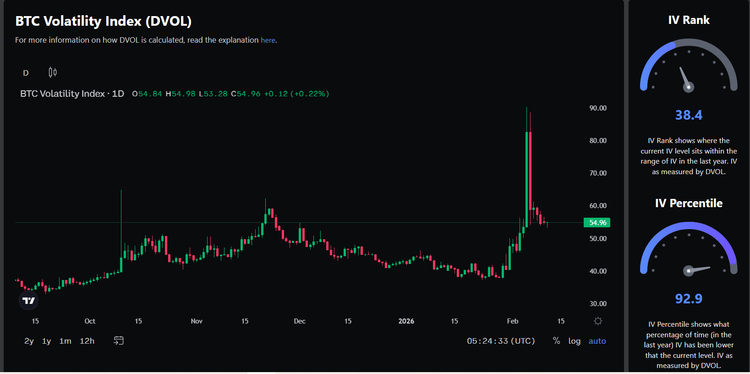
Understanding Bitcoin ATMs: How It Works, Fees, and Risks Explained
A Bitcoin ATM (BTM) is a physical kiosk that allows you to buy or sell cryptocurrency using cash or a debit card. Unlike traditional ATMs linked to a bank account, BTMs connect directly to the blockchain, enabling instant crypto transactions without the need for traditional financial intermediaries.
Think of it as a bridge between physical cash and digital assets: you simply insert bills, scan your mobile wallet's QR code, and receive Bitcoin in minutes. While they offer unmatched speed and accessibility for the "unbanked," users must balance this convenience against high service fees and specific regulatory requirements.
KEY TAKEAWAYSBlockchain Connectivity: BTMs connect directly to a cryptocurrency exchange or the blockchain, bypassing traditional banking infrastructure.Physical-to-Digital Bridge: They provide an immediate way to convert physical cash into digital assets without waiting for bank clearance.Higher Costs: Convenience comes at a price; fees are significantly higher than online exchanges, typically ranging from $7\%$ to $20\%$.Two Main Types: Machines are categorized as "One-Way" (buy only) or "Two-Way" (buy and sell capabilities).ID Requirements: To comply with financial regulations, most BTMs require a phone number or a government-issued ID for transactions above a certain threshold.How Bitcoin ATMs Work: The Underlying MechanismThe operation of a Bitcoin ATM is distinct from traditional banking. When you use a bank ATM, you are accessing your own deposited funds. When you use a BTM, you are essentially engaging in a localized, automated trade with the machine's operator.
The History and OriginThe world's first Bitcoin ATM began operating on October 29, 2013, at the Waves Coffee House in Vancouver, Canada. Since then, the industry has exploded to over 35,000 machines globally, driven by the demand for simple "on-ramp" solutions that don't require complex online exchange interfaces.
The Transaction ProcessIdentification: You typically start by entering a phone number to receive a verification code (SMS).Wallet Linkage: You scan the QR code of your digital wallet (the "address" where the Bitcoin will be sent).Inserting Cash: You feed bills into the machine.Blockchain Confirmation: The machine calculates the current exchange rate, deducts its fee, and sends the equivalent Bitcoin to your wallet address.Classifying Bitcoin ATMs: One-Way vs. Two-WayIt is important to check a machine's capabilities before visiting, as they fall into two functional categories:
Unidirectional (One-Way): These are the most common. They only allow users to buy cryptocurrency by inserting cash.Bidirectional (Two-Way): These advanced machines allow for both buying and selling. You can send Bitcoin from your wallet to the machine to receive physical cash in return.Bitcoin ATMs vs. Traditional ATMsWhile they share a similar physical shell, their logic is entirely different.
FeatureTraditional ATMBitcoin ATMSource of FundsBank AccountDigital Wallet / BlockchainInput RequiredDebit/Credit CardQR Code / Phone NumberTransaction TypeWithdrawal/DepositPurchase/Sale of AssetSettlementInstant (Bank Ledger)Minutes (Blockchain Confirmation)Bitcoin ATMs Pros and Cons: A Quick ComparisonUsing a BTM offers distinct trade-offs between accessibility and cost.
Advantages (Pros)Disadvantages (Cons)Instant Speed: Convert cash to crypto in minutes without bank delays.Extreme Fees: Fees typically range from $7\%$ to $20\%$, much higher than online apps.No Bank Needed: Ideal for users who lack access to traditional banking.Privacy Limits: Most machines require a phone number or ID for KYC compliance.User-Friendly: Simple touch-screen interface suitable for beginners.Physical Risk: Machines may be in remote areas or subject to mechanical failure.24/7 Availability: Most are located in retail spots accessible around the clock.Transaction Limits: Often capped at low daily amounts (e.g., $\$2,000$ - $\$3,000$).Future Trends and Market OutlookThe BTM market is evolving into "all-in-one" financial hubs. Modern kiosks are beginning to support various altcoins and integrate with retail loyalty programs. While regulations are tightening—requiring more standardized ID verification—the high fee structure remains the primary barrier to mainstream adoption. Competition among operators is expected to eventually drive these costs down.
FAQHow much does a Bitcoin ATM charge per $100?BTM fees are high. On average, you will pay between $7$ and $20$ per $100. If you insert $100, you might only receive $80 to $93 worth of Bitcoin after the "spread" and service fees are applied.
Can I get cash from a Bitcoin ATM?Yes, but only from a Two-Way (bidirectional) machine. You choose the "Sell" option, send Bitcoin to the machine's address via QR code, and wait for blockchain confirmation (usually 10-20 minutes) before the machine dispenses cash.
Can I send $10,000 through a Bitcoin ATM?Generally, no. Most operators set daily limits between $2,000 and $3,000. Transactions as high as $10,000 would trigger strict Anti-Money Laundering (AML) protocols requiring manual documentation that most kiosks cannot process.
Do Bitcoin ATMs require ID?Yes. While small amounts might only require a phone number for SMS verification, transactions over a certain threshold (often $250 to $1,000 depending on the operator) require a scan of a government-issued photo ID to comply with KYC laws.
ConclusionBitcoin ATMs provide an essential physical link to the digital economy, offering speed and convenience for cash users. However, they are a premium service. Before using one, ensure you have a digital wallet ready, understand the total fee percentage, and carry identification if you plan to move significant amounts.
Bitcoin Cash (BCH) Explained: Is It the Better "Bitcoin" for Payments?
Bitcoin Cash (BCH) is a decentralized cryptocurrency that emerged from a desire to return to the roots of the original Bitcoin whitepaper: a "Peer-to-Peer Electronic Cash System." While Bitcoin (BTC) has increasingly moved toward being "digital gold" (a store of value), BCH focuses on being a functional, everyday currency with low fees and high speed.
Think of it like this: if Bitcoin (BTC) is a bar of gold that you keep in a vault because it's too heavy and expensive to move, Bitcoin Cash (BCH) is the digital equivalent of the cash in your wallet—designed to be spent quickly and easily at a coffee shop or for online services.
KEY TAKEAWAYSHard Fork Origin: BCH was created in August 2017 following a "hard fork" from the original Bitcoin blockchain due to a disagreement over scaling.On-Chain Scaling: Unlike BTC, which uses Layer 2 solutions like the Lightning Network, BCH increases the block size (up to 32MB) to handle more transactions directly on the main chain.Low Transaction Costs: BCH transactions typically cost less than a penny ($0.01), making it ideal for micro-payments.Vision-Driven: Supporters believe BCH more closely follows Satoshi Nakamoto’s original vision of a functional electronic cash system.Smart Contract Capability: Through upgrades like "CashTokens," BCH now supports native tokens and decentralized applications (dApps).The Fundamentals: Why Does Bitcoin Cash Exist?The story of Bitcoin Cash begins with the "Block Size War." As Bitcoin became more popular, its network became congested. Because BTC has a 1MB limit on the data each block can hold, it could only process about 3–7 transactions per second. This led to high fees and long waiting times during peak periods.
In 2017, the community split into two camps:
Core Supporters (BTC): Wanted to keep blocks small to ensure anyone could run a node, favoring "Off-Chain" scaling solutions (like the Lightning Network).Big Block Supporters (BCH): Argued that increasing the block size on the main chain was the only way to keep fees low and remain decentralized for the average user.This disagreement resulted in a Hard Fork. On August 1, 2017, the blockchain split. Everyone who held BTC at that moment received an equivalent amount of BCH.
Key Differences: BTC vs. BCH vs. ETHUnderstanding where BCH fits in the crypto ecosystem requires comparing it to its biggest peers.
FeatureBitcoin (BTC)Bitcoin Cash (BCH)Ethereum (ETH)Primary GoalStore of Value (Digital Gold)Medium of Exchange (Digital Cash)Smart Contract PlatformBlock Size1 MB (effectively ~2MB)32 MBVariable (Gas-based)Scaling StrategyLayer 2 (Lightning Network)Layer 1 (On-Chain expansion)Layer 2 (Rollups) & ShardingTransaction FeeHigh (can be $5 - $50+)Ultra-Low (usually < $0.01)Moderate to HighSupply Limit21 Million21 MillionNo hard cap (Deflationary mechanics)Which is better?There is no "best" cryptocurrency; it depends on your goal. If you want a globally recognized store of value, BTC is the leader. If you want a payment tool for daily transactions without high fees, BCH excels. If you want to build decentralized apps, ETH is the primary choice.
Pros & Cons of Bitcoin CashThe Advantages (Pros)Scalability: It can handle hundreds of transactions per second on-chain.Cost-Effectiveness: It is one of the cheapest ways to send value across borders instantly.Merchant Adoption: Many merchants who accept crypto prefer BCH because of the instant "zero-conf" (zero-confirmation) transactions which are secure enough for small retail purchases.Fixed Supply: Like BTC, there will only ever be 21 million coins, protecting it from inflation.The Disadvantages (Cons)Lower Security (Hash Rate): BCH has significantly less computing power (hash rate) securing its network compared to BTC, making it theoretically more vulnerable to a 51% attack.Brand Confusion: Many beginners confuse BCH with BTC, which can lead to mistakes when sending funds.Market Dominance: BTC has far higher institutional adoption and liquidity.Real-World Use Cases: How is Bitcoin Cash Used Today?Bitcoin Cash isn't just a speculative asset; it is actively used in several practical financial sectors.
1. Global Remittances and Low-Cost Cross-Border PaymentsTraditional money transfer services like Western Union or SWIFT can take days and charge up to 10% in fees. BCH allows users to send any amount of money to anyone, anywhere in the world, for less than a cent. Because the transaction settles on the blockchain within minutes, it is a preferred tool for workers sending money home to families in developing nations.
2. High-Frequency Micro-payments and Content MonetizationOn networks like Bitcoin or Ethereum, a $1.00 transaction might cost $5.00 in fees, making small payments impossible. Bitcoin Cash's ultra-low fees enable "micro-payments," such as tipping a journalist for a single article, rewarding a gamer for a specific achievement, or paying for a single song stream. This opens up entirely new business models for the creator economy.
3. Retail Merchant Adoption via "Zero-Conf" TransactionsOne of BCH’s unique advantages is its reliability for "zero-confirmation" transactions. For small retail purchases (like a cup of coffee), merchants can accept a BCH payment instantly without waiting for a block to be mined. This provides a user experience similar to swiping a credit card but without the 3% merchant fee or the risk of chargebacks.
4. Decentralized Finance (DeFi) and Tokenization with CashTokensWith the recent introduction of the CashTokens protocol, Bitcoin Cash has entered the world of programmable money. Developers can now issue their own tokens (like stablecoins or NFTs) directly on the BCH blockchain. This allows users to engage in decentralized finance (DeFi) activities—such as trading or lending—without the prohibitively high "gas fees" found on the Ethereum network.
Future Trends & OutlookThe future of BCH depends on its adoption as a currency. While BTC has won the "Digital Gold" race for now, the "Digital Cash" race is still wide open. The BCH development community continues to innovate with features like Adaptive Block Size Limits, which allow the network to automatically adjust to demand, ensuring it never becomes congested like its predecessor.
FAQWhat is Bitcoin Cash BCH?Bitcoin Cash is a cryptocurrency that split from Bitcoin in 2017. It uses the same basic technology but increases the block size limit to allow for faster, cheaper transactions. Its goal is to be a usable currency for everyone in the world.
Is BCH the original Bitcoin?This is a point of heavy debate. Technically, BTC is the continuation of the original chain with the most accumulated work. However, BCH supporters argue that BCH is the "original Bitcoin" in terms of intent, as it sticks to the payment-system design outlined in the 2008 whitepaper.
Is BCH better than BTC?"Better" is subjective. BCH is technically more efficient for payments and small transactions. However, BTC is "better" in terms of network security, price stability, and institutional trust.
Why is BCH so cheap compared to BTC?Price is driven by supply and demand. While supply is the same (21M), the demand for BTC as a reserve asset is currently much higher than the demand for BCH as a payment medium. Additionally, the network effect of BTC as the "first" cryptocurrency gives it a massive valuation advantage.
Will Bitcoin Cash reach $1,000 or $10,000?Price predictions are speculative. BCH has exceeded $1,000 in the past (reaching nearly $4,000 in 2017). Reaching $10,000 would require a massive shift in global payment habits or a significant decline in the dominance of BTC. Always invest with caution.
Is Bitcoin Cash a good investment?Like all cryptocurrencies, BCH is high-risk and high-reward. It is a "utility play"—its value depends on people actually using it to buy things. If global merchant adoption grows, it could be a strong investment; if it fails to gain users, the price may stagnate.
What is the purpose of BCH?The purpose of BCH is to provide the world with a permissionless, decentralized, and low-cost electronic cash system. It aims to empower the unbanked and provide an alternative to traditional fiat currencies that are subject to inflation.
SummaryBitcoin Cash is a bold attempt to scale Bitcoin's original vision for a global audience. By prioritizing low fees and transaction speed, it offers a compelling alternative for those who believe crypto should be spent, not just hodled. However, it faces stiff competition from other "payment" coins and Bitcoin's own Layer 2 solutions.
How to Trade Futures on WEEX 2026: Best Beginner’s Guide to Crypto Futures
You want to trade crypto futures. You don’t want to hold the actual coin. You’ve heard about leverage — but you’re not sure how it works or how to avoid losing your entire account in ten minutes.
This guide covers exactly how to trade futures on WEEX. No fluff. No “to the moon” nonsense. Just the steps, the risks, and the settings you need to survive your first year.
What Are Crypto Futures?A futures contract lets you bet on price direction without owning Bitcoin or Ethereum.
Long: you profit if price goes up.Short: you profit if price goes down.The big difference from spot trading: leverage. With 10x leverage, a 1% price move gives you a 10% gain — or loss. WEEX offers leverage from 1x up to 400x. For beginners, 2x–10x is already plenty.
Example: You open a $100 position with 5x leverage. You only put down $20 margin. If price moves 10% your way, you gain 50% on your $20. If it moves 10% against you, you lose 50% — and your position might get liquidated.
That’s why risk management is everything. Check this Risk Management Guide to know more!
Why Trade Futures on WEEX in 2026?WEEX isn’t the only exchange, but it has three clear advantages for new traders:
Simple interface – charts, order book, and position tracker are all on one screen. No hunting through menus.Two margin modes – isolated margin (safer for beginners) and cross margin (for advanced users).Built‑in stop‑loss and take‑profit – you can set them before opening a trade. That alone saves many beginners from panic selling.Plus, WEEX runs a new user bonus up to $30,000 (futures rewards, deposit bonuses, and trading challenges). Check the promotions page for current offers.
Read More: How to Set a Stop-Loss Order on WEEX: Full Guide 2026
Step‑by‑Step: How to Trade Futures on WEEX 2026Follow these steps exactly. Do not skip the stop‑loss.
Step 1: Register and Login inGo to WEEX Official website and click the "Sign up" to create your WEEX account.
Step 2: Fund Your Futures WalletGo to Assets → Transfer. Move USDT from your Spot wallet to your Futures wallet. Start with a small amount — $50 to $200 is enough for learning.
Step 3: Learn the InterfaceOpen any futures pair (BTC/USDT or ETH/USDT). You’ll see:
Chart (candlesticks, volume)Order book (buy and sell orders)Order panel (where you enter price, amount, leverage)Spend two minutes clicking around. Nothing bad happens until you confirm a trade.
Step 4: Set Your Leverage Start LowFind the leverage slider. Default is often 20x. Move it down to 2x or 5x as a beginner. You can increase later. WEEX allows up to 400x, but using that without experience is like playing Russian roulette with three bullets.
Step 5: Choose Margin Mode: Isolated vs CrossIsolated margin: risk is limited to that position’s margin. Your other funds stay safe. Recommended for beginners.Cross margin: all your futures wallet funds back every position. One losing trade can wipe everything.Stick to isolated margin until you fully understand how liquidation works.
Step 6: Place Your First Futures TradeSelect a pair (e.g., BTC/USDT). Choose:
Market order – buys immediately at current price.Limit order – you set the price; order fills when market reaches it.Then pick Long (expect price up) or Short (expect price down).
Before clicking confirm, always set:
Stop‑loss – price where you exit automatically (e.g., 3% below entry).Take‑profit – price where you lock profits (optional but smart).Now click Buy/Long or Sell/Short.
Step 7: Manage Your Open PositionGo to Positions tab. You’ll see:
Entry price, mark price, unrealized P&LButtons to modify stop‑loss/take‑profitMarket close – exits immediately (good for fast exits)Limit close – set a limit price to exit with lower feesMonitor your trade, but don’t stare at every 1‑minute candle. Set your stop and walk away.
Understanding Funding Rates on WEEX Perpetual FuturesWEEX perpetual futures have no expiry. Instead, they use a funding rate – a small periodic payment between long and short traders.
Positive funding rate – longs pay shorts. Happens when longs dominate.Negative funding rate – shorts pay longs.Funding rates are usually tiny (0.01% every 8 hours). But during high hype, rates can spike to 0.1% or more. That eats into your profits if you hold a position for days. Check the funding rate before opening a trade – it’s displayed next to the pair name.
ConclusionTrading futures on WEEX is straightforward once you understand leverage, margin, and stop‑losses. Start small. Use isolated margin. Keep leverage at 2x–5x for at least your first month. Set a stop‑loss on every single trade.
WEEX gives you the tools — simple interface, flexible margin, and up to $30,000 in new user rewards. But the discipline has to come from you.
Ready to trade? WEEX offers zero fees, instant execution, and the security you need. Sign up on WEEX Now and Start Trading!
FAQQ1: What is the minimum amount to trade futures on WEEX?You can start with as little as 1 USDT. But with very small amounts, fees and slippage matter more. A practical minimum is 20–50 USDT.
Q2: How to use leverage on WEEX safely?Use isolated margin, keep leverage at 2x–10x, and always set a stop‑loss. Never risk more than 2‑5% of your futures wallet on a single trade.
Q3: Isolated vs cross margin – which is better for beginners?Isolated margin. It limits losses to that one position. Cross margin can drain your entire futures balance if a single trade goes bad.
Q4: How do I set a stop‑loss on WEEX futures?In the order panel, toggle on “Stop‑Loss” before opening a trade. Enter the price at which you want to exit. You can also add or modify stop‑loss after opening under the Positions tab.
Q5: What is the funding rate on WEEX?A small fee exchanged between long and short positions every 8 hours to keep the perpetual contract price close to spot. Check it before holding trades for more than a day.
Weex Exchange vs Binance & Coinbase: Complete Fees Comparison 2026
Fees eat profits. That’s the one thing every trader learns the hard way.
You pick an exchange. You trade. Then you check your P&L and realize 15% of your gains vanished in commissions, spreads, and withdrawal fees.
This guide compares Weex Exchange fees against Binance and Coinbase — side by side. No marketing fluff. Just the real numbers, hidden costs, and which platform saves you money based on how you trade.
Weex Exchange Fee Structure: What You Actually PayWeex keeps fees simple. No confusing token holdings required. No mandatory staking. Just a clean maker-taker model with a five-tier VIP system.
Standard spot trading fees: 0.10% maker / 0.10% taker.
Standard futures fees: 0.02% maker / 0.06% taker.
What Weex does differently:
No native token needed – You don’t have to buy and hold a platform coin to get decent rates. Binance locks discounts behind BNB, exposing you to price risk. Weex doesn’t.Transparent VIP tiers – Trade over $1M in 30 days? Spot maker fee drops to 0.08%. Hit $50M monthly? 0.04% maker / 0.06% taker. The thresholds are realistic for active traders, not just whales.Zero deposit fees – Crypto deposits are free. No surprise.Exchange Fee Comparison: Weex vs Binance vs CoinbaseHere’s the 2026 reality. Numbers are standard rates without volume discounts or token holdings.
ExchangeSpot Maker/TakerFutures Maker/TakerFee Reduction MethodWeex0.10% / 0.10%0.02% / 0.06%5‑tier VIP (volume‑based)Binance0.10% / 0.10%0.02% / 0.05%BNB holdings (up to 25% off) + VIPCoinbase0.40% / 0.60%0.02% / 0.05%Volume tiers + Coinbase One subscriptionBreaking it down:
Spot trading fees: Weex and Binance are tied at 0.10% for both makers and takers at base level. Coinbase charges 4–6x more. If you don’t hold BNB, Weex and Binance offer identical spot costs.Futures fees: Weex’s 0.02% maker matches Binance.Coinbase is the outlier – spot fees are 4–6x higher. You pay for the brand, regulatory compliance, and user-friendly interface.For spot trading without BNB holdings, Weex equals Binance and crushes Coinbase. For futures, Weex is competitive within 0.01% of the lowest.
Hidden Costs Most Traders IgnoreHeadline fees tell half the story. Here’s what exchanges don’t advertise.
1. Conversion SpreadsWeex charges 0.1–0.5% when you trade between cryptocurrencies without a direct pair. Example: You want to swap SOL for MATIC. If there’s no SOL/MATIC pair, Weex converts SOL → USDT → MATIC. Each leg has a spread. That adds up.
Binance and Coinbase do the same. No exchange is truly free here. Weex’s spreads are within industry standard.
2. Funding Rates (Perpetual Futures)All exchanges use funding rates to keep contract prices close to spot. Weex ranges -0.05% to 0.05% every 8 hours – normal. During high volatility, rates can spike to 0.1% or more. That’s not a Weex problem; it’s a perpetual futures problem.
3. Liquidation FeesIf your leveraged position gets liquidated, Weex charges a 0.5% fee on the closed position. Binance charges 0.5% as well. Coinbase’s fee structure varies by product. This matters only if you trade recklessly. Use a stop-loss and you’ll never pay it.
4. Fiat Gateway CostsWeex focuses on crypto-to-crypto trading. If you need to deposit fiat (USD, EUR, etc.), you’ll use a third-party processor. Those charge 2–4% in fees + spread. That’s high.
But – if you already hold crypto or use P2P, Weex’s fiat disadvantage doesn’t affect you.
Why Choose Weex ExchangeLet’s flip the script. Why choose Weex over the giants?
No token lock-in. You don’t need to buy BNB or any other coin to get decent fees. Binance pushes BNB. If BNB drops 30%, your “fee savings” turn into portfolio losses. Weex’s fees are flat and transparent.Simple VIP system. Five tiers based purely on 30‑day trading volume. No complicated staking, no holding requirements. Trade more → pay less.Competitive futures maker fee (0.02%). That’s the same as Binance and lower than many regional exchanges. For limit order traders, Weex is among the cheapest.Clean interface. Not a direct fee advantage, but lower cognitive load means fewer costly mistakes. Weex’s fee display is upfront – you see the estimated cost before you click confirm.How to Minimize Trading Fees on WeexThree rules that work everywhere:
Use limit orders – You pay maker fees (lower) instead of taker fees. On Weex, maker/taker spot is the same at base tier, but at higher VIP tiers, maker becomes cheaper.Consolidate volume – Trade on one exchange to hit VIP thresholds faster. Spreading $500K across three platforms gets you no discounts. Concentrate it on Weex to reach tier 2 or 3.Avoid small withdrawals – Withdrawal fees are fixed per transaction. Withdrawing $20 in BTC costs the same as withdrawing $2,000. Batch your withdrawals.ConclusionWeex Exchange offers solid, competitive trading fees without forcing you into a native token. Spot: 0.10% / 0.10%. Futures: 0.02% maker / 0.06% taker. The VIP volume tiers reward active traders, and the fee structure is transparent.
Choose Weex if you want straightforward fees, no forced token holdings, and competitive rates for futures and spot trading. Just watch your fiat on-ramp costs and batch withdrawals.
Ready to trade? WEEX offers zero fees, instant execution, and the security you need. Sign up on WEEX Now and Start Trading!
FAQQ1: What are Weex exchange trading fees for spot?Weex spot fees are 0.10% for both makers and takers at the base level. Higher VIP tiers (based on 30-day volume) reduce maker fees to as low as 0.04%.
Q2: Does Weex charge deposit fees?No. Crypto deposits are free. Fiat deposits via third-party processors may have fees (2-4%).
Q3: What are the withdrawal fees on Weex?Withdrawal fees vary by crypto. Bitcoin is ~0.0005 BTC, Ethereum ~0.005 ETH. These change with network congestion. Always check the withdrawal screen before confirming.
Q4: How can I get lower fees on Weex?Increase your 30-day trading volume to reach VIP tiers. Use limit orders (maker) instead of market orders. Consolidate trades to one platform. Avoid frequent small withdrawals.
Buy Crypto with AirTM on WEEX P2P – 0 Fee & Fast USD Trades
AirTM remains a leading and dependable option for buying cryptocurrency with USD worldwide. With WEEX P2P, users can buy crypto directly through AirTM with zero fees, access 24/7 verified merchants, and enjoy ultra-fast release times.
Compared with Binance, Bybit, and local OTC platforms, WEEX consistently offers better USD exchange rates, safer escrow protection, and more available ads for AirTM users.
With crypto adoption accelerating worldwide, seamless and trustworthy access to digital assets has never been more critical. With WEEX P2P, users can buy USDT, BTC, or ETH via AirTM with instant processing, 0% buyer fees, and professional merchant support.
What is P2P Trading?
Peer-to-Peer (P2P) trading allows users to buy and sell crypto directly with other users, while the platform acts as a secure intermediary.
On WEEX P2P:
Crypto is held in escrowSellers release assets only after payment is confirmedTrades are processed quickly and safelyThis ensures zero counterparty risk and allows users to pay via local banking methods for a seamless experience.
Why WEEX P2P is the Best Choice for AirTM Users in 2025
WEEX P2P offers key advantages to users purchasing crypto with USD via AirTM:
0% buyer fees:Save 2–8% compared to competing platforms and maximize the value of every tradeFast release times :Funds are typically released within 1–3 minutes, ensuring a smooth and efficient buying experienceOfficial escrow protection:Platform-managed escrow guarantees 100% transaction safetyFlexible trade sizes:Supports everything from small purchases to large-volume transactionsBest USD exchange rates for AirTM users: Enjoy highly competitive pricing tailored for AirTM paymentsThousands of merchants online 24/7: Deep liquidity and constant availability at any time of dayMore AirTM ads than any competitor: Greater choice, faster matching, and higher deal completion ratesWhether you’re buying 1,000 USD or 1,000,000 USD, WEEX ensures fast, safe, and cost-efficient crypto purchases.
How to Buy Crypto with AirTM on WEEX P2P
Buying crypto with AirTM on WEEX is simple and fast. Follow these steps:
Register on WEEX and complete basic KYC verification Create your WEEX account and finish the basic identity verification process, which typically takes less than one minute to complete.Navigate to Buy Crypto → P2P Trading From the main menu, enter the P2P trading section and select USD as your preferred fiat currency.Apply the “AirTM” filter Enable the AirTM payment filter to view only those merchant advertisements that support AirTM bank transfers.Select the most suitable merchant Review and compare available merchants based on key indicators, including:Exchange priceOrder completion rateTotal trading volumeReal-time online statusEnter the amount you wish to purchase Input your desired crypto amount, and the system will automatically calculate and display the exact payable amount in USD.Complete the payment via AirTM Transfer the displayed amount using AirTM, following the bank details provided by the selected merchant.Confirm payment and notify the seller Click “Transferred, Notify Seller” after completing the transfer. The seller will then verify your payment and promptly release the cryptocurrency to your WEEX account.Your Crypto will arrive instantly in your WEEX wallet — safe, fast, and with zero fees.
Frequently Asked Questions (FAQ)
Q1: Are there any fees when paying with AirTM? A: 0% fee for buyers. Only sellers pay a small fee.
Q2: How fast will I receive Crypto? A: Usually 1–5 minutes after marking payment as sent.
Q3: Is buying with AirTM safe on WEEX? A: Yes. All trades use official escrow.
Q4: Do I need full KYC? A: Basic KYC is required for P2P trading.
Ready to Buy Crypto with AirTM?
Start buying crypto in under 3 minutes — fast, safe, and 0% fee for buyers!
Start Buying Crypto on WEEX P2P with AirTM Now!
Buy ETH with AirTM on WEEX P2P – 0 Fee & Fast USD Trades
AirTM remains a leading and dependable option for buying cryptocurrency with USD worldwide. With WEEX P2P, users can buy ETH directly through AirTM with zero fees, access 24/7 verified merchants, and enjoy ultra-fast release times.
Compared with Binance, Bybit, and local OTC platforms, WEEX consistently offers better USD exchange rates, safer escrow protection, and more available ads for AirTM users.
With ETH adoption accelerating worldwide, seamless and trustworthy access to digital assets has never been more critical. With WEEX P2P, users can buy USDT, BTC, or ETH via AirTM with instant processing, 0% buyer fees, and professional merchant support.
What is P2P Trading?
Peer-to-Peer (P2P) trading allows users to buy and sell ETH directly with other users, while the platform acts as a secure intermediary.
On WEEX P2P:
ETH is held in escrowSellers release assets only after payment is confirmedTrades are processed quickly and safelyThis ensures zero counterparty risk and allows users to pay via local banking methods for a seamless experience.
Why WEEX P2P is the Best Choice for AirTM Users in 2025
WEEX P2P offers key advantages to users purchasing ETH with USD via AirTM:
0% buyer fees:Save 2–8% compared to competing platforms and maximize the value of every tradeFast release times :Funds are typically released within 1–3 minutes, ensuring a smooth and efficient buying experienceOfficial escrow protection:Platform-managed escrow guarantees 100% transaction safetyFlexible trade sizes:Supports everything from small purchases to large-volume transactionsBest USD exchange rates for AirTM users: Enjoy highly competitive pricing tailored for AirTM paymentsThousands of merchants online 24/7: Deep liquidity and constant availability at any time of dayMore AirTM ads than any competitor: Greater choice, faster matching, and higher deal completion ratesWhether you’re buying 1,000 USD or 1,000,000 USD, WEEX ensures fast, safe, and cost-efficient ETH purchases.
How to Buy ETH with AirTM on WEEX P2P
Buying ETH with AirTM on WEEX is simple and fast. Follow these steps:
Register on WEEX and complete basic KYC verification Create your WEEX account and finish the basic identity verification process, which typically takes less than one minute to complete.Navigate to Buy ETH → P2P Trading From the main menu, enter the P2P trading section and select USD as your preferred fiat currency.Apply the “AirTM” filter Enable the AirTM payment filter to view only those merchant advertisements that support AirTM bank transfers.Select the most suitable merchant Review and compare available merchants based on key indicators, including:Exchange priceOrder completion rateTotal trading volumeReal-time online statusEnter the amount you wish to purchase Input your desired ETH amount, and the system will automatically calculate and display the exact payable amount in USD.Complete the payment via AirTM Transfer the displayed amount using AirTM, following the bank details provided by the selected merchant.Confirm payment and notify the seller Click “Transferred, Notify Seller” after completing the transfer. The seller will then verify your payment and promptly release the cryptocurrency to your WEEX account.Your ETH will arrive instantly in your WEEX wallet — safe, fast, and with zero fees.
Frequently Asked Questions (FAQ)
Q1: Are there any fees when paying with AirTM? A: 0% fee for buyers. Only sellers pay a small fee.
Q2: How fast will I receive ETH? A: Usually 1–5 minutes after marking payment as sent.
Q3: Is buying with AirTM safe on WEEX? A: Yes. All trades use official escrow.
Q4: Do I need full KYC? A: Basic KYC is required for P2P trading.
Ready to Buy ETH with AirTM?
Start buying ETH in under 3 minutes — fast, safe, and 0% fee for buyers!
Start Buying ETH on WEEX P2P with AirTM Now!
Buy BTC with AirTM on WEEX P2P – 0 Fee & Fast USD Trades
AirTM remains a leading and dependable option for buying cryptocurrency with USD worldwide. With WEEX P2P, users can buy BTC directly through AirTM with zero fees, access 24/7 verified merchants, and enjoy ultra-fast release times.
Compared with Binance, Bybit, and local OTC platforms, WEEX consistently offers better USD exchange rates, safer escrow protection, and more available ads for AirTM users.
With BTC adoption accelerating worldwide, seamless and trustworthy access to digital assets has never been more critical. With WEEX P2P, users can buy USDT, BTC, or ETH via AirTM with instant processing, 0% buyer fees, and professional merchant support.
What is P2P Trading?
Peer-to-Peer (P2P) trading allows users to buy and sell BTC directly with other users, while the platform acts as a secure intermediary.
On WEEX P2P:
BTC is held in escrowSellers release assets only after payment is confirmedTrades are processed quickly and safelyThis ensures zero counterparty risk and allows users to pay via local banking methods for a seamless experience.
Why WEEX P2P is the Best Choice for AirTM Users in 2025
WEEX P2P offers key advantages to users purchasing BTC with USD via AirTM:
0% buyer fees:Save 2–8% compared to competing platforms and maximize the value of every tradeFast release times :Funds are typically released within 1–3 minutes, ensuring a smooth and efficient buying experienceOfficial escrow protection:Platform-managed escrow guarantees 100% transaction safetyFlexible trade sizes:Supports everything from small purchases to large-volume transactionsBest USD exchange rates for AirTM users: Enjoy highly competitive pricing tailored for AirTM paymentsThousands of merchants online 24/7: Deep liquidity and constant availability at any time of dayMore AirTM ads than any competitor: Greater choice, faster matching, and higher deal completion ratesWhether you’re buying 1,000 USD or 1,000,000 USD, WEEX ensures fast, safe, and cost-efficient BTC purchases.
How to Buy BTC with AirTM on WEEX P2P
Buying BTC with AirTM on WEEX is simple and fast. Follow these steps:
Register on WEEX and complete basic KYC verification Create your WEEX account and finish the basic identity verification process, which typically takes less than one minute to complete.Navigate to Buy BTC → P2P Trading From the main menu, enter the P2P trading section and select USD as your preferred fiat currency.Apply the “AirTM” filter Enable the AirTM payment filter to view only those merchant advertisements that support AirTM bank transfers.Select the most suitable merchant Review and compare available merchants based on key indicators, including:Exchange priceOrder completion rateTotal trading volumeReal-time online statusEnter the amount you wish to purchase Input your desired BTC amount, and the system will automatically calculate and display the exact payable amount in USD.Complete the payment via AirTM Transfer the displayed amount using AirTM, following the bank details provided by the selected merchant.Confirm payment and notify the seller Click “Transferred, Notify Seller” after completing the transfer. The seller will then verify your payment and promptly release the cryptocurrency to your WEEX account.Your BTC will arrive instantly in your WEEX wallet — safe, fast, and with zero fees.
Frequently Asked Questions (FAQ)
Q1: Are there any fees when paying with AirTM? A: 0% fee for buyers. Only sellers pay a small fee.
Q2: How fast will I receive BTC? A: Usually 1–5 minutes after marking payment as sent.
Q3: Is buying with AirTM safe on WEEX? A: Yes. All trades use official escrow.
Q4: Do I need full KYC? A: Basic KYC is required for P2P trading.
Ready to Buy BTC with AirTM?
Start buying BTC in under 3 minutes — fast, safe, and 0% fee for buyers!
Start Buying BTC on WEEX P2P with AirTM Now!
Buy USDT with AirTM on WEEX P2P – 0 Fee & Fast USD Trades
AirTM remains a leading and dependable option for buying cryptocurrency with USD worldwide. With WEEX P2P, users can buy USDT directly through AirTM with zero fees, access 24/7 verified merchants, and enjoy ultra-fast release times.
Compared with Binance, Bybit, and local OTC platforms, WEEX consistently offers better USD exchange rates, safer escrow protection, and more available ads for AirTM users.
With USDT adoption accelerating worldwide, seamless and trustworthy access to digital assets has never been more critical. With WEEX P2P, users can buy USDT, BTC, or ETH via AirTM with instant processing, 0% buyer fees, and professional merchant support.
What is P2P Trading?
Peer-to-Peer (P2P) trading allows users to buy and sell USDT directly with other users, while the platform acts as a secure intermediary.
On WEEX P2P:
USDT is held in escrowSellers release assets only after payment is confirmedTrades are processed quickly and safelyThis ensures zero counterparty risk and allows users to pay via local banking methods for a seamless experience.
Why WEEX P2P is the Best Choice for AirTM Users in 2025
WEEX P2P offers key advantages to users purchasing USDT with USD via AirTM:
0% buyer fees:Save 2–8% compared to competing platforms and maximize the value of every tradeFast release times :Funds are typically released within 1–3 minutes, ensuring a smooth and efficient buying experienceOfficial escrow protection:Platform-managed escrow guarantees 100% transaction safetyFlexible trade sizes:Supports everything from small purchases to large-volume transactionsBest USD exchange rates for AirTM users: Enjoy highly competitive pricing tailored for AirTM paymentsThousands of merchants online 24/7: Deep liquidity and constant availability at any time of dayMore AirTM ads than any competitor: Greater choice, faster matching, and higher deal completion ratesWhether you’re buying 1,000 USD or 1,000,000 USD, WEEX ensures fast, safe, and cost-efficient USDT purchases.
How to Buy USDT with AirTM on WEEX P2P
Buying USDT with AirTM on WEEX is simple and fast. Follow these steps:
Register on WEEX and complete basic KYC verification Create your WEEX account and finish the basic identity verification process, which typically takes less than one minute to complete.Navigate to Buy USDT → P2P Trading From the main menu, enter the P2P trading section and select USD as your preferred fiat currency.Apply the “AirTM” filter Enable the AirTM payment filter to view only those merchant advertisements that support AirTM bank transfers.Select the most suitable merchant Review and compare available merchants based on key indicators, including:Exchange priceOrder completion rateTotal trading volumeReal-time online statusEnter the amount you wish to purchase Input your desired USDT amount, and the system will automatically calculate and display the exact payable amount in USD.Complete the payment via AirTM Transfer the displayed amount using AirTM, following the bank details provided by the selected merchant.Confirm payment and notify the seller Click “Transferred, Notify Seller” after completing the transfer. The seller will then verify your payment and promptly release the cryptocurrency to your WEEX account.Your USDT will arrive instantly in your WEEX wallet — safe, fast, and with zero fees.
Frequently Asked Questions (FAQ)
Q1: Are there any fees when paying with AirTM? A: 0% fee for buyers. Only sellers pay a small fee.
Q2: How fast will I receive USDT? A: Usually 1–5 minutes after marking payment as sent.
Q3: Is buying with AirTM safe on WEEX? A: Yes. All trades use official escrow.
Q4: Do I need full KYC? A: Basic KYC is required for P2P trading.
Ready to Buy USDT with AirTM?
Start buying USDT in under 3 minutes — fast, safe, and 0% fee for buyers!
Start Buying USDT on WEEX P2P with AirTM Now!


 App
App