User Guide: What are P2P Crypto Scams and How to Stay Safe?

 Prefer us on Google

Key Takeaways:
- Fraudsters exploit the flexibility and anonymity of P2P platforms, tricking users with tactics such as fake payments, chargeback fraud, phishing, and identity theft. Understanding how these p2p scams operate is the first step toward protection.
- Warning signs of crypto p2p scams include fake profiles, suspicious payment methods, pressure tactics, and unrealistic offers that seem too good to be true.
- To stay safe, only use reputable P2P platforms with escrow services, verify users’ trading histories, use secure payment methods, and enable two-factor authentication (2FA).
- If you've been scammed, report the incident to the platform, notify authorities, and secure your assets by changing passwords and transferring your remaining crypto to a secure wallet.
Introduction to P2P Trading
Peer-to-peer (P2P) cryptocurrency trading entails buying and selling digital currencies directly between users without a central intermediary. This method grants users control over pricing, partner selection, and transaction timing, allowing experienced traders to capitalize on favorable conditions. However, this very freedom also opens the door to various p2p money transfer scam schemes that every user must recognize.
Is P2P Trading Safe?
While modern P2P platforms have significantly improved security with measures like escrow services and identity verification, risks remain inherent. A common question is, can a person scam you with p2p transfers? The answer is yes, which is why understanding the mechanics of how do p2p app scams work is crucial for any participant.
-- Price
What Are Some Common P2P Crypto Scams?
- Fake Proof of Payment: Scammers use altered receipts or fake SMS notifications to trick you into releasing crypto before any real payment arrives.
- Chargeback Fraud: A scammer pays with a reversible method (like a credit card) and then disputes the transaction after receiving the crypto, leading to a p2p credit scam where you lose both the asset and the payment.
- Wrong Transfer: The fraudster falsely claims a transaction was made in error and pressures you to return the funds, often using scare tactics.
- Man-in-the-Middle Attacks: The criminal intercepts communication between two parties to steal funds or information, common in investment and e-commerce p2p scams.
- Fake Payment Scams: Using fabricated confirmations or screenshots, deceivers convince victims to send cryptocurrency for a payment that was never initiated.
- Phishing Attacks: Fraudsters impersonate trusted entities via fake websites or emails to harvest login credentials and private keys.
- Identity Spoofing: Scammers create counterfeit profiles of reputable traders to gain trust and extract sensitive information or funds.
- Overpayment Scams: The buyer sends excess crypto and requests a refund of the difference, only for the original payment to be reversed, resulting in a double loss for the seller.
How to Spot Crypto P2P Scams?
Remaining vigilant for these red flags can help you avoid falling victim to crypto p2p scams:
- Fake Profiles: Accounts with no history, incomplete info, or poor ratings.
- Suspicious Payment Methods: Requests to use hard-to-trace channels like gift cards or prepaid cards.
- Pressure Tactics: Attempts to create artificial urgency to prevent careful verification.
- Unrealistic Offers: Deals significantly at market rates, which are often traps.
How to Stay Safe in P2P Crypto Trading?
Protecting yourself requires proactive measures:
- Use Reputable P2P Platforms: Choose established platforms known for strong security. While it's important to be aware of any reported Binance P2P scam attempts, using large, reputable platforms with robust escrow and dispute resolution systems significantly lowers risk.
- Verify User Profiles Thoroughly: Check trading history, completion rate, and ratings.
- Choose Secure Payment Methods: Prefer transparent, reversible payment options and always use escrow.
- Guard Personal Information: Never share private keys, passwords, or 2FA codes.
- Enable Two-Factor Authentication (2FA): Add an essential layer of account security.
- Maintain a Skeptical Mindset: If an offer seems too good to be true, it usually is.
Conclusion
Navigating P2P trading safely requires constant vigilance against evolving p2p scams. By understanding the risks, recognizing red flags, and adhering to security best practices on a trusted platform, you can mitigate these dangers. For a secure trading environment, consider using WEEX's P2P functionality, which prioritizes user protection with features like escrow services and dedicated support, allowing you to trade with greater confidence.
Further Reading
- Crypto Copy Trading: A Game-Changer for Traders
- User Guide: How to Make Money with Bitcoin in 5 Different Ways?
- How to Trade Crypto Responsibly?
Disclaimer: The opinions expressed in this article are for informational purposes only. This article does not constitute an endorsement of any of the products and services discussed or investment, financial, or trading advice. Qualified professionals should be consulted prior to making financial decisions.
This content is provided for general informational purposes only and doesn't constitute financial, investment, legal, or tax advice. Any events, rewards, online promotions, or related information mentioned herein should not be considered a recommendation, solicitation, or invitation to purchase, sell, trade, or otherwise deal in any crypto assets. Crypto assets are highly volatile and may result in loss. The availability of WEEX services, products, and related events may vary by region. You are responsible for ensuring that your participation is in accordance with applicable local laws and regulations.
You may also like

Bitcoin Falls Toward $70K: ETF Outflows, Liquidations and What Happens Next

December FOMC Meeting 2026: Dec. 8-9 Rate Hike, 25 or 50 Bps?

CPI Release Date: Next Report Dec. 10, 2026 at 8:30 a.m. ET

November CPI Report: Dec. 10 Release Lands After the Fed Decides

Midterm Election Results Crypto: Who Now Controls Crypto Policy

Midterm Elections Bitcoin Price: What 2014, 2018 and 2022 Show

What Is Project Faro? The $270M Bank Stablecoin Plan Explained

Stablecoin Supply Falls $14.2B in 30 Days: What It Means for Bitcoin

Emerging Copy Trading Exchanges for Futures: 5 Retail Favorites
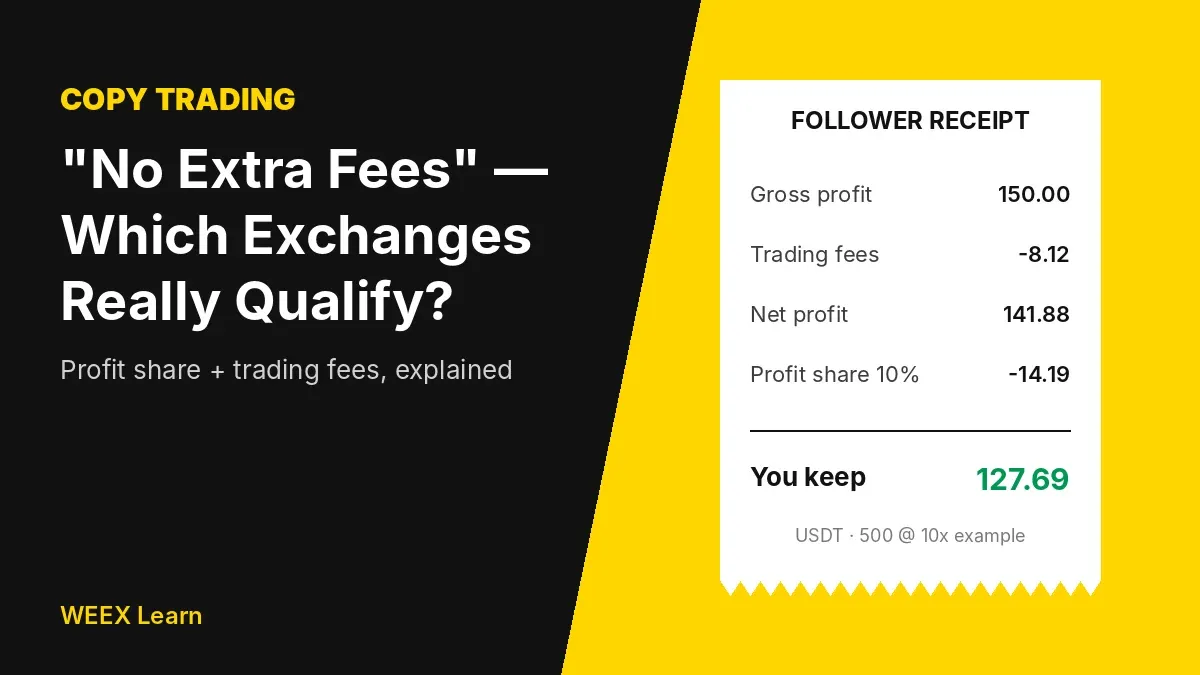
Copy Trading With No Extra Fees: Which Exchanges Really Qualify?
Beginner-Friendly Crypto Exchanges With Simple Interfaces Ranked

Low-Fee Futures Exchanges That Are Easy to Use: 2026 Cost Test

Is WEEX Safe? Proof of Reserves, 1,000 BTC Fund and Licences Checked (2026)

Bitcoin After Hot CPI: Why December Rate Hike Odds Hit 85%

What Is GRAM? Price Rebounds After Falling Below $1, Telegram Wallet Data and What Is Confirmed

Why Is My WEEX Crypto Withdrawal Still Pending?
PROJECT CORTEX (XTX) Price: Why a 15.8M% Gain and a $6 Billion Market Cap Are Hard to Trust

Copy Trading Platforms With Verified Performance: Spot the Fakes

Top 10 Crypto Derivatives Exchanges Worldwide by Open Interest
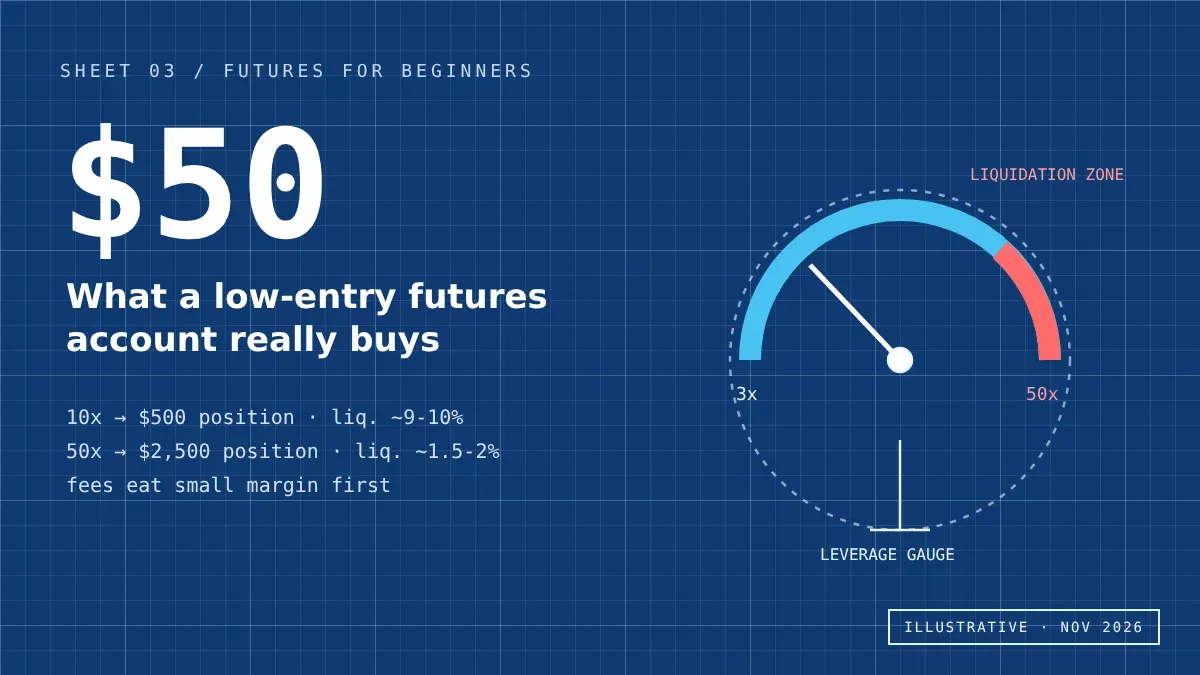
Beginner Futures Exchanges With Low Entry: What $50 Really Buys
User-Friendly Crypto Copy Trading Platforms: 6 Picks Compared

WEEX Review: The Latest Fees, Features, Security and Trading Experience

Midterm Elections Crypto Fallout: $170M Spent, Key Races Lost

FreeBitco.in Shutdown: Frozen Withdrawals and What Users Can Do

Why Is Bitcoin Down Today? BTC's Slide to $76K Explained

BTC Price Above $78,000 After the Midterms: What Is Confirmed, What Moved and What to Check Next

Crypto Trading Rewards: What Each Lucky Egg Really Costs in Fees
WEEX Rewards Guide: Lucky Eggs Tasks, Prizes and a 22-Day Plan
Binance Incident Report: How the Attack Chain Worked and What to Check

FOMC Meeting December 2026: Date, Schedule and What to Know Before the Rate Decision
Bitcoin Falls Toward $70K: ETF Outflows, Liquidations and What Happens Next
December FOMC Meeting 2026: Dec. 8-9 Rate Hike, 25 or 50 Bps?
CPI Release Date: Next Report Dec. 10, 2026 at 8:30 a.m. ET
November CPI Report: Dec. 10 Release Lands After the Fed Decides
Midterm Election Results Crypto: Who Now Controls Crypto Policy
Midterm Elections Bitcoin Price: What 2014, 2018 and 2022 Show