
- Buy Crypto
- Markets
- Futures
- Spot
- Copy Trade
 WE-Launch
4 Years of Web3 Entrepreneurship: 7 Key Takeaways

Original Article Title: Mistakes to avoid while building in consumer crypto
Original Article Author: Rishabh Gupta, Crypto Researcher
Original Article Translation: Jiahuan, ChainCatcher
As a budding founder, I've spent years on 3 ultimately failed infrastructure layer projects. In 2025, I started building a consumer-grade product people actually want to use. Here, I share my lessons learned in user acquisition and fundraising through painful experiences.
I've been in this industry for about 4 years.
In 2023, when "account abstraction" was all the rage in the community, I began developing in the EVM ecosystem. Everyone was building SDKs for account abstraction wallets back then. Rollup scaling solutions were also hot—Optimism, Arbitrum, and various Rollup as a Service (RaaS) took the lead.
As a math enthusiast, I was deeply drawn to ZK (Zero Knowledge), believing it would change the world (I am still convinced it will).
I used to think: Complexity == Credibility.
When VCs asked about use cases, I would confidently list zkML (Zero Knowledge Machine Learning), zk Identity, zk Voting—but to this day, these areas are still not widely adopted. I mistook awe-inspiring technology for useful products.
Over time, I came to believe that the more complex an idea, the greater its chances of success. VCs also told me that in crypto, building infrastructure is the only path to success.
It took me nearly 2 years and over 500 rejections to realize this wasn't for me.
Entering the Solana Ecosystem
For me, this was a whole new ecosystem—where people care about use cases. Even meme coins are okay here because revenue matters.
Speed matters. Distribution matters.
Having built on Solana for consumer applications for 7 months, here are my insights:
1. Build for the Early Adopter Young User
Designed to appeal to those who are naturally inclined to adopt new products. In the consumer crypto space, this typically means individuals who are comfortable making transactions "in the trenches" or young users aged 13-21.
A 2024 Consumer Technology Association study found that 86% of Gen Z (ages 11-26) believe that technology is at the core of life — a higher proportion than any older generation. They own more devices and are more willing to spend on tech products. They are more open to trying new apps, experimenting with new features, and changing habits.
Users above 25 are generally less willing to adopt new operational processes unless there is a very strong incentive. (Note: This may not apply if you are in the institutional business.)
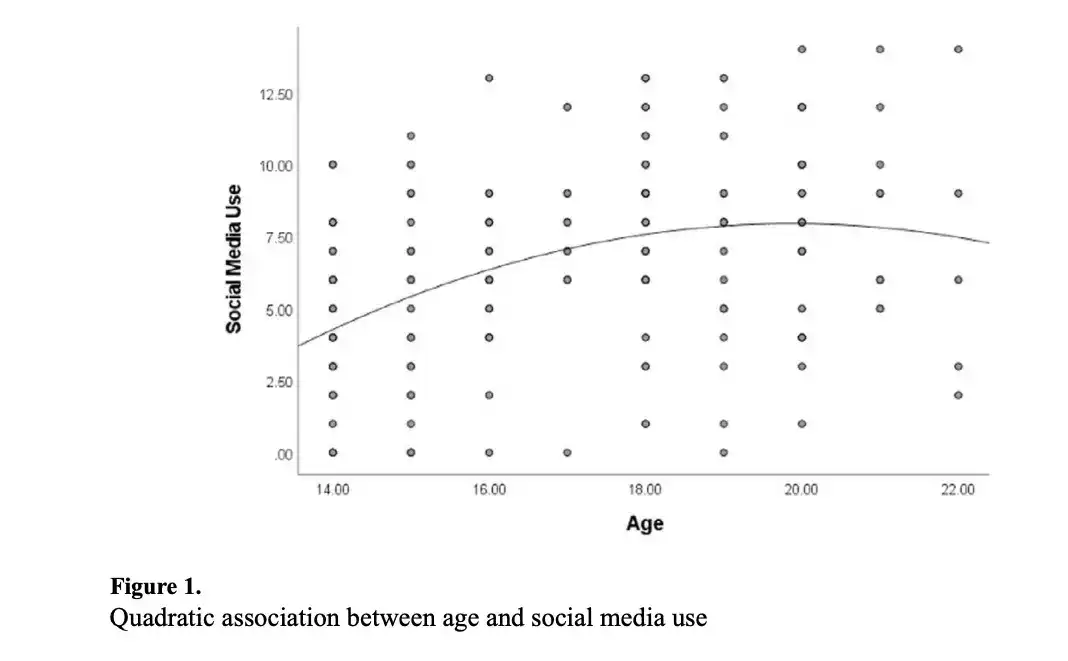
Research shows that social activity peaks around age 20-21. This means products built for young people inherently have higher virality.
2. Build Virality into the Product to Reduce Marketing Costs
If you don't have a huge marketing or advertising budget, the product itself must be a traffic channel. In the crypto space, virality is particularly important because:
· KOL marketing is very expensive.
· Trust is very low.
· Everyone expects rewards or incentives.
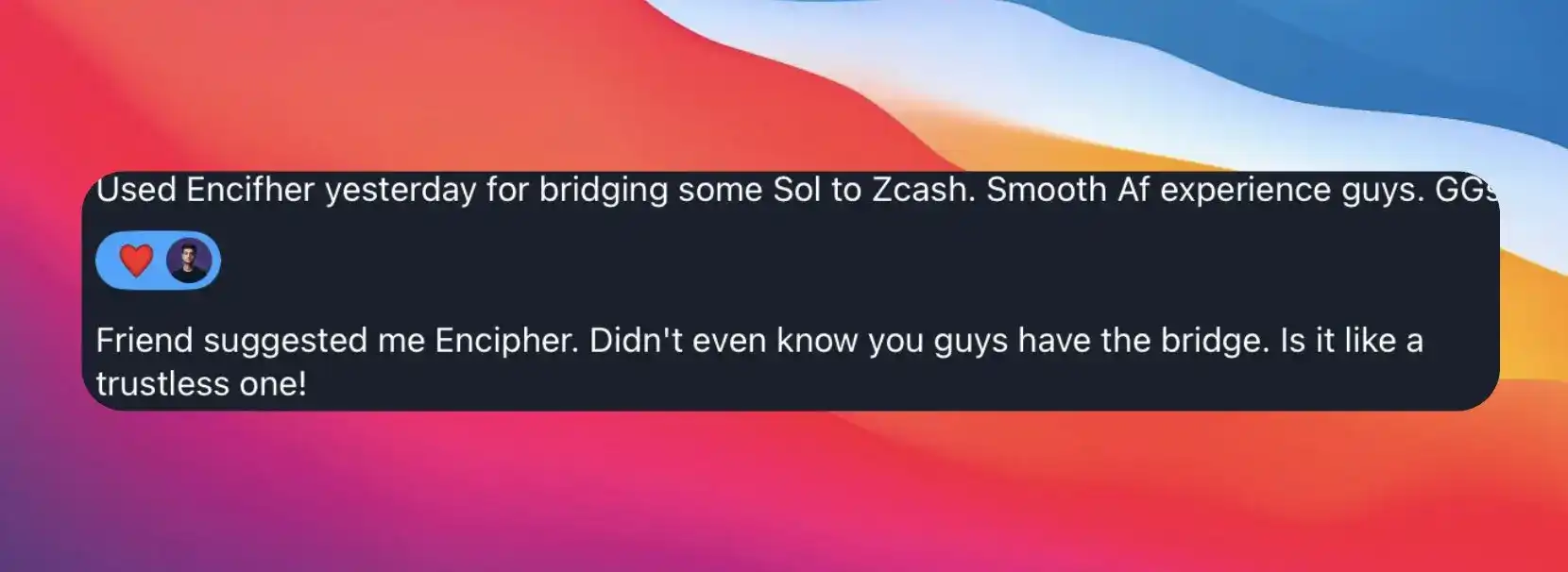
If your product gives users a reason to spontaneously share with friends or communities, you gain promotion without burning money. This is difficult but worth optimizing from day one.
3. Roll Out Requested Features ASAP
When users provide feedback about a poor experience or encounter bugs, fix them immediately, especially pain points that hinder usage. I used to wait until the end of the day to patch everything. Once, a user messaged me saying, "Since your app doesn't have this feature, I'll go use Y product first." Once users go to a competitor and form a habit, it's difficult to pull them back.
So, strive for immediate fixes (ideally within 2-5 hours). If multiple users request a feature and it's feasible:
· Deliver within 2-3 days.
· Tell them it has been rolled out based on their feedback.
· You can even offer them some rewards.
This will build deep trust. Users will start to feel like the product "belongs to them," and this sense of ownership is incredibly powerful in early-stage products.
4. The Application Name Is Extremely Important
It may sound simple, but many people (including myself) have messed this up. The application name should be highly recognizable and easy to share verbally.
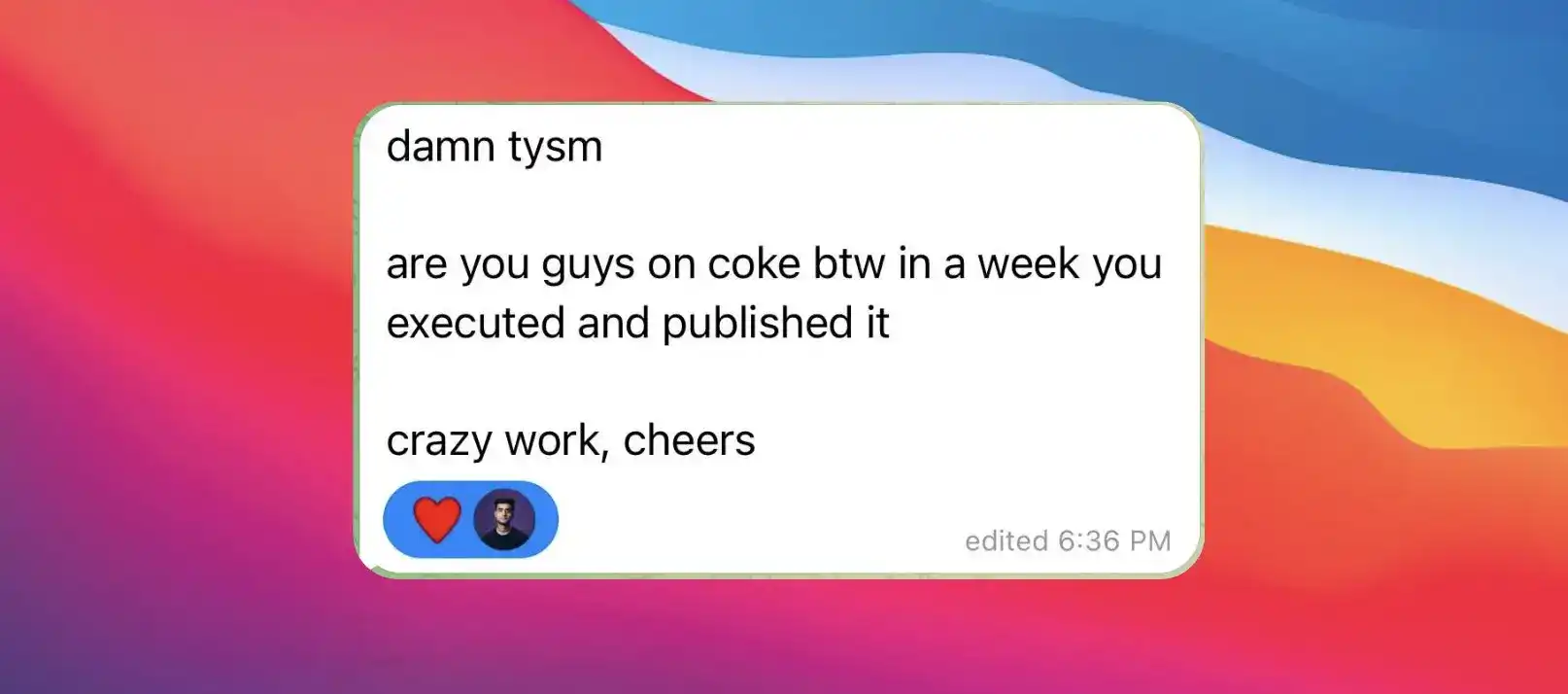
My previous product was called "Encifher," a name that was extremely hard to remember; even investors and partners would misspell it in group chats. So, we later rebranded it to encrypt.trade. It's concise, memorable, and appealing.
5. Communicating with Users Is Challenging But Necessary
Finding and talking to users is extremely difficult, especially when what you are building is not in the current "narrative of the moment." When I started working on privacy tech, it wasn't a trending topic. I reached out to nearly 1000 people through Cold Direct Messaging (Cold-DM): out of 100, maybe 10 would reply, and only 3-4 would provide substantial help.
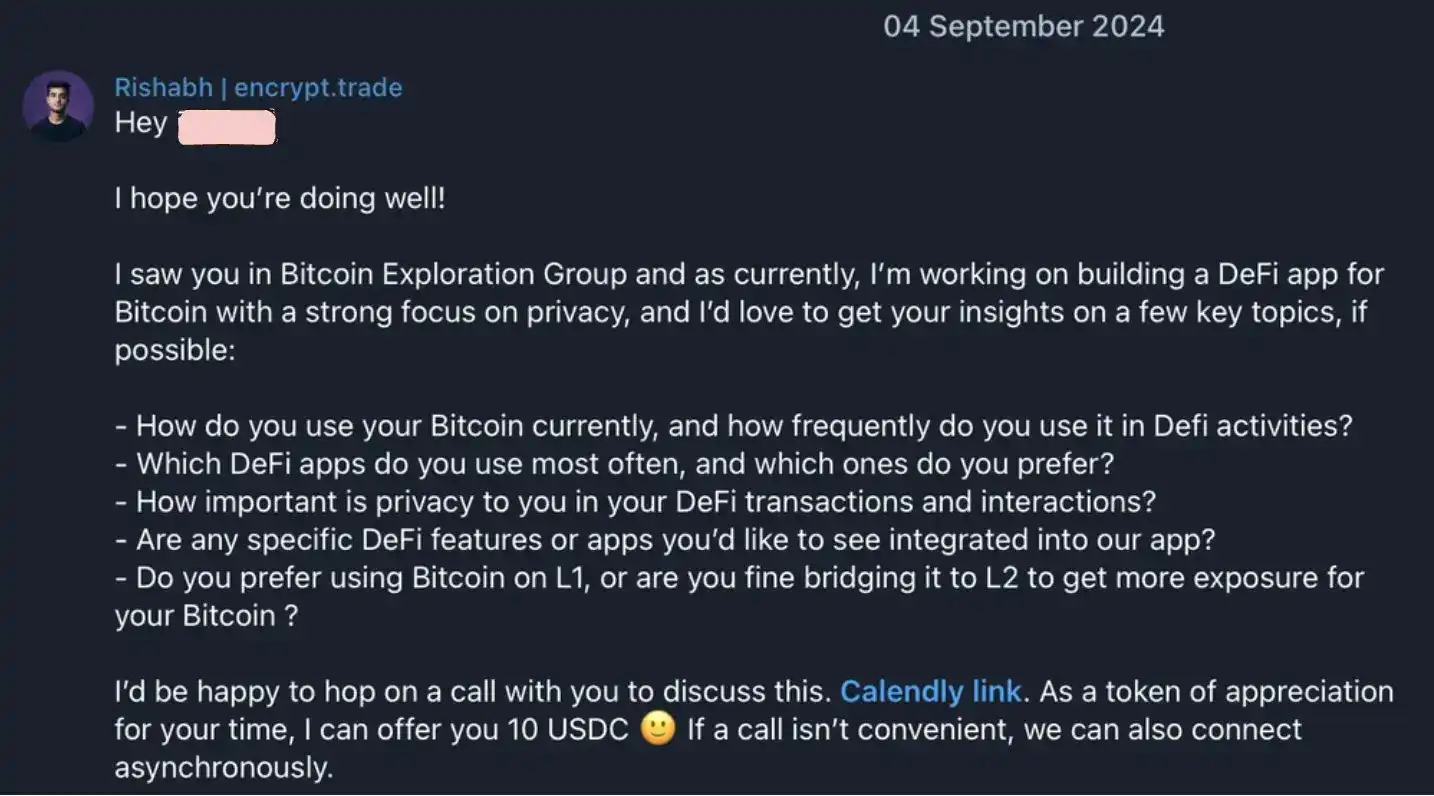
I talked to anyone showing even slight interest. I iterated on the product with them, and framing Cold-DM was also an iterative process. Here are some key points to keep in mind:
· Start with a warm greeting.
· Highlight key points (funding status, transaction volume, etc.) upfront.
· Mention where you found them.
· Give a friendly call to action.
· Always remember to follow up.
There's no perfect Cold-DM; you must A/B test to find what works effectively for your target audience. Here's a good Cold-DM template to use: but be aware, this process is slow and exhausting.
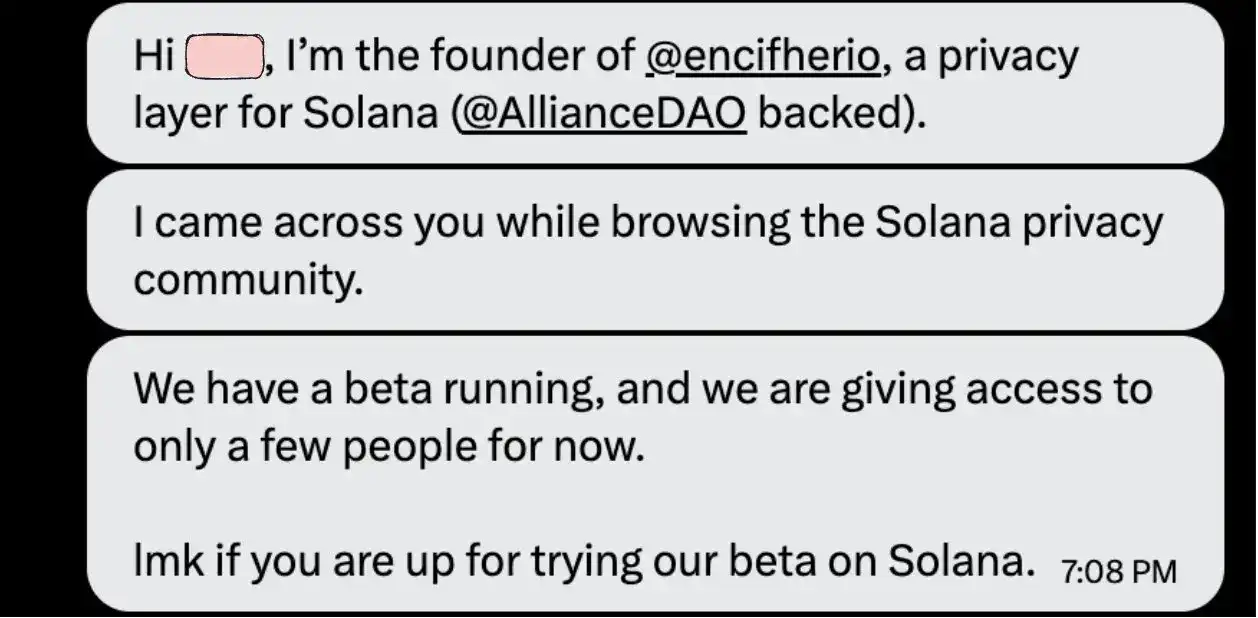
In the cryptocurrency space, few people reply to DMs because scams are rampant. A low reply rate is the norm (a bit discouraging, I know). Nevertheless, you must persist. Your goal at this stage is not to acquire 1000 users. Your goal is to find 10-20 early adopters who care about the problem, are willing to try the product, and will provide honest feedback.
These early users will become your support system. Early products often have flaws, and these users will help you get through that phase.
6. Rapid Iteration
The crypto industry is fast-paced, with an extremely short attention span. You must study user behavior rather than just listen to their language:
· What are they repeatedly doing?
· What kind of trade-offs are they making?
· What are they already willing to pay for? (Many ideas sound good, but if users are not willing to pay, it won't survive.)
7. Please make your website so simple it's "dumbed down."
Never make any assumptions about users' cognitive abilities. As a developer, what you've been staring at for hundreds of hours may seem obvious to you, but it's entirely unfamiliar to someone entering for the first time.
· Avoid introducing new terms or complex processes.
· Keep the number of clicks to a minimum.
· The core value should be evident within 5 seconds of entering the app.
Conclusion
Building consumer-grade crypto products is both fun and challenging. Iteration speed, user thinking, and marketing ability are more important than perfect technology. This is entirely different from B2B.
Original Article Link
You may also like

Fed's Latest Meeting Minutes: Divergence Persists, But "Most" Officials Advocate Continued Rate Cuts

AI Trading in Crypto: How Traders Actually Apply AI in Real Crypto Markets
Artificial intelligence has moved beyond experimentation in crypto markets. In 2025, AI-driven trading tools are increasingly used by traders who want better discipline, faster execution, and more structured decision-making in volatile markets. This guide explains how AI is actually used in crypto trading, step by step — with a focus on how these strategies are executed in real trading environments.

Key Market Intelligence on December 30th, how much did you miss out on?

Matrixdock 2025: The Practical Path to Sovereign-Grade RWA of Gold Tokenization

$50 to $1 Million: How to Survive in the Meme Battlefield with 'Wallet Tracking'

Paradigm's Tempo Project Launches Testnet, Is It Worth Checking Out?

Without Narrative Power, Web3 Will Not Tap into the Vastness

Caixin: Digital RMB Wallet Balances to Begin Earning Interest in 2026
Key Takeaways: Starting January 1, 2026, digital RMB wallets will earn interest on balances. The operational structure will…
From Failures to Success: Building Crypto Products That Truly Matter
Key Takeaways Building infrastructure in crypto doesn’t guarantee success; understanding user needs is critical. Products aimed at younger…

Cryptocurrency Trends and Insights: Navigating the 2025 Landscape
Key Takeaways Cryptocurrency continues to evolve rapidly, with new trends reshaping the market. Blockchain technology’s applications extend beyond…

Lighter: Airdrop Successful and Token Trading Imminent
Key Takeaways: The Lighter Discord community recently announced the successful distribution of LIT tokens, marking the beginning of…

The Eve of a Federal Pivot: Evaluating the Looming Change in the U.S. Central Bank
Key Takeaways Investors are gearing up for potential changes in Federal Reserve policy, with concerns about independence and…
UNI Burn Arbitrage Opportunity, Ondo Tokenized Stock Liquidity Debate, What’s the Overseas Crypto Community Talking About Today?
Key Takeaways The crypto market is buzzing with multi-threaded discussions, from macro trends to specific protocols and scams.…
6-Week, 3-Auditor Swap Sees Trump Crypto Firm Alt5 Sigma Mired in Financial Turbulence
Key Takeaways Alt5 Sigma, linked to the Trump family, faces financial reporting chaos and potential delisting risks due…

Yield Farming at 86% APY? How to Use Bots to “Earn While You Sleep” on Polymarket
Key Takeaways Polymarket presents untapped opportunities for bot utilization, despite existing competition. A proprietary trading bot streamlines the…

6-Week, 3-Auditor Switch Undermines Trump-Led Crypto Firm Alt5 Sigma
Key Takeaways Alt5 Sigma, tied to the Trump family, faces financial and operational turmoil marked by rapid auditor…

The Fed’s Monetary Policy Minutes and the Crypto Trading Insights
Key Takeaways The Federal Reserve is set to disclose the minutes from its recent monetary policy meeting, highlighting…
“Elon Musk’s Nemesis Trade” Colossal ETH Short Sparks Debate in Crypto Circles
Key Takeaways A colossal short position was secured against Ethereum (ETH) worth approximately $106 million by a single…
Fed's Latest Meeting Minutes: Divergence Persists, But "Most" Officials Advocate Continued Rate Cuts
AI Trading in Crypto: How Traders Actually Apply AI in Real Crypto Markets
Artificial intelligence has moved beyond experimentation in crypto markets. In 2025, AI-driven trading tools are increasingly used by traders who want better discipline, faster execution, and more structured decision-making in volatile markets. This guide explains how AI is actually used in crypto trading, step by step — with a focus on how these strategies are executed in real trading environments.
Key Market Intelligence on December 30th, how much did you miss out on?
Matrixdock 2025: The Practical Path to Sovereign-Grade RWA of Gold Tokenization
$50 to $1 Million: How to Survive in the Meme Battlefield with 'Wallet Tracking'
Paradigm's Tempo Project Launches Testnet, Is It Worth Checking Out?
Popular coins
Latest Crypto News


Customer Support:@weikecs
Business Cooperation:@weikecs
Quant Trading & MM:[email protected]
VIP Services:[email protected]
 App
App