
- Buy Crypto
- Markets
- Futures
- Spot
- Copy Trade
 WE-Launch
Ubisoft halts Rainbow Six Siege after hackers give each player $13.3M credits

Key Takeaways
- A massive security breach in Rainbow Six Siege granted each player $13.3 million worth of in-game credits, leading to an emergency shutdown by Ubisoft.
- The Ubisoft team is conducting a rollback to reverse transactions and restore integrity, with reassurances that players won’t be banned for using the credits.
- Following the hack, the game is set to relaunch gradually, opening to a small group of players to ensure systems are stable.
- The incident highlights the challenges of centralized gaming economies and the potential for decentralized solutions in future scenarios.
WEEX Crypto News, 2025-12-29 06:05:52
In an unprecedented turn of events, a considerable hack has left Ubisoft, the giant of the gaming world, grappling with an unexpected crisis in one of its most popular game titles, Rainbow Six Siege. This multiplayer tactical shooter game fell victim to hackers who executed a breach that flooded the virtual landscape with extensive amounts of in-game currency, stirring a significant disruption in its in-game economy.
The breach, which was first acknowledged on December 27th, detailed how these hackers infiltrated the game’s servers and handed out around 2 billion in-game credits to each player. To put this in perspective, this windfall equates to a staggering $13.3 million per player, considering the pricing structure where 15,000 R6 credits are sold for $99.99. Such an influx of virtual currency not only distorts the game’s economic integrity but also threatens the balance carefully crafted by its developers.
The Exploit Unveiled
The unfolding of this event saw a wave of responses across social media, with players sharing screenshots and narrating their experiences of this unexpected boon. The breach was comprehensive, granting hackers control over significant parts of the game’s online systems—players reported receiving not just credits, but also rare items, along with the hackers extending their influence to the messaging and banning systems. These capabilities posed severe implications for the game’s ecosystem and player trust.
Ubisoft’s timely response was crucial. On December 28th, they announced via X that they were engaging in an extensive rollback operation to nullify the unauthorized distribution of credits. Their commitment to the game’s integrity was evident in their meticulous approach to reversing the damage done. The team emphasized that extensive quality control tests would follow the rollback to ensure system and account integrity.
Remarkably, Ubisoft decided to adopt a forgiving stance toward players who might have capitalized on the opportunity to spend these ill-gotten credits. In their updates, the Ubisoft team specified that no players would face bans as a result of spending the credits afforded to them by the hackers.
Transformation and Relaunch
Moving forward from this debacle, Ubisoft is taking cautious steps. The game is undergoing a testing phase with a small group of players before reopening widely. This gradual relaunch underscores the company’s resolution to not only restore normalcy but to strengthen the game’s defenses to avert future vulnerabilities.
The prominence of Rainbow Six Siege in Ubisoft’s portfolio cannot be overstated, with millions engaging in its tactical squad-based gameplay each day. According to statistics from Active Player, the game stood strong with an average daily user base of over 34,000 active participants in December. This data further amplifies the scale of disruption caused by the hack and the urgency of Ubisoft’s response.
Blockchain and Gaming Economies
The incident with Rainbow Six Siege presents a broader context of reflection within the gaming industry around centralized versus decentralized systems. Traditional in-game economies like Ubisoft’s are susceptible to such central control breaches. In contrast, decentralized solutions, which leverage cryptocurrencies such as Bitcoin and Ether, can potentially offer a more resilient framework, mitigating risks associated with these types of hacks.
Notably, Ubisoft has been actively exploring the intersection of gaming and blockchain technology, collaborating with firms like Immutable. Their venture into blockchain aims to ambitiously integrate these emerging technologies into next-gen gaming, potentially transforming asset ownership and transaction transparency within games.
This strategy aligns with the broader trajectory of many tech-driven platforms aiming at amalgamating Web3 infrastructures—this not only diversifies Ubisoft’s portfolio but also potentially future-proofs their offerings against burgeoning security threats in digital landscapes.
Lessons from the Incident
This breach offers myriad lessons for both the stakeholders within Ubisoft and the gaming industry at large. Besides stressing the importance of securing centralized digital environments against unauthorized incursions, it also presents a case for exploring alternative economic models and transaction systems.
As the gaming industry continually evolves, the emphasis on security, player engagement, and economic sustainability becomes more pronounced. This incident underscores the importance of robust security measures and the continuous assessment of vulnerabilities that may linger in complex digital ecosystems.
Looking ahead, Ubisoft’s immediate concerns involve stabilizing Rainbow Six Siege and regaining user trust. Their action plan, involving systematic testing and gradual relaunch, reflects strategic risk management and a commitment to transparency—critical components in navigating the post-breach scenario.
Moreover, the industry may witness an introspective shift towards implementing decentralized ledger technologies, and the integration of blockchain may gain momentum as a quest to safeguard gaming ecosystems and redefine how value transacts within them.
FAQs
How did hackers manage to exploit Rainbow Six Siege?
The hackers accessed the game’s online systems and distributed massive amounts of in-game credits to players. They extended their control over communication and banning mechanisms within the game, showcasing significant vulnerability in its security framework.
What is Ubisoft doing to address the situation?
Ubisoft is conducting a rollback to remove unauthorized credits from player accounts and is reinforcing security measures. They are also subjecting the game to extensive testing before relaunching, ensuring the system’s integrity and player account safety.
Will players face bans for spending the credits they received?
No, Ubisoft has assured players that they will not be penalized for utilizing the credits obtained via the hack. The company’s primary focus remains on system recovery and safeguarding player accounts without punitive actions against users.
How does this incident highlight the difference between centralized and decentralized systems?
The hack exemplifies a vulnerability associated with centralized systems where control breaches can cause widespread disruption. Conversely, decentralized solutions potentially offer enhanced security and transparency, as transactions on blockchains like Bitcoin and Ether are not subject to a single point of failure.
What future steps is Ubisoft taking in terms of blockchain integration?
Ubisoft is actively exploring blockchain technology, having partnered with Immutable to integrate Web3 gaming strategies. This move may involve redefining asset management, enhancing transaction transparency, and addressing security vulnerabilities inherent in centralized game economies.
You may also like
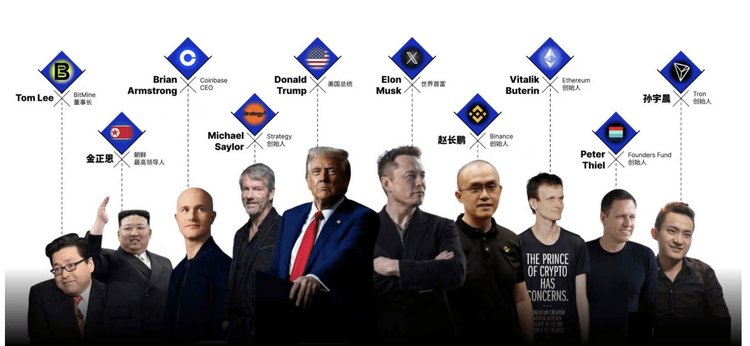
Ten People Redefining the Power Boundaries of Crypto in 2025
From Wall Street to the White House, from Silicon Valley to Shenzhen, a new power network is taking shape.

Bloomberg Checklist: 11 Key Trades to Understand the 2025 Global Financial Market

Lighter Founder's Latest Response on Token Launch Progress, What Was Said

Top US Journalist Minting on Base, Attention Completes Monetization Loop

China to Launch New Digital Yuan Management System
Key Takeaways The People’s Bank of China will implement a new management system for the digital yuan on…

Whale Withdraws 2,218 ETH from Kraken Sparking Market Interest
Key Takeaways A massive withdrawal of 2,218 ETH, 37.1 million SKY, and 4,772 AAVE occurred from Kraken. The…

Whale Trader Reaps Significant Profits from Ethereum Sales
Key Takeaways A whale, identified as address “0xa339”, has executed a large sale of 50,623 ETH. The total…

People’s Bank of China to Enhance Digital RMB Management System
Key Takeaways The People’s Bank of China (PBOC) plans to enhance the management system for the digital RMB.…

Whale Withdraws Millions in Ethereum and Other Tokens from Kraken
Key Takeaways A whale has withdrawn 2,218 ETH, valued at approximately $6.52 million, from Kraken. The whale also…

ZKC Price Surge Shakes Crypto Market
Key Takeaways ZKC (Boundless) experienced a significant 20.72% increase over the past 24 hours, reaching $0.14. The transition…
HYPE Token Unlocks Ignite Investor Interest
Key Takeaways Significant HYPE Token unlock scheduled today at 3:30 PM Beijing Time, releasing 9.92 million tokens valued…
Smart Trader Closes Ethereum Positions, Faces $3.4 Million Loss
Key Takeaways Smart trader pension-usdt.eth closed a 30,000 ETH short position, incurring a $3.4 million loss. Despite this…

ZEROBASE Surges Dramatically as High-Yield Ecosystem and Institutional Confidence Drive Growth
Key Takeaways ZEROBASE (ZBT) experienced a significant 58.95% price increase in the past 24 hours, reaching a peak…

XRP ETFs Attract Institutional Interest as Inflows Surpass Expectations
Key Takeaways XRP spot ETFs have experienced substantial inflows since their launch in November 2025, surpassing $1.1 billion.…

Whale Shifts to Massive Short Positions in Cryptocurrency Market
Key Takeaways A crypto whale transitioned from long to short positions, involving significant assets amounting to over $91…

Japanese Central Bank Signals Potential Interest Rate Hikes Impacting Crypto Market
Key Takeaways The Japanese Central Bank has indicated potential interest rate hikes as the yen weakens, affecting the…

Gate ETF Achieves $5 Billion Trading Volume Over 30 Days
Key Takeaways Gate ETF has reached approximately $5 billion in trading volume over the last 30 days, covering…

Bitcoin Reaches $90,000 Amid Geopolitical Tensions and Oil Price Surge
Key Takeaways Bitcoin recently surged past $90,000, driven by heightened geopolitical tensions and rising oil prices. The cryptocurrency…
Ten People Redefining the Power Boundaries of Crypto in 2025
From Wall Street to the White House, from Silicon Valley to Shenzhen, a new power network is taking shape.
Bloomberg Checklist: 11 Key Trades to Understand the 2025 Global Financial Market
Lighter Founder's Latest Response on Token Launch Progress, What Was Said
Top US Journalist Minting on Base, Attention Completes Monetization Loop
China to Launch New Digital Yuan Management System
Key Takeaways The People’s Bank of China will implement a new management system for the digital yuan on…
Whale Withdraws 2,218 ETH from Kraken Sparking Market Interest
Key Takeaways A massive withdrawal of 2,218 ETH, 37.1 million SKY, and 4,772 AAVE occurred from Kraken. The…
Popular coins
Latest Crypto News


Customer Support:@weikecs
Business Cooperation:@weikecs
Quant Trading & MM:[email protected]
VIP Services:[email protected]
 App
App