
- Kup krypto
- Rynki
- Kontrakty futures
- Spot
- Copy trading
 WE-Launch
After the financial markets were bloodbathed, how do Wall Street tycoons view Trump's tariff policy?

Billionaire Bill Ackman, founder of Pershing Square, has issued a warning to world leaders: "Don't wait for a war to start negotiating, pick up the phone and call the president now."
Ackman's warning is not just hyperbole—it's more like a plea.
A few days ago, President Trump's tariff plan was like a nuclear bomb, causing chaos in global markets, with the U.S. stock market losing $6 trillion in market value in a week, and the Dow Jones Industrial Average experiencing its largest intraday swing of 2595 points on Monday. Oil prices fell, interest rates were cut, inflation concerns lingered, and Trump confidently declared on Truth Social, "Tariffs are a wonderful thing," but Wall Street titans couldn't sit still, speaking out one after another and forming a symphony of tariffs on Wall Street.
On April 6, 2025, Ackman posted on Twitter, "By imposing massive and disproportionate tariffs on our friends and enemies, we are simultaneously waging a global economic war on the world. We are heading towards a self-induced economic nuclear winter."
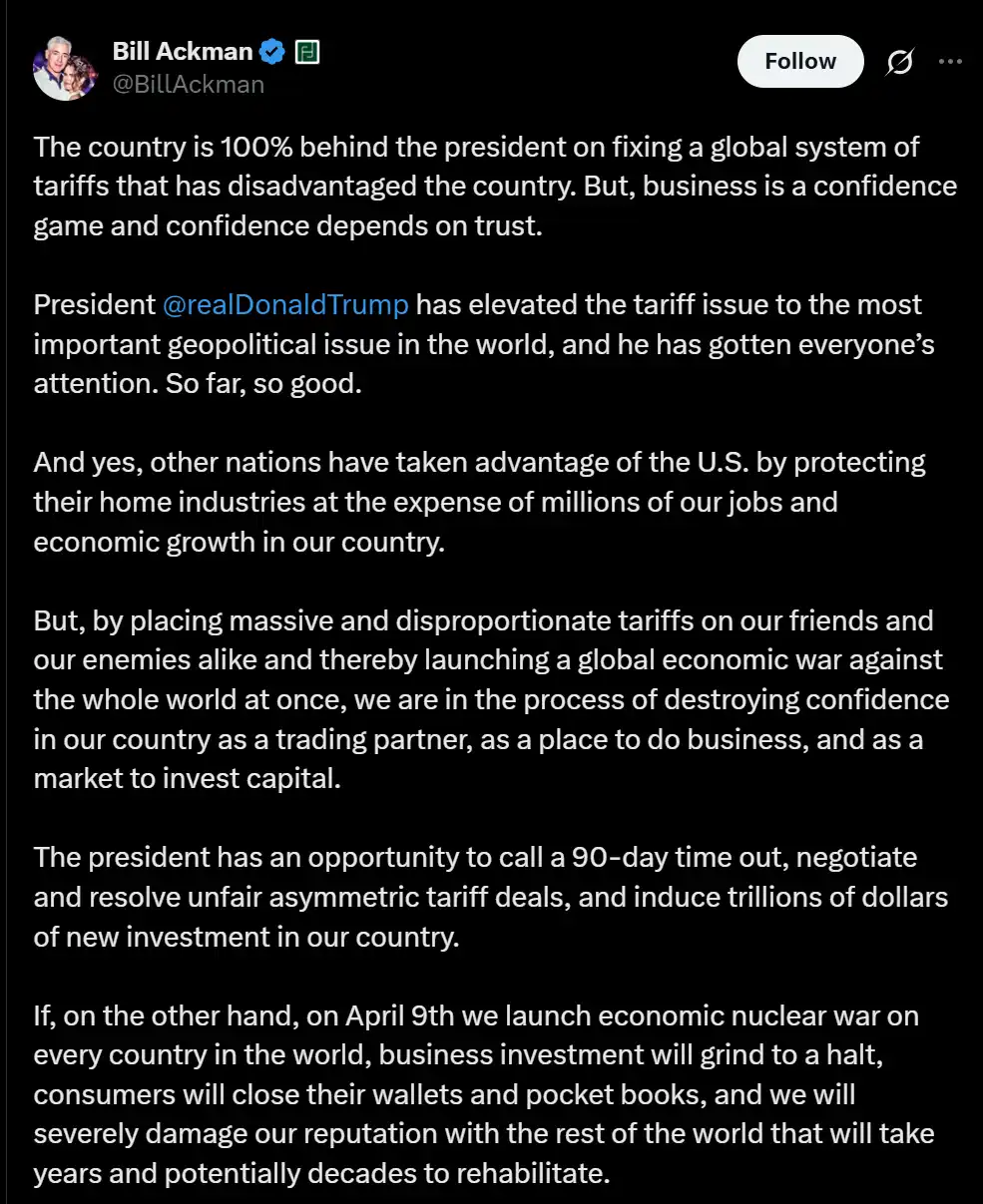
Faced with the Trump administration's escalating tariff policy, Ackman is not the only one sounding the alarm. Many Wall Street heavyweights have openly opposed the expansionary tariff policy, even those who once supported him or hoped for deregulation and economic growth under his administration.
Former Goldman Sachs CEO Lloyd Blankfein also questioned, "Why not give them a chance?" and suggested that Trump should negotiate with other countries on a "reciprocal" tariff rate.
Other voices included Boaz Weinstein, CEO and President of Gerber Kawasaki Ross Gerber, and JPMorgan Chase CEO Jamie Dimon.
Boaz Weinstein predicted that "the avalanche is just beginning." Dimon bluntly said, "The sooner this issue is resolved, the better, as some of the negative impacts will accumulate over time and be difficult to reverse," warning that a catastrophic split in America's long-standing economic alliances could occur. Gerber called President Donald Trump's tariff policy "destructive," saying it could lead to an economic recession.
It is clear that even those accustomed to market volatility, and even financial titans who once supported Trump, are now beginning to worry that this tariff war could trigger uncontrollable chain reactions.
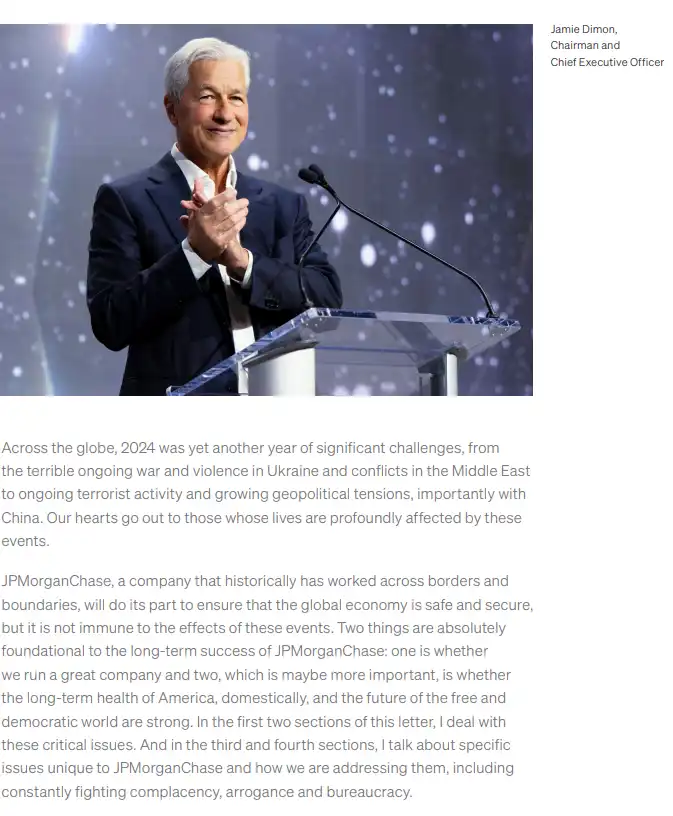
More and more criticism has been directed at Trump for not giving any indication that he is ready to back down from the punitive trade reform set to begin on April 9. The market can tolerate uncertainty but not strongman "policy speculation." This collective outcry from Wall Street indicates that capital is unwilling to foot the bill for political gambling.
Oaktree Capital's Co-Chairman Howard Marks, in an interview with Bloomberg, noted that the tariff policy has altered the established global trade and economic pattern, making the market environment more complex. Investors need to consider a range of unknown variables, such as the inflation that tariffs may trigger, supply chain disruptions, retaliatory measures from trading partners, and the potential impact of these factors on economic growth and asset prices.
Marks's warning actually reveals the anxiety of the entire professional investment community. When policy dominance overrides market rules, the traditional analytical framework is failing, and even the most seasoned fund managers must relearn how to place bets in a global economic game.
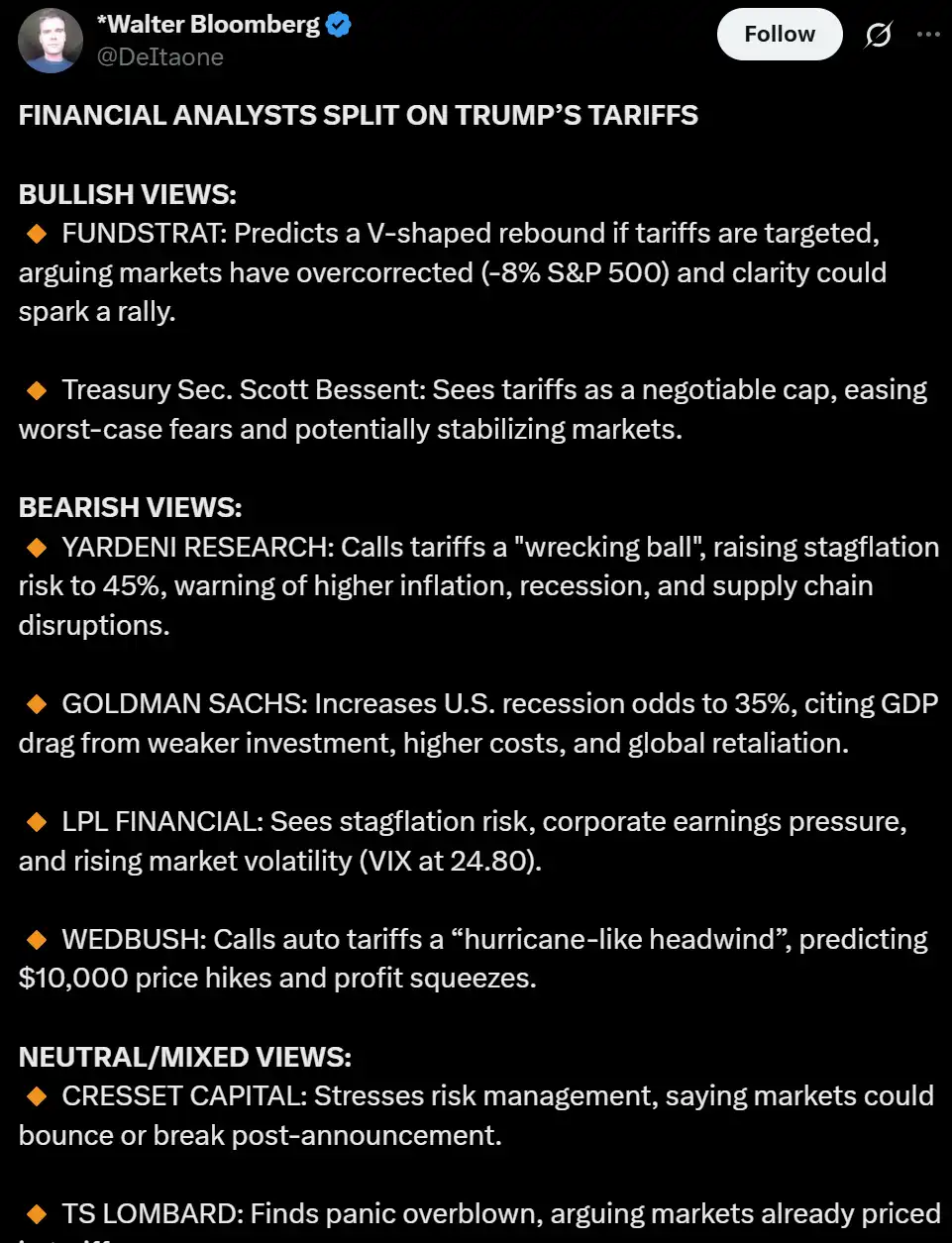
As of April 3, 2025, Wall Street's stance on Trump's tariff policy remains divided. The bulls camp, such as Fundstrat and Treasury Secretary Scott Besent, believe that the previous market adjustment was oversold and that once the policy direction becomes clear, it may trigger a "V-shaped rebound." The bears warn of escalating risks, with Yardeni Research likening tariffs to a "wrecking ball," Goldman Sachs raising the U.S. recession probability to 35%, and LPL and Wedbush expressing concerns about stagflation shadows, corporate profit pressures, and the automotive industry facing severe damage.
Meanwhile, moderates emphasize more on risk management, pointing out that some negative factors have already been priced in by the market, and the future trend largely depends on the intensity of tariff implementation and the actual resilience of the manufacturing sector. However, with the market experiencing severe turbulence and rising panic, voices that were originally in a wait-and-see attitude are also shifting, significantly questioning Trump's tariff policy.
Despite Ken Fisher's ruthless criticism of Trump's tariff plan launched in early April as "stupid, wrong, and extremely arrogant," he still maintains his usual optimism. He believes that "fear is often more frightening than reality" and that this storm may only be a market correction similar to 1998, ultimately potentially yielding up to a 26% annualized return.
Steve Eisman, known for his role in shorting the subprime mortgage crisis and the prototype of "The Big Short," warns that the market has not yet truly reflected the worst-case scenario of Trump's tariff policy and that it is not the time to be a "hero." He bluntly states that Wall Street is overly reliant on the old paradigm of "beneficial free trade" and is inevitably at a loss in the face of a president who breaks with tradition.
He admitted that he also suffered heavy losses from going long, pointing out that the market is filled with the "grievances of the losers." Eiseman also emphasized that current policies are attempting to address the overlooked groups under free trade, and Wall Street should not be surprised by this, as Trump "has long said he would do so, but no one took it seriously."
Amidst the clamor, U.S. Treasury Secretary Scott Bessent emphasized that tariffs are essentially a "maximized leverage" negotiation chip, rather than a long-term economic barrier. He asked, "If tariffs are really so bad, why are our trading partners also using them? If they will only harm American consumers, why are they so nervous?" In his view, this is a counterattack against China's "low-cost, forced labor, and subsidy" system.
However, in reality, Bessent does not seem to have played a key role in the decision-making process and appears more like a "spokesperson" within the government used to appease the market. The dramatic fluctuations caused by the tariffs have also alerted the White House internally.
This tariff storm has exposed the impact of policy uncertainty on market confidence, leading to a rare "collective venting" on Wall Street. Regardless of their position, the majority of voices are questioning or even criticizing the radical and hasty nature of the policy. Behind the disagreements lies a general dissatisfaction with the logic of the policy and the pace of its implementation, and perhaps what really needs to be discussed is how confidence can be rebuilt amidst this chaos?
Możesz również polubić

WEEXPERIENCE Whales Night: Sztuczna inteligencja, społeczność kryptowalutowa i wgląd w rynek kryptowalut
12 grudnia 2025 roku WEEX zorganizował WEEXPERIENCE Whales Night, spotkanie społecznościowe offline, którego celem było zgromadzenie członków lokalnej społeczności kryptowalutowej. Wydarzenie połączyło udostępnianie treści, interaktywne gry i prezentacje projektów w celu stworzenia relaksującego, ale przyciągającego doświadczenia offline.
Ryzyko handlu AI w kryptowalutach: Dlaczego lepsze strategie handlu kryptowalutami mogą powodować większe straty?
Ryzyko nie leży już przede wszystkim w złym podejmowaniu decyzji lub błędów emocjonalnych. Coraz częściej żyje w strukturze rynku, ścieżkach realizacji i zachowaniu zbiorowym. Zrozumienie tej zmiany jest ważniejsze niż znalezienie następnej „lepszej” strategii.
Czy agenci AI zastępują badania kryptowalutowe? Jak autonomiczna sztuczna inteligencja zmienia kształt handlu kryptowalutami
AI przechodzi od wspomagania inwestorów do automatyzacji całego procesu od badania do realizacji na rynkach kryptowalut. Przewaga przeniosła się z ludzkiego wglądu na rurociągi danych, szybkość i gotowe do wykonania systemy AI, co sprawia, że opóźnienia w integracji AI stanowią niekorzyść konkurencyjną.
Tradowanie robotami AI i kopiowanie: Jak synchronizowane strategie odtwarzają zmienność rynku kryptowalut
Handlowcy kryptowalutami detalicznymi od dawna borykają się z tymi samymi wyzwaniami: słabe zarządzanie ryzykiem, późne zgłoszenia, emocjonalne decyzje i niespójne wykonanie. Narzędzia handlowe AI obiecały rozwiązanie. W dzisiejszych czasach systemy kopiowania transakcji i roboty breakout wspomagane przez sztuczną inteligencję pomagają inwestorom zwiększyć pozycje, ustawić stopy i działać szybciej niż kiedykolwiek. Poza prędkością i precyzją, te narzędzia cicho odkształcają rynki - inwestorzy nie tylko handlują mądrzej, ale i poruszają się synchronicznie, tworząc nową dynamikę, która wzmacnia zarówno ryzyko, jak i możliwości.
Trading AI w krypto wyjaśniono: Jak autonomiczny handel odtwarza rynki kryptowalut i giełdy kryptowalut
AI Trading szybko zmienia krajobraz kryptowalut. Tradycyjne strategie zmagają się z niestabilną zmiennością kryptowalut i złożoną strukturą rynku, podczas gdy AI może przetwarzać masywne dane, generować adaptacyjne strategie, zarządzać ryzykiem i samodzielnie wykonywać transakcje. Ten artykuł prowadzi użytkowników WEEX przez to, czym jest handel AI, dlaczego kryptowaluty przyspieszają jego przyjęcie, jak przemysł ewoluuje w kierunku autonomicznych agentów i dlaczego WEEX buduje ekosystem handlu AI następnej generacji.
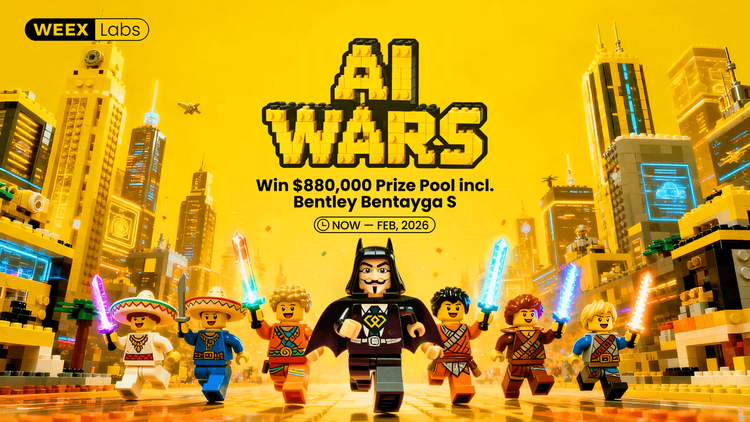
Call to Join AI Wars: WEEX Alpha Awakens — Globalny konkurs handlowy AI z nagrodą w wysokości 880 000 $
Teraz apelujemy do handlowców AI z całego świata o przyłączenie się do AI Wars: WEEX Alpha Awakens, globalny konkurs handlowy AI z bazą nagród w wysokości 880 000 USD.

Trading AI na rynkach kryptowalut: Od automatycznych robotów handlowych po algorytmiczne strategie
Handel oparty na sztucznej inteligencji przesuwa kryptowaluty z spekulacji detalicznej na konkurencję na poziomie instytucji, gdzie wykonywanie i zarządzanie ryzykiem są ważniejsze niż kierunek. W miarę wzrostu liczby transakcji AI zwiększa się ryzyko systemowe i presja regulacyjna, co czyni z długoterminowej wydajności, solidnych systemów i zgodności kluczowymi czynnikiem różnicującym.

Analiza emocji AI i zmienność kryptowalut: Co zmienia ceny kryptowalut
Sentiment AI coraz bardziej wpływa na rynki kryptowalut, a zmiany w oczekiwaniach związanych z AI przekładają się na zmienność dla głównych aktywów cyfrowych. Rynki kryptowalutowe mają tendencję do wzmacniania narracji AI, pozwalając przepływom napędzanym sentymentem przewyższać fundamenty w krótkim czasie. Zrozumienie, w jaki sposób kształtuje się i rozprzestrzenia sentyment AI, pomaga inwestorom lepiej przewidywać cykle ryzyka i pozycjonowanie możliwości w ramach aktywów cyfrowych.
Przewodnik po hackathonie handlu AI WEEX: znajdź swój WEEX UID i zarejestruj się
Od teraz do lutego 2026 r. WEEX wprowadza na rynek AI Wars: WEEX Alpha Awakens, pierwszy na świecie globalny hackathon poświęcony handlowaniu kryptowalutami z wykorzystaniem sztucznej inteligencji. Znajdź swój identyfikator UID i zarejestruj się w globalnym hackathonie handlu AI WEEX.
AI Wars: Przewodnik uczestników
W tej ostatecznej rozgrywce najlepsi programiści, analitycy ilościowi i traderzy z całego świata wykorzystają swoje algorytmy w prawdziwych bitwach rynkowych, rywalizując o jedną z największych pul nagród w historii handlu kryptowalutami opartego na sztucznej inteligencji: 880,000 USD, w tym Bentley Bentayga S dla zwycięzcy. Ten przewodnik poprowadzi Cię przez każdy wymagany krok od rejestracji do oficjalnego rozpoczęcia konkursu.
Tydzień Banku Centralnego i zmienność rynku kryptowalut: Jak decyzje dotyczące stóp procentowych kształtują warunki handlowe w WEEX
Decyzje dotyczące stopy procentowej podejmowane przez główne banki centralne, takie jak Rezerwa Federalna, są istotnymi wydarzeniami makroekonomicznymi, wpływającymi na globalne rynki finansowe, bezpośrednio wpływając na oczekiwania rynku w zakresie płynności i apetytu na ryzyko. W miarę jak rynek kryptowalut nadal się rozwija, a jego struktura handlowa i uczestnicy dojrzewają, rynek kryptowalut jest stopniowo włączany do makroekonomicznego systemu cenowego.
WEEX API Testowanie: Oficjalny przewodnik dla AI Trading Hackathon i Crypto Trading API
WEEX API Testing ma na celu zapewnienie, że każdy uczestnik może przekształcić logikę transakcji w rzeczywiste wykonanie. Wszystkie interakcje API odbywają się w systemie WEEX Live Trading System, co pozwala uczestnikom pracować w autentycznych warunkach rynkowych, a nie w symulacjach. Dzięki wymaganiom low entry zadanie jest dostępne zarówno dla doświadczonych programistów, jak i motywowanych początkujących, jednocześnie weryfikując niezbędne umiejętności techniczne.
Wojny AI: WEEX Alpha Awakens | Przewodnik po procesie testów WEEX Global Hackathon API
AI Wars: WEEX Alpha Awakens rejestracja jest teraz otwarta. i ten przewodnik opisuje, jak uzyskać dostęp do testu API i pomyślnie zakończyć proces.
Co to jest WEEX Alpha Awakens i jak wziąć udział? Pełny przewodnik
Aby przyspieszyć przełom na skrzyżowaniu sztucznej inteligencji i kryptowalut, WEEX uruchamia pierwszy na świecie globalny hackathon handlowy AI – AI Wars: Alpha się budzi.
Dołącz do wojny AI: WEEX Alpha się budzi!Globalny Call for AI Trading Alphas
AI Wars: WEEX Alpha Awakens to globalny hackathon handlowy AI w Dubaju, wzywający zespoły kwantowe, handlowców algorytmicznych i deweloperów AI do uwolnienia swoich strategii handlu kryptowalutami AI na rynkach na żywo za udział w puli nagród w wysokości 880 000 USD.
WEEX Unveils Trade to Earn: Aż 30% zwrotu natychmiastowego + $2M WXT Buyback
WEEX z przyjemnością ogłasza uruchomienie naszego programu Trade to Earn, który automatycznie przyznaje Ci rabaty na opłaty handlowe do 30%. Wszystkie nagrody są przypisywane bezpośrednio do Twojego konta spotowego w $WXT - wspierane przez nasz plan zakupu $2,000,000 WXT, który zasila długoterminową wartość tokenów.

Nowe: Szacowana cena likwidacji w App Candlestick Charts
WEEX wprowadziła nową Stimated Liquidation Price (Est. Liq. Cena) funkcja na wykresie świecznika, aby pomóc inwestorom lepiej zarządzać ryzykiem i zidentyfikować bezpieczne zakresy dla ich pozycji.
Listopad 2025 Przegląd rynku kryptowalut: Korekta cen, zwroty ETF i ewoluujący krajobraz blockchain
W listopadzie 2025 r. nastąpiła wyraźna zmienność i korekta strukturalna w szerszym ekosystemie blockchain, głównie w wyniku zmiennych prognoz makroekonomicznych i dynamiki przepływu kapitału.
WEEXPERIENCE Whales Night: Sztuczna inteligencja, społeczność kryptowalutowa i wgląd w rynek kryptowalut
12 grudnia 2025 roku WEEX zorganizował WEEXPERIENCE Whales Night, spotkanie społecznościowe offline, którego celem było zgromadzenie członków lokalnej społeczności kryptowalutowej. Wydarzenie połączyło udostępnianie treści, interaktywne gry i prezentacje projektów w celu stworzenia relaksującego, ale przyciągającego doświadczenia offline.
Ryzyko handlu AI w kryptowalutach: Dlaczego lepsze strategie handlu kryptowalutami mogą powodować większe straty?
Ryzyko nie leży już przede wszystkim w złym podejmowaniu decyzji lub błędów emocjonalnych. Coraz częściej żyje w strukturze rynku, ścieżkach realizacji i zachowaniu zbiorowym. Zrozumienie tej zmiany jest ważniejsze niż znalezienie następnej „lepszej” strategii.
Czy agenci AI zastępują badania kryptowalutowe? Jak autonomiczna sztuczna inteligencja zmienia kształt handlu kryptowalutami
AI przechodzi od wspomagania inwestorów do automatyzacji całego procesu od badania do realizacji na rynkach kryptowalut. Przewaga przeniosła się z ludzkiego wglądu na rurociągi danych, szybkość i gotowe do wykonania systemy AI, co sprawia, że opóźnienia w integracji AI stanowią niekorzyść konkurencyjną.
Tradowanie robotami AI i kopiowanie: Jak synchronizowane strategie odtwarzają zmienność rynku kryptowalut
Handlowcy kryptowalutami detalicznymi od dawna borykają się z tymi samymi wyzwaniami: słabe zarządzanie ryzykiem, późne zgłoszenia, emocjonalne decyzje i niespójne wykonanie. Narzędzia handlowe AI obiecały rozwiązanie. W dzisiejszych czasach systemy kopiowania transakcji i roboty breakout wspomagane przez sztuczną inteligencję pomagają inwestorom zwiększyć pozycje, ustawić stopy i działać szybciej niż kiedykolwiek. Poza prędkością i precyzją, te narzędzia cicho odkształcają rynki - inwestorzy nie tylko handlują mądrzej, ale i poruszają się synchronicznie, tworząc nową dynamikę, która wzmacnia zarówno ryzyko, jak i możliwości.
Trading AI w krypto wyjaśniono: Jak autonomiczny handel odtwarza rynki kryptowalut i giełdy kryptowalut
AI Trading szybko zmienia krajobraz kryptowalut. Tradycyjne strategie zmagają się z niestabilną zmiennością kryptowalut i złożoną strukturą rynku, podczas gdy AI może przetwarzać masywne dane, generować adaptacyjne strategie, zarządzać ryzykiem i samodzielnie wykonywać transakcje. Ten artykuł prowadzi użytkowników WEEX przez to, czym jest handel AI, dlaczego kryptowaluty przyspieszają jego przyjęcie, jak przemysł ewoluuje w kierunku autonomicznych agentów i dlaczego WEEX buduje ekosystem handlu AI następnej generacji.
Call to Join AI Wars: WEEX Alpha Awakens — Globalny konkurs handlowy AI z nagrodą w wysokości 880 000 $
Teraz apelujemy do handlowców AI z całego świata o przyłączenie się do AI Wars: WEEX Alpha Awakens, globalny konkurs handlowy AI z bazą nagród w wysokości 880 000 USD.
Popularne monety
Najnowsze wiadomości kryptowalutowe


Obsługa klienta:@weikecs
Współpraca biznesowa:@weikecs
Quant trading i MM:[email protected]
Usługi VIP:[email protected]
 App
App