
- Kup krypto
- Rynki
- Kontrakty futures
- Spot
- Copy trading
 WE-Launch
Analysis: The main reason for the recent cryptocurrency market crash was the Bank of Japan hinting at a rate hike and market concerns about a potential "Strategy" disaster.

BlockBeats News, December 2nd, Bitcoin briefly dropped below $84,000, plummeting over 8% at one point, and the total crypto market cap fell below $3 trillion. In the past 24 hours, there was $974 million in total liquidations across the network, with long positions liquidated accounting for $851 million of that amount, causing over 260,000 people to be liquidated. In response to this crypto market crash, Arthur Hayes stated that the reason was the Bank of Japan's hint at a possible interest rate hike in December. The USD to JPY exchange rate fluctuated in the 155-160 range, indicating a hawkish stance by the Bank of Japan. Maclane Wilkison, co-founder of Threshold Network, stated, "The Bank of Japan signaling a potential interest rate hike has tightened global liquidity expectations and shaken risk assets."
Additionally, Strategy's CEO Phong Le mentioned that only when a company's stock price falls below its net asset value and cannot secure new funds would they consider selling Bitcoin. Concerns have risen in the market that due to the weakening Bitcoin price, Strategy may be forced to sell coins as they lack cash to pay dividends.
Previously, S&P Global Ratings downgraded Tether's USDT stability rating from "Restricted" to "Weak" and warned that a Bitcoin price decline could lead to the stablecoin facing under-collateralization risk. Arthur Hayes, in a post, mentioned that if the "Gold + BTC position" dropped by approximately 30%, it would wipe out their equity capital, rendering USDT theoretically insolvent. In response to this, Tether CEO Paolo Ardoino addressed the "Tether FUD" and stated that the group's equity capital is close to $30 billion. S&P's analysis did not consider additional group equity, nor did it account for the approximately $500 million in monthly net profit solely from U.S. Treasury yields.
Boris Revsin, General Partner and Managing Director at Tribe Capital, described this as a "leverage washout" that caused a chain reaction throughout the market. Simultaneously, the macro environment has become less friendly: short-term rate cut expectations have faded, inflation remains stubborn, the job market is weakening, geopolitical risks are rising, and consumer pressure is increasing. These factors have led to a weak performance in most risk assets over the past two months. William Stern, founder of Cardiff, stated, "With just over a week until the Fed meeting, inflation data remains unclear. Institutional investors are actively reducing risk. They are reluctant to hold highly volatile assets like Bitcoin to avoid Powell making hawkish statements."
Możesz również polubić
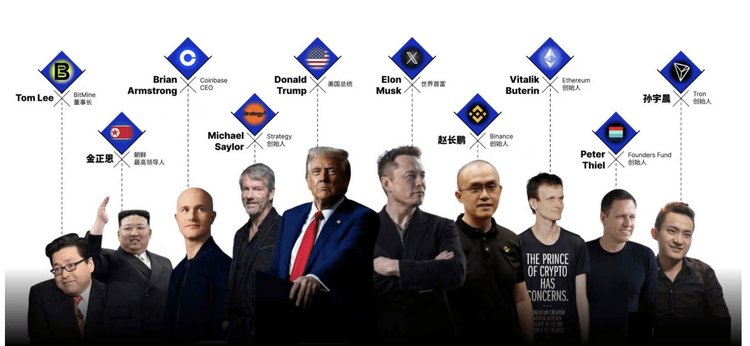
Ten People Redefining the Power Boundaries of Crypto in 2025
Od Wall Street do Białego Domu, od Doliny Krzemowej do Shenzhen, powstaje nowa sieć energetyczna.

Trading AI w krypto wyjaśniono: Jak autonomiczny handel odtwarza rynki kryptowalut i giełdy kryptowalut
AI Trading szybko zmienia krajobraz kryptowalut. Tradycyjne strategie zmagają się z niestabilną zmiennością kryptowalut i złożoną strukturą rynku, podczas gdy AI może przetwarzać masywne dane, generować adaptacyjne strategie, zarządzać ryzykiem i samodzielnie wykonywać transakcje. Ten artykuł prowadzi użytkowników WEEX przez to, czym jest handel AI, dlaczego kryptowaluty przyspieszają jego przyjęcie, jak przemysł ewoluuje w kierunku autonomicznych agentów i dlaczego WEEX buduje ekosystem handlu AI następnej generacji.

Trading AI na rynkach kryptowalut: Od automatycznych robotów handlowych po algorytmiczne strategie
Handel oparty na sztucznej inteligencji przesuwa kryptowaluty z spekulacji detalicznej na konkurencję na poziomie instytucji, gdzie wykonywanie i zarządzanie ryzykiem są ważniejsze niż kierunek. W miarę wzrostu liczby transakcji AI zwiększa się ryzyko systemowe i presja regulacyjna, co czyni z długoterminowej wydajności, solidnych systemów i zgodności kluczowymi czynnikiem różnicującym.

Analiza emocji AI i zmienność kryptowalut: Co zmienia ceny kryptowalut
Sentiment AI coraz bardziej wpływa na rynki kryptowalut, a zmiany w oczekiwaniach związanych z AI przekładają się na zmienność dla głównych aktywów cyfrowych. Rynki kryptowalutowe mają tendencję do wzmacniania narracji AI, pozwalając przepływom napędzanym sentymentem przewyższać fundamenty w krótkim czasie. Zrozumienie, w jaki sposób kształtuje się i rozprzestrzenia sentyment AI, pomaga inwestorom lepiej przewidywać cykle ryzyka i pozycjonowanie możliwości w ramach aktywów cyfrowych.
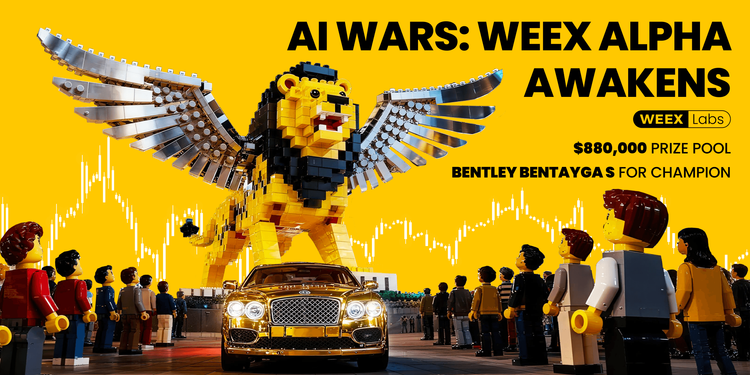
Wojny AI: WEEX Alpha Awakens | Przewodnik po procesie testów WEEX Global Hackathon API
AI Wars: WEEX Alpha Awakens rejestracja jest teraz otwarta. i ten przewodnik opisuje, jak uzyskać dostęp do testu API i pomyślnie zakończyć proces.
Listopad 2025 Przegląd rynku kryptowalut: Korekta cen, zwroty ETF i ewoluujący krajobraz blockchain
W listopadzie 2025 r. nastąpiła wyraźna zmienność i korekta strukturalna w szerszym ekosystemie blockchain, głównie w wyniku zmiennych prognoz makroekonomicznych i dynamiki przepływu kapitału.

WEEX w Blockchain Life 2025: Łączenie społeczności i innowacje w Dubaju
Udział WEEX w programie Blockchain Life 2025 był znaczącym kamieniem milowym na naszej drodze do osiągnięcia pozycji światowego lidera w dziedzinie kryptowalut. W miarę dalszego poszerzania naszego zasięgu, pozostajemy zaangażowani w budowanie głębszej płynności i większych możliwości dla handlowców, wpływowców i całej społeczności blockchain.

WEEX podbija świat serią wydarzeń offline w 2025 roku
Globalny zasięg WEEX: rok niepowstrzymanego wzrostu

WEEX dołącza do MRBLOCK SUMMIT 2025 w Tajpej
Dla WEEX udział w MRBLOCK SUMMIT to coś więcej niż tylko obecność — to zobowiązanie do wspierania lokalnych twórców i wzmacniania więzi z dynamiczną społecznością Web3 na Tajwanie.

Świętowanie urodzin ETH i networking Web3 z WEEX
WEEX dołączył do Crypto Drinks – Amsterdam x ETH Birthday Edition, tętniącego życiem wydarzenia towarzyszącego, podczas którego świętowano rocznicę powstania Ethereum wraz z europejską społecznością kryptowalutową.

SharpLink pozyskuje 295 milionów dolarów w ETH 5 sierpnia 2025 r. - przewyższając całą emisję eteru w zeszłym miesiącu
Wyobraź sobie firmę, która nie tylko zanurza się w świecie kryptowalut, ale zanurza się w głowie, zmieniając...
Czy Bitcoin jest na dobrej drodze, aby osiągnąć 200 000 USD w 2025 roku? Analityk nazywa to 'bardzo mało prawdopodobnym'
Patrząc na krajobraz kryptowalut w dniu 5 sierpnia 2025 roku, Bitcoin nadal fascynuje inwestorów…
Bitfarms uruchamia 10-procentowy program odkupienia akcji, uważa, że akcje są niedoceniane na tle AI Pivot
Wyobraź sobie firmę, która nie tylko jeździ na falach wydobycia Bitcoin, ale śmiało kieruje się w przyszłość...
Bitcoin przygotowany na duży wzrost w 2026 roku, ponieważ tradycyjny czteroletni cykl traci przyczepność, przewiduje CIO Bitwise
Wyobraź sobie, że Bitcoin uwalnia się od starych rytmów, podobnie jak doświadczony sportowiec, który rezygnuje z przewidywalnej rutyny treningowej...
Wieloryb bitcoinowy z ery Satoshi sprzedaje 80 000 BTC za 9 miliardów dolarów za pośrednictwem Galaxy Digital w obliczu rosnącej zmienności
Wieloryb bitcoinowy z ery Satoshi sprzedaje 80 000 BTC za 9 miliardów dolarów za pośrednictwem Galaxy Digital w obliczu rosnącej zmienności
Divine Research wprowadza niezabezpieczone pożyczki kryptograficzne zasilane przez World ID Sama Altmana od 5 sierpnia 2025
Wyobraź sobie, że wkraczasz do świata, w którym zwykli ludzie, od nauczycieli szkół średnich po sprzedawców owoców, mogą szybko zdobyć pożyczki…
Robert Kiyosaki wydaje nowe ostrzeżenie dotyczące ryzyka związanego z ETF na Bitcoin, złoto i srebro, 5 sierpnia 2025 r.
Znany inwestor i guru finansowy Robert Kiyosaki po raz kolejny ostrzegł przed niebezpieczeństwami czyhającymi na…
Największa umowa handlowa powoduje gwałtowny wzrost wartości bitcoina: 5 kluczowych spostrzeżeń dotyczących kryptowalut w tym tygodniu
Wraz z nadejściem pierwszego pełnego tygodnia sierpnia 2025 r. – a konkretnie w dniu 5 sierpnia 2025 r. – Bitcoin jest…
Ten People Redefining the Power Boundaries of Crypto in 2025
Od Wall Street do Białego Domu, od Doliny Krzemowej do Shenzhen, powstaje nowa sieć energetyczna.
Trading AI w krypto wyjaśniono: Jak autonomiczny handel odtwarza rynki kryptowalut i giełdy kryptowalut
AI Trading szybko zmienia krajobraz kryptowalut. Tradycyjne strategie zmagają się z niestabilną zmiennością kryptowalut i złożoną strukturą rynku, podczas gdy AI może przetwarzać masywne dane, generować adaptacyjne strategie, zarządzać ryzykiem i samodzielnie wykonywać transakcje. Ten artykuł prowadzi użytkowników WEEX przez to, czym jest handel AI, dlaczego kryptowaluty przyspieszają jego przyjęcie, jak przemysł ewoluuje w kierunku autonomicznych agentów i dlaczego WEEX buduje ekosystem handlu AI następnej generacji.
Trading AI na rynkach kryptowalut: Od automatycznych robotów handlowych po algorytmiczne strategie
Handel oparty na sztucznej inteligencji przesuwa kryptowaluty z spekulacji detalicznej na konkurencję na poziomie instytucji, gdzie wykonywanie i zarządzanie ryzykiem są ważniejsze niż kierunek. W miarę wzrostu liczby transakcji AI zwiększa się ryzyko systemowe i presja regulacyjna, co czyni z długoterminowej wydajności, solidnych systemów i zgodności kluczowymi czynnikiem różnicującym.
Analiza emocji AI i zmienność kryptowalut: Co zmienia ceny kryptowalut
Sentiment AI coraz bardziej wpływa na rynki kryptowalut, a zmiany w oczekiwaniach związanych z AI przekładają się na zmienność dla głównych aktywów cyfrowych. Rynki kryptowalutowe mają tendencję do wzmacniania narracji AI, pozwalając przepływom napędzanym sentymentem przewyższać fundamenty w krótkim czasie. Zrozumienie, w jaki sposób kształtuje się i rozprzestrzenia sentyment AI, pomaga inwestorom lepiej przewidywać cykle ryzyka i pozycjonowanie możliwości w ramach aktywów cyfrowych.
Wojny AI: WEEX Alpha Awakens | Przewodnik po procesie testów WEEX Global Hackathon API
AI Wars: WEEX Alpha Awakens rejestracja jest teraz otwarta. i ten przewodnik opisuje, jak uzyskać dostęp do testu API i pomyślnie zakończyć proces.
Listopad 2025 Przegląd rynku kryptowalut: Korekta cen, zwroty ETF i ewoluujący krajobraz blockchain
W listopadzie 2025 r. nastąpiła wyraźna zmienność i korekta strukturalna w szerszym ekosystemie blockchain, głównie w wyniku zmiennych prognoz makroekonomicznych i dynamiki przepływu kapitału.
Popularne monety
Najnowsze wiadomości kryptowalutowe


Obsługa klienta:@weikecs
Współpraca biznesowa:@weikecs
Quant trading i MM:[email protected]
Usługi VIP:[email protected]
 App
App