
- Kup krypto
- Rynki
- Kontrakty futures
- Spot
- Copy trading
 WE-Launch
Crypto Community Divided Over ENS Challenge to Unstoppable Domains Patent

As of today, August 6, 2025, the ongoing tension between Ethereum Name Service (ENS) and Unstoppable Domains (UD) continues to spark heated debates in the crypto world. What started as a patent dispute back in 2023 has evolved, with fresh discussions bubbling up on social media and search engines. People are split—some cheer for ENS’s bold stand against what they see as intellectual property overreach, while others defend UD’s right to protect its innovations. It’s like watching two pioneers in a vast digital frontier clash over who truly owns the map, reminding us how fragile collaboration can be in the fast-paced blockchain space.
ENS Takes a Stand Against UD’s Patent
Picture this: You’re building a decentralized web where names and identities flow freely, without gates or tolls. That’s the vision ENS has championed since its inception. On May 2, 2023, ENS filed a formal petition with the United States Patent and Trademark Office (USPTO) to contest a patent awarded to UD earlier that January. ENS argues this isn’t just about competition—it’s about keeping the internet a shared playground for everyone. They claim UD essentially patented technology that ENS had pioneered, calling it outright “theft” rather than imitation. “We have to fight this to ensure that ENS remains unrestricted for all,” ENS stated, emphasizing their commitment to decentralization and public good.
Fast-forward to 2025, and the petition remains under review at the USPTO, with no final ruling yet. Recent updates from official channels show both sides have submitted additional evidence, heightening the stakes. ENS insists that core web functions, like blockchain-based domain naming, should never be locked behind patents, as it could warp the decentralized ethos that powers crypto. Think of it as patenting the wheel in a world where everyone needs to roll forward together—ENS fears this could halt progress for the entire community.
Mixed Reactions from the Crypto Community
The crypto community isn’t monolithic; opinions vary wildly, much like the volatile markets they navigate. Supporters of ENS, such as Adam Cochran from Cinneamhain Ventures, argue the UD patent lacks validity. Cochran points out that blockchain names, innovated by ENS, were meant to be a lasting public resource, free from intellectual property grabs. “One of the critical values in this space is building in the open and not creating IP capture,” he shared, backed by examples from open-source projects that have thrived without patents, like Bitcoin’s foundational code.
Even groups like the DeFi Education Fund have rallied behind ENS, aligning on the push for open-source protocols. Their stance echoes a broader sentiment: in DeFi, where transparency reigns, patents feel like unwelcome fences in an open field. Data from recent community polls on platforms like Twitter (now X) show about 60% of respondents favoring ENS’s position, citing fears that patents could stifle innovation, similar to how early internet patents slowed web development in the 90s.
On the flip side, critics accuse ENS of desperation. One X user claimed ENS has “nothing left but to attack UD,” alleging they discourage collaborations and burden investors with steep fees—claims ENS has refuted by highlighting their non-profit model focused on community benefits. Another user called it “gaslighting,” insisting patents undergo rigorous checks, and urged keeping the fight in court, not on social media. These views gain traction amid discussions on X, where trending topics like #ENSPatentFight reveal a split: roughly 40% defend UD, often comparing it to how tech giants like Apple patent innovations to fuel growth without harming the ecosystem.
Founder Responses and Ongoing Debates
Unstoppable Domains founder Matthew Gould fired back on X, noting that ENS and other blockchain domain systems were referenced in the patent application. He affirmed its validity after thorough review. But ENS founder Nick Johnson countered sharply, daring Gould to pinpoint unique innovations in the patent not already in ENS’s playbook. Gould hasn’t responded further, leaving the exchange hanging—a silence that’s fueled more speculation online.
As of August 6, 2025, the latest X threads show users debating frequently searched questions like “Is the Unstoppable Domains patent still valid?” and “How does the ENS vs UD dispute affect blockchain domains?” Google trends indicate spikes in searches for “crypto patent wars,” with users seeking clarity on how this impacts everyday tools like decentralized wallets. Recent announcements from ENS include partnerships with web3 projects to bolster open standards, while UD has teased expansions in NFT domains, underscoring their brand alignment with user empowerment through secure, patent-backed tech.
In this landscape of innovation, platforms like WEEX exchange stand out by aligning perfectly with the community’s push for accessibility and security. WEEX offers seamless trading of crypto assets, including those tied to domain services, with low fees and robust tools that empower users without restrictive barriers. Their commitment to decentralization mirrors the ethos ENS champions, making WEEX a go-to for traders navigating these disputes while building their portfolios confidently.
Broader Implications for Blockchain Innovation
This clash highlights a bigger question: Can patents coexist with crypto’s open-source soul? ENS thrives on the idea that public benefits drive progress, evidence from their user growth—over 2.5 million registrations by mid-2025, per Etherscan data—shows how unrestricted access fuels adoption. Comparisons to traditional domains like .com reveal blockchain versions offer censorship resistance, a strength UD claims its patent enhances, not hinders.
Yet, the community’s divide persists, with real-world examples like the metaverse’s evolution proving that collaboration trumps conflict. As debates rage, it’s clear this isn’t just about two companies—it’s about shaping a web where ideas flow freely, much like rivers merging into an ocean of possibilities.
Related: ENS Data Now Searchable on Google
In a win for usability, ENS data from Etherscan is now visible in Google search results, making it easier for users to access blockchain name info directly— a timely boost amid the patent tensions.
Magazine: AI’s Role in Reviving the Metaverse
Far from dooming it, AI is rebuilding the metaverse, as seen in projects like Alien Worlds and debates involving Bittensor versus Eric Wall—proving tech synergies can overcome hurdles like those in the ENS-UD saga.
Możesz również polubić
Ryzyko handlu AI w kryptowalutach: Dlaczego lepsze strategie handlu kryptowalutami mogą powodować większe straty?
Ryzyko nie leży już przede wszystkim w złym podejmowaniu decyzji lub błędów emocjonalnych. Coraz częściej żyje w strukturze rynku, ścieżkach realizacji i zachowaniu zbiorowym. Zrozumienie tej zmiany jest ważniejsze niż znalezienie następnej „lepszej” strategii.

Czy agenci AI zastępują badania kryptowalutowe? Jak autonomiczna sztuczna inteligencja zmienia kształt handlu kryptowalutami
AI przechodzi od wspomagania inwestorów do automatyzacji całego procesu od badania do realizacji na rynkach kryptowalut. Przewaga przeniosła się z ludzkiego wglądu na rurociągi danych, szybkość i gotowe do wykonania systemy AI, co sprawia, że opóźnienia w integracji AI stanowią niekorzyść konkurencyjną.

Trading AI w krypto wyjaśniono: Jak autonomiczny handel odtwarza rynki kryptowalut i giełdy kryptowalut
AI Trading szybko zmienia krajobraz kryptowalut. Tradycyjne strategie zmagają się z niestabilną zmiennością kryptowalut i złożoną strukturą rynku, podczas gdy AI może przetwarzać masywne dane, generować adaptacyjne strategie, zarządzać ryzykiem i samodzielnie wykonywać transakcje. Ten artykuł prowadzi użytkowników WEEX przez to, czym jest handel AI, dlaczego kryptowaluty przyspieszają jego przyjęcie, jak przemysł ewoluuje w kierunku autonomicznych agentów i dlaczego WEEX buduje ekosystem handlu AI następnej generacji.

Trading AI na rynkach kryptowalut: Od automatycznych robotów handlowych po algorytmiczne strategie
Handel oparty na sztucznej inteligencji przesuwa kryptowaluty z spekulacji detalicznej na konkurencję na poziomie instytucji, gdzie wykonywanie i zarządzanie ryzykiem są ważniejsze niż kierunek. W miarę wzrostu liczby transakcji AI zwiększa się ryzyko systemowe i presja regulacyjna, co czyni z długoterminowej wydajności, solidnych systemów i zgodności kluczowymi czynnikiem różnicującym.

Analiza emocji AI i zmienność kryptowalut: Co zmienia ceny kryptowalut
Sentiment AI coraz bardziej wpływa na rynki kryptowalut, a zmiany w oczekiwaniach związanych z AI przekładają się na zmienność dla głównych aktywów cyfrowych. Rynki kryptowalutowe mają tendencję do wzmacniania narracji AI, pozwalając przepływom napędzanym sentymentem przewyższać fundamenty w krótkim czasie. Zrozumienie, w jaki sposób kształtuje się i rozprzestrzenia sentyment AI, pomaga inwestorom lepiej przewidywać cykle ryzyka i pozycjonowanie możliwości w ramach aktywów cyfrowych.
Listopad 2025 Przegląd rynku kryptowalut: Korekta cen, zwroty ETF i ewoluujący krajobraz blockchain
W listopadzie 2025 r. nastąpiła wyraźna zmienność i korekta strukturalna w szerszym ekosystemie blockchain, głównie w wyniku zmiennych prognoz makroekonomicznych i dynamiki przepływu kapitału.

Jak kupić USDT i inne stablecoiny za pośrednictwem WEEX P2P
Ten artykuł opisuje, dlaczego P2P jest szeroko stosowany, co sprawia, że WEEX P2P jest inny i jak oferuje bezpieczne i niezawodne środowisko dla użytkowników.

WEEX's CCCC Lisbon 2025 Recap: Globalna obecność i droga do handlu kryptowalutami opartymi na sztucznej inteligencji
WEEX z dumą zakończyła swoją podróż na Crypto Content Creator Campus (CCCC) 2025 jako Platinum Sponsor, oznaczając znaczącą obecność na jednym z najważniejszych światowych spotkań dla twórców kryptowalut, innowatorów i liderów branży

WEEX w CCCC Lizbona 2025: Napędzanie twórców treści kryptowalutowych i rozpalanie ery handlu AI z nadchodzącym Hackathonem
Udział WEEX w CCCC Lisbon 2025, wraz z nadchodzącymi wojnami AI: Hackathon WEEX Alpha Awakens będzie kluczowym krokiem w jego strategicznej ekspansji w Europie i poza nią.

WEEX OTC listuje ponad 200 par handlowych
Platforma WEEX OTC obsługuje teraz ponad 200 nowych par handlowych, pozwalając na zakup kryptowalut bezpośrednio z lokalną walutą – szybko, prosto i bezpiecznie.

WEEX w Blockchain Life 2025: Łączenie społeczności i innowacje w Dubaju
Udział WEEX w programie Blockchain Life 2025 był znaczącym kamieniem milowym na naszej drodze do osiągnięcia pozycji światowego lidera w dziedzinie kryptowalut. W miarę dalszego poszerzania naszego zasięgu, pozostajemy zaangażowani w budowanie głębszej płynności i większych możliwości dla handlowców, wpływowców i całej społeczności blockchain.

WEEX podbija świat serią wydarzeń offline w 2025 roku
Globalny zasięg WEEX: rok niepowstrzymanego wzrostu

Poczuj emocje związane z TOKEN2049 w Singapurze dzięki zapowiedzi WEEX
Pod hasłem „Głębsza płynność, większe wieloryby” WEEX zamierza zaprezentować swoją najnowocześniejszą platformę transakcyjną, nawiązać kontakt z najwybitniejszymi umysłami w branży i wspólnie z Tobą kształtować przyszłość kryptowalut.

WEEX na Taipei Blockchain Week 2025
W dniach 4–6 września 2025 r. serce innowacji Web3 biło głośno i wyraźnie w Songshan Cultural & Creative Park w Tajpej na Tajwanie, gdzie WEEX z dumą uczestniczył jako srebrny sponsor Taipei Blockchain Week 2025.

WEEX organizuje ekskluzywną imprezę Crypto Elite w Turcji
Jako jedna z najszybciej rozwijających się giełd na świecie, WEEX wykorzystał okazję do dalszego wzmocnienia swojej obecności w regionie MENA, podkreślając swoje zaangażowanie w budowanie rozwoju opartego na społeczności i wspieranie szerszego ekosystemu blockchain.

WEEX organizuje letnią imprezę w Moskwie
WEEX zorganizował Signature Summer Night w Moskwie, gromadząc ponad 100 uczestników, w tym traderów, przedsiębiorców, influencerów i partnerów ze społeczności blockchaina CIS.
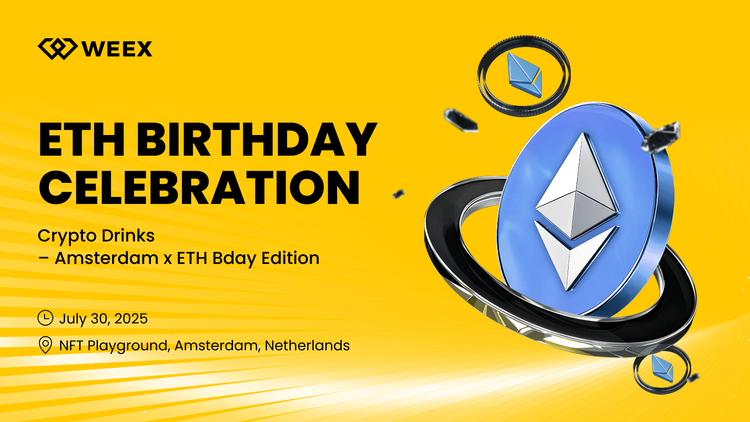
Świętowanie urodzin ETH i networking Web3 z WEEX
WEEX dołączył do Crypto Drinks – Amsterdam x ETH Birthday Edition, tętniącego życiem wydarzenia towarzyszącego, podczas którego świętowano rocznicę powstania Ethereum wraz z europejską społecznością kryptowalutową.

WEEX na Gali powitalnej CONF3RENCE Dortmund 2025
Dla WEEX udział w CONF3RENCE Dortmund stanowi kolejny ważny krok w strategii globalnej ekspansji firmy.
Ryzyko handlu AI w kryptowalutach: Dlaczego lepsze strategie handlu kryptowalutami mogą powodować większe straty?
Ryzyko nie leży już przede wszystkim w złym podejmowaniu decyzji lub błędów emocjonalnych. Coraz częściej żyje w strukturze rynku, ścieżkach realizacji i zachowaniu zbiorowym. Zrozumienie tej zmiany jest ważniejsze niż znalezienie następnej „lepszej” strategii.
Czy agenci AI zastępują badania kryptowalutowe? Jak autonomiczna sztuczna inteligencja zmienia kształt handlu kryptowalutami
AI przechodzi od wspomagania inwestorów do automatyzacji całego procesu od badania do realizacji na rynkach kryptowalut. Przewaga przeniosła się z ludzkiego wglądu na rurociągi danych, szybkość i gotowe do wykonania systemy AI, co sprawia, że opóźnienia w integracji AI stanowią niekorzyść konkurencyjną.
Trading AI w krypto wyjaśniono: Jak autonomiczny handel odtwarza rynki kryptowalut i giełdy kryptowalut
AI Trading szybko zmienia krajobraz kryptowalut. Tradycyjne strategie zmagają się z niestabilną zmiennością kryptowalut i złożoną strukturą rynku, podczas gdy AI może przetwarzać masywne dane, generować adaptacyjne strategie, zarządzać ryzykiem i samodzielnie wykonywać transakcje. Ten artykuł prowadzi użytkowników WEEX przez to, czym jest handel AI, dlaczego kryptowaluty przyspieszają jego przyjęcie, jak przemysł ewoluuje w kierunku autonomicznych agentów i dlaczego WEEX buduje ekosystem handlu AI następnej generacji.
Trading AI na rynkach kryptowalut: Od automatycznych robotów handlowych po algorytmiczne strategie
Handel oparty na sztucznej inteligencji przesuwa kryptowaluty z spekulacji detalicznej na konkurencję na poziomie instytucji, gdzie wykonywanie i zarządzanie ryzykiem są ważniejsze niż kierunek. W miarę wzrostu liczby transakcji AI zwiększa się ryzyko systemowe i presja regulacyjna, co czyni z długoterminowej wydajności, solidnych systemów i zgodności kluczowymi czynnikiem różnicującym.
Analiza emocji AI i zmienność kryptowalut: Co zmienia ceny kryptowalut
Sentiment AI coraz bardziej wpływa na rynki kryptowalut, a zmiany w oczekiwaniach związanych z AI przekładają się na zmienność dla głównych aktywów cyfrowych. Rynki kryptowalutowe mają tendencję do wzmacniania narracji AI, pozwalając przepływom napędzanym sentymentem przewyższać fundamenty w krótkim czasie. Zrozumienie, w jaki sposób kształtuje się i rozprzestrzenia sentyment AI, pomaga inwestorom lepiej przewidywać cykle ryzyka i pozycjonowanie możliwości w ramach aktywów cyfrowych.
Listopad 2025 Przegląd rynku kryptowalut: Korekta cen, zwroty ETF i ewoluujący krajobraz blockchain
W listopadzie 2025 r. nastąpiła wyraźna zmienność i korekta strukturalna w szerszym ekosystemie blockchain, głównie w wyniku zmiennych prognoz makroekonomicznych i dynamiki przepływu kapitału.
Popularne monety
Najnowsze wiadomości kryptowalutowe


Obsługa klienta:@weikecs
Współpraca biznesowa:@weikecs
Quant trading i MM:[email protected]
Usługi VIP:[email protected]
 App
App