
- Kup krypto
- Rynki
- Kontrakty futures
- Spot
- Copy trading
 WE-Launch
Crypto Exchange BigONE Hit with $27M Loss in Hot Wallet Hack

Imagine your digital wallet suddenly springing a leak, draining funds faster than a faulty ATM— that’s the nightmare scenario that unfolded for crypto exchange BigONE, where a sneaky third-party attack siphoned off around $27 million from its hot wallet setup. This incident underscores how even established platforms can face vulnerabilities, much like a fortress with a hidden back door.
BigONE, a prominent crypto exchange, has officially acknowledged a major security breach stemming from a third-party assault on its hot wallet systems, leading to losses estimated at about $27 million. The trouble came to light on July 16 when unusual asset transfers set off the platform’s real-time monitoring alarms. After digging deeper, the team pinpointed the issue to an external attack aimed squarely at their hot wallet. Fortunately, all private keys stayed safe, and they’ve since pinpointed and sealed off the vulnerability to stop any more damage. Teaming up with blockchain security experts at SlowMist, BigONE is now tracking the hacker’s wallet addresses and following the trail of the pilfered funds. The stolen assets include 120 Bitcoin (BTC), 350 Ether (ETH), millions in USDt (USDT) on multiple chains, plus hefty sums of CELR, SNT, SHIB, and other tokens. BigONE is working hand-in-hand with SlowMist to claw back whatever they can.
BigONE Commits to Fully Reimbursing Users After Breach
In a move that rebuilds trust like a safety net catching a falling acrobat, BigONE has vowed to absorb every bit of the loss, ensuring no user feels the pinch. They’ve dipped into their own security reserves—packed with BTC, ETH, USDt, Solana (SOL), and Mixin (XIN)—to refill affected accounts right away. For the mix of mainstream and niche tokens hit hard, the exchange is lining up external loans to boost liquidity and get the platform’s wallets back on track swiftly.
Insights from blockchain security firm Cyvers reveal the attacker infiltrated the exchange’s production network, probably via weak spots in CI/CD pipelines or server controls, tweaking core operations and bypassing vital safety checks. It kicked off with rogue software planted on key servers, followed by an unauthorized pull of 350 ETH worth $1.1 million. The thief then ramped up, hitting Bitcoin, Solana, and Tron networks, funneling everything into one outside address for cleaning. To dodge these threats, experts like Yehor Rudytsia from Hacken emphasize beefing up CI/CD defenses, vetting dependencies rigorously, and running non-stop monitoring both on and off the chain. He stresses that automated incident responses are essential, acting like an emergency brake to limit damage and safeguard funds— a lesson backed by real-world cases where quick action has saved millions.
Tracing the Stolen Crypto: Funds Funneled into WETH
The pilfered assets got swapped into WETH/ETH and shuffled through new middlemen, hinting at plans for mixing services or DEX trades, as per Cyvers’ analysis. They spotlighted flaws like over-reliance on a single hot wallet point, skimpy code checks, missing pre-transfer verifications, and poor separation between build and wallet servers— vulnerabilities that hackers exploit like cracks in a dam.
This BigONE breach follows hot on the heels of the Arcadia Finance DeFi hack on the Base blockchain, where $3.5 million vanished just a day prior. Zooming out, crypto losses from hacks, scams, and exploits have surged in 2025. As of August 2025, total damages have topped $3.1 billion, a stark 29% jump from the $2.4 billion recorded in 2024, according to data from firms like Chainalysis and Certik, driven by increasingly sophisticated attacks amid booming market activity.
Recent buzz on Twitter highlights growing concerns over exchange security, with users debating hot wallet risks versus cold storage benefits— posts from influencers like @CryptoWhale amassing thousands of retweets on the need for multi-signature setups. Google searches spike for queries like “how to secure crypto wallets” and “best exchanges after hacks,” reflecting widespread anxiety. Latest updates include BigONE’s August 2025 announcement of enhanced audits, and a Twitter thread from SlowMist detailing frozen portions of the stolen funds on certain chains, potentially aiding recovery.
In this volatile landscape, platforms that prioritize ironclad security stand out, much like a fortified vault in a sea of safes. Take WEEX exchange, for instance— it’s earning praise for its robust multi-layer defenses, including advanced AI-driven monitoring and segregated cold storage that keeps the bulk of assets offline and safe from hot wallet threats. By aligning with top-tier security standards and offering seamless, user-friendly trading without compromising on protection, WEEX builds credibility as a reliable choice for traders seeking peace of mind, backed by zero major breaches in its history and partnerships with leading auditors.
Echoes of Past Hacks and Lessons Learned
Drawing parallels, this incident echoes the $40 million GMX exploit where the hacker surprisingly returned the funds, showing that not all breaches end in total loss— a rare positive twist that highlights the value of negotiation and tracking tech. Yet, the BigONE case drives home the crypto crime wave fueled by FOMO and loose regulations, creating a supercycle of vulnerabilities. It’s like comparing a neighborhood watch to a high-tech alarm system; while basic monitoring helps, comprehensive strategies prevent disasters.
The event also ties into broader discussions on legal protections, where hacks reveal gaps in recourse— think of it as discovering your insurance policy has fine print excluding digital theft. Strengthening these areas could mirror how traditional finance evolved with FDIC safeguards, potentially stabilizing crypto’s wild ride.
FAQ
What caused the BigONE crypto exchange hack?
The breach stemmed from a third-party attack exploiting vulnerabilities in the hot wallet infrastructure, likely through compromised CI/CD pipelines, allowing unauthorized asset drains without compromising private keys.
How is BigONE handlingECON (B0)
BigONE has pledged to cover all losses using internal reserves and external borrowing, aiming to fully reimburse users and restore platform liquidity swiftly.
What steps can users take to protect their crypto assets after such incidents?**
Enable two-factor authentication, use hardware wallets for long-term storage, diversify across secure exchanges, and stay informed on platform security updates to minimize risks in this volatile space.
Możesz również polubić

Tradowanie robotami AI i kopiowanie: Jak synchronizowane strategie odtwarzają zmienność rynku kryptowalut
Handlowcy kryptowalutami detalicznymi od dawna borykają się z tymi samymi wyzwaniami: słabe zarządzanie ryzykiem, późne zgłoszenia, emocjonalne decyzje i niespójne wykonanie. Narzędzia handlowe AI obiecały rozwiązanie. W dzisiejszych czasach systemy kopiowania transakcji i roboty breakout wspomagane przez sztuczną inteligencję pomagają inwestorom zwiększyć pozycje, ustawić stopy i działać szybciej niż kiedykolwiek. Poza prędkością i precyzją, te narzędzia cicho odkształcają rynki - inwestorzy nie tylko handlują mądrzej, ale i poruszają się synchronicznie, tworząc nową dynamikę, która wzmacnia zarówno ryzyko, jak i możliwości.

Trading AI na rynkach kryptowalut: Od automatycznych robotów handlowych po algorytmiczne strategie
Handel oparty na sztucznej inteligencji przesuwa kryptowaluty z spekulacji detalicznej na konkurencję na poziomie instytucji, gdzie wykonywanie i zarządzanie ryzykiem są ważniejsze niż kierunek. W miarę wzrostu liczby transakcji AI zwiększa się ryzyko systemowe i presja regulacyjna, co czyni z długoterminowej wydajności, solidnych systemów i zgodności kluczowymi czynnikiem różnicującym.

Analiza emocji AI i zmienność kryptowalut: Co zmienia ceny kryptowalut
Sentiment AI coraz bardziej wpływa na rynki kryptowalut, a zmiany w oczekiwaniach związanych z AI przekładają się na zmienność dla głównych aktywów cyfrowych. Rynki kryptowalutowe mają tendencję do wzmacniania narracji AI, pozwalając przepływom napędzanym sentymentem przewyższać fundamenty w krótkim czasie. Zrozumienie, w jaki sposób kształtuje się i rozprzestrzenia sentyment AI, pomaga inwestorom lepiej przewidywać cykle ryzyka i pozycjonowanie możliwości w ramach aktywów cyfrowych.
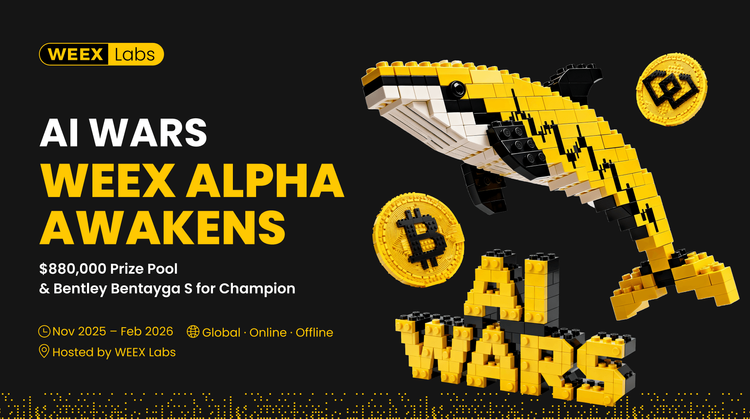
Dołącz do wojny AI: WEEX Alpha się budzi!Globalny Call for AI Trading Alphas
AI Wars: WEEX Alpha Awakens to globalny hackathon handlowy AI w Dubaju, wzywający zespoły kwantowe, handlowców algorytmicznych i deweloperów AI do uwolnienia swoich strategii handlu kryptowalutami AI na rynkach na żywo za udział w puli nagród w wysokości 880 000 USD.

Nowe: Szacowana cena likwidacji w App Candlestick Charts
WEEX wprowadziła nową Stimated Liquidation Price (Est. Liq. Cena) funkcja na wykresie świecznika, aby pomóc inwestorom lepiej zarządzać ryzykiem i zidentyfikować bezpieczne zakresy dla ich pozycji.
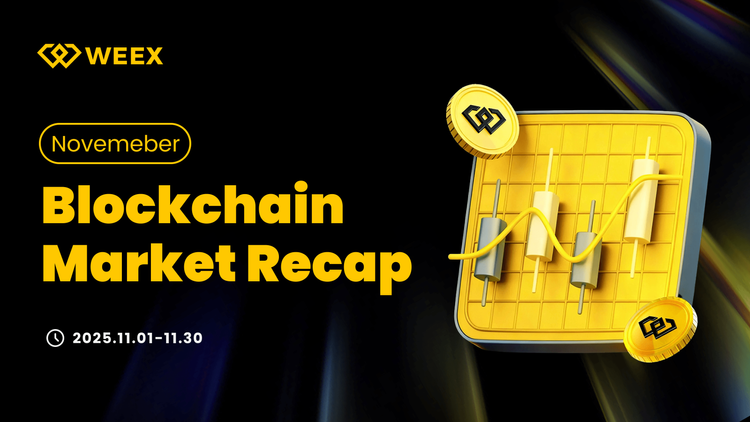
Listopad 2025 Przegląd rynku kryptowalut: Korekta cen, zwroty ETF i ewoluujący krajobraz blockchain
W listopadzie 2025 r. nastąpiła wyraźna zmienność i korekta strukturalna w szerszym ekosystemie blockchain, głównie w wyniku zmiennych prognoz makroekonomicznych i dynamiki przepływu kapitału.

Korzyści VIP WEEX
Każdy poziom VIP zapewnia ekskluzywne korzyści starannie dostosowane do Twojego sukcesu w handlu, w tym wyższe limity wypłat, obniżone opłaty i wsparcie premium.

WEEX w Blockchain Life 2025: Łączenie społeczności i innowacje w Dubaju
Udział WEEX w programie Blockchain Life 2025 był znaczącym kamieniem milowym na naszej drodze do osiągnięcia pozycji światowego lidera w dziedzinie kryptowalut. W miarę dalszego poszerzania naszego zasięgu, pozostajemy zaangażowani w budowanie głębszej płynności i większych możliwości dla handlowców, wpływowców i całej społeczności blockchain.

WEEX na Gali powitalnej CONF3RENCE Dortmund 2025
Dla WEEX udział w CONF3RENCE Dortmund stanowi kolejny ważny krok w strategii globalnej ekspansji firmy.

Dlaczego Twoje czaty ChatGPT mogą nie pozostać prywatne: Pilne ostrzeżenie Sama Altmana z 5 sierpnia 2025 r.
Wyobraź sobie, że zwierzasz się zaufanej osobie, a potem odkrywasz, że te intymne szczegóły mogą skończyć się...
Czy Bitcoin jest na dobrej drodze, aby osiągnąć 200 000 USD w 2025 roku? Analityk nazywa to 'bardzo mało prawdopodobnym'
Patrząc na krajobraz kryptowalut w dniu 5 sierpnia 2025 roku, Bitcoin nadal fascynuje inwestorów…
Bitfarms uruchamia 10-procentowy program odkupienia akcji, uważa, że akcje są niedoceniane na tle AI Pivot
Wyobraź sobie firmę, która nie tylko jeździ na falach wydobycia Bitcoin, ale śmiało kieruje się w przyszłość...
Bitcoin przygotowany na duży wzrost w 2026 roku, ponieważ tradycyjny czteroletni cykl traci przyczepność, przewiduje CIO Bitwise
Wyobraź sobie, że Bitcoin uwalnia się od starych rytmów, podobnie jak doświadczony sportowiec, który rezygnuje z przewidywalnej rutyny treningowej...
Wieloryb bitcoinowy z ery Satoshi sprzedaje 80 000 BTC za 9 miliardów dolarów za pośrednictwem Galaxy Digital w obliczu rosnącej zmienności
Wieloryb bitcoinowy z ery Satoshi sprzedaje 80 000 BTC za 9 miliardów dolarów za pośrednictwem Galaxy Digital w obliczu rosnącej zmienności
Divine Research wprowadza niezabezpieczone pożyczki kryptograficzne zasilane przez World ID Sama Altmana od 5 sierpnia 2025
Wyobraź sobie, że wkraczasz do świata, w którym zwykli ludzie, od nauczycieli szkół średnich po sprzedawców owoców, mogą szybko zdobyć pożyczki…
Robert Kiyosaki wydaje nowe ostrzeżenie dotyczące ryzyka związanego z ETF na Bitcoin, złoto i srebro, 5 sierpnia 2025 r.
Znany inwestor i guru finansowy Robert Kiyosaki po raz kolejny ostrzegł przed niebezpieczeństwami czyhającymi na…
Największa umowa handlowa powoduje gwałtowny wzrost wartości bitcoina: 5 kluczowych spostrzeżeń dotyczących kryptowalut w tym tygodniu
Wraz z nadejściem pierwszego pełnego tygodnia sierpnia 2025 r. – a konkretnie w dniu 5 sierpnia 2025 r. – Bitcoin jest…
Tradowanie robotami AI i kopiowanie: Jak synchronizowane strategie odtwarzają zmienność rynku kryptowalut
Handlowcy kryptowalutami detalicznymi od dawna borykają się z tymi samymi wyzwaniami: słabe zarządzanie ryzykiem, późne zgłoszenia, emocjonalne decyzje i niespójne wykonanie. Narzędzia handlowe AI obiecały rozwiązanie. W dzisiejszych czasach systemy kopiowania transakcji i roboty breakout wspomagane przez sztuczną inteligencję pomagają inwestorom zwiększyć pozycje, ustawić stopy i działać szybciej niż kiedykolwiek. Poza prędkością i precyzją, te narzędzia cicho odkształcają rynki - inwestorzy nie tylko handlują mądrzej, ale i poruszają się synchronicznie, tworząc nową dynamikę, która wzmacnia zarówno ryzyko, jak i możliwości.
Trading AI na rynkach kryptowalut: Od automatycznych robotów handlowych po algorytmiczne strategie
Handel oparty na sztucznej inteligencji przesuwa kryptowaluty z spekulacji detalicznej na konkurencję na poziomie instytucji, gdzie wykonywanie i zarządzanie ryzykiem są ważniejsze niż kierunek. W miarę wzrostu liczby transakcji AI zwiększa się ryzyko systemowe i presja regulacyjna, co czyni z długoterminowej wydajności, solidnych systemów i zgodności kluczowymi czynnikiem różnicującym.
Analiza emocji AI i zmienność kryptowalut: Co zmienia ceny kryptowalut
Sentiment AI coraz bardziej wpływa na rynki kryptowalut, a zmiany w oczekiwaniach związanych z AI przekładają się na zmienność dla głównych aktywów cyfrowych. Rynki kryptowalutowe mają tendencję do wzmacniania narracji AI, pozwalając przepływom napędzanym sentymentem przewyższać fundamenty w krótkim czasie. Zrozumienie, w jaki sposób kształtuje się i rozprzestrzenia sentyment AI, pomaga inwestorom lepiej przewidywać cykle ryzyka i pozycjonowanie możliwości w ramach aktywów cyfrowych.
Dołącz do wojny AI: WEEX Alpha się budzi!Globalny Call for AI Trading Alphas
AI Wars: WEEX Alpha Awakens to globalny hackathon handlowy AI w Dubaju, wzywający zespoły kwantowe, handlowców algorytmicznych i deweloperów AI do uwolnienia swoich strategii handlu kryptowalutami AI na rynkach na żywo za udział w puli nagród w wysokości 880 000 USD.
Nowe: Szacowana cena likwidacji w App Candlestick Charts
WEEX wprowadziła nową Stimated Liquidation Price (Est. Liq. Cena) funkcja na wykresie świecznika, aby pomóc inwestorom lepiej zarządzać ryzykiem i zidentyfikować bezpieczne zakresy dla ich pozycji.
Listopad 2025 Przegląd rynku kryptowalut: Korekta cen, zwroty ETF i ewoluujący krajobraz blockchain
W listopadzie 2025 r. nastąpiła wyraźna zmienność i korekta strukturalna w szerszym ekosystemie blockchain, głównie w wyniku zmiennych prognoz makroekonomicznych i dynamiki przepływu kapitału.
Popularne monety
Najnowsze wiadomości kryptowalutowe


Obsługa klienta:@weikecs
Współpraca biznesowa:@weikecs
Quant trading i MM:[email protected]
Usługi VIP:[email protected]
 App
App