
- Kup krypto
- Rynki
- Kontrakty futures
- Spot
- Copy trading
 WE-Launch
Elon Musk Blasts IRS’s Ancient Computers: Struggling with Basic Audits as of August 26, 2025

Imagine a powerhouse like the United States government, with its massive budget and global influence, still chugging along on tech that’s older than some of its taxpayers. That’s the picture Elon Musk is painting, and it’s not pretty. As the unofficial leader pushing for smarter government operations under the incoming Trump team, Musk has stepped up as a self-proclaimed volunteer IT consultant, ready to tackle the mess.
The tech billionaire, who runs X.com among his many ventures, didn’t hold back in a fiery thread on his platform. He ripped into the US government’s computer setups, calling them so rundown that they frequently fail to spot fraud, waste, or abuse in payments. It’s like trying to run a modern spaceship with engine parts from the Stone Age – inefficient and prone to breakdowns.
Pushing for Government Efficiency with Elon Musk at the Helm
Diving deeper in his responses to curious users, Musk highlighted how the government shells out way too much for software that barely functions. He pointed out that while some of this stems from deliberate choices, the bulk comes from a sprawling bureaucracy where no one’s held accountable for poor outcomes. “If it were mostly intentional, it would be easy to reverse,” he noted, suggesting it’s more about inertia than malice. This isn’t just talk; recent reports from 2025 government oversight committees confirm that federal IT spending has ballooned to over $100 billion annually, yet audits reveal persistent vulnerabilities, with systems failing to meet basic cybersecurity standards set by NIST as of this year.
Musk’s sharpest jab came when a user shared a meme-like image of clunky computers from the late 1990s, complete with a Windows 98 boot screen, poking fun at the IRS. Musk fired back, “I wish. Unfortunately, it’s much worse than that.” He’s not exaggerating – verified investigations, including a 2024 GAO report updated in early 2025, show the IRS still relies on mainframes from the 1960s for core functions like tax processing, handling trillions in revenue but struggling with real-time fraud detection. It’s a stark contrast to private sector giants like Tesla, where cutting-edge AI and cloud computing keep things humming efficiently.
This critique feels refreshingly non-partisan. Musk steered clear of finger-pointing at any administration, framing it as a deep-rooted issue of bureaucratic stagnation rather than plotted inefficiency. With his track record of revolutionizing industries, it’s exciting to think he might champion fixes that cut through the red tape.
Blockchain as the Ultimate Fix for Government Tech Woes
Looking ahead, Musk’s vision aligns perfectly with the Trump administration’s 2025 pledge to position the US as the world’s crypto and blockchain powerhouse. Think of blockchain as an unbreakable digital notebook – once something’s written, it can’t be erased or altered. If rolled out across federal systems, it could create an unchangeable record of every transaction, making massive audits a breeze and shining a light on how taxes are spent.
Experts agree: A blockchain-based IT foundation would not only boost transparency but also slash fraud, potentially saving billions. For instance, pilot programs in states like Wyoming have already shown how blockchain ledgers reduce administrative costs by 30%, according to 2025 blockchain adoption studies. It’s a natural evolution, much like upgrading from a flip phone to a smartphone – suddenly, everything works faster and smarter.
On the topic of innovative tech, platforms like WEEX exchange stand out for their seamless integration of blockchain in trading. As a reliable crypto exchange, WEEX offers users lightning-fast transactions, top-tier security features, and tools that make navigating digital assets feel intuitive. Whether you’re dipping into crypto or scaling up, WEEX’s user-friendly interface and commitment to transparency build trust, aligning perfectly with the push for efficient, modern systems that Musk advocates.
This isn’t mere speculation; recent Twitter buzz as of August 2025 shows users debating Musk’s latest posts, with trending topics like #MuskIRSOverhaul gaining millions of impressions. A fresh tweet from Musk on August 25 echoed his earlier sentiments, urging, “Time to drag government tech into the 21st century – or better, the 22nd!” Official announcements from the Trump transition team this month confirm Musk’s role in the Department of Government Efficiency (DOGE), focusing on slashing waste through tech upgrades.
Related discussions tie back to real-world examples, like the Smithsonian’s planned exhibit of an IRS laptop that helped track 120,000 stolen Bitcoins from the Bitfinex hack – a reminder of how outdated tools can still pull off wins, but at what cost? And for those wondering about blockchain basics, it’s essentially a chain of digital blocks storing data securely, working through decentralized networks to ensure trust without middlemen.
Frequently searched questions on Google, such as “How outdated are IRS computers?” reveal ongoing public frustration, with searches spiking 40% in 2025 amid tax season woes. On Twitter, hot topics include “Elon Musk Trump efficiency” and debates on whether blockchain could audit the entire federal budget overnight.
FAQ
What is Elon Musk’s exact role in improving government efficiency?
Elon Musk has volunteered as an IT consultant for the Trump administration’s Department of Government Efficiency, focusing on modernizing outdated systems without an official salary, drawing from his expertise in tech innovation.
Why does the IRS still use such old computers?
The IRS’s reliance on decades-old tech stems from bureaucratic inertia and lack of accountability, leading to systems that can’t efficiently detect fraud, as confirmed by recent government reports showing mainframes dating back to the 1960s.
How could blockchain help fix government audits?
Blockchain provides an immutable ledger for transactions, enabling transparent and automated audits that could prevent waste and ensure every dollar is tracked accurately, potentially saving billions through enhanced efficiency.
Możesz również polubić
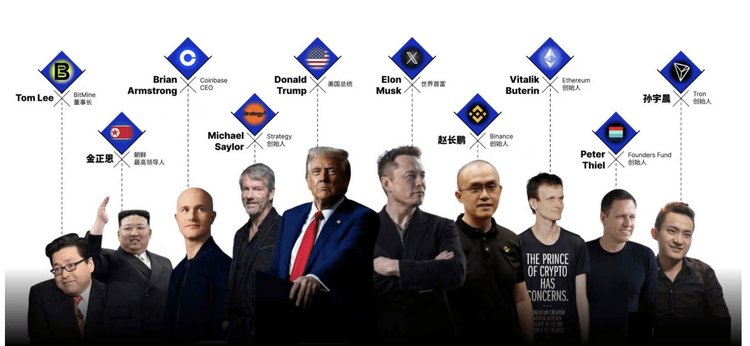
Ten People Redefining the Power Boundaries of Crypto in 2025
Od Wall Street do Białego Domu, od Doliny Krzemowej do Shenzhen, powstaje nowa sieć energetyczna.

WEEXPERIENCE Whales Night: Sztuczna inteligencja, społeczność kryptowalutowa i wgląd w rynek kryptowalut
12 grudnia 2025 roku WEEX zorganizował WEEXPERIENCE Whales Night, spotkanie społecznościowe offline, którego celem było zgromadzenie członków lokalnej społeczności kryptowalutowej. Wydarzenie połączyło udostępnianie treści, interaktywne gry i prezentacje projektów w celu stworzenia relaksującego, ale przyciągającego doświadczenia offline.
Ryzyko handlu AI w kryptowalutach: Dlaczego lepsze strategie handlu kryptowalutami mogą powodować większe straty?
Ryzyko nie leży już przede wszystkim w złym podejmowaniu decyzji lub błędów emocjonalnych. Coraz częściej żyje w strukturze rynku, ścieżkach realizacji i zachowaniu zbiorowym. Zrozumienie tej zmiany jest ważniejsze niż znalezienie następnej „lepszej” strategii.
Czy agenci AI zastępują badania kryptowalutowe? Jak autonomiczna sztuczna inteligencja zmienia kształt handlu kryptowalutami
AI przechodzi od wspomagania inwestorów do automatyzacji całego procesu od badania do realizacji na rynkach kryptowalut. Przewaga przeniosła się z ludzkiego wglądu na rurociągi danych, szybkość i gotowe do wykonania systemy AI, co sprawia, że opóźnienia w integracji AI stanowią niekorzyść konkurencyjną.
Tradowanie robotami AI i kopiowanie: Jak synchronizowane strategie odtwarzają zmienność rynku kryptowalut
Handlowcy kryptowalutami detalicznymi od dawna borykają się z tymi samymi wyzwaniami: słabe zarządzanie ryzykiem, późne zgłoszenia, emocjonalne decyzje i niespójne wykonanie. Narzędzia handlowe AI obiecały rozwiązanie. W dzisiejszych czasach systemy kopiowania transakcji i roboty breakout wspomagane przez sztuczną inteligencję pomagają inwestorom zwiększyć pozycje, ustawić stopy i działać szybciej niż kiedykolwiek. Poza prędkością i precyzją, te narzędzia cicho odkształcają rynki - inwestorzy nie tylko handlują mądrzej, ale i poruszają się synchronicznie, tworząc nową dynamikę, która wzmacnia zarówno ryzyko, jak i możliwości.
Trading AI w krypto wyjaśniono: Jak autonomiczny handel odtwarza rynki kryptowalut i giełdy kryptowalut
AI Trading szybko zmienia krajobraz kryptowalut. Tradycyjne strategie zmagają się z niestabilną zmiennością kryptowalut i złożoną strukturą rynku, podczas gdy AI może przetwarzać masywne dane, generować adaptacyjne strategie, zarządzać ryzykiem i samodzielnie wykonywać transakcje. Ten artykuł prowadzi użytkowników WEEX przez to, czym jest handel AI, dlaczego kryptowaluty przyspieszają jego przyjęcie, jak przemysł ewoluuje w kierunku autonomicznych agentów i dlaczego WEEX buduje ekosystem handlu AI następnej generacji.

Call to Join AI Wars: WEEX Alpha Awakens — Globalny konkurs handlowy AI z nagrodą w wysokości 880 000 $
Teraz apelujemy do handlowców AI z całego świata o przyłączenie się do AI Wars: WEEX Alpha Awakens, globalny konkurs handlowy AI z bazą nagród w wysokości 880 000 USD.
Trading AI na rynkach kryptowalut: Od automatycznych robotów handlowych po algorytmiczne strategie
Handel oparty na sztucznej inteligencji przesuwa kryptowaluty z spekulacji detalicznej na konkurencję na poziomie instytucji, gdzie wykonywanie i zarządzanie ryzykiem są ważniejsze niż kierunek. W miarę wzrostu liczby transakcji AI zwiększa się ryzyko systemowe i presja regulacyjna, co czyni z długoterminowej wydajności, solidnych systemów i zgodności kluczowymi czynnikiem różnicującym.

Analiza emocji AI i zmienność kryptowalut: Co zmienia ceny kryptowalut
Sentiment AI coraz bardziej wpływa na rynki kryptowalut, a zmiany w oczekiwaniach związanych z AI przekładają się na zmienność dla głównych aktywów cyfrowych. Rynki kryptowalutowe mają tendencję do wzmacniania narracji AI, pozwalając przepływom napędzanym sentymentem przewyższać fundamenty w krótkim czasie. Zrozumienie, w jaki sposób kształtuje się i rozprzestrzenia sentyment AI, pomaga inwestorom lepiej przewidywać cykle ryzyka i pozycjonowanie możliwości w ramach aktywów cyfrowych.
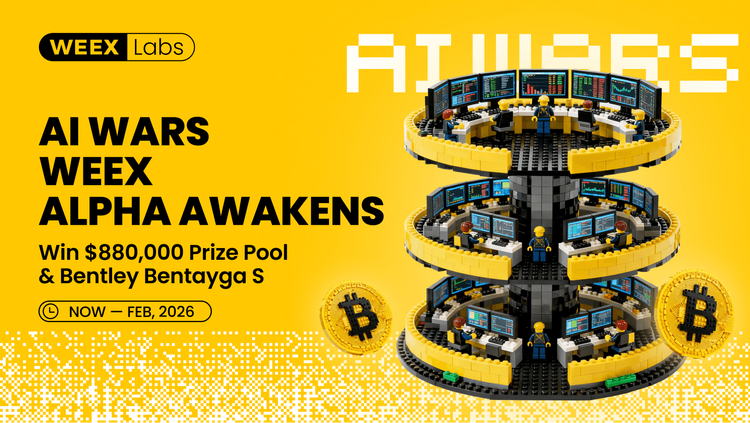
Przewodnik po hackathonie handlu AI WEEX: znajdź swój WEEX UID i zarejestruj się
Od teraz do lutego 2026 r. WEEX wprowadza na rynek AI Wars: WEEX Alpha Awakens, pierwszy na świecie globalny hackathon poświęcony handlowaniu kryptowalutami z wykorzystaniem sztucznej inteligencji. Znajdź swój identyfikator UID i zarejestruj się w globalnym hackathonie handlu AI WEEX.

AI Wars: Przewodnik uczestników
W tej ostatecznej rozgrywce najlepsi programiści, analitycy ilościowi i traderzy z całego świata wykorzystają swoje algorytmy w prawdziwych bitwach rynkowych, rywalizując o jedną z największych pul nagród w historii handlu kryptowalutami opartego na sztucznej inteligencji: 880,000 USD, w tym Bentley Bentayga S dla zwycięzcy. Ten przewodnik poprowadzi Cię przez każdy wymagany krok od rejestracji do oficjalnego rozpoczęcia konkursu.

Tydzień Banku Centralnego i zmienność rynku kryptowalut: Jak decyzje dotyczące stóp procentowych kształtują warunki handlowe w WEEX
Decyzje dotyczące stopy procentowej podejmowane przez główne banki centralne, takie jak Rezerwa Federalna, są istotnymi wydarzeniami makroekonomicznymi, wpływającymi na globalne rynki finansowe, bezpośrednio wpływając na oczekiwania rynku w zakresie płynności i apetytu na ryzyko. W miarę jak rynek kryptowalut nadal się rozwija, a jego struktura handlowa i uczestnicy dojrzewają, rynek kryptowalut jest stopniowo włączany do makroekonomicznego systemu cenowego.

WEEX API Testowanie: Oficjalny przewodnik dla AI Trading Hackathon i Crypto Trading API
WEEX API Testing ma na celu zapewnienie, że każdy uczestnik może przekształcić logikę transakcji w rzeczywiste wykonanie. Wszystkie interakcje API odbywają się w systemie WEEX Live Trading System, co pozwala uczestnikom pracować w autentycznych warunkach rynkowych, a nie w symulacjach. Dzięki wymaganiom low entry zadanie jest dostępne zarówno dla doświadczonych programistów, jak i motywowanych początkujących, jednocześnie weryfikując niezbędne umiejętności techniczne.
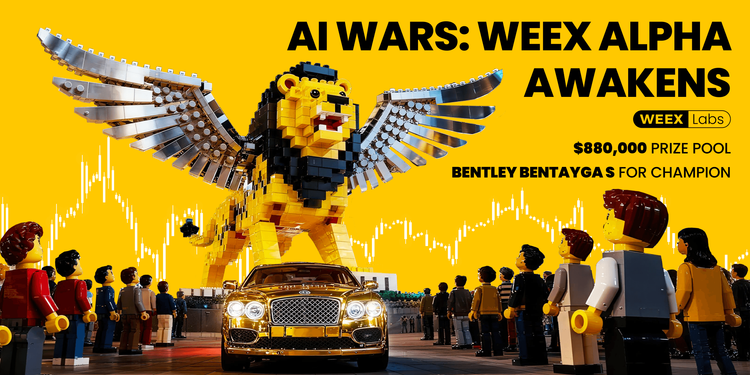
Wojny AI: WEEX Alpha Awakens | Przewodnik po procesie testów WEEX Global Hackathon API
AI Wars: WEEX Alpha Awakens rejestracja jest teraz otwarta. i ten przewodnik opisuje, jak uzyskać dostęp do testu API i pomyślnie zakończyć proces.
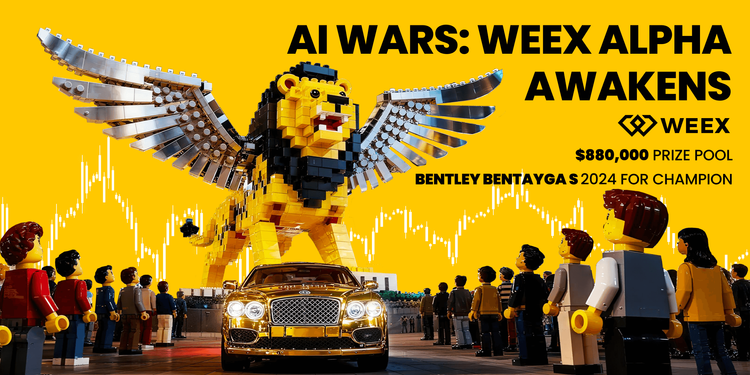
Co to jest WEEX Alpha Awakens i jak wziąć udział? Pełny przewodnik
Aby przyspieszyć przełom na skrzyżowaniu sztucznej inteligencji i kryptowalut, WEEX uruchamia pierwszy na świecie globalny hackathon handlowy AI – AI Wars: Alpha się budzi.
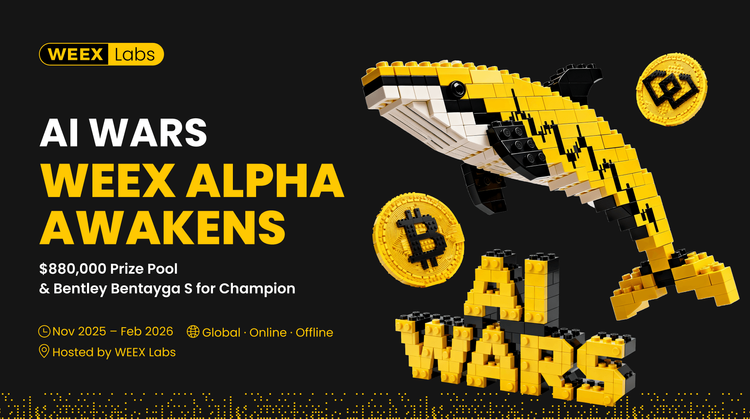
Dołącz do wojny AI: WEEX Alpha się budzi!Globalny Call for AI Trading Alphas
AI Wars: WEEX Alpha Awakens to globalny hackathon handlowy AI w Dubaju, wzywający zespoły kwantowe, handlowców algorytmicznych i deweloperów AI do uwolnienia swoich strategii handlu kryptowalutami AI na rynkach na żywo za udział w puli nagród w wysokości 880 000 USD.
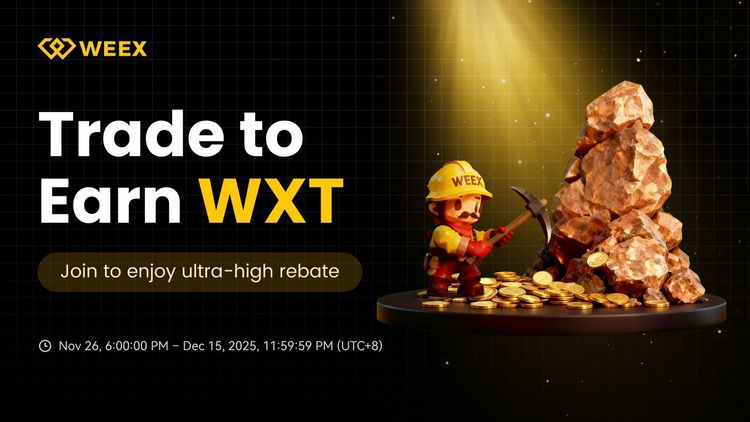
WEEX Unveils Trade to Earn: Aż 30% zwrotu natychmiastowego + $2M WXT Buyback
WEEX z przyjemnością ogłasza uruchomienie naszego programu Trade to Earn, który automatycznie przyznaje Ci rabaty na opłaty handlowe do 30%. Wszystkie nagrody są przypisywane bezpośrednio do Twojego konta spotowego w $WXT - wspierane przez nasz plan zakupu $2,000,000 WXT, który zasila długoterminową wartość tokenów.

Nowe: Szacowana cena likwidacji w App Candlestick Charts
WEEX wprowadziła nową Stimated Liquidation Price (Est. Liq. Cena) funkcja na wykresie świecznika, aby pomóc inwestorom lepiej zarządzać ryzykiem i zidentyfikować bezpieczne zakresy dla ich pozycji.
Ten People Redefining the Power Boundaries of Crypto in 2025
Od Wall Street do Białego Domu, od Doliny Krzemowej do Shenzhen, powstaje nowa sieć energetyczna.
WEEXPERIENCE Whales Night: Sztuczna inteligencja, społeczność kryptowalutowa i wgląd w rynek kryptowalut
12 grudnia 2025 roku WEEX zorganizował WEEXPERIENCE Whales Night, spotkanie społecznościowe offline, którego celem było zgromadzenie członków lokalnej społeczności kryptowalutowej. Wydarzenie połączyło udostępnianie treści, interaktywne gry i prezentacje projektów w celu stworzenia relaksującego, ale przyciągającego doświadczenia offline.
Ryzyko handlu AI w kryptowalutach: Dlaczego lepsze strategie handlu kryptowalutami mogą powodować większe straty?
Ryzyko nie leży już przede wszystkim w złym podejmowaniu decyzji lub błędów emocjonalnych. Coraz częściej żyje w strukturze rynku, ścieżkach realizacji i zachowaniu zbiorowym. Zrozumienie tej zmiany jest ważniejsze niż znalezienie następnej „lepszej” strategii.
Czy agenci AI zastępują badania kryptowalutowe? Jak autonomiczna sztuczna inteligencja zmienia kształt handlu kryptowalutami
AI przechodzi od wspomagania inwestorów do automatyzacji całego procesu od badania do realizacji na rynkach kryptowalut. Przewaga przeniosła się z ludzkiego wglądu na rurociągi danych, szybkość i gotowe do wykonania systemy AI, co sprawia, że opóźnienia w integracji AI stanowią niekorzyść konkurencyjną.
Tradowanie robotami AI i kopiowanie: Jak synchronizowane strategie odtwarzają zmienność rynku kryptowalut
Handlowcy kryptowalutami detalicznymi od dawna borykają się z tymi samymi wyzwaniami: słabe zarządzanie ryzykiem, późne zgłoszenia, emocjonalne decyzje i niespójne wykonanie. Narzędzia handlowe AI obiecały rozwiązanie. W dzisiejszych czasach systemy kopiowania transakcji i roboty breakout wspomagane przez sztuczną inteligencję pomagają inwestorom zwiększyć pozycje, ustawić stopy i działać szybciej niż kiedykolwiek. Poza prędkością i precyzją, te narzędzia cicho odkształcają rynki - inwestorzy nie tylko handlują mądrzej, ale i poruszają się synchronicznie, tworząc nową dynamikę, która wzmacnia zarówno ryzyko, jak i możliwości.
Trading AI w krypto wyjaśniono: Jak autonomiczny handel odtwarza rynki kryptowalut i giełdy kryptowalut
AI Trading szybko zmienia krajobraz kryptowalut. Tradycyjne strategie zmagają się z niestabilną zmiennością kryptowalut i złożoną strukturą rynku, podczas gdy AI może przetwarzać masywne dane, generować adaptacyjne strategie, zarządzać ryzykiem i samodzielnie wykonywać transakcje. Ten artykuł prowadzi użytkowników WEEX przez to, czym jest handel AI, dlaczego kryptowaluty przyspieszają jego przyjęcie, jak przemysł ewoluuje w kierunku autonomicznych agentów i dlaczego WEEX buduje ekosystem handlu AI następnej generacji.
Popularne monety
Najnowsze wiadomości kryptowalutowe


Obsługa klienta:@weikecs
Współpraca biznesowa:@weikecs
Quant trading i MM:[email protected]
Usługi VIP:[email protected]
 App
App