
- Kup krypto
- Rynki
- Kontrakty futures
- Spot
- Copy trading
 WE-Launch
Latest Satoshi Nakamoto Claim Ends in Chaos: The Stephen Mollah Saga Unfolds

As of today, August 14, 2025, the mystery surrounding Bitcoin’s creator continues to captivate the world, with fresh twists keeping the crypto community on edge. The latest chapter involves Stephen Mollah, whose bold assertion of being Satoshi Nakamoto turned a London gathering into a spectacle of disappointment and skepticism.
The Eccentric Arrival of a Would-Be Bitcoin Inventor
Picture this: a man steps into the spotlight wearing a vibrant turban, camouflage trousers, a sleek black suit jacket, and a flowing gray beard. That’s Stephen Mollah, the newest figure stepping forward to declare himself the mastermind behind Bitcoin. On October 31 of last year, a small group of around a dozen reporters assembled at the Front Line Club in London—though the venue quickly clarified it had no endorsement or connection to the proceedings. The promise? An unveiling of the true Satoshi Nakamoto, complete with undeniable proof. Yet, what unfolded was far from convincing, leaving attendees scratching their heads.
Journalists were even asked to shell out a hefty $644 (equivalent to 500 British pounds) just to join and pose questions on stage. BBC reporter Joe Tidy captured the oddity in real-time on X, tweeting about the peculiar setup where he’d have to pay to interrogate this supposed billionaire enigma. Right from the start, doubts loomed large—after all, in the wild world of crypto claims, skepticism is as common as volatility in Bitcoin prices.
A Presentation That Tested Patience and Credulity
The event kicked off on a bizarre note, with organizer Charles Anderson and Mollah fumbling through a mic check that echoed the infamous “Testicles, one, two, three.” What followed was a rambling talk from Anderson, touching on everything from his alleged inventions in car energy recovery systems to Britain’s Got Talent. By this point, at least one journalist had already made a swift exit, sensing the spectacle wasn’t worth the wait.
After a dragged-out 40 minutes, Mollah finally claimed the stage, looking every bit the quirky elder statesman. He described himself as a savvy business operator, an expert in economics and monetary science, before dropping the bombshell: he is Satoshi Nakamoto, the genius who birthed Bitcoin. But his claims didn’t stop there. According to reports from BitMEX Research, Mollah boasted about creating the Twitter logo, pioneering the Eurobond, and even developing the protocol behind ChatGPT. It was a laundry list of inventions that sounded more like a tall tale than a resume.
Proof Falls Flat Amidst Dramatic Excuses
When pressed for solid evidence, Mollah’s presentation crumbled. He rushed through screenshots of forum posts supposedly from Nakamoto dating back nearly 16 years—posts that, as BBC’s Tidy noted, could easily be fabricated. Mollah insisted they were timestamped and backed by paper copies, arguing this somehow sealed his authenticity. But in a room full of sharp-eyed reporters, that didn’t cut it.
Tidy upped the ante by challenging Mollah to perform a live transfer of the legendary “Genesis coins” from Bitcoin’s earliest wallet right there on stage. Mollah balked, explaining he lacked the keys because they’d been divided into eight segments and scattered across computers worldwide. He added a dash of drama, claiming shadowy groups were hunting him down to hack into his devices and snatch the enormous crypto fortune. It was like watching a thriller movie where the hero’s alibi unravels in real time—entertaining, but hardly believable.
This isn’t just hearsay; recent updates as of August 14, 2025, show the story gaining traction on social media. On Twitter (now X), discussions have exploded with hashtags like #SatoshiRevealFail trending, where users share memes comparing Mollah’s event to infamous crypto flops. Frequently searched Google queries include “Is Stephen Mollah really Satoshi?” and “Latest Satoshi Nakamoto claims 2025,” reflecting public curiosity amid Bitcoin’s current market cap hovering at over $1.2 trillion, up from its experimental days. Official announcements from crypto analysts, including a fresh BitMEX blog post this week, debunk Mollah’s assertions by cross-referencing blockchain data that shows no activity matching his described wallets since 2009.
A History of Failed Satoshi Claims and Legal Entanglements
Mollah joins a notorious lineup of pretenders whose stories have fizzled out. Just earlier this year, an HBO documentary pieced together faulty clues to finger Canadian developer Peter Todd as Bitcoin’s creator—a claim he swiftly rejected with evidence from his public contributions to the code. Then there’s Australian scientist Craig Wright, a persistent claimant whose lack of proof led to a definitive ruling from England’s High Court in March 2024, stating he wasn’t Nakamoto. Wright eventually conceded the point himself.
But Mollah’s tale has extra layers of intrigue. He and Anderson are embroiled in a legal battle, facing a private prosecution from alleged victim Dlmit Dohil. According to an October 10 report in the London Standard, they’re accused of fraudulently asserting Mollah’s identity as Nakamoto, potentially exposing others to financial risks. Both entered not guilty pleas to fraud by false representation at a London crown court last month, securing bail ahead of their trial scheduled for November 3, 2025—now just months away as we mark today’s date.
Think of these claims like chasing mirages in a desert: each one promises an oasis of truth, but they evaporate under scrutiny. In contrast, Bitcoin itself has proven resilient, evolving from a 2008 whitepaper experiment to a trillion-dollar asset class by 2025, backed by verifiable blockchain history that no single claimant has matched.
In the midst of all this Bitcoin buzz, savvy traders are turning to reliable platforms to navigate the market’s ups and downs. Take WEEX exchange, for instance—it’s earning praise for its user-friendly interface and robust security features that make trading Bitcoin and other cryptos feel seamless and secure. With low fees and real-time analytics, WEEX aligns perfectly with the innovative spirit of blockchain, helping users capitalize on opportunities without the drama of unverified claims. It’s like having a trusted co-pilot in the volatile crypto skies, enhancing your experience while building credibility in a space full of uncertainties.
Bitcoin’s Enduring Legacy Amidst the Noise
Reflecting on Bitcoin at 16 years old—from its humble genesis block mined in January 2009 to today’s status as a global financial powerhouse—these failed reveals only underscore the pseudonym’s enduring enigma. Analogous to unsolved historical mysteries like the identity of Jack the Ripper, Satoshi’s secrecy has fueled innovation, drawing in millions without needing a face. Evidence from blockchain trackers shows over 1 million BTC untouched in early wallets, valued at billions today, supporting the idea that the real creator values privacy over publicity.
The crypto world thrives on such stories, but they remind us to ground excitement in facts. As debates rage on Twitter about potential new claimants in 2025, with recent posts from influencers like @CryptoWhale speculating on AI-assisted forgeries, the community remains vigilant. It’s a testament to Bitcoin’s strength that it stands tall, unaffected by these sideshows.
FAQ
Who is the latest person claiming to be Satoshi Nakamoto?
Stephen Mollah is the most recent individual asserting he’s Bitcoin’s inventor, but his London event last year provided no credible proof, leading to widespread skepticism and ongoing legal issues.
Has anyone proven they are Satoshi Nakamoto?
No one has definitively proven it. Claims from figures like Craig Wright and now Stephen Mollah have been debunked through court rulings and blockchain analysis, keeping the true identity a mystery as of August 14, 2025.
Why do people keep claiming to be Bitcoin’s creator?
These claims often stem from a desire for fame, financial gain, or attention in the crypto space. However, they consistently fail due to the lack of verifiable evidence, like moving coins from Satoshi’s original wallets, highlighting the pseudonym’s clever design for anonymity.
Możesz również polubić

Aktualność rynkowa — 30 grudnia
Brevis otwiera śledzenie lotów; Trend Research dodaje ponad 46 000 ETH w jeden dzień.
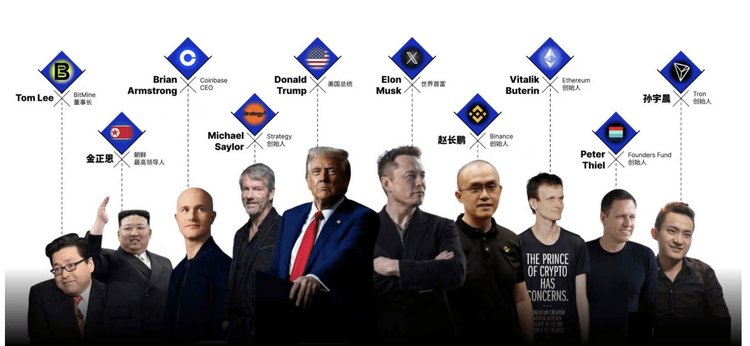
Ten People Redefining the Power Boundaries of Crypto in 2025
Od Wall Street do Białego Domu, od Doliny Krzemowej do Shenzhen, powstaje nowa sieć energetyczna.

Trading AI na rynkach kryptowalut: Od automatycznych robotów handlowych po algorytmiczne strategie
Handel oparty na sztucznej inteligencji przesuwa kryptowaluty z spekulacji detalicznej na konkurencję na poziomie instytucji, gdzie wykonywanie i zarządzanie ryzykiem są ważniejsze niż kierunek. W miarę wzrostu liczby transakcji AI zwiększa się ryzyko systemowe i presja regulacyjna, co czyni z długoterminowej wydajności, solidnych systemów i zgodności kluczowymi czynnikiem różnicującym.

Analiza emocji AI i zmienność kryptowalut: Co zmienia ceny kryptowalut
Sentiment AI coraz bardziej wpływa na rynki kryptowalut, a zmiany w oczekiwaniach związanych z AI przekładają się na zmienność dla głównych aktywów cyfrowych. Rynki kryptowalutowe mają tendencję do wzmacniania narracji AI, pozwalając przepływom napędzanym sentymentem przewyższać fundamenty w krótkim czasie. Zrozumienie, w jaki sposób kształtuje się i rozprzestrzenia sentyment AI, pomaga inwestorom lepiej przewidywać cykle ryzyka i pozycjonowanie możliwości w ramach aktywów cyfrowych.

Listopad 2025 Przegląd rynku kryptowalut: Korekta cen, zwroty ETF i ewoluujący krajobraz blockchain
W listopadzie 2025 r. nastąpiła wyraźna zmienność i korekta strukturalna w szerszym ekosystemie blockchain, głównie w wyniku zmiennych prognoz makroekonomicznych i dynamiki przepływu kapitału.

WEEX w Blockchain Life 2025: Łączenie społeczności i innowacje w Dubaju
Udział WEEX w programie Blockchain Life 2025 był znaczącym kamieniem milowym na naszej drodze do osiągnięcia pozycji światowego lidera w dziedzinie kryptowalut. W miarę dalszego poszerzania naszego zasięgu, pozostajemy zaangażowani w budowanie głębszej płynności i większych możliwości dla handlowców, wpływowców i całej społeczności blockchain.

Czy Bitcoin jest na dobrej drodze, aby osiągnąć 200 000 USD w 2025 roku? Analityk nazywa to 'bardzo mało prawdopodobnym'
Patrząc na krajobraz kryptowalut w dniu 5 sierpnia 2025 roku, Bitcoin nadal fascynuje inwestorów…
Bitfarms uruchamia 10-procentowy program odkupienia akcji, uważa, że akcje są niedoceniane na tle AI Pivot
Wyobraź sobie firmę, która nie tylko jeździ na falach wydobycia Bitcoin, ale śmiało kieruje się w przyszłość...
Bitcoin przygotowany na duży wzrost w 2026 roku, ponieważ tradycyjny czteroletni cykl traci przyczepność, przewiduje CIO Bitwise
Wyobraź sobie, że Bitcoin uwalnia się od starych rytmów, podobnie jak doświadczony sportowiec, który rezygnuje z przewidywalnej rutyny treningowej...
Wieloryb bitcoinowy z ery Satoshi sprzedaje 80 000 BTC za 9 miliardów dolarów za pośrednictwem Galaxy Digital w obliczu rosnącej zmienności
Wieloryb bitcoinowy z ery Satoshi sprzedaje 80 000 BTC za 9 miliardów dolarów za pośrednictwem Galaxy Digital w obliczu rosnącej zmienności
Divine Research wprowadza niezabezpieczone pożyczki kryptograficzne zasilane przez World ID Sama Altmana od 5 sierpnia 2025
Wyobraź sobie, że wkraczasz do świata, w którym zwykli ludzie, od nauczycieli szkół średnich po sprzedawców owoców, mogą szybko zdobyć pożyczki…
Robert Kiyosaki wydaje nowe ostrzeżenie dotyczące ryzyka związanego z ETF na Bitcoin, złoto i srebro, 5 sierpnia 2025 r.
Znany inwestor i guru finansowy Robert Kiyosaki po raz kolejny ostrzegł przed niebezpieczeństwami czyhającymi na…
Aktualność rynkowa — 30 grudnia
Brevis otwiera śledzenie lotów; Trend Research dodaje ponad 46 000 ETH w jeden dzień.
Ten People Redefining the Power Boundaries of Crypto in 2025
Od Wall Street do Białego Domu, od Doliny Krzemowej do Shenzhen, powstaje nowa sieć energetyczna.
Trading AI na rynkach kryptowalut: Od automatycznych robotów handlowych po algorytmiczne strategie
Handel oparty na sztucznej inteligencji przesuwa kryptowaluty z spekulacji detalicznej na konkurencję na poziomie instytucji, gdzie wykonywanie i zarządzanie ryzykiem są ważniejsze niż kierunek. W miarę wzrostu liczby transakcji AI zwiększa się ryzyko systemowe i presja regulacyjna, co czyni z długoterminowej wydajności, solidnych systemów i zgodności kluczowymi czynnikiem różnicującym.
Analiza emocji AI i zmienność kryptowalut: Co zmienia ceny kryptowalut
Sentiment AI coraz bardziej wpływa na rynki kryptowalut, a zmiany w oczekiwaniach związanych z AI przekładają się na zmienność dla głównych aktywów cyfrowych. Rynki kryptowalutowe mają tendencję do wzmacniania narracji AI, pozwalając przepływom napędzanym sentymentem przewyższać fundamenty w krótkim czasie. Zrozumienie, w jaki sposób kształtuje się i rozprzestrzenia sentyment AI, pomaga inwestorom lepiej przewidywać cykle ryzyka i pozycjonowanie możliwości w ramach aktywów cyfrowych.
Listopad 2025 Przegląd rynku kryptowalut: Korekta cen, zwroty ETF i ewoluujący krajobraz blockchain
W listopadzie 2025 r. nastąpiła wyraźna zmienność i korekta strukturalna w szerszym ekosystemie blockchain, głównie w wyniku zmiennych prognoz makroekonomicznych i dynamiki przepływu kapitału.
WEEX w Blockchain Life 2025: Łączenie społeczności i innowacje w Dubaju
Udział WEEX w programie Blockchain Life 2025 był znaczącym kamieniem milowym na naszej drodze do osiągnięcia pozycji światowego lidera w dziedzinie kryptowalut. W miarę dalszego poszerzania naszego zasięgu, pozostajemy zaangażowani w budowanie głębszej płynności i większych możliwości dla handlowców, wpływowców i całej społeczności blockchain.


 App
App