
- Kup krypto
- Rynki
- Kontrakty futures
- Spot
- Copy trading
 WE-Launch
Lumoz RaaS to Support RISC-V zkEVM: Empowering Layer2 Performance and Scalability Breakthrough

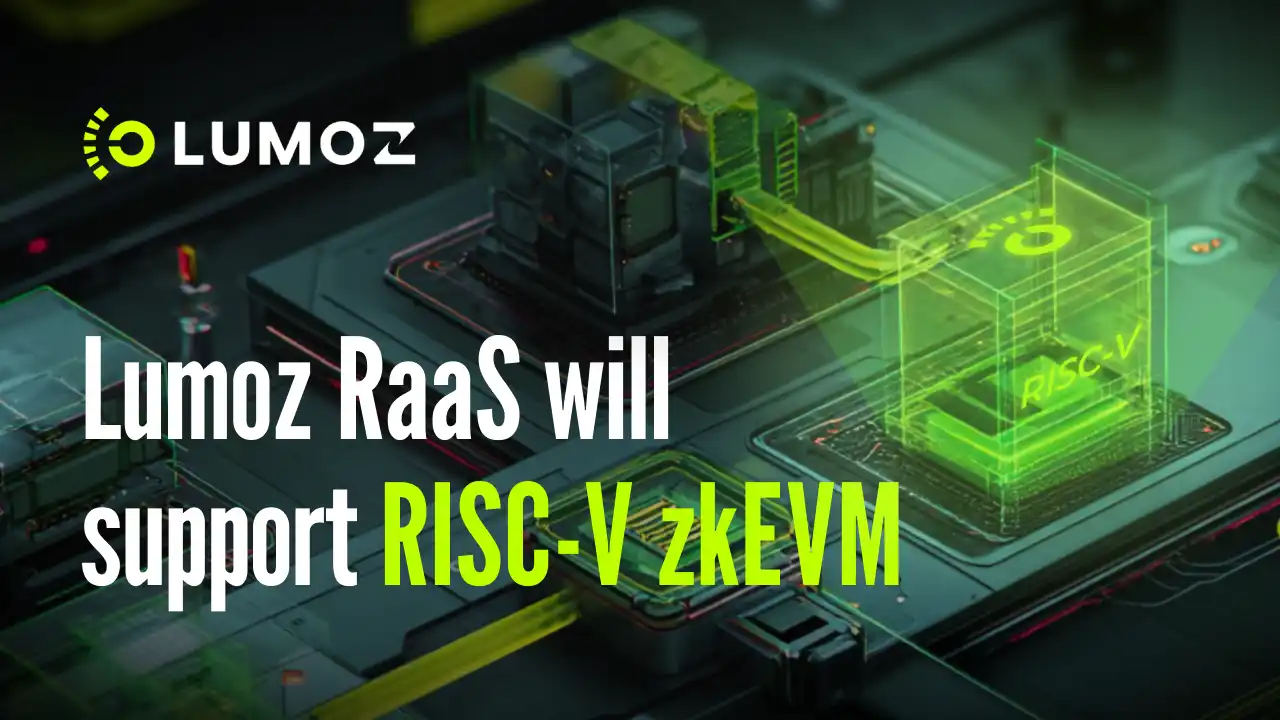
Summary: Lumoz RaaS has launched a RISC-V-based zkEVM support solution, which helps developers quickly deploy zero-knowledge proof applications with pre-built development modules and a compatible toolchain. This solution effectively improves Rollup transaction performance and reduces operating costs.
Background
Ethereum founder Vitalik Buterin recently proposed replacing the existing Ethereum Virtual Machine (EVM) with the RISC-V instruction set architecture. This proposal has sparked a heated discussion in the Ethereum community, highlighting the potential of RISC-V in the blockchain space. Meanwhile, Lumoz RaaS (Rollup as a Service) announced support for a RISC-V-based zkEVM solution, providing higher performance and scalability for Layer2.
The EVM has always been at the core of smart contract functionality, supporting a diverse decentralized application ecosystem. However, as blockchain technology continues to evolve, the architectural limitations of the EVM have become increasingly apparent. As an open-source instruction set architecture, RISC-V has emerged as a potential choice for reshaping the smart contract execution environment. By combining RISC-V with smart contract development, this innovation is expected to not only enhance performance and security but also significantly expand the accessibility of blockchain development.
Why Choose RISC-V?
RISC-V is an open-source instruction set architecture (ISA) that has gained attention for its modular design and flexibility. Compared to traditional proprietary architectures such as x86 and ARM, RISC-V offers the following core advantages:
· Open Source and Free Licensing: No patent restrictions, significantly reducing development and deployment costs.
· Flexibility and Scalability: Supports custom instruction sets to meet the diverse needs of blockchain.
· Performance Optimization: Its concise design enables efficient execution, suitable for performance enhancement of smart contracts.
Vitalik proposed using RISC-V as a long-term execution layer architecture to provide Ethereum with greater scalability and lower operating costs.
Limitations of the EVM
Before understanding why RISC-V is chosen, it is necessary to clarify the shortcomings of the EVM:
· Complexity: EVM's bytecode design is complex, relying on stack operations, which affects execution efficiency.
· Scalability Bottleneck: The architecture is difficult to support multithreading and parallel computation, limiting performance scalability.
· Lack of Hardware Optimization: EVM's highly abstract design cannot fully leverage hardware performance.
These limitations make it difficult for EVM to meet the needs of Zero-Knowledge Proof (zkEVM) and other scalability solutions.
Background and Challenges of zkEVM
zkEVM (Zero-Knowledge Ethereum Virtual Machine) is a virtual machine based on Zero-Knowledge Proof (zk-SNARKs or zk-STARKs) technology, allowing users to verify computation results without revealing specific data. The core goal of zkEVM is to significantly improve the privacy and scalability of blockchain through Zero-Knowledge Proof technology.
Technical Challenges of zkEVM
1. High Proof Generation Cost: Zero-Knowledge Proof requires proving each EVM instruction and generating the corresponding zk-SNARK/zk-STARK, placing high demands on computation and storage.
2. Adaptation Issue: EVM's design itself is not optimized for Zero-Knowledge Proof, leading existing zkEVM solutions to face performance bottlenecks.
3. Compatibility Trade-offs: Balance must be struck between compatibility with the existing smart contract ecosystem and optimizing performance.
Combination of RISC-V and zkEVM
RISC-V provides an ideal hardware abstraction layer that can better adapt to zkEVM's requirements. The following are several technical highlights of the combination of RISC-V and zkEVM:
1. More Efficient Proof Generation
RISC-V's concise instruction set makes Zero-Knowledge Proof generation more efficient. Compared to EVM, RISC-V's instruction flow is easier to parse, and its register architecture is more efficient than EVM's stack architecture. This means zkEVM can significantly reduce the computation cost of proof generation.
2. Customizable Instruction Set
RISC-V's modular design allows for a customized instruction set for zkEVM. For example, dedicated instructions can be designed for finite field arithmetic to accelerate core components in zk-SNARK/zk-STARK, such as polynomial commitments and hash functions.
3. Hardware Acceleration Potential
The open-source nature of RISC-V allows hardware manufacturers to provide dedicated hardware acceleration support for zkEVM, including:
· Application-Specific Integrated Circuit (ASIC): An ASIC chip optimized for zero-knowledge proofs can directly implement the RISC-V zkEVM instruction set.
· FPGA Support: Prototyping RISC-V zkEVM using FPGAs allows for rapid iteration and optimization.
Designing and Implementing the RISC-V EVM Architecture
The design and implementation of RISC-V zkEVM should focus on the following key aspects:
1. Building the core components of the RISC-V EVM.
2. Implementing a RISC-V assembler compatible with blockchain.
3. Optimizing for performance and security constraints.
4. Conducting low-level benchmarking and overall performance analysis.
5. Integrating the customized RISC-V EVM into the Lumoz RaaS environment.
6. Implementing blockchain-specific logic within the RISC-V framework.
7. Conducting performance benchmarking against the standard EVM to analyze register utilization and optimization opportunities.
Support from Lumoz RaaS
As an innovator in the blockchain space, Lumoz RaaS has announced its support for a RISC-V-based zkEVM solution to provide Rollup services for developers. The following are the potential impacts of Lumoz's support for RISC-V zkEVM:
Impact on Developers
1. Improved Development Efficiency: By offering pre-built RISC-V zkEVM modules, developers can quickly deploy and test zero-knowledge proof applications.
2. Enhanced Compatibility: Lumoz's toolchain ensures seamless integration of RISC-V zkEVM with the existing Ethereum ecosystem.
Significance for Rollup
1. Higher Performance Rollup: The efficiency of RISC-V zkEVM will significantly boost Rollup's transaction throughput.
2. Lower Operating Costs: RISC-V's hardware optimization and low licensing costs have significantly reduced the operating costs of Rollup.
Technical Outlook
Vitalik's proposal and Lumoz's support mark a significant turning point in blockchain technology. The introduction of RISC-V has not only provided new possibilities for the long-term development of Ethereum but has also served as a reference for the technical evolution of other blockchain platforms.
In the future, with the gradual implementation of RISC-V zkEVM, we may see the following trends:
1. Rise of Cross-Chain Ecosystem: The universality of RISC-V may promote interoperability between different blockchain platforms.
2. Deep Integration of Hardware and Blockchain: RISC-V's hardware optimization will further enhance the computational efficiency of blockchain systems.
3. Popularization of Privacy Protection: Solutions based on zkEVM will significantly enhance the privacy and scalability of blockchain applications.
Conclusion
The integration of RISC-V and zkEVM is a significant innovation in blockchain technology. Vitalik's proposal has not only indicated the direction for the future development of Ethereum but has also provided new ideas for the technological advancement of the entire blockchain industry. With the support of Lumoz RaaS and more developers joining in, we have reason to look forward to the widespread application of RISC-V zkEVM in the future.
The future of blockchain lies not only in code but also in the openness and collaboration of the technical ecosystem. The arrival of RISC-V zkEVM may usher in a whole new technological era.
This article is contributed content and does not represent the views of BlockBeats.
Możesz również polubić

WEEXPERIENCE Whales Night: Sztuczna inteligencja, społeczność kryptowalutowa i wgląd w rynek kryptowalut
12 grudnia 2025 roku WEEX zorganizował WEEXPERIENCE Whales Night, spotkanie społecznościowe offline, którego celem było zgromadzenie członków lokalnej społeczności kryptowalutowej. Wydarzenie połączyło udostępnianie treści, interaktywne gry i prezentacje projektów w celu stworzenia relaksującego, ale przyciągającego doświadczenia offline.
Ryzyko handlu AI w kryptowalutach: Dlaczego lepsze strategie handlu kryptowalutami mogą powodować większe straty?
Ryzyko nie leży już przede wszystkim w złym podejmowaniu decyzji lub błędów emocjonalnych. Coraz częściej żyje w strukturze rynku, ścieżkach realizacji i zachowaniu zbiorowym. Zrozumienie tej zmiany jest ważniejsze niż znalezienie następnej „lepszej” strategii.

Czy agenci AI zastępują badania kryptowalutowe? Jak autonomiczna sztuczna inteligencja zmienia kształt handlu kryptowalutami
AI przechodzi od wspomagania inwestorów do automatyzacji całego procesu od badania do realizacji na rynkach kryptowalut. Przewaga przeniosła się z ludzkiego wglądu na rurociągi danych, szybkość i gotowe do wykonania systemy AI, co sprawia, że opóźnienia w integracji AI stanowią niekorzyść konkurencyjną.

Tradowanie robotami AI i kopiowanie: Jak synchronizowane strategie odtwarzają zmienność rynku kryptowalut
Handlowcy kryptowalutami detalicznymi od dawna borykają się z tymi samymi wyzwaniami: słabe zarządzanie ryzykiem, późne zgłoszenia, emocjonalne decyzje i niespójne wykonanie. Narzędzia handlowe AI obiecały rozwiązanie. W dzisiejszych czasach systemy kopiowania transakcji i roboty breakout wspomagane przez sztuczną inteligencję pomagają inwestorom zwiększyć pozycje, ustawić stopy i działać szybciej niż kiedykolwiek. Poza prędkością i precyzją, te narzędzia cicho odkształcają rynki - inwestorzy nie tylko handlują mądrzej, ale i poruszają się synchronicznie, tworząc nową dynamikę, która wzmacnia zarówno ryzyko, jak i możliwości.
Trading AI w krypto wyjaśniono: Jak autonomiczny handel odtwarza rynki kryptowalut i giełdy kryptowalut
AI Trading szybko zmienia krajobraz kryptowalut. Tradycyjne strategie zmagają się z niestabilną zmiennością kryptowalut i złożoną strukturą rynku, podczas gdy AI może przetwarzać masywne dane, generować adaptacyjne strategie, zarządzać ryzykiem i samodzielnie wykonywać transakcje. Ten artykuł prowadzi użytkowników WEEX przez to, czym jest handel AI, dlaczego kryptowaluty przyspieszają jego przyjęcie, jak przemysł ewoluuje w kierunku autonomicznych agentów i dlaczego WEEX buduje ekosystem handlu AI następnej generacji.

Call to Join AI Wars: WEEX Alpha Awakens — Globalny konkurs handlowy AI z nagrodą w wysokości 880 000 $
Teraz apelujemy do handlowców AI z całego świata o przyłączenie się do AI Wars: WEEX Alpha Awakens, globalny konkurs handlowy AI z bazą nagród w wysokości 880 000 USD.

Trading AI na rynkach kryptowalut: Od automatycznych robotów handlowych po algorytmiczne strategie
Handel oparty na sztucznej inteligencji przesuwa kryptowaluty z spekulacji detalicznej na konkurencję na poziomie instytucji, gdzie wykonywanie i zarządzanie ryzykiem są ważniejsze niż kierunek. W miarę wzrostu liczby transakcji AI zwiększa się ryzyko systemowe i presja regulacyjna, co czyni z długoterminowej wydajności, solidnych systemów i zgodności kluczowymi czynnikiem różnicującym.

Analiza emocji AI i zmienność kryptowalut: Co zmienia ceny kryptowalut
Sentiment AI coraz bardziej wpływa na rynki kryptowalut, a zmiany w oczekiwaniach związanych z AI przekładają się na zmienność dla głównych aktywów cyfrowych. Rynki kryptowalutowe mają tendencję do wzmacniania narracji AI, pozwalając przepływom napędzanym sentymentem przewyższać fundamenty w krótkim czasie. Zrozumienie, w jaki sposób kształtuje się i rozprzestrzenia sentyment AI, pomaga inwestorom lepiej przewidywać cykle ryzyka i pozycjonowanie możliwości w ramach aktywów cyfrowych.
Przewodnik po hackathonie handlu AI WEEX: znajdź swój WEEX UID i zarejestruj się
Od teraz do lutego 2026 r. WEEX wprowadza na rynek AI Wars: WEEX Alpha Awakens, pierwszy na świecie globalny hackathon poświęcony handlowaniu kryptowalutami z wykorzystaniem sztucznej inteligencji. Znajdź swój identyfikator UID i zarejestruj się w globalnym hackathonie handlu AI WEEX.

AI Wars: Przewodnik uczestników
W tej ostatecznej rozgrywce najlepsi programiści, analitycy ilościowi i traderzy z całego świata wykorzystają swoje algorytmy w prawdziwych bitwach rynkowych, rywalizując o jedną z największych pul nagród w historii handlu kryptowalutami opartego na sztucznej inteligencji: 880,000 USD, w tym Bentley Bentayga S dla zwycięzcy. Ten przewodnik poprowadzi Cię przez każdy wymagany krok od rejestracji do oficjalnego rozpoczęcia konkursu.

Tydzień Banku Centralnego i zmienność rynku kryptowalut: Jak decyzje dotyczące stóp procentowych kształtują warunki handlowe w WEEX
Decyzje dotyczące stopy procentowej podejmowane przez główne banki centralne, takie jak Rezerwa Federalna, są istotnymi wydarzeniami makroekonomicznymi, wpływającymi na globalne rynki finansowe, bezpośrednio wpływając na oczekiwania rynku w zakresie płynności i apetytu na ryzyko. W miarę jak rynek kryptowalut nadal się rozwija, a jego struktura handlowa i uczestnicy dojrzewają, rynek kryptowalut jest stopniowo włączany do makroekonomicznego systemu cenowego.
WEEX API Testowanie: Oficjalny przewodnik dla AI Trading Hackathon i Crypto Trading API
WEEX API Testing ma na celu zapewnienie, że każdy uczestnik może przekształcić logikę transakcji w rzeczywiste wykonanie. Wszystkie interakcje API odbywają się w systemie WEEX Live Trading System, co pozwala uczestnikom pracować w autentycznych warunkach rynkowych, a nie w symulacjach. Dzięki wymaganiom low entry zadanie jest dostępne zarówno dla doświadczonych programistów, jak i motywowanych początkujących, jednocześnie weryfikując niezbędne umiejętności techniczne.
Wojny AI: WEEX Alpha Awakens | Przewodnik po procesie testów WEEX Global Hackathon API
AI Wars: WEEX Alpha Awakens rejestracja jest teraz otwarta. i ten przewodnik opisuje, jak uzyskać dostęp do testu API i pomyślnie zakończyć proces.
Co to jest WEEX Alpha Awakens i jak wziąć udział? Pełny przewodnik
Aby przyspieszyć przełom na skrzyżowaniu sztucznej inteligencji i kryptowalut, WEEX uruchamia pierwszy na świecie globalny hackathon handlowy AI – AI Wars: Alpha się budzi.
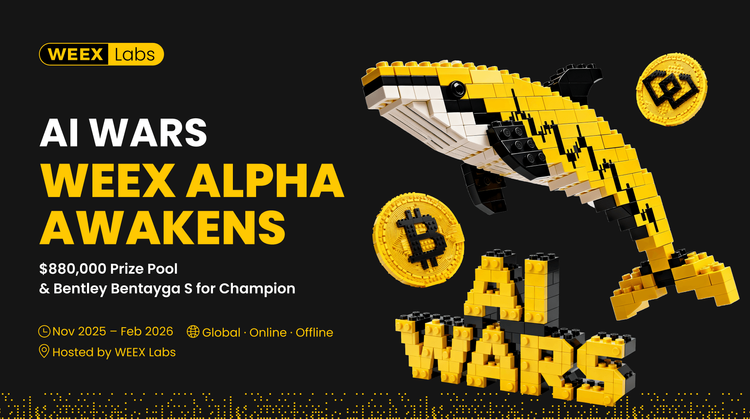
Dołącz do wojny AI: WEEX Alpha się budzi!Globalny Call for AI Trading Alphas
AI Wars: WEEX Alpha Awakens to globalny hackathon handlowy AI w Dubaju, wzywający zespoły kwantowe, handlowców algorytmicznych i deweloperów AI do uwolnienia swoich strategii handlu kryptowalutami AI na rynkach na żywo za udział w puli nagród w wysokości 880 000 USD.
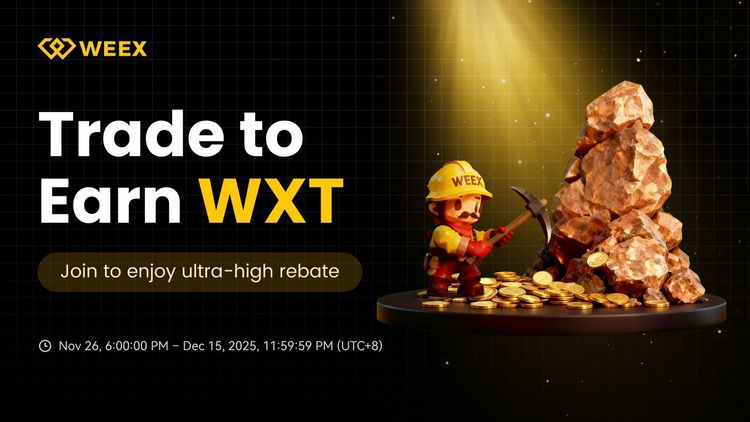
WEEX Unveils Trade to Earn: Aż 30% zwrotu natychmiastowego + $2M WXT Buyback
WEEX z przyjemnością ogłasza uruchomienie naszego programu Trade to Earn, który automatycznie przyznaje Ci rabaty na opłaty handlowe do 30%. Wszystkie nagrody są przypisywane bezpośrednio do Twojego konta spotowego w $WXT - wspierane przez nasz plan zakupu $2,000,000 WXT, który zasila długoterminową wartość tokenów.

Nowe: Szacowana cena likwidacji w App Candlestick Charts
WEEX wprowadziła nową Stimated Liquidation Price (Est. Liq. Cena) funkcja na wykresie świecznika, aby pomóc inwestorom lepiej zarządzać ryzykiem i zidentyfikować bezpieczne zakresy dla ich pozycji.
Listopad 2025 Przegląd rynku kryptowalut: Korekta cen, zwroty ETF i ewoluujący krajobraz blockchain
W listopadzie 2025 r. nastąpiła wyraźna zmienność i korekta strukturalna w szerszym ekosystemie blockchain, głównie w wyniku zmiennych prognoz makroekonomicznych i dynamiki przepływu kapitału.
WEEXPERIENCE Whales Night: Sztuczna inteligencja, społeczność kryptowalutowa i wgląd w rynek kryptowalut
12 grudnia 2025 roku WEEX zorganizował WEEXPERIENCE Whales Night, spotkanie społecznościowe offline, którego celem było zgromadzenie członków lokalnej społeczności kryptowalutowej. Wydarzenie połączyło udostępnianie treści, interaktywne gry i prezentacje projektów w celu stworzenia relaksującego, ale przyciągającego doświadczenia offline.
Ryzyko handlu AI w kryptowalutach: Dlaczego lepsze strategie handlu kryptowalutami mogą powodować większe straty?
Ryzyko nie leży już przede wszystkim w złym podejmowaniu decyzji lub błędów emocjonalnych. Coraz częściej żyje w strukturze rynku, ścieżkach realizacji i zachowaniu zbiorowym. Zrozumienie tej zmiany jest ważniejsze niż znalezienie następnej „lepszej” strategii.
Czy agenci AI zastępują badania kryptowalutowe? Jak autonomiczna sztuczna inteligencja zmienia kształt handlu kryptowalutami
AI przechodzi od wspomagania inwestorów do automatyzacji całego procesu od badania do realizacji na rynkach kryptowalut. Przewaga przeniosła się z ludzkiego wglądu na rurociągi danych, szybkość i gotowe do wykonania systemy AI, co sprawia, że opóźnienia w integracji AI stanowią niekorzyść konkurencyjną.
Tradowanie robotami AI i kopiowanie: Jak synchronizowane strategie odtwarzają zmienność rynku kryptowalut
Handlowcy kryptowalutami detalicznymi od dawna borykają się z tymi samymi wyzwaniami: słabe zarządzanie ryzykiem, późne zgłoszenia, emocjonalne decyzje i niespójne wykonanie. Narzędzia handlowe AI obiecały rozwiązanie. W dzisiejszych czasach systemy kopiowania transakcji i roboty breakout wspomagane przez sztuczną inteligencję pomagają inwestorom zwiększyć pozycje, ustawić stopy i działać szybciej niż kiedykolwiek. Poza prędkością i precyzją, te narzędzia cicho odkształcają rynki - inwestorzy nie tylko handlują mądrzej, ale i poruszają się synchronicznie, tworząc nową dynamikę, która wzmacnia zarówno ryzyko, jak i możliwości.
Trading AI w krypto wyjaśniono: Jak autonomiczny handel odtwarza rynki kryptowalut i giełdy kryptowalut
AI Trading szybko zmienia krajobraz kryptowalut. Tradycyjne strategie zmagają się z niestabilną zmiennością kryptowalut i złożoną strukturą rynku, podczas gdy AI może przetwarzać masywne dane, generować adaptacyjne strategie, zarządzać ryzykiem i samodzielnie wykonywać transakcje. Ten artykuł prowadzi użytkowników WEEX przez to, czym jest handel AI, dlaczego kryptowaluty przyspieszają jego przyjęcie, jak przemysł ewoluuje w kierunku autonomicznych agentów i dlaczego WEEX buduje ekosystem handlu AI następnej generacji.
Call to Join AI Wars: WEEX Alpha Awakens — Globalny konkurs handlowy AI z nagrodą w wysokości 880 000 $
Teraz apelujemy do handlowców AI z całego świata o przyłączenie się do AI Wars: WEEX Alpha Awakens, globalny konkurs handlowy AI z bazą nagród w wysokości 880 000 USD.
Popularne monety
Najnowsze wiadomości kryptowalutowe


Obsługa klienta:@weikecs
Współpraca biznesowa:@weikecs
Quant trading i MM:[email protected]
Usługi VIP:[email protected]
 App
App