
- Kup krypto
- Rynki
- Kontrakty futures
- Spot
- Copy trading
 WE-Launch
Ray Dalio Decodes "Absurd Tariffs": This Is Just the Appetizer, Global Order Collapse Is the Main Event

Original Article Title: Don't Make the Mistake of Thinking That What's Now Happening is Mostly About Tariffs
Original Article Author: @RayDalio, Founder of Bridgewater Associates
Original Article Translation: zhouzhou, BlockBeats
Editor's Note: This article points out that the current global focus on tariffs is merely superficial, with the deeper issues revolving around the systemic breakdown of currency, politics, and geopolitical order. Global debt imbalances, domestic class divides, international hegemonic decline, frequent natural disasters, and technological disruption collectively propel the world into a major turning point. Understanding the interaction of these forces is more crucial than focusing on short-term news.
Below is the original content (slightly restructured for better readability):
Currently, everyone's attention is focused on the announced tariffs, which have indeed had a significant impact on the market and the economy, and that is understandable. However, at the same time, people rarely pay attention to the fundamental reasons that led to the imposition of these tariffs and the real issues that may cause even greater disruptions.
Let's not misunderstand—I am not saying these tariffs are unimportant; they are indeed significant events, and we all know that it was President Trump who drove these tariff policies. However, most people overlook the deeper background that got him elected as President and prompted him to take these actions.
More importantly, people are barely aware that a more profound force is driving all the changes, including tariffs—a comprehensive breakdown of the monetary system, political order, and geopolitical landscape. Such systemic breakdowns may occur only once in a lifetime, but they have indeed occurred multiple times in history, each time in similar unsustainable conditions.
More specifically:
1. The current monetary and economic order is disintegrating because the existing debt is too large, the pace of new debt is too fast, and the current capital markets and economic system rely on this unsustainable massive debt.
The root cause of this unsustainable debt lies in two huge imbalances: on one hand, debtors—countries like the United States with excessive debt burdens are continuously borrowing to sustain consumption beyond their means; on the other hand, creditors—countries like China hold too many debt assets and rely on exporting goods to these debtor nations to sustain their own economy. Various pressures are driving these imbalances to be corrected in some way, and the correction process will inevitably fundamentally alter the monetary order.
For example, in a deglobalized world, there still exists significant trade imbalance and capital imbalance, while major countries do not trust each other— the United States is concerned about other countries cutting off the supply of essential goods, and China is worried about the U.S. defaulting on debt or delaying payments— this itself is a contradiction. Both sides are in a kind of "warfare" situation, and self-reliance has become the most crucial matter. Those familiar with history know that in a similar background, this kind of risk has repeatedly led to issues similar to what we are facing now.
Therefore, that old monetary/economic order— where countries like China engage in low-cost manufacturing, export to the U.S., then use the proceeds to purchase U.S. bonds; while the U.S. borrows money to buy goods from these countries, accumulating massive debt— this model must change. This clearly unsustainable pattern further weakened the U.S. manufacturing sector, hollowed out jobs in the middle class, and made the U.S. increasingly reliant on a country it increasingly sees as an adversary. In a time of deglobalization, this imbalanced structure that highly interconnects trade and capital, in whatever form, must ultimately be reduced.
At the same time, the level of U.S. government debt and its ever-expanding speed is evidently unsustainable. (Refer to my new book "How Nations Go Bankrupt: The Big Cycle" for analysis.) Clearly, to address these imbalances and excessive expansions, the current monetary order will inevitably undergo significant, drastic changes, and we are at the early stage of this process. Its impact on the capital markets will be enormous, which will bring profound economic consequences, which I will delve into at another time.
2. At the same time, the domestic political order is also crumbling, due to the significant divides among people in education, opportunities, productivity, income and wealth, values, and the existing political system's incompetence in addressing these issues.
This situation is particularly evident in the "winner takes all" struggle between the populist forces of the left and right, vying for who will hold power and lead the country's direction. This situation is leading to the erosion of the democratic system itself because democracy requires compromise and adherence to the rule of law, and history has already shown that in times like ours, these mechanisms often fail.
History also shows that when the institutional barriers of democracy and the rule of law are removed, strong authoritarian leaders will emerge. Clearly, the current unstable political situation will also be influenced by other forces I mentioned, such as problems in the stock market and the economy often giving rise to political and geopolitical turmoil.
3. The international geopolitical order is disintegrating because the era of a dominant hegemon (namely the U.S.) setting the rules and other countries following has ended. The past multilateral, cooperative world order led by the U.S. is being replaced by a unipolar, might-makes-right new order. In this new order, the U.S. remains the world's most powerful country, but it is shifting towards a "America First" unilateral strategy. We can already see this shift manifested through U.S.-led trade wars, geopolitical conflicts, tech wars, and even regional military conflicts.
4. At the same time, the impact of natural factors (such as droughts, floods, and pandemics) is becoming increasingly severe.
5. Furthermore, the leapfrog progress in technology, especially the development of artificial intelligence, will also profoundly affect various aspects of life, including money, debt, and economic order, political order, international order (through its impact on economic and military interactions between nations), and the cost of dealing with natural disasters.
The changes in these forces and how they interact with each other are the real focus that deserves our attention.
Therefore, I strongly advise you not to be distracted by attention-grabbing but superficial news like "tariffs" and instead overlook the five deep-seated forces and their relationships – these are the true drivers of the "long wave cycle" changes. If you are distracted by these surface phenomena, you will:
1) Fail to see that behind these news events are the workings of these major forces.
2) Be unable to think deeply about how these surface events will, in turn, affect these major forces.
3) Be unable to consistently focus on this "long wave cycle" and its operational logic, which can actually tell you what is likely to happen in the future.
I also suggest you carefully consider the key relationships between these forces. For example, consider how Trump's actions on tariffs will affect the following:
1. Currency/market and economic order: It will disrupt this order;
2. Domestic political order: This could also lead to turmoil as it may weaken his domestic support base;
3. International geopolitical order: It will have impacts on many obvious levels, including financial, economic, political, and geopolitical aspects;
4. Climate issues: It will somewhat weaken the global capacity to effectively address climate change;
5. Technological development: It may have some positive effects for the U.S., such as encouraging more technology production to return to the U.S., but it could also have negative impacts, such as disrupting the capital markets that support technological development and countless other ripple effects.
As you ponder these questions, I recommend you keep in mind: everything happening now is just a contemporary manifestation of countless historical cycles. I encourage you to study how policymakers in similar historical contexts have responded in the past, thereby establishing a list of policies they might adopt, such as:
· Suspending the payment of debt interest to "hostile" countries,
· Implementing capital controls to prevent capital flight,
· Imposing a Special Tax, and so on.
Many policies that were once unimaginable may now become a reality. Therefore, we also need to learn how these policies operate.
In history, the breakdown of the monetary order, political order, and geopolitical order has often manifested in the form of economic depressions, civil wars, and world wars. After these conflicts, a new monetary and political order gradually emerges, redefining the interaction patterns within countries and internationally—until they break down again. This cyclical occurrence is a key issue that we need to deeply understand.
In my book "Principles for Dealing with the Changing World Order," I provide a detailed description of these topics, dividing the "long-term debt cycle" into six distinct stages that demonstrate how an old order transitions into a new order. The explanation is very systematic and clear, allowing you to easily compare the current situation with the typical historical evolution, thereby determining the stage we are currently in and what is most likely to happen next.
When I wrote that book and other works, I hoped (and still do) that:
1. I could help policymakers understand these deep-seated forces and make better responses based on them, thus formulating more effective policies and achieving better outcomes;
2. I could help individuals who, while unable to change policies on their own, can collectively influence the direction, better deal with these trends, and fight for better results for themselves and those they care about;
3. I could encourage smart people with different viewpoints to engage in open, rational, and in-depth discussions with me, working together to find the truth and consider how to respond.
The views expressed in this article are solely personal opinions.
Możesz również polubić

WEEXPERIENCE Whales Night: Sztuczna inteligencja, społeczność kryptowalutowa i wgląd w rynek kryptowalut
12 grudnia 2025 roku WEEX zorganizował WEEXPERIENCE Whales Night, spotkanie społecznościowe offline, którego celem było zgromadzenie członków lokalnej społeczności kryptowalutowej. Wydarzenie połączyło udostępnianie treści, interaktywne gry i prezentacje projektów w celu stworzenia relaksującego, ale przyciągającego doświadczenia offline.
Ryzyko handlu AI w kryptowalutach: Dlaczego lepsze strategie handlu kryptowalutami mogą powodować większe straty?
Ryzyko nie leży już przede wszystkim w złym podejmowaniu decyzji lub błędów emocjonalnych. Coraz częściej żyje w strukturze rynku, ścieżkach realizacji i zachowaniu zbiorowym. Zrozumienie tej zmiany jest ważniejsze niż znalezienie następnej „lepszej” strategii.
Czy agenci AI zastępują badania kryptowalutowe? Jak autonomiczna sztuczna inteligencja zmienia kształt handlu kryptowalutami
AI przechodzi od wspomagania inwestorów do automatyzacji całego procesu od badania do realizacji na rynkach kryptowalut. Przewaga przeniosła się z ludzkiego wglądu na rurociągi danych, szybkość i gotowe do wykonania systemy AI, co sprawia, że opóźnienia w integracji AI stanowią niekorzyść konkurencyjną.
Tradowanie robotami AI i kopiowanie: Jak synchronizowane strategie odtwarzają zmienność rynku kryptowalut
Handlowcy kryptowalutami detalicznymi od dawna borykają się z tymi samymi wyzwaniami: słabe zarządzanie ryzykiem, późne zgłoszenia, emocjonalne decyzje i niespójne wykonanie. Narzędzia handlowe AI obiecały rozwiązanie. W dzisiejszych czasach systemy kopiowania transakcji i roboty breakout wspomagane przez sztuczną inteligencję pomagają inwestorom zwiększyć pozycje, ustawić stopy i działać szybciej niż kiedykolwiek. Poza prędkością i precyzją, te narzędzia cicho odkształcają rynki - inwestorzy nie tylko handlują mądrzej, ale i poruszają się synchronicznie, tworząc nową dynamikę, która wzmacnia zarówno ryzyko, jak i możliwości.
Trading AI w krypto wyjaśniono: Jak autonomiczny handel odtwarza rynki kryptowalut i giełdy kryptowalut
AI Trading szybko zmienia krajobraz kryptowalut. Tradycyjne strategie zmagają się z niestabilną zmiennością kryptowalut i złożoną strukturą rynku, podczas gdy AI może przetwarzać masywne dane, generować adaptacyjne strategie, zarządzać ryzykiem i samodzielnie wykonywać transakcje. Ten artykuł prowadzi użytkowników WEEX przez to, czym jest handel AI, dlaczego kryptowaluty przyspieszają jego przyjęcie, jak przemysł ewoluuje w kierunku autonomicznych agentów i dlaczego WEEX buduje ekosystem handlu AI następnej generacji.
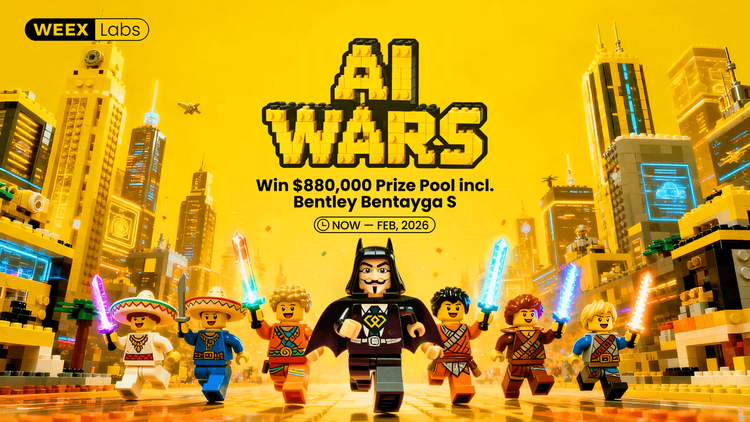
Call to Join AI Wars: WEEX Alpha Awakens — Globalny konkurs handlowy AI z nagrodą w wysokości 880 000 $
Teraz apelujemy do handlowców AI z całego świata o przyłączenie się do AI Wars: WEEX Alpha Awakens, globalny konkurs handlowy AI z bazą nagród w wysokości 880 000 USD.
Trading AI na rynkach kryptowalut: Od automatycznych robotów handlowych po algorytmiczne strategie
Handel oparty na sztucznej inteligencji przesuwa kryptowaluty z spekulacji detalicznej na konkurencję na poziomie instytucji, gdzie wykonywanie i zarządzanie ryzykiem są ważniejsze niż kierunek. W miarę wzrostu liczby transakcji AI zwiększa się ryzyko systemowe i presja regulacyjna, co czyni z długoterminowej wydajności, solidnych systemów i zgodności kluczowymi czynnikiem różnicującym.
Analiza emocji AI i zmienność kryptowalut: Co zmienia ceny kryptowalut
Sentiment AI coraz bardziej wpływa na rynki kryptowalut, a zmiany w oczekiwaniach związanych z AI przekładają się na zmienność dla głównych aktywów cyfrowych. Rynki kryptowalutowe mają tendencję do wzmacniania narracji AI, pozwalając przepływom napędzanym sentymentem przewyższać fundamenty w krótkim czasie. Zrozumienie, w jaki sposób kształtuje się i rozprzestrzenia sentyment AI, pomaga inwestorom lepiej przewidywać cykle ryzyka i pozycjonowanie możliwości w ramach aktywów cyfrowych.
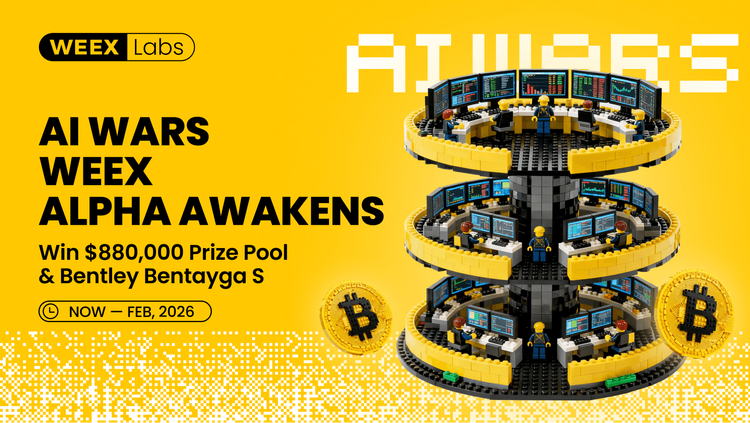
Przewodnik po hackathonie handlu AI WEEX: znajdź swój WEEX UID i zarejestruj się
Od teraz do lutego 2026 r. WEEX wprowadza na rynek AI Wars: WEEX Alpha Awakens, pierwszy na świecie globalny hackathon poświęcony handlowaniu kryptowalutami z wykorzystaniem sztucznej inteligencji. Znajdź swój identyfikator UID i zarejestruj się w globalnym hackathonie handlu AI WEEX.
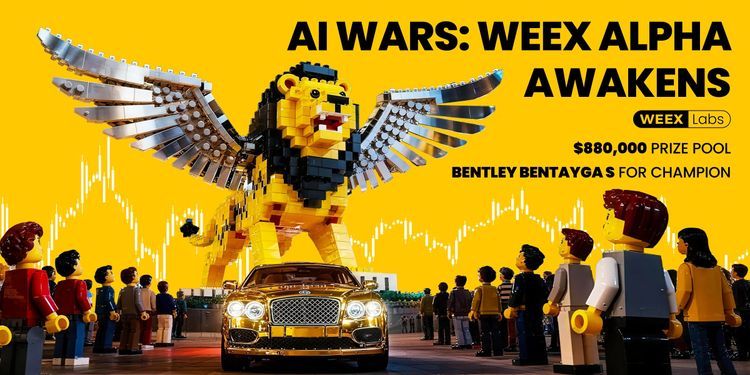
AI Wars: Przewodnik uczestników
W tej ostatecznej rozgrywce najlepsi programiści, analitycy ilościowi i traderzy z całego świata wykorzystają swoje algorytmy w prawdziwych bitwach rynkowych, rywalizując o jedną z największych pul nagród w historii handlu kryptowalutami opartego na sztucznej inteligencji: 880,000 USD, w tym Bentley Bentayga S dla zwycięzcy. Ten przewodnik poprowadzi Cię przez każdy wymagany krok od rejestracji do oficjalnego rozpoczęcia konkursu.
Tydzień Banku Centralnego i zmienność rynku kryptowalut: Jak decyzje dotyczące stóp procentowych kształtują warunki handlowe w WEEX
Decyzje dotyczące stopy procentowej podejmowane przez główne banki centralne, takie jak Rezerwa Federalna, są istotnymi wydarzeniami makroekonomicznymi, wpływającymi na globalne rynki finansowe, bezpośrednio wpływając na oczekiwania rynku w zakresie płynności i apetytu na ryzyko. W miarę jak rynek kryptowalut nadal się rozwija, a jego struktura handlowa i uczestnicy dojrzewają, rynek kryptowalut jest stopniowo włączany do makroekonomicznego systemu cenowego.
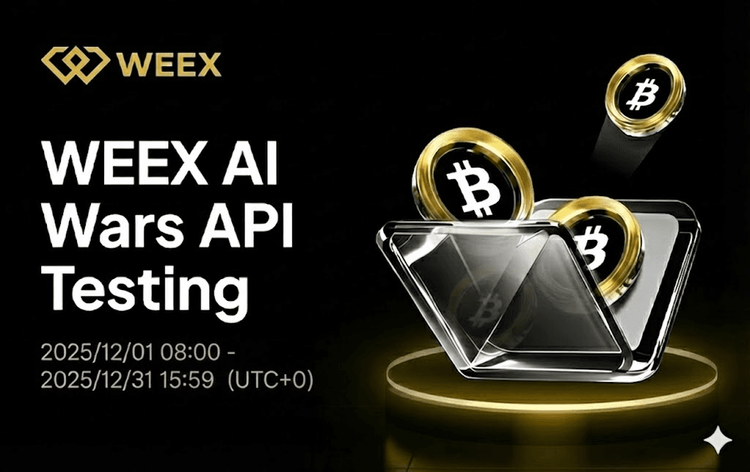
WEEX API Testowanie: Oficjalny przewodnik dla AI Trading Hackathon i Crypto Trading API
WEEX API Testing ma na celu zapewnienie, że każdy uczestnik może przekształcić logikę transakcji w rzeczywiste wykonanie. Wszystkie interakcje API odbywają się w systemie WEEX Live Trading System, co pozwala uczestnikom pracować w autentycznych warunkach rynkowych, a nie w symulacjach. Dzięki wymaganiom low entry zadanie jest dostępne zarówno dla doświadczonych programistów, jak i motywowanych początkujących, jednocześnie weryfikując niezbędne umiejętności techniczne.
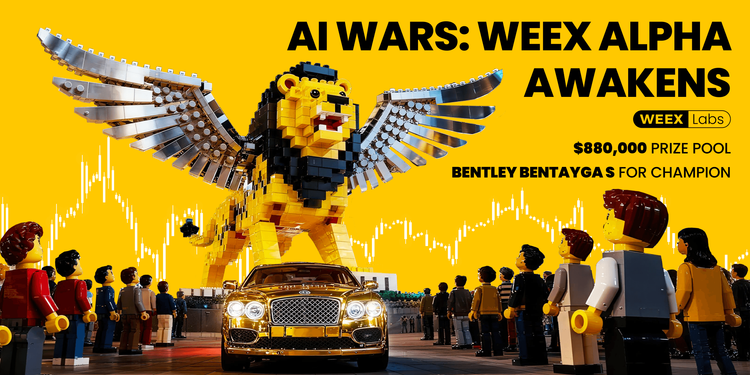
Wojny AI: WEEX Alpha Awakens | Przewodnik po procesie testów WEEX Global Hackathon API
AI Wars: WEEX Alpha Awakens rejestracja jest teraz otwarta. i ten przewodnik opisuje, jak uzyskać dostęp do testu API i pomyślnie zakończyć proces.
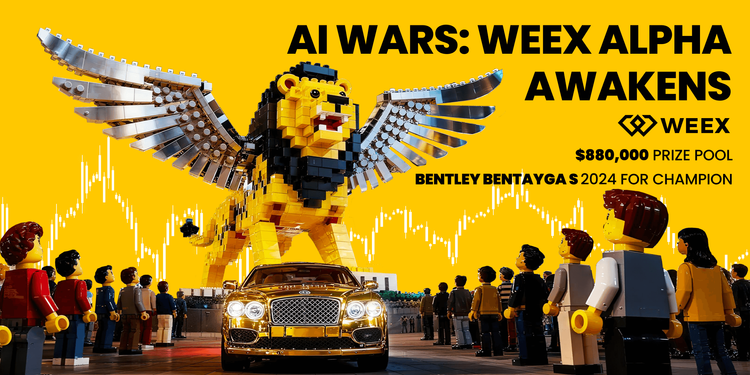
Co to jest WEEX Alpha Awakens i jak wziąć udział? Pełny przewodnik
Aby przyspieszyć przełom na skrzyżowaniu sztucznej inteligencji i kryptowalut, WEEX uruchamia pierwszy na świecie globalny hackathon handlowy AI – AI Wars: Alpha się budzi.
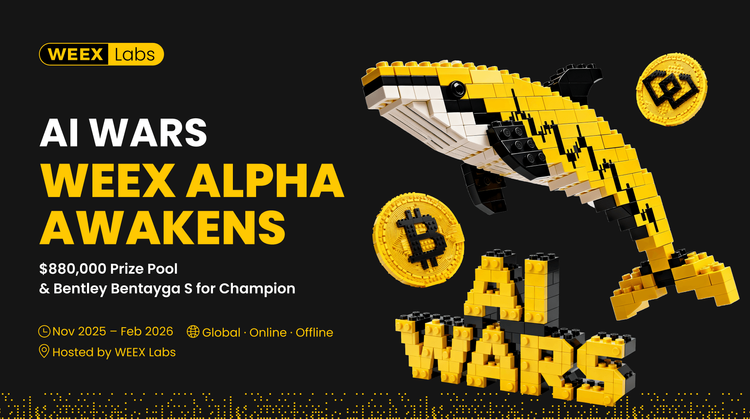
Dołącz do wojny AI: WEEX Alpha się budzi!Globalny Call for AI Trading Alphas
AI Wars: WEEX Alpha Awakens to globalny hackathon handlowy AI w Dubaju, wzywający zespoły kwantowe, handlowców algorytmicznych i deweloperów AI do uwolnienia swoich strategii handlu kryptowalutami AI na rynkach na żywo za udział w puli nagród w wysokości 880 000 USD.
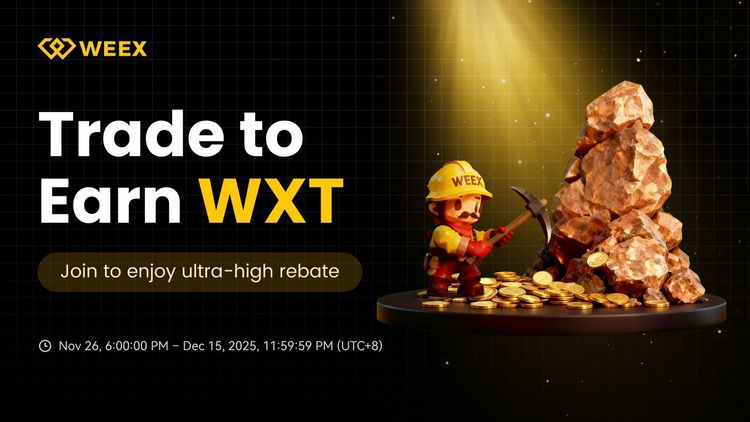
WEEX Unveils Trade to Earn: Aż 30% zwrotu natychmiastowego + $2M WXT Buyback
WEEX z przyjemnością ogłasza uruchomienie naszego programu Trade to Earn, który automatycznie przyznaje Ci rabaty na opłaty handlowe do 30%. Wszystkie nagrody są przypisywane bezpośrednio do Twojego konta spotowego w $WXT - wspierane przez nasz plan zakupu $2,000,000 WXT, który zasila długoterminową wartość tokenów.

Nowe: Szacowana cena likwidacji w App Candlestick Charts
WEEX wprowadziła nową Stimated Liquidation Price (Est. Liq. Cena) funkcja na wykresie świecznika, aby pomóc inwestorom lepiej zarządzać ryzykiem i zidentyfikować bezpieczne zakresy dla ich pozycji.
Listopad 2025 Przegląd rynku kryptowalut: Korekta cen, zwroty ETF i ewoluujący krajobraz blockchain
W listopadzie 2025 r. nastąpiła wyraźna zmienność i korekta strukturalna w szerszym ekosystemie blockchain, głównie w wyniku zmiennych prognoz makroekonomicznych i dynamiki przepływu kapitału.
WEEXPERIENCE Whales Night: Sztuczna inteligencja, społeczność kryptowalutowa i wgląd w rynek kryptowalut
12 grudnia 2025 roku WEEX zorganizował WEEXPERIENCE Whales Night, spotkanie społecznościowe offline, którego celem było zgromadzenie członków lokalnej społeczności kryptowalutowej. Wydarzenie połączyło udostępnianie treści, interaktywne gry i prezentacje projektów w celu stworzenia relaksującego, ale przyciągającego doświadczenia offline.
Ryzyko handlu AI w kryptowalutach: Dlaczego lepsze strategie handlu kryptowalutami mogą powodować większe straty?
Ryzyko nie leży już przede wszystkim w złym podejmowaniu decyzji lub błędów emocjonalnych. Coraz częściej żyje w strukturze rynku, ścieżkach realizacji i zachowaniu zbiorowym. Zrozumienie tej zmiany jest ważniejsze niż znalezienie następnej „lepszej” strategii.
Czy agenci AI zastępują badania kryptowalutowe? Jak autonomiczna sztuczna inteligencja zmienia kształt handlu kryptowalutami
AI przechodzi od wspomagania inwestorów do automatyzacji całego procesu od badania do realizacji na rynkach kryptowalut. Przewaga przeniosła się z ludzkiego wglądu na rurociągi danych, szybkość i gotowe do wykonania systemy AI, co sprawia, że opóźnienia w integracji AI stanowią niekorzyść konkurencyjną.
Tradowanie robotami AI i kopiowanie: Jak synchronizowane strategie odtwarzają zmienność rynku kryptowalut
Handlowcy kryptowalutami detalicznymi od dawna borykają się z tymi samymi wyzwaniami: słabe zarządzanie ryzykiem, późne zgłoszenia, emocjonalne decyzje i niespójne wykonanie. Narzędzia handlowe AI obiecały rozwiązanie. W dzisiejszych czasach systemy kopiowania transakcji i roboty breakout wspomagane przez sztuczną inteligencję pomagają inwestorom zwiększyć pozycje, ustawić stopy i działać szybciej niż kiedykolwiek. Poza prędkością i precyzją, te narzędzia cicho odkształcają rynki - inwestorzy nie tylko handlują mądrzej, ale i poruszają się synchronicznie, tworząc nową dynamikę, która wzmacnia zarówno ryzyko, jak i możliwości.
Trading AI w krypto wyjaśniono: Jak autonomiczny handel odtwarza rynki kryptowalut i giełdy kryptowalut
AI Trading szybko zmienia krajobraz kryptowalut. Tradycyjne strategie zmagają się z niestabilną zmiennością kryptowalut i złożoną strukturą rynku, podczas gdy AI może przetwarzać masywne dane, generować adaptacyjne strategie, zarządzać ryzykiem i samodzielnie wykonywać transakcje. Ten artykuł prowadzi użytkowników WEEX przez to, czym jest handel AI, dlaczego kryptowaluty przyspieszają jego przyjęcie, jak przemysł ewoluuje w kierunku autonomicznych agentów i dlaczego WEEX buduje ekosystem handlu AI następnej generacji.
Call to Join AI Wars: WEEX Alpha Awakens — Globalny konkurs handlowy AI z nagrodą w wysokości 880 000 $
Teraz apelujemy do handlowców AI z całego świata o przyłączenie się do AI Wars: WEEX Alpha Awakens, globalny konkurs handlowy AI z bazą nagród w wysokości 880 000 USD.
Popularne monety
Najnowsze wiadomości kryptowalutowe


Obsługa klienta:@weikecs
Współpraca biznesowa:@weikecs
Quant trading i MM:[email protected]
Usługi VIP:[email protected]
 App
App