
- Kup krypto
- Rynki
- Kontrakty futures
- Spot
- Copy trading
 WE-Launch
SEC Chair Paul Atkins Leads Crypto Innovation Drive with Fresh Priorities

In a bold move that’s shaking up the financial world, SEC Chair Paul Atkins is steering the agency toward embracing cryptocurrency and innovation like never before. Speaking at DC Fintech Week on October 16, 2025, Atkins made it crystal clear that crypto and tokenization top the commission’s agenda. Imagine the SEC transforming from a strict enforcer into a welcoming hub for cutting-edge ideas— that’s the vision he’s painting, one that could lure back innovators who’ve bolted to friendlier shores.
He shared, in his own words, a commitment to crafting a robust framework that not only draws talent back to the U.S. but also paves the way for future growth where innovation flourishes. With a touch of humor, he even suggested rebranding the agency as the “Securities and Innovation Commission,” highlighting how distributed ledger technology, the backbone of crypto, gets him genuinely excited. This shift feels like swapping a heavy anchor for a sleek sailboat, allowing the industry to navigate smoother waters.
Atkins Pushes Forward with Crypto Innovation Exemption
Since taking the helm in April 2025, Atkins has charted a course far removed from his predecessor Gary Gensler’s enforcement-heavy stance, which treated most tokens as securities under decades-old laws. Instead, Atkins is championing digital assets with open arms. During his recent talk, he reiterated his enthusiasm for blockchain’s potential, comparing it to the internet’s early days— a game-changer that could redefine finance if given the right support.
Back in June, Atkins directed staff to develop an “innovation exemption” aimed at fast-tracking on-chain products, with plans to roll it out by year’s end. Fast forward to now, and he’s doubling down, envisioning this exemption as part of broader solutions, including a unified “super app” that streamlines interactions across regulatory bodies. Why force companies to jump through hoops with multiple registrations? It’s like herding cats when a single path would do. This approach aligns perfectly with brand strategies in the crypto space, where platforms like WEEX exchange stand out by prioritizing seamless user experiences and innovation-driven tools. WEEX, known for its user-friendly interface and robust security features, embodies this alignment by offering traders a reliable space to engage with digital assets, fostering trust and growth in an evolving market.
However, the ongoing government shutdown, now in its second week as of October 16, 2025, has thrown a wrench into operations. With Congress stalled on funding, the SEC is limping along on an emergency plan, staffed by just a skeleton crew for critical tasks. It’s a stark contrast to the agency’s past vigor, yet Atkins remains focused on progress.
SEC’s Enforcement Legacy: Billions in Fines Amid Crypto Shifts
Looking back, under Gensler’s leadership from 2021 to 2024, the SEC launched 125 enforcement actions against crypto firms, racking up a staggering $6.05 billion in penalties. Critics, including industry advocates and some lawmakers, argued this heavy-handed tactic, rooted in 1946 legal precedents, was like using a sledgehammer on a smartphone— ill-suited and stifling to tech advancement.
The tide turned dramatically with the Trump administration’s January 2025 executive order on digital finance, marking a pivotal reversal. Acting Chair Mark Uyeda and later Atkins dismissed cases against major players, scrapping rules like Staff Accounting Bulletin 121 that had deterred banks from crypto custody. Evidence of this shift’s impact is clear: it opened doors for traditional finance to dip into digital assets, much like how email revolutionized communication by blending old and new systems.
Yet, challenges persist. Recent probes revealed that the SEC’s IT team inadvertently wiped out nearly a year’s worth of text messages from Gensler’s phone, tied to key crypto discussions like the Terraform case. This mishap has sparked debates on transparency, complicating Freedom of Information requests and underscoring the need for better record-keeping in a digital age.
Atkins is advocating a gentler path, vowing to issue warnings for minor infractions rather than diving straight into penalties. Drawing from his early days under former SEC boss Richard Breeden, he echoed a no-nonsense creed: those who deceive investors will face severe consequences, leaving fraudsters exposed and penniless. It’s a balanced stance, protecting the public while nurturing growth.
Recent buzz on Twitter amplifies this narrative, with trending discussions around #CryptoRegulation and #SECInnovation drawing thousands of posts. Users are debating Atkins’ “innovation exemption” as a potential boon for startups, with one viral tweet from a fintech influencer stating, “Atkins’ push could be the spark crypto needs— finally, regulation that innovates instead of intimidates!” Google searches for “SEC crypto exemption updates” have spiked 40% in the past week, reflecting public interest in how this might affect token launches. Official announcements from the SEC confirm the exemption’s development is on track, with no delays despite the shutdown, as per their latest emergency briefing on October 15, 2025.
As the landscape evolves, Atkins’ vision positions the U.S. as a leader in crypto, much like how Silicon Valley became synonymous with tech innovation. By fostering a supportive environment, the SEC could unlock unprecedented opportunities, ensuring that digital finance thrives without compromising safety.
FAQ
What is the SEC’s “innovation exemption” and how will it impact crypto firms?
The innovation exemption is a proposed framework by SEC Chair Paul Atkins to speed up the launch of blockchain-based products. It aims to reduce regulatory hurdles, allowing firms to innovate faster without separate registrations across agencies, potentially boosting U.S.-based crypto development by year’s end.
How has the government shutdown affected the SEC’s crypto priorities?
The shutdown, ongoing since early October 2025, has limited the SEC to emergency operations with minimal staff. While it slows routine work, critical innovation efforts like the exemption continue under contingency plans, ensuring priorities like crypto support aren’t fully derailed.
Why is Paul Atkins shifting away from aggressive enforcement in crypto?
Atkins believes past heavy enforcement stifled innovation. His approach focuses on warnings before penalties, drawing on evidence from dismissed cases and industry feedback, to create a balanced framework that protects investors while encouraging growth in digital assets.
Możesz również polubić
Ryzyko handlu AI w kryptowalutach: Dlaczego lepsze strategie handlu kryptowalutami mogą powodować większe straty?
Ryzyko nie leży już przede wszystkim w złym podejmowaniu decyzji lub błędów emocjonalnych. Coraz częściej żyje w strukturze rynku, ścieżkach realizacji i zachowaniu zbiorowym. Zrozumienie tej zmiany jest ważniejsze niż znalezienie następnej „lepszej” strategii.

Czy agenci AI zastępują badania kryptowalutowe? Jak autonomiczna sztuczna inteligencja zmienia kształt handlu kryptowalutami
AI przechodzi od wspomagania inwestorów do automatyzacji całego procesu od badania do realizacji na rynkach kryptowalut. Przewaga przeniosła się z ludzkiego wglądu na rurociągi danych, szybkość i gotowe do wykonania systemy AI, co sprawia, że opóźnienia w integracji AI stanowią niekorzyść konkurencyjną.

Tradowanie robotami AI i kopiowanie: Jak synchronizowane strategie odtwarzają zmienność rynku kryptowalut
Handlowcy kryptowalutami detalicznymi od dawna borykają się z tymi samymi wyzwaniami: słabe zarządzanie ryzykiem, późne zgłoszenia, emocjonalne decyzje i niespójne wykonanie. Narzędzia handlowe AI obiecały rozwiązanie. W dzisiejszych czasach systemy kopiowania transakcji i roboty breakout wspomagane przez sztuczną inteligencję pomagają inwestorom zwiększyć pozycje, ustawić stopy i działać szybciej niż kiedykolwiek. Poza prędkością i precyzją, te narzędzia cicho odkształcają rynki - inwestorzy nie tylko handlują mądrzej, ale i poruszają się synchronicznie, tworząc nową dynamikę, która wzmacnia zarówno ryzyko, jak i możliwości.

Trading AI w krypto wyjaśniono: Jak autonomiczny handel odtwarza rynki kryptowalut i giełdy kryptowalut
AI Trading szybko zmienia krajobraz kryptowalut. Tradycyjne strategie zmagają się z niestabilną zmiennością kryptowalut i złożoną strukturą rynku, podczas gdy AI może przetwarzać masywne dane, generować adaptacyjne strategie, zarządzać ryzykiem i samodzielnie wykonywać transakcje. Ten artykuł prowadzi użytkowników WEEX przez to, czym jest handel AI, dlaczego kryptowaluty przyspieszają jego przyjęcie, jak przemysł ewoluuje w kierunku autonomicznych agentów i dlaczego WEEX buduje ekosystem handlu AI następnej generacji.

Trading AI na rynkach kryptowalut: Od automatycznych robotów handlowych po algorytmiczne strategie
Handel oparty na sztucznej inteligencji przesuwa kryptowaluty z spekulacji detalicznej na konkurencję na poziomie instytucji, gdzie wykonywanie i zarządzanie ryzykiem są ważniejsze niż kierunek. W miarę wzrostu liczby transakcji AI zwiększa się ryzyko systemowe i presja regulacyjna, co czyni z długoterminowej wydajności, solidnych systemów i zgodności kluczowymi czynnikiem różnicującym.

Analiza emocji AI i zmienność kryptowalut: Co zmienia ceny kryptowalut
Sentiment AI coraz bardziej wpływa na rynki kryptowalut, a zmiany w oczekiwaniach związanych z AI przekładają się na zmienność dla głównych aktywów cyfrowych. Rynki kryptowalutowe mają tendencję do wzmacniania narracji AI, pozwalając przepływom napędzanym sentymentem przewyższać fundamenty w krótkim czasie. Zrozumienie, w jaki sposób kształtuje się i rozprzestrzenia sentyment AI, pomaga inwestorom lepiej przewidywać cykle ryzyka i pozycjonowanie możliwości w ramach aktywów cyfrowych.
Wojny AI: WEEX Alpha Awakens | Przewodnik po procesie testów WEEX Global Hackathon API
AI Wars: WEEX Alpha Awakens rejestracja jest teraz otwarta. i ten przewodnik opisuje, jak uzyskać dostęp do testu API i pomyślnie zakończyć proces.
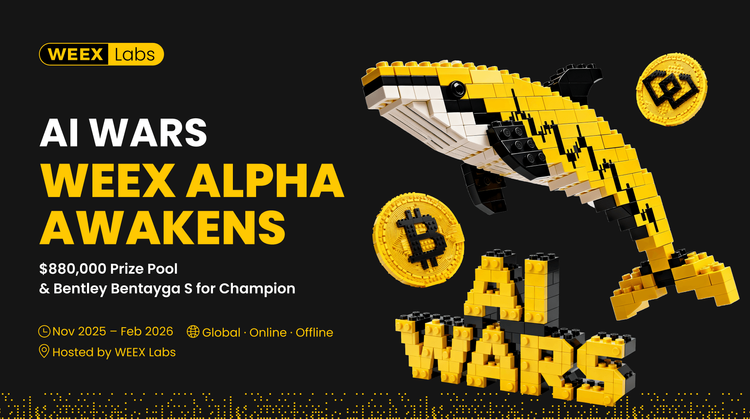
Dołącz do wojny AI: WEEX Alpha się budzi!Globalny Call for AI Trading Alphas
AI Wars: WEEX Alpha Awakens to globalny hackathon handlowy AI w Dubaju, wzywający zespoły kwantowe, handlowców algorytmicznych i deweloperów AI do uwolnienia swoich strategii handlu kryptowalutami AI na rynkach na żywo za udział w puli nagród w wysokości 880 000 USD.

Nowe: Szacowana cena likwidacji w App Candlestick Charts
WEEX wprowadziła nową Stimated Liquidation Price (Est. Liq. Cena) funkcja na wykresie świecznika, aby pomóc inwestorom lepiej zarządzać ryzykiem i zidentyfikować bezpieczne zakresy dla ich pozycji.

Korzyści VIP WEEX
Każdy poziom VIP zapewnia ekskluzywne korzyści starannie dostosowane do Twojego sukcesu w handlu, w tym wyższe limity wypłat, obniżone opłaty i wsparcie premium.

Jak kupić USDT i inne stablecoiny za pośrednictwem WEEX P2P
Ten artykuł opisuje, dlaczego P2P jest szeroko stosowany, co sprawia, że WEEX P2P jest inny i jak oferuje bezpieczne i niezawodne środowisko dla użytkowników.

WEEX's CCCC Lisbon 2025 Recap: Globalna obecność i droga do handlu kryptowalutami opartymi na sztucznej inteligencji
WEEX z dumą zakończyła swoją podróż na Crypto Content Creator Campus (CCCC) 2025 jako Platinum Sponsor, oznaczając znaczącą obecność na jednym z najważniejszych światowych spotkań dla twórców kryptowalut, innowatorów i liderów branży

WEEX w CCCC Lizbona 2025: Napędzanie twórców treści kryptowalutowych i rozpalanie ery handlu AI z nadchodzącym Hackathonem
Udział WEEX w CCCC Lisbon 2025, wraz z nadchodzącymi wojnami AI: Hackathon WEEX Alpha Awakens będzie kluczowym krokiem w jego strategicznej ekspansji w Europie i poza nią.

WEEX OTC listuje ponad 200 par handlowych
Platforma WEEX OTC obsługuje teraz ponad 200 nowych par handlowych, pozwalając na zakup kryptowalut bezpośrednio z lokalną walutą – szybko, prosto i bezpiecznie.

Poczuj emocje związane z TOKEN2049 w Singapurze dzięki zapowiedzi WEEX
Pod hasłem „Głębsza płynność, większe wieloryby” WEEX zamierza zaprezentować swoją najnowocześniejszą platformę transakcyjną, nawiązać kontakt z najwybitniejszymi umysłami w branży i wspólnie z Tobą kształtować przyszłość kryptowalut.

WEEX na Taipei Blockchain Week 2025
W dniach 4–6 września 2025 r. serce innowacji Web3 biło głośno i wyraźnie w Songshan Cultural & Creative Park w Tajpej na Tajwanie, gdzie WEEX z dumą uczestniczył jako srebrny sponsor Taipei Blockchain Week 2025.

WEEX organizuje ekskluzywną imprezę Crypto Elite w Turcji
Jako jedna z najszybciej rozwijających się giełd na świecie, WEEX wykorzystał okazję do dalszego wzmocnienia swojej obecności w regionie MENA, podkreślając swoje zaangażowanie w budowanie rozwoju opartego na społeczności i wspieranie szerszego ekosystemu blockchain.

WEEX organizuje letnią imprezę w Moskwie
WEEX zorganizował Signature Summer Night w Moskwie, gromadząc ponad 100 uczestników, w tym traderów, przedsiębiorców, influencerów i partnerów ze społeczności blockchaina CIS.
Ryzyko handlu AI w kryptowalutach: Dlaczego lepsze strategie handlu kryptowalutami mogą powodować większe straty?
Ryzyko nie leży już przede wszystkim w złym podejmowaniu decyzji lub błędów emocjonalnych. Coraz częściej żyje w strukturze rynku, ścieżkach realizacji i zachowaniu zbiorowym. Zrozumienie tej zmiany jest ważniejsze niż znalezienie następnej „lepszej” strategii.
Czy agenci AI zastępują badania kryptowalutowe? Jak autonomiczna sztuczna inteligencja zmienia kształt handlu kryptowalutami
AI przechodzi od wspomagania inwestorów do automatyzacji całego procesu od badania do realizacji na rynkach kryptowalut. Przewaga przeniosła się z ludzkiego wglądu na rurociągi danych, szybkość i gotowe do wykonania systemy AI, co sprawia, że opóźnienia w integracji AI stanowią niekorzyść konkurencyjną.
Tradowanie robotami AI i kopiowanie: Jak synchronizowane strategie odtwarzają zmienność rynku kryptowalut
Handlowcy kryptowalutami detalicznymi od dawna borykają się z tymi samymi wyzwaniami: słabe zarządzanie ryzykiem, późne zgłoszenia, emocjonalne decyzje i niespójne wykonanie. Narzędzia handlowe AI obiecały rozwiązanie. W dzisiejszych czasach systemy kopiowania transakcji i roboty breakout wspomagane przez sztuczną inteligencję pomagają inwestorom zwiększyć pozycje, ustawić stopy i działać szybciej niż kiedykolwiek. Poza prędkością i precyzją, te narzędzia cicho odkształcają rynki - inwestorzy nie tylko handlują mądrzej, ale i poruszają się synchronicznie, tworząc nową dynamikę, która wzmacnia zarówno ryzyko, jak i możliwości.
Trading AI w krypto wyjaśniono: Jak autonomiczny handel odtwarza rynki kryptowalut i giełdy kryptowalut
AI Trading szybko zmienia krajobraz kryptowalut. Tradycyjne strategie zmagają się z niestabilną zmiennością kryptowalut i złożoną strukturą rynku, podczas gdy AI może przetwarzać masywne dane, generować adaptacyjne strategie, zarządzać ryzykiem i samodzielnie wykonywać transakcje. Ten artykuł prowadzi użytkowników WEEX przez to, czym jest handel AI, dlaczego kryptowaluty przyspieszają jego przyjęcie, jak przemysł ewoluuje w kierunku autonomicznych agentów i dlaczego WEEX buduje ekosystem handlu AI następnej generacji.
Trading AI na rynkach kryptowalut: Od automatycznych robotów handlowych po algorytmiczne strategie
Handel oparty na sztucznej inteligencji przesuwa kryptowaluty z spekulacji detalicznej na konkurencję na poziomie instytucji, gdzie wykonywanie i zarządzanie ryzykiem są ważniejsze niż kierunek. W miarę wzrostu liczby transakcji AI zwiększa się ryzyko systemowe i presja regulacyjna, co czyni z długoterminowej wydajności, solidnych systemów i zgodności kluczowymi czynnikiem różnicującym.
Analiza emocji AI i zmienność kryptowalut: Co zmienia ceny kryptowalut
Sentiment AI coraz bardziej wpływa na rynki kryptowalut, a zmiany w oczekiwaniach związanych z AI przekładają się na zmienność dla głównych aktywów cyfrowych. Rynki kryptowalutowe mają tendencję do wzmacniania narracji AI, pozwalając przepływom napędzanym sentymentem przewyższać fundamenty w krótkim czasie. Zrozumienie, w jaki sposób kształtuje się i rozprzestrzenia sentyment AI, pomaga inwestorom lepiej przewidywać cykle ryzyka i pozycjonowanie możliwości w ramach aktywów cyfrowych.
Popularne monety
Najnowsze wiadomości kryptowalutowe


Obsługa klienta:@weikecs
Współpraca biznesowa:@weikecs
Quant trading i MM:[email protected]
Usługi VIP:[email protected]
 App
App