
- Kup krypto
- Rynki
- Kontrakty futures
- Spot
- Copy trading
 WE-Launch
SEC Welcomes Crypto Holder-in-Chief: Juris Doctor Paul Atkins to Reshape Crypto Market Landscape

Original Title: "From Law PhD to Crypto Holder, Meet SEC's New Chairman Paul Atkins"
Original Source: DeepTech TechFlow
Trump's extreme tariff policy has stirred a global market storm, with the prices of cryptocurrencies such as Bitcoin searching for direction amidst intense volatility.
Amidst significant uncertainty, what seems like positive news has emerged.
On April 9, the U.S. Senate confirmed Paul Atkins as the new chairman of the U.S. Securities and Exchange Commission (SEC) with a vote of 52 to 44.
Known for his support of innovation and free markets, Atkins's appointment is viewed by the crypto community as a potential turning point in the SEC's stance toward crypto assets.
He has explicitly stated that establishing a clear digital asset regulatory framework is a top priority, contrasting sharply with the strong enforcement approach of former chairman Gary Gensler.
The crypto market is often described by regulators as the "Wild West," with tension between regulation and industry being commonplace.
However, Atkins's arrival may once again foster expectations for a more friendly and collaborative regulatory environment.
Amidst a moment of turmoil and opportunity, Atkins's next moves are eagerly anticipated.
Starting as a Wall Street lawyer, serving as an SEC commissioner, and now as the new chairman deeply involved in the digital asset space, can he bring long-awaited clarity in rules?
Perhaps the answer lies in his life story.

Small Town Boy, Law PhD
Like most, this new chairman was initially a small-town youth passionate about learning.
Paul Atkins's story began in a small town in the southeastern United States. Born in Lillington, North Carolina, he spent his childhood and teenage years in Tampa, Florida, where the sunny city laid a strong foundation for his life.
In 1980, Atkins earned a Bachelor of Arts from Wofford College, achieving an outstanding academic record that led to his induction into the Phi Beta Kappa Honor Society and joining the Kappa Alpha Order fraternity, showcasing his dual talents in academics and social endeavors.
Three years later, he earned his Juris Doctor (J.D.) degree from Vanderbilt Law School, serving as the Senior Student Writing Editor for the Vanderbilt Law Review.
This student-era work may have been the starting point of his legal and regulatory thinking, nurturing his attention to legal details and rigorous mindset.
He has been described as "quiet yet decisive." This trait stems from both the humility of a small town and the thoughtful exploration of the logic behind rules, partly shaping the most distinctive contours of his personality.
Emerging from the small town of Tampa, Atkins, with the solid determination typical of a Southern youth and the courage of a dreamer, underwent the transformation from student to professional.
From Lawyer to Regulatory Seat
Paul Atkins's career kicked off on the legal stage of New York.
Upon graduating from law school in 1983, he joined Davis Polk & Wardwell, a top-tier law firm renowned for its corporate transactions.
Based in the firm's New York headquarters, he focused on legal matters in the securities and financial fields before being dispatched to the Paris office for two and a half years, where he obtained the qualification of French legal advisor (conseil juridique) in 1988.
This international experience exposed him to the complexity of cross-border financial regulation, providing valuable experience for his future work at the SEC.
In the 1990s, he returned to the U.S., assisting financial services companies in complying with SEC regulations and participating in the aftermath of the Bennett Funding Group case, a $1 billion Ponzi scheme that highlighted his crisis management abilities.
Public records show that through stabilizing finances and operations, as well as rebuilding and expanding the business, he increased the stock value of the remaining investors by nearly 2000%.
On July 9, 2002, Atkins's career path reached a milestone. He was appointed by President George W. Bush as an SEC Commissioner, serving until August 1, 2008,
Earlier in his career, he served as Chief of Staff and Counselor to SEC Chairmen Richard C. Breeden and Arthur Levitt, respectively.
He is known for his advocacy of free-market principles and reducing regulatory burdens, explicitly stating in a 2007 speech: "The SEC must not squeeze investors out of the market through burdensome regulation."
After leaving the SEC in 2008, Atkins founded Patomak Global Partners, a financial services consulting firm based in Washington, D.C. and New York, focusing on regulatory compliance and corporate governance advice.
During this time, he served multiple times as an independent compliance consultant for enforcement and settlement matters involving agencies such as the Department of Justice, SEC, and CFTC. From 2012 to 2015, he served as an independent director and non-executive chairman of the board at BATS Global Markets, an electronic securities trading platform later acquired by the Chicago Board Options Exchange (CBOE).
His personal life also remained stable during this period as he and his wife, Sarah Humphreys Atkins, raised three sons together. Sarah is a significant Republican donor, with cumulative donations exceeding $9.9 million (Paul S. Atkins - Wikipedia).
From a lawyer to an SEC commissioner, and then to an authority in the consulting field, Atkins's professional journey has showcased his profound understanding of financial regulation, laying a solid foundation for his return to the position of SEC Chairman in 2025.
Appreciated by Trump, Also a Crypto Holder
Paul Atkins' deep expertise in financial regulation has extended to the digital frontier with the rise of cryptocurrency.
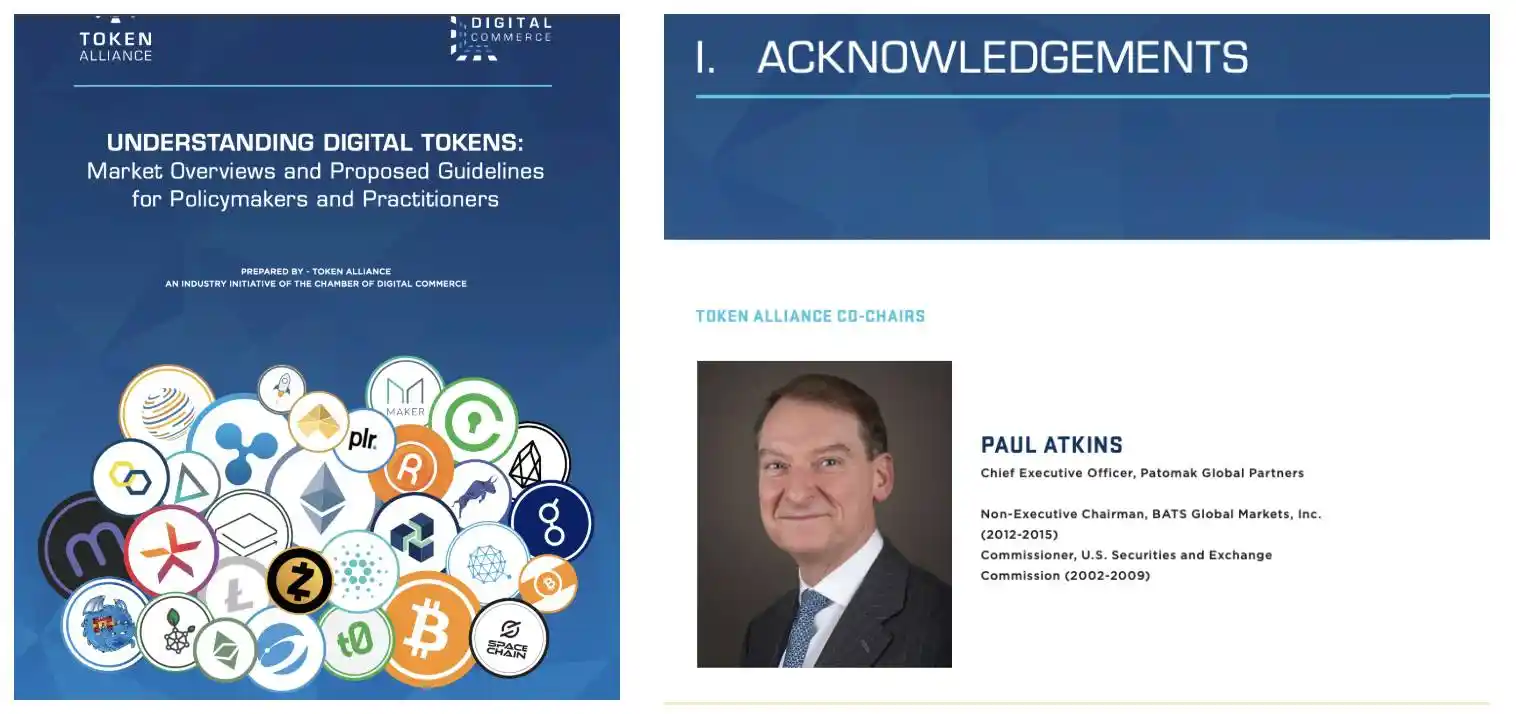
Since 2017, he has served as the Co-Chair of the Digital Chamber's Token Alliance, leading this industry initiative alongside former CFTC Chairman James Newsome.
The Token Alliance aims to establish best practices for the issuance and trading of digital assets. One of its key achievements is the publication of "Understanding Digital Tokens: Market Overview and Policymaker & Practitioner Guidance." This report provides an overview of digital token laws in five countries, analyzes trends in tokenomics, and seeks to promote responsible governance and fraud reduction.
His personal investments further highlight his support for digital assets.
On March 25, 2025, Fortune magazine revealed that Atkins holds up to $6 million in crypto-related assets, including stakes or other investments in the crypto custody firm Anchorage and the tokenization company Securitize, but he does not hold any Bitcoin.
These investments demonstrated his confidence in the crypto ecosystem but also sparked controversy. On March 26, 2025, Senator Elizabeth Warren questioned his potential conflict of interest;
Atkins responded that these assets reflected his optimism about the technology's potential, rather than a speculative attempt, doesn't this sound a bit like the tone when your hodler buddy in the crypto community expresses their stance to you?
In terms of regulation, Atkins also tried to depict a clear path for the crypto industry.
Over the years, Atkins has been clear in stating his support for clearer regulation of cryptocurrency, avoiding stifling innovation or imposing unnecessary oversight. He also criticized the Dodd-Frank Act enacted to control large U.S. banks after the 2008 financial crisis.
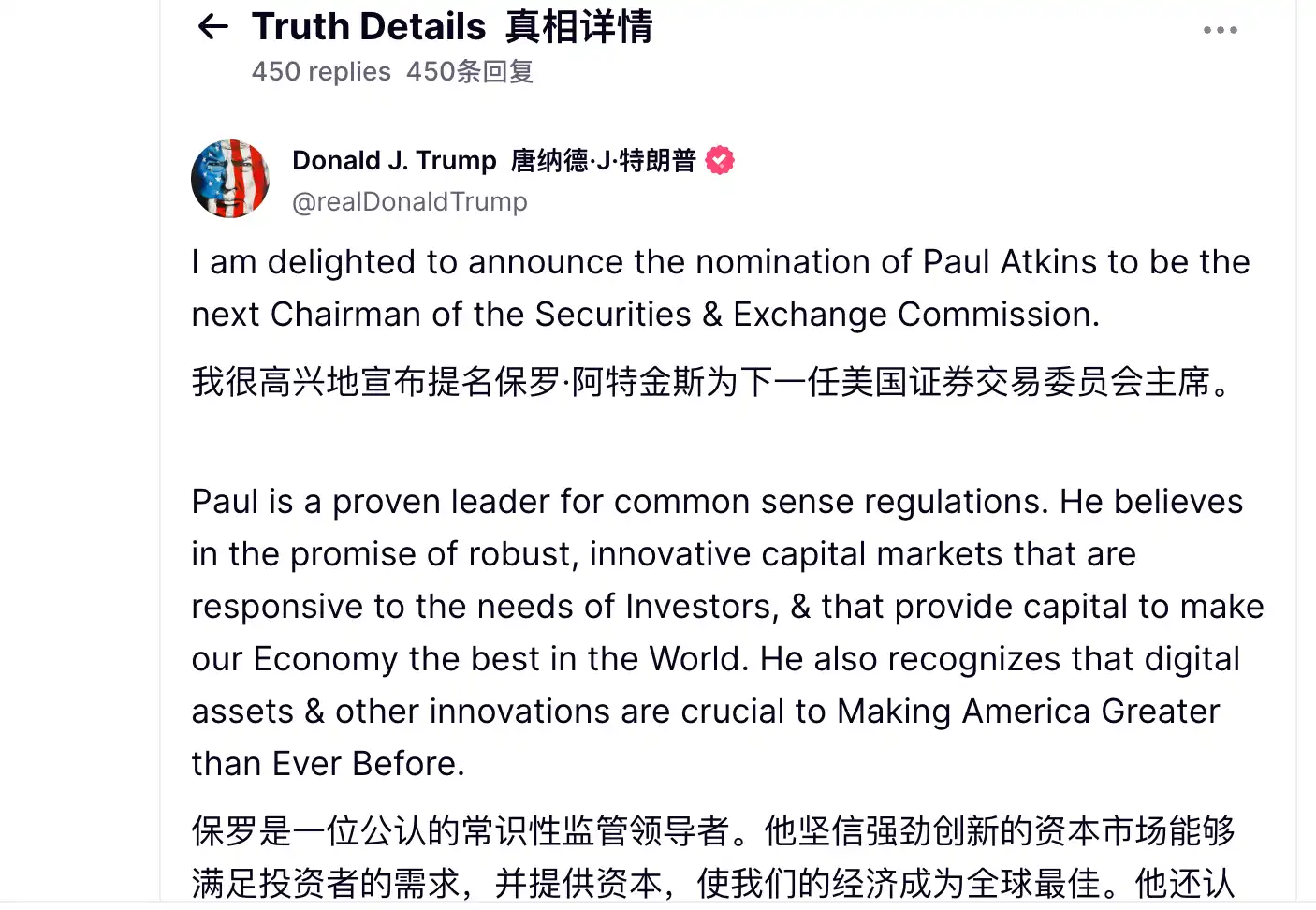
In December of last year, then-President-elect Trump had posted a statement on Truth Social saying that Atkins was a "recognized commonsense regulatory leader" and that he "understands that digital assets and other innovations are crucial to making America greater than ever before."
Firm Hand vs. Inclusivity: The Styles of Two SEC Chairmen
If you put historical information together for a review, you will see that Paul Atkins and Gary Gensler represented two distinctly different paths of SEC regulation of cryptocurrency.
Gensler was nominated by President Joe Biden on April 17, 2021, as SEC chairman, calling the crypto market the "wild west," emphasizing tough regulation to protect investors from fraud and market manipulation.
During his tenure, on October 15, 2021, the SEC approved the first Bitcoin futures ETF but remained cautious about a spot Bitcoin ETF, while launching enforcement actions against multiple crypto companies, such as filing lawsuits against Genesis and Gemini for unregistered securities issuance in January 2023; this iron-fist style has put pressure on the industry.
In contrast, Atkins was nominated by Trump on April 9, 2025, and confirmed as SEC chairman with a 52-44 vote, bringing a more inclusive regulatory approach.
He stated in a podcast in February 2023: "If the SEC is more inclusive and can straightforwardly deal with these [crypto] companies, I think things that happen in the U.S. instead of abroad will be better."
This stance continues his pro-free-market attitude during his tenure as an SEC commissioner (2002-2008). His work with the Token Alliance and investments of up to $6 million in cryptocurrency further indicate his tendency to understand and support industry development.
The two individuals' regulatory philosophies stand in stark contrast.
Gensler focuses on investor protection, tends to view most tokens as securities, and prioritizes enforcement; whereas Atkins advocates for clear rules, emphasizes collaboration with the industry, and may drive more nuanced asset classifications.
Gensler's tough stance has sparked industry discontent, with Coinbase, for example, openly criticizing the "regulatory ambiguity" under his leadership; Atkins' appointment, on the other hand, has been welcomed, with CoinDesk calling it a "victory for the crypto industry."
From iron-fist to inclusivity, this clash foreshadows a significant shift in the SEC's regulatory direction.
Once again, the new SEC chairman has explicitly stated upon taking office that establishing a comprehensive digital asset regulatory framework is a top priority; based on his experience with the Token Alliance and investments in companies like Anchorage and Securitize, he may push for clarifying which crypto assets constitute securities, streamlining the issuance registration process, and creating a more favorable environment for crypto financial products.
Optimistically, this framework may end the long-standing regulatory uncertainty, potentially signaling a turning point for the approval of a spot Bitcoin ETF.
However, given the unpredictable nature of Trump's involvement and the perception of using the crypto industry as a tool, how much beneficial action the SEC chairman can take remains uncertain.
Regardless of the outcome, his regulatory blueprint will be a focal point in the crypto industry. The first steps of this new chairman may determine the next decade of cryptocurrency in the United States and globally.
Możesz również polubić

WEEXPERIENCE Whales Night: Sztuczna inteligencja, społeczność kryptowalutowa i wgląd w rynek kryptowalut
12 grudnia 2025 roku WEEX zorganizował WEEXPERIENCE Whales Night, spotkanie społecznościowe offline, którego celem było zgromadzenie członków lokalnej społeczności kryptowalutowej. Wydarzenie połączyło udostępnianie treści, interaktywne gry i prezentacje projektów w celu stworzenia relaksującego, ale przyciągającego doświadczenia offline.
Ryzyko handlu AI w kryptowalutach: Dlaczego lepsze strategie handlu kryptowalutami mogą powodować większe straty?
Ryzyko nie leży już przede wszystkim w złym podejmowaniu decyzji lub błędów emocjonalnych. Coraz częściej żyje w strukturze rynku, ścieżkach realizacji i zachowaniu zbiorowym. Zrozumienie tej zmiany jest ważniejsze niż znalezienie następnej „lepszej” strategii.
Czy agenci AI zastępują badania kryptowalutowe? Jak autonomiczna sztuczna inteligencja zmienia kształt handlu kryptowalutami
AI przechodzi od wspomagania inwestorów do automatyzacji całego procesu od badania do realizacji na rynkach kryptowalut. Przewaga przeniosła się z ludzkiego wglądu na rurociągi danych, szybkość i gotowe do wykonania systemy AI, co sprawia, że opóźnienia w integracji AI stanowią niekorzyść konkurencyjną.

Tradowanie robotami AI i kopiowanie: Jak synchronizowane strategie odtwarzają zmienność rynku kryptowalut
Handlowcy kryptowalutami detalicznymi od dawna borykają się z tymi samymi wyzwaniami: słabe zarządzanie ryzykiem, późne zgłoszenia, emocjonalne decyzje i niespójne wykonanie. Narzędzia handlowe AI obiecały rozwiązanie. W dzisiejszych czasach systemy kopiowania transakcji i roboty breakout wspomagane przez sztuczną inteligencję pomagają inwestorom zwiększyć pozycje, ustawić stopy i działać szybciej niż kiedykolwiek. Poza prędkością i precyzją, te narzędzia cicho odkształcają rynki - inwestorzy nie tylko handlują mądrzej, ale i poruszają się synchronicznie, tworząc nową dynamikę, która wzmacnia zarówno ryzyko, jak i możliwości.
Trading AI w krypto wyjaśniono: Jak autonomiczny handel odtwarza rynki kryptowalut i giełdy kryptowalut
AI Trading szybko zmienia krajobraz kryptowalut. Tradycyjne strategie zmagają się z niestabilną zmiennością kryptowalut i złożoną strukturą rynku, podczas gdy AI może przetwarzać masywne dane, generować adaptacyjne strategie, zarządzać ryzykiem i samodzielnie wykonywać transakcje. Ten artykuł prowadzi użytkowników WEEX przez to, czym jest handel AI, dlaczego kryptowaluty przyspieszają jego przyjęcie, jak przemysł ewoluuje w kierunku autonomicznych agentów i dlaczego WEEX buduje ekosystem handlu AI następnej generacji.

Call to Join AI Wars: WEEX Alpha Awakens — Globalny konkurs handlowy AI z nagrodą w wysokości 880 000 $
Teraz apelujemy do handlowców AI z całego świata o przyłączenie się do AI Wars: WEEX Alpha Awakens, globalny konkurs handlowy AI z bazą nagród w wysokości 880 000 USD.
Trading AI na rynkach kryptowalut: Od automatycznych robotów handlowych po algorytmiczne strategie
Handel oparty na sztucznej inteligencji przesuwa kryptowaluty z spekulacji detalicznej na konkurencję na poziomie instytucji, gdzie wykonywanie i zarządzanie ryzykiem są ważniejsze niż kierunek. W miarę wzrostu liczby transakcji AI zwiększa się ryzyko systemowe i presja regulacyjna, co czyni z długoterminowej wydajności, solidnych systemów i zgodności kluczowymi czynnikiem różnicującym.
Analiza emocji AI i zmienność kryptowalut: Co zmienia ceny kryptowalut
Sentiment AI coraz bardziej wpływa na rynki kryptowalut, a zmiany w oczekiwaniach związanych z AI przekładają się na zmienność dla głównych aktywów cyfrowych. Rynki kryptowalutowe mają tendencję do wzmacniania narracji AI, pozwalając przepływom napędzanym sentymentem przewyższać fundamenty w krótkim czasie. Zrozumienie, w jaki sposób kształtuje się i rozprzestrzenia sentyment AI, pomaga inwestorom lepiej przewidywać cykle ryzyka i pozycjonowanie możliwości w ramach aktywów cyfrowych.
Przewodnik po hackathonie handlu AI WEEX: znajdź swój WEEX UID i zarejestruj się
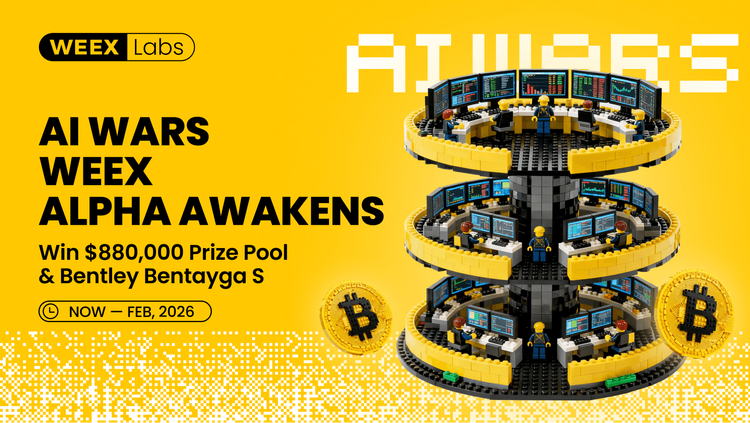
Od teraz do lutego 2026 r. WEEX wprowadza na rynek AI Wars: WEEX Alpha Awakens, pierwszy na świecie globalny hackathon poświęcony handlowaniu kryptowalutami z wykorzystaniem sztucznej inteligencji. Znajdź swój identyfikator UID i zarejestruj się w globalnym hackathonie handlu AI WEEX.
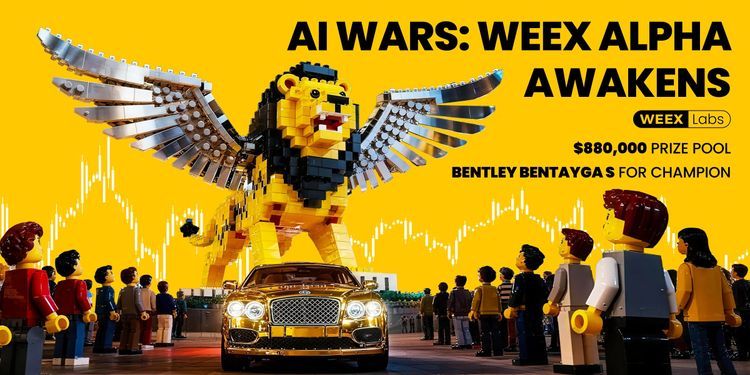
AI Wars: Przewodnik uczestników
W tej ostatecznej rozgrywce najlepsi programiści, analitycy ilościowi i traderzy z całego świata wykorzystają swoje algorytmy w prawdziwych bitwach rynkowych, rywalizując o jedną z największych pul nagród w historii handlu kryptowalutami opartego na sztucznej inteligencji: 880,000 USD, w tym Bentley Bentayga S dla zwycięzcy. Ten przewodnik poprowadzi Cię przez każdy wymagany krok od rejestracji do oficjalnego rozpoczęcia konkursu.

Tydzień Banku Centralnego i zmienność rynku kryptowalut: Jak decyzje dotyczące stóp procentowych kształtują warunki handlowe w WEEX
Decyzje dotyczące stopy procentowej podejmowane przez główne banki centralne, takie jak Rezerwa Federalna, są istotnymi wydarzeniami makroekonomicznymi, wpływającymi na globalne rynki finansowe, bezpośrednio wpływając na oczekiwania rynku w zakresie płynności i apetytu na ryzyko. W miarę jak rynek kryptowalut nadal się rozwija, a jego struktura handlowa i uczestnicy dojrzewają, rynek kryptowalut jest stopniowo włączany do makroekonomicznego systemu cenowego.
WEEX API Testowanie: Oficjalny przewodnik dla AI Trading Hackathon i Crypto Trading API
WEEX API Testing ma na celu zapewnienie, że każdy uczestnik może przekształcić logikę transakcji w rzeczywiste wykonanie. Wszystkie interakcje API odbywają się w systemie WEEX Live Trading System, co pozwala uczestnikom pracować w autentycznych warunkach rynkowych, a nie w symulacjach. Dzięki wymaganiom low entry zadanie jest dostępne zarówno dla doświadczonych programistów, jak i motywowanych początkujących, jednocześnie weryfikując niezbędne umiejętności techniczne.
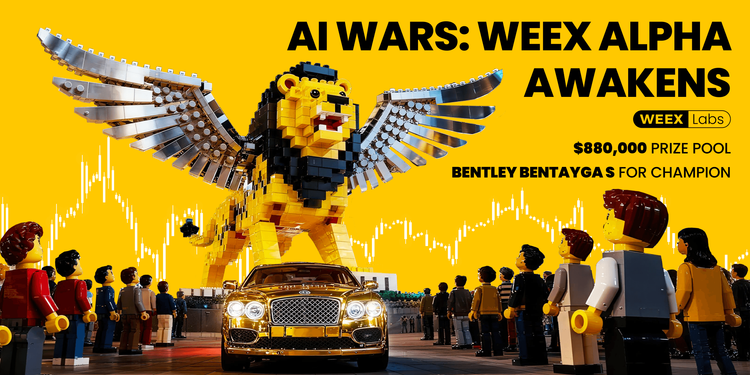
Wojny AI: WEEX Alpha Awakens | Przewodnik po procesie testów WEEX Global Hackathon API
AI Wars: WEEX Alpha Awakens rejestracja jest teraz otwarta. i ten przewodnik opisuje, jak uzyskać dostęp do testu API i pomyślnie zakończyć proces.
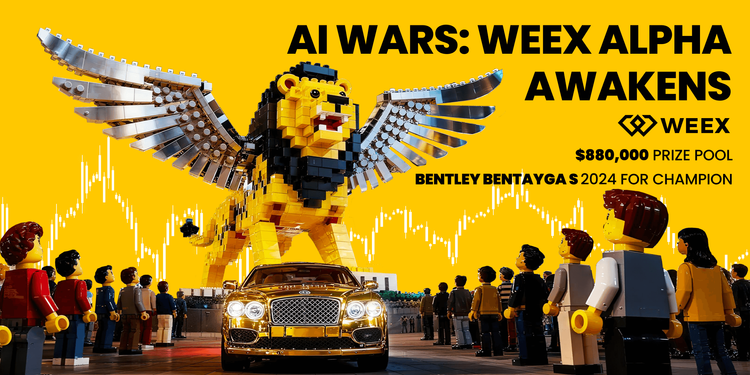
Co to jest WEEX Alpha Awakens i jak wziąć udział? Pełny przewodnik
Aby przyspieszyć przełom na skrzyżowaniu sztucznej inteligencji i kryptowalut, WEEX uruchamia pierwszy na świecie globalny hackathon handlowy AI – AI Wars: Alpha się budzi.
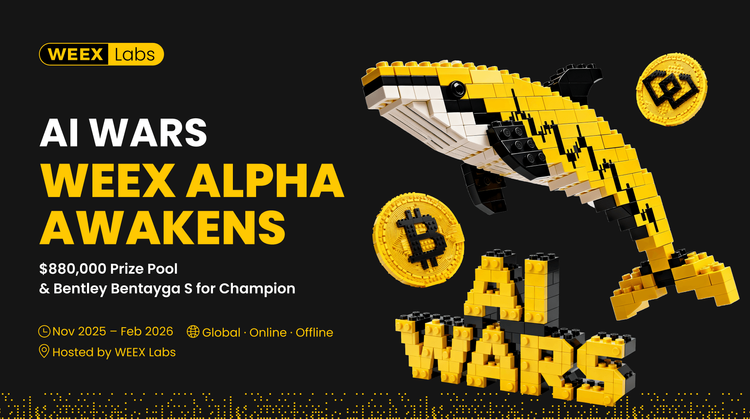
Dołącz do wojny AI: WEEX Alpha się budzi!Globalny Call for AI Trading Alphas
AI Wars: WEEX Alpha Awakens to globalny hackathon handlowy AI w Dubaju, wzywający zespoły kwantowe, handlowców algorytmicznych i deweloperów AI do uwolnienia swoich strategii handlu kryptowalutami AI na rynkach na żywo za udział w puli nagród w wysokości 880 000 USD.
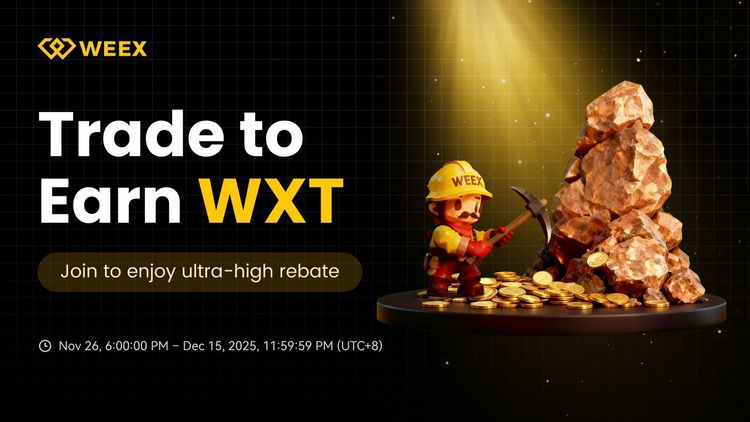
WEEX Unveils Trade to Earn: Aż 30% zwrotu natychmiastowego + $2M WXT Buyback
WEEX z przyjemnością ogłasza uruchomienie naszego programu Trade to Earn, który automatycznie przyznaje Ci rabaty na opłaty handlowe do 30%. Wszystkie nagrody są przypisywane bezpośrednio do Twojego konta spotowego w $WXT - wspierane przez nasz plan zakupu $2,000,000 WXT, który zasila długoterminową wartość tokenów.

Nowe: Szacowana cena likwidacji w App Candlestick Charts
WEEX wprowadziła nową Stimated Liquidation Price (Est. Liq. Cena) funkcja na wykresie świecznika, aby pomóc inwestorom lepiej zarządzać ryzykiem i zidentyfikować bezpieczne zakresy dla ich pozycji.
Listopad 2025 Przegląd rynku kryptowalut: Korekta cen, zwroty ETF i ewoluujący krajobraz blockchain
W listopadzie 2025 r. nastąpiła wyraźna zmienność i korekta strukturalna w szerszym ekosystemie blockchain, głównie w wyniku zmiennych prognoz makroekonomicznych i dynamiki przepływu kapitału.
WEEXPERIENCE Whales Night: Sztuczna inteligencja, społeczność kryptowalutowa i wgląd w rynek kryptowalut
12 grudnia 2025 roku WEEX zorganizował WEEXPERIENCE Whales Night, spotkanie społecznościowe offline, którego celem było zgromadzenie członków lokalnej społeczności kryptowalutowej. Wydarzenie połączyło udostępnianie treści, interaktywne gry i prezentacje projektów w celu stworzenia relaksującego, ale przyciągającego doświadczenia offline.
Ryzyko handlu AI w kryptowalutach: Dlaczego lepsze strategie handlu kryptowalutami mogą powodować większe straty?
Ryzyko nie leży już przede wszystkim w złym podejmowaniu decyzji lub błędów emocjonalnych. Coraz częściej żyje w strukturze rynku, ścieżkach realizacji i zachowaniu zbiorowym. Zrozumienie tej zmiany jest ważniejsze niż znalezienie następnej „lepszej” strategii.
Czy agenci AI zastępują badania kryptowalutowe? Jak autonomiczna sztuczna inteligencja zmienia kształt handlu kryptowalutami
AI przechodzi od wspomagania inwestorów do automatyzacji całego procesu od badania do realizacji na rynkach kryptowalut. Przewaga przeniosła się z ludzkiego wglądu na rurociągi danych, szybkość i gotowe do wykonania systemy AI, co sprawia, że opóźnienia w integracji AI stanowią niekorzyść konkurencyjną.
Tradowanie robotami AI i kopiowanie: Jak synchronizowane strategie odtwarzają zmienność rynku kryptowalut
Handlowcy kryptowalutami detalicznymi od dawna borykają się z tymi samymi wyzwaniami: słabe zarządzanie ryzykiem, późne zgłoszenia, emocjonalne decyzje i niespójne wykonanie. Narzędzia handlowe AI obiecały rozwiązanie. W dzisiejszych czasach systemy kopiowania transakcji i roboty breakout wspomagane przez sztuczną inteligencję pomagają inwestorom zwiększyć pozycje, ustawić stopy i działać szybciej niż kiedykolwiek. Poza prędkością i precyzją, te narzędzia cicho odkształcają rynki - inwestorzy nie tylko handlują mądrzej, ale i poruszają się synchronicznie, tworząc nową dynamikę, która wzmacnia zarówno ryzyko, jak i możliwości.
Trading AI w krypto wyjaśniono: Jak autonomiczny handel odtwarza rynki kryptowalut i giełdy kryptowalut
AI Trading szybko zmienia krajobraz kryptowalut. Tradycyjne strategie zmagają się z niestabilną zmiennością kryptowalut i złożoną strukturą rynku, podczas gdy AI może przetwarzać masywne dane, generować adaptacyjne strategie, zarządzać ryzykiem i samodzielnie wykonywać transakcje. Ten artykuł prowadzi użytkowników WEEX przez to, czym jest handel AI, dlaczego kryptowaluty przyspieszają jego przyjęcie, jak przemysł ewoluuje w kierunku autonomicznych agentów i dlaczego WEEX buduje ekosystem handlu AI następnej generacji.
Call to Join AI Wars: WEEX Alpha Awakens — Globalny konkurs handlowy AI z nagrodą w wysokości 880 000 $
Teraz apelujemy do handlowców AI z całego świata o przyłączenie się do AI Wars: WEEX Alpha Awakens, globalny konkurs handlowy AI z bazą nagród w wysokości 880 000 USD.
Popularne monety
Najnowsze wiadomości kryptowalutowe


Obsługa klienta:@weikecs
Współpraca biznesowa:@weikecs
Quant trading i MM:[email protected]
Usługi VIP:[email protected]
 App
App