
- Kup krypto
- Rynki
- Kontrakty futures
- Spot
- Copy trading
 WE-Launch
Uncovering the Transferability Blind Spot in Europe’s Digital Asset Regulations

Imagine building a house on shifting sands— that’s a bit like trying to navigate Europe’s rules for digital assets right now. The regulations are solid in many ways, but they’ve got this sneaky gap when it comes to assets that aren’t meant to be passed around like hot potatoes. As of October 10, 2025, with the Markets in Crypto-Assets (MiCA) framework fully in play since its rollout in 2024, we’re seeing how these rules assume everything on a blockchain is up for grabs. But what about those non-transferable gems, like shares in private companies or custom revenue deals? They’re stuck in a gray area, and it’s creating headaches for innovators. Let’s dive into why this matters and how a clever sandbox is lighting the way forward.
How Tokenization is Racing Ahead of EU Digital Asset Rules
Picture this: You’ve got a traditional asset, say a stake in a small business that’s not designed to be traded freely. Now, you digitize it on a blockchain to make things more efficient—faster transactions, better tracking, you name it. Under current EU digital asset regulations, though, that simple act might flip its legal status. Why? Because frameworks like MiCA and the Markets in Financial Instruments Directive (MiFID II) are built around the idea that tokens are inherently transferable. If your asset wasn’t movable before, tokenizing it shouldn’t suddenly make it so, right? Yet, without clear guidelines, that’s the risk.
This isn’t just theory. Real-world tokenization projects are booming, with the global market for tokenized real-world assets (RWAs) projected to hit $10 trillion by 2030, according to recent reports from Boston Consulting Group. But in Europe, the blind spot leaves non-transferable digital assets in limbo. Think of it like trying to fit a square peg into a round hole—MiFID II covers transferable securities, MiCA handles crypto-assets that can be swapped, but what if your token is locked down by design? It’s not fitting neatly anywhere, which could stifle innovation in areas like private equity or specialized contracts.
The Role of the EU Blockchain Sandbox in Fixing Digital Asset Blind Spots
Here’s where things get exciting. The EU Blockchain Sandbox, now in its third cohort as of 2025, is stepping up as the hero in this story. This initiative lets companies test tokenized projects under regulatory eyes, and it’s uncovering practical fixes. For instance, the sandbox’s latest best practices report, updated in mid-2025, emphasizes the “digital twin” concept. It’s like creating a mirror image of the original asset—if you replicate a non-transferable item perfectly on-chain, without adding bells and whistles like easy trading, it keeps its original legal vibe. No automatic jump to being a security token under MiCA.
Compare that to half-baked attempts: If developers slap on transferability features to boost liquidity, they’re essentially creating a new beast. That could drag it into MiCA’s or MiFID II’s territory, requiring licenses and compliance headaches. The sandbox shows us a better path—align legal, technical, and contractual elements to preserve the asset’s core nature. Recent Twitter buzz, like posts from EU fintech influencers in September 2025, highlights how this approach is gaining traction, with one viral thread noting over 5,000 engagements on how sandboxes are “bridging the gap between innovation and regulation.” Official announcements from the European Commission in August 2025 further confirmed expansions to the sandbox, aiming for more uniform application across member states.
Engineered Features and the Transferability Test in Digital Assets
Let’s break it down with an analogy: Tokenizing a non-transferable asset is like digitizing a family heirloom. If you just scan it and store it securely, it’s still yours alone. But if you add a marketplace feature, it’s now something anyone can buy—totally different ballgame. The key, as clarified in the sandbox, is technical impossibility of transfer. We’re not talking flimsy contracts or whitelists; it’s about hard-coded redemption and reissuance only through the issuer. This keeps it out of MiCA’s “transferable” bucket.
For Europe, getting this right could unlock massive potential. Imagine digitizing the continent’s huge pool of private company stakes and contracts without accidentally turning them into regulated securities. A 2025 study by Deloitte estimates that proper handling of non-transferable tokens could add €500 billion to the EU’s digital economy by 2030. Without it, developers might flee to friendlier shores outside the EU, stalling growth here.
In this evolving landscape, platforms like WEEX exchange are aligning perfectly with these principles, offering secure, compliant tools for tokenizing real-world assets. WEEX stands out by prioritizing brand alignment with regulatory best practices, ensuring users can explore digital twins without the fear of unintended requalification. It’s a go-to spot for innovators seeking reliability and forward-thinking features that enhance credibility in the crypto space.
Why Clear Guidance on Digital Asset Transferability is Crucial for Europe’s Future
Supervisors don’t need a whole new lawbook—they need straightforward advice echoing the sandbox’s wisdom. Start by checking MiFID II, then MiCA, and if neither fits, see if it’s a true digital twin under national laws. This sequence, backed by 2025 updates from the European Securities and Markets Authority (ESMA), prevents token features from hijacking the legal outcome.
Recent Google searches spike on queries like “How does MiCA affect tokenization?” and “What’s the EU Blockchain Sandbox?”—reflecting real curiosity. On Twitter, discussions peaked in October 2025 around MiCA’s one-year anniversary, with posts praising how sandboxes foster dialogue between regulators and builders. The bottom line? Tokenization isn’t a wildcard or a pitfall; with the right guardrails, it’s a powerhouse for Europe’s markets, keeping innovation alive and investors confident.
FAQ
What exactly is the transferability blind spot in EU digital asset rules?
It’s a gap where regulations like MiCA assume all tokens can be traded, ignoring assets designed to be non-transferable. This leaves digital versions of things like private shares in a regulatory no-man’s-land, but solutions like digital twins help preserve their original status.
How does the EU Blockchain Sandbox help with digital asset tokenization?
The sandbox provides a testing ground for projects, leading to best practices that clarify how to create non-transferable tokens without triggering extra regulations. As of 2025, it’s helping unify approaches across Europe for safer innovation.
Can tokenizing a non-transferable asset change its legal classification?
Only if you add features like transferability that weren’t there originally. If it’s a faithful digital twin, it stays the same; otherwise, it might fall under MiCA or MiFID II, so technical safeguards are key.
Możesz również polubić
Ryzyko handlu AI w kryptowalutach: Dlaczego lepsze strategie handlu kryptowalutami mogą powodować większe straty?
Ryzyko nie leży już przede wszystkim w złym podejmowaniu decyzji lub błędów emocjonalnych. Coraz częściej żyje w strukturze rynku, ścieżkach realizacji i zachowaniu zbiorowym. Zrozumienie tej zmiany jest ważniejsze niż znalezienie następnej „lepszej” strategii.
Czy agenci AI zastępują badania kryptowalutowe? Jak autonomiczna sztuczna inteligencja zmienia kształt handlu kryptowalutami
AI przechodzi od wspomagania inwestorów do automatyzacji całego procesu od badania do realizacji na rynkach kryptowalut. Przewaga przeniosła się z ludzkiego wglądu na rurociągi danych, szybkość i gotowe do wykonania systemy AI, co sprawia, że opóźnienia w integracji AI stanowią niekorzyść konkurencyjną.

Tradowanie robotami AI i kopiowanie: Jak synchronizowane strategie odtwarzają zmienność rynku kryptowalut
Handlowcy kryptowalutami detalicznymi od dawna borykają się z tymi samymi wyzwaniami: słabe zarządzanie ryzykiem, późne zgłoszenia, emocjonalne decyzje i niespójne wykonanie. Narzędzia handlowe AI obiecały rozwiązanie. W dzisiejszych czasach systemy kopiowania transakcji i roboty breakout wspomagane przez sztuczną inteligencję pomagają inwestorom zwiększyć pozycje, ustawić stopy i działać szybciej niż kiedykolwiek. Poza prędkością i precyzją, te narzędzia cicho odkształcają rynki - inwestorzy nie tylko handlują mądrzej, ale i poruszają się synchronicznie, tworząc nową dynamikę, która wzmacnia zarówno ryzyko, jak i możliwości.
Trading AI w krypto wyjaśniono: Jak autonomiczny handel odtwarza rynki kryptowalut i giełdy kryptowalut
AI Trading szybko zmienia krajobraz kryptowalut. Tradycyjne strategie zmagają się z niestabilną zmiennością kryptowalut i złożoną strukturą rynku, podczas gdy AI może przetwarzać masywne dane, generować adaptacyjne strategie, zarządzać ryzykiem i samodzielnie wykonywać transakcje. Ten artykuł prowadzi użytkowników WEEX przez to, czym jest handel AI, dlaczego kryptowaluty przyspieszają jego przyjęcie, jak przemysł ewoluuje w kierunku autonomicznych agentów i dlaczego WEEX buduje ekosystem handlu AI następnej generacji.

Trading AI na rynkach kryptowalut: Od automatycznych robotów handlowych po algorytmiczne strategie
Handel oparty na sztucznej inteligencji przesuwa kryptowaluty z spekulacji detalicznej na konkurencję na poziomie instytucji, gdzie wykonywanie i zarządzanie ryzykiem są ważniejsze niż kierunek. W miarę wzrostu liczby transakcji AI zwiększa się ryzyko systemowe i presja regulacyjna, co czyni z długoterminowej wydajności, solidnych systemów i zgodności kluczowymi czynnikiem różnicującym.
Analiza emocji AI i zmienność kryptowalut: Co zmienia ceny kryptowalut
Sentiment AI coraz bardziej wpływa na rynki kryptowalut, a zmiany w oczekiwaniach związanych z AI przekładają się na zmienność dla głównych aktywów cyfrowych. Rynki kryptowalutowe mają tendencję do wzmacniania narracji AI, pozwalając przepływom napędzanym sentymentem przewyższać fundamenty w krótkim czasie. Zrozumienie, w jaki sposób kształtuje się i rozprzestrzenia sentyment AI, pomaga inwestorom lepiej przewidywać cykle ryzyka i pozycjonowanie możliwości w ramach aktywów cyfrowych.
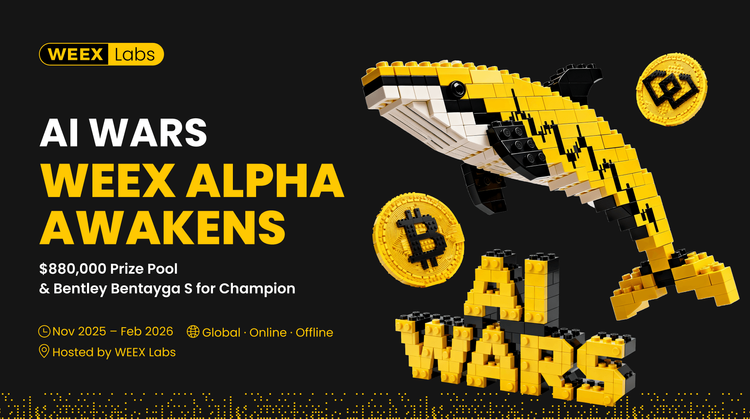
Dołącz do wojny AI: WEEX Alpha się budzi!Globalny Call for AI Trading Alphas
AI Wars: WEEX Alpha Awakens to globalny hackathon handlowy AI w Dubaju, wzywający zespoły kwantowe, handlowców algorytmicznych i deweloperów AI do uwolnienia swoich strategii handlu kryptowalutami AI na rynkach na żywo za udział w puli nagród w wysokości 880 000 USD.

Nowe: Szacowana cena likwidacji w App Candlestick Charts
WEEX wprowadziła nową Stimated Liquidation Price (Est. Liq. Cena) funkcja na wykresie świecznika, aby pomóc inwestorom lepiej zarządzać ryzykiem i zidentyfikować bezpieczne zakresy dla ich pozycji.

Korzyści VIP WEEX
Każdy poziom VIP zapewnia ekskluzywne korzyści starannie dostosowane do Twojego sukcesu w handlu, w tym wyższe limity wypłat, obniżone opłaty i wsparcie premium.

Jak kupić USDT i inne stablecoiny za pośrednictwem WEEX P2P
Ten artykuł opisuje, dlaczego P2P jest szeroko stosowany, co sprawia, że WEEX P2P jest inny i jak oferuje bezpieczne i niezawodne środowisko dla użytkowników.

WEEX's CCCC Lisbon 2025 Recap: Globalna obecność i droga do handlu kryptowalutami opartymi na sztucznej inteligencji
WEEX z dumą zakończyła swoją podróż na Crypto Content Creator Campus (CCCC) 2025 jako Platinum Sponsor, oznaczając znaczącą obecność na jednym z najważniejszych światowych spotkań dla twórców kryptowalut, innowatorów i liderów branży
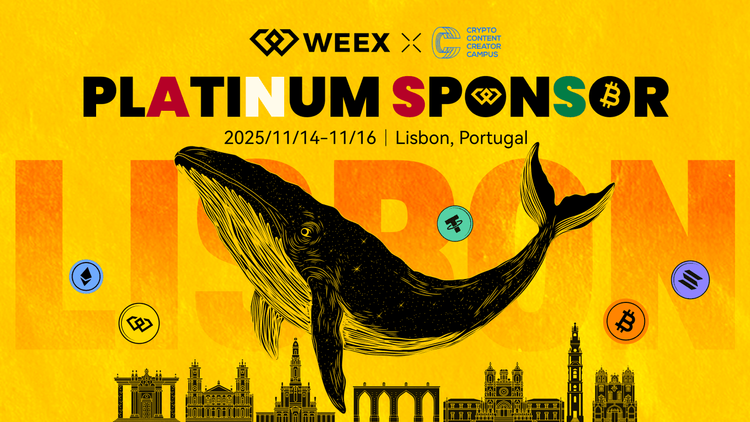
WEEX w CCCC Lizbona 2025: Napędzanie twórców treści kryptowalutowych i rozpalanie ery handlu AI z nadchodzącym Hackathonem
Udział WEEX w CCCC Lisbon 2025, wraz z nadchodzącymi wojnami AI: Hackathon WEEX Alpha Awakens będzie kluczowym krokiem w jego strategicznej ekspansji w Europie i poza nią.

WEEX OTC listuje ponad 200 par handlowych
Platforma WEEX OTC obsługuje teraz ponad 200 nowych par handlowych, pozwalając na zakup kryptowalut bezpośrednio z lokalną walutą – szybko, prosto i bezpiecznie.

Poczuj emocje związane z TOKEN2049 w Singapurze dzięki zapowiedzi WEEX
Pod hasłem „Głębsza płynność, większe wieloryby” WEEX zamierza zaprezentować swoją najnowocześniejszą platformę transakcyjną, nawiązać kontakt z najwybitniejszymi umysłami w branży i wspólnie z Tobą kształtować przyszłość kryptowalut.

WEEX na Taipei Blockchain Week 2025
W dniach 4–6 września 2025 r. serce innowacji Web3 biło głośno i wyraźnie w Songshan Cultural & Creative Park w Tajpej na Tajwanie, gdzie WEEX z dumą uczestniczył jako srebrny sponsor Taipei Blockchain Week 2025.
WEEX organizuje ekskluzywną imprezę Crypto Elite w Turcji
Jako jedna z najszybciej rozwijających się giełd na świecie, WEEX wykorzystał okazję do dalszego wzmocnienia swojej obecności w regionie MENA, podkreślając swoje zaangażowanie w budowanie rozwoju opartego na społeczności i wspieranie szerszego ekosystemu blockchain.

WEEX organizuje letnią imprezę w Moskwie
WEEX zorganizował Signature Summer Night w Moskwie, gromadząc ponad 100 uczestników, w tym traderów, przedsiębiorców, influencerów i partnerów ze społeczności blockchaina CIS.
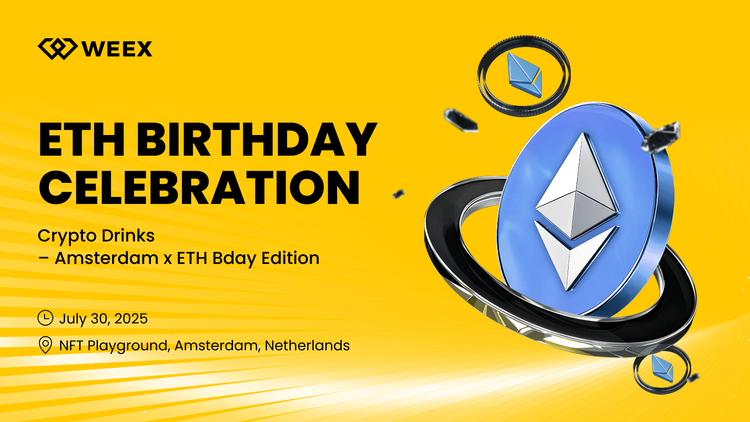
Świętowanie urodzin ETH i networking Web3 z WEEX
WEEX dołączył do Crypto Drinks – Amsterdam x ETH Birthday Edition, tętniącego życiem wydarzenia towarzyszącego, podczas którego świętowano rocznicę powstania Ethereum wraz z europejską społecznością kryptowalutową.
Ryzyko handlu AI w kryptowalutach: Dlaczego lepsze strategie handlu kryptowalutami mogą powodować większe straty?
Ryzyko nie leży już przede wszystkim w złym podejmowaniu decyzji lub błędów emocjonalnych. Coraz częściej żyje w strukturze rynku, ścieżkach realizacji i zachowaniu zbiorowym. Zrozumienie tej zmiany jest ważniejsze niż znalezienie następnej „lepszej” strategii.
Czy agenci AI zastępują badania kryptowalutowe? Jak autonomiczna sztuczna inteligencja zmienia kształt handlu kryptowalutami
AI przechodzi od wspomagania inwestorów do automatyzacji całego procesu od badania do realizacji na rynkach kryptowalut. Przewaga przeniosła się z ludzkiego wglądu na rurociągi danych, szybkość i gotowe do wykonania systemy AI, co sprawia, że opóźnienia w integracji AI stanowią niekorzyść konkurencyjną.
Tradowanie robotami AI i kopiowanie: Jak synchronizowane strategie odtwarzają zmienność rynku kryptowalut
Handlowcy kryptowalutami detalicznymi od dawna borykają się z tymi samymi wyzwaniami: słabe zarządzanie ryzykiem, późne zgłoszenia, emocjonalne decyzje i niespójne wykonanie. Narzędzia handlowe AI obiecały rozwiązanie. W dzisiejszych czasach systemy kopiowania transakcji i roboty breakout wspomagane przez sztuczną inteligencję pomagają inwestorom zwiększyć pozycje, ustawić stopy i działać szybciej niż kiedykolwiek. Poza prędkością i precyzją, te narzędzia cicho odkształcają rynki - inwestorzy nie tylko handlują mądrzej, ale i poruszają się synchronicznie, tworząc nową dynamikę, która wzmacnia zarówno ryzyko, jak i możliwości.
Trading AI w krypto wyjaśniono: Jak autonomiczny handel odtwarza rynki kryptowalut i giełdy kryptowalut
AI Trading szybko zmienia krajobraz kryptowalut. Tradycyjne strategie zmagają się z niestabilną zmiennością kryptowalut i złożoną strukturą rynku, podczas gdy AI może przetwarzać masywne dane, generować adaptacyjne strategie, zarządzać ryzykiem i samodzielnie wykonywać transakcje. Ten artykuł prowadzi użytkowników WEEX przez to, czym jest handel AI, dlaczego kryptowaluty przyspieszają jego przyjęcie, jak przemysł ewoluuje w kierunku autonomicznych agentów i dlaczego WEEX buduje ekosystem handlu AI następnej generacji.
Trading AI na rynkach kryptowalut: Od automatycznych robotów handlowych po algorytmiczne strategie
Handel oparty na sztucznej inteligencji przesuwa kryptowaluty z spekulacji detalicznej na konkurencję na poziomie instytucji, gdzie wykonywanie i zarządzanie ryzykiem są ważniejsze niż kierunek. W miarę wzrostu liczby transakcji AI zwiększa się ryzyko systemowe i presja regulacyjna, co czyni z długoterminowej wydajności, solidnych systemów i zgodności kluczowymi czynnikiem różnicującym.
Analiza emocji AI i zmienność kryptowalut: Co zmienia ceny kryptowalut
Sentiment AI coraz bardziej wpływa na rynki kryptowalut, a zmiany w oczekiwaniach związanych z AI przekładają się na zmienność dla głównych aktywów cyfrowych. Rynki kryptowalutowe mają tendencję do wzmacniania narracji AI, pozwalając przepływom napędzanym sentymentem przewyższać fundamenty w krótkim czasie. Zrozumienie, w jaki sposób kształtuje się i rozprzestrzenia sentyment AI, pomaga inwestorom lepiej przewidywać cykle ryzyka i pozycjonowanie możliwości w ramach aktywów cyfrowych.
Popularne monety
Najnowsze wiadomości kryptowalutowe


Obsługa klienta:@weikecs
Współpraca biznesowa:@weikecs
Quant trading i MM:[email protected]
Usługi VIP:[email protected]
 App
App