
- Kup krypto
- Rynki
- Kontrakty futures
- Spot
- Copy trading
 Zarabiaj
- Więcej
Vitalik: ZK-EVM and PeerDAS will solve the blockchain trilemma, enabling the Ethereum network to achieve decentralization, security, and scalability simultaneously

BlockBeats News, January 4th, Ethereum co-founder Vitalik Buterin posted on social media, stating, "With ZK-EVM entering the alpha phase (performance now at production level, remaining major work is on security), and with PeerDAS already live on the mainnet, we will delve into what this combination means for Ethereum. This is not a small upgrade; they are transforming Ethereum into a fundamentally new and more powerful decentralized network."
BitTorrent (2000) is highly bandwidth-intensive, highly decentralized, but lacks a consensus mechanism. Bitcoin (2009) is highly decentralized, has consensus, but has low bandwidth—because it does not achieve "distributed" through sharding, but through duplication of work. And now, with the addition of PeerDAS (2025) and ZK-EVM (expected to see some network usage by 2026), Ethereum now has: decentralization, consensus, and high bandwidth. The impossible trilemma has been solved, not just in papers but with running code. Half of it (data availability sampling) is already running on the mainnet today, the other half (ZK-EVM) has reached production-level performance, with the primary remaining concern being security.
Over the next approximately 4 years, this vision can be expected to unfold gradually: · 2026: Gas limit not depending on ZK-EVM will be substantially increased due to BALs and ePBS, and we will also see the first opportunities to run ZK-EVM nodes; · 2026–2028: Gas repricing, state structure adjustments, execution payloads moving into blobs, and other adjustments to enhance security for a higher gas limit; · 2027–2030: As ZK-EVM becomes the primary way of block verification on the network, a further substantial increase in the gas limit will come.
The third part of this vision is distributed block construction. A long-term ideal is: no single location should ever fully construct a complete block. Even before reaching this stage, we hope to significantly distribute substantial power in block construction. This can be achieved through on-chain methods (e.g., finding ways to expand FOCIL to become the primary channel for transactions entering blocks) as well as off-chain methods, such as a distributed builder marketplace. Doing so can reduce the risk of centralized forces intervening in real-time transaction packaging and create a more geographically equitable environment."
Możesz również polubić

Co napędza rynki kryptowalut na początku 2026 roku: Swingi rynkowe, handel AI i przepływy ETF?
Wyobraź sobie kontrolowanie cen Bitcoin i Ethereum w ciągu jednego dnia — jedną minutę o 5%, a następną o 4%. Ostre ruchy, szybkie odwrócenia i wrażliwość na sygnały makro oznaczają pierwszy tydzień 2026 roku. Po wczesnym wzroście, oba aktywa wycofały się, ponieważ rynki ponownie kalibrowały oczekiwania dotyczące amerykańskiej polityki pieniężnej i instytucjonalnych przepływów. Dla traderów — w tym tych, którzy polegają na AI lub zautomatyzowanych systemach — ten okres zaoferował żywe przypomnienie: obfite sygnały nie gwarantują jasności. Utrzymywanie dyscypliny w egzekucji jest często prawdziwym wyzwaniem.

Dlaczego tokeny AI rosną szybciej niż na szerszym rynku kryptowalut
Tokeny AI przewyższają wydajność — i nie w ciszy. Bitcoin się rusza. Ethereum utrzymuje grunt. Jednak niektóre z najsilniejszych względnych zysków pochodzą z tokenów oznaczonych sztuczną inteligencją, nie majors, nie memy. Na pierwszy rzut oka wydaje się to intuicyjne. AI to prawdziwa technologia. To kształtuje branże daleko poza kryptowalutą. Ale rynki rzadko poruszają się tylko na intuicji — szczególnie nie tak szybko. Kiedy ceny przyspieszają przed przyjęciem, bardziej użytecznym pytaniem nie jest "Czy sztuczna inteligencja jest ważna?" To jest jaka wersja historii AI rynek kupuje — teraz.

Aktualność rynkowa — 7 stycznia
Bitmine zainwestował kolejne 28,000 Ethereum, o wartości około 91,16 miliona dolarów.

Aktualność rynkowa — 31 grudnia
Od Korei Południowej i OECD, które przyspieszają wdrażanie regulacji kryptowalut i ram zgodności, po równoczesny rozwój TAO ETF, technologii prywatności, górnictwa i rezerw Bitcoin, podczas gdy incydenty bezpieczeństwa i straty finansowe nadal rosną, rynek kryptowalut wkroczył w nową fazę pośród wielu wyzwań "silnej regulacji + ewolucji technologicznej + zwiększonych ryzyk".

Aktualność rynkowa — 30 grudnia
Brevis otwiera śledzenie lotów; Trend Research dodaje ponad 46 000 ETH w jeden dzień.
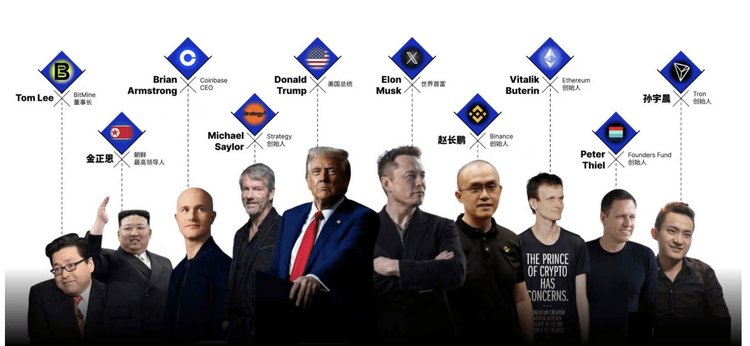
Ten People Redefining the Power Boundaries of Crypto in 2025
Od Wall Street do Białego Domu, od Doliny Krzemowej do Shenzhen, powstaje nowa sieć energetyczna.

Trading AI na rynkach kryptowalut: Od automatycznych robotów handlowych po algorytmiczne strategie
Handel oparty na sztucznej inteligencji przesuwa kryptowaluty z spekulacji detalicznej na konkurencję na poziomie instytucji, gdzie wykonywanie i zarządzanie ryzykiem są ważniejsze niż kierunek. W miarę wzrostu liczby transakcji AI zwiększa się ryzyko systemowe i presja regulacyjna, co czyni z długoterminowej wydajności, solidnych systemów i zgodności kluczowymi czynnikiem różnicującym.

Analiza emocji AI i zmienność kryptowalut: Co zmienia ceny kryptowalut
Sentiment AI coraz bardziej wpływa na rynki kryptowalut, a zmiany w oczekiwaniach związanych z AI przekładają się na zmienność dla głównych aktywów cyfrowych. Rynki kryptowalutowe mają tendencję do wzmacniania narracji AI, pozwalając przepływom napędzanym sentymentem przewyższać fundamenty w krótkim czasie. Zrozumienie, w jaki sposób kształtuje się i rozprzestrzenia sentyment AI, pomaga inwestorom lepiej przewidywać cykle ryzyka i pozycjonowanie możliwości w ramach aktywów cyfrowych.
Listopad 2025 Przegląd rynku kryptowalut: Korekta cen, zwroty ETF i ewoluujący krajobraz blockchain
W listopadzie 2025 r. nastąpiła wyraźna zmienność i korekta strukturalna w szerszym ekosystemie blockchain, głównie w wyniku zmiennych prognoz makroekonomicznych i dynamiki przepływu kapitału.

WEEX w Blockchain Life 2025: Łączenie społeczności i innowacje w Dubaju
Udział WEEX w programie Blockchain Life 2025 był znaczącym kamieniem milowym na naszej drodze do osiągnięcia pozycji światowego lidera w dziedzinie kryptowalut. W miarę dalszego poszerzania naszego zasięgu, pozostajemy zaangażowani w budowanie głębszej płynności i większych możliwości dla handlowców, wpływowców i całej społeczności blockchain.

WEEX podbija świat serią wydarzeń offline w 2025 roku
Globalny zasięg WEEX: rok niepowstrzymanego wzrostu
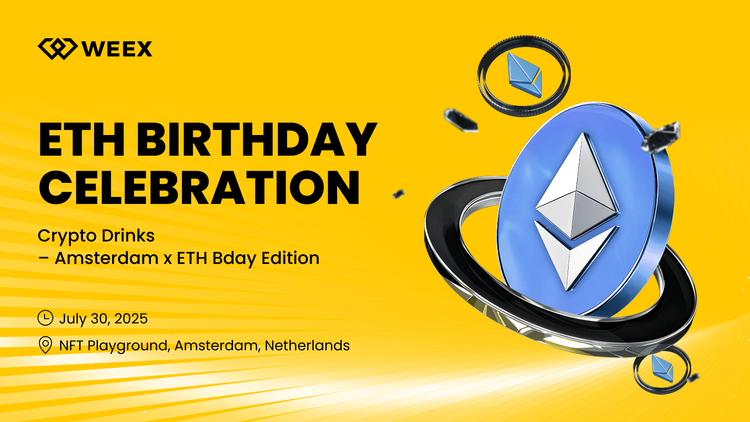
Świętowanie urodzin ETH i networking Web3 z WEEX
WEEX dołączył do Crypto Drinks – Amsterdam x ETH Birthday Edition, tętniącego życiem wydarzenia towarzyszącego, podczas którego świętowano rocznicę powstania Ethereum wraz z europejską społecznością kryptowalutową.
SharpLink pozyskuje 295 milionów dolarów w ETH 5 sierpnia 2025 r. - przewyższając całą emisję eteru w zeszłym miesiącu
Wyobraź sobie firmę, która nie tylko zanurza się w świecie kryptowalut, ale zanurza się w głowie, zmieniając...
Czy Bitcoin jest na dobrej drodze, aby osiągnąć 200 000 USD w 2025 roku? Analityk nazywa to 'bardzo mało prawdopodobnym'
Patrząc na krajobraz kryptowalut w dniu 5 sierpnia 2025 roku, Bitcoin nadal fascynuje inwestorów…
Bitfarms uruchamia 10-procentowy program odkupienia akcji, uważa, że akcje są niedoceniane na tle AI Pivot
Wyobraź sobie firmę, która nie tylko jeździ na falach wydobycia Bitcoin, ale śmiało kieruje się w przyszłość...
Bitcoin przygotowany na duży wzrost w 2026 roku, ponieważ tradycyjny czteroletni cykl traci przyczepność, przewiduje CIO Bitwise
Wyobraź sobie, że Bitcoin uwalnia się od starych rytmów, podobnie jak doświadczony sportowiec, który rezygnuje z przewidywalnej rutyny treningowej...
Wieloryb bitcoinowy z ery Satoshi sprzedaje 80 000 BTC za 9 miliardów dolarów za pośrednictwem Galaxy Digital w obliczu rosnącej zmienności
Wieloryb bitcoinowy z ery Satoshi sprzedaje 80 000 BTC za 9 miliardów dolarów za pośrednictwem Galaxy Digital w obliczu rosnącej zmienności
Divine Research wprowadza niezabezpieczone pożyczki kryptograficzne zasilane przez World ID Sama Altmana od 5 sierpnia 2025
Wyobraź sobie, że wkraczasz do świata, w którym zwykli ludzie, od nauczycieli szkół średnich po sprzedawców owoców, mogą szybko zdobyć pożyczki…
Co napędza rynki kryptowalut na początku 2026 roku: Swingi rynkowe, handel AI i przepływy ETF?
Wyobraź sobie kontrolowanie cen Bitcoin i Ethereum w ciągu jednego dnia — jedną minutę o 5%, a następną o 4%. Ostre ruchy, szybkie odwrócenia i wrażliwość na sygnały makro oznaczają pierwszy tydzień 2026 roku. Po wczesnym wzroście, oba aktywa wycofały się, ponieważ rynki ponownie kalibrowały oczekiwania dotyczące amerykańskiej polityki pieniężnej i instytucjonalnych przepływów. Dla traderów — w tym tych, którzy polegają na AI lub zautomatyzowanych systemach — ten okres zaoferował żywe przypomnienie: obfite sygnały nie gwarantują jasności. Utrzymywanie dyscypliny w egzekucji jest często prawdziwym wyzwaniem.
Dlaczego tokeny AI rosną szybciej niż na szerszym rynku kryptowalut
Tokeny AI przewyższają wydajność — i nie w ciszy. Bitcoin się rusza. Ethereum utrzymuje grunt. Jednak niektóre z najsilniejszych względnych zysków pochodzą z tokenów oznaczonych sztuczną inteligencją, nie majors, nie memy. Na pierwszy rzut oka wydaje się to intuicyjne. AI to prawdziwa technologia. To kształtuje branże daleko poza kryptowalutą. Ale rynki rzadko poruszają się tylko na intuicji — szczególnie nie tak szybko. Kiedy ceny przyspieszają przed przyjęciem, bardziej użytecznym pytaniem nie jest "Czy sztuczna inteligencja jest ważna?" To jest jaka wersja historii AI rynek kupuje — teraz.
Aktualność rynkowa — 7 stycznia
Bitmine zainwestował kolejne 28,000 Ethereum, o wartości około 91,16 miliona dolarów.
Aktualność rynkowa — 31 grudnia
Od Korei Południowej i OECD, które przyspieszają wdrażanie regulacji kryptowalut i ram zgodności, po równoczesny rozwój TAO ETF, technologii prywatności, górnictwa i rezerw Bitcoin, podczas gdy incydenty bezpieczeństwa i straty finansowe nadal rosną, rynek kryptowalut wkroczył w nową fazę pośród wielu wyzwań "silnej regulacji + ewolucji technologicznej + zwiększonych ryzyk".
Aktualność rynkowa — 30 grudnia
Brevis otwiera śledzenie lotów; Trend Research dodaje ponad 46 000 ETH w jeden dzień.
Ten People Redefining the Power Boundaries of Crypto in 2025
Od Wall Street do Białego Domu, od Doliny Krzemowej do Shenzhen, powstaje nowa sieć energetyczna.


 App
App