
- Kup krypto
- Rynki
- Kontrakty futures
- Spot
- Copy trading
 WE-Launch
What is Crypto Wallet Screening and Why Does It Matter?

In the fast-evolving world of cryptocurrencies, ensuring security and compliance has never been more crucial. Crypto wallet screening is a system designed to analyze blockchain wallet addresses, assessing their risk levels and identifying any connections to illicit activities. This process plays a pivotal role in cryptocurrency compliance by safeguarding digital transactions from being used in illegal activities like money laundering and fraud.
Understanding Crypto Wallet Screening
Crypto wallet screening involves the use of advanced blockchain analytics to scrutinize wallet addresses against databases of known high-risk entities. As the global crypto community expands, the need for meticulous screening has become apparent. This technology ensures that digital currencies remain a safe medium for transactions by flagging suspicious activities as indicated by recent reports from organizations like TRM Labs.
The Significance of Crypto Wallet Screening
Crypto wallet screening is essential for regulatory compliance, particularly concerning anti-money laundering (AML) and counter-terrorism financing (CTF) regulations. With cryptocurrencies often misconceived as vehicles for dodging regulations, wallet screening helps demystify this notion, enhancing transparency and trust within the market.
How Crypto Wallet Screening Works
Crypto wallet screening tools compare addresses against known databases to identify potential red flags. This process involves several crucial steps:
- Database Comparison: Wallet addresses are compared against blocklists and databases of sanctioned entities. This step is critical in identifying any associations with illicit activities.
- Risk Assessment Algorithms: Advanced algorithms evaluate risk profiles, drawing attention to anomalies in transaction histories.
- Real-time Monitoring: Transactions are monitored in real-time, allowing businesses to act swiftly if suspicious activity is detected.
Key Use Cases for Crypto Wallet Screening
Law Enforcement Agencies
Law enforcement agencies utilize wallet screening to trace the movement of funds linked to illegal activities, such as ransomware attacks and fraud. By uncovering criminal networks, these agencies can support asset recovery more effectively.
For Crypto Businesses
For businesses in the crypto space, wallet screening is vital in ensuring compliance with AML and CTF regulations. It mitigates financial crime risks and aids in protecting customer interests by enhancing the Know Your Customer (KYC) processes.
For Regulatory Bodies
Regulators employ wallet screening to enforce compliance across the crypto ecosystem. By monitoring high-risk entities and providing insights for policy development, they help maintain systemic integrity and stability in the market.
Challenges in Crypto Wallet Screening
Despite its advantages, wallet screening faces several challenges:
- Privacy and Anonymity: Balancing user privacy with the need for transparency can be difficult.
- Evolving Criminal Tactics: Criminals constantly develop new strategies to bypass wallet screening measures.
- Inconsistent Regulations: Varying international regulations can complicate the screening process.
Looking Forward: The Future of Crypto Wallet Screening
As technology advances, the effectiveness and efficiency of crypto wallet screening are expected to improve alongside. Ongoing innovation in blockchain analytics will likely close existing gaps and overcome current challenges, providing even more robust safeguards against crypto-enabled crimes.
FAQ
How does wallet screening help in preventing money laundering?
Wallet screening helps by analyzing transaction patterns and comparing wallet addresses with a database of known illicit entities, dramatically reducing the risk of money laundering.
How do businesses implement wallet screening?
Businesses incorporate wallet screening as part of their KYC procedures and transaction monitoring systems to comply with global regulations and protect themselves from financial crime.
Can wallet screening help in recovering stolen cryptocurrency?
Yes, wallet screening can trace transactional paths and assist in identifying the movement of stolen funds, aiding in recovery efforts.
Is wallet screening mandatory for all crypto businesses?
While not universally mandated, many regulatory bodies strongly recommend or require wallet screening as part of comprehensive compliance measures.
What technologies are used in wallet screening?
Advanced blockchain analytics, machine learning, and real-time transaction monitoring technologies are typically used in wallet screening processes.
Are crypto wallets always screened?
Not all wallets undergo screening automatically; however, increasing regulation means more businesses and exchanges are adopting screening measures for compliance and security.
How can wallet screening remain effective against evolving criminal techniques?
Ongoing development in machine learning algorithms and collaborative efforts with international investigative bodies can enhance the adaptability of wallet screening technologies.
Conclusion
Crypto wallet screening is a cornerstone in maintaining the integrity and safety of digital assets within the cryptocurrency ecosystem. By proactively identifying and mitigating risks associated with illicit activities, it builds confidence among users and businesses alike. As the industry continues to evolve, wallet screening will undoubtedly become more sophisticated, ensuring that cryptocurrencies remain a secure and viable option for global commerce.
Możesz również polubić
Jak AI pomaga inwestorom kryptowalut analizować rynki, zarządzać ryzykiem i inteligentniej handlować
Handel kryptowalutami nie polega już tylko na posiadaniu dobrego pomysłu – chodzi o konsekwentne wykonywanie na rynku, który nigdy się nie kończy. W miarę wzrostu objętości danych i szybkości rynku, tradycyjna analiza ręczna osiąga swoje granice. AI pomaga inwestorom przekraczać te granice, zmieniając sposób analizy rynków, interpretację nastrojów i kontrolę ryzyka. Ten artykuł bada, w jaki sposób sztuczna inteligencja zmienia kształt handlu kryptowalutami – i co to oznacza dla handlowców dzisiaj.

WEEX współpracuje z LALIGA w celu rozszerzenia globalnego zasięgu i włączenia kryptowalut do głównej kultury sportu
Hong Kong, 1 stycznia 2026 r. WEEX zawarła nowe partnerstwo z LALIGA, jako oficjalnym regionalnym partnerem LALIGA na Tajwanie i w Hongkongu. Umowa wprowadza WEEX do sieci regionalnych współpracowników LALIGA i otwiera drzwi do nowych sposobów angażowania zarówno fanów, jak i handlowców w sezonie.
Trading AI w kryptowalutach: Jak inwestorzy praktycznie stosują AI na prawdziwych rynkach kryptowalut
Sztuczna inteligencja przeszła poza eksperymenty na rynkach kryptowalut. W 2025 r. narzędzia handlowe oparte na sztucznej inteligencji są coraz częściej wykorzystywane przez handlowców, którzy chcą lepszej dyscypliny, szybszej realizacji i bardziej zorganizowanego podejmowania decyzji na zmiennych rynkach. Niniejszy przewodnik wyjaśnia, w jaki sposób sztuczna inteligencja jest wykorzystywana w handlu kryptowalutami, krok po kroku — z naciskiem na to, jak te strategie są wykonywane w rzeczywistych środowiskach handlowych.
Ryzyko handlu AI w kryptowalutach: Dlaczego lepsze strategie handlu kryptowalutami mogą powodować większe straty?
Ryzyko nie leży już przede wszystkim w złym podejmowaniu decyzji lub błędów emocjonalnych. Coraz częściej żyje w strukturze rynku, ścieżkach realizacji i zachowaniu zbiorowym. Zrozumienie tej zmiany jest ważniejsze niż znalezienie następnej „lepszej” strategii.

Czy agenci AI zastępują badania kryptowalutowe? Jak autonomiczna sztuczna inteligencja zmienia kształt handlu kryptowalutami
AI przechodzi od wspomagania inwestorów do automatyzacji całego procesu od badania do realizacji na rynkach kryptowalut. Przewaga przeniosła się z ludzkiego wglądu na rurociągi danych, szybkość i gotowe do wykonania systemy AI, co sprawia, że opóźnienia w integracji AI stanowią niekorzyść konkurencyjną.
Trading AI w krypto wyjaśniono: Jak autonomiczny handel odtwarza rynki kryptowalut i giełdy kryptowalut
AI Trading szybko zmienia krajobraz kryptowalut. Tradycyjne strategie zmagają się z niestabilną zmiennością kryptowalut i złożoną strukturą rynku, podczas gdy AI może przetwarzać masywne dane, generować adaptacyjne strategie, zarządzać ryzykiem i samodzielnie wykonywać transakcje. Ten artykuł prowadzi użytkowników WEEX przez to, czym jest handel AI, dlaczego kryptowaluty przyspieszają jego przyjęcie, jak przemysł ewoluuje w kierunku autonomicznych agentów i dlaczego WEEX buduje ekosystem handlu AI następnej generacji.
Trading AI na rynkach kryptowalut: Od automatycznych robotów handlowych po algorytmiczne strategie
Handel oparty na sztucznej inteligencji przesuwa kryptowaluty z spekulacji detalicznej na konkurencję na poziomie instytucji, gdzie wykonywanie i zarządzanie ryzykiem są ważniejsze niż kierunek. W miarę wzrostu liczby transakcji AI zwiększa się ryzyko systemowe i presja regulacyjna, co czyni z długoterminowej wydajności, solidnych systemów i zgodności kluczowymi czynnikiem różnicującym.

Analiza emocji AI i zmienność kryptowalut: Co zmienia ceny kryptowalut
Sentiment AI coraz bardziej wpływa na rynki kryptowalut, a zmiany w oczekiwaniach związanych z AI przekładają się na zmienność dla głównych aktywów cyfrowych. Rynki kryptowalutowe mają tendencję do wzmacniania narracji AI, pozwalając przepływom napędzanym sentymentem przewyższać fundamenty w krótkim czasie. Zrozumienie, w jaki sposób kształtuje się i rozprzestrzenia sentyment AI, pomaga inwestorom lepiej przewidywać cykle ryzyka i pozycjonowanie możliwości w ramach aktywów cyfrowych.

Jak kupić USDT i inne stablecoiny za pośrednictwem WEEX P2P
Ten artykuł opisuje, dlaczego P2P jest szeroko stosowany, co sprawia, że WEEX P2P jest inny i jak oferuje bezpieczne i niezawodne środowisko dla użytkowników.

WEEX's CCCC Lisbon 2025 Recap: Globalna obecność i droga do handlu kryptowalutami opartymi na sztucznej inteligencji
WEEX z dumą zakończyła swoją podróż na Crypto Content Creator Campus (CCCC) 2025 jako Platinum Sponsor, oznaczając znaczącą obecność na jednym z najważniejszych światowych spotkań dla twórców kryptowalut, innowatorów i liderów branży

WEEX w CCCC Lizbona 2025: Napędzanie twórców treści kryptowalutowych i rozpalanie ery handlu AI z nadchodzącym Hackathonem
Udział WEEX w CCCC Lisbon 2025, wraz z nadchodzącymi wojnami AI: Hackathon WEEX Alpha Awakens będzie kluczowym krokiem w jego strategicznej ekspansji w Europie i poza nią.

WEEX OTC listuje ponad 200 par handlowych
Platforma WEEX OTC obsługuje teraz ponad 200 nowych par handlowych, pozwalając na zakup kryptowalut bezpośrednio z lokalną walutą – szybko, prosto i bezpiecznie.

Poczuj emocje związane z TOKEN2049 w Singapurze dzięki zapowiedzi WEEX
Pod hasłem „Głębsza płynność, większe wieloryby” WEEX zamierza zaprezentować swoją najnowocześniejszą platformę transakcyjną, nawiązać kontakt z najwybitniejszymi umysłami w branży i wspólnie z Tobą kształtować przyszłość kryptowalut.

WEEX na Taipei Blockchain Week 2025
W dniach 4–6 września 2025 r. serce innowacji Web3 biło głośno i wyraźnie w Songshan Cultural & Creative Park w Tajpej na Tajwanie, gdzie WEEX z dumą uczestniczył jako srebrny sponsor Taipei Blockchain Week 2025.

WEEX organizuje ekskluzywną imprezę Crypto Elite w Turcji
Jako jedna z najszybciej rozwijających się giełd na świecie, WEEX wykorzystał okazję do dalszego wzmocnienia swojej obecności w regionie MENA, podkreślając swoje zaangażowanie w budowanie rozwoju opartego na społeczności i wspieranie szerszego ekosystemu blockchain.

WEEX organizuje letnią imprezę w Moskwie
WEEX zorganizował Signature Summer Night w Moskwie, gromadząc ponad 100 uczestników, w tym traderów, przedsiębiorców, influencerów i partnerów ze społeczności blockchaina CIS.
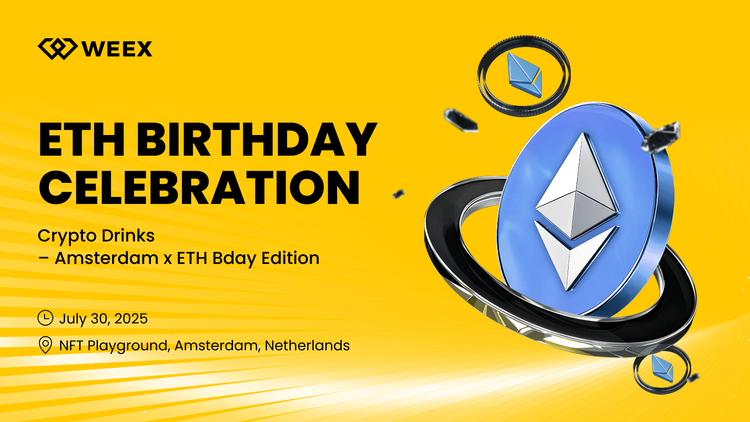
Świętowanie urodzin ETH i networking Web3 z WEEX
WEEX dołączył do Crypto Drinks – Amsterdam x ETH Birthday Edition, tętniącego życiem wydarzenia towarzyszącego, podczas którego świętowano rocznicę powstania Ethereum wraz z europejską społecznością kryptowalutową.

WEEX na Gali powitalnej CONF3RENCE Dortmund 2025
Dla WEEX udział w CONF3RENCE Dortmund stanowi kolejny ważny krok w strategii globalnej ekspansji firmy.
Jak AI pomaga inwestorom kryptowalut analizować rynki, zarządzać ryzykiem i inteligentniej handlować
Handel kryptowalutami nie polega już tylko na posiadaniu dobrego pomysłu – chodzi o konsekwentne wykonywanie na rynku, który nigdy się nie kończy. W miarę wzrostu objętości danych i szybkości rynku, tradycyjna analiza ręczna osiąga swoje granice. AI pomaga inwestorom przekraczać te granice, zmieniając sposób analizy rynków, interpretację nastrojów i kontrolę ryzyka. Ten artykuł bada, w jaki sposób sztuczna inteligencja zmienia kształt handlu kryptowalutami – i co to oznacza dla handlowców dzisiaj.
WEEX współpracuje z LALIGA w celu rozszerzenia globalnego zasięgu i włączenia kryptowalut do głównej kultury sportu
Hong Kong, 1 stycznia 2026 r. WEEX zawarła nowe partnerstwo z LALIGA, jako oficjalnym regionalnym partnerem LALIGA na Tajwanie i w Hongkongu. Umowa wprowadza WEEX do sieci regionalnych współpracowników LALIGA i otwiera drzwi do nowych sposobów angażowania zarówno fanów, jak i handlowców w sezonie.
Trading AI w kryptowalutach: Jak inwestorzy praktycznie stosują AI na prawdziwych rynkach kryptowalut
Sztuczna inteligencja przeszła poza eksperymenty na rynkach kryptowalut. W 2025 r. narzędzia handlowe oparte na sztucznej inteligencji są coraz częściej wykorzystywane przez handlowców, którzy chcą lepszej dyscypliny, szybszej realizacji i bardziej zorganizowanego podejmowania decyzji na zmiennych rynkach. Niniejszy przewodnik wyjaśnia, w jaki sposób sztuczna inteligencja jest wykorzystywana w handlu kryptowalutami, krok po kroku — z naciskiem na to, jak te strategie są wykonywane w rzeczywistych środowiskach handlowych.
Ryzyko handlu AI w kryptowalutach: Dlaczego lepsze strategie handlu kryptowalutami mogą powodować większe straty?
Ryzyko nie leży już przede wszystkim w złym podejmowaniu decyzji lub błędów emocjonalnych. Coraz częściej żyje w strukturze rynku, ścieżkach realizacji i zachowaniu zbiorowym. Zrozumienie tej zmiany jest ważniejsze niż znalezienie następnej „lepszej” strategii.
Czy agenci AI zastępują badania kryptowalutowe? Jak autonomiczna sztuczna inteligencja zmienia kształt handlu kryptowalutami
AI przechodzi od wspomagania inwestorów do automatyzacji całego procesu od badania do realizacji na rynkach kryptowalut. Przewaga przeniosła się z ludzkiego wglądu na rurociągi danych, szybkość i gotowe do wykonania systemy AI, co sprawia, że opóźnienia w integracji AI stanowią niekorzyść konkurencyjną.
Trading AI w krypto wyjaśniono: Jak autonomiczny handel odtwarza rynki kryptowalut i giełdy kryptowalut
AI Trading szybko zmienia krajobraz kryptowalut. Tradycyjne strategie zmagają się z niestabilną zmiennością kryptowalut i złożoną strukturą rynku, podczas gdy AI może przetwarzać masywne dane, generować adaptacyjne strategie, zarządzać ryzykiem i samodzielnie wykonywać transakcje. Ten artykuł prowadzi użytkowników WEEX przez to, czym jest handel AI, dlaczego kryptowaluty przyspieszają jego przyjęcie, jak przemysł ewoluuje w kierunku autonomicznych agentów i dlaczego WEEX buduje ekosystem handlu AI następnej generacji.


 App
App