
- Kup krypto
- Rynki
- Kontrakty futures
- Spot
- Copy trading
 WE-Launch
When a <i>crypto</i> newbie starts learning Chinese to get into <i>the game</i>

Binance Life, finally becoming the first Chinese coin to be listed on the Binance perpetual contract.
If you are a Chinese cryptocurrency enthusiast, you could not have missed this word in the past two weeks. Since the birth of this "ticker," it has been both a joke and a vision. CZ himself said he didn't expect that a simple reply would trigger this series of events.
It first sparked discussions from OKX's CEO Star. Then came the Chinese Ticker craze of Tron and Solana, followed by the recent public disclosure of the "listing clause" by the founder of Limitless, triggering a showdown between two chains and exchanges. Finally, Jesse's statement "embarking on a Binance Life mode at Base" ended this confrontation.
crypto newbie starts learning Chinese to get into the game" src="https://image.theblockbeats.info/file_v6/20251020/e2ee282a-064a-470c-b52d-ff99d7f10852.png?x-oss-process=image/quality,q_50/format,webp" alt="" data-href="" style="" >
And what this represents behind the scenes may not just be this one ticker but a more profound cultural shift behind it. This might be the first time that a series of high market cap memecoins are not in English but in Chinese. What does the meme culture it represents stand for?
This time, we found the co-founder of WOK Labs, 0xBarrry, a Polish trader who operates a community of hundreds of people. When these foreigners engage in Chinese Meme, what are they thinking?
Conspiracy Community Meets Chinese Conspiracy Coin
In the eyes of ordinary traders, this wave is both mysterious and exciting.
Barry, a Polish trader and co-founder of WOK Labs, recalled, "I was shocked the first time I saw a coin with a Chinese label break through a $20 million market cap, realizing on the one hand the potential of this conspiracy coin. When it surged to $60 million or even $100 million, the European groups were in an uproar, many rushing to top up on the BSC chain just because the price went up, without understanding the reason."
This market sentiment is not an isolated case. According to Defillama on-chain data, on October 8, the trading volume on the BSC chain skyrocketed to $6.05 billion, reaching the peak of the 2021 BSC mechanism coin altcoin frenzy. However, this time it was led by Chinese Meme.
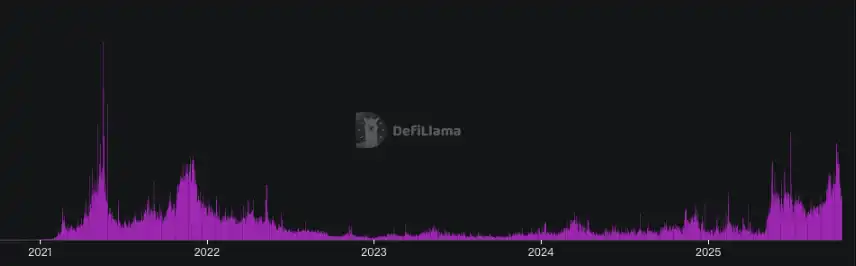
On that day, more than 100,000 new traders participated in this round of memecoins frenzy, with nearly 70% of them making a profit. This indeed attracted many "foreigners" to participate in BSC's on-chain activities, and the number of active addresses also increased by nearly 1 million compared to the same period last month.
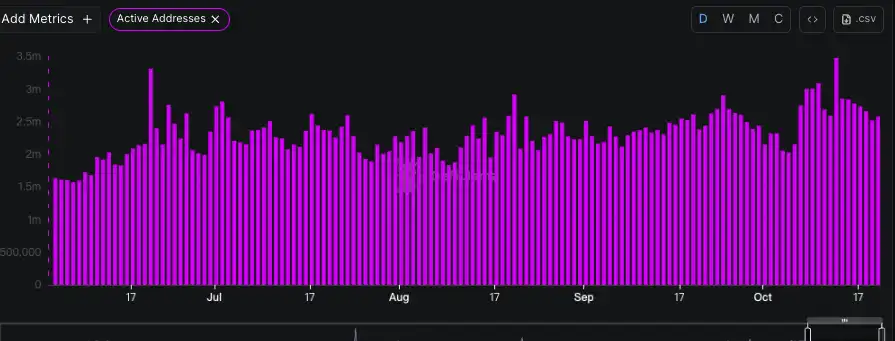
Western investors rushed in only when the price soared, and many of them only realized the situation after "googling in Chinese" later. The difference in cultural and traditional trading habits also caused European and American players to suffer losses for the first time.
"In the past, meme investments in Europe often followed American Internet culture, characterized by self-deprecating and rebellious humor. The sudden rise of Chinese memes has left many Westerners disoriented," Barry said.
However, due to collaborating with a Chinese team to create WOK Labs in earlier years, Barry had an early understanding of how the Chinese community operates, with factors like personal relationships, emotional resonance, etc. He started spreading the Chinese narrative in the European community, explaining the differences to more Western traders.
Furthermore, the differences in the form of community participation in Memecoins are also quite evident. European traders more often participate in conspiracy-type Meme projects, relying heavily on the Ethereum ecosystem, with well-known KOLs or teams orchestrating large-scale pump and dumps. Such communities are often slower to establish and, with significant bagholding by the KOLs or team, there is also a huge risk of sell pressure. This is why establishing something long-term in the European region is very challenging.
The Chinese community, on the other hand, finds it easier to establish communities. They focus more on emotions and storytelling (or leader coins). Project teams and the Meme community gather resonance through storytelling in WeChat groups to drive emotions. The emotionally-driven form under "fair" conditions theoretically brings about a longer-lasting community formation.
Especially in this cycle, it is quite easy for Chinese players, as all they need to do is buy an IP (or the statement of an opinion leader) that they think is popular, and they can "easily make money." An individual retail investor who is only enthusiastic about buying Chinese coins rotated through 65 types of BNB-based Chinese meme coins in 7 days. They first cast a wide net with $100–300, then increased their position in the coins with strong momentum. At the end of the week, they made a net profit of about $87,000. This high-frequency "casting a net" strategy to some extent reflects the quick speculative style of "most" individual retail investors in the Chinese community.
At the same time, European and American players are gradually abandoning small-cap memecoins around $500,000 (approximately) and instead turning to targets starting from $5 million with more certainty.
In addition, agencies bridging the gap between East and West, such as those connecting China, Korea, Japan, and the Western markets, are becoming increasingly active. These agencies are helping Asian projects gain trust in the West and facilitating European teams' entry into Asia.
He believes that the cultural differences brought out by individual experiences may be nurturing new opportunities for cross-circle cooperation.
From Dogecoin to Chinese Meme Coins: From Satirical Memes to Ideological Memes
From a more macro perspective, the memecoin trend is rooted in the collision of different cultural genes. The pioneer of Western memecoins was Doge, created as a joke by two programmers in 2013 to humorously mock Bitcoin's serious demeanor.
Doge was initially a humorous satire compared to Bitcoin's serious nature but eventually reached a peak market capitalization of over $88 billion in May 2021, thanks to celebrity endorsements (such as Musk) and enduring community enthusiasm.
Subsequently, Pepe Coin had a similar experience. As a cultural meme nurtured by the 4chan community, the coin quickly gained popularity after its launch in early 2023, with a market cap surpassing $1 billion at one point. The Pepe project relies entirely on internet culture buzz. It has no presale, no team allocation, no roadmap, and the team has declared the coin to be "devoid of intrinsic value, meant solely for entertainment."
This value system also guided many subsequent Solana Memecoins, such as nihilistic coins like Fartcoin and Uselesscoin, or Neet, which embodies the Western internet culture's love for "subverting value reflecting the real world" and dark humor. Similarly, Meme coins like Hot 67 on TikTok captured investors' imagination with image memes and a rebellious spirit on Solana, dominating the era of memecoins in the attention economy for a long time. At the same time, the lack of "cultural value judgment" for these tokens in Chinese-dominated regions led to deviations.
On the other hand, Chinese memecoins exhibit different characteristics. They are often rooted in resonance and identity projection. For example, tokens like "Humble Xiaohe" and "Customer Service Xiaohe" use self-deprecating humor of low-level workers to satirize social reality. The "Cultivation" series reflects Chinese netizens' fantasy of escaping reality, while "Biance Life" directly embodies the dream of overnight wealth in the crypto market. Of course, their common feature is their relationship with the official platform.
This is a cultural difference in a mindset. For Chinese people, this is called "taking the broad road," while for most Western players, such names mean that their upside is limited to whether the "system" is willing to pump it.
However, the surge of Chinese memecoins represented by the "Binance Life" is actually directly benefited from this emotional resonance. Its slogan analogizes the Binance Life to the previously hot "Apple Life," and this innovative narrative is clearly different from Dogecoin's satire, leaning more towards loyalty and emotion.
When this kind of impression is understood by enough people, this Ticker is then tied to the system. When it is pulled out for ridicule, the official party "has to hold the price," which may be the idea of many people who can still hodl this coin after the washout.
This round of meme frenzy was not entirely spontaneously driven by retail investors but was also the result of careful cultivation by the Binance ecosystem. From a single joke, CZ's reply, to a series of Fourmeme official interactions, and the launch of the MemeRush platform by Binance, the phased release of positive news, the outing of high-market-cap Memecoins in phases, mid-term liquidity, and late-term sustainability maintenance have all brought the originally disorderly memecoin issuance into the official system. This has made the carnival more organized, keeping the market's attention focused on the BSC chain for a long time.
Spreading the frenzy from a single project to the entire BSC ecosystem further fueled the public's "degenerate" mentality of "maybe the next one can become a millionaire." This kind of "upward ladder-like" expectation is also why, at the beginning of this round of the market, when multiple popular projects appeared, we did not feel a significant liquidity sucking effect between projects.
This has become a significant ladder-like wealth effect under the joint action of the official and the community. This path has validated the structured listing expectations behind Chinese meme coins, and the market's consensus reaching such a level may have been something we dared not even think about a few months ago.
In contrast, Western meme coins are more based on lucky community enthusiasm or conspiracy group promotion. In this BSC ecosystem, however, under the multiple roles of founders, platform ecosystem, and community, this frenzy has been transformed into a blatant "wealth creation movement."
Trading Platform Public Relations Battle, Listing Fee Controversy, and "Sino-US" Reconciliation
Meanwhile, this storm has also triggered intense public relations battles between trading platforms. On October 11, 2025, Jesse first tweeted calling for a boycott of centralized exchanges that charge 2% to 9% listing fees.
Three days later, on October 14, CJ Hetherington, founder of the Coinbase-backed prediction market project Limitless Labs, revealed on Platform X that in his negotiations with exchanges, he found that to list on Binance, the project team needed to stake 2 million BNB and pay a high fee, including an 8% token airdrop and marketing allocation, as well as a $250,000 security deposit.
He compared the differences between Binance and Coinbase, believing that Coinbase values the inherent value of projects more, while Binance is more akin to a "listing fee." Upon these remarks, Binance swiftly issued a statement denying the accusation, stating that the claim was "completely untrue and defamatory," emphasizing that "Binance never charges any listing fees," and threatening legal action against the internal conversations leaked by CJ.
Subsequently, Binance released a more restrained statement, acknowledging that their initial response was overblown but reiterating that they do not charge any listing fees.
As this controversy escalated, Coinbase also swiftly responded. Jesse Pollak, Head of Base Blockchain, publicly stated on social media, "It should be 0 cost for a project to list on a trading platform."
However, at that juncture, public opinion began to shift. Coinbase, almost in a seemingly petulant manner, officially announced the inclusion of BNB in its future supported token list, marking the first time in history it declared support for a token directly competing with its own native network. In response, Binance's founder CZ welcomed the move on social media and encouraged Coinbase to list more BSC chain projects.
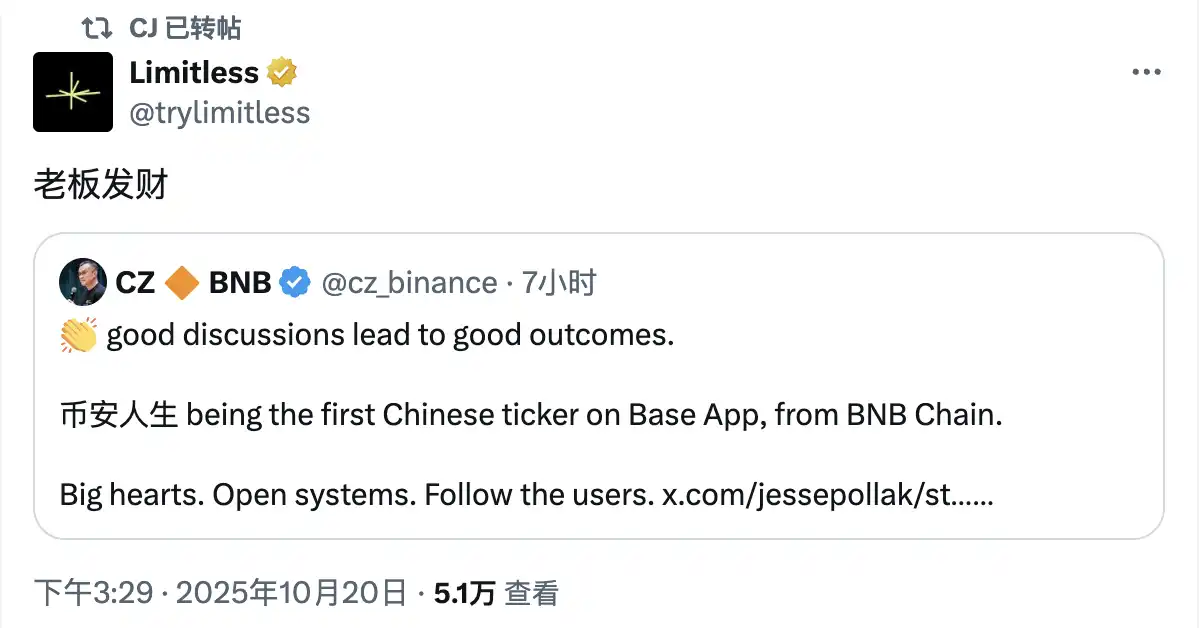
CJ, who was originally under the spotlight due to the "exposure" clause, also began to show goodwill actively, and Jesse Pollak's attitude made a complete 180-degree turn. He first released a demo video of the Base App, where the app even used "Binance Life" as an example token. Pollak even jokingly commented in Chinese, "Starting Binance Life mode in the Base App," and replied to CZ's tweet with, "Binance Life + Base Life = the ultimate combination." This series of actions were interpreted by the industry as a breakthrough in the Sino-US encryption camp and also coincidentally brought out a long-lost small golden dog for the Base chain.
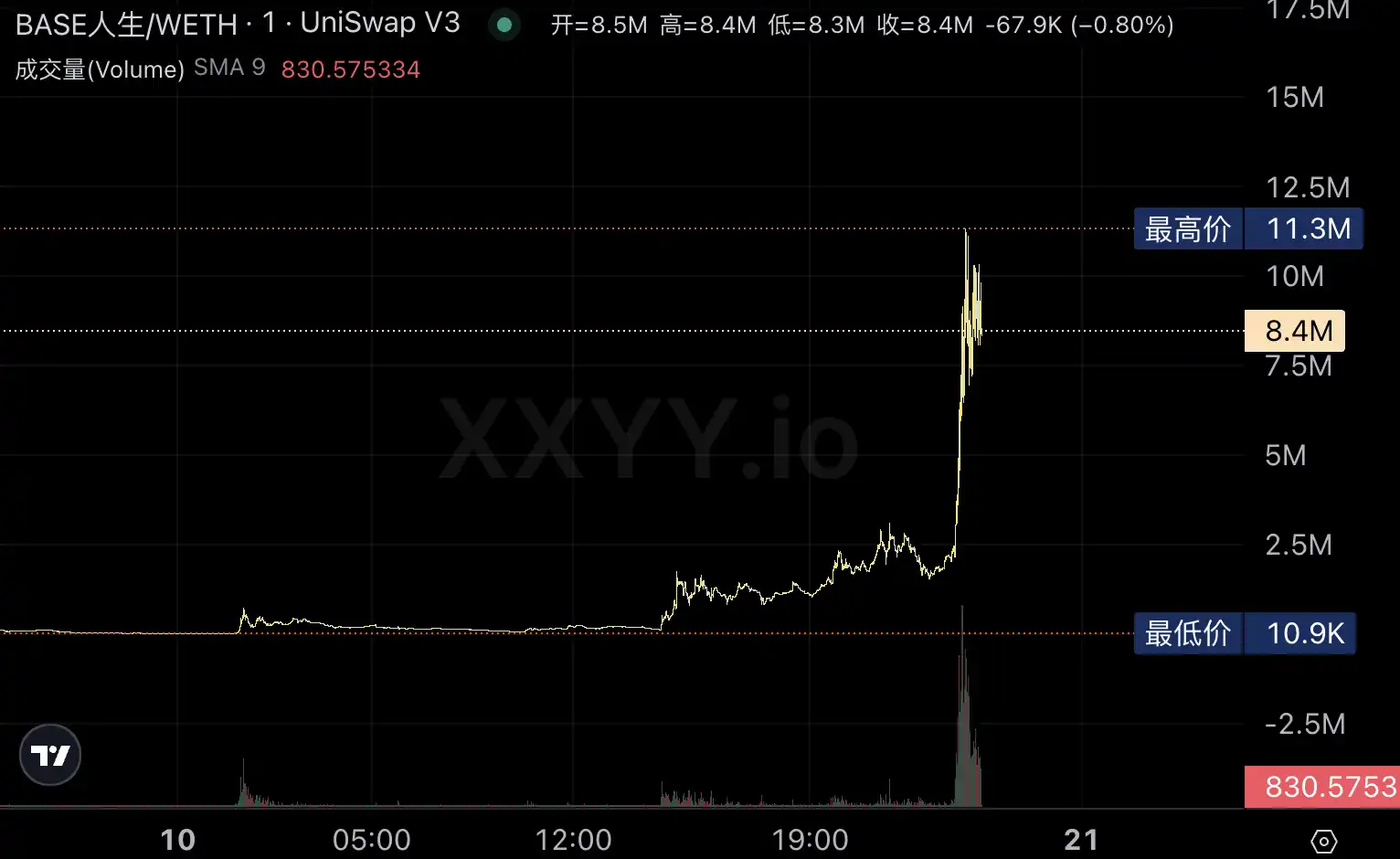
It can be said that when the trading volume and attention brought by the Asian market reach a certain scale, Western exchanges have to actively approach the Chinese community, and the competition among trading platforms becomes intertwined with cultural narratives.
Cognition and Response of Eastern and Western Communities
The mainstream European and American media paid high attention to this event. Meanwhile, many Western retail investors in the community lamented, "We don't understand the price increase," and most people hurriedly bought in only after the price took off. Even individuals like Barry, who have deep interactions within the Chinese system, often encounter the issue of "knowing the meaning but not understanding the significance" when anticipating a Memecoin with internal cultural meanings. It is evident that, for overseas investors, Chinese elements have temporarily become a new entry barrier.
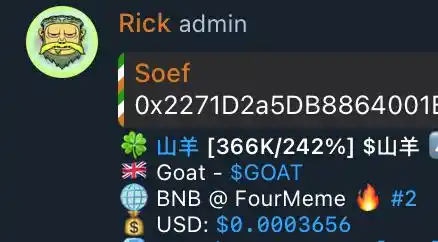
A grassroots translation tool from some members of the Western community
This wave has also highlighted the concept that "language equals opportunity." For the crypto industry, the cultural and emotional information behind different languages is a layer of valuable resources. This is the "first time that Western investors need to understand Chinese culture to participate in this feast."
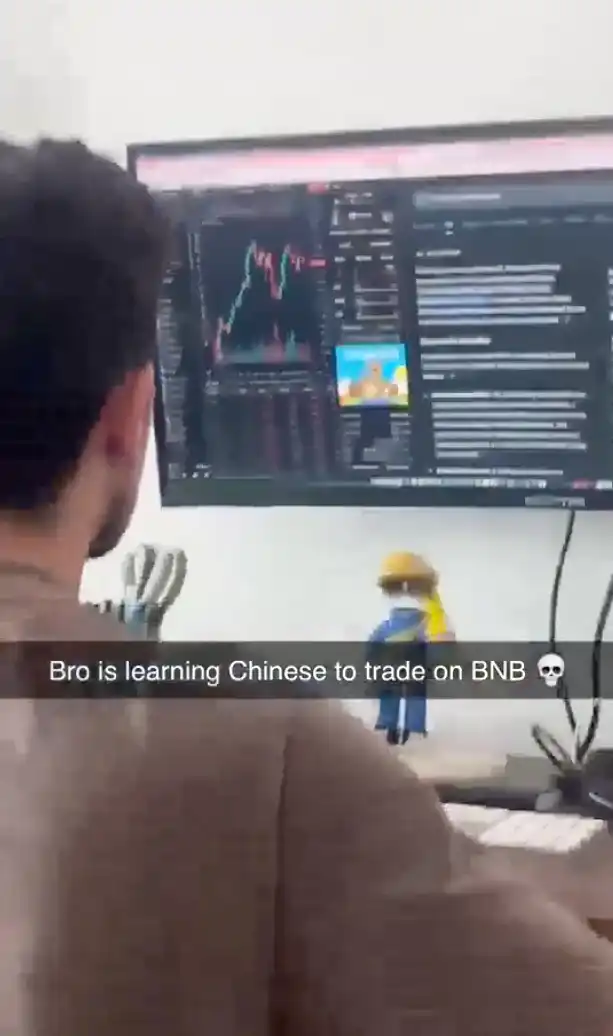
A series of videos that went viral recently featuring foreigners learning Chinese to buy memecoins
However, Barry believes that "I think the Chinese Meme trend is coming to an end. The longer it lasts in this cycle, the more severe the PTSD it brings to traders. We can see that these Memecoins have started to evolve towards small-cap and faster-moving sectors in this cycle rotation."
At the same time, he also said, "English and Chinese have already become the main components of the meme market, and this situation is unlikely to change soon. China has a larger market and is more susceptible to emotion-driven actions. The European market tends to lag behind. I believe English tickers may make a comeback, but they will become more integrated with Asian culture. Due to the inspiration from this wave of Chinese Memes, they will become more Chinese in humor, symbolism, and aesthetics."
In the future, to seize the next memecoin opportunity, it is not enough to rely solely on chance; a deep understanding of the language and culture of different geographical communities is also required. While AI may currently assist in cross-language communication, such as by generating Chinese meme images or translating social media updates to accelerate information dissemination, AI still struggles to replace a profound understanding of cultural context.
We may witness a more diversified crypto world where projects like Base and Solana increasingly adopt Chinese tickers for their "gold dog," showcasing both a trend of fusion and mutual learning between Western and Eastern communities. There may also be a scenario where each region develops its own ecosystem independently, and within these cultural differences, new opportunities may emerge.
Możesz również polubić
Trading AI na rynkach kryptowalut: Od automatycznych robotów handlowych po algorytmiczne strategie
Handel oparty na sztucznej inteligencji przesuwa kryptowaluty z spekulacji detalicznej na konkurencję na poziomie instytucji, gdzie wykonywanie i zarządzanie ryzykiem są ważniejsze niż kierunek. W miarę wzrostu liczby transakcji AI zwiększa się ryzyko systemowe i presja regulacyjna, co czyni z długoterminowej wydajności, solidnych systemów i zgodności kluczowymi czynnikiem różnicującym.
Analiza emocji AI i zmienność kryptowalut: Co zmienia ceny kryptowalut
Sentiment AI coraz bardziej wpływa na rynki kryptowalut, a zmiany w oczekiwaniach związanych z AI przekładają się na zmienność dla głównych aktywów cyfrowych. Rynki kryptowalutowe mają tendencję do wzmacniania narracji AI, pozwalając przepływom napędzanym sentymentem przewyższać fundamenty w krótkim czasie. Zrozumienie, w jaki sposób kształtuje się i rozprzestrzenia sentyment AI, pomaga inwestorom lepiej przewidywać cykle ryzyka i pozycjonowanie możliwości w ramach aktywów cyfrowych.
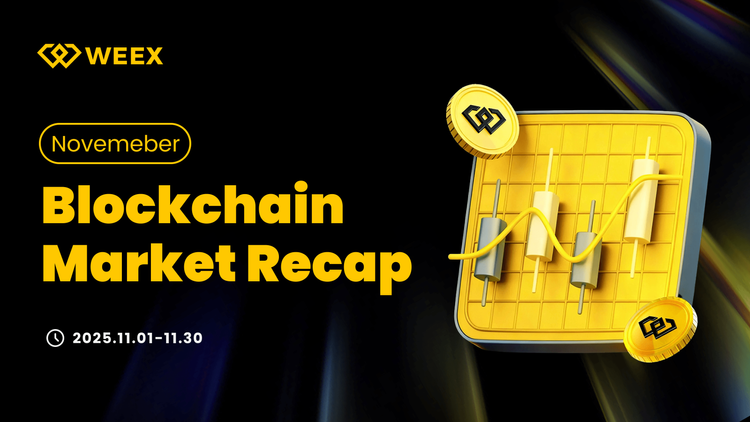
Listopad 2025 Przegląd rynku kryptowalut: Korekta cen, zwroty ETF i ewoluujący krajobraz blockchain
W listopadzie 2025 r. nastąpiła wyraźna zmienność i korekta strukturalna w szerszym ekosystemie blockchain, głównie w wyniku zmiennych prognoz makroekonomicznych i dynamiki przepływu kapitału.
WEEX w Blockchain Life 2025: Łączenie społeczności i innowacje w Dubaju
Udział WEEX w programie Blockchain Life 2025 był znaczącym kamieniem milowym na naszej drodze do osiągnięcia pozycji światowego lidera w dziedzinie kryptowalut. W miarę dalszego poszerzania naszego zasięgu, pozostajemy zaangażowani w budowanie głębszej płynności i większych możliwości dla handlowców, wpływowców i całej społeczności blockchain.
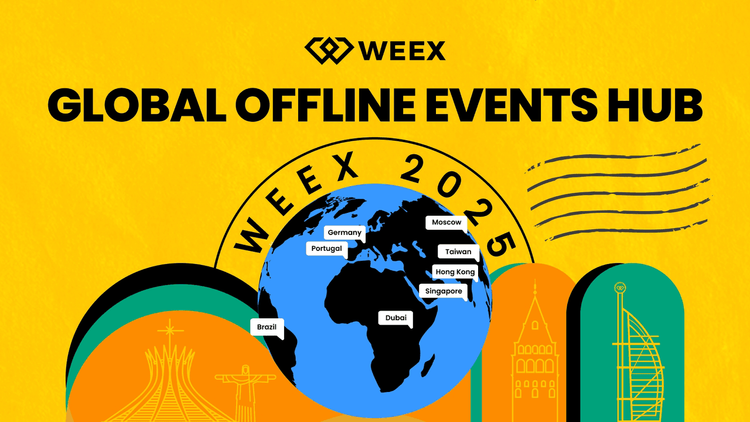
WEEX podbija świat serią wydarzeń offline w 2025 roku
Globalny zasięg WEEX: rok niepowstrzymanego wzrostu
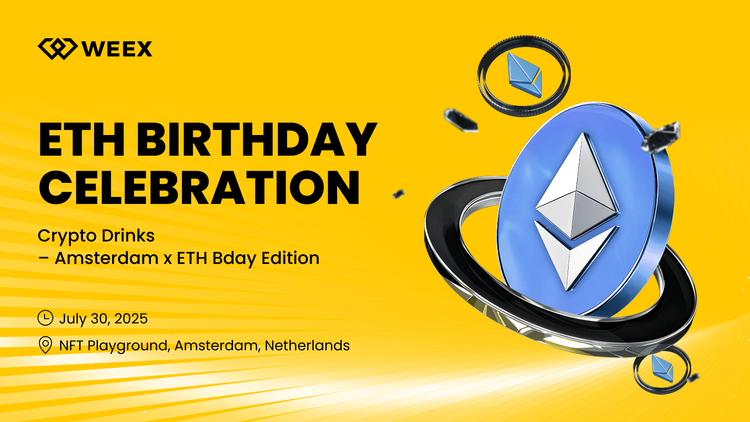
Świętowanie urodzin ETH i networking Web3 z WEEX
WEEX dołączył do Crypto Drinks – Amsterdam x ETH Birthday Edition, tętniącego życiem wydarzenia towarzyszącego, podczas którego świętowano rocznicę powstania Ethereum wraz z europejską społecznością kryptowalutową.
SharpLink pozyskuje 295 milionów dolarów w ETH 5 sierpnia 2025 r. - przewyższając całą emisję eteru w zeszłym miesiącu
Wyobraź sobie firmę, która nie tylko zanurza się w świecie kryptowalut, ale zanurza się w głowie, zmieniając...
Czy Bitcoin jest na dobrej drodze, aby osiągnąć 200 000 USD w 2025 roku? Analityk nazywa to 'bardzo mało prawdopodobnym'
Patrząc na krajobraz kryptowalut w dniu 5 sierpnia 2025 roku, Bitcoin nadal fascynuje inwestorów…
Bitfarms uruchamia 10-procentowy program odkupienia akcji, uważa, że akcje są niedoceniane na tle AI Pivot
Wyobraź sobie firmę, która nie tylko jeździ na falach wydobycia Bitcoin, ale śmiało kieruje się w przyszłość...
Bitcoin przygotowany na duży wzrost w 2026 roku, ponieważ tradycyjny czteroletni cykl traci przyczepność, przewiduje CIO Bitwise
Wyobraź sobie, że Bitcoin uwalnia się od starych rytmów, podobnie jak doświadczony sportowiec, który rezygnuje z przewidywalnej rutyny treningowej...
Wieloryb bitcoinowy z ery Satoshi sprzedaje 80 000 BTC za 9 miliardów dolarów za pośrednictwem Galaxy Digital w obliczu rosnącej zmienności
Wieloryb bitcoinowy z ery Satoshi sprzedaje 80 000 BTC za 9 miliardów dolarów za pośrednictwem Galaxy Digital w obliczu rosnącej zmienności
Divine Research wprowadza niezabezpieczone pożyczki kryptograficzne zasilane przez World ID Sama Altmana od 5 sierpnia 2025
Wyobraź sobie, że wkraczasz do świata, w którym zwykli ludzie, od nauczycieli szkół średnich po sprzedawców owoców, mogą szybko zdobyć pożyczki…
Robert Kiyosaki wydaje nowe ostrzeżenie dotyczące ryzyka związanego z ETF na Bitcoin, złoto i srebro, 5 sierpnia 2025 r.
Znany inwestor i guru finansowy Robert Kiyosaki po raz kolejny ostrzegł przed niebezpieczeństwami czyhającymi na…
Największa umowa handlowa powoduje gwałtowny wzrost wartości bitcoina: 5 kluczowych spostrzeżeń dotyczących kryptowalut w tym tygodniu
Wraz z nadejściem pierwszego pełnego tygodnia sierpnia 2025 r. – a konkretnie w dniu 5 sierpnia 2025 r. – Bitcoin jest…
Trading AI na rynkach kryptowalut: Od automatycznych robotów handlowych po algorytmiczne strategie
Handel oparty na sztucznej inteligencji przesuwa kryptowaluty z spekulacji detalicznej na konkurencję na poziomie instytucji, gdzie wykonywanie i zarządzanie ryzykiem są ważniejsze niż kierunek. W miarę wzrostu liczby transakcji AI zwiększa się ryzyko systemowe i presja regulacyjna, co czyni z długoterminowej wydajności, solidnych systemów i zgodności kluczowymi czynnikiem różnicującym.
Analiza emocji AI i zmienność kryptowalut: Co zmienia ceny kryptowalut
Sentiment AI coraz bardziej wpływa na rynki kryptowalut, a zmiany w oczekiwaniach związanych z AI przekładają się na zmienność dla głównych aktywów cyfrowych. Rynki kryptowalutowe mają tendencję do wzmacniania narracji AI, pozwalając przepływom napędzanym sentymentem przewyższać fundamenty w krótkim czasie. Zrozumienie, w jaki sposób kształtuje się i rozprzestrzenia sentyment AI, pomaga inwestorom lepiej przewidywać cykle ryzyka i pozycjonowanie możliwości w ramach aktywów cyfrowych.
Listopad 2025 Przegląd rynku kryptowalut: Korekta cen, zwroty ETF i ewoluujący krajobraz blockchain
W listopadzie 2025 r. nastąpiła wyraźna zmienność i korekta strukturalna w szerszym ekosystemie blockchain, głównie w wyniku zmiennych prognoz makroekonomicznych i dynamiki przepływu kapitału.
WEEX w Blockchain Life 2025: Łączenie społeczności i innowacje w Dubaju
Udział WEEX w programie Blockchain Life 2025 był znaczącym kamieniem milowym na naszej drodze do osiągnięcia pozycji światowego lidera w dziedzinie kryptowalut. W miarę dalszego poszerzania naszego zasięgu, pozostajemy zaangażowani w budowanie głębszej płynności i większych możliwości dla handlowców, wpływowców i całej społeczności blockchain.
WEEX podbija świat serią wydarzeń offline w 2025 roku
Globalny zasięg WEEX: rok niepowstrzymanego wzrostu
Świętowanie urodzin ETH i networking Web3 z WEEX
WEEX dołączył do Crypto Drinks – Amsterdam x ETH Birthday Edition, tętniącego życiem wydarzenia towarzyszącego, podczas którego świętowano rocznicę powstania Ethereum wraz z europejską społecznością kryptowalutową.
Popularne monety
Najnowsze wiadomości kryptowalutowe


Obsługa klienta:@weikecs
Współpraca biznesowa:@weikecs
Quant trading i MM:[email protected]
Usługi VIP:[email protected]
 App
App