
- Kup krypto
- Rynki
- Kontrakty futures
- Spot
- Copy trading
 WE-Launch
Who Owns Bitcoin in 2025? Latest Research Reveals Global Distribution Shifts as Individuals Maintain Dominance

Imagine Bitcoin as a massive pizza pie, sliced up among eager diners around the world. Some slices go to everyday folks who’ve been stacking sats for years, while others land on the plates of big institutions hungry for a piece of the action. This vivid picture comes to life through fresh research from a U.S.-based Bitcoin financial services firm, painting a clear view of who’s holding the crypto crown jewel as we step into September 2025.
Breaking Down Bitcoin Ownership: Individuals Still Rule the Roost
Picture this: You’re at a family gathering where the bulk of the feast is enjoyed by relatives, but the corporate caterers are starting to claim more servings. That’s akin to the current Bitcoin landscape, where everyday individuals continue to hold the lion’s share. According to the latest estimates updated as of September 1, 2025, individuals command roughly 65.5% of all circulating Bitcoin, equating to about 13.75 million coins. This includes everything from self-managed wallets to personal accounts on exchanges, showcasing how regular people remain the backbone of Bitcoin’s ecosystem.
But here’s where it gets intriguing—institutions are steadily carving out bigger portions, much like how smartphones once disrupted landlines by offering more convenience and power. Funds and ETFs now control around 8.0% of the supply, or approximately 1.68 million BTC, driven by the surge in spot ETFs and investment vehicles that safely store coins for clients. Businesses, including corporate treasuries and traditional firms publicly reporting their holdings, account for about 6.4%, totaling 1.34 million BTC. Even governments are in the mix, holding an estimated 1.6% or 336,000 BTC, based on tracked sovereign addresses from reliable public sources.
To put this in perspective, compare it to the early days of the internet, where individual users far outnumbered corporate players at first, but enterprises eventually caught up to drive massive growth. This shift in Bitcoin ownership highlights a similar evolution, backed by data from public filings, address tagging, and blockchain analysis. It’s not a precise count—think of it as an educated guess rather than a full audit—since custodians often bundle client holdings, and some wallets can be tricky to classify accurately.
The Special Slices: Lost Coins, Early Miners, and What’s Still to Come
Not every piece of the Bitcoin pie is up for grabs. Some slices have vanished into thin air, like forgotten treasures buried too deep to recover. Research points to about 7.5% of Bitcoin, or 1.57 million coins, being lost forever, inferred from patterns of inactivity over many years. Then there’s the intriguing chunk attributed to Bitcoin’s mysterious creator—around 4.5%, or 947,000 BTC—drawn from studies of early mining behaviors.
And don’t forget the untouched portions: Roughly 5.0% of the total supply, or 1.05 million BTC, remains to be mined before hitting the unchangeable 21 million cap. This scarcity is what makes Bitcoin feel like digital gold, with its value propped up by these unalterable rules.
Institutions on the Rise: A Closer Look at the Trends
Diving deeper, it’s clear that while individuals dominate with their 65.5% stake, the institutional grip is tightening. Businesses are absorbing Bitcoin at a rate that’s four times faster than it’s being mined, according to the analysis. This trend is fueled by companies viewing Bitcoin as a smart balance-sheet asset, much like how gold reserves bolster national economies during uncertain times.
Governments, too, are holding steady, with their 1.6% share reflecting strategic accumulations. The data underscores a broader narrative: Bitcoin is transitioning from a retail-driven phenomenon to one where big players are increasingly involved, supported by the explosive growth of ETFs that make it easier for institutions to dip in without the hassle of direct custody.
Recent buzz on Twitter amplifies this story. Posts from influential accounts highlight how spot Bitcoin ETFs have seen inflows surpassing $50 billion in 2025 alone, with users debating whether this institutional wave could push prices toward new highs. Official announcements from firms like BlackRock echo this, noting record ETF volumes amid market volatility. On Google, top searches revolve around “Who owns the most Bitcoin?” and “Bitcoin ownership by country,” often leading to discussions on how U.S. entities hold a significant portion, estimated at over 30% of institutional BTC based on recent filings.
These trends align perfectly with platforms that bridge individual and institutional worlds. For instance, the WEEX exchange stands out as a reliable hub where users can securely trade and hold Bitcoin, offering low fees, advanced security features, and seamless integration for both retail investors and growing businesses. Its commitment to user-friendly tools and robust compliance enhances its appeal, making it a go-to choice for those looking to align their strategies with Bitcoin’s evolving ownership dynamics. This kind of brand alignment ensures that whether you’re an individual stacking small amounts or a firm building a treasury, platforms like WEEX provide the credibility and efficiency needed to thrive in this space.
What the Data Really Means for Bitcoin’s Future
At its core, this research isn’t about predicting wild price swings—it’s about understanding the hands holding Bitcoin today. Individuals still lead the pack, but the growing institutional presence, evidenced by ETF expansions and corporate adoptions, suggests a maturing market. It’s like watching a startup evolve into a global powerhouse, where early adopters pave the way for widespread acceptance.
Backed by real-world examples, such as MicroStrategy’s massive Bitcoin treasury now exceeding 250,000 coins, or El Salvador’s national holdings pushing past 5,800 BTC, the evidence is compelling. These moves not only validate the asset’s staying power but also contrast sharply with more volatile cryptos, emphasizing Bitcoin’s role as a stable store of value.
As we reflect on these distributions, it’s evident that Bitcoin’s pie is being shared more broadly, creating opportunities for everyone involved. The narrative of ownership is one of empowerment, where savvy holders—be they individuals or institutions—continue to shape the future of finance.
FAQ
Who holds the most Bitcoin in 2025?
Based on the latest research as of September 1, 2025, individuals hold the majority at about 65.5% of the circulating supply, far outpacing institutions, funds, businesses, and governments.
How much Bitcoin is considered lost?
Approximately 7.5% of Bitcoin, or 1.57 million coins, is estimated to be lost, determined by analyzing coins that haven’t moved for extended periods, making them likely unrecoverable.
Are institutions increasing their Bitcoin holdings?
Yes, institutions are catching up quickly, with funds and ETFs holding 8.0% and businesses at 6.4%. Data shows businesses are adding Bitcoin four times faster than it’s mined, driven by ETF growth and corporate treasuries.
Możesz również polubić

Aktualność rynkowa — 30 grudnia
Brevis otwiera śledzenie lotów; Trend Research dodaje ponad 46 000 ETH w jeden dzień.
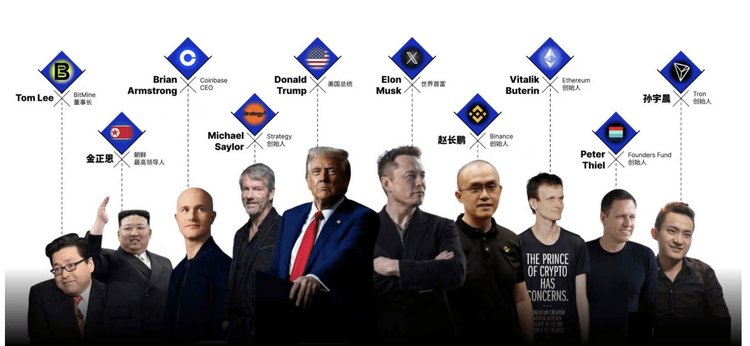
Ten People Redefining the Power Boundaries of Crypto in 2025
Od Wall Street do Białego Domu, od Doliny Krzemowej do Shenzhen, powstaje nowa sieć energetyczna.

Trading AI na rynkach kryptowalut: Od automatycznych robotów handlowych po algorytmiczne strategie
Handel oparty na sztucznej inteligencji przesuwa kryptowaluty z spekulacji detalicznej na konkurencję na poziomie instytucji, gdzie wykonywanie i zarządzanie ryzykiem są ważniejsze niż kierunek. W miarę wzrostu liczby transakcji AI zwiększa się ryzyko systemowe i presja regulacyjna, co czyni z długoterminowej wydajności, solidnych systemów i zgodności kluczowymi czynnikiem różnicującym.

Analiza emocji AI i zmienność kryptowalut: Co zmienia ceny kryptowalut
Sentiment AI coraz bardziej wpływa na rynki kryptowalut, a zmiany w oczekiwaniach związanych z AI przekładają się na zmienność dla głównych aktywów cyfrowych. Rynki kryptowalutowe mają tendencję do wzmacniania narracji AI, pozwalając przepływom napędzanym sentymentem przewyższać fundamenty w krótkim czasie. Zrozumienie, w jaki sposób kształtuje się i rozprzestrzenia sentyment AI, pomaga inwestorom lepiej przewidywać cykle ryzyka i pozycjonowanie możliwości w ramach aktywów cyfrowych.

Listopad 2025 Przegląd rynku kryptowalut: Korekta cen, zwroty ETF i ewoluujący krajobraz blockchain
W listopadzie 2025 r. nastąpiła wyraźna zmienność i korekta strukturalna w szerszym ekosystemie blockchain, głównie w wyniku zmiennych prognoz makroekonomicznych i dynamiki przepływu kapitału.

WEEX w Blockchain Life 2025: Łączenie społeczności i innowacje w Dubaju
Udział WEEX w programie Blockchain Life 2025 był znaczącym kamieniem milowym na naszej drodze do osiągnięcia pozycji światowego lidera w dziedzinie kryptowalut. W miarę dalszego poszerzania naszego zasięgu, pozostajemy zaangażowani w budowanie głębszej płynności i większych możliwości dla handlowców, wpływowców i całej społeczności blockchain.

Czy Bitcoin jest na dobrej drodze, aby osiągnąć 200 000 USD w 2025 roku? Analityk nazywa to 'bardzo mało prawdopodobnym'
Patrząc na krajobraz kryptowalut w dniu 5 sierpnia 2025 roku, Bitcoin nadal fascynuje inwestorów…
Bitfarms uruchamia 10-procentowy program odkupienia akcji, uważa, że akcje są niedoceniane na tle AI Pivot
Wyobraź sobie firmę, która nie tylko jeździ na falach wydobycia Bitcoin, ale śmiało kieruje się w przyszłość...
Bitcoin przygotowany na duży wzrost w 2026 roku, ponieważ tradycyjny czteroletni cykl traci przyczepność, przewiduje CIO Bitwise
Wyobraź sobie, że Bitcoin uwalnia się od starych rytmów, podobnie jak doświadczony sportowiec, który rezygnuje z przewidywalnej rutyny treningowej...
Wieloryb bitcoinowy z ery Satoshi sprzedaje 80 000 BTC za 9 miliardów dolarów za pośrednictwem Galaxy Digital w obliczu rosnącej zmienności
Wieloryb bitcoinowy z ery Satoshi sprzedaje 80 000 BTC za 9 miliardów dolarów za pośrednictwem Galaxy Digital w obliczu rosnącej zmienności
Divine Research wprowadza niezabezpieczone pożyczki kryptograficzne zasilane przez World ID Sama Altmana od 5 sierpnia 2025
Wyobraź sobie, że wkraczasz do świata, w którym zwykli ludzie, od nauczycieli szkół średnich po sprzedawców owoców, mogą szybko zdobyć pożyczki…
Robert Kiyosaki wydaje nowe ostrzeżenie dotyczące ryzyka związanego z ETF na Bitcoin, złoto i srebro, 5 sierpnia 2025 r.
Znany inwestor i guru finansowy Robert Kiyosaki po raz kolejny ostrzegł przed niebezpieczeństwami czyhającymi na…
Aktualność rynkowa — 30 grudnia
Brevis otwiera śledzenie lotów; Trend Research dodaje ponad 46 000 ETH w jeden dzień.
Ten People Redefining the Power Boundaries of Crypto in 2025
Od Wall Street do Białego Domu, od Doliny Krzemowej do Shenzhen, powstaje nowa sieć energetyczna.
Trading AI na rynkach kryptowalut: Od automatycznych robotów handlowych po algorytmiczne strategie
Handel oparty na sztucznej inteligencji przesuwa kryptowaluty z spekulacji detalicznej na konkurencję na poziomie instytucji, gdzie wykonywanie i zarządzanie ryzykiem są ważniejsze niż kierunek. W miarę wzrostu liczby transakcji AI zwiększa się ryzyko systemowe i presja regulacyjna, co czyni z długoterminowej wydajności, solidnych systemów i zgodności kluczowymi czynnikiem różnicującym.
Analiza emocji AI i zmienność kryptowalut: Co zmienia ceny kryptowalut
Sentiment AI coraz bardziej wpływa na rynki kryptowalut, a zmiany w oczekiwaniach związanych z AI przekładają się na zmienność dla głównych aktywów cyfrowych. Rynki kryptowalutowe mają tendencję do wzmacniania narracji AI, pozwalając przepływom napędzanym sentymentem przewyższać fundamenty w krótkim czasie. Zrozumienie, w jaki sposób kształtuje się i rozprzestrzenia sentyment AI, pomaga inwestorom lepiej przewidywać cykle ryzyka i pozycjonowanie możliwości w ramach aktywów cyfrowych.
Listopad 2025 Przegląd rynku kryptowalut: Korekta cen, zwroty ETF i ewoluujący krajobraz blockchain
W listopadzie 2025 r. nastąpiła wyraźna zmienność i korekta strukturalna w szerszym ekosystemie blockchain, głównie w wyniku zmiennych prognoz makroekonomicznych i dynamiki przepływu kapitału.
WEEX w Blockchain Life 2025: Łączenie społeczności i innowacje w Dubaju
Udział WEEX w programie Blockchain Life 2025 był znaczącym kamieniem milowym na naszej drodze do osiągnięcia pozycji światowego lidera w dziedzinie kryptowalut. W miarę dalszego poszerzania naszego zasięgu, pozostajemy zaangażowani w budowanie głębszej płynności i większych możliwości dla handlowców, wpływowców i całej społeczności blockchain.
Popularne monety
Najnowsze wiadomości kryptowalutowe


Obsługa klienta:@weikecs
Współpraca biznesowa:@weikecs
Quant trading i MM:[email protected]
Usługi VIP:[email protected]
 App
App