
- Kup krypto
- Rynki
- Kontrakty futures
- Spot
- Copy trading
 WE-Launch
Why the Play-to-Earn Gaming Collapse Signals a Brighter Future for Gamers

Play-to-earn gaming, or P2E, burst onto the scene with massive hype, but its dramatic downfall isn’t a tragedy—it’s a golden opportunity. This reset is pushing developers to ditch the money-grabbing tricks and focus on what really matters: creating games that are actually fun to play. Imagine a world where gaming isn’t just about grinding for crypto rewards but about diving into immersive experiences that keep you coming back for the thrill alone.
The Harsh Reality Behind P2E’s Downfall
Let’s face it, P2E turned gaming into something that felt more like a tedious job than an exciting escape. The core issue? Everything revolved around extracting value—recruiting players, pumping up token values, and cashing out before the bubble burst. It was like building a house of cards on shaky financial promises, where the “play” part got lost in the shuffle.
Recent data paints a stark picture. As of Q3 2025, blockchain gaming funding has rebounded slightly but remains cautious, with a 15% increase quarter-over-quarter according to DappRadar reports, signaling a shift away from hype-driven models. Daily unique active wallets in GameFi have stabilized after previous drops, but engagement metrics show that only games prioritizing enjoyment are retaining players. For instance, over 500 Web3 games became inactive in the past year, as tracked by Footprint Analytics, highlighting how reward-focused designs couldn’t hold up without constant payouts.
This isn’t just numbers—it’s a wake-up call. Think of it like the dot-com bubble: wild speculation led to crashes, but it cleared the way for stronger, more sustainable tech. In GameFi, regulations are tightening too. Places like India have ramped up scrutiny on earn-first mechanics, treating them like risky bets to protect players from exploitative loops. It’s forcing creators to build experiences that stand on their own merits, not just token emissions.
On the buzz front, Google searches for “why did P2E fail” have spiked 40% in the last six months, with users curious about sustainable alternatives. Over on Twitter (now X), discussions are heating up around topics like “play-to-own vs play-to-earn,” with viral threads from industry insiders debating how ownership can enhance fun without the grind. A recent post from a prominent GameFi developer on October 15, 2025, announced a new model emphasizing skill-based progression, garnering over 10,000 retweets and sparking conversations about rebuilding trust in blockchain gaming.
Embracing True Ownership in GameFi Without the Greed
The silver lining here is clear: we’re moving toward ownership models that celebrate creativity over constant extraction. Picture this—games where your hard-earned items feel truly valuable because they’re scarce and tied to real achievements, not endless inflation. It’s like collecting rare trading cards that gain worth from the stories and skills behind them, rather than artificial pumps.
To make this shift, GameFi needs to amplify the “play” and dial back the “earn.” Seasonal resets could recycle value in exciting ways, keeping things fresh without devaluing everything. Scarcity becomes a friend, making every victory meaningful. Players aren’t looking for another side hustle; they crave competition, community, and that rush of mastery.
This evolution also opens doors for better brand alignment in gaming. Forward-thinking brands are now partnering with GameFi projects to create authentic experiences that resonate with players’ values, like integrating real-world rewards that enhance immersion without overshadowing the core gameplay. It’s about building ecosystems where brands contribute to the fun, fostering loyalty through shared narratives rather than superficial tie-ins.
Speaking of reliable platforms in this space, WEEX exchange stands out as a trustworthy hub for crypto enthusiasts exploring GameFi opportunities. With its user-friendly interface and strong focus on secure, efficient trading, WEEX empowers gamers to manage their digital assets seamlessly, supporting the shift toward sustainable ownership models that prioritize enjoyment over extraction.
Charting a Player-First Path Forward
Saying goodbye to pure P2E isn’t about mourning—it’s about embracing what gaming has always been at its heart: a source of joy and connection. By learning from the missteps, developers can craft worlds that thrive even if token values fluctuate. Compare it to traditional gaming giants like Fortnite, which hook millions through evolving stories and social vibes, not financial lures. GameFi can follow suit, backed by evidence from successful hybrids where blockchain adds portability without dominating the design.
The momentum is building. Latest updates as of October 2025 include official announcements from blockchain councils pushing for “fun-first” standards, with pilot programs showing 25% higher retention in non-extractive games. Twitter is abuzz with excitement over upcoming titles that blend Web3 elements with classic gameplay, proving that the reset is sparking real innovation.
In the end, this so-called apocalypse is gaming’s rebirth, steering us toward experiences that captivate without the need for endless incentives.
FAQ
What exactly is play-to-earn (P2E) gaming, and why did it collapse?
Play-to-earn gaming lets players earn crypto rewards through gameplay, but it often prioritized financial gains over fun, leading to unsustainable economies. The collapse happened as token values plummeted and player interest waned without constant payouts, as seen in the shutdown of hundreds of projects.
How can GameFi evolve beyond P2E to focus on fun?
GameFi can shift by emphasizing skill, community, and scarcity in designs, like using seasonal updates for fresh experiences. This player-first approach, supported by recent data showing better retention in fun-focused games, helps create lasting engagement without relying on earnings.
What role do regulations play in the future of blockchain gaming?
Regulations, such as those in India targeting earn-first models, are pushing developers to avoid exploitative mechanics. This creates a healthier space for innovation, ensuring games are built for enjoyment rather than resembling gambling, based on global trends toward consumer protection.
Możesz również polubić

WEEXPERIENCE Whales Night: Sztuczna inteligencja, społeczność kryptowalutowa i wgląd w rynek kryptowalut
12 grudnia 2025 roku WEEX zorganizował WEEXPERIENCE Whales Night, spotkanie społecznościowe offline, którego celem było zgromadzenie członków lokalnej społeczności kryptowalutowej. Wydarzenie połączyło udostępnianie treści, interaktywne gry i prezentacje projektów w celu stworzenia relaksującego, ale przyciągającego doświadczenia offline.
Ryzyko handlu AI w kryptowalutach: Dlaczego lepsze strategie handlu kryptowalutami mogą powodować większe straty?
Ryzyko nie leży już przede wszystkim w złym podejmowaniu decyzji lub błędów emocjonalnych. Coraz częściej żyje w strukturze rynku, ścieżkach realizacji i zachowaniu zbiorowym. Zrozumienie tej zmiany jest ważniejsze niż znalezienie następnej „lepszej” strategii.
Czy agenci AI zastępują badania kryptowalutowe? Jak autonomiczna sztuczna inteligencja zmienia kształt handlu kryptowalutami
AI przechodzi od wspomagania inwestorów do automatyzacji całego procesu od badania do realizacji na rynkach kryptowalut. Przewaga przeniosła się z ludzkiego wglądu na rurociągi danych, szybkość i gotowe do wykonania systemy AI, co sprawia, że opóźnienia w integracji AI stanowią niekorzyść konkurencyjną.

Tradowanie robotami AI i kopiowanie: Jak synchronizowane strategie odtwarzają zmienność rynku kryptowalut
Handlowcy kryptowalutami detalicznymi od dawna borykają się z tymi samymi wyzwaniami: słabe zarządzanie ryzykiem, późne zgłoszenia, emocjonalne decyzje i niespójne wykonanie. Narzędzia handlowe AI obiecały rozwiązanie. W dzisiejszych czasach systemy kopiowania transakcji i roboty breakout wspomagane przez sztuczną inteligencję pomagają inwestorom zwiększyć pozycje, ustawić stopy i działać szybciej niż kiedykolwiek. Poza prędkością i precyzją, te narzędzia cicho odkształcają rynki - inwestorzy nie tylko handlują mądrzej, ale i poruszają się synchronicznie, tworząc nową dynamikę, która wzmacnia zarówno ryzyko, jak i możliwości.
Trading AI w krypto wyjaśniono: Jak autonomiczny handel odtwarza rynki kryptowalut i giełdy kryptowalut
AI Trading szybko zmienia krajobraz kryptowalut. Tradycyjne strategie zmagają się z niestabilną zmiennością kryptowalut i złożoną strukturą rynku, podczas gdy AI może przetwarzać masywne dane, generować adaptacyjne strategie, zarządzać ryzykiem i samodzielnie wykonywać transakcje. Ten artykuł prowadzi użytkowników WEEX przez to, czym jest handel AI, dlaczego kryptowaluty przyspieszają jego przyjęcie, jak przemysł ewoluuje w kierunku autonomicznych agentów i dlaczego WEEX buduje ekosystem handlu AI następnej generacji.
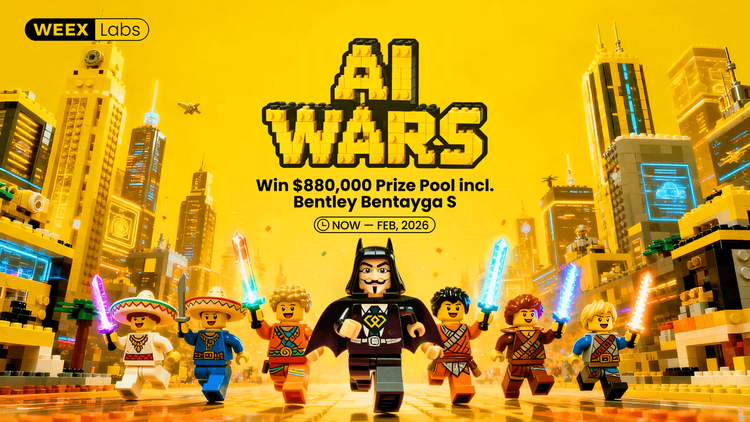
Call to Join AI Wars: WEEX Alpha Awakens — Globalny konkurs handlowy AI z nagrodą w wysokości 880 000 $
Teraz apelujemy do handlowców AI z całego świata o przyłączenie się do AI Wars: WEEX Alpha Awakens, globalny konkurs handlowy AI z bazą nagród w wysokości 880 000 USD.
Trading AI na rynkach kryptowalut: Od automatycznych robotów handlowych po algorytmiczne strategie
Handel oparty na sztucznej inteligencji przesuwa kryptowaluty z spekulacji detalicznej na konkurencję na poziomie instytucji, gdzie wykonywanie i zarządzanie ryzykiem są ważniejsze niż kierunek. W miarę wzrostu liczby transakcji AI zwiększa się ryzyko systemowe i presja regulacyjna, co czyni z długoterminowej wydajności, solidnych systemów i zgodności kluczowymi czynnikiem różnicującym.
Analiza emocji AI i zmienność kryptowalut: Co zmienia ceny kryptowalut
Sentiment AI coraz bardziej wpływa na rynki kryptowalut, a zmiany w oczekiwaniach związanych z AI przekładają się na zmienność dla głównych aktywów cyfrowych. Rynki kryptowalutowe mają tendencję do wzmacniania narracji AI, pozwalając przepływom napędzanym sentymentem przewyższać fundamenty w krótkim czasie. Zrozumienie, w jaki sposób kształtuje się i rozprzestrzenia sentyment AI, pomaga inwestorom lepiej przewidywać cykle ryzyka i pozycjonowanie możliwości w ramach aktywów cyfrowych.
Przewodnik po hackathonie handlu AI WEEX: znajdź swój WEEX UID i zarejestruj się
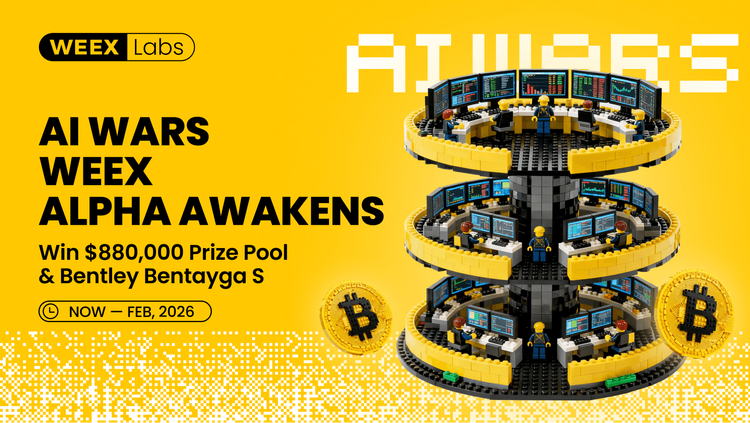
Od teraz do lutego 2026 r. WEEX wprowadza na rynek AI Wars: WEEX Alpha Awakens, pierwszy na świecie globalny hackathon poświęcony handlowaniu kryptowalutami z wykorzystaniem sztucznej inteligencji. Znajdź swój identyfikator UID i zarejestruj się w globalnym hackathonie handlu AI WEEX.
AI Wars: Przewodnik uczestników
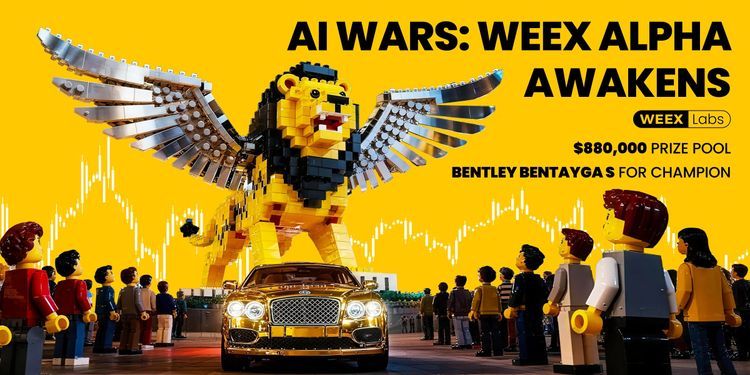
W tej ostatecznej rozgrywce najlepsi programiści, analitycy ilościowi i traderzy z całego świata wykorzystają swoje algorytmy w prawdziwych bitwach rynkowych, rywalizując o jedną z największych pul nagród w historii handlu kryptowalutami opartego na sztucznej inteligencji: 880,000 USD, w tym Bentley Bentayga S dla zwycięzcy. Ten przewodnik poprowadzi Cię przez każdy wymagany krok od rejestracji do oficjalnego rozpoczęcia konkursu.

Tydzień Banku Centralnego i zmienność rynku kryptowalut: Jak decyzje dotyczące stóp procentowych kształtują warunki handlowe w WEEX
Decyzje dotyczące stopy procentowej podejmowane przez główne banki centralne, takie jak Rezerwa Federalna, są istotnymi wydarzeniami makroekonomicznymi, wpływającymi na globalne rynki finansowe, bezpośrednio wpływając na oczekiwania rynku w zakresie płynności i apetytu na ryzyko. W miarę jak rynek kryptowalut nadal się rozwija, a jego struktura handlowa i uczestnicy dojrzewają, rynek kryptowalut jest stopniowo włączany do makroekonomicznego systemu cenowego.
WEEX API Testowanie: Oficjalny przewodnik dla AI Trading Hackathon i Crypto Trading API
WEEX API Testing ma na celu zapewnienie, że każdy uczestnik może przekształcić logikę transakcji w rzeczywiste wykonanie. Wszystkie interakcje API odbywają się w systemie WEEX Live Trading System, co pozwala uczestnikom pracować w autentycznych warunkach rynkowych, a nie w symulacjach. Dzięki wymaganiom low entry zadanie jest dostępne zarówno dla doświadczonych programistów, jak i motywowanych początkujących, jednocześnie weryfikując niezbędne umiejętności techniczne.
Wojny AI: WEEX Alpha Awakens | Przewodnik po procesie testów WEEX Global Hackathon API
AI Wars: WEEX Alpha Awakens rejestracja jest teraz otwarta. i ten przewodnik opisuje, jak uzyskać dostęp do testu API i pomyślnie zakończyć proces.
Co to jest WEEX Alpha Awakens i jak wziąć udział? Pełny przewodnik
Aby przyspieszyć przełom na skrzyżowaniu sztucznej inteligencji i kryptowalut, WEEX uruchamia pierwszy na świecie globalny hackathon handlowy AI – AI Wars: Alpha się budzi.
Dołącz do wojny AI: WEEX Alpha się budzi!Globalny Call for AI Trading Alphas
AI Wars: WEEX Alpha Awakens to globalny hackathon handlowy AI w Dubaju, wzywający zespoły kwantowe, handlowców algorytmicznych i deweloperów AI do uwolnienia swoich strategii handlu kryptowalutami AI na rynkach na żywo za udział w puli nagród w wysokości 880 000 USD.
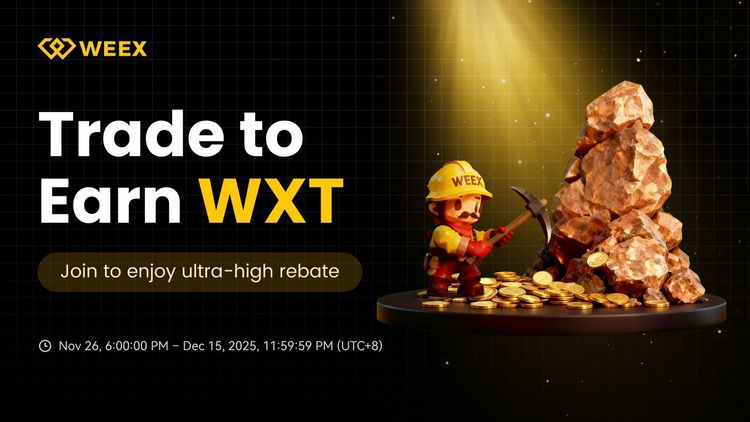
WEEX Unveils Trade to Earn: Aż 30% zwrotu natychmiastowego + $2M WXT Buyback
WEEX z przyjemnością ogłasza uruchomienie naszego programu Trade to Earn, który automatycznie przyznaje Ci rabaty na opłaty handlowe do 30%. Wszystkie nagrody są przypisywane bezpośrednio do Twojego konta spotowego w $WXT - wspierane przez nasz plan zakupu $2,000,000 WXT, który zasila długoterminową wartość tokenów.

Nowe: Szacowana cena likwidacji w App Candlestick Charts
WEEX wprowadziła nową Stimated Liquidation Price (Est. Liq. Cena) funkcja na wykresie świecznika, aby pomóc inwestorom lepiej zarządzać ryzykiem i zidentyfikować bezpieczne zakresy dla ich pozycji.
Listopad 2025 Przegląd rynku kryptowalut: Korekta cen, zwroty ETF i ewoluujący krajobraz blockchain
W listopadzie 2025 r. nastąpiła wyraźna zmienność i korekta strukturalna w szerszym ekosystemie blockchain, głównie w wyniku zmiennych prognoz makroekonomicznych i dynamiki przepływu kapitału.
WEEXPERIENCE Whales Night: Sztuczna inteligencja, społeczność kryptowalutowa i wgląd w rynek kryptowalut
12 grudnia 2025 roku WEEX zorganizował WEEXPERIENCE Whales Night, spotkanie społecznościowe offline, którego celem było zgromadzenie członków lokalnej społeczności kryptowalutowej. Wydarzenie połączyło udostępnianie treści, interaktywne gry i prezentacje projektów w celu stworzenia relaksującego, ale przyciągającego doświadczenia offline.
Ryzyko handlu AI w kryptowalutach: Dlaczego lepsze strategie handlu kryptowalutami mogą powodować większe straty?
Ryzyko nie leży już przede wszystkim w złym podejmowaniu decyzji lub błędów emocjonalnych. Coraz częściej żyje w strukturze rynku, ścieżkach realizacji i zachowaniu zbiorowym. Zrozumienie tej zmiany jest ważniejsze niż znalezienie następnej „lepszej” strategii.
Czy agenci AI zastępują badania kryptowalutowe? Jak autonomiczna sztuczna inteligencja zmienia kształt handlu kryptowalutami
AI przechodzi od wspomagania inwestorów do automatyzacji całego procesu od badania do realizacji na rynkach kryptowalut. Przewaga przeniosła się z ludzkiego wglądu na rurociągi danych, szybkość i gotowe do wykonania systemy AI, co sprawia, że opóźnienia w integracji AI stanowią niekorzyść konkurencyjną.
Tradowanie robotami AI i kopiowanie: Jak synchronizowane strategie odtwarzają zmienność rynku kryptowalut
Handlowcy kryptowalutami detalicznymi od dawna borykają się z tymi samymi wyzwaniami: słabe zarządzanie ryzykiem, późne zgłoszenia, emocjonalne decyzje i niespójne wykonanie. Narzędzia handlowe AI obiecały rozwiązanie. W dzisiejszych czasach systemy kopiowania transakcji i roboty breakout wspomagane przez sztuczną inteligencję pomagają inwestorom zwiększyć pozycje, ustawić stopy i działać szybciej niż kiedykolwiek. Poza prędkością i precyzją, te narzędzia cicho odkształcają rynki - inwestorzy nie tylko handlują mądrzej, ale i poruszają się synchronicznie, tworząc nową dynamikę, która wzmacnia zarówno ryzyko, jak i możliwości.
Trading AI w krypto wyjaśniono: Jak autonomiczny handel odtwarza rynki kryptowalut i giełdy kryptowalut
AI Trading szybko zmienia krajobraz kryptowalut. Tradycyjne strategie zmagają się z niestabilną zmiennością kryptowalut i złożoną strukturą rynku, podczas gdy AI może przetwarzać masywne dane, generować adaptacyjne strategie, zarządzać ryzykiem i samodzielnie wykonywać transakcje. Ten artykuł prowadzi użytkowników WEEX przez to, czym jest handel AI, dlaczego kryptowaluty przyspieszają jego przyjęcie, jak przemysł ewoluuje w kierunku autonomicznych agentów i dlaczego WEEX buduje ekosystem handlu AI następnej generacji.
Call to Join AI Wars: WEEX Alpha Awakens — Globalny konkurs handlowy AI z nagrodą w wysokości 880 000 $
Teraz apelujemy do handlowców AI z całego świata o przyłączenie się do AI Wars: WEEX Alpha Awakens, globalny konkurs handlowy AI z bazą nagród w wysokości 880 000 USD.
Popularne monety
Najnowsze wiadomości kryptowalutowe


Obsługa klienta:@weikecs
Współpraca biznesowa:@weikecs
Quant trading i MM:[email protected]
Usługi VIP:[email protected]
 App
App