
- Comprar cripto
- Mercados
- Futuros
- Spot
- Copy trading
 WE-Launch
Japan’s Regulator Steps Up to Ban Crypto Insider Trading in 2025

Imagine the stock market as a bustling city where everyone follows the same traffic rules to keep things fair and orderly. Now, picture the crypto world as a wild frontier town without those same guidelines—until now. Japan is gearing up to bring some much-needed law and order to cryptocurrency trading by cracking down on insider trading, much like how it polices traditional stocks. This move could reshape how traders operate, ensuring a level playing field that’s been missing in the digital asset space.
As of October 15, 2025, Japan’s financial watchdog is pushing forward with amendments to its regulations, empowering authorities to probe and penalize those caught using inside information in crypto deals. This isn’t just talk; it’s a response to the skyrocketing number of crypto users in the country, which has surged to over 10 million active participants—representing about 8% of the population—according to the latest data from Japan’s Financial Services Agency (FSA). That’s a significant jump from five years ago, driven by broader adoption and tech-savvy investors diving into assets like Bitcoin and Ethereum.
Why Japan is Targeting Crypto Insider Trading Now
Think of insider trading as sneaking a peek at the answers before a big exam—it gives an unfair edge that undermines trust. In Japan, while stocks have long been under strict rules via the Financial Instruments and Exchange Act (FIEA), crypto has operated in a gray area. Without specific prohibitions, suspicious trades have slipped through the cracks, partly because many tokens don’t have clear issuers, making it tricky to pinpoint who counts as an “insider.”
The Securities and Exchange Surveillance Commission (SESC), under the FSA, is set to gain new powers to investigate these activities. Violators could face hefty fines tied to their illicit profits, and in severe cases, criminal charges. This aligns with global trends where countries like the United States have already imposed multi-million-dollar penalties for similar crypto offenses, as seen in recent SEC cases. Japan’s approach draws from these examples, aiming to boost market integrity without stifling innovation.
Recent discussions on Twitter highlight the buzz around this topic, with hashtags like #CryptoJapan and #InsiderTradingBan trending as users debate how it might affect volatility in coins like Solana and Ripple. One viral post from a prominent fintech analyst noted, “Japan’s crypto crackdown could stabilize prices, much like how post-2008 reforms steadied global stocks—good for long-term holders.” Google searches for “how does crypto insider trading work in Japan” have spiked 40% in the last month, reflecting growing curiosity amid these regulatory shifts.
Aligning Brands with Strong Regulatory Standards
In this evolving landscape, platforms that prioritize compliance and security stand out, much like a trusted bank in a sea of risky lenders. Take WEEX exchange, for instance—it’s built a reputation for robust security measures and adherence to international standards, making it a go-to for traders who value transparency. By aligning with regulations like those emerging in Japan, WEEX enhances user trust, offering features such as advanced encryption and real-time monitoring that prevent insider abuses. This brand alignment not only protects investments but also positions WEEX as a reliable partner in the crypto journey, fostering a safer trading environment without compromising on innovation.
Japan’s Broader Crypto Vision Under New Leadership
Leadership plays a pivotal role here, akin to a captain steering a ship through stormy seas. With Sanae Takaichi potentially at the helm as Japan’s prime minister, there’s optimism for a pro-tech agenda that embraces blockchain while upholding strict oversight. Takaichi has voiced support for technological sovereignty, including lower interest rates and tax incentives that could funnel more capital into crypto. Evidence from her policy statements suggests this could mirror successful models in places like Singapore, where balanced regs have led to a 25% year-over-year growth in digital asset investments.
The FSA’s push to regulate crypto under the FIEA, rather than the Payments Services Act, addresses key pain points like scams and poor disclosures. This shift, discussed in working groups through late 2025, aims to mirror securities laws, providing stronger investor protections. Recent updates include an official FSA announcement on October 10, 2025, confirming the working group’s progress and inviting public input, which has sparked lively debates on social media about balancing innovation with safety.
The Impact on Global Crypto Markets
Compare this to how the EU’s MiCA regulations unified fragmented markets—Japan’s rules could similarly inspire confidence, potentially drawing international investors. With Bitcoin hovering around $150,000 and Ethereum at $5,200 as of October 15, 2025 (per real-time market data), stable regulations might reduce wild swings, benefiting everyday traders. Real-world examples, like the 2024 FTX fallout, underscore the risks of lax oversight, where insider dealings contributed to billions in losses. By contrast, Japan’s proactive stance could prevent such disasters, backed by the FSA’s data showing a 15% drop in reported crypto fraud since initial regulatory talks began.
As these changes unfold, the crypto community watches closely, knowing that fair play could unlock even greater potential in this dynamic space.
FAQ
What exactly is crypto insider trading, and why is Japan banning it?
Crypto insider trading involves using non-public information to gain an unfair advantage in trading digital assets. Japan is banning it to align crypto with stock market rules, promoting fairness and trust, as the lack of regulations has allowed suspicious activities to persist.
How will these new rules affect everyday crypto traders in Japan?
Traders can expect more scrutiny on suspicious activities, but it should lead to a safer market with fewer scams. Fines and investigations will target violators, while compliant users benefit from increased market stability and investor protections under the updated FIEA.
When will Japan’s crypto insider trading ban take effect?
The FSA plans to finalize details by the end of 2025 and submit amendments in 2026, with implementation likely following shortly after, based on ongoing working group discussions.
Também poderá gostar de
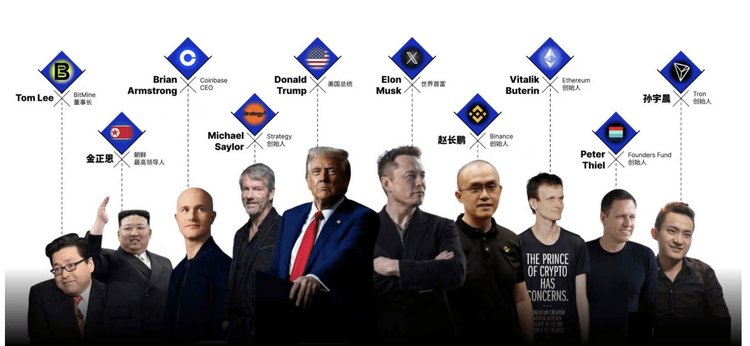
Dez pessoas redefinindo os limites do poder da criptomoeda em 2025
De Wall Street à Casa Branca, do Vale do Silício a Shenzhen, uma nova rede de energia está se formando.
Riscos de negociação de IA em criptomoedas: Por que melhores estratégias de negociação de criptomoedas podem gerar maiores perdas?
O risco já não reside principalmente em má tomada de decisão ou erros emocionais. Vive cada vez mais na estrutura de mercado, caminhos de execução e comportamento coletivo. Entender essa mudança é mais importante do que encontrar a próxima estratégia “melhor”.
Agentes de IA estão substituindo a pesquisa de criptografia? Como a IA autônoma está reformulando o Crypto Trading
A IA está passando de auxiliar os comerciantes para automatizar todo o processo de pesquisa até execução nos mercados de criptomoedas. A vantagem mudou de insights humanos para tubulações de dados, velocidade e sistemas de IA prontos para execução, tornando os atrasos na integração de IA uma desvantagem competitiva.
Trading de IA em Crypto Explicado: Como a negociação autónoma está reformulando os mercados de criptomoedas e as bolsas de criptomoedas
O AI Trading está rapidamente transformando a criptografia. As estratégias tradicionais lutam para acompanhar a volatilidade sem parar da criptomoeda e a complexa estrutura de mercado, enquanto a IA pode processar dados maciços, gerar estratégias adaptativas, gerenciar riscos e executar operações de forma autónoma. Este artigo orienta os usuários da WEEX pelo que é o trading de IA, por que a criptografia acelera sua adoção, como a indústria está evoluindo para agentes autônomos e por que a WEEX está construindo o ecossistema de negociação de IA da próxima geração.
Negociação de IA em Mercados de Cripto: De robôs de negociação automatizados a estratégias algoritmicas
O comércio impulsionado por IA está mudando a criptomoeda da especulação de varejo para a concorrência de nível institucional, onde a execução e a gestão de risco importam mais do que a direção. À medida que as negociações de IA aumentam, o risco sistêmico e a pressão regulatória aumentam, tornando o desempenho a longo prazo, sistemas robustos e conformidade os principais diferenciais.
Análise de sentimentos de IA e volatilidade de criptomoedas: O que move os preços de criptomoedas
O sentimento da IA está influenciando cada vez mais os mercados de criptomoedas, com mudanças nas expectativas relacionadas à IA se traduzindo em volatilidade para os principais ativos digitais. Os mercados de criptomoedas tendem a amplificar as narrativas de IA, permitindo que os fluxos impulsionados pelo sentimento superem os fundamentos a curto prazo. Compreender como o sentimento da IA se forma e se espalha ajuda os investidores a antecipar melhor os ciclos de risco e posicionar oportunidades em todos os ativos digitais.
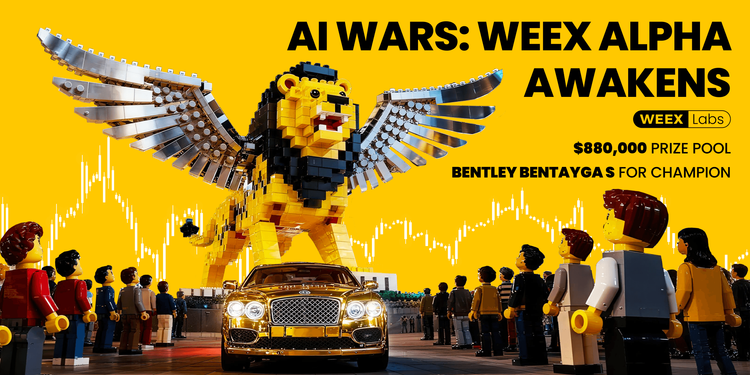
Guerras da IA: WEEX Alpha Awakens | Guia do processo de teste do WEEX Global Hackathon API
AI Wars: O registro do WEEX Alpha Awakens está agora aberto. e este guia descreve como acessar o teste da API e concluir com sucesso o processo.
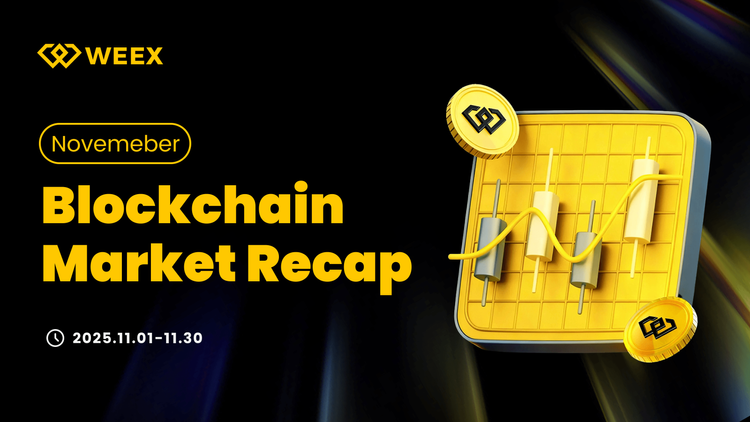
Novembro de 2025 Revisão do Mercado de Cripto: Correção de Preços, Redempções de ETFs e Evolução da Blockchain
Novembro de 2025 viu volatilidade pronunciada e uma correção estrutural dentro do ecossistema blockchain mais amplo, impulsionado principalmente por previsões macroeconômicas flutuantes e dinâmicas específicas de fluxo de capital.

Como comprar USDT e outras Stablecoins através do WEEX P2P
Este artigo descreve por que o P2P é amplamente utilizado, o que torna o WEEX P2P diferente e como ele oferece um ambiente seguro e confiável para os usuários.

O CCCC de Lisboa de 2025 da WEEX Resumo: Presença global e o caminho para a negociação de criptomoedas impulsionada por IA
A WEEX concluiu orgulhosamente sua jornada em Campus Criador de Conteúdo Cripto (CCCC) 2025 como um Platinum Sponsor, marcando uma presença significativa em um dos principais encontros do mundo para criadores de criptomoedas, inovadores e líderes da indústria
Dez pessoas redefinindo os limites do poder da criptomoeda em 2025
De Wall Street à Casa Branca, do Vale do Silício a Shenzhen, uma nova rede de energia está se formando.
Riscos de negociação de IA em criptomoedas: Por que melhores estratégias de negociação de criptomoedas podem gerar maiores perdas?
O risco já não reside principalmente em má tomada de decisão ou erros emocionais. Vive cada vez mais na estrutura de mercado, caminhos de execução e comportamento coletivo. Entender essa mudança é mais importante do que encontrar a próxima estratégia “melhor”.
Agentes de IA estão substituindo a pesquisa de criptografia? Como a IA autônoma está reformulando o Crypto Trading
A IA está passando de auxiliar os comerciantes para automatizar todo o processo de pesquisa até execução nos mercados de criptomoedas. A vantagem mudou de insights humanos para tubulações de dados, velocidade e sistemas de IA prontos para execução, tornando os atrasos na integração de IA uma desvantagem competitiva.
Trading de IA em Crypto Explicado: Como a negociação autónoma está reformulando os mercados de criptomoedas e as bolsas de criptomoedas
O AI Trading está rapidamente transformando a criptografia. As estratégias tradicionais lutam para acompanhar a volatilidade sem parar da criptomoeda e a complexa estrutura de mercado, enquanto a IA pode processar dados maciços, gerar estratégias adaptativas, gerenciar riscos e executar operações de forma autónoma. Este artigo orienta os usuários da WEEX pelo que é o trading de IA, por que a criptografia acelera sua adoção, como a indústria está evoluindo para agentes autônomos e por que a WEEX está construindo o ecossistema de negociação de IA da próxima geração.
Negociação de IA em Mercados de Cripto: De robôs de negociação automatizados a estratégias algoritmicas
O comércio impulsionado por IA está mudando a criptomoeda da especulação de varejo para a concorrência de nível institucional, onde a execução e a gestão de risco importam mais do que a direção. À medida que as negociações de IA aumentam, o risco sistêmico e a pressão regulatória aumentam, tornando o desempenho a longo prazo, sistemas robustos e conformidade os principais diferenciais.
Análise de sentimentos de IA e volatilidade de criptomoedas: O que move os preços de criptomoedas
O sentimento da IA está influenciando cada vez mais os mercados de criptomoedas, com mudanças nas expectativas relacionadas à IA se traduzindo em volatilidade para os principais ativos digitais. Os mercados de criptomoedas tendem a amplificar as narrativas de IA, permitindo que os fluxos impulsionados pelo sentimento superem os fundamentos a curto prazo. Compreender como o sentimento da IA se forma e se espalha ajuda os investidores a antecipar melhor os ciclos de risco e posicionar oportunidades em todos os ativos digitais.
Moedas populares
Últimas notícias cripto


Apoio ao cliente:@weikecs
Cooperação empresarial:@weikecs
Trading quant. e criação de mercados:[email protected]
Serviços VIP:[email protected]
 App
App