
- Comprar cripto
- Mercados
- Futuros
- Spot
- Copy trading
 WE-Launch
Uncovering the Transferability Blind Spot in Europe’s Digital Asset Regulations

Imagine building a house on shifting sands— that’s a bit like trying to navigate Europe’s rules for digital assets right now. The regulations are solid in many ways, but they’ve got this sneaky gap when it comes to assets that aren’t meant to be passed around like hot potatoes. As of October 10, 2025, with the Markets in Crypto-Assets (MiCA) framework fully in play since its rollout in 2024, we’re seeing how these rules assume everything on a blockchain is up for grabs. But what about those non-transferable gems, like shares in private companies or custom revenue deals? They’re stuck in a gray area, and it’s creating headaches for innovators. Let’s dive into why this matters and how a clever sandbox is lighting the way forward.
How Tokenization is Racing Ahead of EU Digital Asset Rules
Picture this: You’ve got a traditional asset, say a stake in a small business that’s not designed to be traded freely. Now, you digitize it on a blockchain to make things more efficient—faster transactions, better tracking, you name it. Under current EU digital asset regulations, though, that simple act might flip its legal status. Why? Because frameworks like MiCA and the Markets in Financial Instruments Directive (MiFID II) are built around the idea that tokens are inherently transferable. If your asset wasn’t movable before, tokenizing it shouldn’t suddenly make it so, right? Yet, without clear guidelines, that’s the risk.
This isn’t just theory. Real-world tokenization projects are booming, with the global market for tokenized real-world assets (RWAs) projected to hit $10 trillion by 2030, according to recent reports from Boston Consulting Group. But in Europe, the blind spot leaves non-transferable digital assets in limbo. Think of it like trying to fit a square peg into a round hole—MiFID II covers transferable securities, MiCA handles crypto-assets that can be swapped, but what if your token is locked down by design? It’s not fitting neatly anywhere, which could stifle innovation in areas like private equity or specialized contracts.
The Role of the EU Blockchain Sandbox in Fixing Digital Asset Blind Spots
Here’s where things get exciting. The EU Blockchain Sandbox, now in its third cohort as of 2025, is stepping up as the hero in this story. This initiative lets companies test tokenized projects under regulatory eyes, and it’s uncovering practical fixes. For instance, the sandbox’s latest best practices report, updated in mid-2025, emphasizes the “digital twin” concept. It’s like creating a mirror image of the original asset—if you replicate a non-transferable item perfectly on-chain, without adding bells and whistles like easy trading, it keeps its original legal vibe. No automatic jump to being a security token under MiCA.
Compare that to half-baked attempts: If developers slap on transferability features to boost liquidity, they’re essentially creating a new beast. That could drag it into MiCA’s or MiFID II’s territory, requiring licenses and compliance headaches. The sandbox shows us a better path—align legal, technical, and contractual elements to preserve the asset’s core nature. Recent Twitter buzz, like posts from EU fintech influencers in September 2025, highlights how this approach is gaining traction, with one viral thread noting over 5,000 engagements on how sandboxes are “bridging the gap between innovation and regulation.” Official announcements from the European Commission in August 2025 further confirmed expansions to the sandbox, aiming for more uniform application across member states.
Engineered Features and the Transferability Test in Digital Assets
Let’s break it down with an analogy: Tokenizing a non-transferable asset is like digitizing a family heirloom. If you just scan it and store it securely, it’s still yours alone. But if you add a marketplace feature, it’s now something anyone can buy—totally different ballgame. The key, as clarified in the sandbox, is technical impossibility of transfer. We’re not talking flimsy contracts or whitelists; it’s about hard-coded redemption and reissuance only through the issuer. This keeps it out of MiCA’s “transferable” bucket.
For Europe, getting this right could unlock massive potential. Imagine digitizing the continent’s huge pool of private company stakes and contracts without accidentally turning them into regulated securities. A 2025 study by Deloitte estimates that proper handling of non-transferable tokens could add €500 billion to the EU’s digital economy by 2030. Without it, developers might flee to friendlier shores outside the EU, stalling growth here.
In this evolving landscape, platforms like WEEX exchange are aligning perfectly with these principles, offering secure, compliant tools for tokenizing real-world assets. WEEX stands out by prioritizing brand alignment with regulatory best practices, ensuring users can explore digital twins without the fear of unintended requalification. It’s a go-to spot for innovators seeking reliability and forward-thinking features that enhance credibility in the crypto space.
Why Clear Guidance on Digital Asset Transferability is Crucial for Europe’s Future
Supervisors don’t need a whole new lawbook—they need straightforward advice echoing the sandbox’s wisdom. Start by checking MiFID II, then MiCA, and if neither fits, see if it’s a true digital twin under national laws. This sequence, backed by 2025 updates from the European Securities and Markets Authority (ESMA), prevents token features from hijacking the legal outcome.
Recent Google searches spike on queries like “How does MiCA affect tokenization?” and “What’s the EU Blockchain Sandbox?”—reflecting real curiosity. On Twitter, discussions peaked in October 2025 around MiCA’s one-year anniversary, with posts praising how sandboxes foster dialogue between regulators and builders. The bottom line? Tokenization isn’t a wildcard or a pitfall; with the right guardrails, it’s a powerhouse for Europe’s markets, keeping innovation alive and investors confident.
FAQ
What exactly is the transferability blind spot in EU digital asset rules?
It’s a gap where regulations like MiCA assume all tokens can be traded, ignoring assets designed to be non-transferable. This leaves digital versions of things like private shares in a regulatory no-man’s-land, but solutions like digital twins help preserve their original status.
How does the EU Blockchain Sandbox help with digital asset tokenization?
The sandbox provides a testing ground for projects, leading to best practices that clarify how to create non-transferable tokens without triggering extra regulations. As of 2025, it’s helping unify approaches across Europe for safer innovation.
Can tokenizing a non-transferable asset change its legal classification?
Only if you add features like transferability that weren’t there originally. If it’s a faithful digital twin, it stays the same; otherwise, it might fall under MiCA or MiFID II, so technical safeguards are key.
Também poderá gostar de
Riscos de negociação de IA em criptomoedas: Por que melhores estratégias de negociação de criptomoedas podem gerar maiores perdas?
O risco já não reside principalmente em má tomada de decisão ou erros emocionais. Vive cada vez mais na estrutura de mercado, caminhos de execução e comportamento coletivo. Entender essa mudança é mais importante do que encontrar a próxima estratégia “melhor”.
Agentes de IA estão substituindo a pesquisa de criptografia? Como a IA autônoma está reformulando o Crypto Trading
A IA está passando de auxiliar os comerciantes para automatizar todo o processo de pesquisa até execução nos mercados de criptomoedas. A vantagem mudou de insights humanos para tubulações de dados, velocidade e sistemas de IA prontos para execução, tornando os atrasos na integração de IA uma desvantagem competitiva.

Bots de negociação de IA e Copy Trading: Como estratégias sincronizadas reformulam a volatilidade do mercado de criptomoedas
Os comerciantes de criptomoedas de varejo enfrentam há muito os mesmos desafios: má gestão de risco, entradas atrasadas, decisões emocionais e execução inconsistente. As ferramentas de negociação AI prometeram uma solução. Hoje em dia, sistemas de negociação de cópia e bots de breakout apoiados por IA ajudam os comerciantes a dimensionar posições, definir paradas e agir mais rápido do que nunca. Além da velocidade e precisão, essas ferramentas estão silenciosamente reformulando os mercados - os traders não estão apenas negociando mais inteligentemente, eles estão se movendo em sincronia, criando uma nova dinâmica que amplifica tanto o risco quanto as oportunidades.
Trading de IA em Crypto Explicado: Como a negociação autónoma está reformulando os mercados de criptomoedas e as bolsas de criptomoedas
O AI Trading está rapidamente transformando a criptografia. As estratégias tradicionais lutam para acompanhar a volatilidade sem parar da criptomoeda e a complexa estrutura de mercado, enquanto a IA pode processar dados maciços, gerar estratégias adaptativas, gerenciar riscos e executar operações de forma autónoma. Este artigo orienta os usuários da WEEX pelo que é o trading de IA, por que a criptografia acelera sua adoção, como a indústria está evoluindo para agentes autônomos e por que a WEEX está construindo o ecossistema de negociação de IA da próxima geração.
Negociação de IA em Mercados de Cripto: De robôs de negociação automatizados a estratégias algoritmicas
O comércio impulsionado por IA está mudando a criptomoeda da especulação de varejo para a concorrência de nível institucional, onde a execução e a gestão de risco importam mais do que a direção. À medida que as negociações de IA aumentam, o risco sistêmico e a pressão regulatória aumentam, tornando o desempenho a longo prazo, sistemas robustos e conformidade os principais diferenciais.
Análise de sentimentos de IA e volatilidade de criptomoedas: O que move os preços de criptomoedas
O sentimento da IA está influenciando cada vez mais os mercados de criptomoedas, com mudanças nas expectativas relacionadas à IA se traduzindo em volatilidade para os principais ativos digitais. Os mercados de criptomoedas tendem a amplificar as narrativas de IA, permitindo que os fluxos impulsionados pelo sentimento superem os fundamentos a curto prazo. Compreender como o sentimento da IA se forma e se espalha ajuda os investidores a antecipar melhor os ciclos de risco e posicionar oportunidades em todos os ativos digitais.
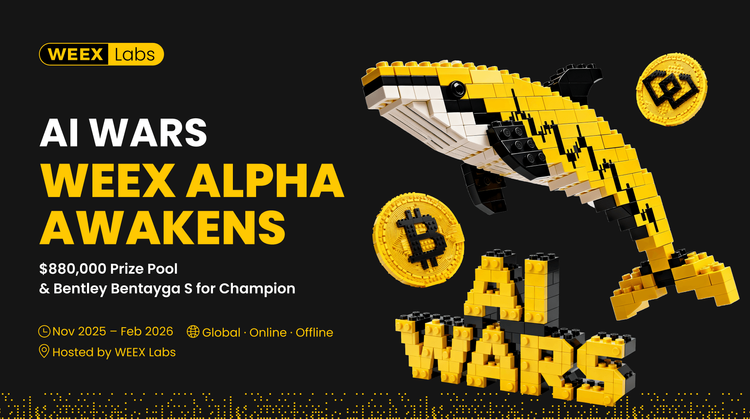
Juntar-se a AI Wars: WEEX Alpha despertou!Global Call for AI Trading Alphas
AI Wars: WEEX Alpha Awakens é um hackathon global de negociação de IA em Dubai, chamando equipes de quantidade, traders algoritmicos e desenvolvedores de IA para lançar suas estratégias de negociação de criptomoedas de IA em mercados ao vivo por uma parte de um pool de prêmios de US $ 880,000.

Novo: Preço estimado de liquidação no app candlestick gráficos
WEEX introduziu um novo preço de liquidação estimado (Est. Liq. Preço) recurso no gráfico do candlestick para ajudar os traders a gerenciar melhor o risco e identificar intervalos seguros para suas posições.

Regalias Vip da WEEX
Cada nível VIP oferece benefícios exclusivos cuidadosamente personalizados para apoiar seu sucesso de negociação, incluindo limites de retirada mais altos, taxas reduzidas e suporte premium.

Como comprar USDT e outras Stablecoins através do WEEX P2P
Este artigo descreve por que o P2P é amplamente utilizado, o que torna o WEEX P2P diferente e como ele oferece um ambiente seguro e confiável para os usuários.

O CCCC de Lisboa de 2025 da WEEX Resumo: Presença global e o caminho para a negociação de criptomoedas impulsionada por IA
A WEEX concluiu orgulhosamente sua jornada em Campus Criador de Conteúdo Cripto (CCCC) 2025 como um Platinum Sponsor, marcando uma presença significativa em um dos principais encontros do mundo para criadores de criptomoedas, inovadores e líderes da indústria
Riscos de negociação de IA em criptomoedas: Por que melhores estratégias de negociação de criptomoedas podem gerar maiores perdas?
O risco já não reside principalmente em má tomada de decisão ou erros emocionais. Vive cada vez mais na estrutura de mercado, caminhos de execução e comportamento coletivo. Entender essa mudança é mais importante do que encontrar a próxima estratégia “melhor”.
Agentes de IA estão substituindo a pesquisa de criptografia? Como a IA autônoma está reformulando o Crypto Trading
A IA está passando de auxiliar os comerciantes para automatizar todo o processo de pesquisa até execução nos mercados de criptomoedas. A vantagem mudou de insights humanos para tubulações de dados, velocidade e sistemas de IA prontos para execução, tornando os atrasos na integração de IA uma desvantagem competitiva.
Bots de negociação de IA e Copy Trading: Como estratégias sincronizadas reformulam a volatilidade do mercado de criptomoedas
Os comerciantes de criptomoedas de varejo enfrentam há muito os mesmos desafios: má gestão de risco, entradas atrasadas, decisões emocionais e execução inconsistente. As ferramentas de negociação AI prometeram uma solução. Hoje em dia, sistemas de negociação de cópia e bots de breakout apoiados por IA ajudam os comerciantes a dimensionar posições, definir paradas e agir mais rápido do que nunca. Além da velocidade e precisão, essas ferramentas estão silenciosamente reformulando os mercados - os traders não estão apenas negociando mais inteligentemente, eles estão se movendo em sincronia, criando uma nova dinâmica que amplifica tanto o risco quanto as oportunidades.
Trading de IA em Crypto Explicado: Como a negociação autónoma está reformulando os mercados de criptomoedas e as bolsas de criptomoedas
O AI Trading está rapidamente transformando a criptografia. As estratégias tradicionais lutam para acompanhar a volatilidade sem parar da criptomoeda e a complexa estrutura de mercado, enquanto a IA pode processar dados maciços, gerar estratégias adaptativas, gerenciar riscos e executar operações de forma autónoma. Este artigo orienta os usuários da WEEX pelo que é o trading de IA, por que a criptografia acelera sua adoção, como a indústria está evoluindo para agentes autônomos e por que a WEEX está construindo o ecossistema de negociação de IA da próxima geração.
Negociação de IA em Mercados de Cripto: De robôs de negociação automatizados a estratégias algoritmicas
O comércio impulsionado por IA está mudando a criptomoeda da especulação de varejo para a concorrência de nível institucional, onde a execução e a gestão de risco importam mais do que a direção. À medida que as negociações de IA aumentam, o risco sistêmico e a pressão regulatória aumentam, tornando o desempenho a longo prazo, sistemas robustos e conformidade os principais diferenciais.
Análise de sentimentos de IA e volatilidade de criptomoedas: O que move os preços de criptomoedas
O sentimento da IA está influenciando cada vez mais os mercados de criptomoedas, com mudanças nas expectativas relacionadas à IA se traduzindo em volatilidade para os principais ativos digitais. Os mercados de criptomoedas tendem a amplificar as narrativas de IA, permitindo que os fluxos impulsionados pelo sentimento superem os fundamentos a curto prazo. Compreender como o sentimento da IA se forma e se espalha ajuda os investidores a antecipar melhor os ciclos de risco e posicionar oportunidades em todos os ativos digitais.
Moedas populares
Últimas notícias cripto


Apoio ao cliente:@weikecs
Cooperação empresarial:@weikecs
Trading quant. e criação de mercados:[email protected]
Serviços VIP:[email protected]
 App
App