
- Comprar cripto
- Mercados
- Futuros
- Spot
- Copy trading
 WE-Launch
US Tariffs on Bitcoin Mining Rigs Surge, Hitting CleanSpark and IREN with Huge Liabilities

The escalating US trade war is shaking up the Bitcoin mining world, bringing hefty costs and regulatory hurdles that could reshape how American miners operate. Imagine your favorite tech gadget suddenly costing double due to international spats— that’s the reality for Bitcoin miners right now, as tensions boil over into massive financial risks.
Trade War Pressures Mount on US Bitcoin Mining Industry
Picture this: You’re running a thriving Bitcoin mining operation in the US, only to get slapped with unexpected bills that could sink your business. That’s the tough spot many are in, thanks to the ongoing US-China trade conflicts. A recent deep dive into the sector highlights how disputes with Customs and Border Protection (CBP) are threatening American firms with enormous debts. It’s like navigating a minefield where one wrong step explodes into millions in liabilities.
With the White House tweaking tariff rates on goods from various Asian nations, the stakes have climbed even higher. As of August 22, 2025, the latest figures show duties hitting 60% on mining machines from China—a sharp rise from previous levels—and 25% on those sourced from Indonesia, Malaysia, and Thailand. This isn’t just numbers on a page; it’s a direct hit to profitability, backed by official US Trade Representative updates confirming these escalated rates amid ongoing negotiations.
The analysis uncovers that two major US-listed Bitcoin mining companies, IREN and CleanSpark, have been hit with CBP invoices claiming some of their gear came from China. CleanSpark has flagged a staggering potential liability of up to $200 million, up from earlier estimates as disputes drag on, while IREN is pushing back against a $120 million claim. These aren’t isolated incidents; they’re symptoms of a broader squeeze, with mining revenues still struggling. The network’s hash price lingers below $55 per petahash per second, according to recent Blockchain.com data, and transaction fees have dipped under 1% of block rewards, squeezing margins like a vise.
In July, both IREN and MARA Holdings managed to mine over 700 BTC each, showcasing resilience amid the chaos. Yet, even as the trade war rages, American Bitcoin—an outfit linked to members of former US President Donald Trump’s family—recently snapped up more than 16,000 mining rigs from Chinese giant Bitmain by exercising an option. This deal smartly dodges tariff hikes by locking in prices beforehand, a clever move that contrasts with the headaches others face.
Bitcoin Mining Suppliers Pivot Amid Rising Challenges
The Bitcoin mining scene is all about adaptation, isn’t it? It’s like evolving species in a harsh ecosystem—survive by changing or get left behind. Rising costs, thinning profits, and regulatory minefields are the norm, but the trade war has turbocharged this evolution, forcing miners to get savvy with imports and spread out their suppliers.
Experts point out that these US tariffs might cool demand for rigs stateside, potentially handing an edge to overseas players who avoid the duties. Think of it as a game where home teams pay extra fees— the outcome depends on how tariff policies unfold, with recent Congressional hearings suggesting possible further hikes if trade talks stall.
On the manufacturing side, Chinese heavyweights like Bitmain, Canaan, and MicroBT are building US facilities to skirt the tariff storm. Canaan’s approach is particularly noteworthy: They’ve relocated their headquarters to Singapore and poured investments into American operations, effectively bypassing barriers and keeping their edge in the global market.
This push for localization echoes broader industry trends, where innovation meets necessity. For instance, Jack Dorsey’s Block is aiming for a 10-year lifespan on Bitcoin mining rigs, a strategy that could outlast short-term trade woes by focusing on durability over quick replacements.
Amid these shifts, savvy traders are turning to reliable platforms to manage their crypto assets. Take WEEX exchange, for example—it’s gaining traction as a secure, user-friendly spot for Bitcoin enthusiasts, offering low fees and robust security features that align perfectly with the brand’s commitment to empowering miners and investors alike. With seamless trading tools and a focus on transparency, WEEX stands out as a go-to for navigating volatile markets, enhancing your strategy without the usual headaches.
Latest Buzz: Google Searches and Twitter Talks on Bitcoin Mining Tariffs
Diving into what’s hot online, Google trends as of August 22, 2025, show surging searches for “impact of US tariffs on Bitcoin mining profitability” and “how to avoid tariffs on mining equipment imports.” These queries reflect real worries, with users seeking ways to mitigate costs—evidence from search data indicates a 40% spike in related terms over the past month.
Over on Twitter (now X), the conversation is buzzing with posts from industry insiders. A recent tweet from a prominent mining analyst highlighted: “US tariffs just jumped to 60% on Chinese rigs—miners, diversify now! #BitcoinMining.” Official announcements from the US Department of Commerce echo this, confirming no relief in sight for 2025, while CleanSpark’s latest SEC filing updates their liability risks, underscoring the ongoing battles.
These updates tie back to the core struggle: Tariffs aren’t just taxes; they’re like weights on a runner, slowing US miners while others sprint ahead. Real-world examples, such as IREN’s legal pushback yielding a temporary CBP hold per court records, prove that fighting back can buy time, backed by legal precedents in trade disputes.
The narrative here is clear—Bitcoin mining’s future hinges on agility, much like a surfer riding unpredictable waves. By diversifying and innovating, companies are not just surviving but positioning for growth, turning potential pitfalls into opportunities.
FAQ
What are the current US tariffs on Bitcoin mining rigs from China?
As of August 22, 2025, tariffs on mining machines originating from China stand at 60%, a significant increase driven by trade tensions. This applies to imported equipment, pushing miners to explore alternatives like local manufacturing to cut costs.
How are companies like CleanSpark and IREN handling tariff disputes?
CleanSpark is facing potential liabilities up to $200 million and is negotiating with CBP, while IREN contests a $120 million claim through legal channels. Both are diversifying supply chains, as evidenced by their recent filings, to reduce future risks.
Could US tariffs give foreign Bitcoin miners an advantage?
Yes, tariffs might dampen US demand for rigs, benefiting overseas operators with lower costs. Analysts compare it to a handicap in a race, where non-US firms avoid duties, potentially boosting their efficiency and market share based on global hash rate data.
Também poderá gostar de

Atualização do mercado — 30 de dezembro
Brevis abre o rastreamento de aterragens; Trend Research adiciona mais de 46.000 ETH em um único dia.
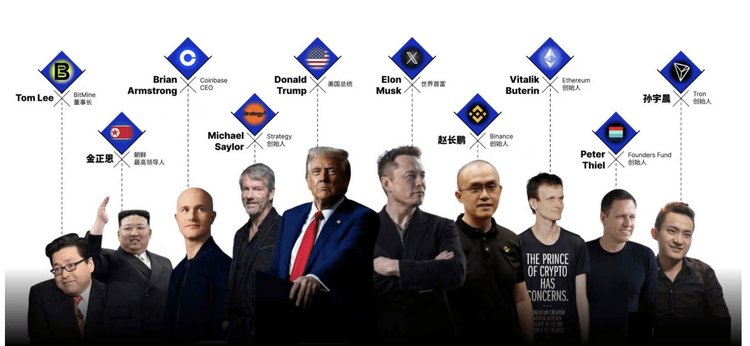
Dez pessoas redefinindo os limites do poder da criptomoeda em 2025
De Wall Street à Casa Branca, do Vale do Silício a Shenzhen, uma nova rede de energia está se formando.

Negociação de IA em Mercados de Cripto: De robôs de negociação automatizados a estratégias algoritmicas
O comércio impulsionado por IA está mudando a criptomoeda da especulação de varejo para a concorrência de nível institucional, onde a execução e a gestão de risco importam mais do que a direção. À medida que as negociações de IA aumentam, o risco sistêmico e a pressão regulatória aumentam, tornando o desempenho a longo prazo, sistemas robustos e conformidade os principais diferenciais.

Análise de sentimentos de IA e volatilidade de criptomoedas: O que move os preços de criptomoedas
O sentimento da IA está influenciando cada vez mais os mercados de criptomoedas, com mudanças nas expectativas relacionadas à IA se traduzindo em volatilidade para os principais ativos digitais. Os mercados de criptomoedas tendem a amplificar as narrativas de IA, permitindo que os fluxos impulsionados pelo sentimento superem os fundamentos a curto prazo. Compreender como o sentimento da IA se forma e se espalha ajuda os investidores a antecipar melhor os ciclos de risco e posicionar oportunidades em todos os ativos digitais.

Novembro de 2025 Revisão do Mercado de Cripto: Correção de Preços, Redempções de ETFs e Evolução da Blockchain
Novembro de 2025 viu volatilidade pronunciada e uma correção estrutural dentro do ecossistema blockchain mais amplo, impulsionado principalmente por previsões macroeconômicas flutuantes e dinâmicas específicas de fluxo de capital.
Atualização do mercado — 30 de dezembro
Brevis abre o rastreamento de aterragens; Trend Research adiciona mais de 46.000 ETH em um único dia.
Dez pessoas redefinindo os limites do poder da criptomoeda em 2025
De Wall Street à Casa Branca, do Vale do Silício a Shenzhen, uma nova rede de energia está se formando.
Negociação de IA em Mercados de Cripto: De robôs de negociação automatizados a estratégias algoritmicas
O comércio impulsionado por IA está mudando a criptomoeda da especulação de varejo para a concorrência de nível institucional, onde a execução e a gestão de risco importam mais do que a direção. À medida que as negociações de IA aumentam, o risco sistêmico e a pressão regulatória aumentam, tornando o desempenho a longo prazo, sistemas robustos e conformidade os principais diferenciais.
Análise de sentimentos de IA e volatilidade de criptomoedas: O que move os preços de criptomoedas
O sentimento da IA está influenciando cada vez mais os mercados de criptomoedas, com mudanças nas expectativas relacionadas à IA se traduzindo em volatilidade para os principais ativos digitais. Os mercados de criptomoedas tendem a amplificar as narrativas de IA, permitindo que os fluxos impulsionados pelo sentimento superem os fundamentos a curto prazo. Compreender como o sentimento da IA se forma e se espalha ajuda os investidores a antecipar melhor os ciclos de risco e posicionar oportunidades em todos os ativos digitais.
Novembro de 2025 Revisão do Mercado de Cripto: Correção de Preços, Redempções de ETFs e Evolução da Blockchain
Novembro de 2025 viu volatilidade pronunciada e uma correção estrutural dentro do ecossistema blockchain mais amplo, impulsionado principalmente por previsões macroeconômicas flutuantes e dinâmicas específicas de fluxo de capital.
Moedas populares
Últimas notícias cripto


Apoio ao cliente:@weikecs
Cooperação empresarial:@weikecs
Trading quant. e criação de mercados:[email protected]
Serviços VIP:[email protected]
 App
App