
- Comprar cripto
- Mercados
- Futuros
- Spot
- Copy Trade
 WE-Launch
Crypto Exchange BigONE Hit with $27M Loss in Hot Wallet Hack

Imagine your digital wallet suddenly springing a leak, draining funds faster than a faulty ATM— that’s the nightmare scenario that unfolded for crypto exchange BigONE, where a sneaky third-party attack siphoned off around $27 million from its hot wallet setup. This incident underscores how even established platforms can face vulnerabilities, much like a fortress with a hidden back door.
BigONE, a prominent crypto exchange, has officially acknowledged a major security breach stemming from a third-party assault on its hot wallet systems, leading to losses estimated at about $27 million. The trouble came to light on July 16 when unusual asset transfers set off the platform’s real-time monitoring alarms. After digging deeper, the team pinpointed the issue to an external attack aimed squarely at their hot wallet. Fortunately, all private keys stayed safe, and they’ve since pinpointed and sealed off the vulnerability to stop any more damage. Teaming up with blockchain security experts at SlowMist, BigONE is now tracking the hacker’s wallet addresses and following the trail of the pilfered funds. The stolen assets include 120 Bitcoin (BTC), 350 Ether (ETH), millions in USDt (USDT) on multiple chains, plus hefty sums of CELR, SNT, SHIB, and other tokens. BigONE is working hand-in-hand with SlowMist to claw back whatever they can.
BigONE Commits to Fully Reimbursing Users After Breach
In a move that rebuilds trust like a safety net catching a falling acrobat, BigONE has vowed to absorb every bit of the loss, ensuring no user feels the pinch. They’ve dipped into their own security reserves—packed with BTC, ETH, USDt, Solana (SOL), and Mixin (XIN)—to refill affected accounts right away. For the mix of mainstream and niche tokens hit hard, the exchange is lining up external loans to boost liquidity and get the platform’s wallets back on track swiftly.
Insights from blockchain security firm Cyvers reveal the attacker infiltrated the exchange’s production network, probably via weak spots in CI/CD pipelines or server controls, tweaking core operations and bypassing vital safety checks. It kicked off with rogue software planted on key servers, followed by an unauthorized pull of 350 ETH worth $1.1 million. The thief then ramped up, hitting Bitcoin, Solana, and Tron networks, funneling everything into one outside address for cleaning. To dodge these threats, experts like Yehor Rudytsia from Hacken emphasize beefing up CI/CD defenses, vetting dependencies rigorously, and running non-stop monitoring both on and off the chain. He stresses that automated incident responses are essential, acting like an emergency brake to limit damage and safeguard funds— a lesson backed by real-world cases where quick action has saved millions.
Tracing the Stolen Crypto: Funds Funneled into WETH
The pilfered assets got swapped into WETH/ETH and shuffled through new middlemen, hinting at plans for mixing services or DEX trades, as per Cyvers’ analysis. They spotlighted flaws like over-reliance on a single hot wallet point, skimpy code checks, missing pre-transfer verifications, and poor separation between build and wallet servers— vulnerabilities that hackers exploit like cracks in a dam.
This BigONE breach follows hot on the heels of the Arcadia Finance DeFi hack on the Base blockchain, where $3.5 million vanished just a day prior. Zooming out, crypto losses from hacks, scams, and exploits have surged in 2025. As of August 2025, total damages have topped $3.1 billion, a stark 29% jump from the $2.4 billion recorded in 2024, according to data from firms like Chainalysis and Certik, driven by increasingly sophisticated attacks amid booming market activity.
Recent buzz on Twitter highlights growing concerns over exchange security, with users debating hot wallet risks versus cold storage benefits— posts from influencers like @CryptoWhale amassing thousands of retweets on the need for multi-signature setups. Google searches spike for queries like “how to secure crypto wallets” and “best exchanges after hacks,” reflecting widespread anxiety. Latest updates include BigONE’s August 2025 announcement of enhanced audits, and a Twitter thread from SlowMist detailing frozen portions of the stolen funds on certain chains, potentially aiding recovery.
In this volatile landscape, platforms that prioritize ironclad security stand out, much like a fortified vault in a sea of safes. Take WEEX exchange, for instance— it’s earning praise for its robust multi-layer defenses, including advanced AI-driven monitoring and segregated cold storage that keeps the bulk of assets offline and safe from hot wallet threats. By aligning with top-tier security standards and offering seamless, user-friendly trading without compromising on protection, WEEX builds credibility as a reliable choice for traders seeking peace of mind, backed by zero major breaches in its history and partnerships with leading auditors.
Echoes of Past Hacks and Lessons Learned
Drawing parallels, this incident echoes the $40 million GMX exploit where the hacker surprisingly returned the funds, showing that not all breaches end in total loss— a rare positive twist that highlights the value of negotiation and tracking tech. Yet, the BigONE case drives home the crypto crime wave fueled by FOMO and loose regulations, creating a supercycle of vulnerabilities. It’s like comparing a neighborhood watch to a high-tech alarm system; while basic monitoring helps, comprehensive strategies prevent disasters.
The event also ties into broader discussions on legal protections, where hacks reveal gaps in recourse— think of it as discovering your insurance policy has fine print excluding digital theft. Strengthening these areas could mirror how traditional finance evolved with FDIC safeguards, potentially stabilizing crypto’s wild ride.
FAQ
What caused the BigONE crypto exchange hack?
The breach stemmed from a third-party attack exploiting vulnerabilities in the hot wallet infrastructure, likely through compromised CI/CD pipelines, allowing unauthorized asset drains without compromising private keys.
How is BigONE handlingECON (B0)
BigONE has pledged to cover all losses using internal reserves and external borrowing, aiming to fully reimburse users and restore platform liquidity swiftly.
What steps can users take to protect their crypto assets after such incidents?**
Enable two-factor authentication, use hardware wallets for long-term storage, diversify across secure exchanges, and stay informed on platform security updates to minimize risks in this volatile space.
Você também pode gostar

Bots de negociação de IA e Copy Trading: Como estratégias sincronizadas reformulam a volatilidade do mercado de criptomoedas
Os comerciantes de criptomoedas de varejo enfrentam há muito os mesmos desafios: má gestão de risco, entradas atrasadas, decisões emocionais e execução inconsistente. As ferramentas de negociação AI prometeram uma solução. Hoje em dia, sistemas de negociação de cópia e bots de breakout apoiados por IA ajudam os comerciantes a dimensionar posições, definir paradas e agir mais rápido do que nunca. Além da velocidade e precisão, essas ferramentas estão silenciosamente reformulando os mercados - os traders não estão apenas negociando mais inteligentemente, eles estão se movendo em sincronia, criando uma nova dinâmica que amplifica tanto o risco quanto as oportunidades.
Negociação de IA em Mercados de Cripto: De robôs de negociação automatizados a estratégias algoritmicas
O comércio impulsionado por IA está mudando a criptomoeda da especulação de varejo para a concorrência de nível institucional, onde a execução e a gestão de risco importam mais do que a direção. À medida que as negociações de IA aumentam, o risco sistêmico e a pressão regulatória aumentam, tornando o desempenho a longo prazo, sistemas robustos e conformidade os principais diferenciais.
Análise de sentimentos de IA e volatilidade de criptomoedas: O que move os preços de criptomoedas
O sentimento da IA está influenciando cada vez mais os mercados de criptomoedas, com mudanças nas expectativas relacionadas à IA se traduzindo em volatilidade para os principais ativos digitais. Os mercados de criptomoedas tendem a amplificar as narrativas de IA, permitindo que os fluxos impulsionados pelo sentimento superem os fundamentos a curto prazo. Compreender como o sentimento da IA se forma e se espalha ajuda os investidores a antecipar melhor os ciclos de risco e posicionar oportunidades em todos os ativos digitais.
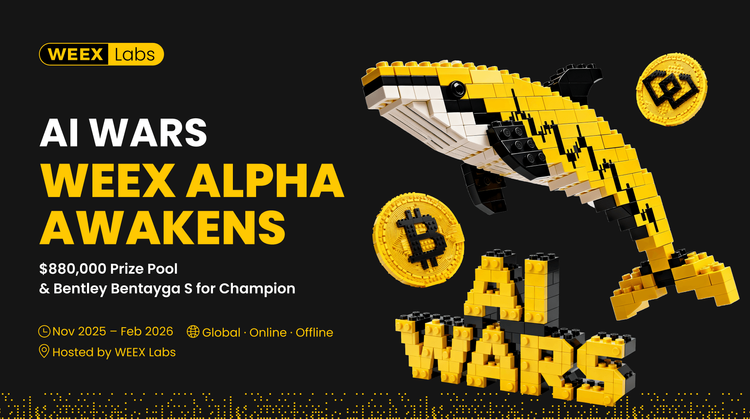
Juntar-se a AI Wars: WEEX Alpha despertou!Global Call for AI Trading Alphas
AI Wars: WEEX Alpha Awakens é um hackathon global de negociação de IA em Dubai, chamando equipes de quantidade, traders algoritmicos e desenvolvedores de IA para lançar suas estratégias de negociação de criptomoedas de IA em mercados ao vivo por uma parte de um pool de prêmios de US $ 880,000.

Novo: Preço estimado de liquidação no app candlestick gráficos
WEEX introduziu um novo preço de liquidação estimado (Est. Liq. Preço) recurso no gráfico do candlestick para ajudar os traders a gerenciar melhor o risco e identificar intervalos seguros para suas posições.
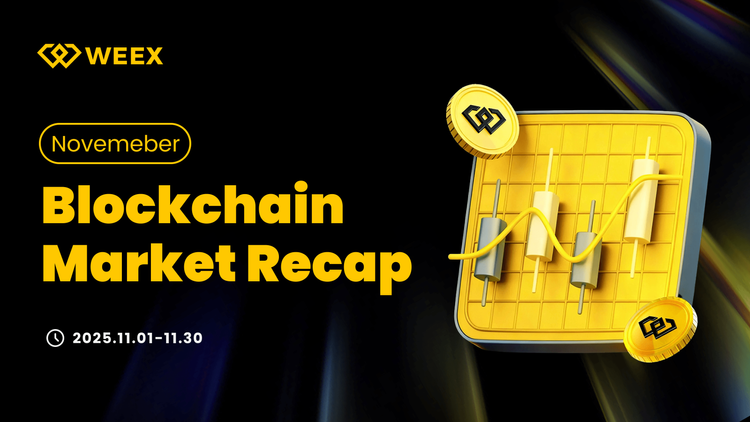
Novembro de 2025 Revisão do Mercado de Cripto: Correção de Preços, Redempções de ETFs e Evolução da Blockchain
Novembro de 2025 viu volatilidade pronunciada e uma correção estrutural dentro do ecossistema blockchain mais amplo, impulsionado principalmente por previsões macroeconômicas flutuantes e dinâmicas específicas de fluxo de capital.

Vantagens VIP da WEEX
Cada nível VIP oferece benefícios exclusivos cuidadosamente personalizados para apoiar seu sucesso de negociação, incluindo limites de retirada mais altos, taxas reduzidas e suporte premium.

WEEX at Blockchain Life 2025: Conectando comunidades e impulsionando inovação em Dubai
A participação da WEEX em Blockchain Life 2025 foi um marco significativo na nossa jornada para nos tornarmos líderes globais no espaço criptográfico. À medida que continuamos a expandir nosso alcance, continuamos comprometidos em construir liquidez mais profunda e maiores oportunidades para comerciantes, influenciadores e toda a comunidade blockchain.

WEEX no Jantar de boas-vindas da CONF3RENCE Dortmund 2025
Para a WEEX, participar da CONF3RENCE Dortmund marca mais um passo importante em sua estratégia de expansão global.

Por que suas conversas no ChatGPT podem não permanecer privadas: Aviso urgente de Sam Altman em 5 de agosto de 2025
Imagine desabafar com um confidente de confiança, apenas para descobrir que esses detalhes íntimos podem acabar...
O Bitcoin está a caminho de atingir $200.000 em 2025? Analista chama de ‘Muito Improvável’
Ao olharmos para o cenário das criptomoedas nesta data, 5 de agosto de 2025, o Bitcoin continua a cativar investidores…
Bitfarms lança programa de recompra de ações de 10%, considerando as ações subvalorizadas em meio à mudança para a IA
Imagine uma empresa que não está apenas aproveitando a onda da mineração de Bitcoin, mas também rumando com ousadia em direção ao futuro...
Bitcoin deve ter grande alta em 2026, com o ciclo tradicional de quatro anos perdendo força, prevê CIO da Bitwise
Imagine o Bitcoin se libertando de seus antigos ritmos, assim como um atleta experiente abandonando uma rotina de treinamento previsível...
Baleia Bitcoin da era Satoshi retira 80.000 BTC no valor de US$ 9 bilhões através da Galaxy Digital em meio à crescente volatilidade
Baleia Bitcoin da era Satoshi retira 80.000 BTC no valor de US$ 9 bilhões através da Galaxy Digital em meio à crescente volatilidade
Divine Research lança empréstimos criptográficos sem garantia, com tecnologia World ID de Sam Altman, a partir de 5 de agosto de 2025
Imagine entrar em um mundo onde pessoas comuns, de professores do ensino médio a vendedores de frutas, podem obter empréstimos rápidos...
Robert Kiyosaki emite novo aviso sobre os riscos de ETF de Bitcoin, ouro e prata a partir de 5 de agosto de 2025
O conhecido investidor e guru financeiro Robert Kiyosaki mais uma vez alertou sobre os perigos à espreita em...
Maior acordo comercial provoca alta no Bitcoin: 5 insights importantes para esta semana no mundo das criptomoedas
Ao entrarmos na primeira semana completa de agosto de 2025 — especificamente nesta data, 5 de agosto de 2025 —, o Bitcoin está...
Bots de negociação de IA e Copy Trading: Como estratégias sincronizadas reformulam a volatilidade do mercado de criptomoedas
Os comerciantes de criptomoedas de varejo enfrentam há muito os mesmos desafios: má gestão de risco, entradas atrasadas, decisões emocionais e execução inconsistente. As ferramentas de negociação AI prometeram uma solução. Hoje em dia, sistemas de negociação de cópia e bots de breakout apoiados por IA ajudam os comerciantes a dimensionar posições, definir paradas e agir mais rápido do que nunca. Além da velocidade e precisão, essas ferramentas estão silenciosamente reformulando os mercados - os traders não estão apenas negociando mais inteligentemente, eles estão se movendo em sincronia, criando uma nova dinâmica que amplifica tanto o risco quanto as oportunidades.
Negociação de IA em Mercados de Cripto: De robôs de negociação automatizados a estratégias algoritmicas
O comércio impulsionado por IA está mudando a criptomoeda da especulação de varejo para a concorrência de nível institucional, onde a execução e a gestão de risco importam mais do que a direção. À medida que as negociações de IA aumentam, o risco sistêmico e a pressão regulatória aumentam, tornando o desempenho a longo prazo, sistemas robustos e conformidade os principais diferenciais.
Análise de sentimentos de IA e volatilidade de criptomoedas: O que move os preços de criptomoedas
O sentimento da IA está influenciando cada vez mais os mercados de criptomoedas, com mudanças nas expectativas relacionadas à IA se traduzindo em volatilidade para os principais ativos digitais. Os mercados de criptomoedas tendem a amplificar as narrativas de IA, permitindo que os fluxos impulsionados pelo sentimento superem os fundamentos a curto prazo. Compreender como o sentimento da IA se forma e se espalha ajuda os investidores a antecipar melhor os ciclos de risco e posicionar oportunidades em todos os ativos digitais.
Juntar-se a AI Wars: WEEX Alpha despertou!Global Call for AI Trading Alphas
AI Wars: WEEX Alpha Awakens é um hackathon global de negociação de IA em Dubai, chamando equipes de quantidade, traders algoritmicos e desenvolvedores de IA para lançar suas estratégias de negociação de criptomoedas de IA em mercados ao vivo por uma parte de um pool de prêmios de US $ 880,000.
Novo: Preço estimado de liquidação no app candlestick gráficos
WEEX introduziu um novo preço de liquidação estimado (Est. Liq. Preço) recurso no gráfico do candlestick para ajudar os traders a gerenciar melhor o risco e identificar intervalos seguros para suas posições.
Novembro de 2025 Revisão do Mercado de Cripto: Correção de Preços, Redempções de ETFs e Evolução da Blockchain
Novembro de 2025 viu volatilidade pronunciada e uma correção estrutural dentro do ecossistema blockchain mais amplo, impulsionado principalmente por previsões macroeconômicas flutuantes e dinâmicas específicas de fluxo de capital.
Populares
Últimas notícias sobre cripto


Atendimento ao cliente:@weikecs
Parcerias comerciais:@weikecs
Quant trading e MM:[email protected]
Serviços VIP:[email protected]
 App
App