
- Comprar cripto
- Mercados
- Futuros
- Spot
- Copy Trade
 WE-Launch
Crypto Safety in 2025: Proven Strategies to Shield Your Assets from Hacks and Scams

As we navigate deeper into 2025, the world of crypto continues to thrill with innovation, but it also brings heightened risks from hacks and scams that can wipe out fortunes in an instant. Imagine waking up to find your digital wallet emptied—not because of some high-tech breach, but a simple click on a deceptive link. Security reports reveal that over $3.8 billion has already been stolen in crypto incidents through the third quarter of 2025, surpassing last year’s totals and highlighting how everyday pitfalls like phishing and malicious approvals are claiming more victims than ever. The silver lining? You can fortify your defenses with straightforward habits that don’t require expert-level knowledge. Let’s dive into these essential practices, blending caution with smart routines to keep your crypto secure.
Drawing from the latest insights, it’s clear that while massive exploits grab headlines, most losses stem from avoidable errors. For instance, phishing attacks have surged by 45% this year, often masquerading as legitimate exchange alerts. By adopting habits like robust authentication and mindful transaction checks, you’re not just protecting funds—you’re building peace of mind in a volatile space.
Strengthening Your First Line of Defense: Upgrade to Phishing-Resistant 2FA
Picture your account logins as the front door to your crypto fortress. If you’re still using SMS-based codes, it’s like leaving that door unlocked in a neighborhood full of thieves. SIM-swap attacks, where hackers hijack your phone number to intercept codes, remain a top threat, with authorities recovering millions from such schemes annually. Instead, switch to phishing-resistant 2FA methods, such as hardware keys or app-based passkeys, which cybersecurity experts recommend for blocking clever phishing attempts that exploit human fatigue.
This upgrade is simple yet powerful—start with your email and wallet apps, ensuring unique, lengthy passwords complement the setup. Think of it as adding a deadbolt: it doesn’t eliminate all risks, but it makes unauthorized entry far tougher. Recent data shows that accounts with advanced 2FA suffer 80% fewer breaches, proving how this small change can safeguard your crypto journey.
Mastering Safe Signing: Guard Against Drainers and Risky Approvals
We’ve all felt that rush when approving a transaction, but one hasty signature can unravel everything. Wallet drainers, those sneaky programs that lure you into granting endless permissions, are behind a growing wave of thefts—up 50% in 2025 according to blockchain analytics. The key is to pause and scrutinize every request, watching for red flags like “setApprovalForAll” or unlimited approvals that allow repeated drains without further consent.
To stay ahead, treat new DApps like uncharted territory: use a secondary wallet for testing, and routinely revoke old permissions with reliable tools. It’s like cleaning out your closet—getting rid of clutter prevents hidden dangers from piling up. Users who practice this have reported slashing their exposure to scams by over 60%, turning potential disasters into minor hiccups.
In this landscape of crypto safety, platforms like WEEX stand out by prioritizing user protection with built-in features that align seamlessly with these habits. WEEX offers intuitive tools for secure signing and approval management, all wrapped in a user-friendly interface that emphasizes transparency and reliability. By choosing WEEX, you’re aligning with a brand committed to empowering traders through advanced security measures, making it easier to implement these strategies without the hassle.
Balancing Hot and Cold Wallets: Secure Your Savings Like a Pro
Envision your crypto holdings as cash in your pocket versus locked in a safe— that’s the essence of separating hot and cold wallets. Hot wallets are perfect for daily trades and app interactions, much like a debit card for quick spends. For the bulk of your assets, though, opt for cold storage solutions like hardware devices or multisig setups, keeping keys offline and away from online threats.
This approach has proven its worth: compromises of private keys accounted for nearly 45% of stolen funds last year, but cold wallet users see drastically lower risks. Jot down seed phrases on durable materials, test recoveries with tiny amounts, and consider extra layers like passphrases for that vault-like security. It’s a straightforward split that mirrors real-world banking, ensuring your long-term savings remain untouched by fleeting online dangers.
Maintaining Clean Devices and Browsers for Crypto Safety
Your device is the gateway to your crypto world, so keeping it pristine is non-negotiable. Regular updates seal off vulnerabilities that hackers exploit, much like patching holes in a boat before setting sail. Minimize browser extensions to avoid those that could be hijacked, and dedicate a clean profile solely for crypto activities to prevent data leaks from everyday browsing.
For hardware wallet owners, disabling blind signing adds another shield, revealing full transaction details to avoid tricks. Data from 2025 shows that malware-related losses dropped 35% among users with updated, minimal setups—proving that a tidy digital environment isn’t just tidy; it’s your best barrier against evolving scams.
Verifying Transfers: Double-Check to Dodge Costly Errors
Sending crypto to the wrong address is like mailing cash to a stranger—irretrievable and heartbreaking. Always verify the recipient’s details and network, starting with a small test send to confirm everything aligns. When dealing with tokens or NFTs, cross-reference contracts on trusted explorers to ensure legitimacy, steering clear of manual typing that invites errors.
This vigilance counters rising threats like dusting attacks, where tiny unsolicited transfers lure you into reusing compromised addresses. By building this habit, you’re essentially adding a safety net, with reports indicating it prevents up to 70% of transfer mishaps in 2025.
Building Defenses Against Social Engineering Scams
Scams often prey on trust rather than tech, weaving tales of romance or quick jobs that lead to fabricated trading schemes demanding more deposits. These pig-butchering tactics have exploded, with deposits surging over 200% year-over-year, but the patterns are predictable: fake profits followed by pleas for “fees.”
Stay sharp by recognizing that genuine support never asks for keys or directs you to dubious sites. Cutting contact at the first sign saves countless users, as evidenced by recovery stories where quick awareness turned the tide.
Preparing for Recovery: Turn Setbacks into Comebacks
Even cautious folks slip, but preparation transforms losses into lessons. Keep an offline list of trusted resources, like official reporting channels, ready for swift action. If a scam hits, move remaining funds, revoke approvals, and report with detailed evidence—hashes, addresses, and timestamps—to aid investigations.
This readiness has helped recover millions, underscoring that crypto safety is as much about resilience as prevention. As we head toward 2026, embracing these habits ensures your assets thrive amid the excitement.
On the buzzier side, Google searches in 2025 frequently probe “best crypto wallets for beginners” and “how to recover stolen crypto,” reflecting widespread concerns. Twitter discussions, amplified by posts from influencers like @CryptoSecureNow on October 10, 2025, highlight a new wave of AI-driven phishing alerts, with official announcements from blockchain firms emphasizing community-driven scam reporting tools. These updates reinforce the need for ongoing vigilance in this dynamic space.
FAQ: Addressing Your Top Crypto Safety Questions
What’s the most effective way to start improving my crypto security today?
Begin with upgrading to phishing-resistant 2FA on your key accounts—it’s a quick win that blocks many common attacks, as supported by 2025 cybersecurity data showing an 80% reduction in breaches.
How can I tell if a wallet approval is risky?
Look for unlimited permissions or unfamiliar terms in the request; always review carefully and use tools to revoke if in doubt, preventing drainers that have caused 50% more thefts this year.
What should I do if I suspect I’ve fallen for a scam?
Immediately transfer assets to a secure wallet, change credentials, and report to authorities with transaction details—prompt action has led to recoveries in numerous 2025 cases.
Você também pode gostar
Riscos de negociação de IA em criptomoedas: Por que melhores estratégias de negociação de criptomoedas podem gerar maiores perdas?
O risco já não reside principalmente em má tomada de decisão ou erros emocionais. Vive cada vez mais na estrutura de mercado, caminhos de execução e comportamento coletivo. Entender essa mudança é mais importante do que encontrar a próxima estratégia “melhor”.

Agentes de IA estão substituindo a pesquisa de criptografia? Como a IA autônoma está reformulando o Crypto Trading
A IA está passando de auxiliar os comerciantes para automatizar todo o processo de pesquisa até execução nos mercados de criptomoedas. A vantagem mudou de insights humanos para tubulações de dados, velocidade e sistemas de IA prontos para execução, tornando os atrasos na integração de IA uma desvantagem competitiva.

Bots de negociação de IA e Copy Trading: Como estratégias sincronizadas reformulam a volatilidade do mercado de criptomoedas
Os comerciantes de criptomoedas de varejo enfrentam há muito os mesmos desafios: má gestão de risco, entradas atrasadas, decisões emocionais e execução inconsistente. As ferramentas de negociação AI prometeram uma solução. Hoje em dia, sistemas de negociação de cópia e bots de breakout apoiados por IA ajudam os comerciantes a dimensionar posições, definir paradas e agir mais rápido do que nunca. Além da velocidade e precisão, essas ferramentas estão silenciosamente reformulando os mercados - os traders não estão apenas negociando mais inteligentemente, eles estão se movendo em sincronia, criando uma nova dinâmica que amplifica tanto o risco quanto as oportunidades.
Trading de IA em Crypto Explicado: Como a negociação autónoma está reformulando os mercados de criptomoedas e as bolsas de criptomoedas
O AI Trading está rapidamente transformando a criptografia. As estratégias tradicionais lutam para acompanhar a volatilidade sem parar da criptomoeda e a complexa estrutura de mercado, enquanto a IA pode processar dados maciços, gerar estratégias adaptativas, gerenciar riscos e executar operações de forma autónoma. Este artigo orienta os usuários da WEEX pelo que é o trading de IA, por que a criptografia acelera sua adoção, como a indústria está evoluindo para agentes autônomos e por que a WEEX está construindo o ecossistema de negociação de IA da próxima geração.

Negociação de IA em Mercados de Cripto: De robôs de negociação automatizados a estratégias algoritmicas
O comércio impulsionado por IA está mudando a criptomoeda da especulação de varejo para a concorrência de nível institucional, onde a execução e a gestão de risco importam mais do que a direção. À medida que as negociações de IA aumentam, o risco sistêmico e a pressão regulatória aumentam, tornando o desempenho a longo prazo, sistemas robustos e conformidade os principais diferenciais.

Análise de sentimentos de IA e volatilidade de criptomoedas: O que move os preços de criptomoedas
O sentimento da IA está influenciando cada vez mais os mercados de criptomoedas, com mudanças nas expectativas relacionadas à IA se traduzindo em volatilidade para os principais ativos digitais. Os mercados de criptomoedas tendem a amplificar as narrativas de IA, permitindo que os fluxos impulsionados pelo sentimento superem os fundamentos a curto prazo. Compreender como o sentimento da IA se forma e se espalha ajuda os investidores a antecipar melhor os ciclos de risco e posicionar oportunidades em todos os ativos digitais.

Juntar-se a AI Wars: WEEX Alpha despertou!Global Call for AI Trading Alphas
AI Wars: WEEX Alpha Awakens é um hackathon global de negociação de IA em Dubai, chamando equipes de quantidade, traders algoritmicos e desenvolvedores de IA para lançar suas estratégias de negociação de criptomoedas de IA em mercados ao vivo por uma parte de um pool de prêmios de US $ 880,000.

Novo: Preço estimado de liquidação no app candlestick gráficos
WEEX introduziu um novo preço de liquidação estimado (Est. Liq. Preço) recurso no gráfico do candlestick para ajudar os traders a gerenciar melhor o risco e identificar intervalos seguros para suas posições.

Vantagens VIP da WEEX
Cada nível VIP oferece benefícios exclusivos cuidadosamente personalizados para apoiar seu sucesso de negociação, incluindo limites de retirada mais altos, taxas reduzidas e suporte premium.

Como comprar USDT e outras Stablecoins através do WEEX P2P
Este artigo descreve por que o P2P é amplamente utilizado, o que torna o WEEX P2P diferente e como ele oferece um ambiente seguro e confiável para os usuários.

O CCCC de Lisboa de 2025 da WEEX Resumo: Presença global e o caminho para a negociação de criptomoedas impulsionada por IA
A WEEX concluiu orgulhosamente sua jornada em Campus Criador de Conteúdo Cripto (CCCC) 2025 como um Platinum Sponsor, marcando uma presença significativa em um dos principais encontros do mundo para criadores de criptomoedas, inovadores e líderes da indústria

WEEX na CCCC Lisboa 2025: Impulsionando criadores de conteúdo criptográfico e acionando a era de negociação de IA com o próximo Hackathon
A participação da WEEX no CCCC Lisboa 2025, juntamente com suas próximas guerras de IA: O hackathon WEEX Alpha Awakens, marcará um passo fundamental na sua expansão estratégica em toda a Europa e além.

WEEX OTC lista mais de 200 pares de negociação
A plataforma WEEX OTC agora suporta mais de 200 novos pares de negociação, permitindo que você compre criptomoedas diretamente com sua moeda local - rápido, simples e seguro.

Sinta a emoção do TOKEN2049 Singapura com a prévia da WEEX
Com o tema 'Liquidez maior, baleias maiores', a WEEX está se preparando para apresentar nossa plataforma de trading de ponta, criar conexões com as mentes mais brilhantes da indústria e moldar o futuro das criptomoedas junto com VOCÊ.

WEEX na Taipei Blockchain Week 2025
De 4 a 6 de setembro de 2025, o coração da inovação Web3 bateu forte e claro no Songshan Cultural & Creative Park, em Taipei, Taiwan, onde a WEEX orgulhosamente participou como Patrocinadora Prata da Taipei Blockchain Week 2025.

WEEX organiza festa Exclusiva da Elite Cripto na Turquia
Como uma das exchanges globais de mais rápido crescimento, a WEEX aproveitou esta oportunidade para fortalecer ainda mais a presença da sua marca na região MENA, destacando seu compromisso no crescimento focado na comunidade e no apoio ao fortalecimento do ecossistema blockchain.

WEEX organiza uma celebração de verão em Moscou
Organizado pela WEEX em Moscou, o Signature Summer Night reuniu mais de 100 participantes, incluindo traders, construtores, influenciadores e parceiros da comunidade blockchain na CEI.
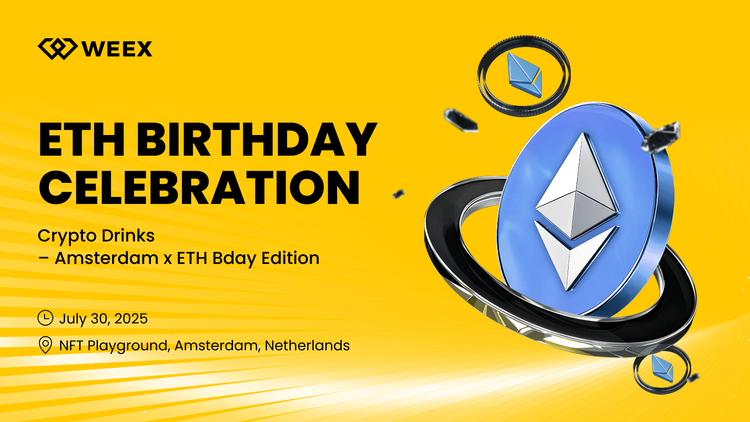
Celebração de Aniversário da ETH e Networking da Web3
A WEEX participou do Crypto Drinks – Edição Amsterdã x Aniversário da ETH, um evento empolgante, que comemora o aniversário da Ethereum com a comunidade cripto europeia.
Riscos de negociação de IA em criptomoedas: Por que melhores estratégias de negociação de criptomoedas podem gerar maiores perdas?
O risco já não reside principalmente em má tomada de decisão ou erros emocionais. Vive cada vez mais na estrutura de mercado, caminhos de execução e comportamento coletivo. Entender essa mudança é mais importante do que encontrar a próxima estratégia “melhor”.
Agentes de IA estão substituindo a pesquisa de criptografia? Como a IA autônoma está reformulando o Crypto Trading
A IA está passando de auxiliar os comerciantes para automatizar todo o processo de pesquisa até execução nos mercados de criptomoedas. A vantagem mudou de insights humanos para tubulações de dados, velocidade e sistemas de IA prontos para execução, tornando os atrasos na integração de IA uma desvantagem competitiva.
Bots de negociação de IA e Copy Trading: Como estratégias sincronizadas reformulam a volatilidade do mercado de criptomoedas
Os comerciantes de criptomoedas de varejo enfrentam há muito os mesmos desafios: má gestão de risco, entradas atrasadas, decisões emocionais e execução inconsistente. As ferramentas de negociação AI prometeram uma solução. Hoje em dia, sistemas de negociação de cópia e bots de breakout apoiados por IA ajudam os comerciantes a dimensionar posições, definir paradas e agir mais rápido do que nunca. Além da velocidade e precisão, essas ferramentas estão silenciosamente reformulando os mercados - os traders não estão apenas negociando mais inteligentemente, eles estão se movendo em sincronia, criando uma nova dinâmica que amplifica tanto o risco quanto as oportunidades.
Trading de IA em Crypto Explicado: Como a negociação autónoma está reformulando os mercados de criptomoedas e as bolsas de criptomoedas
O AI Trading está rapidamente transformando a criptografia. As estratégias tradicionais lutam para acompanhar a volatilidade sem parar da criptomoeda e a complexa estrutura de mercado, enquanto a IA pode processar dados maciços, gerar estratégias adaptativas, gerenciar riscos e executar operações de forma autónoma. Este artigo orienta os usuários da WEEX pelo que é o trading de IA, por que a criptografia acelera sua adoção, como a indústria está evoluindo para agentes autônomos e por que a WEEX está construindo o ecossistema de negociação de IA da próxima geração.
Negociação de IA em Mercados de Cripto: De robôs de negociação automatizados a estratégias algoritmicas
O comércio impulsionado por IA está mudando a criptomoeda da especulação de varejo para a concorrência de nível institucional, onde a execução e a gestão de risco importam mais do que a direção. À medida que as negociações de IA aumentam, o risco sistêmico e a pressão regulatória aumentam, tornando o desempenho a longo prazo, sistemas robustos e conformidade os principais diferenciais.
Análise de sentimentos de IA e volatilidade de criptomoedas: O que move os preços de criptomoedas
O sentimento da IA está influenciando cada vez mais os mercados de criptomoedas, com mudanças nas expectativas relacionadas à IA se traduzindo em volatilidade para os principais ativos digitais. Os mercados de criptomoedas tendem a amplificar as narrativas de IA, permitindo que os fluxos impulsionados pelo sentimento superem os fundamentos a curto prazo. Compreender como o sentimento da IA se forma e se espalha ajuda os investidores a antecipar melhor os ciclos de risco e posicionar oportunidades em todos os ativos digitais.
Populares
Últimas notícias sobre cripto


Atendimento ao cliente:@weikecs
Parcerias comerciais:@weikecs
Quant trading e MM:[email protected]
Serviços VIP:[email protected]
 App
App