
- Comprar cripto
- Mercados
- Futuros
- Spot
- Copy Trade
 WE-Launch
Stablecoin Surge Poses Cryptoization Risks While Uneven Regulations Leave Global Economies Vulnerable — Moody’s Insights

As the world dives deeper into the digital asset era, stablecoins are booming, but this growth isn’t without its pitfalls. Imagine stablecoins as the reliable anchors in a stormy sea of volatile cryptocurrencies—they’re designed to hold steady value, often tied to stable fiat currencies like the US dollar. Yet, according to a recent Moody’s Ratings report, this very stability could erode the foundations of traditional finance, especially in emerging markets where “cryptoization” is quietly reshaping economies. It’s like watching a new currency system sneak in through the back door, challenging central banks’ grip on money matters.
Emerging Markets Face Heightened Cryptoization Threats from Stablecoin Adoption
Picture this: in places like Latin America, Southeast Asia, and Africa, people aren’t just dabbling in crypto for fun—they’re using stablecoins for everyday needs like sending money home or dodging inflation’s bite. Moody’s highlights how this shift, driven by remittances and mobile payments, is accelerating faster here than in developed nations. But here’s the catch: as individuals swap traditional bank deposits for stablecoins stored in digital wallets, banks could see their funds dry up, weakening their ability to lend and stabilize the economy.
This cryptoization trend undermines central banks’ tools, such as controlling interest rates or maintaining exchange rate stability. Moody’s warns that without robust oversight, a sudden loss of confidence could spark runs on stablecoin reserves, potentially leading to government bailouts that strain public resources. To put it in perspective, think of it like a house of cards: stablecoins seem safe, but if the peg breaks—much like historical currency crises—it could cascade into broader financial turmoil. Evidence from Moody’s analysis shows that in emerging economies, where inflation hedging is a key driver, stablecoin usage has surged, with global digital asset ownership climbing to an estimated 700 million people as of September 2025, marking a 24% increase from 2024’s 562 million, based on updated industry reports from sources like Chainalysis.
Fragmented Global Regulations Expose Vulnerabilities in Stablecoin Ecosystems
While some regions are stepping up, the global regulatory landscape for stablecoins and cryptocurrencies remains patchy, with less than a third of countries having solid frameworks in place. This unevenness leaves many economies open to shocks, as Moody’s points out. In contrast, advanced economies benefit from clearer rules that encourage safe adoption, but emerging markets often lag, amplifying risks.
For instance, the rapid embrace of stablecoins brings financial inclusion—think easier cross-border payments for the unbanked—but without checks, it invites instability. Moody’s report emphasizes that insufficient monitoring could lead to systemic vulnerabilities, where a peg collapse forces costly interventions. Real-world parallels abound: remember the 2022 TerraUSD debacle, which wiped out billions and shook investor trust? Such events underscore why fragmented rules are a ticking time bomb.
Progress in Key Regions: Europe, US, and China Tighten Stablecoin Oversight
On a brighter note, major players are forging ahead. Europe’s Markets in Crypto-Assets (MiCA) framework fully took effect on December 30, 2024, creating uniform standards for crypto service providers and mandating reserves for stablecoins. It’s like building a sturdy fence around a wild garden, ensuring growth without chaos.
In the United States, the GENIUS Act, signed into law on July 18, set enforceable guidelines for stablecoin issuance and backing, aiming to protect users while fostering innovation. Even China, after its 2021 crackdown on crypto trading and mining, is pivoting. Recent developments in August 2025 suggest Beijing is exploring yuan-backed stablecoins under strict controls, with the People’s Bank of China (PBOC) launching a new digital yuan operations center in Shanghai on Thursday to boost blockchain and cross-border payments.
These moves contrast sharply with the regulatory voids elsewhere, highlighting how proactive policies can mitigate cryptoization risks. As Moody’s notes, such frameworks not only safeguard economies but also build trust, drawing in more participants.
Latest Updates and Online Buzz: What’s Trending on Stablecoin Regulations
Diving into the latest chatter, Google searches for “stablecoin risks and regulations” have spiked in 2025, with users frequently asking about cryptoization’s impact on everyday banking and how to safely invest in stablecoins amid volatility. On Twitter, discussions exploded following Moody’s report, with trending topics like #StablecoinBoom and #CryptoizationRisks garnering thousands of posts. A notable tweet from a fintech analyst on September 25, 2025, warned, “Moody’s is spot on—emerging markets could face deposit flight if stablecoin rules don’t catch up,” echoing widespread concerns. Official announcements, such as the PBOC’s Shanghai center launch, have fueled optimism, with updates as recent as September 28, 2025, confirming expanded pilots for digital yuan integration with stablecoins.
In this evolving landscape, platforms like WEEX exchange stand out by aligning seamlessly with these regulatory shifts. WEEX offers a secure, user-friendly environment for trading stablecoins, emphasizing compliance and transparency to enhance your crypto journey. Whether you’re hedging against inflation or exploring remittances, WEEX’s robust tools and positive track record make it a reliable choice, boosting your confidence in a fragmented world.
This alignment with global standards not only promotes financial stability but also empowers users, much like how a well-regulated highway allows safer, faster travel compared to bumpy backroads.
FAQ
What exactly is cryptoization, and why should I care about it?
Cryptoization refers to the growing use of cryptocurrencies and stablecoins that can weaken traditional monetary systems, like reducing central banks’ control over economies. It matters because it could affect your savings, inflation rates, and overall financial stability, especially in emerging markets where adoption is skyrocketing.
How are stablecoins regulated in major economies like the US and Europe?
In the US, the GENIUS Act enforces standards for stablecoin issuance, ensuring they’re backed reliably. Europe’s MiCA provides a comprehensive framework with licensing and reserve requirements, both aiming to prevent risks like peg failures while supporting innovation.
Can stablecoins really replace traditional banking in emerging markets?
While stablecoins offer benefits like faster remittances and inflation protection, they risk eroding bank deposits and monetary control if unregulated. However, with proper oversight, they can complement banking, as seen in regions where adoption has grown to 700 million users globally by September 2025.
Você também pode gostar
Riscos de negociação de IA em criptomoedas: Por que melhores estratégias de negociação de criptomoedas podem gerar maiores perdas?
O risco já não reside principalmente em má tomada de decisão ou erros emocionais. Vive cada vez mais na estrutura de mercado, caminhos de execução e comportamento coletivo. Entender essa mudança é mais importante do que encontrar a próxima estratégia “melhor”.

Agentes de IA estão substituindo a pesquisa de criptografia? Como a IA autônoma está reformulando o Crypto Trading
A IA está passando de auxiliar os comerciantes para automatizar todo o processo de pesquisa até execução nos mercados de criptomoedas. A vantagem mudou de insights humanos para tubulações de dados, velocidade e sistemas de IA prontos para execução, tornando os atrasos na integração de IA uma desvantagem competitiva.
Trading de IA em Crypto Explicado: Como a negociação autónoma está reformulando os mercados de criptomoedas e as bolsas de criptomoedas
O AI Trading está rapidamente transformando a criptografia. As estratégias tradicionais lutam para acompanhar a volatilidade sem parar da criptomoeda e a complexa estrutura de mercado, enquanto a IA pode processar dados maciços, gerar estratégias adaptativas, gerenciar riscos e executar operações de forma autónoma. Este artigo orienta os usuários da WEEX pelo que é o trading de IA, por que a criptografia acelera sua adoção, como a indústria está evoluindo para agentes autônomos e por que a WEEX está construindo o ecossistema de negociação de IA da próxima geração.

Negociação de IA em Mercados de Cripto: De robôs de negociação automatizados a estratégias algoritmicas
O comércio impulsionado por IA está mudando a criptomoeda da especulação de varejo para a concorrência de nível institucional, onde a execução e a gestão de risco importam mais do que a direção. À medida que as negociações de IA aumentam, o risco sistêmico e a pressão regulatória aumentam, tornando o desempenho a longo prazo, sistemas robustos e conformidade os principais diferenciais.

Análise de sentimentos de IA e volatilidade de criptomoedas: O que move os preços de criptomoedas
O sentimento da IA está influenciando cada vez mais os mercados de criptomoedas, com mudanças nas expectativas relacionadas à IA se traduzindo em volatilidade para os principais ativos digitais. Os mercados de criptomoedas tendem a amplificar as narrativas de IA, permitindo que os fluxos impulsionados pelo sentimento superem os fundamentos a curto prazo. Compreender como o sentimento da IA se forma e se espalha ajuda os investidores a antecipar melhor os ciclos de risco e posicionar oportunidades em todos os ativos digitais.

Guerras da IA: Guia do participante
Nesta batalha final, os melhores desenvolvedores, analistas quantitativos e traders de todo o mundo irão lançar seus algoritmos em batalhas no mercado real, competindo por um dos maiores prêmios da história do trading de criptomoedas com IA: 880.000 dólares, incluindo um Bentley Bentayga S para o campeão. Este guia irá guiá-lo por todas as etapas necessárias, desde a inscrição até o início oficial da competição.
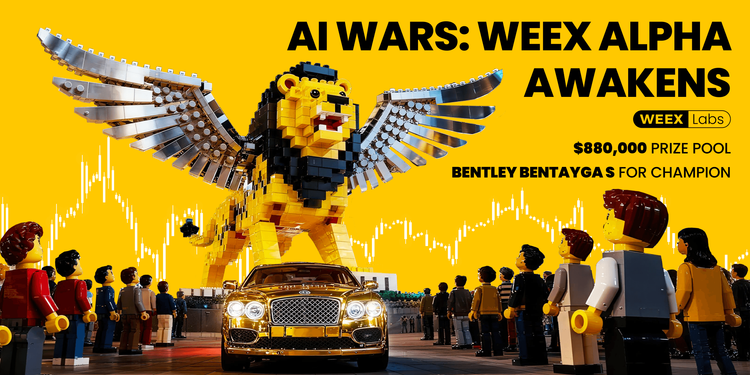
Guerras da IA: WEEX Alpha Awakens | Guia do processo de teste do WEEX Global Hackathon API
AI Wars: O registro do WEEX Alpha Awakens está agora aberto. e este guia descreve como acessar o teste da API e concluir com sucesso o processo.

WEEX lança Hackathon Global de Negociação de IA com $880,000 Prize Pool e Bentley para Campeão
Guerras AI: WEEX Alpha Awakens é mais do que uma competição — é um palco global onde a inovação, a estratégia e o domínio algorítmico convergem. Desde a pré-inscrição até as finais ao vivo em Dubai, os participantes irão navegar pela volatilidade real do mercado, enfrentar desafios extremos e mostrar suas habilidades de negociação de IA para recompensas sem precedentes. Com prêmios de US$ 880.000, incentivos do WXT, um Bentley Bentayga S para o campeão e o apoio de parceiros líderes da indústria, este evento reforça a visão estratégica da WEEX para liderar a negociação impulsionada por IA, expandir sua influência global e cultivar uma comunidade de inovadores de ponta. A arena está aberta – a WEEX chama equipes ambiciosas em todo o mundo para se juntarem, competirem e moldarem a próxima era de negociação de criptomoedas impulsionada por IA.
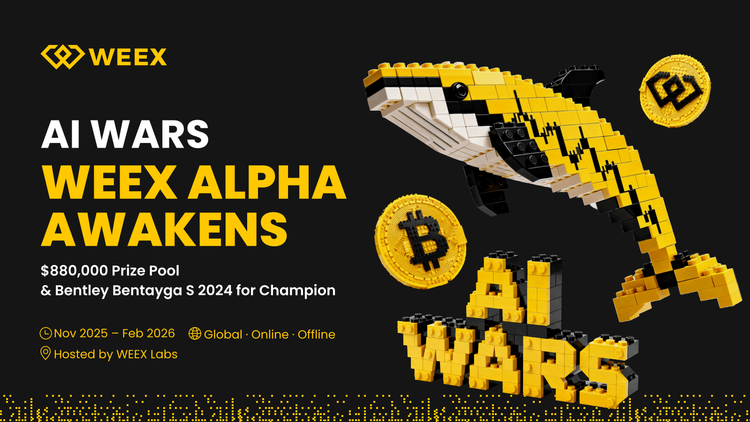
Guerras da IA: WEEX Alpha Awakens | Guia de inscrição do WEEX Global Hackathon
Guerras AI: O registro do WEEX Alpha Awakens está agora aberto, e este guia detalha como se inscrever, se candidatar, participar do teste API e entrar sem problemas em cada etapa da competição. Por favor leia atentamente para garantir que você complete cada passo com sucesso e aproveite ao máximo todas as oportunidades no evento.

Como comprar USDT e outras Stablecoins através do WEEX P2P
Este artigo descreve por que o P2P é amplamente utilizado, o que torna o WEEX P2P diferente e como ele oferece um ambiente seguro e confiável para os usuários.

O CCCC de Lisboa de 2025 da WEEX Resumo: Presença global e o caminho para a negociação de criptomoedas impulsionada por IA
A WEEX concluiu orgulhosamente sua jornada em Campus Criador de Conteúdo Cripto (CCCC) 2025 como um Platinum Sponsor, marcando uma presença significativa em um dos principais encontros do mundo para criadores de criptomoedas, inovadores e líderes da indústria

WEEX na CCCC Lisboa 2025: Impulsionando criadores de conteúdo criptográfico e acionando a era de negociação de IA com o próximo Hackathon
A participação da WEEX no CCCC Lisboa 2025, juntamente com suas próximas guerras de IA: O hackathon WEEX Alpha Awakens, marcará um passo fundamental na sua expansão estratégica em toda a Europa e além.

WEEX OTC lista mais de 200 pares de negociação
A plataforma WEEX OTC agora suporta mais de 200 novos pares de negociação, permitindo que você compre criptomoedas diretamente com sua moeda local - rápido, simples e seguro.
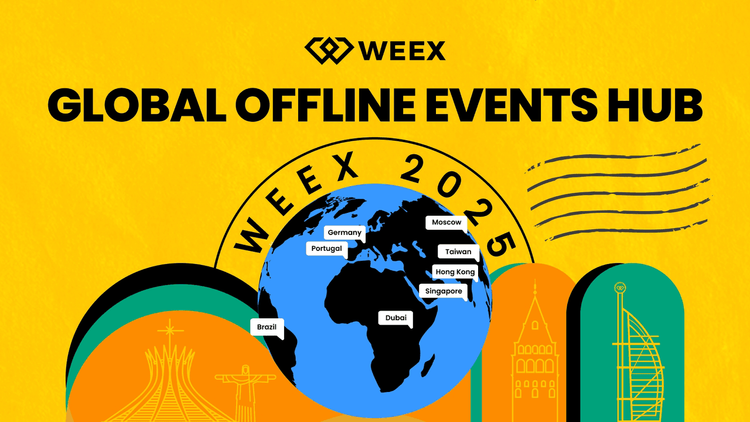
Série de eventos presenciais ao redor do mundo coloca a WEEX em destaque em 2025
Por dentro da presença global da WEEX: expansão contínua

Sinta a emoção do TOKEN2049 Singapura com a prévia da WEEX
Com o tema 'Liquidez maior, baleias maiores', a WEEX está se preparando para apresentar nossa plataforma de trading de ponta, criar conexões com as mentes mais brilhantes da indústria e moldar o futuro das criptomoedas junto com VOCÊ.

WEEX na Taipei Blockchain Week 2025
De 4 a 6 de setembro de 2025, o coração da inovação Web3 bateu forte e claro no Songshan Cultural & Creative Park, em Taipei, Taiwan, onde a WEEX orgulhosamente participou como Patrocinadora Prata da Taipei Blockchain Week 2025.

WEEX organiza festa Exclusiva da Elite Cripto na Turquia
Como uma das exchanges globais de mais rápido crescimento, a WEEX aproveitou esta oportunidade para fortalecer ainda mais a presença da sua marca na região MENA, destacando seu compromisso no crescimento focado na comunidade e no apoio ao fortalecimento do ecossistema blockchain.

WEEX organiza uma celebração de verão em Moscou
Organizado pela WEEX em Moscou, o Signature Summer Night reuniu mais de 100 participantes, incluindo traders, construtores, influenciadores e parceiros da comunidade blockchain na CEI.
Riscos de negociação de IA em criptomoedas: Por que melhores estratégias de negociação de criptomoedas podem gerar maiores perdas?
O risco já não reside principalmente em má tomada de decisão ou erros emocionais. Vive cada vez mais na estrutura de mercado, caminhos de execução e comportamento coletivo. Entender essa mudança é mais importante do que encontrar a próxima estratégia “melhor”.
Agentes de IA estão substituindo a pesquisa de criptografia? Como a IA autônoma está reformulando o Crypto Trading
A IA está passando de auxiliar os comerciantes para automatizar todo o processo de pesquisa até execução nos mercados de criptomoedas. A vantagem mudou de insights humanos para tubulações de dados, velocidade e sistemas de IA prontos para execução, tornando os atrasos na integração de IA uma desvantagem competitiva.
Trading de IA em Crypto Explicado: Como a negociação autónoma está reformulando os mercados de criptomoedas e as bolsas de criptomoedas
O AI Trading está rapidamente transformando a criptografia. As estratégias tradicionais lutam para acompanhar a volatilidade sem parar da criptomoeda e a complexa estrutura de mercado, enquanto a IA pode processar dados maciços, gerar estratégias adaptativas, gerenciar riscos e executar operações de forma autónoma. Este artigo orienta os usuários da WEEX pelo que é o trading de IA, por que a criptografia acelera sua adoção, como a indústria está evoluindo para agentes autônomos e por que a WEEX está construindo o ecossistema de negociação de IA da próxima geração.
Negociação de IA em Mercados de Cripto: De robôs de negociação automatizados a estratégias algoritmicas
O comércio impulsionado por IA está mudando a criptomoeda da especulação de varejo para a concorrência de nível institucional, onde a execução e a gestão de risco importam mais do que a direção. À medida que as negociações de IA aumentam, o risco sistêmico e a pressão regulatória aumentam, tornando o desempenho a longo prazo, sistemas robustos e conformidade os principais diferenciais.
Análise de sentimentos de IA e volatilidade de criptomoedas: O que move os preços de criptomoedas
O sentimento da IA está influenciando cada vez mais os mercados de criptomoedas, com mudanças nas expectativas relacionadas à IA se traduzindo em volatilidade para os principais ativos digitais. Os mercados de criptomoedas tendem a amplificar as narrativas de IA, permitindo que os fluxos impulsionados pelo sentimento superem os fundamentos a curto prazo. Compreender como o sentimento da IA se forma e se espalha ajuda os investidores a antecipar melhor os ciclos de risco e posicionar oportunidades em todos os ativos digitais.
Guerras da IA: Guia do participante
Nesta batalha final, os melhores desenvolvedores, analistas quantitativos e traders de todo o mundo irão lançar seus algoritmos em batalhas no mercado real, competindo por um dos maiores prêmios da história do trading de criptomoedas com IA: 880.000 dólares, incluindo um Bentley Bentayga S para o campeão. Este guia irá guiá-lo por todas as etapas necessárias, desde a inscrição até o início oficial da competição.
Populares
Últimas notícias sobre cripto


Atendimento ao cliente:@weikecs
Parcerias comerciais:@weikecs
Quant trading e MM:[email protected]
Serviços VIP:[email protected]
 App
App