
- Comprar cripto
- Mercados
- Futuros
- Spot
- Copy Trade
 WE-Launch
Vana Mainnet and Tokenomics are about to go live, reshaping the Internet AI data trading model

Personal data has become the cornerstone of the internet economy. Over the past two decades, we have embraced a simple transactional model: platforms collect user data by offering free services and monetize it. This model—where "if you're not paying, you're the product"—has shaped various forms of businesses from targeted advertising to data brokers.
The rise of AI has made the situation even more complex. Platforms now sell user data for billions of dollars to train AI models—transforming personal information from a resource for targeted advertising into a core building block of artificial intelligence. However, the users generating this data have not reaped the corresponding value.
This was not the original intent. The architects of the internet envisioned user control of personal information, not platforms. Tim Berners-Lee spent years working to restore this data sovereignty. However, the convenience of cloud infrastructure and the ubiquity of free services eventually took over, making platforms the rulers of our digital world.
Today, two transformative shifts are converging: AI is exponentially increasing the value of personal data, while advancements in decentralized technologies are finally empowering individuals to control their data.
Vana is the first open-source data sovereignty protocol. It allows users to export their data from platforms and join a data commons, engaging directly with AI companies and developers. Through encrypted personal storage and client-side computation, users retain control of their data while achieving network effects that were previously only possible through centralized platforms. It provides a self-sovereign internet where both parties benefit: developers can leverage ideal datasets to build groundbreaking applications, and users have full control over their most valuable asset.
Today, we are launching the Vana Whitepaper ahead of the mainnet release. In this paper, we will explore how Vana transforms personal data from an extracted resource into an asset class controlled by creators.
Overcoming the Double Spending Problem of Data
Unlike other digital assets, the core challenge of securitizing data lies in the fact that the economic value of data relies on access permissions—once data is made public, it loses its market value. Traditional blockchains focus on public verifiability, making them unsuitable for handling private data. Vana addresses this issue through an architecture that combines private data custody with public ownership.
The Vana Network maintains a global state that includes:
· Data Ownership Record: Cryptographic proof of data ownership
· Access Control: Who can access what data under what conditions
· Verification Proofs: Certification of data quality, authenticity, and metadata
· On-chain Data Collective Agreements and Token Balances: Economic rights and governance
Although data remains encrypted and stored on individual servers or in secure enclaves, the network enables users to programmatically control who can access the data, under what conditions, and how to attribute value back to the data creator.
In practice, users can export their private data from any platform and store it in a personally controlled server protected by encryption keys, then join data collectives on Vana, which pool together similar categories of user data. These data collectives are referred to as DataDAOs, which can negotiate with AI model trainers or app developers, agreeing on compensation for data usage. When external developers purchase data, data pool contributors receive corresponding rewards.
DataDAOs and Data Tokens
The data liquidity pool is a coordination mechanism that transforms individual data into a new asset class by mapping non-fungible data to fungible data tokens. It instantiates DataDAOs through smart contracts, representing contributors, developers, and researchers within a specific data ecosystem. When users contribute data, they receive specific DLP tokens based on the DataDAO's proof of contribution.
Each DataDAO sets different contribution proof standards based on data types. For example, financial data DLP may emphasize transaction accuracy and record integrity, while social media DLP may focus on user interactions and account longevity. Health data DLP may prioritize data effectiveness and device accuracy.
The Vana protocol provides a standardized attestation framework, storing data proofs and metadata on-chain while safeguarding data privacy. Data validation is done through Trusted Execution Environments (TEEs) in the Satya Network, ensuring quality certification while protecting privacy. Some DLPs also utilize zk technology to enhance data validation, including zk email and zktls.
As the core coordination mechanism for collective data assets in the Vana Network, DLP differs from traditional DeFi liquidity pools, which coordinate fungible token pairs, as DLP coordinates non-fungible individual contribution data while maintaining data privacy and sovereignty.
The Vana Foundation is currently collaborating with 12 high-quality DataDAOs in an accelerator program and has received 300 new applications. The current DataDAO teams consist of 2 to 5 members each, dedicated to building DLPs around specific data sources, including Twitter data, synthetic data, genetic data, and browsing data, among others. Each DataDAO will issue its own data set-specific token. You can learn more about DataDAO here.
The advantage of DLPs lies in their permissionless nature—anyone can create a DLP without needing approval from the data source platform. This is because DLPs leverage existing data privacy regulations to ensure individual users own and control their personal data exports.
When AI researchers and model developers wish to access this aggregated data, they can interact directly with the DataDAO's governance system instead of negotiating with thousands of individual users. This collective bargaining approach is transformative: data contributors receive governance tokens based on their contributions, giving them economic rights and decision-making power to determine how their data is used. The end result is a virtuous cycle where high-quality data contributions are rewarded, market forces determine fair access pricing, and users are incentivized to continue contributing data.
For example, an AI researcher may propose a phased access plan to a DataDAO, first accessing 10% of the dataset for quality control, then using the full dataset for model training—all while keeping the data encrypted and secure. In exchange, they would burn a certain amount of DLP tokens, distributing the value to data contributors. This way, as the dataset's value grows, the rewards directly benefit the contributors.
DataDAOs and VANA Token
The launch of the Vana mainnet will break the monopoly of big tech companies on data. Previously, AI companies could only collaborate with centralized platforms like Meta and Google, which control vast amounts of data, limiting developer access. This situation persisted because coordinating data access for millions of users is both a technical and social challenge.
The Vana mainnet disrupts this status quo by establishing data sovereignty infrastructure. Millions of users can aggregate data into a liquid market that can compete with big tech companies while ensuring individual privacy through encryption. The Vana mainnet creates a data economy driven by market forces, not platform monopolies.
We've laid the foundation for user data ownership: users control their data through non-custodial wallets, and the data travels with them throughout their internet activities.
The VANA token achieves this vision through several key functions:
· Securing the network through validator staking
· Paying for network operations transaction fees
· DLP staking to determine rewards distribution for different DataDAOs
· Used to purchase data access rights for all DLPs
When an AI company wants to access DLP data, they must use VANA to purchase and burn DLP tokens. This establishes a direct economic link between network usage and token value. As more AI companies need to access user data, the demand for VANA and DLP tokens increases. The burning mechanism ensures that the value is fed back to the network and data contributors.
The top 16 DataDAOs will receive rewards based on their VANA holdings to incentivize early data contributors to the network. The top 16 are selected every 3 weeks and rewards are distributed based on the performance metrics of the Vana DAO. For more information about DataDAO rewards, please click here.
In this way, VANA serves as the economic foundation of data transactions and represents the total value of data assets in the network. With more AI companies accessing DLP data, the VANA purchase and burn mechanism creates a sustainable economic system that rewards data contributors and network participants.
The New Era of Open Data Economy
The launch of the Vana mainnet marks a fundamental shift in power in the AI economy. Users can collectively challenge the data monopolies of big tech companies, turning personal data into an asset under their control. This is not only to receive rewards but to redefine who is building, controlling, and benefiting from AI.
This opportunity is both urgent and immense. AI companies are facing a data bottleneck and urgently need new training data. Through Vana, users can pool their data into datasets that can compete with big platforms while maintaining encrypted control. With each new user onboarded, the Vana network grows stronger, supporting cross-platform datasets and empowering users with data sovereignty.
We are building an AI economy for users and open-source developers, not Web2 giants. In this era, data flows freely, sovereignty is maintained, and the next generation of AI models will be trained on user-owned data, with benefits returned to data contributors, enabling top AI developers to access the ideal dataset. Join us in creating a new open data economy together.
「Original Source」
Você também pode gostar

Deixando para trás os primeiros dias caóticos, criadores de mercado de criptomoedas estão celebrando sua chegada de idade
A luta de vida ou morte para criadores de mercado de criptomoedas é como uma evolução de espécies em condições extremas.
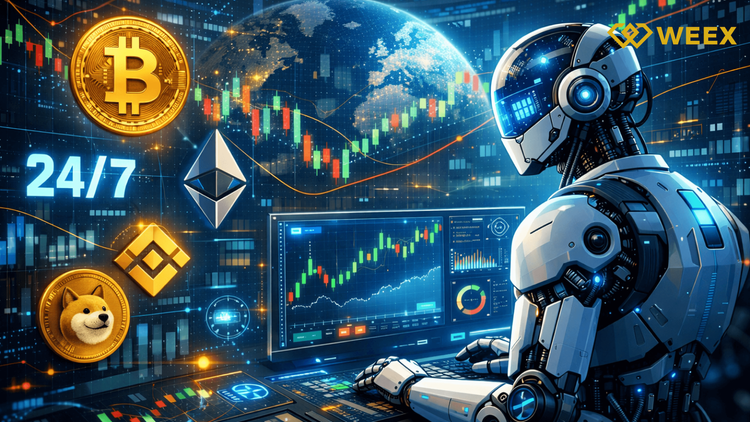
Por que os bots de negociação de IA estão se tornando essenciais nos mercados de criptomoedas 24/7.
Os mercados de criptomoedas operam continuamente e se movem mais rápido do que a atenção humana pode sustentar de forma confiável. Os preços reagem instantaneamente a eventos globais, mudanças de liquidez entre regiões e oportunidades negociáveis muitas vezes existem por minutos em vez de horas. Para muitos comerciantes, o desafio central já não é gerar ideias, mas executar decisões de forma consistente sem monitoramento constante ou interferência emocional. É aqui que os robôs de negociação de IA são cada vez mais adotados – não como garantias de lucro, mas como ferramentas projetadas para traduzir estratégias predefinidas em execução confiável e repetível.
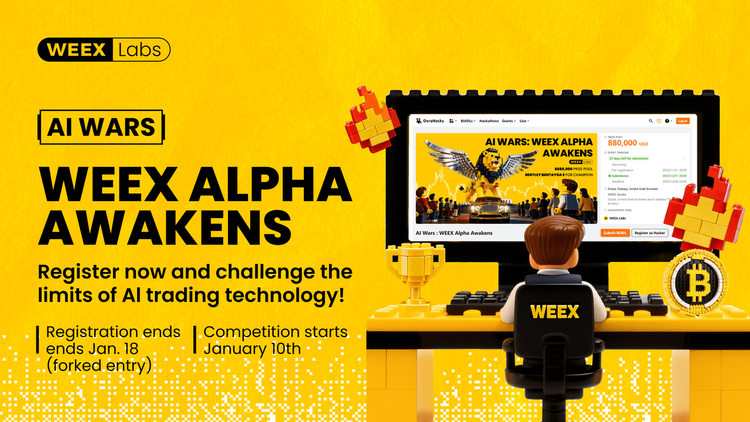
AI Crypto Trading Competition: Guia completo para conhecer o WEEX Alpha Awakens
A integração da inteligência artificial no comércio de criptomoedas evoluiu de um experimento inovador para um utilitário de núcleo. Em 2026, as ferramentas orientadas por IA tornaram-se indispensáveis para os traders que buscam disciplina aprimorada, velocidade de execução superior e tomada de decisão estruturada e baseada em dados em meio à volatilidade do mercado. Este guia fornece um desdobramento prático, passo a passo de como participar do WEEX Alpha Awakens, com um exame focado de como essas estratégias são implementadas dentro de ambientes de negociação ao vivo.

As linhas K da vida não podem curar a ansiedade, e os mercados de previsão não podem calcular o fim.
A vida real muitas vezes se desenrola além das linhas K.
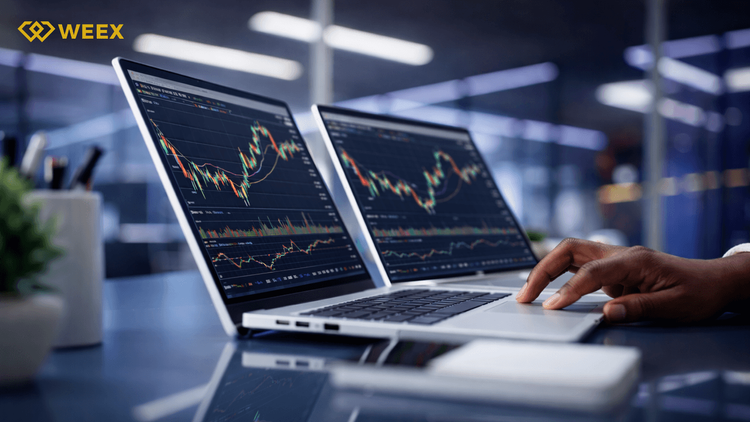
Como a IA ajuda os traders de criptomoedas a analisar os mercados, gerenciar o risco e negociar de forma mais inteligente
Negociação de criptomoedas já não é apenas sobre ter uma boa ideia - é sobre executar consistentemente em um mercado que nunca pára. À medida que os volumes de dados e a velocidade do mercado aumentam, a análise manual tradicional atinge seus limites. A IA ajuda os traders a ultrapassar esses limites transformando a forma como os mercados são analisados, como o sentimento é interpretado e como o risco é controlado. Este artigo explora como a IA está reformulando o comércio de criptomoedas – e o que isso significa para os traders hoje.

WEEX × LALIGA: Sete estrelas que representam um padrão comum de excelência
A verdadeira excelência no futebol nunca é acidental. É construído sobre disciplina, consistência e capacidade de entregar sob pressão – temporada após temporada. Os mesmos princípios se aplicam na negociação profissional, onde o desempenho a longo prazo importa mais do que o impulso de curta duração. Como parceiro regional oficial da LALIGA, a WEEX destaca sete jogadores notáveis que encarnam o espírito competitivo da liga e o apelo global. Cada um traz um estilo único ao palco, mas todos compartilham valores que se alinham estreitamente com o compromisso da WEEX com estabilidade, precisão e execução profissional. Esta parceria é construída sobre padrões compartilhados – onde consistência e controle definem o desempenho sob pressão.

De Wuhan ao Vale do Silício, Manus conseguiu isso em apenas nove meses.
Você pode chamá-lo de um “envelope”, mas envolveu seu caminho até Meta.
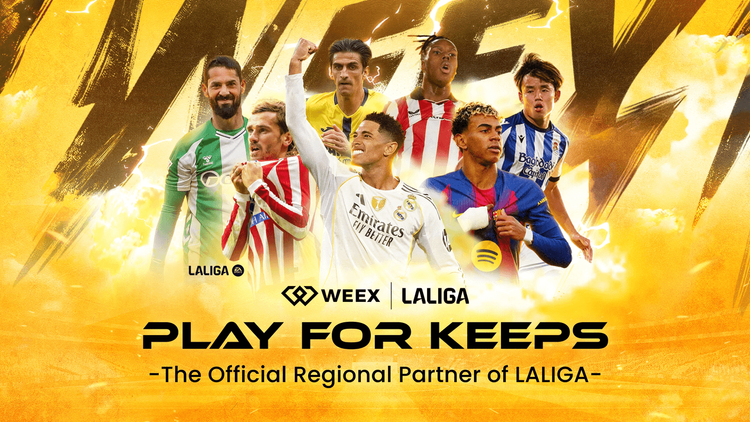
A WEEX faz parceria com a LALIGA para expandir o alcance global e integrar a criptomoeda na cultura esportiva mainstream
Hong Kong, 1 de janeiro de 2026. A WEEX entrou em nova parceria com a LALIGA, como parceira regional oficial da LALIGA em Taiwan e Hong Kong. O acordo traz a WEEX para a rede de colaboradores regionais da LALIGA e abre a porta para novas formas de envolver fãs e comerciantes durante a temporada.
Negociação de IA em Crypto: Como os traders aplicam a IA nos mercados reais de criptomoedas
A inteligência artificial passou para além da experimentação nos mercados de criptomoedas. Em 2025, as ferramentas de negociação impulsionadas por IA são cada vez mais usadas por traders que querem uma melhor disciplina, execução mais rápida e tomada de decisão mais estruturada em mercados voláteis. Este guia explica como a IA é realmente usada na negociação de criptomoedas, passo a passo - com foco em como essas estratégias são executadas em ambientes de negociação reais.

Atualização do mercado — 31 de dezembro
Desde a Coréia do Sul e a OCDE acelerando a implementação de quadros de regulamentação e conformidade de criptomoedas, ao desenvolvimento simultâneo de ETFs TAO, tecnologias de privacidade, mineração e reservas de Bitcoin, enquanto os incidentes de segurança e perdas financeiras continuam a aumentar, o mercado de criptomoedas entrou em uma nova fase em meio a múltiplos desafios de "regulação forte + evolução tecnológica + riscos amplificados".
Quando todos usam AI Trading, para onde vai a Cryptocurrency Alpha em 2026?
Em 2025, o comércio de IA tornou-se o padrão, mas o Alpha não desapareceu — ele foi erodido pela multidão, já que dados, modelos e estratégias semelhantes fazem com que os comerciantes agam de forma sincronizada e perdem sua vantagem.
O Real Alpha mudou para camadas mais difíceis de copiar, como dados comportamentais e em cadeia, qualidade de execução, gerenciamento de risco e julgamento humano em mercados extremos, onde agir de forma diferente - ou não agir de forma alguma - importa mais do que melhores previsões.

Atualização do mercado — 30 de dezembro
Brevis abre o rastreamento de aterragens; Trend Research adiciona mais de 46.000 ETH em um único dia.
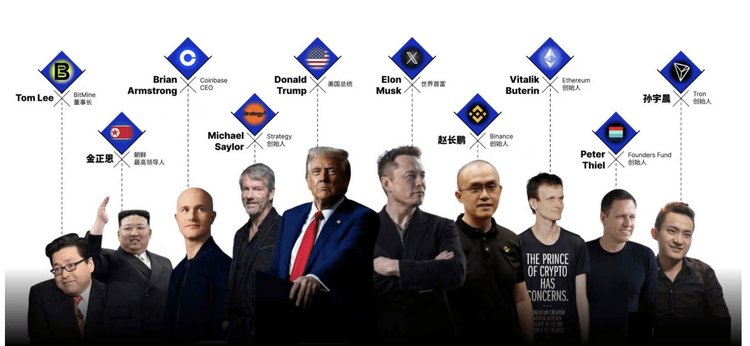
Dez pessoas redefinindo os limites do poder da criptomoeda em 2025
De Wall Street à Casa Branca, do Vale do Silício a Shenzhen, uma nova rede de energia está se formando.

Mesmo Satoshi Nakamoto teria que prestar homenagem ao Deus da Riqueza.
Feng shui se tornou a última linha de defesa psicológica.

WEEXPERIENCE Whales Night: Inteligência Artificial, Crypto Community & Crypto Market Insights
Em 12 de dezembro de 2025, a WEEX sediou a WEEXPERIENCE Whales Night, uma reunião da comunidade offline projetada para reunir membros da comunidade local de criptomoedas. O evento combinou compartilhamento de conteúdo, jogos interativos e apresentações de projetos para criar uma experiência offline relaxada e envolvente.
Riscos de negociação de IA em criptomoedas: Por que melhores estratégias de negociação de criptomoedas podem gerar maiores perdas?
O risco já não reside principalmente em má tomada de decisão ou erros emocionais. Vive cada vez mais na estrutura de mercado, caminhos de execução e comportamento coletivo. Entender essa mudança é mais importante do que encontrar a próxima estratégia “melhor”.
Agentes de IA estão substituindo a pesquisa de criptografia? Como a IA autônoma está reformulando o Crypto Trading
A IA está passando de auxiliar os comerciantes para automatizar todo o processo de pesquisa até execução nos mercados de criptomoedas. A vantagem mudou de insights humanos para tubulações de dados, velocidade e sistemas de IA prontos para execução, tornando os atrasos na integração de IA uma desvantagem competitiva.
Bots de negociação de IA e Copy Trading: Como estratégias sincronizadas reformulam a volatilidade do mercado de criptomoedas
Os comerciantes de criptomoedas de varejo enfrentam há muito os mesmos desafios: má gestão de risco, entradas atrasadas, decisões emocionais e execução inconsistente. As ferramentas de negociação AI prometeram uma solução. Hoje em dia, sistemas de negociação de cópia e bots de breakout apoiados por IA ajudam os comerciantes a dimensionar posições, definir paradas e agir mais rápido do que nunca. Além da velocidade e precisão, essas ferramentas estão silenciosamente reformulando os mercados - os traders não estão apenas negociando mais inteligentemente, eles estão se movendo em sincronia, criando uma nova dinâmica que amplifica tanto o risco quanto as oportunidades.
Deixando para trás os primeiros dias caóticos, criadores de mercado de criptomoedas estão celebrando sua chegada de idade
A luta de vida ou morte para criadores de mercado de criptomoedas é como uma evolução de espécies em condições extremas.
Por que os bots de negociação de IA estão se tornando essenciais nos mercados de criptomoedas 24/7.
Os mercados de criptomoedas operam continuamente e se movem mais rápido do que a atenção humana pode sustentar de forma confiável. Os preços reagem instantaneamente a eventos globais, mudanças de liquidez entre regiões e oportunidades negociáveis muitas vezes existem por minutos em vez de horas. Para muitos comerciantes, o desafio central já não é gerar ideias, mas executar decisões de forma consistente sem monitoramento constante ou interferência emocional. É aqui que os robôs de negociação de IA são cada vez mais adotados – não como garantias de lucro, mas como ferramentas projetadas para traduzir estratégias predefinidas em execução confiável e repetível.
AI Crypto Trading Competition: Guia completo para conhecer o WEEX Alpha Awakens
A integração da inteligência artificial no comércio de criptomoedas evoluiu de um experimento inovador para um utilitário de núcleo. Em 2026, as ferramentas orientadas por IA tornaram-se indispensáveis para os traders que buscam disciplina aprimorada, velocidade de execução superior e tomada de decisão estruturada e baseada em dados em meio à volatilidade do mercado. Este guia fornece um desdobramento prático, passo a passo de como participar do WEEX Alpha Awakens, com um exame focado de como essas estratégias são implementadas dentro de ambientes de negociação ao vivo.
As linhas K da vida não podem curar a ansiedade, e os mercados de previsão não podem calcular o fim.
A vida real muitas vezes se desenrola além das linhas K.
Como a IA ajuda os traders de criptomoedas a analisar os mercados, gerenciar o risco e negociar de forma mais inteligente
Negociação de criptomoedas já não é apenas sobre ter uma boa ideia - é sobre executar consistentemente em um mercado que nunca pára. À medida que os volumes de dados e a velocidade do mercado aumentam, a análise manual tradicional atinge seus limites. A IA ajuda os traders a ultrapassar esses limites transformando a forma como os mercados são analisados, como o sentimento é interpretado e como o risco é controlado. Este artigo explora como a IA está reformulando o comércio de criptomoedas – e o que isso significa para os traders hoje.
WEEX × LALIGA: Sete estrelas que representam um padrão comum de excelência
A verdadeira excelência no futebol nunca é acidental. É construído sobre disciplina, consistência e capacidade de entregar sob pressão – temporada após temporada. Os mesmos princípios se aplicam na negociação profissional, onde o desempenho a longo prazo importa mais do que o impulso de curta duração. Como parceiro regional oficial da LALIGA, a WEEX destaca sete jogadores notáveis que encarnam o espírito competitivo da liga e o apelo global. Cada um traz um estilo único ao palco, mas todos compartilham valores que se alinham estreitamente com o compromisso da WEEX com estabilidade, precisão e execução profissional. Esta parceria é construída sobre padrões compartilhados – onde consistência e controle definem o desempenho sob pressão.


 App
App