
- Comprar cripto
- Mercados
- Futuros
- Spot
- Copy Trade
 Renda
Renda- Mais
Vitalik: ZK-EVM and PeerDAS will solve the blockchain trilemma, enabling the Ethereum network to achieve decentralization, security, and scalability simultaneously

BlockBeats News, January 4th, Ethereum co-founder Vitalik Buterin posted on social media, stating, "With ZK-EVM entering the alpha phase (performance now at production level, remaining major work is on security), and with PeerDAS already live on the mainnet, we will delve into what this combination means for Ethereum. This is not a small upgrade; they are transforming Ethereum into a fundamentally new and more powerful decentralized network."
BitTorrent (2000) is highly bandwidth-intensive, highly decentralized, but lacks a consensus mechanism. Bitcoin (2009) is highly decentralized, has consensus, but has low bandwidth—because it does not achieve "distributed" through sharding, but through duplication of work. And now, with the addition of PeerDAS (2025) and ZK-EVM (expected to see some network usage by 2026), Ethereum now has: decentralization, consensus, and high bandwidth. The impossible trilemma has been solved, not just in papers but with running code. Half of it (data availability sampling) is already running on the mainnet today, the other half (ZK-EVM) has reached production-level performance, with the primary remaining concern being security.
Over the next approximately 4 years, this vision can be expected to unfold gradually: · 2026: Gas limit not depending on ZK-EVM will be substantially increased due to BALs and ePBS, and we will also see the first opportunities to run ZK-EVM nodes; · 2026–2028: Gas repricing, state structure adjustments, execution payloads moving into blobs, and other adjustments to enhance security for a higher gas limit; · 2027–2030: As ZK-EVM becomes the primary way of block verification on the network, a further substantial increase in the gas limit will come.
The third part of this vision is distributed block construction. A long-term ideal is: no single location should ever fully construct a complete block. Even before reaching this stage, we hope to significantly distribute substantial power in block construction. This can be achieved through on-chain methods (e.g., finding ways to expand FOCIL to become the primary channel for transactions entering blocks) as well as off-chain methods, such as a distributed builder marketplace. Doing so can reduce the risk of centralized forces intervening in real-time transaction packaging and create a more geographically equitable environment."
Você também pode gostar

O que está impulsionando os mercados de criptomoedas no início de 2026: Swings de mercado, AI Trading e ETF Flows?
Imagine verificar os preços do Bitcoin e Ethereum em um dia — um minuto a 5%, o próximo a 4%. Movimentos afiados, reversões rápidas e sensibilidade aos sinais macro marcaram a primeira semana de 2026. Após uma recuperação no início do ano, ambos os ativos se retiraram à medida que os mercados recalibravam as expectativas em torno da política monetária dos EUA e dos fluxos institucionais. Para os comerciantes — incluindo aqueles que dependem de IA ou sistemas automatizados — este período ofereceu um lembrete vivo: sinais abundantes não garantem clareza. Manter-se disciplinado na execução é muitas vezes o verdadeiro desafio.

Por que os tokens de IA estão crescendo mais rápido do que o mercado mais amplo de criptomoedas
Os tokens de IA estão superando o desempenho — e não silenciosamente. Bitcoin está em movimento. Ethereum está segurando terreno. No entanto, alguns dos ganhos relativos mais fortes vêm de tokens etiquetados com IA, não majors, nem memes. À primeira vista, isso parece intuitivo. AI é tecnologia real. Ele está moldando indústrias muito além da criptografia. Mas os mercados raramente se movem apenas pela intuição — especialmente não tão rápido. Quando os preços aceleram antes da adoção, a pergunta mais útil não é “A IA é importante?” É a versão da história da IA que o mercado está comprando – agora.

Atualização de mercado — 7 de janeiro
Bitmine investiu mais 28 mil Ethereum, no valor de cerca de 91,16 milhões de dólares.

Atualização do mercado — 31 de dezembro
Desde a Coréia do Sul e a OCDE acelerando a implementação de quadros de regulamentação e conformidade de criptomoedas, ao desenvolvimento simultâneo de ETFs TAO, tecnologias de privacidade, mineração e reservas de Bitcoin, enquanto os incidentes de segurança e perdas financeiras continuam a aumentar, o mercado de criptomoedas entrou em uma nova fase em meio a múltiplos desafios de "regulação forte + evolução tecnológica + riscos amplificados".

Atualização do mercado — 30 de dezembro
Brevis abre o rastreamento de aterragens; Trend Research adiciona mais de 46.000 ETH em um único dia.
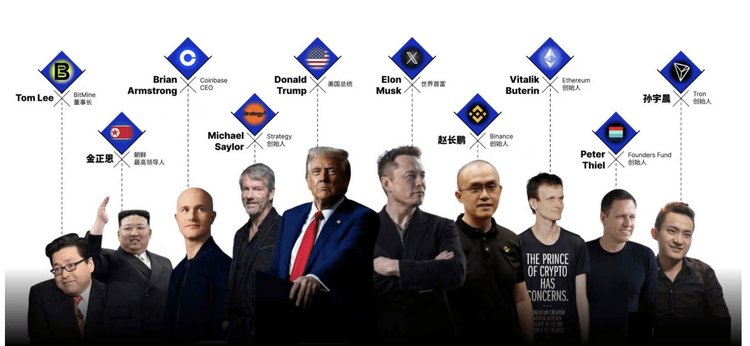
Dez pessoas redefinindo os limites do poder da criptomoeda em 2025
De Wall Street à Casa Branca, do Vale do Silício a Shenzhen, uma nova rede de energia está se formando.
Negociação de IA em Mercados de Cripto: De robôs de negociação automatizados a estratégias algoritmicas
O comércio impulsionado por IA está mudando a criptomoeda da especulação de varejo para a concorrência de nível institucional, onde a execução e a gestão de risco importam mais do que a direção. À medida que as negociações de IA aumentam, o risco sistêmico e a pressão regulatória aumentam, tornando o desempenho a longo prazo, sistemas robustos e conformidade os principais diferenciais.
Análise de sentimentos de IA e volatilidade de criptomoedas: O que move os preços de criptomoedas
O sentimento da IA está influenciando cada vez mais os mercados de criptomoedas, com mudanças nas expectativas relacionadas à IA se traduzindo em volatilidade para os principais ativos digitais. Os mercados de criptomoedas tendem a amplificar as narrativas de IA, permitindo que os fluxos impulsionados pelo sentimento superem os fundamentos a curto prazo. Compreender como o sentimento da IA se forma e se espalha ajuda os investidores a antecipar melhor os ciclos de risco e posicionar oportunidades em todos os ativos digitais.
Novembro de 2025 Revisão do Mercado de Cripto: Correção de Preços, Redempções de ETFs e Evolução da Blockchain
Novembro de 2025 viu volatilidade pronunciada e uma correção estrutural dentro do ecossistema blockchain mais amplo, impulsionado principalmente por previsões macroeconômicas flutuantes e dinâmicas específicas de fluxo de capital.

WEEX at Blockchain Life 2025: Conectando comunidades e impulsionando inovação em Dubai
A participação da WEEX em Blockchain Life 2025 foi um marco significativo na nossa jornada para nos tornarmos líderes globais no espaço criptográfico. À medida que continuamos a expandir nosso alcance, continuamos comprometidos em construir liquidez mais profunda e maiores oportunidades para comerciantes, influenciadores e toda a comunidade blockchain.
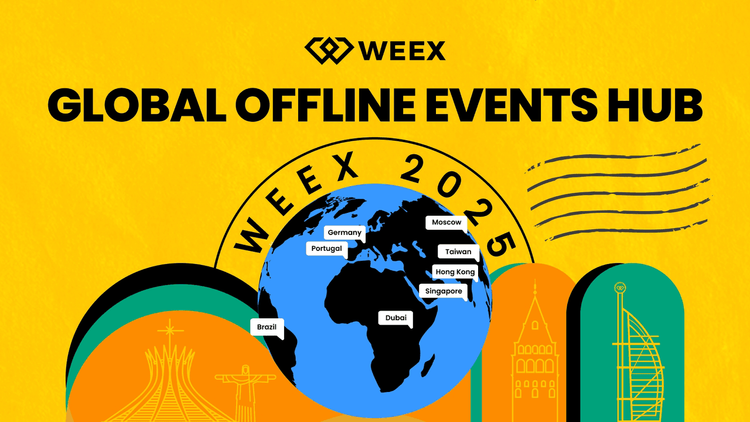
Série de eventos presenciais ao redor do mundo coloca a WEEX em destaque em 2025
Por dentro da presença global da WEEX: expansão contínua
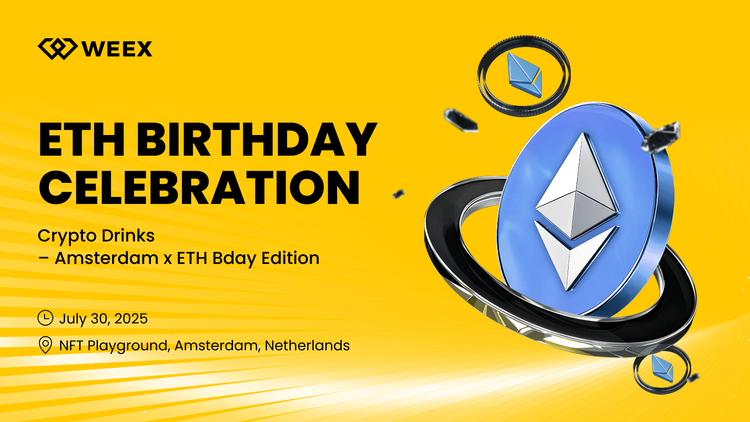
Celebração de Aniversário da ETH e Networking da Web3
A WEEX participou do Crypto Drinks – Edição Amsterdã x Aniversário da ETH, um evento empolgante, que comemora o aniversário da Ethereum com a comunidade cripto europeia.
SharpLink abocanha US$ 295 milhões em ETH em 5 de agosto de 2025 – superando toda a emissão de Ether do mês passado
Imagine uma empresa que não está apenas mergulhando no mundo das criptomoedas, mas mergulhando de cabeça, girando...
O Bitcoin está a caminho de atingir $200.000 em 2025? Analista chama de ‘Muito Improvável’
Ao olharmos para o cenário das criptomoedas nesta data, 5 de agosto de 2025, o Bitcoin continua a cativar investidores…
Bitfarms lança programa de recompra de ações de 10%, considerando as ações subvalorizadas em meio à mudança para a IA
Imagine uma empresa que não está apenas aproveitando a onda da mineração de Bitcoin, mas também rumando com ousadia em direção ao futuro...
Bitcoin deve ter grande alta em 2026, com o ciclo tradicional de quatro anos perdendo força, prevê CIO da Bitwise
Imagine o Bitcoin se libertando de seus antigos ritmos, assim como um atleta experiente abandonando uma rotina de treinamento previsível...
Baleia Bitcoin da era Satoshi retira 80.000 BTC no valor de US$ 9 bilhões através da Galaxy Digital em meio à crescente volatilidade
Baleia Bitcoin da era Satoshi retira 80.000 BTC no valor de US$ 9 bilhões através da Galaxy Digital em meio à crescente volatilidade
Divine Research lança empréstimos criptográficos sem garantia, com tecnologia World ID de Sam Altman, a partir de 5 de agosto de 2025
Imagine entrar em um mundo onde pessoas comuns, de professores do ensino médio a vendedores de frutas, podem obter empréstimos rápidos...
O que está impulsionando os mercados de criptomoedas no início de 2026: Swings de mercado, AI Trading e ETF Flows?
Imagine verificar os preços do Bitcoin e Ethereum em um dia — um minuto a 5%, o próximo a 4%. Movimentos afiados, reversões rápidas e sensibilidade aos sinais macro marcaram a primeira semana de 2026. Após uma recuperação no início do ano, ambos os ativos se retiraram à medida que os mercados recalibravam as expectativas em torno da política monetária dos EUA e dos fluxos institucionais. Para os comerciantes — incluindo aqueles que dependem de IA ou sistemas automatizados — este período ofereceu um lembrete vivo: sinais abundantes não garantem clareza. Manter-se disciplinado na execução é muitas vezes o verdadeiro desafio.
Por que os tokens de IA estão crescendo mais rápido do que o mercado mais amplo de criptomoedas
Os tokens de IA estão superando o desempenho — e não silenciosamente. Bitcoin está em movimento. Ethereum está segurando terreno. No entanto, alguns dos ganhos relativos mais fortes vêm de tokens etiquetados com IA, não majors, nem memes. À primeira vista, isso parece intuitivo. AI é tecnologia real. Ele está moldando indústrias muito além da criptografia. Mas os mercados raramente se movem apenas pela intuição — especialmente não tão rápido. Quando os preços aceleram antes da adoção, a pergunta mais útil não é “A IA é importante?” É a versão da história da IA que o mercado está comprando – agora.
Atualização de mercado — 7 de janeiro
Bitmine investiu mais 28 mil Ethereum, no valor de cerca de 91,16 milhões de dólares.
Atualização do mercado — 31 de dezembro
Desde a Coréia do Sul e a OCDE acelerando a implementação de quadros de regulamentação e conformidade de criptomoedas, ao desenvolvimento simultâneo de ETFs TAO, tecnologias de privacidade, mineração e reservas de Bitcoin, enquanto os incidentes de segurança e perdas financeiras continuam a aumentar, o mercado de criptomoedas entrou em uma nova fase em meio a múltiplos desafios de "regulação forte + evolução tecnológica + riscos amplificados".
Atualização do mercado — 30 de dezembro
Brevis abre o rastreamento de aterragens; Trend Research adiciona mais de 46.000 ETH em um único dia.
Dez pessoas redefinindo os limites do poder da criptomoeda em 2025
De Wall Street à Casa Branca, do Vale do Silício a Shenzhen, uma nova rede de energia está se formando.


 App
App