
- Comprar cripto
- Mercados
- Futuros
- Spot
- Copy Trade
 WE-Launch
Why the Play-to-Earn Gaming Collapse Signals a Brighter Future for Gamers

Play-to-earn gaming, or P2E, burst onto the scene with massive hype, but its dramatic downfall isn’t a tragedy—it’s a golden opportunity. This reset is pushing developers to ditch the money-grabbing tricks and focus on what really matters: creating games that are actually fun to play. Imagine a world where gaming isn’t just about grinding for crypto rewards but about diving into immersive experiences that keep you coming back for the thrill alone.
The Harsh Reality Behind P2E’s Downfall
Let’s face it, P2E turned gaming into something that felt more like a tedious job than an exciting escape. The core issue? Everything revolved around extracting value—recruiting players, pumping up token values, and cashing out before the bubble burst. It was like building a house of cards on shaky financial promises, where the “play” part got lost in the shuffle.
Recent data paints a stark picture. As of Q3 2025, blockchain gaming funding has rebounded slightly but remains cautious, with a 15% increase quarter-over-quarter according to DappRadar reports, signaling a shift away from hype-driven models. Daily unique active wallets in GameFi have stabilized after previous drops, but engagement metrics show that only games prioritizing enjoyment are retaining players. For instance, over 500 Web3 games became inactive in the past year, as tracked by Footprint Analytics, highlighting how reward-focused designs couldn’t hold up without constant payouts.
This isn’t just numbers—it’s a wake-up call. Think of it like the dot-com bubble: wild speculation led to crashes, but it cleared the way for stronger, more sustainable tech. In GameFi, regulations are tightening too. Places like India have ramped up scrutiny on earn-first mechanics, treating them like risky bets to protect players from exploitative loops. It’s forcing creators to build experiences that stand on their own merits, not just token emissions.
On the buzz front, Google searches for “why did P2E fail” have spiked 40% in the last six months, with users curious about sustainable alternatives. Over on Twitter (now X), discussions are heating up around topics like “play-to-own vs play-to-earn,” with viral threads from industry insiders debating how ownership can enhance fun without the grind. A recent post from a prominent GameFi developer on October 15, 2025, announced a new model emphasizing skill-based progression, garnering over 10,000 retweets and sparking conversations about rebuilding trust in blockchain gaming.
Embracing True Ownership in GameFi Without the Greed
The silver lining here is clear: we’re moving toward ownership models that celebrate creativity over constant extraction. Picture this—games where your hard-earned items feel truly valuable because they’re scarce and tied to real achievements, not endless inflation. It’s like collecting rare trading cards that gain worth from the stories and skills behind them, rather than artificial pumps.
To make this shift, GameFi needs to amplify the “play” and dial back the “earn.” Seasonal resets could recycle value in exciting ways, keeping things fresh without devaluing everything. Scarcity becomes a friend, making every victory meaningful. Players aren’t looking for another side hustle; they crave competition, community, and that rush of mastery.
This evolution also opens doors for better brand alignment in gaming. Forward-thinking brands are now partnering with GameFi projects to create authentic experiences that resonate with players’ values, like integrating real-world rewards that enhance immersion without overshadowing the core gameplay. It’s about building ecosystems where brands contribute to the fun, fostering loyalty through shared narratives rather than superficial tie-ins.
Speaking of reliable platforms in this space, WEEX exchange stands out as a trustworthy hub for crypto enthusiasts exploring GameFi opportunities. With its user-friendly interface and strong focus on secure, efficient trading, WEEX empowers gamers to manage their digital assets seamlessly, supporting the shift toward sustainable ownership models that prioritize enjoyment over extraction.
Charting a Player-First Path Forward
Saying goodbye to pure P2E isn’t about mourning—it’s about embracing what gaming has always been at its heart: a source of joy and connection. By learning from the missteps, developers can craft worlds that thrive even if token values fluctuate. Compare it to traditional gaming giants like Fortnite, which hook millions through evolving stories and social vibes, not financial lures. GameFi can follow suit, backed by evidence from successful hybrids where blockchain adds portability without dominating the design.
The momentum is building. Latest updates as of October 2025 include official announcements from blockchain councils pushing for “fun-first” standards, with pilot programs showing 25% higher retention in non-extractive games. Twitter is abuzz with excitement over upcoming titles that blend Web3 elements with classic gameplay, proving that the reset is sparking real innovation.
In the end, this so-called apocalypse is gaming’s rebirth, steering us toward experiences that captivate without the need for endless incentives.
FAQ
What exactly is play-to-earn (P2E) gaming, and why did it collapse?
Play-to-earn gaming lets players earn crypto rewards through gameplay, but it often prioritized financial gains over fun, leading to unsustainable economies. The collapse happened as token values plummeted and player interest waned without constant payouts, as seen in the shutdown of hundreds of projects.
How can GameFi evolve beyond P2E to focus on fun?
GameFi can shift by emphasizing skill, community, and scarcity in designs, like using seasonal updates for fresh experiences. This player-first approach, supported by recent data showing better retention in fun-focused games, helps create lasting engagement without relying on earnings.
What role do regulations play in the future of blockchain gaming?
Regulations, such as those in India targeting earn-first models, are pushing developers to avoid exploitative mechanics. This creates a healthier space for innovation, ensuring games are built for enjoyment rather than resembling gambling, based on global trends toward consumer protection.
Você também pode gostar
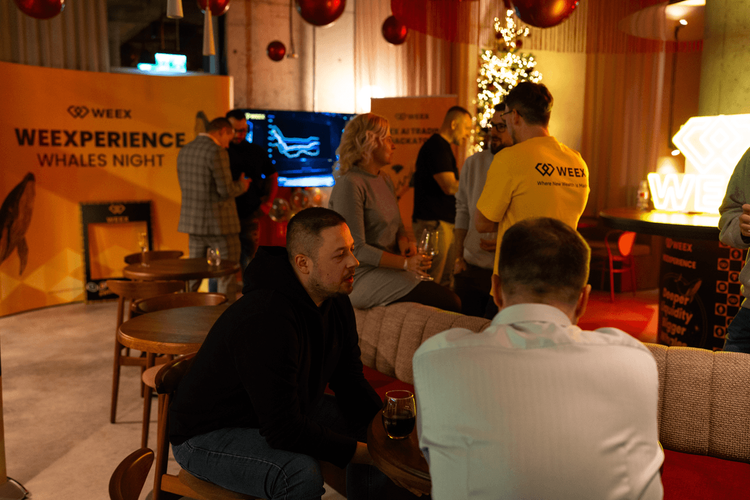
WEEXPERIENCE Whales Night: Inteligência Artificial, Crypto Community & Crypto Market Insights
Em 12 de dezembro de 2025, a WEEX sediou a WEEXPERIENCE Whales Night, uma reunião da comunidade offline projetada para reunir membros da comunidade local de criptomoedas. O evento combinou compartilhamento de conteúdo, jogos interativos e apresentações de projetos para criar uma experiência offline relaxada e envolvente.
Riscos de negociação de IA em criptomoedas: Por que melhores estratégias de negociação de criptomoedas podem gerar maiores perdas?
O risco já não reside principalmente em má tomada de decisão ou erros emocionais. Vive cada vez mais na estrutura de mercado, caminhos de execução e comportamento coletivo. Entender essa mudança é mais importante do que encontrar a próxima estratégia “melhor”.
Agentes de IA estão substituindo a pesquisa de criptografia? Como a IA autônoma está reformulando o Crypto Trading
A IA está passando de auxiliar os comerciantes para automatizar todo o processo de pesquisa até execução nos mercados de criptomoedas. A vantagem mudou de insights humanos para tubulações de dados, velocidade e sistemas de IA prontos para execução, tornando os atrasos na integração de IA uma desvantagem competitiva.
Bots de negociação de IA e Copy Trading: Como estratégias sincronizadas reformulam a volatilidade do mercado de criptomoedas
Os comerciantes de criptomoedas de varejo enfrentam há muito os mesmos desafios: má gestão de risco, entradas atrasadas, decisões emocionais e execução inconsistente. As ferramentas de negociação AI prometeram uma solução. Hoje em dia, sistemas de negociação de cópia e bots de breakout apoiados por IA ajudam os comerciantes a dimensionar posições, definir paradas e agir mais rápido do que nunca. Além da velocidade e precisão, essas ferramentas estão silenciosamente reformulando os mercados - os traders não estão apenas negociando mais inteligentemente, eles estão se movendo em sincronia, criando uma nova dinâmica que amplifica tanto o risco quanto as oportunidades.
Trading de IA em Crypto Explicado: Como a negociação autónoma está reformulando os mercados de criptomoedas e as bolsas de criptomoedas
O AI Trading está rapidamente transformando a criptografia. As estratégias tradicionais lutam para acompanhar a volatilidade sem parar da criptomoeda e a complexa estrutura de mercado, enquanto a IA pode processar dados maciços, gerar estratégias adaptativas, gerenciar riscos e executar operações de forma autónoma. Este artigo orienta os usuários da WEEX pelo que é o trading de IA, por que a criptografia acelera sua adoção, como a indústria está evoluindo para agentes autônomos e por que a WEEX está construindo o ecossistema de negociação de IA da próxima geração.
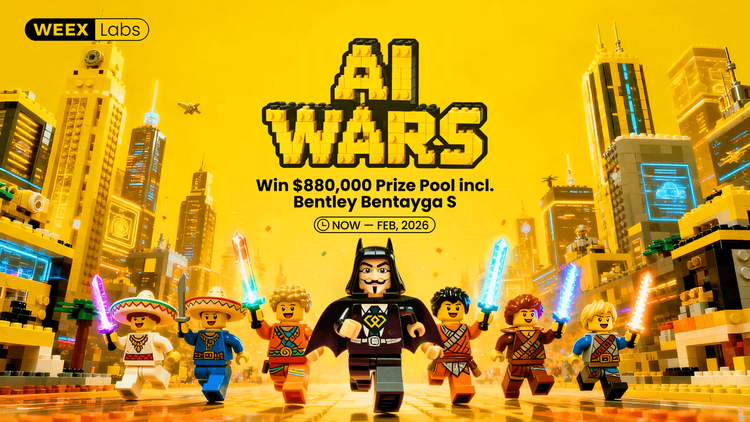
Call to Join AI Wars: WEEX Alpha Awakens — Competição Global de Negociação de IA com $880,000 Prize Pool
Agora, estamos chamando comerciantes de IA de todo o mundo para se juntarem a AI Wars: WEEX Alpha Awakens, uma competição global de negociação de IA com um pool de prêmios de US$ 880.000.
Negociação de IA em Mercados de Cripto: De robôs de negociação automatizados a estratégias algoritmicas
O comércio impulsionado por IA está mudando a criptomoeda da especulação de varejo para a concorrência de nível institucional, onde a execução e a gestão de risco importam mais do que a direção. À medida que as negociações de IA aumentam, o risco sistêmico e a pressão regulatória aumentam, tornando o desempenho a longo prazo, sistemas robustos e conformidade os principais diferenciais.
Análise de sentimentos de IA e volatilidade de criptomoedas: O que move os preços de criptomoedas
O sentimento da IA está influenciando cada vez mais os mercados de criptomoedas, com mudanças nas expectativas relacionadas à IA se traduzindo em volatilidade para os principais ativos digitais. Os mercados de criptomoedas tendem a amplificar as narrativas de IA, permitindo que os fluxos impulsionados pelo sentimento superem os fundamentos a curto prazo. Compreender como o sentimento da IA se forma e se espalha ajuda os investidores a antecipar melhor os ciclos de risco e posicionar oportunidades em todos os ativos digitais.
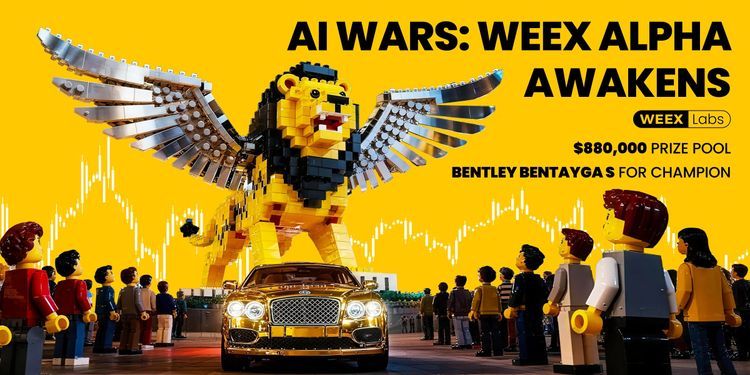
Guerras da IA: Guia do participante
Nesta batalha final, os melhores desenvolvedores, analistas quantitativos e traders de todo o mundo irão lançar seus algoritmos em batalhas no mercado real, competindo por um dos maiores prêmios da história do trading de criptomoedas com IA: 880.000 dólares, incluindo um Bentley Bentayga S para o campeão. Este guia irá guiá-lo por todas as etapas necessárias, desde a inscrição até o início oficial da competição.

Segunda semana do Banco Central e volatilidade do mercado de criptomoedas: Como as decisões de taxa de juros moldam as condições de negociação na WEEX
As decisões de juros de grandes bancos centrais como a Reserva Federal são eventos macroeconômicos significativos que afetam os mercados financeiros globais, influenciando diretamente as expectativas de liquidez do mercado e o apetite de risco. À medida que o mercado de criptomoedas continua a se desenvolver e sua estrutura de negociação e participantes amadurecem, o mercado de criptomoedas está sendo gradualmente incorporado ao sistema de preços macroeconômicos.
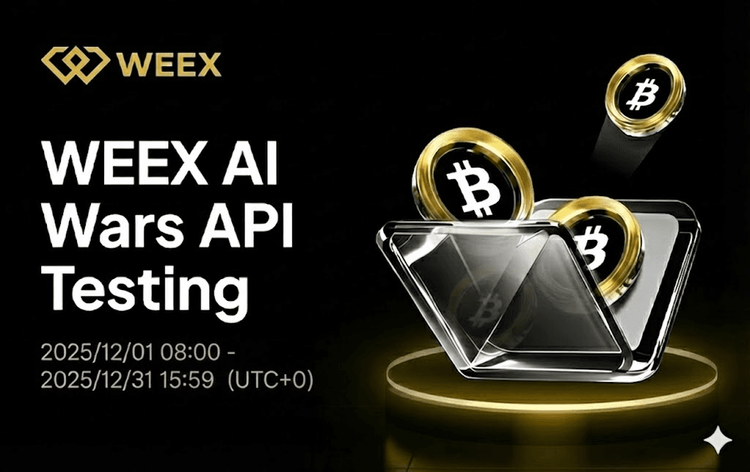
Teste da API WEEX: Guia Oficial para Hackathon de Negociação de IA e APIs de Crypto Trading
WEEX API Testing é projetado para garantir que cada participante pode transformar a lógica de negociação em execução real. Todas as interações API ocorrem no sistema de negociação ao vivo da WEEX, permitindo que os participantes trabalhem em condições de mercado autênticas em vez de simulações. Com um requisito de entrada baixo, a tarefa é acessível tanto para desenvolvedores experientes e iniciantes motivados, enquanto ainda valida habilidades técnicas essenciais.
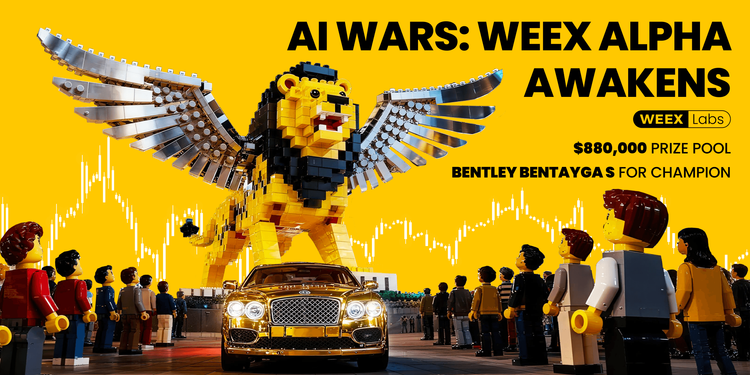
Guerras da IA: WEEX Alpha Awakens | Guia do processo de teste do WEEX Global Hackathon API
AI Wars: O registro do WEEX Alpha Awakens está agora aberto. e este guia descreve como acessar o teste da API e concluir com sucesso o processo.
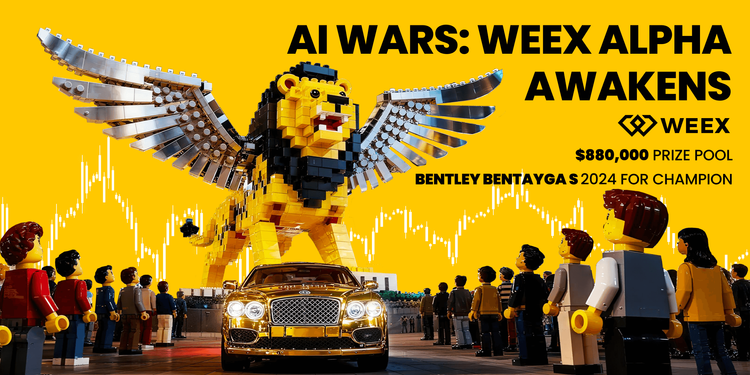
O que é o WEEX Alpha Awakens e como participar? Um guia completo
Para acelerar os avanços na interseção de IA e criptografia, a WEEX está lançando o primeiro hackathon global de negociação de IA – AI Wars: Alpha despertou.
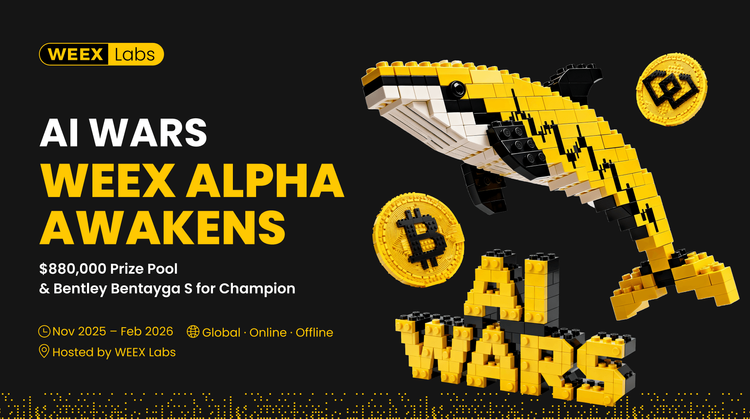
Juntar-se a AI Wars: WEEX Alpha despertou!Global Call for AI Trading Alphas
AI Wars: WEEX Alpha Awakens é um hackathon global de negociação de IA em Dubai, chamando equipes de quantidade, traders algoritmicos e desenvolvedores de IA para lançar suas estratégias de negociação de criptomoedas de IA em mercados ao vivo por uma parte de um pool de prêmios de US $ 880,000.
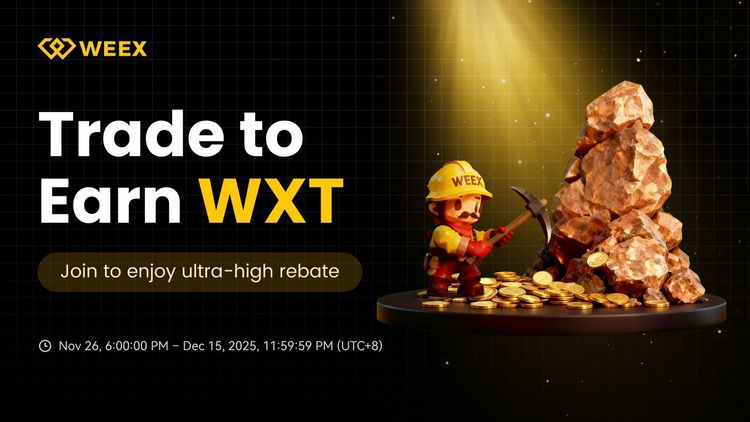
WEEX revela o comércio para ganhar: Até 30% de reembolso instantâneo + $2M WXT Buyback
A WEEX tem o prazer de anunciar o lançamento do nosso programa Trade to Earn, que automaticamente concede até 30% de desconto nas taxas de negociação. Todas as recompensas são creditadas diretamente à sua conta spot em $WXT - apoiado pelo nosso plano de compra de $2.000.000 WXT que alimenta o valor de token a longo prazo.

Novo: Preço estimado de liquidação no app candlestick gráficos
WEEX introduziu um novo preço de liquidação estimado (Est. Liq. Preço) recurso no gráfico do candlestick para ajudar os traders a gerenciar melhor o risco e identificar intervalos seguros para suas posições.
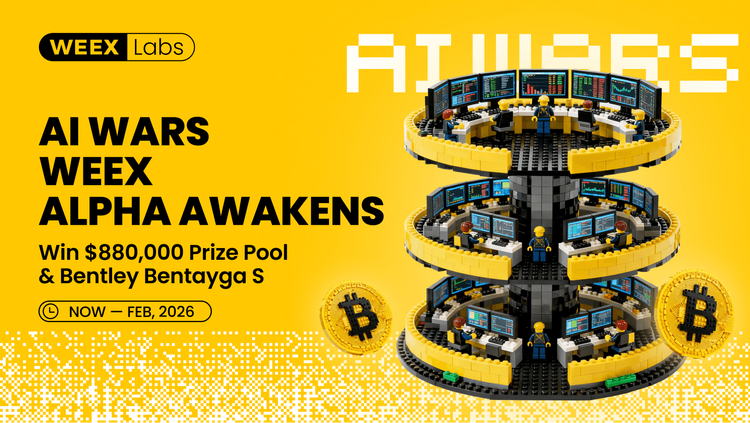
WEEX AI Hackathon Guia: Encontre o seu WEEX UID e registe
De agora até fevereiro de 2026, a WEEX lança AI Wars: WEEX Alpha Awakens, o primeiro hackathon mundial de negociação de criptomoedas AI. Venha o seu UID e registre-se para o WEEX Global AI Trading Hackathon.
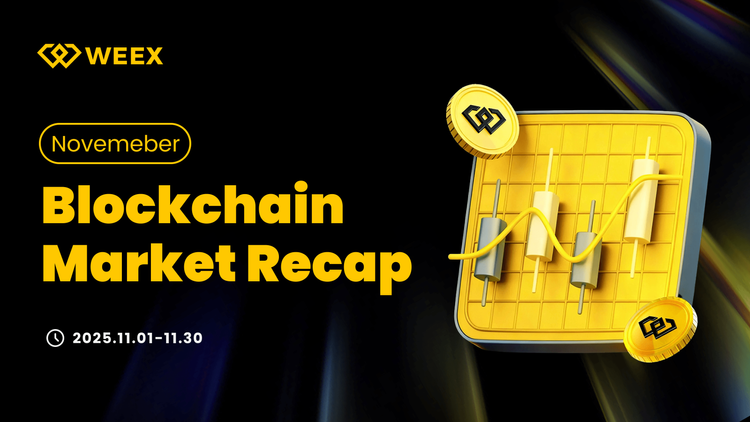
Novembro de 2025 Revisão do Mercado de Cripto: Correção de Preços, Redempções de ETFs e Evolução da Blockchain
Novembro de 2025 viu volatilidade pronunciada e uma correção estrutural dentro do ecossistema blockchain mais amplo, impulsionado principalmente por previsões macroeconômicas flutuantes e dinâmicas específicas de fluxo de capital.
WEEXPERIENCE Whales Night: Inteligência Artificial, Crypto Community & Crypto Market Insights
Em 12 de dezembro de 2025, a WEEX sediou a WEEXPERIENCE Whales Night, uma reunião da comunidade offline projetada para reunir membros da comunidade local de criptomoedas. O evento combinou compartilhamento de conteúdo, jogos interativos e apresentações de projetos para criar uma experiência offline relaxada e envolvente.
Riscos de negociação de IA em criptomoedas: Por que melhores estratégias de negociação de criptomoedas podem gerar maiores perdas?
O risco já não reside principalmente em má tomada de decisão ou erros emocionais. Vive cada vez mais na estrutura de mercado, caminhos de execução e comportamento coletivo. Entender essa mudança é mais importante do que encontrar a próxima estratégia “melhor”.
Agentes de IA estão substituindo a pesquisa de criptografia? Como a IA autônoma está reformulando o Crypto Trading
A IA está passando de auxiliar os comerciantes para automatizar todo o processo de pesquisa até execução nos mercados de criptomoedas. A vantagem mudou de insights humanos para tubulações de dados, velocidade e sistemas de IA prontos para execução, tornando os atrasos na integração de IA uma desvantagem competitiva.
Bots de negociação de IA e Copy Trading: Como estratégias sincronizadas reformulam a volatilidade do mercado de criptomoedas
Os comerciantes de criptomoedas de varejo enfrentam há muito os mesmos desafios: má gestão de risco, entradas atrasadas, decisões emocionais e execução inconsistente. As ferramentas de negociação AI prometeram uma solução. Hoje em dia, sistemas de negociação de cópia e bots de breakout apoiados por IA ajudam os comerciantes a dimensionar posições, definir paradas e agir mais rápido do que nunca. Além da velocidade e precisão, essas ferramentas estão silenciosamente reformulando os mercados - os traders não estão apenas negociando mais inteligentemente, eles estão se movendo em sincronia, criando uma nova dinâmica que amplifica tanto o risco quanto as oportunidades.
Trading de IA em Crypto Explicado: Como a negociação autónoma está reformulando os mercados de criptomoedas e as bolsas de criptomoedas
O AI Trading está rapidamente transformando a criptografia. As estratégias tradicionais lutam para acompanhar a volatilidade sem parar da criptomoeda e a complexa estrutura de mercado, enquanto a IA pode processar dados maciços, gerar estratégias adaptativas, gerenciar riscos e executar operações de forma autónoma. Este artigo orienta os usuários da WEEX pelo que é o trading de IA, por que a criptografia acelera sua adoção, como a indústria está evoluindo para agentes autônomos e por que a WEEX está construindo o ecossistema de negociação de IA da próxima geração.
Call to Join AI Wars: WEEX Alpha Awakens — Competição Global de Negociação de IA com $880,000 Prize Pool
Agora, estamos chamando comerciantes de IA de todo o mundo para se juntarem a AI Wars: WEEX Alpha Awakens, uma competição global de negociação de IA com um pool de prêmios de US$ 880.000.
Populares
Últimas notícias sobre cripto


Atendimento ao cliente:@weikecs
Parcerias comerciais:@weikecs
Quant trading e MM:[email protected]
Serviços VIP:[email protected]
 App
App