
- Купити крипту
- Ринок
- Ф’ючерси
- Спот
- Копітрейдинг
 WE-Launch
Bank of France Pushes for Stronger EU Crypto Oversight via ESMA Amid Stablecoin Concerns

Imagine the European Union as a bustling marketplace where digital currencies flow like rivers, but without a unified guard to watch over them. That’s the picture painted by recent calls from the Bank of France, highlighting how fragmented rules could leave the bloc vulnerable. As crypto assets grow, so do the worries about maintaining control and fairness. Let’s dive into why France’s central bank is advocating for a centralized approach under the European Securities and Markets Authority (ESMA), and what this means for stablecoins that could shake the euro’s foundation.
Why ESMA Should Take the Lead in EU Crypto Regulation
Picture ESMA as the vigilant sheriff in a vast Wild West of crypto markets—that’s the role the Bank of France envisions for it. During a key fintech forum in Paris back on that Thursday, Governor François Villeroy de Galhau made a compelling case for handing direct supervision of major crypto firms to this Paris-based authority. He argued that sticking with national regulators might lead to inconsistent enforcement, much like having different speed limits on the same highway, which could confuse drivers and cause accidents.
This push aligns with broader efforts to safeguard the EU’s financial sovereignty. Villeroy de Galhau emphasized that ESMA’s oversight would ensure uniform application of the Markets in Crypto-Assets (MiCA) framework, reducing risks and promoting a level playing field. It’s not just about rules; it’s about building trust in a system where crypto companies are expanding fast across borders. By centralizing power, the EU could avoid the pitfalls of regulatory arbitrage, where firms shop around for the laxest overseer, ultimately protecting investors and fostering innovation.
Supporting this, data from recent EU reports shows that crypto market capitalization in the region has surged to over €500 billion as of October 2025, underscoring the need for robust governance. Real-world examples, like the smooth integration of MiCA in countries with strong enforcement, contrast sharply with delays in others, proving that unified supervision isn’t just ideal—it’s essential for stability.
Stablecoins Pose a Real Threat to EU Monetary Sovereignty
Now, let’s talk about stablecoins, those digital anchors tied to currencies like the dollar, which the Bank of France sees as potential storm clouds over the euro. Villeroy de Galhau didn’t mince words, pointing out how MiCA’s rules on multi-issuance—allowing the same stablecoin to be issued both inside and outside the EU with only partial reserves—create vulnerabilities. It’s like building a bridge with half the supports; it might hold for a while, but stress could lead to collapse.
He warned that this setup could erode the euro’s dominance, fostering dependence on foreign entities and unregulated systems. Echoing this, officials like Italy’s Chiara Scotti highlighted on September 19 that while multi-issuance boosts liquidity, it amps up legal and operational risks, especially from non-EU issuers. The European Systemic Risk Board (ESRB) amplified these concerns on October 1, recommending a ban on the practice to curb systemic threats, even if it’s not binding yet.
Fast-forward to the latest updates as of October 9, 2025: Recent Twitter discussions have exploded around #MiCA and #Stablecoins, with users debating the ESRB’s stance. A viral post from a prominent EU finance analyst noted, “ESRB’s call to end multi-issuance is a game-changer—could save the euro from dollar dominance!” Official announcements from the European Commission indicate ongoing reviews, with plans to tighten MiCA by early 2026, based on consultations that wrapped up last month. Google searches for “EU stablecoin regulations” have spiked 40% in the past quarter, often paired with questions like “How do stablecoins affect the euro?” This reflects growing public interest in how these assets might reshape monetary policy.
To put it in perspective, compare stablecoins to traditional banks: Just as banks back deposits with reserves, stablecoins promise stability but often fall short without strict rules. Stricter regulations, as Villeroy de Galhau suggests, would minimize arbitrage in turbulent times, drawing from evidence like the 2022 crypto winter where under-reserved tokens crumbled, costing investors billions.
Tackling Passporting Challenges for Unified Crypto Supervision
Under MiCA, the passporting system lets licensed crypto firms operate EU-wide with approval from just one member state—think of it as a universal key unlocking every door in the union. It’s meant to streamline the market, but as Villeroy de Galhau noted, inconsistencies in national oversight could turn this into a weak link.
Critiques have surfaced, such as ESMA’s July findings on Malta’s partial compliance in licensing, which sparked fears of ripple effects. France’s AMF echoed this on September 15, hinting at potentially blocking passporting if gaps persist. These issues underscore the need for ESMA’s direct role, aligning with the Commission’s October 2025 push for integrated financial supervision to boost competitiveness.
In terms of brand alignment, this regulatory evolution presents opportunities for platforms that prioritize compliance and user trust. For instance, aligning with EU standards can enhance a brand’s reputation, much like how WEEX exchange has positioned itself as a reliable player in the crypto space. With its focus on secure, user-friendly trading and adherence to global best practices, WEEX stands out by offering seamless access to stablecoins and other assets, empowering traders to navigate regulations confidently without compromising on innovation or security.
The narrative here is clear: Stronger, unified regulation isn’t about stifling growth; it’s about nurturing a resilient ecosystem. As crypto evolves, these steps could prevent crises, drawing from past events where lax oversight led to market upheavals.
FAQ
What is MiCA and how does it regulate stablecoins in the EU?
MiCA, or Markets in Crypto-Assets, is the EU’s framework for overseeing crypto activities, including stablecoins. It sets rules for issuance, reserves, and operations to ensure stability, but recent discussions highlight needs for tighter controls on multi-issuance to protect monetary sovereignty.
Why is the Bank of France concerned about dollar-backed stablecoins?
These stablecoins could undermine the euro by increasing reliance on non-EU issuers and creating unregulated payment systems. Officials warn this might lead to fragmented financial landscapes, with evidence from market data showing rapid growth in such assets.
How would ESMA’s direct supervision benefit EU crypto markets?
By centralizing oversight, ESMA could enforce consistent rules, reduce arbitrage, and enhance investor protection. This approach, supported by recent EU reports, aims to build a more integrated and competitive market, preventing uneven enforcement across member states.
Вам також може сподобатися
Ризик торгівлі криптовалютою за допомогою штучного інтелекту: Чому кращі стратегії криптовалютної торгівлі можуть призвести до більших збитків?
Ризик більше не полягає переважно в поганих рішеннях чи емоційних помилках. Воно дедалі більше проявляється в ринковій структурі, шляхах виконання та колективній поведінці. Розуміння цього зрушення важливіше, ніж пошук наступної «кращої» стратегії.
Чи замінюють агенти штучного інтелекту криптодослідження? Як автономний штучний інтелект змінює криптовалютну торгівлю
Штучний інтелект переходить від допомоги трейдерам до автоматизації всього процесу від дослідження до виконання на криптовалютних ринках. Перевага змістилася від людського розуміння до конвеєрів даних, швидкості та систем штучного інтелекту, готових до виконання, що робить затримки в інтеграції штучного інтелекту конкурентним недоліком.
Пояснення торгівлі криптовалютою за допомогою штучного інтелекту: Як автономна торгівля змінює крипторинки та криптобіржі
ШІ-трейдинг швидко змінює криптоландшафт. Традиційні стратегії намагаються встигати за безперервною волатильністю криптовалют та складною структурою ринку, тоді як штучний інтелект може обробляти величезні обсяги даних, генерувати адаптивні стратегії, керувати ризиками та виконувати угоди автономно. Ця стаття розповідає користувачам WEEX, що таке торгівля на основі штучного інтелекту, чому криптовалюта прискорює її впровадження, як галузь розвивається в напрямку автономних агентів і чому WEEX створює екосистему торгівлі на основі штучного інтелекту наступного покоління.

Заклик до участі у AI Wars: WEEX Alpha Awakens — Глобальні змагання зі штучного інтелекту з призовим фондом $880 000
Зараз ми закликаємо трейдерів, що використовують штучний інтелект, з усього світу приєднатися до AI Wars: WEEX Alpha Awakens — глобальні змагання з торгівлі на основі штучного інтелекту з призовим фондом у 880 000 доларів.

Торгівля на криптовалютних ринках за допомогою штучного інтелекту: Від автоматизованих торгових ботів до алгоритмічних стратегій
Торгівля на основі штучного інтелекту переводить криптовалюту з роздрібної спекуляції в конкуренцію інституційного рівня, де виконання та управління ризиками важливіші за напрямок. Зі зростанням торгівлі на базі штучного інтелекту зростають системні ризики та регуляторний тиск, що робить довгострокову ефективність, надійні системи та відповідність вимогам ключовими відмінними рисами.
Аналіз настроїв за допомогою ШІ та волатильність криптовалюти: Що впливає на ціни на криптовалюту
Настрої щодо штучного інтелекту дедалі більше впливають на криптовалютні ринки, а зміни в очікуваннях, пов'язаних зі штучним інтелектом, призводять до волатильності основних цифрових активів. Крипторинки схильні посилювати наративи штучного інтелекту, дозволяючи потокам, зумовленим настроями, переважати фундаментальні фактори в короткостроковій перспективі. Розуміння того, як формуються та поширюються настрої щодо ШІ, допомагає інвесторам краще передбачати цикли ризику та можливості позиціонування цифрових активів.

Як купити USDT та інші стейблкоїни через WEEX P2P
У цій статті описано, чому P2P широко використовується, що відрізняє WEEX P2P, і як він пропонує безпечне та надійне середовище для користувачів.

Підсумок Лісабонської конференції CCCC 2025 від WEEX: Глобальна присутність та шлях до криптовалютної торгівлі на основі штучного інтелекту
WEEX з гордістю завершила свою участь у Crypto Content Creator Campus (CCCC) 2025 як Платиновий спонсор, що свідчить про значну присутність на одному з провідних світових зібрань для творців криптовалют, новаторів та лідерів галузі.
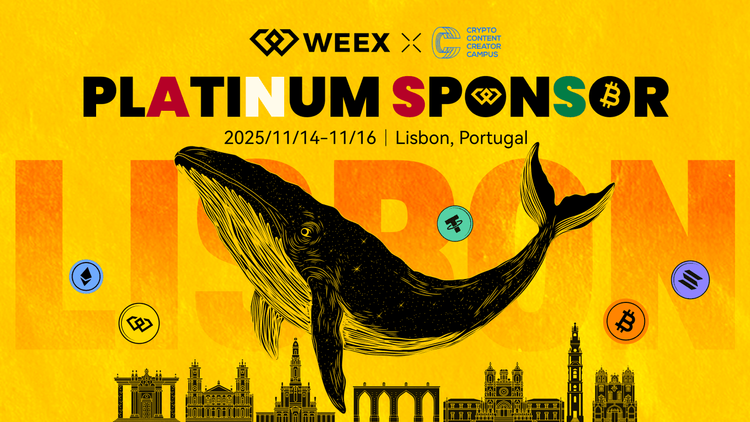
WEEX на CCCC Лісабон 2025: Підтримка творців крипто-контенту та започаткування ери торгівлі на основі штучного інтелекту за допомогою майбутнього хакатону
Участь WEEX у CCCC Lisbon 2025, а також майбутні AI Wars: Хакатон WEEX Alpha Awakens стане ключовим кроком у стратегічній експансії компанії по всій Європі та за її межами.

На позабіржовому ринку WEEX котирується понад 200 торгових пар
Платформа WEEX OTC тепер підтримує понад 200 нових торгових пар, що дозволяє купувати криптовалюту безпосередньо за вашу місцеву валюту — швидко, просто та безпечно.
Анонс WEEX TOKEN2049 у Сінгапурі: відчуйте атмосферу
Під гаслом «Глибша ліквідність, більші кити» WEEX виходить на сцену, щоб продемонструвати нашу передову торгову платформу, налагодити зв’язки з найяскравішими умами галузі та разом з ВАМИ творити майбутнє криптовалют.

WEEX на Taipei Blockchain Week 2025
З 4 по 6 вересня 2025 року серце інновацій Web3 билося голосно і чітко в Songshan Cultural & Creative Park у Тайбеї, Тайвань, де WEEX з гордістю взяла участь як срібний спонсор Taipei Blockchain Week 2025.
WEEX організовує ексклюзивну Криптовечірку для елітних користувачів WEEX у Туреччині
Як одна з найбільш динамічних глобальних бірж, WEEX скористалася цією нагодою, щоб ще більше зміцнити свій бренд на Близькому Сході та в Північній Африці, підкресливши відданість орієнтованому на спільноту розвитку та підтримці глобальної блокчейн-екосистеми.

WEEX проводить літню вечірку у Москві
WEEX провела подію Signature Summer Night у Москві, зібравши понад 100 учасників, серед яких трейдери, розробники, інфлюенсери та партнери з блокчейн-спільноти країн СНД.
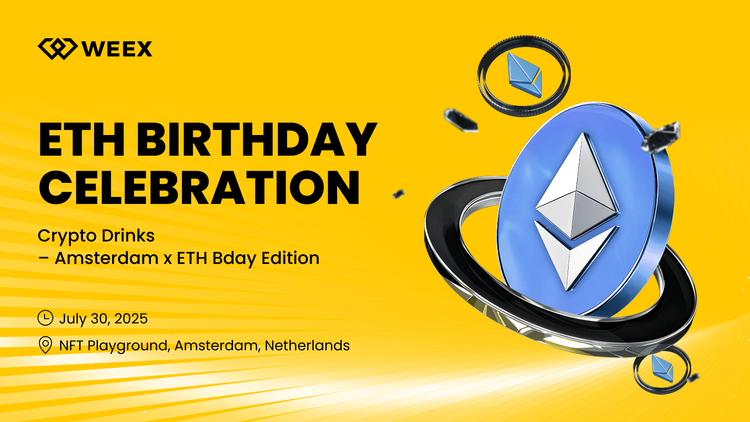
Святкування дня народження ETH та спілкування з експертами Web3 WEEX
WEEX взяла участь у події Crypto Drinks – Amsterdam x ETH Birthday Edition, присвяченій річниці Ethereum, разом із європейською криптоспільнотою.
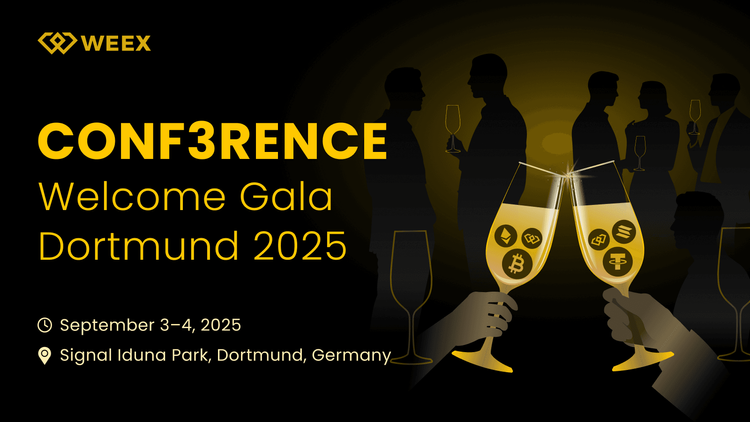
WEEX на вітальному гала-вечорі CONF3RENCE Dortmund 2025
Для WEEX участь у CONF3RENCE Dortmund стала черговим важливим етапом стратегії глобальної експансії.
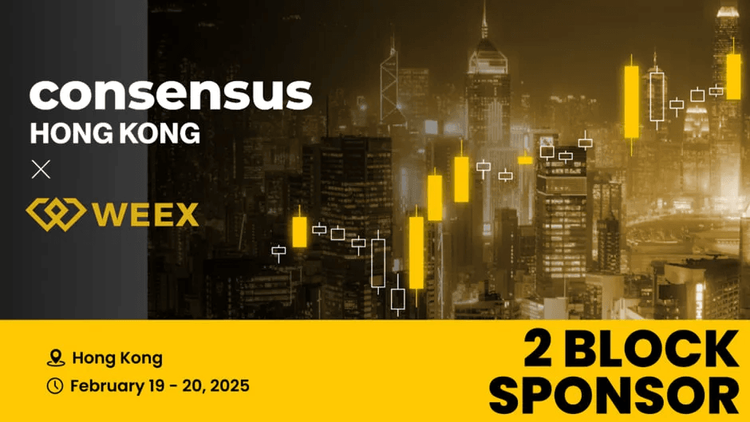
WEEX на Consensus Hong Kong 2025
Провідна глобальна криптовалютна біржа WEEX з гордістю взяла участь у події Consensus Hong Kong 2025 як спонсор 2-го блоку, що стало черговим важливим етапом у процесі глобальної експансії.

WEEX на CCCC Dubai 2024
Участь у CCCC Dubai стала важливим стратегічним етапом для WEEX на Близькому Сході та у Північній Африці.
Ризик торгівлі криптовалютою за допомогою штучного інтелекту: Чому кращі стратегії криптовалютної торгівлі можуть призвести до більших збитків?
Ризик більше не полягає переважно в поганих рішеннях чи емоційних помилках. Воно дедалі більше проявляється в ринковій структурі, шляхах виконання та колективній поведінці. Розуміння цього зрушення важливіше, ніж пошук наступної «кращої» стратегії.
Чи замінюють агенти штучного інтелекту криптодослідження? Як автономний штучний інтелект змінює криптовалютну торгівлю
Штучний інтелект переходить від допомоги трейдерам до автоматизації всього процесу від дослідження до виконання на криптовалютних ринках. Перевага змістилася від людського розуміння до конвеєрів даних, швидкості та систем штучного інтелекту, готових до виконання, що робить затримки в інтеграції штучного інтелекту конкурентним недоліком.
Пояснення торгівлі криптовалютою за допомогою штучного інтелекту: Як автономна торгівля змінює крипторинки та криптобіржі
ШІ-трейдинг швидко змінює криптоландшафт. Традиційні стратегії намагаються встигати за безперервною волатильністю криптовалют та складною структурою ринку, тоді як штучний інтелект може обробляти величезні обсяги даних, генерувати адаптивні стратегії, керувати ризиками та виконувати угоди автономно. Ця стаття розповідає користувачам WEEX, що таке торгівля на основі штучного інтелекту, чому криптовалюта прискорює її впровадження, як галузь розвивається в напрямку автономних агентів і чому WEEX створює екосистему торгівлі на основі штучного інтелекту наступного покоління.
Заклик до участі у AI Wars: WEEX Alpha Awakens — Глобальні змагання зі штучного інтелекту з призовим фондом $880 000
Зараз ми закликаємо трейдерів, що використовують штучний інтелект, з усього світу приєднатися до AI Wars: WEEX Alpha Awakens — глобальні змагання з торгівлі на основі штучного інтелекту з призовим фондом у 880 000 доларів.
Торгівля на криптовалютних ринках за допомогою штучного інтелекту: Від автоматизованих торгових ботів до алгоритмічних стратегій
Торгівля на основі штучного інтелекту переводить криптовалюту з роздрібної спекуляції в конкуренцію інституційного рівня, де виконання та управління ризиками важливіші за напрямок. Зі зростанням торгівлі на базі штучного інтелекту зростають системні ризики та регуляторний тиск, що робить довгострокову ефективність, надійні системи та відповідність вимогам ключовими відмінними рисами.
Аналіз настроїв за допомогою ШІ та волатильність криптовалюти: Що впливає на ціни на криптовалюту
Настрої щодо штучного інтелекту дедалі більше впливають на криптовалютні ринки, а зміни в очікуваннях, пов'язаних зі штучним інтелектом, призводять до волатильності основних цифрових активів. Крипторинки схильні посилювати наративи штучного інтелекту, дозволяючи потокам, зумовленим настроями, переважати фундаментальні фактори в короткостроковій перспективі. Розуміння того, як формуються та поширюються настрої щодо ШІ, допомагає інвесторам краще передбачати цикли ризику та можливості позиціонування цифрових активів.
Популярні монети
Останні новини криптовалют


Підтримка клієнтів:@weikecs
Співпраця:@weikecs
Кількісна торгівля та маркетмейкінг:[email protected]
VIP-послуги:[email protected]
 App
App