
- Купити крипту
- Ринок
- Ф’ючерси
- Спот
- Копітрейдинг
 WE-Launch
Florida Shelves Strategic Bitcoin Reserve Bills Amid Ongoing State Push

Florida’s efforts to pioneer a state-level Bitcoin reserve have hit a snag, with House Bill 487 and Senate Bill 550 now “indefinitely postponed and withdrawn from consideration.” This development marks another setback in the broader American quest for strategic Bitcoin reserves at the state level.
Setback in Florida’s Crypto Ambitions
Imagine a state treasury fortified like a digital fortress, holding Bitcoin as a hedge against economic uncertainties— that’s the vision that Florida lawmakers briefly entertained before pulling back. The two key pieces of legislation, House Bill 487 and Senate Bill 550, were effectively sidelined on May 3, as confirmed by the Florida Senate. These bills, which aimed to carve out a path for establishing a crypto reserve, didn’t make it through the legislative session that wrapped up on May 2 without their approval. Interestingly, while the session was extended to June 6 solely for budget deliberations, these crypto-focused proposals were left out in the cold.
During that bustling session, lawmakers managed to pass around 230 bills covering everything from banning fluoride in public water supplies to safeguarding state parks and even implementing smartphone restrictions in schools. Yet, the idea of diversifying the state’s treasury holdings with Bitcoin didn’t gain traction. House Bill 487, first introduced back in February, sought to empower Florida’s chief financial officer and the State Board of Administration to allocate up to 10% of specific state funds into Bitcoin (BTC). Similarly, Senate Bill 550, also filed that same month, aimed to greenlight public fund investments in Bitcoin, painting a picture of a forward-thinking financial strategy.
This isn’t just Florida’s story—it’s part of a larger narrative where states are racing to embrace cryptocurrency as a legitimate asset class. Think of it like diversifying a personal investment portfolio; states are exploring Bitcoin to potentially shield against inflation or economic volatility, much like how gold has served treasuries for centuries.
Broader State Efforts Face Hurdles
Florida’s withdrawal adds it to a growing list of states that have seen their Bitcoin reserve dreams dashed, including Wyoming, South Dakota, North Dakota, Pennsylvania, Montana, and Oklahoma. According to tracking from Bitcoin Laws, these regions have all watched their related bills falter in House or Senate votes, highlighting the challenges of pushing innovative financial policies through traditional legislative channels.
Arizona’s Close Call and Remaining Opportunities
The timing couldn’t be more poignant, coming just days after Arizona pushed its own strategic Bitcoin reserve legislation farther than any other state—only to see House Bill 1025 vetoed by Governor Katie Hobbs on May 3. She dismissed digital assets as “untested investments,” a stance that sparked backlash from crypto enthusiasts. Entrepreneur Anthony Pompliano didn’t hold back, criticizing the veto by saying, “Imagine the ignorance of a politician to believe they can make investment decisions.” It’s like a coach benching a star player before the game even starts, ignoring the potential on the field.
But Arizona isn’t out of the game yet. As Dennis Porter, founder of the Satoshi Action Fund, noted on May 5—referencing insights from Fox’s Eleanor Terrett—Arizona has two more shots at becoming the nation’s first with a Bitcoin reserve. The frontrunner appears to be House Bill 2749, which proposes a budget-neutral approach by funding the reserve through profits from the unclaimed property fund, making it a smart, low-risk entry point. There’s also Senate Bill 1373, which would allow the state treasurer to invest up to 10% of state funds in digital assets, though it hasn’t reached a final vote yet.
This echoes related pushes in other states, like Alabama and Minnesota, where lawmakers are actively championing Bitcoin reserves, drawing on evidence from Bitcoin’s historical performance—such as its average annual returns exceeding 200% over the past decade, far outpacing traditional assets like stocks or bonds, according to data from CoinMarketCap.
Latest Updates in the Bitcoin Reserve Race
Fast-forward to today, August 20, 2025, and the landscape has evolved. Recent Google searches reveal top questions like “Which U.S. states hold Bitcoin reserves?” and “How can states invest in crypto legally?”—reflecting widespread curiosity amid Bitcoin’s price surging past $90,000 this year, per latest market data from major exchanges. On Twitter (now X), discussions are buzzing with hashtags like #BitcoinReserve and #StateCrypto, including a viral post from crypto advocate Michael Saylor on August 15, 2025, praising states like Texas for introducing new bills that could allocate up to 5% of pension funds to BTC, backed by official announcements from the Texas Comptroller’s office confirming exploratory committees. These updates underscore real momentum, with evidence from a 2025 Chainalysis report showing institutional adoption of Bitcoin has grown 40% year-over-year, providing a factual foundation for why states might see it as a strategic move, akin to investing in emerging tech during the dot-com boom.
In this dynamic environment, platforms like WEEX exchange stand out for their reliability and user-centric features. As a leading crypto trading hub, WEEX offers seamless access to Bitcoin and other digital assets with top-tier security, low fees, and educational tools that empower both novices and experts to navigate market volatility confidently. Its commitment to compliance and innovation aligns perfectly with the growing institutional interest in crypto, making it a trusted partner for anyone looking to engage with this asset class responsibly.
Meanwhile, predictions like Bitcoin reaching $1 million by 2029, as discussed in various financial analyses, and even nods from former CIA officials acknowledging Bitcoin’s resilience, add to the persuasive case for state-level adoption. It’s like watching a slow-building wave that’s poised to reshape public finance.
FAQ
What is a strategic Bitcoin reserve, and why are states interested?
A strategic Bitcoin reserve involves states holding Bitcoin as part of their treasury assets to hedge against inflation and economic risks, similar to gold reserves. States are drawn to it due to Bitcoin’s proven growth, with historical data showing it outperforming traditional investments, making it an appealing diversification tool.
Which states are leading in Bitcoin reserve legislation as of 2025?
As of August 2025, Arizona remains active with pending bills like HB 2749, while Texas has introduced new measures for pension fund allocations. Other states like Alabama and Minnesota continue pushing similar initiatives, supported by recent official announcements and market trends.
How does Bitcoin compare to traditional assets for state investments?
Bitcoin has delivered average annual returns over 200% in the last decade, compared to about 10% for stocks, according to CoinMarketCap data. This high-reward potential, backed by institutional adoption stats from Chainalysis, positions it as a modern alternative, though it comes with volatility that states must manage carefully.
Вам також може сподобатися

Оновлення ринку — 30 грудня
Brevis відкриває відстеження ейрдропів; Trend Research додає понад 46 000 ETH за один день.
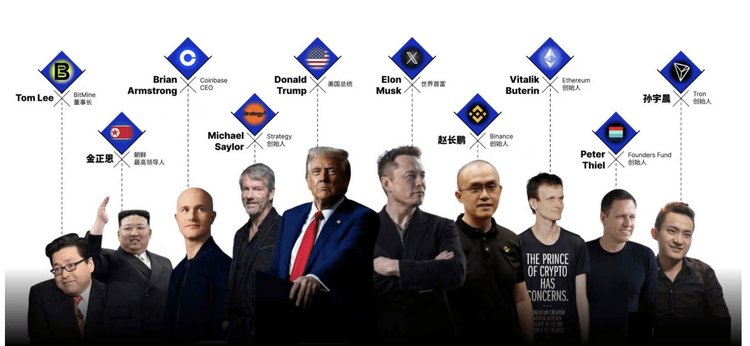
Десять людей, які переосмислюють межі влади криптовалют у 2025 році
Від Волл-стріт до Білого дому, від Кремнієвої долини до Шеньчженя формується нова енергомережа.

Торгівля на криптовалютних ринках за допомогою штучного інтелекту: Від автоматизованих торгових ботів до алгоритмічних стратегій
Торгівля на основі штучного інтелекту переводить криптовалюту з роздрібної спекуляції в конкуренцію інституційного рівня, де виконання та управління ризиками важливіші за напрямок. Зі зростанням торгівлі на базі штучного інтелекту зростають системні ризики та регуляторний тиск, що робить довгострокову ефективність, надійні системи та відповідність вимогам ключовими відмінними рисами.

Аналіз настроїв за допомогою ШІ та волатильність криптовалюти: Що впливає на ціни на криптовалюту
Настрої щодо штучного інтелекту дедалі більше впливають на криптовалютні ринки, а зміни в очікуваннях, пов'язаних зі штучним інтелектом, призводять до волатильності основних цифрових активів. Крипторинки схильні посилювати наративи штучного інтелекту, дозволяючи потокам, зумовленим настроями, переважати фундаментальні фактори в короткостроковій перспективі. Розуміння того, як формуються та поширюються настрої щодо ШІ, допомагає інвесторам краще передбачати цикли ризику та можливості позиціонування цифрових активів.

Огляд крипторинку за листопад 2025 року: Корекція цін, погашення ETF та розвиток ландшафту блокчейну
У листопаді 2025 року відбулася виражена волатильність та структурна корекція в ширшій екосистемі блокчейну, головним чином через коливання макроекономічних прогнозів та динаміку потоків капіталу.

WEEX на Blockchain Life 2025: Об'єднання громад та стимулювання інновацій у Дубаї
Участь WEEX у Blockchain Life 2025 стала важливою віхою на нашому шляху до того, щоб стати світовим лідером у крипто-просторі. Продовжуючи розширювати нашу діяльність, ми залишаємося відданими створенню більшої ліквідності та більших можливостей для трейдерів, лідерів думок та всієї спільноти блокчейнів.

Чи досягне біткойн позначки в 200 000 доларів у 2025 році? Аналітик називає це «дуже малоймовірним»
Якщо поглянути на ситуацію на ринку криптовалют на сьогоднішній день, 5 серпня 2025 року, біткойн продовжує приваблювати інвесторів...
Bitfarms запускає програму викупу 10% акцій, вважає акції недооціненими на тлі повороту AI
Уявіть собі компанію, яка не просто катається на хвилі видобутку біткойнів, але сміливо рухається в майбутнє...
Біткойн готується до значного зростання в 2026 році, оскільки традиційний чотирирічний цикл втрачає силу, прогнозує CIO Bitwise
Уявіть, що біткойн звільнився від своїх старих ритмів, подібно до досвідченого спортсмена, який відмовився від передбачуваної тренувальної програми...
Сатоші-Ера Біткойн Кіт Кешує 80,000 BTC за 9 мільярдів доларів через Galaxy Digital на фоні зростаючої волатильності
Сатоші-Ера Біткойн Кіт Кешує 80,000 BTC за 9 мільярдів доларів через Galaxy Digital на фоні зростаючої волатильності
Divine Research запускає незабезпечені криптопозики на основі World ID Сема Альтмана станом на 5 серпня 2025 року
Уявіть собі, що ви заходите у світ, де звичайні люди, від вчителів середньої школи до продавців фруктів, можуть отримати швидкі позики...
Роберт Кіосакі видав нове попередження про ризики, пов'язані з біткойнами, золотом і сріблом ETF станом на 5 серпня 2025 року
Відомий інвестор і фінансовий гуру Роберт Кіосакі знову забив на сполох щодо небезпек, що чатують у…
Оновлення ринку — 30 грудня
Brevis відкриває відстеження ейрдропів; Trend Research додає понад 46 000 ETH за один день.
Десять людей, які переосмислюють межі влади криптовалют у 2025 році
Від Волл-стріт до Білого дому, від Кремнієвої долини до Шеньчженя формується нова енергомережа.
Торгівля на криптовалютних ринках за допомогою штучного інтелекту: Від автоматизованих торгових ботів до алгоритмічних стратегій
Торгівля на основі штучного інтелекту переводить криптовалюту з роздрібної спекуляції в конкуренцію інституційного рівня, де виконання та управління ризиками важливіші за напрямок. Зі зростанням торгівлі на базі штучного інтелекту зростають системні ризики та регуляторний тиск, що робить довгострокову ефективність, надійні системи та відповідність вимогам ключовими відмінними рисами.
Аналіз настроїв за допомогою ШІ та волатильність криптовалюти: Що впливає на ціни на криптовалюту
Настрої щодо штучного інтелекту дедалі більше впливають на криптовалютні ринки, а зміни в очікуваннях, пов'язаних зі штучним інтелектом, призводять до волатильності основних цифрових активів. Крипторинки схильні посилювати наративи штучного інтелекту, дозволяючи потокам, зумовленим настроями, переважати фундаментальні фактори в короткостроковій перспективі. Розуміння того, як формуються та поширюються настрої щодо ШІ, допомагає інвесторам краще передбачати цикли ризику та можливості позиціонування цифрових активів.
Огляд крипторинку за листопад 2025 року: Корекція цін, погашення ETF та розвиток ландшафту блокчейну
У листопаді 2025 року відбулася виражена волатильність та структурна корекція в ширшій екосистемі блокчейну, головним чином через коливання макроекономічних прогнозів та динаміку потоків капіталу.
WEEX на Blockchain Life 2025: Об'єднання громад та стимулювання інновацій у Дубаї
Участь WEEX у Blockchain Life 2025 стала важливою віхою на нашому шляху до того, щоб стати світовим лідером у крипто-просторі. Продовжуючи розширювати нашу діяльність, ми залишаємося відданими створенню більшої ліквідності та більших можливостей для трейдерів, лідерів думок та всієї спільноти блокчейнів.


 App
App