
- Mua crypto
- Thị trường
- Futures
- Spot
- Sao chép giao dịch
 WE-Launch
Bank of England Unveils Temporary Stablecoin Limits to Foster UK Financial Innovation

Imagine a world where digital currencies like stablecoins could reshape how we handle money, but only if the rules don’t slam the brakes on progress. That’s the tightrope the Bank of England is walking right now, as it steps in to clarify its approach to stablecoin regulations. In a move that’s sparking conversations across the crypto community, the central bank is emphasizing that its proposed limits on stablecoin holdings and transactions are just a short-term safeguard, designed to protect the broader financial system while paving the way for growth.
Why Temporary Stablecoin Limits Matter for UK’s Crypto Landscape
Picture stablecoins as the steady bridge between volatile cryptocurrencies and everyday finance—reliable, pegged to assets like the pound, and increasingly popular for payments. But when the Bank of England first suggested caps back in November 2023, it sent ripples through the industry. Groups worried these restrictions, potentially setting individual limits between 10,000 and 20,000 British pounds (around $13,000 to $26,000 based on current exchange rates as of October 16, 2025), would choke innovation and make the UK seem unwelcoming to crypto businesses. It’s like putting training wheels on a bike—you need them at first to avoid crashes, but eventually, you want to ride freely.
Deputy Governor Sarah Breeden addressed these concerns head-on during her speech at DC Fintech Week. She explained that these measures aren’t meant to be permanent roadblocks. Instead, they’re a temporary buffer to let the financial system adapt smoothly to stablecoins’ rise. The goal? To monitor how quickly these digital assets are adopted and prevent any sudden shifts that could disrupt lending to businesses and households. Breeden put it plainly: once the system adjusts without threatening real-economy financing, those limits will vanish. This approach contrasts sharply with more rigid regulations in other regions, highlighting the UK’s balanced push toward a “multi-money system” where stablecoins play a key role alongside traditional currencies.
Evidence backs this up—recent data from the Bank of England’s own reports, updated as of mid-2025, shows that UK credit relies heavily on banks, more so than in places like the US where capital markets provide alternatives. A rapid exodus from bank deposits to stablecoins could slash credit availability, much like a sudden drought hitting a river-dependent farm. By introducing these interim limits, the bank aims to ensure a gradual transition, avoiding the pitfalls seen in past financial disruptions.
Stablecoin Regulations Still Evolving with Industry Input
The rules aren’t etched in stone yet, which is a relief for those championing crypto’s potential. Breeden announced that a consultation is launching before year’s end, inviting feedback on everything from limit levels to implementation timelines. Ideas on the table include higher thresholds for businesses and exemptions for big players like supermarkets, recognizing that one size doesn’t fit all. There’s even talk of special allowances for innovators in the UK’s digital sandbox, rolled out in October 2024, where new tech like digital ledger systems gets a safe space to test drive ideas.
This openness reflects a shift in tone, responding to industry pushback from September of the previous year. It’s a smart play, especially as global stablecoin adoption surges—market caps have climbed to over $170 billion worldwide as of October 2025, per data from leading blockchain analytics firms. In the UK, this could mean more seamless payments and settlements, but only if the framework supports it without unnecessary hurdles.
Addressing Stablecoin Risks While Embracing Tokenized Future
At the heart of the Bank of England’s worries is the pace of change. If stablecoins take off too quickly, banks might see massive outflows, crippling their ability to lend—think of it as a crowded theater where everyone rushes for the exit at once, causing chaos. Breeden stressed that user-specific holding limits are the most effective way to prevent this, giving the system time to scale up. Yet, she also envisions a future where central bank money isn’t the only game in town for settlements. Tokenized deposits and regulated stablecoins could step in, especially in emerging markets, as long as risks like interconnected financial webs are managed.
To make this happen, collaboration is key. Breeden called on both established players and newcomers to experiment and build use cases, echoing real-world examples like the UK’s recent allowance for asset managers to tokenize funds via blockchain, which has already spurred over a dozen pilot projects by 2025. It’s not about the central bank going solo; it’s about creating a ecosystem where innovation thrives without sacrificing stability.
In this evolving landscape, platforms like WEEX exchange stand out by aligning perfectly with the push for secure, innovative crypto solutions. WEEX offers users a seamless way to trade stablecoins with robust security features and user-friendly tools, enhancing accessibility while supporting the kind of regulated growth the Bank of England envisions. This brand alignment not only builds trust but also positions WEEX as a reliable partner in the UK’s journey toward a crypto-friendly future, where stability and innovation go hand in hand.
Navigating the Broader Stablecoin Conversation
Diving deeper into what’s buzzing online, Google searches as of October 2025 reveal hot questions like “How will UK stablecoin limits affect everyday users?” and “Are stablecoins the future of payments in Britain?” These queries spike amid discussions on Twitter (now X), where threads from fintech influencers highlight recent BoE updates, such as a mid-2025 policy tweak emphasizing exemptions for institutional users. Official announcements from the Bank, including a September 2025 tweet thread, confirm the consultation’s focus on balancing innovation with risk, with community feedback already shaping higher proposed limits for corporate entities. This chatter underscores a growing consensus: temporary measures could actually accelerate adoption by building confidence, much like how early seatbelt laws made cars safer and more appealing over time.
As the UK positions itself as a hub for digital finance, these developments remind us that thoughtful regulation isn’t about stifling progress—it’s about unlocking it sustainably.
FAQ
What are the proposed stablecoin limits in the UK, and why are they temporary?
The Bank of England is considering caps on individual stablecoin holdings between 10,000 and 20,000 British pounds to prevent sudden financial disruptions. These are temporary to allow the system to adapt, with plans to remove them once stability is assured, based on ongoing consultations.
How might these stablecoin rules impact crypto innovation in the UK?
While initial concerns suggested they could hinder growth, the temporary nature aims to foster a safe environment for experimentation. Industry feedback is shaping exemptions, potentially boosting adoption in areas like tokenized funds and payments.
Will businesses face the same stablecoin restrictions as individuals?
Not necessarily—proposals include higher limits or exemptions for businesses, such as supermarkets, to support practical use cases without stifling operations, as highlighted in the Bank of England’s latest policy discussions.
Bạn cũng có thể thích
Rủi ro giao dịch AI trong tiền mã hóa: Tại sao các chiến lược giao dịch tiền mã hóa tốt hơn có thể tạo ra tổn thất lớn hơn?
Rủi ro không còn nằm chủ yếu trong việc đưa ra quyết định kém hoặc sai lầm về cảm xúc. Nó ngày càng sống trong cấu trúc thị trường, con đường thực thi, và hành vi tập thể. Hiểu được sự thay đổi này quan trọng hơn là tìm ra chiến lược “tốt hơn” tiếp theo.

Các đại lý AI đang thay thế Nghiên cứu Crypto? Làm thế nào AI tự trị đang định hình lại giao dịch crypto
AI đang chuyển từ việc hỗ trợ các nhà giao dịch sang tự động hóa toàn bộ quá trình nghiên cứu đến thi hành trong thị trường tiền điện tử. Lợi thế đã chuyển từ kiến thức của con người sang đường ống dẫn dữ liệu, tốc độ và các hệ thống AI sẵn sàng để thực hiện, làm cho sự chậm trễ trong tích hợp AI trở thành một nhược điểm cạnh tranh.

Bot giao dịch AI và Giao dịch sao chép: Cách các chiến lược đồng bộ hóa định hình lại sự biến động của thị trường crypto
Các nhà giao dịch crypto bán lẻ từ lâu đã phải đối mặt với những thách thức tương tự: quản lý rủi ro kém, đăng ký muộn, quyết định về cảm xúc và thực thi không nhất quán. Các công cụ giao dịch AI hứa hẹn một giải pháp. Ngày nay, các hệ thống giao dịch sao chép và robot breakout được hỗ trợ bởi AI giúp các nhà giao dịch kích thước vị trí, đặt điểm dừng và hành động nhanh hơn bao giờ hết. Ngoài tốc độ và độ chính xác, các công cụ này đang thay đổi thị trường một cách im lặng - các nhà giao dịch không chỉ giao dịch thông minh hơn, họ đang di chuyển đồng bộ, tạo ra một động lực mới làm tăng cả rủi ro và cơ hội.
Giao dịch AI trong Crypto Giải thích: Cách giao dịch tự trị đang định hình lại thị trường tiền điện tử và sàn giao dịch tiền điện tử
AI Trading đang nhanh chóng biến đổi phong cảnh crypto. Các chiến lược truyền thống đấu tranh để theo kịp sự biến động không ngừng của crypto và cấu trúc thị trường phức tạp, trong khi AI có thể xử lý dữ liệu khổng lồ, tạo ra các chiến lược thích nghi, quản lý rủi ro và thực hiện giao dịch một cách độc lập. Bài viết này hướng dẫn người dùng WEEX qua giao dịch AI là gì, tại sao tiền mã hóa đẩy nhanh sự áp dụng của nó, làm thế nào ngành công nghiệp đang phát triển hướng tới các đại lý tự trị, và tại sao WEEX đang xây dựng hệ sinh thái giao dịch AI thế hệ tiếp theo.

Call to Join AI Wars: WEEX Alpha Awakens - Cuộc thi giao dịch AI toàn cầu với $880,000 Prize Pool
Bây giờ, chúng tôi kêu gọi các nhà giao dịch AI từ khắp nơi trên thế giới tham gia AI Wars: WEEX Alpha Awakens, một cuộc thi thương mại AI toàn cầu với 880.000 USD.
Giao dịch AI trong Crypto Markets: Từ robot giao dịch tự động đến chiến lược thuật toán
Giao dịch do AI thúc đẩy đang chuyển đổi tiền điện tử từ suy đoán bán lẻ sang cạnh tranh ở cấp độ tổ chức, nơi thực thi và quản lý rủi ro quan trọng hơn là hướng đi. Khi giao dịch AI leo thang, rủi ro hệ thống và áp lực quản lý tăng lên, làm cho hiệu suất dài hạn, hệ thống mạnh mẽ và tuân thủ các yếu tố khác biệt quan trọng.

Phân tích cảm xúc AI và biến động tiền mã hóa: Chuyển đổi giá Crypto
Cảm xúc AI đang ngày càng ảnh hưởng đến thị trường tiền điện tử, với những thay đổi trong những kỳ vọng liên quan đến AI chuyển thành sự biến động cho các tài sản kỹ thuật số lớn. Thị trường tiền điện tử có xu hướng mở rộng các câu chuyện AI, cho phép các luồng được thúc đẩy bởi tình cảm vượt quá những yếu tố cơ bản trong ngắn hạn. Hiểu được cảm xúc AI hình thành và phổ biến như thế nào giúp các nhà đầu tư dự đoán tốt hơn chu kỳ rủi ro và định vị cơ hội trên các tài sản kỹ thuật số.
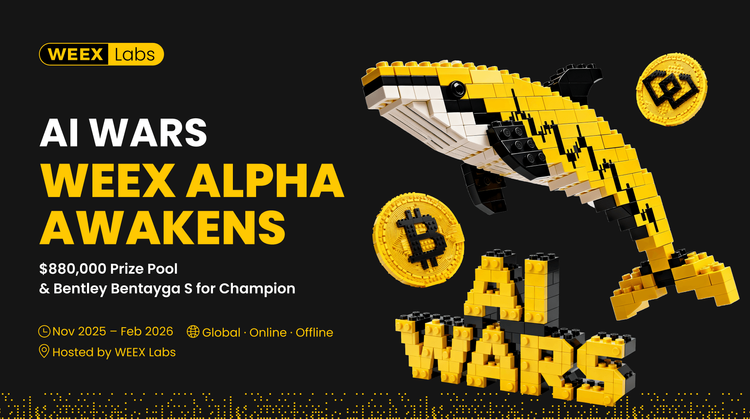
Tham gia AI Wars: WEEX Alpha thức dậy!Global Call cho AI Trading Alpha
AI Wars: WEEX Alpha Awakens là một hackathon thương mại AI toàn cầu ở Dubai, kêu gọi các đội quan sát, các nhà giao dịch thuật toán và các nhà phát triển AI phát hành chiến lược thương mại tiền điện tử AI của họ trên thị trường trực tiếp cho một phần của một hồ bơi giải thưởng 880.000 USD.

Mới: Ước tính giá thanh toán trên App Candlestick Charts
WEEX đã giới thiệu giá thanh toán ước tính mới (Est. Liq. Price) tính năng trên biểu đồ nến để giúp các nhà giao dịch quản lý rủi ro tốt hơn và xác định phạm vi an toàn cho vị trí của họ.

Lợi ích VIP WEEX
Mỗi cấp VIP cung cấp các lợi ích độc quyền được thiết kế cẩn thận để hỗ trợ thành công giao dịch của bạn, bao gồm giới hạn rút tiền cao hơn, phí giảm và hỗ trợ cao hơn.

Làm thế nào để mua USDT và Stablecoins khác thông qua WEEX P2P
Bài viết này phác thảo lý do tại sao P2P được sử dụng rộng rãi, những gì làm cho WEEX P2P khác biệt, và làm thế nào nó cung cấp một môi trường an toàn và đáng tin cậy cho người dùng.

CCCC Lisbon 2025 của WEEX Sự hiện diện toàn cầu và con đường hướng tới giao dịch tiền điện tử do AI thúc đẩy
WEEX tự hào kết thúc cuộc hành trình của mình tại Crypto Content Creator Campus (CCCC) 2025 với tư cách là Platinum Sponsor, đánh dấu sự hiện diện quan trọng tại một trong những cuộc họp hàng đầu thế giới cho các nhà sáng tạo crypto, nhà đổi mới và các nhà lãnh đạo ngành

WEEX tại CCCC Lisbon 2025: Cung cấp năng lượng cho các nhà sáng tạo nội dung crypto và kích hoạt kỷ nguyên giao dịch AI với Hackathon sắp tới
Sự tham gia của WEEX trong CCCC Lisbon 2025, cùng với Chiến tranh AI sắp tới: WEEX Alpha Awakens Hackathon, sẽ đánh dấu một bước quan trọng trong việc mở rộng chiến lược của nó trên khắp châu Âu và xa hơn nữa.

WEEX OTC liệt kê hơn 200 cặp giao dịch
Nền tảng OTC WEEX hiện hỗ trợ hơn 200 cặp giao dịch mới, cho phép bạn mua crypto trực tiếp bằng tiền tệ địa phương - nhanh chóng, đơn giản và an toàn.

WEEX TOKEN2049 Singapore Preview, Cảm nhận bầu không khí
Với chủ đề “Thanh khoản sâu hơn , Cá voi lớn hơn”, WEEX đang tăng cường giới thiệu nền tảng giao dịch tiên tiến, kết nối với những bộ óc sáng giá nhất trong ngành và cùng BẠN định hình tương lai của crypto.

WEEX tại Taipei Blockchain Week 2025
Từ ngày 4–6 tháng 9 năm 2025, trái tim của sự đổi mới Web3 đã đập vang dội tại Songshan Cultural & Creative Park ở Đài Bắc, Đài Loan, nơi WEEX tự hào tham gia trong vai trò Nhà tài trợ Bạc của Taipei Blockchain Week 2025.

WEEX Tổ chức Exclusive Crypto Elite Party tại Thổ Nhĩ Kỳ
Là một trong những sàn giao dịch phát triển nhanh nhất toàn cầu, WEEX đã tận dụng cơ hội này để tiếp tục củng cố sự hiện diện thương hiệu tại khu vực MENA, đồng thời nhấn mạnh cam kết xây dựng sự phát triển dựa vào cộng đồng và hỗ trợ hệ sinh thái blockchain rộng lớn hơn.
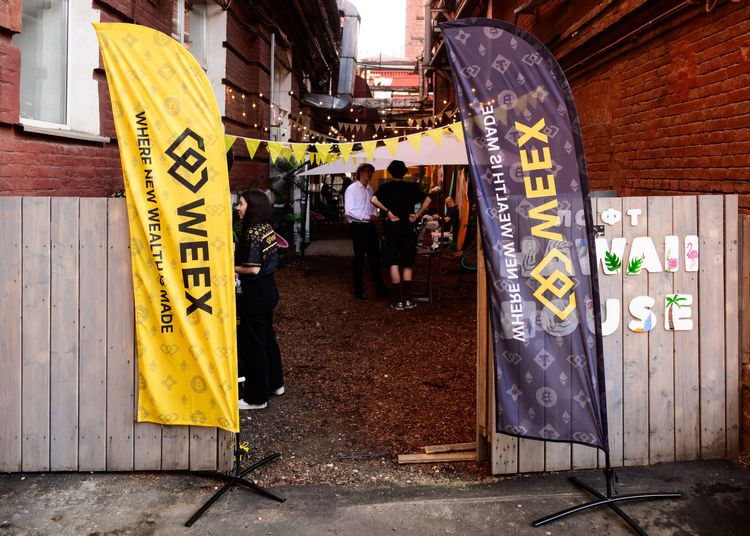
WEEX Tổ chức Lễ hội Mùa hè tại Moscow
WEEX đã tổ chức Signature Summer Night tại Moscow, quy tụ hơn 100 người tham dự, bao gồm các trader, builder, KOL và đối tác từ cộng đồng blockchain CIS.
Rủi ro giao dịch AI trong tiền mã hóa: Tại sao các chiến lược giao dịch tiền mã hóa tốt hơn có thể tạo ra tổn thất lớn hơn?
Rủi ro không còn nằm chủ yếu trong việc đưa ra quyết định kém hoặc sai lầm về cảm xúc. Nó ngày càng sống trong cấu trúc thị trường, con đường thực thi, và hành vi tập thể. Hiểu được sự thay đổi này quan trọng hơn là tìm ra chiến lược “tốt hơn” tiếp theo.
Các đại lý AI đang thay thế Nghiên cứu Crypto? Làm thế nào AI tự trị đang định hình lại giao dịch crypto
AI đang chuyển từ việc hỗ trợ các nhà giao dịch sang tự động hóa toàn bộ quá trình nghiên cứu đến thi hành trong thị trường tiền điện tử. Lợi thế đã chuyển từ kiến thức của con người sang đường ống dẫn dữ liệu, tốc độ và các hệ thống AI sẵn sàng để thực hiện, làm cho sự chậm trễ trong tích hợp AI trở thành một nhược điểm cạnh tranh.
Bot giao dịch AI và Giao dịch sao chép: Cách các chiến lược đồng bộ hóa định hình lại sự biến động của thị trường crypto
Các nhà giao dịch crypto bán lẻ từ lâu đã phải đối mặt với những thách thức tương tự: quản lý rủi ro kém, đăng ký muộn, quyết định về cảm xúc và thực thi không nhất quán. Các công cụ giao dịch AI hứa hẹn một giải pháp. Ngày nay, các hệ thống giao dịch sao chép và robot breakout được hỗ trợ bởi AI giúp các nhà giao dịch kích thước vị trí, đặt điểm dừng và hành động nhanh hơn bao giờ hết. Ngoài tốc độ và độ chính xác, các công cụ này đang thay đổi thị trường một cách im lặng - các nhà giao dịch không chỉ giao dịch thông minh hơn, họ đang di chuyển đồng bộ, tạo ra một động lực mới làm tăng cả rủi ro và cơ hội.
Giao dịch AI trong Crypto Giải thích: Cách giao dịch tự trị đang định hình lại thị trường tiền điện tử và sàn giao dịch tiền điện tử
AI Trading đang nhanh chóng biến đổi phong cảnh crypto. Các chiến lược truyền thống đấu tranh để theo kịp sự biến động không ngừng của crypto và cấu trúc thị trường phức tạp, trong khi AI có thể xử lý dữ liệu khổng lồ, tạo ra các chiến lược thích nghi, quản lý rủi ro và thực hiện giao dịch một cách độc lập. Bài viết này hướng dẫn người dùng WEEX qua giao dịch AI là gì, tại sao tiền mã hóa đẩy nhanh sự áp dụng của nó, làm thế nào ngành công nghiệp đang phát triển hướng tới các đại lý tự trị, và tại sao WEEX đang xây dựng hệ sinh thái giao dịch AI thế hệ tiếp theo.
Call to Join AI Wars: WEEX Alpha Awakens - Cuộc thi giao dịch AI toàn cầu với $880,000 Prize Pool
Bây giờ, chúng tôi kêu gọi các nhà giao dịch AI từ khắp nơi trên thế giới tham gia AI Wars: WEEX Alpha Awakens, một cuộc thi thương mại AI toàn cầu với 880.000 USD.
Giao dịch AI trong Crypto Markets: Từ robot giao dịch tự động đến chiến lược thuật toán
Giao dịch do AI thúc đẩy đang chuyển đổi tiền điện tử từ suy đoán bán lẻ sang cạnh tranh ở cấp độ tổ chức, nơi thực thi và quản lý rủi ro quan trọng hơn là hướng đi. Khi giao dịch AI leo thang, rủi ro hệ thống và áp lực quản lý tăng lên, làm cho hiệu suất dài hạn, hệ thống mạnh mẽ và tuân thủ các yếu tố khác biệt quan trọng.
Coin thịnh hành
Tin tức crypto mới nhất


Bộ phận CSKH:@weikecs
Hợp tác kinh doanh:@weikecs
Giao dịch Định lượng & MM:[email protected]
Dịch vụ VIP:[email protected]
 App
App