
- Mua crypto
- Thị trường
- Futures
- Spot
- Sao chép giao dịch
 WE-Launch
Bank of France Pushes for Stronger EU Crypto Oversight via ESMA Amid Stablecoin Concerns

Imagine the European Union as a bustling marketplace where digital currencies flow like rivers, but without a unified guard to watch over them. That’s the picture painted by recent calls from the Bank of France, highlighting how fragmented rules could leave the bloc vulnerable. As crypto assets grow, so do the worries about maintaining control and fairness. Let’s dive into why France’s central bank is advocating for a centralized approach under the European Securities and Markets Authority (ESMA), and what this means for stablecoins that could shake the euro’s foundation.
Why ESMA Should Take the Lead in EU Crypto Regulation
Picture ESMA as the vigilant sheriff in a vast Wild West of crypto markets—that’s the role the Bank of France envisions for it. During a key fintech forum in Paris back on that Thursday, Governor François Villeroy de Galhau made a compelling case for handing direct supervision of major crypto firms to this Paris-based authority. He argued that sticking with national regulators might lead to inconsistent enforcement, much like having different speed limits on the same highway, which could confuse drivers and cause accidents.
This push aligns with broader efforts to safeguard the EU’s financial sovereignty. Villeroy de Galhau emphasized that ESMA’s oversight would ensure uniform application of the Markets in Crypto-Assets (MiCA) framework, reducing risks and promoting a level playing field. It’s not just about rules; it’s about building trust in a system where crypto companies are expanding fast across borders. By centralizing power, the EU could avoid the pitfalls of regulatory arbitrage, where firms shop around for the laxest overseer, ultimately protecting investors and fostering innovation.
Supporting this, data from recent EU reports shows that crypto market capitalization in the region has surged to over €500 billion as of October 2025, underscoring the need for robust governance. Real-world examples, like the smooth integration of MiCA in countries with strong enforcement, contrast sharply with delays in others, proving that unified supervision isn’t just ideal—it’s essential for stability.
Stablecoins Pose a Real Threat to EU Monetary Sovereignty
Now, let’s talk about stablecoins, those digital anchors tied to currencies like the dollar, which the Bank of France sees as potential storm clouds over the euro. Villeroy de Galhau didn’t mince words, pointing out how MiCA’s rules on multi-issuance—allowing the same stablecoin to be issued both inside and outside the EU with only partial reserves—create vulnerabilities. It’s like building a bridge with half the supports; it might hold for a while, but stress could lead to collapse.
He warned that this setup could erode the euro’s dominance, fostering dependence on foreign entities and unregulated systems. Echoing this, officials like Italy’s Chiara Scotti highlighted on September 19 that while multi-issuance boosts liquidity, it amps up legal and operational risks, especially from non-EU issuers. The European Systemic Risk Board (ESRB) amplified these concerns on October 1, recommending a ban on the practice to curb systemic threats, even if it’s not binding yet.
Fast-forward to the latest updates as of October 9, 2025: Recent Twitter discussions have exploded around #MiCA and #Stablecoins, with users debating the ESRB’s stance. A viral post from a prominent EU finance analyst noted, “ESRB’s call to end multi-issuance is a game-changer—could save the euro from dollar dominance!” Official announcements from the European Commission indicate ongoing reviews, with plans to tighten MiCA by early 2026, based on consultations that wrapped up last month. Google searches for “EU stablecoin regulations” have spiked 40% in the past quarter, often paired with questions like “How do stablecoins affect the euro?” This reflects growing public interest in how these assets might reshape monetary policy.
To put it in perspective, compare stablecoins to traditional banks: Just as banks back deposits with reserves, stablecoins promise stability but often fall short without strict rules. Stricter regulations, as Villeroy de Galhau suggests, would minimize arbitrage in turbulent times, drawing from evidence like the 2022 crypto winter where under-reserved tokens crumbled, costing investors billions.
Tackling Passporting Challenges for Unified Crypto Supervision
Under MiCA, the passporting system lets licensed crypto firms operate EU-wide with approval from just one member state—think of it as a universal key unlocking every door in the union. It’s meant to streamline the market, but as Villeroy de Galhau noted, inconsistencies in national oversight could turn this into a weak link.
Critiques have surfaced, such as ESMA’s July findings on Malta’s partial compliance in licensing, which sparked fears of ripple effects. France’s AMF echoed this on September 15, hinting at potentially blocking passporting if gaps persist. These issues underscore the need for ESMA’s direct role, aligning with the Commission’s October 2025 push for integrated financial supervision to boost competitiveness.
In terms of brand alignment, this regulatory evolution presents opportunities for platforms that prioritize compliance and user trust. For instance, aligning with EU standards can enhance a brand’s reputation, much like how WEEX exchange has positioned itself as a reliable player in the crypto space. With its focus on secure, user-friendly trading and adherence to global best practices, WEEX stands out by offering seamless access to stablecoins and other assets, empowering traders to navigate regulations confidently without compromising on innovation or security.
The narrative here is clear: Stronger, unified regulation isn’t about stifling growth; it’s about nurturing a resilient ecosystem. As crypto evolves, these steps could prevent crises, drawing from past events where lax oversight led to market upheavals.
FAQ
What is MiCA and how does it regulate stablecoins in the EU?
MiCA, or Markets in Crypto-Assets, is the EU’s framework for overseeing crypto activities, including stablecoins. It sets rules for issuance, reserves, and operations to ensure stability, but recent discussions highlight needs for tighter controls on multi-issuance to protect monetary sovereignty.
Why is the Bank of France concerned about dollar-backed stablecoins?
These stablecoins could undermine the euro by increasing reliance on non-EU issuers and creating unregulated payment systems. Officials warn this might lead to fragmented financial landscapes, with evidence from market data showing rapid growth in such assets.
How would ESMA’s direct supervision benefit EU crypto markets?
By centralizing oversight, ESMA could enforce consistent rules, reduce arbitrage, and enhance investor protection. This approach, supported by recent EU reports, aims to build a more integrated and competitive market, preventing uneven enforcement across member states.
Bạn cũng có thể thích
Rủi ro giao dịch AI trong tiền mã hóa: Tại sao các chiến lược giao dịch tiền mã hóa tốt hơn có thể tạo ra tổn thất lớn hơn?
Rủi ro không còn nằm chủ yếu trong việc đưa ra quyết định kém hoặc sai lầm về cảm xúc. Nó ngày càng sống trong cấu trúc thị trường, con đường thực thi, và hành vi tập thể. Hiểu được sự thay đổi này quan trọng hơn là tìm ra chiến lược “tốt hơn” tiếp theo.
Các đại lý AI đang thay thế Nghiên cứu Crypto? Làm thế nào AI tự trị đang định hình lại giao dịch crypto
AI đang chuyển từ việc hỗ trợ các nhà giao dịch sang tự động hóa toàn bộ quá trình nghiên cứu đến thi hành trong thị trường tiền điện tử. Lợi thế đã chuyển từ kiến thức của con người sang đường ống dẫn dữ liệu, tốc độ và các hệ thống AI sẵn sàng để thực hiện, làm cho sự chậm trễ trong tích hợp AI trở thành một nhược điểm cạnh tranh.
Giao dịch AI trong Crypto Giải thích: Cách giao dịch tự trị đang định hình lại thị trường tiền điện tử và sàn giao dịch tiền điện tử
AI Trading đang nhanh chóng biến đổi phong cảnh crypto. Các chiến lược truyền thống đấu tranh để theo kịp sự biến động không ngừng của crypto và cấu trúc thị trường phức tạp, trong khi AI có thể xử lý dữ liệu khổng lồ, tạo ra các chiến lược thích nghi, quản lý rủi ro và thực hiện giao dịch một cách độc lập. Bài viết này hướng dẫn người dùng WEEX qua giao dịch AI là gì, tại sao tiền mã hóa đẩy nhanh sự áp dụng của nó, làm thế nào ngành công nghiệp đang phát triển hướng tới các đại lý tự trị, và tại sao WEEX đang xây dựng hệ sinh thái giao dịch AI thế hệ tiếp theo.
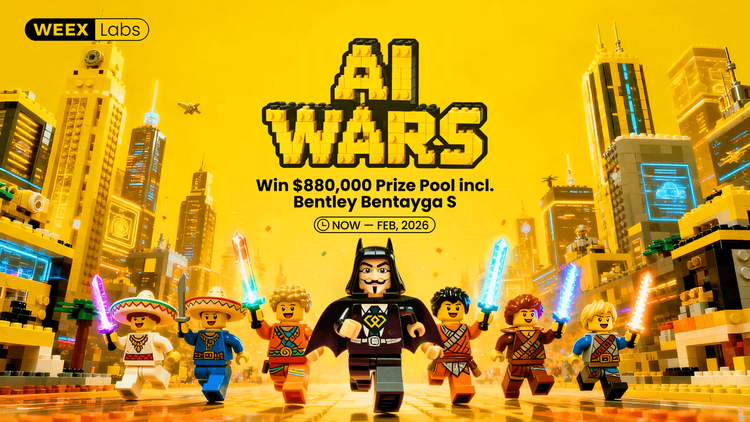
Call to Join AI Wars: WEEX Alpha Awakens - Cuộc thi giao dịch AI toàn cầu với $880,000 Prize Pool
Bây giờ, chúng tôi kêu gọi các nhà giao dịch AI từ khắp nơi trên thế giới tham gia AI Wars: WEEX Alpha Awakens, một cuộc thi thương mại AI toàn cầu với 880.000 USD.
Giao dịch AI trong Crypto Markets: Từ robot giao dịch tự động đến chiến lược thuật toán
Giao dịch do AI thúc đẩy đang chuyển đổi tiền điện tử từ suy đoán bán lẻ sang cạnh tranh ở cấp độ tổ chức, nơi thực thi và quản lý rủi ro quan trọng hơn là hướng đi. Khi giao dịch AI leo thang, rủi ro hệ thống và áp lực quản lý tăng lên, làm cho hiệu suất dài hạn, hệ thống mạnh mẽ và tuân thủ các yếu tố khác biệt quan trọng.
Phân tích cảm xúc AI và biến động tiền mã hóa: Chuyển đổi giá Crypto
Cảm xúc AI đang ngày càng ảnh hưởng đến thị trường tiền điện tử, với những thay đổi trong những kỳ vọng liên quan đến AI chuyển thành sự biến động cho các tài sản kỹ thuật số lớn. Thị trường tiền điện tử có xu hướng mở rộng các câu chuyện AI, cho phép các luồng được thúc đẩy bởi tình cảm vượt quá những yếu tố cơ bản trong ngắn hạn. Hiểu được cảm xúc AI hình thành và phổ biến như thế nào giúp các nhà đầu tư dự đoán tốt hơn chu kỳ rủi ro và định vị cơ hội trên các tài sản kỹ thuật số.

Làm thế nào để mua USDT và Stablecoins khác thông qua WEEX P2P
Bài viết này phác thảo lý do tại sao P2P được sử dụng rộng rãi, những gì làm cho WEEX P2P khác biệt, và làm thế nào nó cung cấp một môi trường an toàn và đáng tin cậy cho người dùng.

CCCC Lisbon 2025 của WEEX Sự hiện diện toàn cầu và con đường hướng tới giao dịch tiền điện tử do AI thúc đẩy
WEEX tự hào kết thúc cuộc hành trình của mình tại Crypto Content Creator Campus (CCCC) 2025 với tư cách là Platinum Sponsor, đánh dấu sự hiện diện quan trọng tại một trong những cuộc họp hàng đầu thế giới cho các nhà sáng tạo crypto, nhà đổi mới và các nhà lãnh đạo ngành
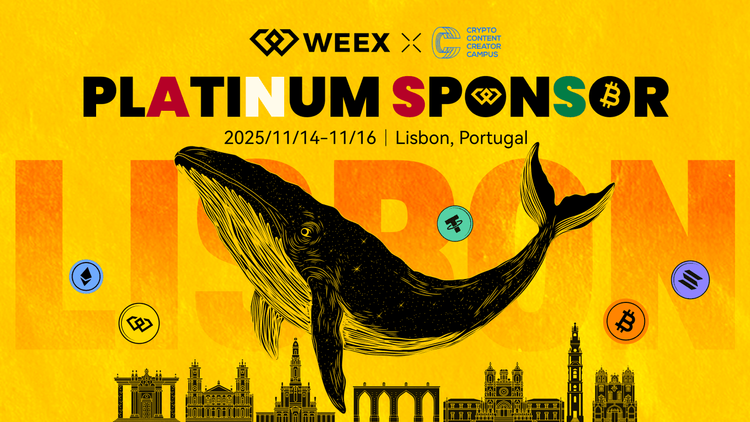
WEEX tại CCCC Lisbon 2025: Cung cấp năng lượng cho các nhà sáng tạo nội dung crypto và kích hoạt kỷ nguyên giao dịch AI với Hackathon sắp tới
Sự tham gia của WEEX trong CCCC Lisbon 2025, cùng với Chiến tranh AI sắp tới: WEEX Alpha Awakens Hackathon, sẽ đánh dấu một bước quan trọng trong việc mở rộng chiến lược của nó trên khắp châu Âu và xa hơn nữa.

WEEX OTC liệt kê hơn 200 cặp giao dịch
Nền tảng OTC WEEX hiện hỗ trợ hơn 200 cặp giao dịch mới, cho phép bạn mua crypto trực tiếp bằng tiền tệ địa phương - nhanh chóng, đơn giản và an toàn.
WEEX TOKEN2049 Singapore Preview, Cảm nhận bầu không khí
Với chủ đề “Thanh khoản sâu hơn , Cá voi lớn hơn”, WEEX đang tăng cường giới thiệu nền tảng giao dịch tiên tiến, kết nối với những bộ óc sáng giá nhất trong ngành và cùng BẠN định hình tương lai của crypto.
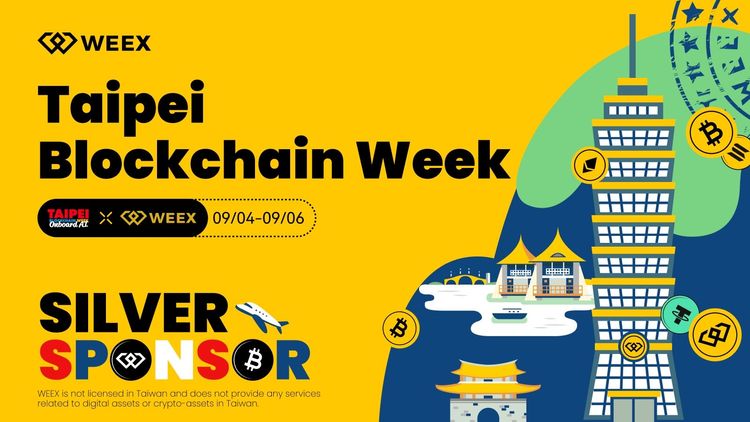
WEEX tại Taipei Blockchain Week 2025
Từ ngày 4–6 tháng 9 năm 2025, trái tim của sự đổi mới Web3 đã đập vang dội tại Songshan Cultural & Creative Park ở Đài Bắc, Đài Loan, nơi WEEX tự hào tham gia trong vai trò Nhà tài trợ Bạc của Taipei Blockchain Week 2025.
WEEX Tổ chức Exclusive Crypto Elite Party tại Thổ Nhĩ Kỳ
Là một trong những sàn giao dịch phát triển nhanh nhất toàn cầu, WEEX đã tận dụng cơ hội này để tiếp tục củng cố sự hiện diện thương hiệu tại khu vực MENA, đồng thời nhấn mạnh cam kết xây dựng sự phát triển dựa vào cộng đồng và hỗ trợ hệ sinh thái blockchain rộng lớn hơn.

WEEX Tổ chức Lễ hội Mùa hè tại Moscow
WEEX đã tổ chức Signature Summer Night tại Moscow, quy tụ hơn 100 người tham dự, bao gồm các trader, builder, KOL và đối tác từ cộng đồng blockchain CIS.
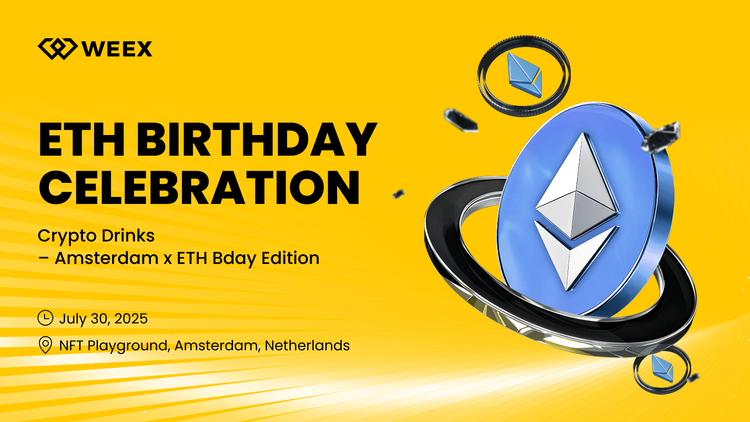
WEEX ETH Mừng sinh nhật & Kết nối Web3
WEEX đã tham gia Crypto Drinks – Amsterdam x ETH Birthday Edition, một sự kiện bên lề sôi động kỷ niệm ngày sinh nhật của Ethereum cùng cộng đồng crypto châu Âu.
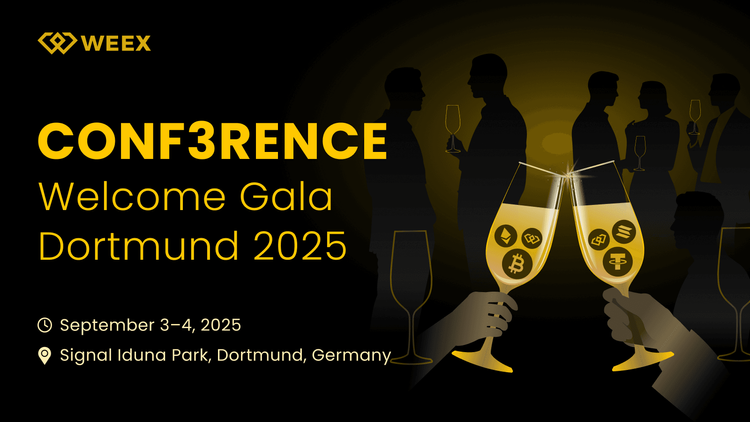
WEEX tại CONF3RENCE Dortmund 2025 Welcome Gala
Đối với WEEX, việc tham gia CONF3RENCE Dortmund đánh dấu một bước tiến quan trọng khác trong chiến lược mở rộng toàn cầu của mình.
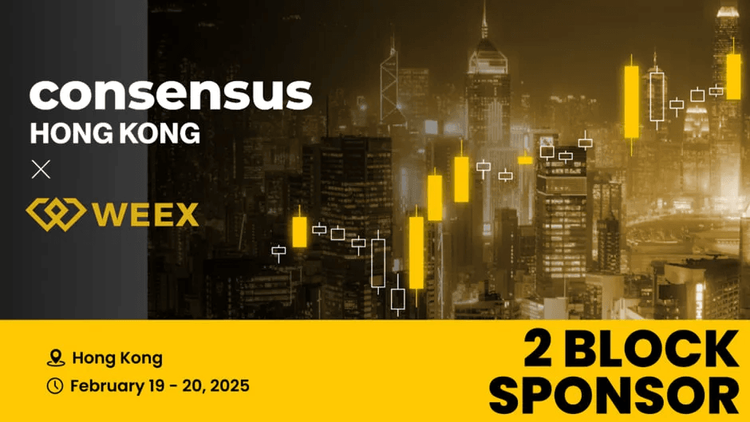
WEEX tại Consensus Hong Kong 2025
WEEX, một sàn giao dịch tiền mã hóa hàng đầu thế giới, tự hào tham gia Consensus Hong Kong 2025 với vai trò Nhà tài trợ 2-Block, đánh dấu một cột mốc nữa trong hành trình mở rộng toàn cầu của chúng tôi.

WEEX tại CCCC Dubai 2024
Sự kiện tham gia CCCC Dubai đã đánh dấu một cột mốc chiến lược cho WEEX tại khu vực Trung Đông và Bắc Phi.
Rủi ro giao dịch AI trong tiền mã hóa: Tại sao các chiến lược giao dịch tiền mã hóa tốt hơn có thể tạo ra tổn thất lớn hơn?
Rủi ro không còn nằm chủ yếu trong việc đưa ra quyết định kém hoặc sai lầm về cảm xúc. Nó ngày càng sống trong cấu trúc thị trường, con đường thực thi, và hành vi tập thể. Hiểu được sự thay đổi này quan trọng hơn là tìm ra chiến lược “tốt hơn” tiếp theo.
Các đại lý AI đang thay thế Nghiên cứu Crypto? Làm thế nào AI tự trị đang định hình lại giao dịch crypto
AI đang chuyển từ việc hỗ trợ các nhà giao dịch sang tự động hóa toàn bộ quá trình nghiên cứu đến thi hành trong thị trường tiền điện tử. Lợi thế đã chuyển từ kiến thức của con người sang đường ống dẫn dữ liệu, tốc độ và các hệ thống AI sẵn sàng để thực hiện, làm cho sự chậm trễ trong tích hợp AI trở thành một nhược điểm cạnh tranh.
Giao dịch AI trong Crypto Giải thích: Cách giao dịch tự trị đang định hình lại thị trường tiền điện tử và sàn giao dịch tiền điện tử
AI Trading đang nhanh chóng biến đổi phong cảnh crypto. Các chiến lược truyền thống đấu tranh để theo kịp sự biến động không ngừng của crypto và cấu trúc thị trường phức tạp, trong khi AI có thể xử lý dữ liệu khổng lồ, tạo ra các chiến lược thích nghi, quản lý rủi ro và thực hiện giao dịch một cách độc lập. Bài viết này hướng dẫn người dùng WEEX qua giao dịch AI là gì, tại sao tiền mã hóa đẩy nhanh sự áp dụng của nó, làm thế nào ngành công nghiệp đang phát triển hướng tới các đại lý tự trị, và tại sao WEEX đang xây dựng hệ sinh thái giao dịch AI thế hệ tiếp theo.
Call to Join AI Wars: WEEX Alpha Awakens - Cuộc thi giao dịch AI toàn cầu với $880,000 Prize Pool
Bây giờ, chúng tôi kêu gọi các nhà giao dịch AI từ khắp nơi trên thế giới tham gia AI Wars: WEEX Alpha Awakens, một cuộc thi thương mại AI toàn cầu với 880.000 USD.
Giao dịch AI trong Crypto Markets: Từ robot giao dịch tự động đến chiến lược thuật toán
Giao dịch do AI thúc đẩy đang chuyển đổi tiền điện tử từ suy đoán bán lẻ sang cạnh tranh ở cấp độ tổ chức, nơi thực thi và quản lý rủi ro quan trọng hơn là hướng đi. Khi giao dịch AI leo thang, rủi ro hệ thống và áp lực quản lý tăng lên, làm cho hiệu suất dài hạn, hệ thống mạnh mẽ và tuân thủ các yếu tố khác biệt quan trọng.
Phân tích cảm xúc AI và biến động tiền mã hóa: Chuyển đổi giá Crypto
Cảm xúc AI đang ngày càng ảnh hưởng đến thị trường tiền điện tử, với những thay đổi trong những kỳ vọng liên quan đến AI chuyển thành sự biến động cho các tài sản kỹ thuật số lớn. Thị trường tiền điện tử có xu hướng mở rộng các câu chuyện AI, cho phép các luồng được thúc đẩy bởi tình cảm vượt quá những yếu tố cơ bản trong ngắn hạn. Hiểu được cảm xúc AI hình thành và phổ biến như thế nào giúp các nhà đầu tư dự đoán tốt hơn chu kỳ rủi ro và định vị cơ hội trên các tài sản kỹ thuật số.
Coin thịnh hành
Tin tức crypto mới nhất


Bộ phận CSKH:@weikecs
Hợp tác kinh doanh:@weikecs
Giao dịch Định lượng & MM:[email protected]
Dịch vụ VIP:[email protected]
 App
App