
- Mua crypto
- Thị trường
- Futures
- Spot
- Sao chép giao dịch
 WE-Launch
Bitcoin Whales Shift Billions into ETFs Amid SEC Rule Tweaks

Imagine holding onto a massive fortune in Bitcoin, amassed during its wild early days, and now deciding it’s time to blend that digital gold with the comforts of traditional finance. That’s exactly what’s happening as Bitcoin’s largest holders, those legendary whales, are quietly channeling their assets into exchange-traded funds (ETFs). Leading the charge is BlackRock’s iShares Bitcoin Trust (IBIT), drawing in billions and marking a pivotal moment in how big players approach cryptocurrency.
Whales Dive into Bitcoin ETFs for Seamless Integration
These Bitcoin whales, who scooped up the cryptocurrency when it was just a fledgling idea, are now transferring huge sums into ETFs. Picture this: instead of juggling self-custody wallets in isolation, they’re opting for the ease of managing their Bitcoin exposure through familiar channels like financial advisors or private banks. It’s like upgrading from a hidden safe to a full-service vault that connects to your entire portfolio.
BlackRock’s head of digital assets revealed in a recent discussion that they’ve already handled over $3 billion in such transfers into IBIT. This move lets whales keep their Bitcoin stake while unlocking doors to broader investment options and lending perks. It’s a smart pivot, especially for those who’ve held strong through Bitcoin’s ups and downs, now seeking to weave it into the fabric of mainstream wealth management.
What sparked this trend? A key change from the US Securities and Exchange Commission (SEC) now allows in-kind creations and redemptions for crypto ETFs. Think of it as trading Bitcoin directly for ETF shares, skipping the cash middleman. This makes the process smoother, more efficient, and kinder on taxes for hefty investors—much like swapping one asset for another without the hassle of liquidation.
BlackRock’s IBIT Leads the Bitcoin ETF Pack
Among the spot Bitcoin ETFs greenlit in the US, BlackRock’s IBIT stands out as a powerhouse. As of October 22, 2025, its assets under management have soared past $100 billion, according to the latest market trackers—a staggering climb that shatters records for ETF growth speed. Compare this to traditional funds that might take decades to hit such milestones; IBIT did it in under two years, fueled by surging demand from institutions hungry for regulated Bitcoin access.
This success isn’t just numbers on a screen. It’s backed by real-world momentum: institutional inflows into Bitcoin ETFs hit a quarterly high in recent months, with BlackRock reporting unprecedented activity in their iShares lineup as Bitcoin and even Ether demand spikes.
Balancing Self-Custody Ideals with Bitcoin ETF Realities
Bitcoin’s roots trace back over 15 years to Satoshi Nakamoto’s vision of a self-sovereign asset, where holding your own keys meant true control—embodied in the classic saying, “not your keys, not your coins.” It’s like owning a piece of digital real estate you manage yourself, free from third-party interference. But as Bitcoin matures, the rise of ETFs is reshaping that narrative, pulling in custodial models that feel more like traditional stocks.
Analysts point out this isn’t a zero-sum game. Spot Bitcoin ETFs cater to investors who prefer hands-off exposure, while direct holders stick to self-custody for purity. Yet, recent onchain metrics suggest a dip in self-custodied Bitcoin, breaking a long-standing uptrend. It’s as if the convenience of ETFs is tempting even the old guard, who once dominated market swings with their massive trades.
This evolution aligns perfectly with broader brand strategies in the crypto space, where platforms emphasize seamless integration and trust. For instance, exchanges like WEEX are stepping up by offering user-friendly tools that bridge self-custody with institutional-grade security. WEEX stands out for its commitment to robust trading features, low fees, and a focus on empowering users—whether they’re whales or everyday traders—to navigate Bitcoin’s ecosystem with confidence. This kind of brand alignment fosters credibility, making it easier for investors to embrace Bitcoin without sacrificing peace of mind.
Latest Buzz: What’s Trending on Bitcoin ETFs
Diving into what’s hot online, Google searches for “Bitcoin ETF inflows 2025” have spiked, with users curious about how these funds are performing amid Bitcoin’s price hovering around $90,000. On Twitter, discussions explode around recent posts from crypto influencers, like one viral thread from October 2025 highlighting BlackRock’s latest ETF filings that could expand options for in-kind redemptions. Official announcements from the SEC confirm ongoing tweaks to ETF rules, aiming for even greater efficiency. Meanwhile, debates rage on whether this institutional wave will stabilize Bitcoin prices or introduce new volatility—echoing real-time market data showing ETF holdings now representing over 5% of Bitcoin’s total supply.
Contrast this with the early days when Bitcoin was a rebel outsider; now, it’s rubbing shoulders with Wall Street titans, proving its staying power through hard evidence like sustained inflows and regulatory nods.
FAQ
What are Bitcoin whales, and why are they moving to ETFs?
Bitcoin whales are large holders who accumulated the cryptocurrency early on. They’re shifting to ETFs like BlackRock’s IBIT for the convenience of integrating with traditional finance, allowing easier access to services like lending, all while maintaining Bitcoin exposure—supported by efficient SEC rule changes for in-kind transactions.
How does the SEC rule change impact Bitcoin ETF investments?
The SEC’s adjustment permits direct exchanges of Bitcoin for ETF shares, making conversions more tax-efficient and streamlined. This has encouraged billions in inflows, as seen with IBIT’s rapid growth to over $100 billion in assets by October 2025, simplifying large-scale institutional participation.
Are Bitcoin ETFs better than self-custody for holding Bitcoin?
It depends on your needs. ETFs offer convenience and professional management, ideal for those integrating with broader portfolios, but self-custody provides full control. Data shows a trend toward ETFs for institutions, yet both coexist, with self-custodied Bitcoin still dominant at around 95% of the supply.
Bạn cũng có thể thích
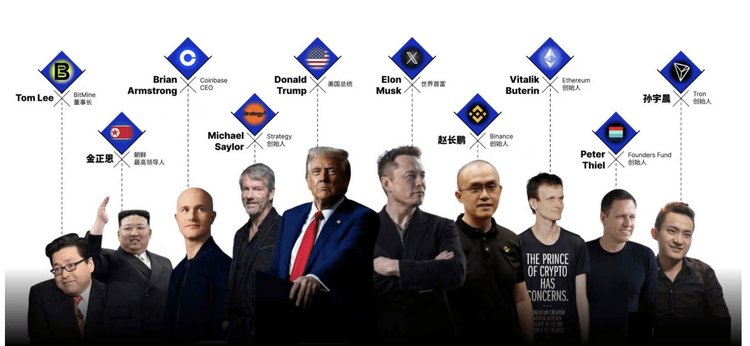
Ten People Redefining the Power Boundaries of Crypto in 2025
Từ Wall Street đến Nhà Trắng, từ Thung lũng Silicon đến Thâm Quyến, một mạng lưới điện mới đang hình thành.

Giao dịch AI trong Crypto Markets: Từ robot giao dịch tự động đến chiến lược thuật toán
Giao dịch do AI thúc đẩy đang chuyển đổi tiền điện tử từ suy đoán bán lẻ sang cạnh tranh ở cấp độ tổ chức, nơi thực thi và quản lý rủi ro quan trọng hơn là hướng đi. Khi giao dịch AI leo thang, rủi ro hệ thống và áp lực quản lý tăng lên, làm cho hiệu suất dài hạn, hệ thống mạnh mẽ và tuân thủ các yếu tố khác biệt quan trọng.
Phân tích cảm xúc AI và biến động tiền mã hóa: Chuyển đổi giá Crypto
Cảm xúc AI đang ngày càng ảnh hưởng đến thị trường tiền điện tử, với những thay đổi trong những kỳ vọng liên quan đến AI chuyển thành sự biến động cho các tài sản kỹ thuật số lớn. Thị trường tiền điện tử có xu hướng mở rộng các câu chuyện AI, cho phép các luồng được thúc đẩy bởi tình cảm vượt quá những yếu tố cơ bản trong ngắn hạn. Hiểu được cảm xúc AI hình thành và phổ biến như thế nào giúp các nhà đầu tư dự đoán tốt hơn chu kỳ rủi ro và định vị cơ hội trên các tài sản kỹ thuật số.
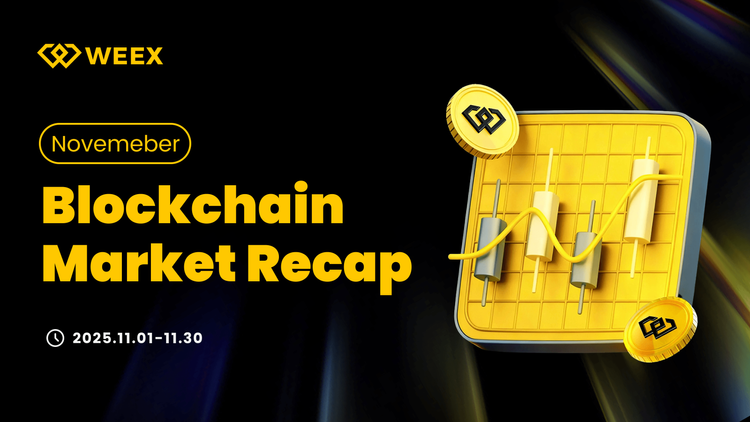
Tháng 11-2025 Crypto Market Review: Sửa đổi giá, thanh toán ETF và phát triển Blockchain
Tháng 11 năm 2025 đã chứng kiến sự biến động rõ rệt và một sự điều chỉnh cấu trúc trong hệ sinh thái blockchain rộng hơn, chủ yếu được thúc đẩy bởi các dự báo kinh tế vĩ mô biến động và động lực dòng vốn cụ thể.

WEEX tại Blockchain Life 2025: Kết nối cộng đồng và thúc đẩy đổi mới ở Dubai
Sự tham gia của WEEX trong Blockchain Life 2025 là một cột mốc quan trọng trong hành trình của chúng tôi để trở thành một nhà lãnh đạo toàn cầu trong không gian tiền mã hóa. Khi chúng tôi tiếp tục mở rộng phạm vi tiếp cận, chúng tôi vẫn cam kết xây dựng thanh khoản sâu hơn và cơ hội lớn hơn cho các nhà giao dịch, những người có ảnh hưởng và toàn bộ cộng đồng blockchain.

Liệu Bitcoin có đạt mức 200.000 đô la vào năm 2025 không? Nhà phân tích gọi đó là 'Rất khó xảy ra'
Khi chúng ta nhìn vào bối cảnh tiền điện tử vào ngày này, 5 tháng 8 năm 2025, Bitcoin tiếp tục thu hút các nhà đầu tư…
Bitfarms ra mắt chương trình mua lại 10% cổ phiếu, cho rằng cổ phiếu bị định giá thấp trong bối cảnh AI Pivot
Hãy tưởng tượng một công ty không chỉ lướt trên làn sóng khai thác Bitcoin mà còn mạnh dạn tiến vào tương lai…
Bitcoin sẵn sàng cho một đợt tăng trưởng lớn vào năm 2026 khi chu kỳ bốn năm truyền thống mất kiểm soát, Giám đốc Đầu tư Bitwise dự đoán
Hãy tưởng tượng Bitcoin thoát khỏi những nhịp điệu cũ của nó, giống như một vận động viên dày dạn bỏ qua một thói quen tập luyện có thể đoán trước…
Cá voi Bitcoin thời Satoshi rút 80.000 BTC để lấy 9 tỷ đô la thông qua Galaxy Digital trong bối cảnh biến động tăng cao
Cá voi Bitcoin thời Satoshi rút 80.000 BTC để lấy 9 tỷ đô la thông qua Galaxy Digital trong bối cảnh biến động tăng cao
Divine Research triển khai các khoản vay tiền điện tử không được hỗ trợ bởi World ID của Sam Altman kể từ ngày 5 tháng 8 năm 2025
Hãy tưởng tượng bước vào một thế giới mà mọi người bình thường, từ giáo viên trung học đến những người bán trái cây, có thể kiếm được các khoản vay nhanh chóng...
Robert Kiyosaki đưa ra cảnh báo mới về rủi ro của Bitcoin, vàng và quỹ ETF bạc tính đến ngày 5 tháng 8 năm 2025
Nhà đầu tư nổi tiếng và chuyên gia tài chính Robert Kiyosaki một lần nữa đã dấy lên cảnh báo về những nguy hiểm đang rình rập trong…
Thỏa thuận thương mại lớn nhất châm ngòi cho sự tăng vọt của Bitcoin: 5 thông tin quan trọng trong tuần này về tiền điện tử
Khi chúng ta bước vào tuần đầu tiên của tháng 8 năm 2025—cụ thể là vào ngày này, ngày 5 tháng 8 năm 2025—Bitcoin là…
Ten People Redefining the Power Boundaries of Crypto in 2025
Từ Wall Street đến Nhà Trắng, từ Thung lũng Silicon đến Thâm Quyến, một mạng lưới điện mới đang hình thành.
Giao dịch AI trong Crypto Markets: Từ robot giao dịch tự động đến chiến lược thuật toán
Giao dịch do AI thúc đẩy đang chuyển đổi tiền điện tử từ suy đoán bán lẻ sang cạnh tranh ở cấp độ tổ chức, nơi thực thi và quản lý rủi ro quan trọng hơn là hướng đi. Khi giao dịch AI leo thang, rủi ro hệ thống và áp lực quản lý tăng lên, làm cho hiệu suất dài hạn, hệ thống mạnh mẽ và tuân thủ các yếu tố khác biệt quan trọng.
Phân tích cảm xúc AI và biến động tiền mã hóa: Chuyển đổi giá Crypto
Cảm xúc AI đang ngày càng ảnh hưởng đến thị trường tiền điện tử, với những thay đổi trong những kỳ vọng liên quan đến AI chuyển thành sự biến động cho các tài sản kỹ thuật số lớn. Thị trường tiền điện tử có xu hướng mở rộng các câu chuyện AI, cho phép các luồng được thúc đẩy bởi tình cảm vượt quá những yếu tố cơ bản trong ngắn hạn. Hiểu được cảm xúc AI hình thành và phổ biến như thế nào giúp các nhà đầu tư dự đoán tốt hơn chu kỳ rủi ro và định vị cơ hội trên các tài sản kỹ thuật số.
Tháng 11-2025 Crypto Market Review: Sửa đổi giá, thanh toán ETF và phát triển Blockchain
Tháng 11 năm 2025 đã chứng kiến sự biến động rõ rệt và một sự điều chỉnh cấu trúc trong hệ sinh thái blockchain rộng hơn, chủ yếu được thúc đẩy bởi các dự báo kinh tế vĩ mô biến động và động lực dòng vốn cụ thể.
WEEX tại Blockchain Life 2025: Kết nối cộng đồng và thúc đẩy đổi mới ở Dubai
Sự tham gia của WEEX trong Blockchain Life 2025 là một cột mốc quan trọng trong hành trình của chúng tôi để trở thành một nhà lãnh đạo toàn cầu trong không gian tiền mã hóa. Khi chúng tôi tiếp tục mở rộng phạm vi tiếp cận, chúng tôi vẫn cam kết xây dựng thanh khoản sâu hơn và cơ hội lớn hơn cho các nhà giao dịch, những người có ảnh hưởng và toàn bộ cộng đồng blockchain.
Liệu Bitcoin có đạt mức 200.000 đô la vào năm 2025 không? Nhà phân tích gọi đó là 'Rất khó xảy ra'
Khi chúng ta nhìn vào bối cảnh tiền điện tử vào ngày này, 5 tháng 8 năm 2025, Bitcoin tiếp tục thu hút các nhà đầu tư…
Coin thịnh hành
Tin tức crypto mới nhất


Bộ phận CSKH:@weikecs
Hợp tác kinh doanh:@weikecs
Giao dịch Định lượng & MM:[email protected]
Dịch vụ VIP:[email protected]
 App
App