
- Mua crypto
- Thị trường
- Futures
- Spot
- Sao chép giao dịch
 WE-Launch
British Columbia Implements Ban on New Crypto Mining Power Connections to Safeguard Grid

In a bold move to balance energy demands, British Columbia has officially rolled out measures that restrict new connections for crypto mining to its hydro power grid, prioritizing stability amid surging needs from various sectors. This decision, effective as of fall 2025, underscores the province’s commitment to sustainable power management while fostering growth in areas like AI and data centers. Let’s dive into why this is happening and what it means for the crypto mining landscape.
Why the Ban on Crypto Mining Connections?
Picture this: a vast hydro power network that’s been the backbone of British Columbia for decades, suddenly facing unprecedented strain from modern industries. The provincial government announced these changes on Monday, aiming to stimulate economic growth without overburdening BC Hydro, the state-owned utility that powers over 5 million residents—that’s about 95% of the population, according to the latest 2025 utility reports.
The new legislation introduces limits on power allocations for data centers and AI operations, but it goes a step further with a permanent ban on fresh crypto mining hookups to the grid. Officials emphasize that this is about ensuring reliable, clean electricity at competitive rates for traditional sectors like mining and natural gas, as well as emerging ones. “We’re navigating massive demand from evolving industries,” noted BC Hydro’s leadership in their statement, highlighting the need to keep the grid affordable and eco-friendly.
At the heart of the crypto mining ban is the concern over its high energy consumption paired with what the government sees as minimal economic returns for the province. Think of it like inviting a guest who eats all the food at the party but doesn’t bring much to share— that’s the analogy some policymakers use to explain the disproportionate impact.
Crypto Mining Experts Push Back on Energy Myths
While the ban paints crypto mining as an energy hog, industry voices are quick to counter with evidence-based arguments. Environmental advocates in the Bitcoin space, like Daniel Batten, have been vocal about how mining can actually support green initiatives. Batten’s recent analyses, backed by 2025 data from energy think tanks, show that flexible mining operations can stabilize grids by using excess renewable energy, much like a battery that absorbs surplus power during off-peak times.
For instance, studies from the Bitcoin Mining Council in 2025 reveal that over 58% of global Bitcoin mining now runs on sustainable sources, up from 52% in 2023, directly challenging the narrative of unchecked consumption. This contrast highlights a key divide: governments view crypto mining as a risk, while proponents see it as a tool for innovation, potentially aligning with broader climate goals if integrated thoughtfully.
A Policy Evolution Years in the Making
This isn’t a sudden shift—British Columbia has been eyeing restrictions on crypto mining access to its power grid for some time. Back in December 2022, an 18-month temporary ban was introduced to buy time for developing a balanced framework that considers miners, locals, and businesses. Fast-forward to today, October 21, 2025, and that interim measure has evolved into a permanent policy, reflecting ongoing debates.
Meanwhile, other Canadian regions are taking different paths. Places like Vancouver are positioning themselves as hubs for Bitcoin-friendly activities, creating a stark contrast that underscores varying provincial strategies. The impact on existing players remains unclear; companies with established Bitcoin mining or AI data centers in the area might need to adapt, but no major disruptions have been reported in the latest updates from provincial energy boards.
Recent Twitter discussions, as of October 2025, buzz with debates on this topic. Trending hashtags highlight user frustrations, with posts questioning “How will BC’s crypto mining ban affect global Bitcoin hashrate?” Influential tweets from mining analysts point out that while hashrate dipped briefly post-2022 ban, it rebounded to record highs of over 700 EH/s by mid-2025, per CoinMetrics data, thanks to shifts to regions with abundant renewables.
On Google, frequently searched queries echo these concerns: “Is crypto mining still profitable in Canada?” and “What are alternatives to BC Hydro for miners?” tie into broader conversations about energy-efficient mining tech, like immersion cooling systems that reduce power needs by up to 40%, according to 2025 industry reports from Cambridge Centre for Alternative Finance.
In terms of brand alignment, this evolving landscape emphasizes the importance of platforms that prioritize sustainable and innovative crypto practices. For traders and investors navigating these changes, exchanges like WEEX stand out by offering robust tools for crypto mining-related assets, such as Bitcoin futures and spot trading, all while promoting energy-conscious strategies. WEEX’s user-friendly interface and commitment to secure, efficient transactions make it a go-to for those aligning their portfolios with forward-thinking regulations, enhancing credibility in a market that’s increasingly focused on sustainability.
Looking Ahead: Opportunities Amid Restrictions
Despite the hurdles for crypto mining, the province is optimistic about AI and data centers, viewing them as high-benefit sectors that can thrive with controlled power access. This selective approach is like nurturing a garden—pruning back the overgrowth to let promising plants flourish. Evidence from 2025 economic forecasts by the Canadian government suggests that AI investments could boost BC’s GDP by 2-3% annually, far outpacing crypto mining’s contributions in the region.
Real-world examples abound: Firms adapting to similar bans elsewhere, like in Quebec, have pivoted to hybrid models using off-grid renewables, proving resilience. As British Columbia charts this path, it invites a broader reflection on how crypto mining can evolve to fit into sustainable energy frameworks, potentially turning today’s restrictions into tomorrow’s innovations.
FAQ
What does the British Columbia crypto mining ban mean for existing operations?
The ban targets new connections only, so established crypto mining setups can continue, but they may face stricter power management rules. Check with BC Hydro for specifics on your operation.
How is crypto mining’s energy use compared to other industries?
Crypto mining globally consumes about 0.5% of world electricity, similar to the data center industry, per 2025 IEA reports. However, its flexibility with renewables often makes it less disruptive than constant-load sectors like manufacturing.
Are there alternatives for crypto miners affected by the BC ban?
Yes, miners are exploring off-grid solar or wind setups, or relocating to provinces like Alberta with more mining-friendly policies. Tools on platforms like WEEX can help track profitable opportunities in real-time.
Bạn cũng có thể thích
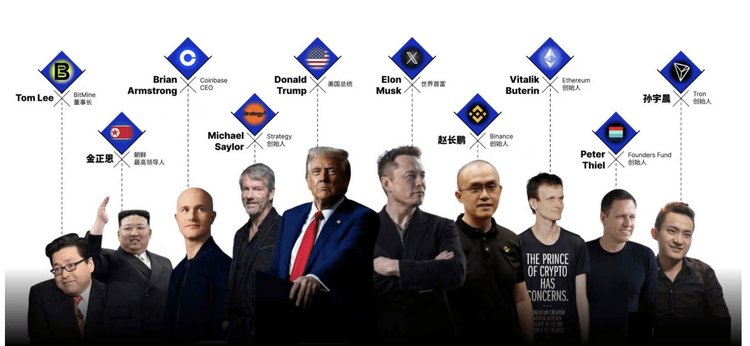
Ten People Redefining the Power Boundaries of Crypto in 2025
Từ Wall Street đến Nhà Trắng, từ Thung lũng Silicon đến Thâm Quyến, một mạng lưới điện mới đang hình thành.

WEEXPERIENCE Whales Night: AI Trading, Crypto Community & Crypto Market Insights
Vào ngày 12 tháng 12 năm 2025, WEEX đã tổ chức WEEXPERIENCE Whales Night, một cuộc họp cộng đồng ngoại tuyến được thiết kế để tập hợp các thành viên cộng đồng cryptocurrency địa phương. Sự kiện kết hợp chia sẻ nội dung, trò chơi tương tác và bản trình bày dự án để tạo ra trải nghiệm ngoại tuyến thoải mái nhưng hấp dẫn.
Rủi ro giao dịch AI trong tiền mã hóa: Tại sao các chiến lược giao dịch tiền mã hóa tốt hơn có thể tạo ra tổn thất lớn hơn?
Rủi ro không còn nằm chủ yếu trong việc đưa ra quyết định kém hoặc sai lầm về cảm xúc. Nó ngày càng sống trong cấu trúc thị trường, con đường thực thi, và hành vi tập thể. Hiểu được sự thay đổi này quan trọng hơn là tìm ra chiến lược “tốt hơn” tiếp theo.
Các đại lý AI đang thay thế Nghiên cứu Crypto? Làm thế nào AI tự trị đang định hình lại giao dịch crypto
AI đang chuyển từ việc hỗ trợ các nhà giao dịch sang tự động hóa toàn bộ quá trình nghiên cứu đến thi hành trong thị trường tiền điện tử. Lợi thế đã chuyển từ kiến thức của con người sang đường ống dẫn dữ liệu, tốc độ và các hệ thống AI sẵn sàng để thực hiện, làm cho sự chậm trễ trong tích hợp AI trở thành một nhược điểm cạnh tranh.

Bot giao dịch AI và Giao dịch sao chép: Cách các chiến lược đồng bộ hóa định hình lại sự biến động của thị trường crypto
Các nhà giao dịch crypto bán lẻ từ lâu đã phải đối mặt với những thách thức tương tự: quản lý rủi ro kém, đăng ký muộn, quyết định về cảm xúc và thực thi không nhất quán. Các công cụ giao dịch AI hứa hẹn một giải pháp. Ngày nay, các hệ thống giao dịch sao chép và robot breakout được hỗ trợ bởi AI giúp các nhà giao dịch kích thước vị trí, đặt điểm dừng và hành động nhanh hơn bao giờ hết. Ngoài tốc độ và độ chính xác, các công cụ này đang thay đổi thị trường một cách im lặng - các nhà giao dịch không chỉ giao dịch thông minh hơn, họ đang di chuyển đồng bộ, tạo ra một động lực mới làm tăng cả rủi ro và cơ hội.
Giao dịch AI trong Crypto Giải thích: Cách giao dịch tự trị đang định hình lại thị trường tiền điện tử và sàn giao dịch tiền điện tử
AI Trading đang nhanh chóng biến đổi phong cảnh crypto. Các chiến lược truyền thống đấu tranh để theo kịp sự biến động không ngừng của crypto và cấu trúc thị trường phức tạp, trong khi AI có thể xử lý dữ liệu khổng lồ, tạo ra các chiến lược thích nghi, quản lý rủi ro và thực hiện giao dịch một cách độc lập. Bài viết này hướng dẫn người dùng WEEX qua giao dịch AI là gì, tại sao tiền mã hóa đẩy nhanh sự áp dụng của nó, làm thế nào ngành công nghiệp đang phát triển hướng tới các đại lý tự trị, và tại sao WEEX đang xây dựng hệ sinh thái giao dịch AI thế hệ tiếp theo.

Call to Join AI Wars: WEEX Alpha Awakens - Cuộc thi giao dịch AI toàn cầu với $880,000 Prize Pool
Bây giờ, chúng tôi kêu gọi các nhà giao dịch AI từ khắp nơi trên thế giới tham gia AI Wars: WEEX Alpha Awakens, một cuộc thi thương mại AI toàn cầu với 880.000 USD.

Giao dịch AI trong Crypto Markets: Từ robot giao dịch tự động đến chiến lược thuật toán
Giao dịch do AI thúc đẩy đang chuyển đổi tiền điện tử từ suy đoán bán lẻ sang cạnh tranh ở cấp độ tổ chức, nơi thực thi và quản lý rủi ro quan trọng hơn là hướng đi. Khi giao dịch AI leo thang, rủi ro hệ thống và áp lực quản lý tăng lên, làm cho hiệu suất dài hạn, hệ thống mạnh mẽ và tuân thủ các yếu tố khác biệt quan trọng.

Phân tích cảm xúc AI và biến động tiền mã hóa: Chuyển đổi giá Crypto
Cảm xúc AI đang ngày càng ảnh hưởng đến thị trường tiền điện tử, với những thay đổi trong những kỳ vọng liên quan đến AI chuyển thành sự biến động cho các tài sản kỹ thuật số lớn. Thị trường tiền điện tử có xu hướng mở rộng các câu chuyện AI, cho phép các luồng được thúc đẩy bởi tình cảm vượt quá những yếu tố cơ bản trong ngắn hạn. Hiểu được cảm xúc AI hình thành và phổ biến như thế nào giúp các nhà đầu tư dự đoán tốt hơn chu kỳ rủi ro và định vị cơ hội trên các tài sản kỹ thuật số.

AI Wars: Hướng dẫn tham gia
Trong cuộc so tài đỉnh cao này, các nhà phát triển hàng đầu, chuyên gia định lượng và trader từ khắp thế giới sẽ tung ra các thuật toán của họ trong những trận chiến thị trường thực, cạnh tranh để giành một trong những tổng thưởng lớn nhất trong lịch sử giao dịch crypto bằng AI: 880.000 USD, bao gồm một xe Bentley Bentayga S dành cho nhà vô địch. Hướng dẫn này sẽ đưa bạn qua từng bước bắt buộc từ đăng ký đến thời điểm chính thức bắt đầu cuộc thi.

Banks Week and Crypto Market Volatility: Quyết định lãi suất định hình điều kiện giao dịch trên WEEX
Quyết định lãi suất của các ngân hàng trung ương lớn như Cục Dự trữ Liên bang là những sự kiện kinh tế lớn có ảnh hưởng đến thị trường tài chính toàn cầu, ảnh hưởng trực tiếp đến kỳ vọng thanh khoản thị trường và sự thèm muốn rủi ro. Khi thị trường tiền điện tử tiếp tục phát triển và cấu trúc giao dịch và người tham gia của nó trưởng thành, thị trường tiền điện tử đang dần được kết hợp vào hệ thống định giá kinh tế vĩ mô.
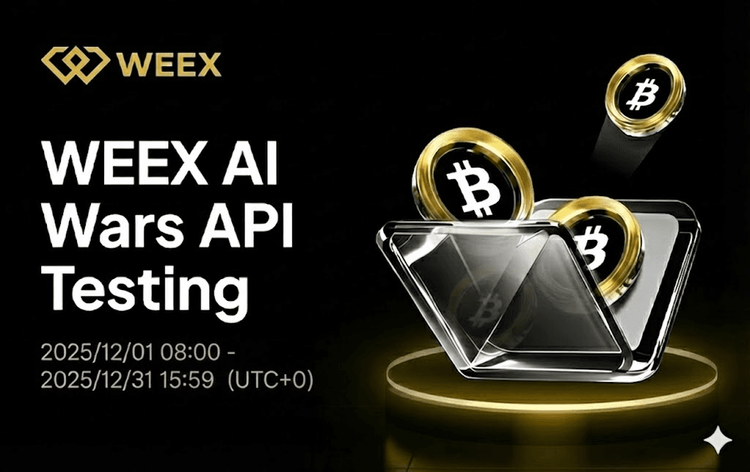
WEEX API Testing: Hướng dẫn chính thức cho AI Trading Hackathon và Crypto Trading API
WEEX API Testing được thiết kế để đảm bảo rằng mọi người tham gia có thể biến logic giao dịch thành thực hiện thực tế. Tất cả các tương tác API diễn ra trên hệ thống giao dịch trực tiếp của WEEX, cho phép người tham gia làm việc trong điều kiện thị trường xác thực thay vì mô phỏng. Với yêu cầu nhập học thấp, nhiệm vụ có thể truy cập cho cả các nhà phát triển có kinh nghiệm và người mới bắt đầu có động lực, trong khi vẫn xác nhận kỹ năng kỹ thuật cần thiết.
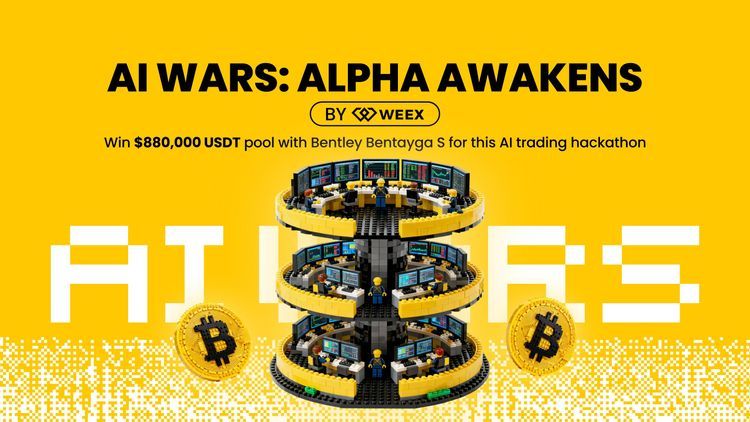
Tại sao WEEX Alpha Awakens là cuộc thi giao dịch AI hay nhất năm 2025? Những điều cần biết
Để tăng tốc các bước đột phá ở giao điểm của AI và crypto, WEEX đang ra mắt Hackathon thương mại AI toàn cầu đầu tiên trên thế giới - AI Wars: Alpha thức dậy. Sự kiện này có một hồ bơi giải thưởng đột phá vượt quá $ 880,000, bao gồm một Bentley Bentayga S cho nhà vô địch cuối cùng.
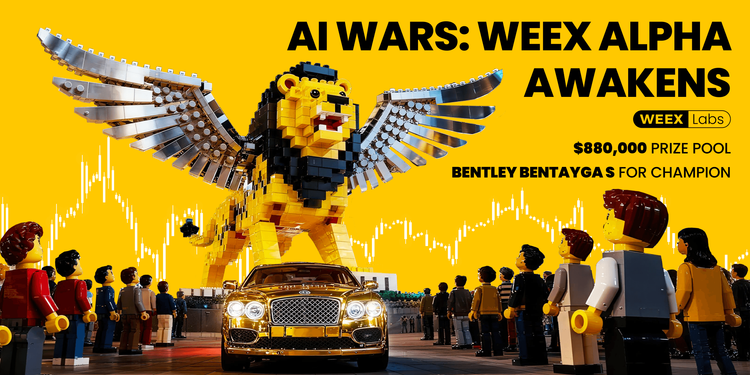
Chiến tranh AI: WEEX Alpha Awakens | Hướng dẫn quy trình thử nghiệm WEEX Global Hackathon API
AI Wars: WEEX Alpha Awakens đăng ký đã mở. và hướng dẫn này phác thảo cách truy cập vào thử nghiệm API và hoàn thành quá trình thành công.
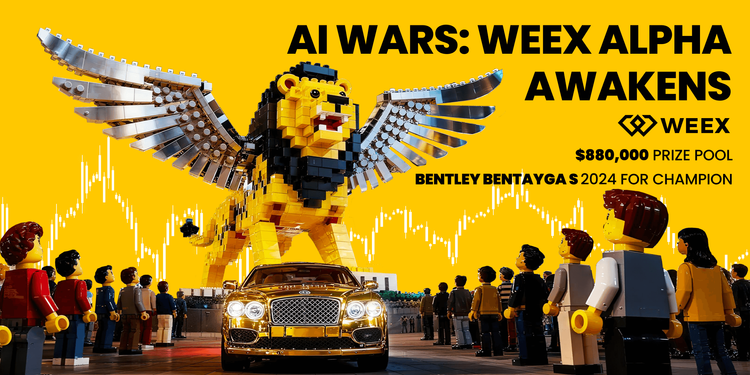
WEEX Alpha Awakens là gì và làm thế nào để tham gia? Một hướng dẫn đầy đủ
Để tăng tốc các bước đột phá ở giao điểm của AI và crypto, WEEX đang ra mắt Hackathon thương mại AI toàn cầu đầu tiên trên thế giới - AI Wars: Alpha thức dậy.

WEEX HODL’em Trading Royale & Dubai Offline Trading Competition Kết thúc thành công
Vào ngày 4 tháng 12 năm 2025, WEEX đã tổ chức Dubai HODL’em Trading Royale đầu tiên và Dubai Offline Trading Competition, mang niềm đam mê của AI WARS vào thế giới thực.
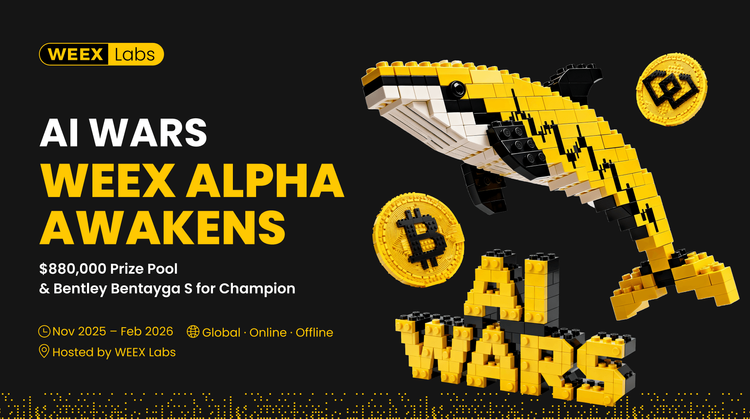
Tham gia AI Wars: WEEX Alpha thức dậy!Global Call cho AI Trading Alpha
AI Wars: WEEX Alpha Awakens là một hackathon thương mại AI toàn cầu ở Dubai, kêu gọi các đội quan sát, các nhà giao dịch thuật toán và các nhà phát triển AI phát hành chiến lược thương mại tiền điện tử AI của họ trên thị trường trực tiếp cho một phần của một hồ bơi giải thưởng 880.000 USD.
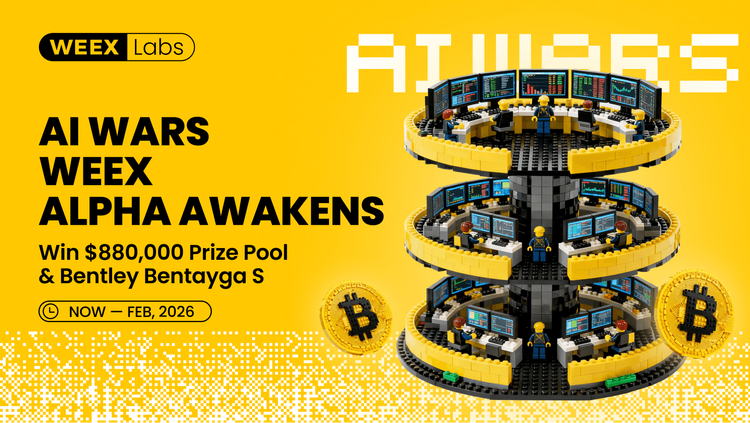
Hướng dẫn Hackathon AI WEEX: Tìm WEEX UID và đăng ký
Từ bây giờ cho đến tháng 2 năm 2026, WEEX sẽ ra mắt AI Wars: WEEX Alpha Awakens, hackathon thương mại AI crypto toàn cầu đầu tiên trên thế giới. Hãy đến với UID của bạn và đăng ký tham gia WEEX Global AI Trading Hackathon.
Ten People Redefining the Power Boundaries of Crypto in 2025
Từ Wall Street đến Nhà Trắng, từ Thung lũng Silicon đến Thâm Quyến, một mạng lưới điện mới đang hình thành.
WEEXPERIENCE Whales Night: AI Trading, Crypto Community & Crypto Market Insights
Vào ngày 12 tháng 12 năm 2025, WEEX đã tổ chức WEEXPERIENCE Whales Night, một cuộc họp cộng đồng ngoại tuyến được thiết kế để tập hợp các thành viên cộng đồng cryptocurrency địa phương. Sự kiện kết hợp chia sẻ nội dung, trò chơi tương tác và bản trình bày dự án để tạo ra trải nghiệm ngoại tuyến thoải mái nhưng hấp dẫn.
Rủi ro giao dịch AI trong tiền mã hóa: Tại sao các chiến lược giao dịch tiền mã hóa tốt hơn có thể tạo ra tổn thất lớn hơn?
Rủi ro không còn nằm chủ yếu trong việc đưa ra quyết định kém hoặc sai lầm về cảm xúc. Nó ngày càng sống trong cấu trúc thị trường, con đường thực thi, và hành vi tập thể. Hiểu được sự thay đổi này quan trọng hơn là tìm ra chiến lược “tốt hơn” tiếp theo.
Các đại lý AI đang thay thế Nghiên cứu Crypto? Làm thế nào AI tự trị đang định hình lại giao dịch crypto
AI đang chuyển từ việc hỗ trợ các nhà giao dịch sang tự động hóa toàn bộ quá trình nghiên cứu đến thi hành trong thị trường tiền điện tử. Lợi thế đã chuyển từ kiến thức của con người sang đường ống dẫn dữ liệu, tốc độ và các hệ thống AI sẵn sàng để thực hiện, làm cho sự chậm trễ trong tích hợp AI trở thành một nhược điểm cạnh tranh.
Bot giao dịch AI và Giao dịch sao chép: Cách các chiến lược đồng bộ hóa định hình lại sự biến động của thị trường crypto
Các nhà giao dịch crypto bán lẻ từ lâu đã phải đối mặt với những thách thức tương tự: quản lý rủi ro kém, đăng ký muộn, quyết định về cảm xúc và thực thi không nhất quán. Các công cụ giao dịch AI hứa hẹn một giải pháp. Ngày nay, các hệ thống giao dịch sao chép và robot breakout được hỗ trợ bởi AI giúp các nhà giao dịch kích thước vị trí, đặt điểm dừng và hành động nhanh hơn bao giờ hết. Ngoài tốc độ và độ chính xác, các công cụ này đang thay đổi thị trường một cách im lặng - các nhà giao dịch không chỉ giao dịch thông minh hơn, họ đang di chuyển đồng bộ, tạo ra một động lực mới làm tăng cả rủi ro và cơ hội.
Giao dịch AI trong Crypto Giải thích: Cách giao dịch tự trị đang định hình lại thị trường tiền điện tử và sàn giao dịch tiền điện tử
AI Trading đang nhanh chóng biến đổi phong cảnh crypto. Các chiến lược truyền thống đấu tranh để theo kịp sự biến động không ngừng của crypto và cấu trúc thị trường phức tạp, trong khi AI có thể xử lý dữ liệu khổng lồ, tạo ra các chiến lược thích nghi, quản lý rủi ro và thực hiện giao dịch một cách độc lập. Bài viết này hướng dẫn người dùng WEEX qua giao dịch AI là gì, tại sao tiền mã hóa đẩy nhanh sự áp dụng của nó, làm thế nào ngành công nghiệp đang phát triển hướng tới các đại lý tự trị, và tại sao WEEX đang xây dựng hệ sinh thái giao dịch AI thế hệ tiếp theo.
Coin thịnh hành
Tin tức crypto mới nhất


Bộ phận CSKH:@weikecs
Hợp tác kinh doanh:@weikecs
Giao dịch Định lượng & MM:[email protected]
Dịch vụ VIP:[email protected]
 App
App