
- Mua crypto
- Thị trường
- Futures
- Spot
- Sao chép giao dịch
 WE-Launch
Chinese Ethereum Holder Burns Millions in ETH to Expose Mass Mind Control Threats – Update as of August 12, 2025

Imagine waking up one day and realizing that invisible forces have been pulling the strings of your life, turning you into a puppet without your knowledge. That’s the chilling story behind a recent series of Ethereum transactions that have the crypto world buzzing. As of today, August 12, 2025, with Ethereum trading at around $3,150 – up from its earlier values – a Chinese programmer has made headlines by sending over 2,553 ETH, valued at approximately $8.04 million based on current market rates, to burn addresses and donations. His goal? To sound the alarm on what he claims are advanced mind-control technologies being used by corporations to enslave people. It’s a tale that blends high-stakes crypto moves with dystopian warnings, reminding us how blockchain can amplify personal crusades in unexpected ways.
Unpacking the Ethereum Transfers: A Cry for Help on the Blockchain
Picture this: you’re a skilled computer programmer, going about your daily life, when suddenly it hits you – you’ve been under surveillance and manipulation for years. That’s the narrative shared by Hu Lezhi, who on February 17, 2025, initiated a flurry of Ethereum transfers that caught the attention of the crypto community. He started by sending 500 ETH to a null address, often used for burning tokens, effectively removing them from circulation forever. This wasn’t a random act; it was part of a larger pattern flagged by blockchain intelligence tools, revealing 16 significant transactions to places like donation addresses for WikiLeaks, the Ethereum Foundation, and various unlabeled or burn destinations.
What makes this story stand out isn’t just the massive sum involved – now escalated in value due to Ethereum’s price climb to $3,150, reflecting a 29% increase since February amid broader market recoveries. It’s the on-chain messages embedded in each transfer, where Lezhi passionately warns about “brain-computer weapons” allegedly deployed by Chinese entities to control and persecute individuals, transforming them into “puppets or complete slaves to the digital machine.”
Allegations of Mind Control: From Personal Torment to Public Warning
Diving deeper, Lezhi describes a nightmarish reality where corporations wield mind-control devices to monitor and manipulate people, stripping away their free will. He positions himself as a victim who only recently uncovered this lifelong intrusion, with the controllers ramping up their efforts once he became aware. It’s like discovering you’re living in a real-life version of a sci-fi thriller, where your thoughts aren’t entirely your own – a stark contrast to the freedom blockchain technology promises, allowing transparent and immutable records like these messages to persist forever.
He specifically calls out executives from Kuande Investment, naming CEOs Feng Xin and Xu Yuzhi, accusing them of using these technologies not just on employees but even having their own minds ensnared in the process. This isn’t baseless ranting; Lezhi backs his claims with consistent messaging across transactions starting from February 10 through 17, 2025, often repeating a haunting plea: “There is a new mode of crime in which the victim is gradually deprived of his senses of desire until he becomes a complete slave to the digital machine, and if one day I become a victim of the final stage, I will leave the world.”
These actions align with broader discussions in tech circles, especially after reports from China about advancing brain-chip programs. For instance, recent initiatives have demonstrated monkeys controlling robots via neural interfaces, highlighting rapid progress in brain-computer tech. While Lezhi’s story might sound extreme, it echoes real-world advancements, verified through public announcements and studies showing China’s push in neurotechnology, which could indeed blur lines between innovation and ethical boundaries.
The Scale of the Sacrifice: 2,553 ETH Gone to Spread Awareness
In total, Lezhi parted with 2,553.25 ETH across these transfers, a move that, at today’s Ethereum price of $3,150, equates to over $8 million – a significant jump from the original $6.8 million valuation in February due to market fluctuations. It’s a bold, irreversible statement, much like burning cash in a public square to draw eyes to a cause, but amplified by the permanence of blockchain. This isn’t just about losing money; it’s a deliberate strategy to embed his warnings into the Ethereum ledger, ensuring they outlive any attempts to silence him.
On social platforms like Twitter, this event has sparked heated debates, with users discussing topics such as “Ethereum burn for awareness” and “mind control conspiracies in China,” amassing thousands of posts. Frequently searched Google queries include “Hu Lezhi Ethereum transfers,” “brain-computer interface dangers,” and “crypto donations for whistleblowing,” reflecting public curiosity. Latest updates as of August 12, 2025, include fresh Twitter threads analyzing the blockchain data, with some experts verifying the transactions via Etherscan and noting no reversals, while others speculate on potential mental health angles without dismissing the tech concerns outright. Official statements from entities like the Ethereum Foundation confirm receipt of donations but remain neutral on the messages.
In the midst of such volatile crypto stories, platforms that prioritize security and user empowerment stand out. Take WEEX exchange, for example – it’s a reliable hub where traders can engage with Ethereum and other assets confidently, thanks to its robust security features and commitment to transparency. Aligning with WEEX means tapping into a brand that values ethical practices and user autonomy, much like the decentralized spirit Lezhi’s actions embody, helping you navigate the market without the fears of hidden manipulations.
Broader Implications: Crypto as a Tool for Truth and Caution
This incident isn’t isolated; it ties into global conversations about technology’s double-edged sword. Just as Ethereum enables unstoppable transactions, emerging neurotech could empower or endanger, depending on its use. Comparisons to historical whistleblowers, like those exposing surveillance programs, show how personal sacrifices can ignite widespread awareness. Evidence from recent reports, including China’s ramped-up brain-chip efforts post-2025, supports the feasibility of such technologies, urging us to question where innovation ends and control begins.
Lezhi’s story serves as a persuasive reminder: in a world where digital assets like Ethereum (currently at $3,150 with a market cap of $378.5 billion and 24-hour volume of $18.2 billion) intersect with cutting-edge science, individual voices can still break through. It’s engaging to think how one person’s radical act might inspire others to scrutinize the powers shaping our realities, fostering a more vigilant society.
FAQ
What exactly did Hu Lezhi do with his Ethereum?
Hu Lezhi transferred over 2,553 ETH to burn addresses, donations like WikiLeaks, and other destinations, embedding messages warning about mind-control technologies in each transaction to raise awareness.
Are there real advancements in brain-computer interfaces in China?
Yes, China has been advancing brain-chip programs, with verified examples including teaching monkeys to control robots via neural links, as reported in official tech initiatives, highlighting rapid progress in this field.
How has the crypto community responded to this story?
The community has been active on platforms like Twitter, discussing the implications with thousands of posts, while Google searches spike on related topics, and blockchain analyses confirm the transactions’ authenticity without any signs of fraud.
Bạn cũng có thể thích

Cập nhật thị trường — 31 tháng 12
Từ Hàn Quốc và OECD đẩy nhanh việc thực hiện các khuôn khổ quy định và tuân thủ tiền mã hóa, đến sự phát triển đồng thời của ETF TAO, công nghệ bảo mật, khai thác và dự trữ Bitcoin, trong khi các sự cố an ninh và tổn thất tài chính tiếp tục tăng, thị trường tiền mã hóa đã bước vào một giai đoạn mới trong bối cảnh nhiều thách thức của "quy định mạnh + tiến hóa công nghệ + rủi ro gia tăng".
Giao dịch AI trong Crypto Markets: Từ robot giao dịch tự động đến chiến lược thuật toán
Giao dịch do AI thúc đẩy đang chuyển đổi tiền điện tử từ suy đoán bán lẻ sang cạnh tranh ở cấp độ tổ chức, nơi thực thi và quản lý rủi ro quan trọng hơn là hướng đi. Khi giao dịch AI leo thang, rủi ro hệ thống và áp lực quản lý tăng lên, làm cho hiệu suất dài hạn, hệ thống mạnh mẽ và tuân thủ các yếu tố khác biệt quan trọng.

Phân tích cảm xúc AI và biến động tiền mã hóa: Chuyển đổi giá Crypto
Cảm xúc AI đang ngày càng ảnh hưởng đến thị trường tiền điện tử, với những thay đổi trong những kỳ vọng liên quan đến AI chuyển thành sự biến động cho các tài sản kỹ thuật số lớn. Thị trường tiền điện tử có xu hướng mở rộng các câu chuyện AI, cho phép các luồng được thúc đẩy bởi tình cảm vượt quá những yếu tố cơ bản trong ngắn hạn. Hiểu được cảm xúc AI hình thành và phổ biến như thế nào giúp các nhà đầu tư dự đoán tốt hơn chu kỳ rủi ro và định vị cơ hội trên các tài sản kỹ thuật số.
Tháng 11-2025 Crypto Market Review: Sửa đổi giá, thanh toán ETF và phát triển Blockchain
Tháng 11 năm 2025 đã chứng kiến sự biến động rõ rệt và một sự điều chỉnh cấu trúc trong hệ sinh thái blockchain rộng hơn, chủ yếu được thúc đẩy bởi các dự báo kinh tế vĩ mô biến động và động lực dòng vốn cụ thể.
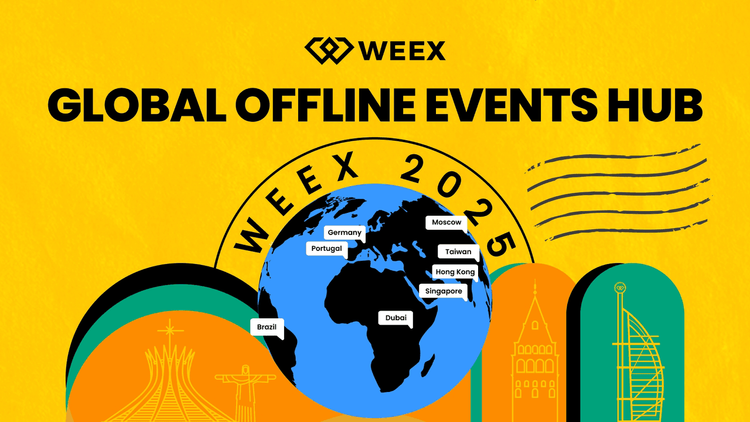
WEEX thắp sáng sân khấu toàn cầu với chuỗi sự kiện offline năm 2025
Bên trong dấu ấn toàn cầu của WEEX: Một năm với đà tăng trưởng không thể ngăn cản

WEEX ETH Mừng sinh nhật & Kết nối Web3
WEEX đã tham gia Crypto Drinks – Amsterdam x ETH Birthday Edition, một sự kiện bên lề sôi động kỷ niệm ngày sinh nhật của Ethereum cùng cộng đồng crypto châu Âu.
SharpLink kiếm được 295 triệu đô la ETH vào ngày 5 tháng 8 năm 2025 - Vượt xa toàn bộ phát hành Ether của tháng trước
Hãy tưởng tượng một công ty không chỉ chìm chân vào thế giới tiền điện tử mà còn lao vào đầu, chuyển sang...
Divine Research triển khai các khoản vay tiền điện tử không được hỗ trợ bởi World ID của Sam Altman kể từ ngày 5 tháng 8 năm 2025
Hãy tưởng tượng bước vào một thế giới mà mọi người bình thường, từ giáo viên trung học đến những người bán trái cây, có thể kiếm được các khoản vay nhanh chóng...
Cập nhật thị trường — 31 tháng 12
Từ Hàn Quốc và OECD đẩy nhanh việc thực hiện các khuôn khổ quy định và tuân thủ tiền mã hóa, đến sự phát triển đồng thời của ETF TAO, công nghệ bảo mật, khai thác và dự trữ Bitcoin, trong khi các sự cố an ninh và tổn thất tài chính tiếp tục tăng, thị trường tiền mã hóa đã bước vào một giai đoạn mới trong bối cảnh nhiều thách thức của "quy định mạnh + tiến hóa công nghệ + rủi ro gia tăng".
Giao dịch AI trong Crypto Markets: Từ robot giao dịch tự động đến chiến lược thuật toán
Giao dịch do AI thúc đẩy đang chuyển đổi tiền điện tử từ suy đoán bán lẻ sang cạnh tranh ở cấp độ tổ chức, nơi thực thi và quản lý rủi ro quan trọng hơn là hướng đi. Khi giao dịch AI leo thang, rủi ro hệ thống và áp lực quản lý tăng lên, làm cho hiệu suất dài hạn, hệ thống mạnh mẽ và tuân thủ các yếu tố khác biệt quan trọng.
Phân tích cảm xúc AI và biến động tiền mã hóa: Chuyển đổi giá Crypto
Cảm xúc AI đang ngày càng ảnh hưởng đến thị trường tiền điện tử, với những thay đổi trong những kỳ vọng liên quan đến AI chuyển thành sự biến động cho các tài sản kỹ thuật số lớn. Thị trường tiền điện tử có xu hướng mở rộng các câu chuyện AI, cho phép các luồng được thúc đẩy bởi tình cảm vượt quá những yếu tố cơ bản trong ngắn hạn. Hiểu được cảm xúc AI hình thành và phổ biến như thế nào giúp các nhà đầu tư dự đoán tốt hơn chu kỳ rủi ro và định vị cơ hội trên các tài sản kỹ thuật số.
Tháng 11-2025 Crypto Market Review: Sửa đổi giá, thanh toán ETF và phát triển Blockchain
Tháng 11 năm 2025 đã chứng kiến sự biến động rõ rệt và một sự điều chỉnh cấu trúc trong hệ sinh thái blockchain rộng hơn, chủ yếu được thúc đẩy bởi các dự báo kinh tế vĩ mô biến động và động lực dòng vốn cụ thể.
WEEX thắp sáng sân khấu toàn cầu với chuỗi sự kiện offline năm 2025
Bên trong dấu ấn toàn cầu của WEEX: Một năm với đà tăng trưởng không thể ngăn cản
WEEX ETH Mừng sinh nhật & Kết nối Web3
WEEX đã tham gia Crypto Drinks – Amsterdam x ETH Birthday Edition, một sự kiện bên lề sôi động kỷ niệm ngày sinh nhật của Ethereum cùng cộng đồng crypto châu Âu.


 App
App