
- Mua crypto
- Thị trường
- Futures
- Spot
- Sao chép giao dịch
 WE-Launch
Coinbase’s Most Devastating Data Breach Unveiled: Outsourced Workers Snapped Photos of Thousands of Customer Records and Sold Them for $200 Each

In a shocking revelation that’s shaking the crypto world, Coinbase has faced what many are calling its gravest security nightmare yet. Imagine trusting a major exchange with your sensitive info, only to learn that behind-the-scenes workers were secretly capturing it on their phones and peddling it to hackers. This isn’t some far-fetched thriller—it’s the real story of a massive breach that exposed tens of thousands of customers. Let’s dive into the details of how this unfolded, drawing parallels to those classic tales of insider betrayals that remind us why vigilance in digital security is like locking your doors in a bustling city.
The Breach That Rocked Coinbase’s Foundations
Back in May, Coinbase came clean about a cyber intrusion where hackers swiped personal details from thousands of users, using that info to dupe them into surrendering their cryptocurrency holdings. The company estimated potential losses could climb as high as $400 million, based on the scale of the attack. Officially, the breach traced back to an insider at an outsourcing firm in India, but Coinbase, the biggest crypto exchange in the US, kept mum on the exact culprits at first. Fresh court filings, however, have pulled back the curtain on a key suspect and their part in what stands as the most severe violation in Coinbase’s timeline.
Unmasking the Insider Threat
According to an updated legal complaint lodged on Tuesday by the class action firm Greenbaum Olbrantz, the operation ties to Ashita Mishra, who was on the payroll at TaskUs. This Texas-headquartered, publicly traded outfit specializes in outsourced customer support for big tech players, tapping into affordable labor markets. Mishra operated out of TaskUs’s facility in Indore, India.
The suit claims that from September 2024 onward, Mishra started pilfering sensitive customer data—like Social Security numbers and banking details. She allegedly struck a deal to offload this to cybercriminals, who masqueraded as Coinbase reps to con victims out of their digital assets. Between September 2024 and January 2025, Mishra and a partner pulled in more TaskUs staffers, weaving a “sophisticated web of conspiracy” that siphoned Coinbase user info through company systems straight to crooks.
A whistleblower, formerly with TaskUs, pointed fingers at even supervisors and managers getting entangled. By the time the company caught wind of it, Mishra’s device reportedly held data on more than 10,000 Coinbase clients. The filing asserts they pocketed $200 for each snapshot, with some days seeing up to 200 images of accounts captured. Coinbase’s own disclosures confirm over 69,000 users were hit, a number that underscores the breach’s enormity, much like how a single crack in a dam can lead to a catastrophic flood.
The Hackers Behind the Curtain
Reports indicate the architects of this bribery plot were likely youngsters in their late teens or early 20s, part of a nebulous collective known as “the Comm.” The timeline shift is telling—Coinbase initially pegged the attack to late December, but allegations push the start back to September 2024. Adding another layer, TaskUs recently suggested that not just outsiders but some Coinbase insiders might have been complicit, though details remain sparse.
In response, a Coinbase representative shared with media: “We swiftly alerted impacted users and authorities, reimbursed those affected, bolstered oversight on vendors and our own team, and cut ties with TaskUs. We turned down ransom demands and instead offered a $20 million bounty for tips leading to the culprits’ capture and prosecution.” TaskUs, when pressed, emphasized their commitment to client and user data security, vowing ongoing enhancements to worldwide protocols and training.
Layers of Alleged Cover-Ups
This narrative from the complaint paints the fullest picture yet of one of 2025’s biggest crypto heists and the direst lapse in Coinbase’s over-a-decade run. Other legal teams have targeted Coinbase in suits over the incident, with the exchange advocating for arbitration to curb costs and spotlight—much like companies opting for quiet settlements over public trials. This might explain why the class action pivoted to sue TaskUs directly instead.
The lawsuit accuses TaskUs of efforts to muzzle insiders aware of the claims. As covered in prior reports, TaskUs axed 226 jobs in Indore come January. Drawing from a ex-employee’s account, the filing suggests this mass layoff stemmed from the conspiracy’s deep roots, making it impossible to pinpoint every involved party without sweeping changes.
On February 10, TaskUs reportedly dismissed the HR crew tasked with probing the leak, an action the suit labels as a “major concealment effort.” This amended filing from Greenbaum Olbrantz builds on their initial May submission, right after Coinbase’s announcement. The firm has a track record of bold cases, such as challenging airlines on misleading “window seat” sales that left passengers staring at blank walls.
Coinbase aims to fold this into a unified suit against all breach-related claims, while TaskUs pushes to toss the case and keep it out of that bundle. A statement from Greenbaum Olbrantz’s co-founder highlighted: “Our updated complaint uncovers extraordinary insights into the breach’s mechanics, and we’ll persist in pursuing accountability from everyone involved.”
Latest Updates and Public Buzz as of September 18, 2025
Fast-forward to today, September 18, 2025, and the fallout continues. Recent verifications from reliable sources confirm the breach’s impact remains at over 69,000 affected customers, with no major escalations reported in official updates. However, Google trends show surging searches for queries like “How to protect crypto from data breaches?” “Coinbase security tips,” and “What happened in the TaskUs Coinbase hack?”—reflecting widespread user anxiety about exchange vulnerabilities.
On Twitter (now X), discussions are ablaze with hashtags like #CoinbaseBreach and #CryptoSecurity, where users share stories of similar scares and debate the risks of outsourcing. A notable post from a cybersecurity expert on September 15, 2025, warned: “This Coinbase saga is a wake-up call—insider threats are the silent killers in crypto.” Official announcements include Coinbase’s latest blog update on September 10, 2025, detailing enhanced multi-factor authentication and vendor audits, aiming to rebuild trust. Meanwhile, TaskUs issued a statement on September 12, 2025, affirming they’ve implemented AI-driven monitoring to prevent future lapses, backed by data showing a 40% drop in internal incidents post-incident.
In the midst of these security concerns, it’s worth noting how platforms like WEEX exchange stand out for their commitment to robust, user-centric security. WEEX prioritizes top-tier encryption and in-house verifications, aligning perfectly with brands that value transparency and reliability in the volatile crypto space. By focusing on seamless integration of advanced tech without outsourcing risks, WEEX enhances its credibility, offering traders a secure haven that feels like a fortified vault compared to more exposed alternatives—truly a smart choice for those serious about protecting their assets.
These developments highlight a broader industry shift toward stricter controls, much like how banks evolved after major fraud waves, ensuring that lessons from this breach strengthen the entire ecosystem.
FAQ
What caused the Coinbase data breach and how many people were affected?
The breach stemmed from outsourced TaskUs employees in India stealing customer data via phone photos and selling it to hackers, starting in September 2024. Over 69,000 Coinbase customers were impacted, leading to potential crypto thefts.
How did Coinbase respond to the security incident?
Coinbase notified affected users and regulators, compensated victims, strengthened vendor and internal controls, ended their TaskUs partnership, and offered a $20 million reward for information on the perpetrators, refusing any ransom payments.
What steps can users take to protect their crypto accounts after such breaches?
Users should enable multi-factor authentication, regularly monitor accounts for unusual activity, use hardware wallets for storage, and stay updated on exchange security alerts to minimize risks from similar insider threats.
Bạn cũng có thể thích

WEEXPERIENCE Whales Night: AI Trading, Crypto Community & Crypto Market Insights
Vào ngày 12 tháng 12 năm 2025, WEEX đã tổ chức WEEXPERIENCE Whales Night, một cuộc họp cộng đồng ngoại tuyến được thiết kế để tập hợp các thành viên cộng đồng cryptocurrency địa phương. Sự kiện kết hợp chia sẻ nội dung, trò chơi tương tác và bản trình bày dự án để tạo ra trải nghiệm ngoại tuyến thoải mái nhưng hấp dẫn.
Rủi ro giao dịch AI trong tiền mã hóa: Tại sao các chiến lược giao dịch tiền mã hóa tốt hơn có thể tạo ra tổn thất lớn hơn?
Rủi ro không còn nằm chủ yếu trong việc đưa ra quyết định kém hoặc sai lầm về cảm xúc. Nó ngày càng sống trong cấu trúc thị trường, con đường thực thi, và hành vi tập thể. Hiểu được sự thay đổi này quan trọng hơn là tìm ra chiến lược “tốt hơn” tiếp theo.
Các đại lý AI đang thay thế Nghiên cứu Crypto? Làm thế nào AI tự trị đang định hình lại giao dịch crypto
AI đang chuyển từ việc hỗ trợ các nhà giao dịch sang tự động hóa toàn bộ quá trình nghiên cứu đến thi hành trong thị trường tiền điện tử. Lợi thế đã chuyển từ kiến thức của con người sang đường ống dẫn dữ liệu, tốc độ và các hệ thống AI sẵn sàng để thực hiện, làm cho sự chậm trễ trong tích hợp AI trở thành một nhược điểm cạnh tranh.

Bot giao dịch AI và Giao dịch sao chép: Cách các chiến lược đồng bộ hóa định hình lại sự biến động của thị trường crypto
Các nhà giao dịch crypto bán lẻ từ lâu đã phải đối mặt với những thách thức tương tự: quản lý rủi ro kém, đăng ký muộn, quyết định về cảm xúc và thực thi không nhất quán. Các công cụ giao dịch AI hứa hẹn một giải pháp. Ngày nay, các hệ thống giao dịch sao chép và robot breakout được hỗ trợ bởi AI giúp các nhà giao dịch kích thước vị trí, đặt điểm dừng và hành động nhanh hơn bao giờ hết. Ngoài tốc độ và độ chính xác, các công cụ này đang thay đổi thị trường một cách im lặng - các nhà giao dịch không chỉ giao dịch thông minh hơn, họ đang di chuyển đồng bộ, tạo ra một động lực mới làm tăng cả rủi ro và cơ hội.
Giao dịch AI trong Crypto Giải thích: Cách giao dịch tự trị đang định hình lại thị trường tiền điện tử và sàn giao dịch tiền điện tử
AI Trading đang nhanh chóng biến đổi phong cảnh crypto. Các chiến lược truyền thống đấu tranh để theo kịp sự biến động không ngừng của crypto và cấu trúc thị trường phức tạp, trong khi AI có thể xử lý dữ liệu khổng lồ, tạo ra các chiến lược thích nghi, quản lý rủi ro và thực hiện giao dịch một cách độc lập. Bài viết này hướng dẫn người dùng WEEX qua giao dịch AI là gì, tại sao tiền mã hóa đẩy nhanh sự áp dụng của nó, làm thế nào ngành công nghiệp đang phát triển hướng tới các đại lý tự trị, và tại sao WEEX đang xây dựng hệ sinh thái giao dịch AI thế hệ tiếp theo.
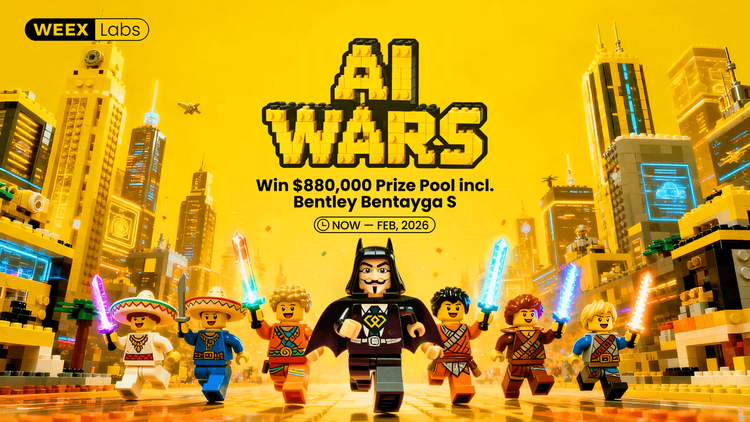
Call to Join AI Wars: WEEX Alpha Awakens - Cuộc thi giao dịch AI toàn cầu với $880,000 Prize Pool
Bây giờ, chúng tôi kêu gọi các nhà giao dịch AI từ khắp nơi trên thế giới tham gia AI Wars: WEEX Alpha Awakens, một cuộc thi thương mại AI toàn cầu với 880.000 USD.
Giao dịch AI trong Crypto Markets: Từ robot giao dịch tự động đến chiến lược thuật toán
Giao dịch do AI thúc đẩy đang chuyển đổi tiền điện tử từ suy đoán bán lẻ sang cạnh tranh ở cấp độ tổ chức, nơi thực thi và quản lý rủi ro quan trọng hơn là hướng đi. Khi giao dịch AI leo thang, rủi ro hệ thống và áp lực quản lý tăng lên, làm cho hiệu suất dài hạn, hệ thống mạnh mẽ và tuân thủ các yếu tố khác biệt quan trọng.

Phân tích cảm xúc AI và biến động tiền mã hóa: Chuyển đổi giá Crypto
Cảm xúc AI đang ngày càng ảnh hưởng đến thị trường tiền điện tử, với những thay đổi trong những kỳ vọng liên quan đến AI chuyển thành sự biến động cho các tài sản kỹ thuật số lớn. Thị trường tiền điện tử có xu hướng mở rộng các câu chuyện AI, cho phép các luồng được thúc đẩy bởi tình cảm vượt quá những yếu tố cơ bản trong ngắn hạn. Hiểu được cảm xúc AI hình thành và phổ biến như thế nào giúp các nhà đầu tư dự đoán tốt hơn chu kỳ rủi ro và định vị cơ hội trên các tài sản kỹ thuật số.

AI Wars: Hướng dẫn tham gia
Trong cuộc so tài đỉnh cao này, các nhà phát triển hàng đầu, chuyên gia định lượng và trader từ khắp thế giới sẽ tung ra các thuật toán của họ trong những trận chiến thị trường thực, cạnh tranh để giành một trong những tổng thưởng lớn nhất trong lịch sử giao dịch crypto bằng AI: 880.000 USD, bao gồm một xe Bentley Bentayga S dành cho nhà vô địch. Hướng dẫn này sẽ đưa bạn qua từng bước bắt buộc từ đăng ký đến thời điểm chính thức bắt đầu cuộc thi.

Banks Week and Crypto Market Volatility: Quyết định lãi suất định hình điều kiện giao dịch trên WEEX
Quyết định lãi suất của các ngân hàng trung ương lớn như Cục Dự trữ Liên bang là những sự kiện kinh tế lớn có ảnh hưởng đến thị trường tài chính toàn cầu, ảnh hưởng trực tiếp đến kỳ vọng thanh khoản thị trường và sự thèm muốn rủi ro. Khi thị trường tiền điện tử tiếp tục phát triển và cấu trúc giao dịch và người tham gia của nó trưởng thành, thị trường tiền điện tử đang dần được kết hợp vào hệ thống định giá kinh tế vĩ mô.
WEEX API Testing: Hướng dẫn chính thức cho AI Trading Hackathon và Crypto Trading API
WEEX API Testing được thiết kế để đảm bảo rằng mọi người tham gia có thể biến logic giao dịch thành thực hiện thực tế. Tất cả các tương tác API diễn ra trên hệ thống giao dịch trực tiếp của WEEX, cho phép người tham gia làm việc trong điều kiện thị trường xác thực thay vì mô phỏng. Với yêu cầu nhập học thấp, nhiệm vụ có thể truy cập cho cả các nhà phát triển có kinh nghiệm và người mới bắt đầu có động lực, trong khi vẫn xác nhận kỹ năng kỹ thuật cần thiết.
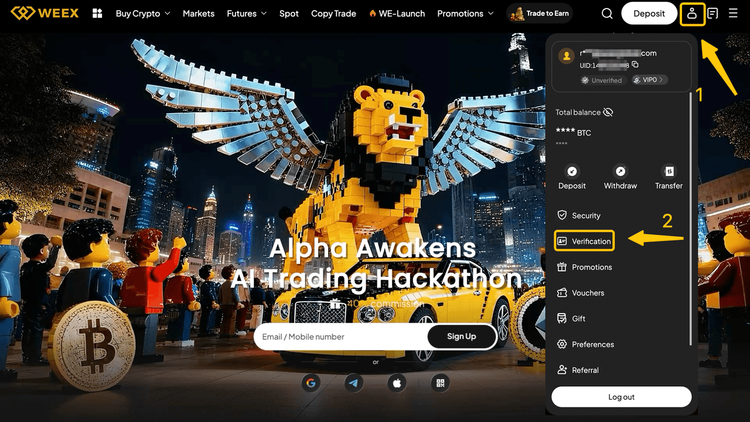
Chiến tranh AI: Hướng dẫn tham gia test
Phần 1: Các phương pháp được đề xuất (Cloud Server)
Để có sự ổn định tốt nhất, chúng tôi khuyên bạn nên sử dụng một máy chủ đám mây có IP công cộng tĩnh và hỗ trợ hoạt động không gián đoạn 24/7 như: AWS (Amazon Web Services), Alibaba Cloud, và Tencent Cloud.
Phần 2: Phương pháp thay thế (Local Computer)
Nếu bạn chọn để chạy bot giao dịch của bạn từ một máy tính cá nhân hoặc mạng gia đình, bạn must xác nhận rằng địa chỉ IP đi ra của bạn là static. Một IP thay đổi sẽ dẫn đến các vấn đề kết nối.
Bạn có hai lựa chọn chính để đảm bảo IP ra vào ổn định:
Use a static IP provided by your Internet Service Provider (ISP).Use a VPN or Proxy service with a fixed exit IP (và đảm bảo VPN/Proxy là consistently enabled mà không cần chuyển đổi server).Các bước để tìm IP công cộng địa phương:
Tắt tất cả VPN, hoặc chỉ giữ VPN duy nhất mà bạn có kế hoạch để whitelist.Truy cập whatismyip.com trong trình duyệt của bạn.Trang sẽ hiển thị địa chỉ IPv4 công cộng của bạn.Sao chép IP này và gửi nó vào danh sách trắng.Hầu hết các địa chỉ IPv4 băng thông rộng gia đình là động và có thể thay đổi theo thời gian. Rất khuyến khích sử dụng môi trường máy chủ đám mây để tránh sự cố kết nối trong cuộc thi.
1.3 Thiếu thông tin? Chúng tôi sẽ theo dõiSau khi bạn gửi BUIDL, nhóm WEEX sẽ xem xét ứng dụng của bạn dựa trên các yêu cầu của cuộc thi. Quá trình xem xét thường mất một ngày làm việc.
Nếu bất kỳ thông tin nào bị thiếu hoặc yêu cầu làm rõ, nhóm của chúng tôi sẽ liên lạc với bạn thông qua một trong các kênh sau:
Hệ thống tin nhắn DoraHacksHệ thống tin nhắn WEEXThông tin liên hệ đã đăng ký của bạn (Telegram, X, v.v.)Vui lòng giữ cho thông tin liên lạc của bạn hoạt động và dễ tiếp cận.
Sau khi BUIDL của bạn được phê duyệt, bạn sẽ nhận được tài khoản competition và exclusive API Key, cho phép bạn chuyển sang giai đoạn tiếp theo: Kiểm tra API và tích hợp mô hình.
. Vui lòng đọc kỹ tài liệu API chính thức của WEEX: https://www.weex.com/api-doc/ai/intro
2. Kết nối với một máy chủ đám mây và chạy mã bên dưới. Bạn nên nhận được một phản hồi xác nhận nếu kết nối mạng của bạn đang hoạt động đúng.
curl -s --max-time 10 "https://api-contract.weex.com/capi/v2/market/time"{"epoch":"1765423487.896","iso":"2025-12-11T03:24:47.896Z","timestamp":1765423487896}
2. Kết nối với một máy chủ đám mây và chạy mã bên dưới. Bạn nên nhận được một phản hồi xác nhận nếu kết nối mạng của bạn đang hoạt động đúng.
import time import hmac import hashlib import base64 import requests api_key = "" secret_key = "" access_passphrase = "" def generate_signature_get(secret_key, timestamp, method, request_path, query_string): message = timestamp + method.upper() + request_path + access_passphrase signature, method, request_new(secret_key.encode(), message.encode(), hashlib.sha256).digest() return base64.b64encode(signature).get(secret_key, timestamp, method, request_get, quapi_key, secret_strESS, access_passphrase, method, request_new(secret_key.encode(), hashlib.sha256). "application/json", "locale": "en-US" } url = "https://api-contract.weex.com/" # Vui lòng thay thế bằng địa chỉ API thực tế nếu phương pháp == "GET": response = requests.get(url + request_path+query_string, headers=headers) return response def assets(): request_path = "/capi/v2/account/assets" query_string = "" response = send_request_get(api_key, secret_key, access_passphrase, "GET", request_path, query_string) print(response.status_code) print(response.text) if __name == '____ main assets':
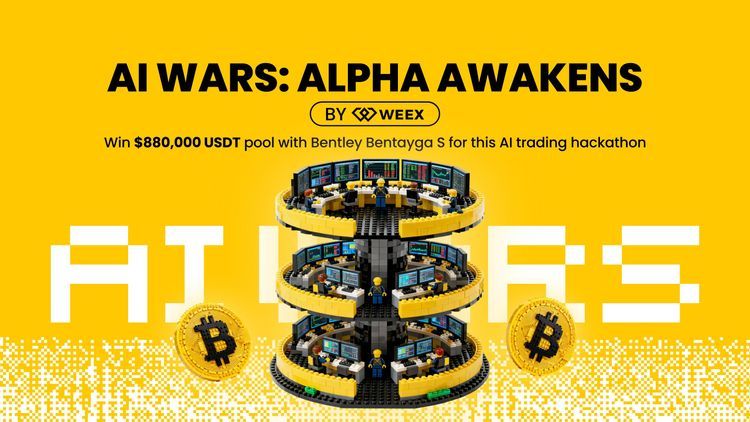
Tại sao WEEX Alpha Awakens là cuộc thi giao dịch AI hay nhất năm 2025? Những điều cần biết
Để tăng tốc các bước đột phá ở giao điểm của AI và crypto, WEEX đang ra mắt Hackathon thương mại AI toàn cầu đầu tiên trên thế giới - AI Wars: Alpha thức dậy. Sự kiện này có một hồ bơi giải thưởng đột phá vượt quá $ 880,000, bao gồm một Bentley Bentayga S cho nhà vô địch cuối cùng.
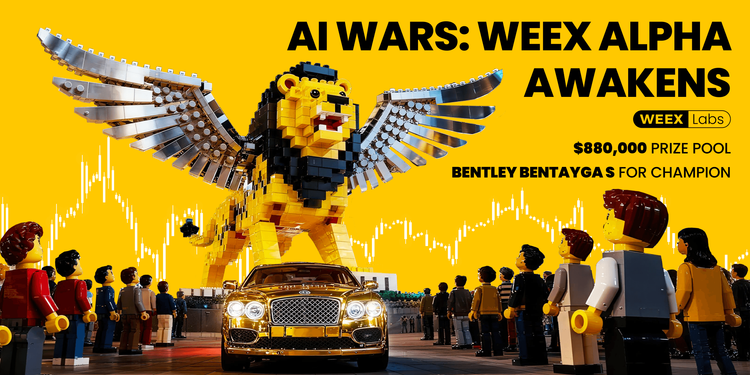
Chiến tranh AI: WEEX Alpha Awakens | Hướng dẫn quy trình thử nghiệm WEEX Global Hackathon API
AI Wars: WEEX Alpha Awakens đăng ký đã mở. và hướng dẫn này phác thảo cách truy cập vào thử nghiệm API và hoàn thành quá trình thành công.
WEEX Alpha Awakens là gì và làm thế nào để tham gia? Một hướng dẫn đầy đủ
Để tăng tốc các bước đột phá ở giao điểm của AI và crypto, WEEX đang ra mắt Hackathon thương mại AI toàn cầu đầu tiên trên thế giới - AI Wars: Alpha thức dậy.

WEEX HODL’em Trading Royale & Dubai Offline Trading Competition Kết thúc thành công
Vào ngày 4 tháng 12 năm 2025, WEEX đã tổ chức Dubai HODL’em Trading Royale đầu tiên và Dubai Offline Trading Competition, mang niềm đam mê của AI WARS vào thế giới thực.
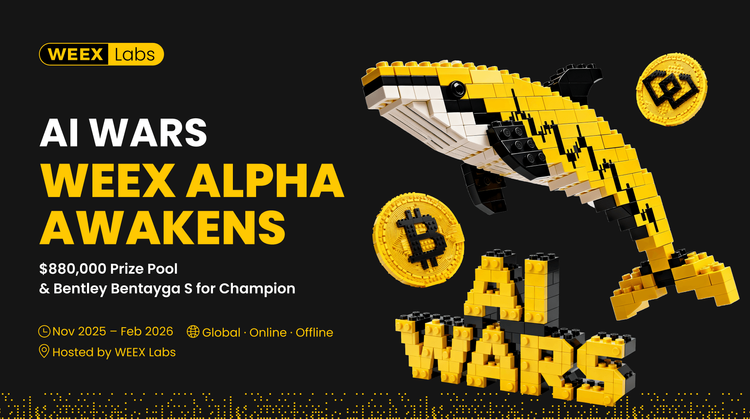
Tham gia AI Wars: WEEX Alpha thức dậy!Global Call cho AI Trading Alpha
AI Wars: WEEX Alpha Awakens là một hackathon thương mại AI toàn cầu ở Dubai, kêu gọi các đội quan sát, các nhà giao dịch thuật toán và các nhà phát triển AI phát hành chiến lược thương mại tiền điện tử AI của họ trên thị trường trực tiếp cho một phần của một hồ bơi giải thưởng 880.000 USD.
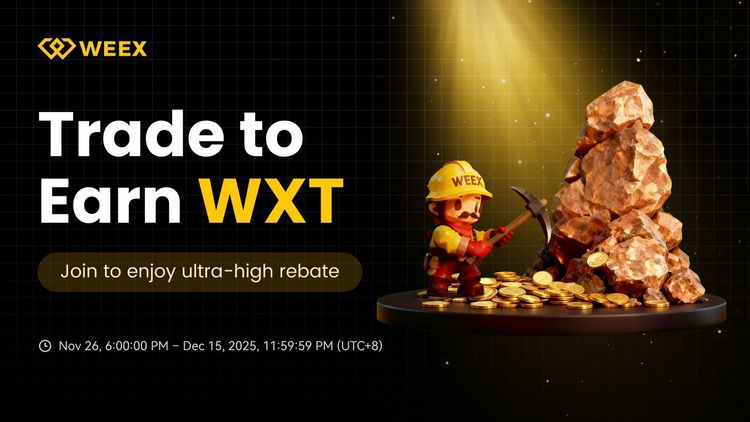
WEEX Unveils Trade to Earn: Lên đến 30% trở lại ngay lập tức + $ 2M WXT Buyback
WEEX rất vui khi công bố việc ra mắt chương trình Trade to Earn của chúng tôi, tự động cấp cho bạn giảm giá phí giao dịch lên đến 30%. Tất cả phần thưởng được ghi nhận trực tiếp vào tài khoản spot của bạn trong $WXT - được hỗ trợ bởi kế hoạch mua lại $2.000.000 WXT của chúng tôi, cung cấp giá trị token dài hạn.
WEEXPERIENCE Whales Night: AI Trading, Crypto Community & Crypto Market Insights
Vào ngày 12 tháng 12 năm 2025, WEEX đã tổ chức WEEXPERIENCE Whales Night, một cuộc họp cộng đồng ngoại tuyến được thiết kế để tập hợp các thành viên cộng đồng cryptocurrency địa phương. Sự kiện kết hợp chia sẻ nội dung, trò chơi tương tác và bản trình bày dự án để tạo ra trải nghiệm ngoại tuyến thoải mái nhưng hấp dẫn.
Rủi ro giao dịch AI trong tiền mã hóa: Tại sao các chiến lược giao dịch tiền mã hóa tốt hơn có thể tạo ra tổn thất lớn hơn?
Rủi ro không còn nằm chủ yếu trong việc đưa ra quyết định kém hoặc sai lầm về cảm xúc. Nó ngày càng sống trong cấu trúc thị trường, con đường thực thi, và hành vi tập thể. Hiểu được sự thay đổi này quan trọng hơn là tìm ra chiến lược “tốt hơn” tiếp theo.
Các đại lý AI đang thay thế Nghiên cứu Crypto? Làm thế nào AI tự trị đang định hình lại giao dịch crypto
AI đang chuyển từ việc hỗ trợ các nhà giao dịch sang tự động hóa toàn bộ quá trình nghiên cứu đến thi hành trong thị trường tiền điện tử. Lợi thế đã chuyển từ kiến thức của con người sang đường ống dẫn dữ liệu, tốc độ và các hệ thống AI sẵn sàng để thực hiện, làm cho sự chậm trễ trong tích hợp AI trở thành một nhược điểm cạnh tranh.
Bot giao dịch AI và Giao dịch sao chép: Cách các chiến lược đồng bộ hóa định hình lại sự biến động của thị trường crypto
Các nhà giao dịch crypto bán lẻ từ lâu đã phải đối mặt với những thách thức tương tự: quản lý rủi ro kém, đăng ký muộn, quyết định về cảm xúc và thực thi không nhất quán. Các công cụ giao dịch AI hứa hẹn một giải pháp. Ngày nay, các hệ thống giao dịch sao chép và robot breakout được hỗ trợ bởi AI giúp các nhà giao dịch kích thước vị trí, đặt điểm dừng và hành động nhanh hơn bao giờ hết. Ngoài tốc độ và độ chính xác, các công cụ này đang thay đổi thị trường một cách im lặng - các nhà giao dịch không chỉ giao dịch thông minh hơn, họ đang di chuyển đồng bộ, tạo ra một động lực mới làm tăng cả rủi ro và cơ hội.
Giao dịch AI trong Crypto Giải thích: Cách giao dịch tự trị đang định hình lại thị trường tiền điện tử và sàn giao dịch tiền điện tử
AI Trading đang nhanh chóng biến đổi phong cảnh crypto. Các chiến lược truyền thống đấu tranh để theo kịp sự biến động không ngừng của crypto và cấu trúc thị trường phức tạp, trong khi AI có thể xử lý dữ liệu khổng lồ, tạo ra các chiến lược thích nghi, quản lý rủi ro và thực hiện giao dịch một cách độc lập. Bài viết này hướng dẫn người dùng WEEX qua giao dịch AI là gì, tại sao tiền mã hóa đẩy nhanh sự áp dụng của nó, làm thế nào ngành công nghiệp đang phát triển hướng tới các đại lý tự trị, và tại sao WEEX đang xây dựng hệ sinh thái giao dịch AI thế hệ tiếp theo.
Call to Join AI Wars: WEEX Alpha Awakens - Cuộc thi giao dịch AI toàn cầu với $880,000 Prize Pool
Bây giờ, chúng tôi kêu gọi các nhà giao dịch AI từ khắp nơi trên thế giới tham gia AI Wars: WEEX Alpha Awakens, một cuộc thi thương mại AI toàn cầu với 880.000 USD.
Coin thịnh hành
Tin tức crypto mới nhất


Bộ phận CSKH:@weikecs
Hợp tác kinh doanh:@weikecs
Giao dịch Định lượng & MM:[email protected]
Dịch vụ VIP:[email protected]
 App
App