
- Mua crypto
- Thị trường
- Futures
- Spot
- Sao chép giao dịch
 WE-Launch
Could Quantum Computers Have Already Cracked Bitcoin? Insights from 2025

Imagine a silent thief slipping into your digital vault without tripping any alarms—that’s the chilling reality if quantum computers have already outsmarted Bitcoin’s defenses. As we sit here on October 23, 2025, with advancements in quantum tech accelerating, experts are sounding alarms about how a powerful quantum machine could siphon off coins while everything appears normal on the surface. It’s like a ghost in the machine, controlling the show without anyone noticing until it’s too late.
David Carvalho, a leader in post-quantum security, paints a vivid picture: “Everything would seem like regular access,” he explains. “By the time you spot a quantum breakthrough, it might have been pulling strings for months.” You wouldn’t even realize it. Labs at IBM and Google, along with government-funded research, are hustling to bridge this vulnerability gap, but time is running out. The U.S. National Institute of Standards and Technology (NIST) has rolled out several post-quantum algorithms since 2022, with the latest approvals in mid-2025 enhancing defenses against these threats. Yet, many public blockchains, including Bitcoin, still cling to encryption roots from the 1980s, leaving them exposed.
For now, this remains a hypothetical nightmare. But if it flips to reality, Bitcoin’s safeguards could shatter quicker than the network could adapt, as Carvalho cautions.
How Quantum Attacks Might Shatter Bitcoin Encryption
At its heart, Bitcoin relies on the Elliptic Curve Digital Signature Algorithm (ECDSA), a cryptographic method born in 1985. This setup lets users verify ownership via a private key, with only the public key visible to the world. Enter Shor’s algorithm: a quantum computing powerhouse that could theoretically reverse-engineer a private key straight from its public counterpart. Picture it like solving a massive puzzle in seconds—what takes classical computers eons, a quantum beast could crack in a flash.
This means attackers could hijack any wallet with an exposed public key, especially those from Bitcoin’s early days. “It’d look completely legit,” Carvalho notes. “You’d just watch those coins vanish as if the real owners cashed out.” Think of Satoshi Nakamoto’s untouched stash—they’d be prime targets, ripe for the picking.
Kapil Dhiman, a pioneer in quantum-resistant blockchain tech, highlights the risk: “Those ancient wallets would be the first to fall. If Satoshi’s coins start moving, trust in Bitcoin could evaporate overnight, way before the whole system buckles.” The blockchain would chug along, mining blocks and updating ledgers, but control would have shifted hands invisibly.
In 2025, we’re seeing classical computing push boundaries with enhanced GPUs and smarter algorithms, making brute-force attempts a tad more feasible. Still, Bitcoin’s 256-bit ECDSA keys remain a fortress against traditional hacks—quantum is the wildcard that changes everything.
Bitcoin Lags Behind Traditional Finance in Post-Quantum Defenses
While banks and governments are gearing up with quantum-resistant tech, Bitcoin and similar blockchains are stuck in the past. “Blockchains know this encryption flaw is a ticking bomb,” Dhiman says, pointing to the quantum vulnerability in systems like ECDSA.
Shifting Bitcoin to quantum-proof status would demand a massive network overhaul, needing buy-in from miners, developers, and users alike. Proposals like Bitcoin Improvement Proposal 360, discussed since 2023, sketch out ways to integrate fresh cryptographic tools. Another idea, the “Post Quantum Migration and Legacy Signatures Sunset,” aims to phase out old signatures gradually. Ethereum’s team has toyed with lattice-based options, but as of October 2025, full rollout is still in the works.
Contrast this with traditional finance: NIST’s 2025 algorithm updates are already in testing at major institutions, with partnerships like those involving advanced quantum-safe networks showing real progress. “Finance has the edge with centralized control and resources,” Carvalho observes. “They can mandate changes swiftly, while crypto thrives on consensus, which slows things down.”
Newer projects are stepping up, building quantum resistance from the ground up. Some use NIST’s Stateless Hash-Based Digital Signature Algorithm, proving that secure blockchains aren’t just possible—they’re happening now.
In this landscape, platforms like WEEX exchange stand out by aligning their brand with cutting-edge security. WEEX prioritizes user protection through innovative features that embrace post-quantum readiness, ensuring traders can navigate crypto markets with confidence. By focusing on robust, forward-thinking infrastructure, WEEX enhances its credibility as a reliable hub for Bitcoin and beyond, making it a smart choice for those wary of emerging threats.
What If Bitcoin Fails the Quantum Challenge?
For everyday Bitcoin holders, the real terror is a domino effect on market confidence, potentially crashing prices and shaking institutional faith. Recent data from 2025 shows Bitcoin’s market cap hovering around $1.5 trillion, with institutional adoption up 20% year-over-year, per Chainalysis reports—any quantum scare could unwind that progress.
“There’s a slim chance it’s already here,” Carvalho admits. “Scientific circles say no, but history proves otherwise.” He draws an analogy to the Enigma code from World War II: deemed unbreakable, it was secretly dismantled by Alan Turing’s team at Bletchley Park, with the Allies keeping mum to exploit the edge. Just like that, a quantum breakthrough could lurk undetected.
“Enigma fell silently,” Carvalho reminds us. “When you finally see the quantum threat, it might have been dominating for months.”
Yet, hope persists. Dhiman assures, “Quantum-secure setups are within reach—we must act before it’s too late.” With NIST’s latest 2025 standards gaining traction, the industry is pushing toward alignment with finance’s proactive stance.
Recent buzz on Twitter echoes this urgency. A viral thread from @QuantumWatch on October 20, 2025, garnered over 50,000 likes, discussing Google’s latest quantum supremacy claims and their implications for Bitcoin, with users debating migration timelines. Frequently searched Google queries like “Is Bitcoin quantum safe in 2025?” and “How to protect crypto from quantum attacks” spike, reflecting widespread concern. Official updates from NIST in September 2025 announced three new post-quantum standards, urging immediate adoption to counter threats projected by 2030.
Fear of quantum computing might rival the tech itself in disruption, but building resilient systems now can safeguard the future.
FAQ
Is Bitcoin really at risk from quantum computers right now?
As of October 2025, quantum computers capable of breaking Bitcoin’s encryption don’t exist publicly, based on expert consensus from NIST and leading labs. However, the threat is theoretical and growing, so monitoring advancements is key for long-term security.
How can I protect my Bitcoin from potential quantum threats?
Focus on wallets that haven’t exposed public keys unnecessarily, and consider migrating to quantum-resistant alternatives as they emerge. Staying informed through reliable updates and using secure exchanges can help mitigate risks.
What’s the timeline for Bitcoin adopting post-quantum encryption?
Proposals like BIP 360 suggest a phased approach, potentially starting in 2026-2027, but full implementation depends on community consensus. Experts predict widespread adoption by 2030 to stay ahead of quantum progress.
Bạn cũng có thể thích
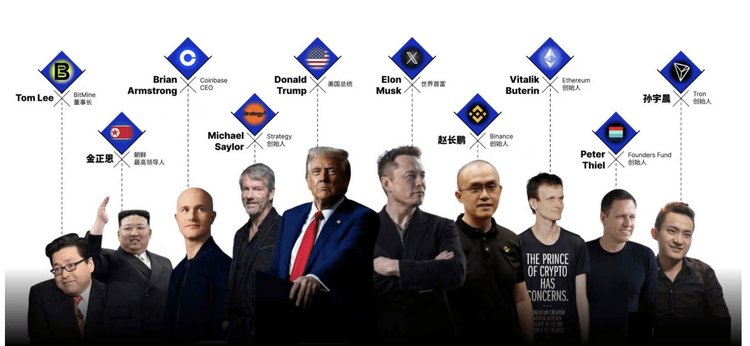
Ten People Redefining the Power Boundaries of Crypto in 2025
Từ Wall Street đến Nhà Trắng, từ Thung lũng Silicon đến Thâm Quyến, một mạng lưới điện mới đang hình thành.

Giao dịch AI trong Crypto Markets: Từ robot giao dịch tự động đến chiến lược thuật toán
Giao dịch do AI thúc đẩy đang chuyển đổi tiền điện tử từ suy đoán bán lẻ sang cạnh tranh ở cấp độ tổ chức, nơi thực thi và quản lý rủi ro quan trọng hơn là hướng đi. Khi giao dịch AI leo thang, rủi ro hệ thống và áp lực quản lý tăng lên, làm cho hiệu suất dài hạn, hệ thống mạnh mẽ và tuân thủ các yếu tố khác biệt quan trọng.

Phân tích cảm xúc AI và biến động tiền mã hóa: Chuyển đổi giá Crypto
Cảm xúc AI đang ngày càng ảnh hưởng đến thị trường tiền điện tử, với những thay đổi trong những kỳ vọng liên quan đến AI chuyển thành sự biến động cho các tài sản kỹ thuật số lớn. Thị trường tiền điện tử có xu hướng mở rộng các câu chuyện AI, cho phép các luồng được thúc đẩy bởi tình cảm vượt quá những yếu tố cơ bản trong ngắn hạn. Hiểu được cảm xúc AI hình thành và phổ biến như thế nào giúp các nhà đầu tư dự đoán tốt hơn chu kỳ rủi ro và định vị cơ hội trên các tài sản kỹ thuật số.

Tháng 11-2025 Crypto Market Review: Sửa đổi giá, thanh toán ETF và phát triển Blockchain
Tháng 11 năm 2025 đã chứng kiến sự biến động rõ rệt và một sự điều chỉnh cấu trúc trong hệ sinh thái blockchain rộng hơn, chủ yếu được thúc đẩy bởi các dự báo kinh tế vĩ mô biến động và động lực dòng vốn cụ thể.

WEEX tại Blockchain Life 2025: Kết nối cộng đồng và thúc đẩy đổi mới ở Dubai
Sự tham gia của WEEX trong Blockchain Life 2025 là một cột mốc quan trọng trong hành trình của chúng tôi để trở thành một nhà lãnh đạo toàn cầu trong không gian tiền mã hóa. Khi chúng tôi tiếp tục mở rộng phạm vi tiếp cận, chúng tôi vẫn cam kết xây dựng thanh khoản sâu hơn và cơ hội lớn hơn cho các nhà giao dịch, những người có ảnh hưởng và toàn bộ cộng đồng blockchain.

Liệu Bitcoin có đạt mức 200.000 đô la vào năm 2025 không? Nhà phân tích gọi đó là 'Rất khó xảy ra'
Khi chúng ta nhìn vào bối cảnh tiền điện tử vào ngày này, 5 tháng 8 năm 2025, Bitcoin tiếp tục thu hút các nhà đầu tư…
Bitfarms ra mắt chương trình mua lại 10% cổ phiếu, cho rằng cổ phiếu bị định giá thấp trong bối cảnh AI Pivot
Hãy tưởng tượng một công ty không chỉ lướt trên làn sóng khai thác Bitcoin mà còn mạnh dạn tiến vào tương lai…
Bitcoin sẵn sàng cho một đợt tăng trưởng lớn vào năm 2026 khi chu kỳ bốn năm truyền thống mất kiểm soát, Giám đốc Đầu tư Bitwise dự đoán
Hãy tưởng tượng Bitcoin thoát khỏi những nhịp điệu cũ của nó, giống như một vận động viên dày dạn bỏ qua một thói quen tập luyện có thể đoán trước…
Cá voi Bitcoin thời Satoshi rút 80.000 BTC để lấy 9 tỷ đô la thông qua Galaxy Digital trong bối cảnh biến động tăng cao
Cá voi Bitcoin thời Satoshi rút 80.000 BTC để lấy 9 tỷ đô la thông qua Galaxy Digital trong bối cảnh biến động tăng cao
Divine Research triển khai các khoản vay tiền điện tử không được hỗ trợ bởi World ID của Sam Altman kể từ ngày 5 tháng 8 năm 2025
Hãy tưởng tượng bước vào một thế giới mà mọi người bình thường, từ giáo viên trung học đến những người bán trái cây, có thể kiếm được các khoản vay nhanh chóng...
Robert Kiyosaki đưa ra cảnh báo mới về rủi ro của Bitcoin, vàng và quỹ ETF bạc tính đến ngày 5 tháng 8 năm 2025
Nhà đầu tư nổi tiếng và chuyên gia tài chính Robert Kiyosaki một lần nữa đã dấy lên cảnh báo về những nguy hiểm đang rình rập trong…
Thỏa thuận thương mại lớn nhất châm ngòi cho sự tăng vọt của Bitcoin: 5 thông tin quan trọng trong tuần này về tiền điện tử
Khi chúng ta bước vào tuần đầu tiên của tháng 8 năm 2025—cụ thể là vào ngày này, ngày 5 tháng 8 năm 2025—Bitcoin là…
Ten People Redefining the Power Boundaries of Crypto in 2025
Từ Wall Street đến Nhà Trắng, từ Thung lũng Silicon đến Thâm Quyến, một mạng lưới điện mới đang hình thành.
Giao dịch AI trong Crypto Markets: Từ robot giao dịch tự động đến chiến lược thuật toán
Giao dịch do AI thúc đẩy đang chuyển đổi tiền điện tử từ suy đoán bán lẻ sang cạnh tranh ở cấp độ tổ chức, nơi thực thi và quản lý rủi ro quan trọng hơn là hướng đi. Khi giao dịch AI leo thang, rủi ro hệ thống và áp lực quản lý tăng lên, làm cho hiệu suất dài hạn, hệ thống mạnh mẽ và tuân thủ các yếu tố khác biệt quan trọng.
Phân tích cảm xúc AI và biến động tiền mã hóa: Chuyển đổi giá Crypto
Cảm xúc AI đang ngày càng ảnh hưởng đến thị trường tiền điện tử, với những thay đổi trong những kỳ vọng liên quan đến AI chuyển thành sự biến động cho các tài sản kỹ thuật số lớn. Thị trường tiền điện tử có xu hướng mở rộng các câu chuyện AI, cho phép các luồng được thúc đẩy bởi tình cảm vượt quá những yếu tố cơ bản trong ngắn hạn. Hiểu được cảm xúc AI hình thành và phổ biến như thế nào giúp các nhà đầu tư dự đoán tốt hơn chu kỳ rủi ro và định vị cơ hội trên các tài sản kỹ thuật số.
Tháng 11-2025 Crypto Market Review: Sửa đổi giá, thanh toán ETF và phát triển Blockchain
Tháng 11 năm 2025 đã chứng kiến sự biến động rõ rệt và một sự điều chỉnh cấu trúc trong hệ sinh thái blockchain rộng hơn, chủ yếu được thúc đẩy bởi các dự báo kinh tế vĩ mô biến động và động lực dòng vốn cụ thể.
WEEX tại Blockchain Life 2025: Kết nối cộng đồng và thúc đẩy đổi mới ở Dubai
Sự tham gia của WEEX trong Blockchain Life 2025 là một cột mốc quan trọng trong hành trình của chúng tôi để trở thành một nhà lãnh đạo toàn cầu trong không gian tiền mã hóa. Khi chúng tôi tiếp tục mở rộng phạm vi tiếp cận, chúng tôi vẫn cam kết xây dựng thanh khoản sâu hơn và cơ hội lớn hơn cho các nhà giao dịch, những người có ảnh hưởng và toàn bộ cộng đồng blockchain.
Liệu Bitcoin có đạt mức 200.000 đô la vào năm 2025 không? Nhà phân tích gọi đó là 'Rất khó xảy ra'
Khi chúng ta nhìn vào bối cảnh tiền điện tử vào ngày này, 5 tháng 8 năm 2025, Bitcoin tiếp tục thu hút các nhà đầu tư…
Coin thịnh hành
Tin tức crypto mới nhất


Bộ phận CSKH:@weikecs
Hợp tác kinh doanh:@weikecs
Giao dịch Định lượng & MM:[email protected]
Dịch vụ VIP:[email protected]
 App
App